A camping safari is the oldest and, for many travellers, the most memorable way to see Tanzania. Instead of moving between lodges, you stay under canvas in or beside the parks — closer to the sounds of the bush, the night sky and the animals that pass by after dark.
Camping in Tanzania is not one thing. There are public campsites inside the parks, run by the national park authority, with shared washrooms and space to pitch; there are permanent tented camps with proper beds, ensuite bathrooms and a dining tent; and there are private mobile camps that move with the Great Migration, set up just for your group.
Most of our camping itineraries use a mix of these. A few nights on a public campsite keep the cost down, while a night or two in a comfortable tented camp adds a little comfort in the middle of the trip. You travel with your own guide and a private 4x4, so the route and the pace are still yours.
The rhythm of a camping safari is different. Mornings start at first light, when the animals are most active. Evenings end around a campfire, with dinner cooked by your camp crew and the stars of the southern sky overhead. It is simple, unhurried and wonderfully close to nature.
Camping also stretches your budget further than almost anything else. The savings often mean you can add a park, a day or a second safari rather than choosing between them. If comfort matters more, a permanent tented camp gives you much of the camping atmosphere with a soft bed and a hot shower.
Whether you are a first-time visitor, a family that enjoys the outdoors or a traveller watching the pennies, we will match the level of camping to you and be honest about what each option feels like in practice.
What makes this safari special
-
Closer to the wild
Camps inside the parks put you minutes from the action, with the bush alive around you at night.
-
Campfires and stars
Evenings around the fire, home-cooked meals and some of the clearest night skies on Earth.
-
Bigger value
Camping and simple tented camps cost markedly less, which stretches your trip or your budget further.
-
Your own 4x4
Travel privately with a guide and vehicle, so the route and the daily rhythm stay flexible.
-
Choose your comfort
From public campsites to ensuite tented camps and private mobile camps — you decide the level.
-
Active and easy-going
Suits travellers who like the outdoors and family groups who want space rather than formality.
Safaris with a camping spirit
Trips that work especially well with campsites, tented camps and nights close to the parks.
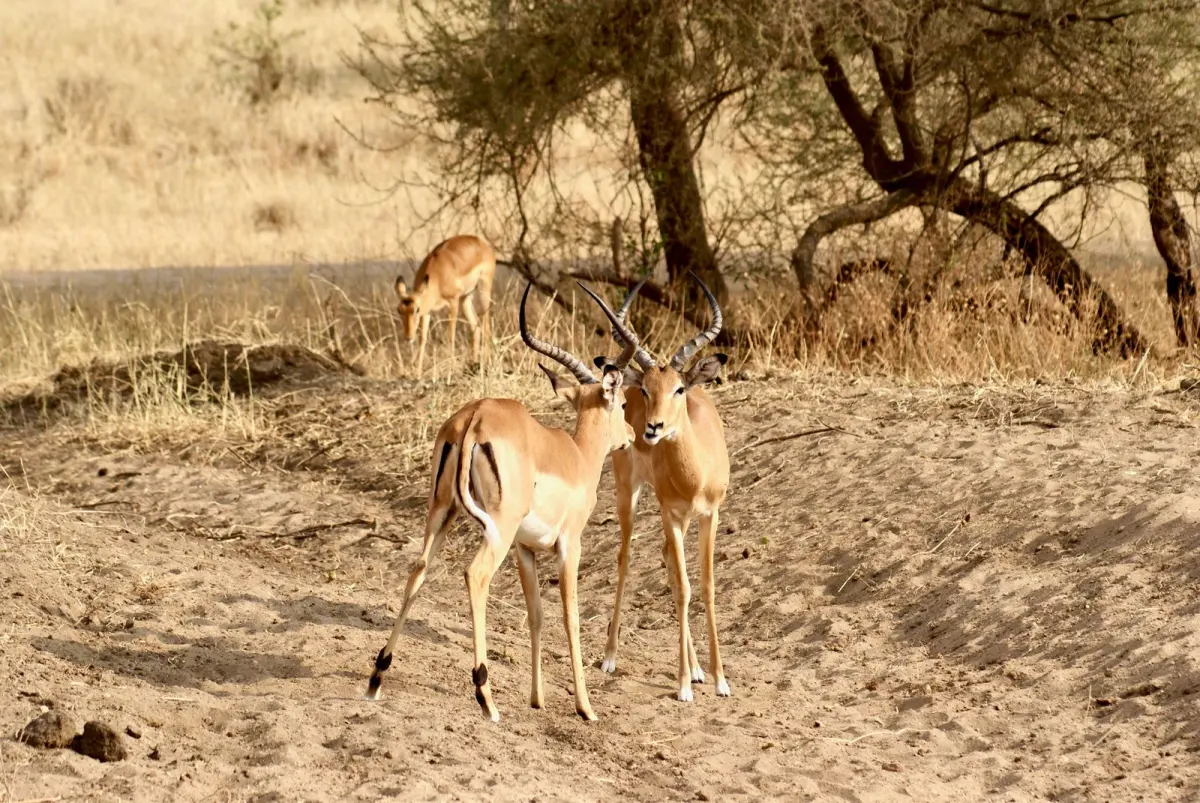
9-Day Tanzania Adventure Safari
A nine-day active safari of game drives, walking and canoeing — pairing Tanzania’s great parks with real adventure and genuine cultural encounters.

5-Day Classic Tanzania Safari
Five days through the classic north — Tarangire’s elephants, Lake Manyara’s flamingos, the Serengeti plains and the Ngorongoro Crater.

5-Day Serengeti Migration Safari
Five migration-driven days: follow the wildebeest herds across the Serengeti, then descend into the Ngorongoro Crater.
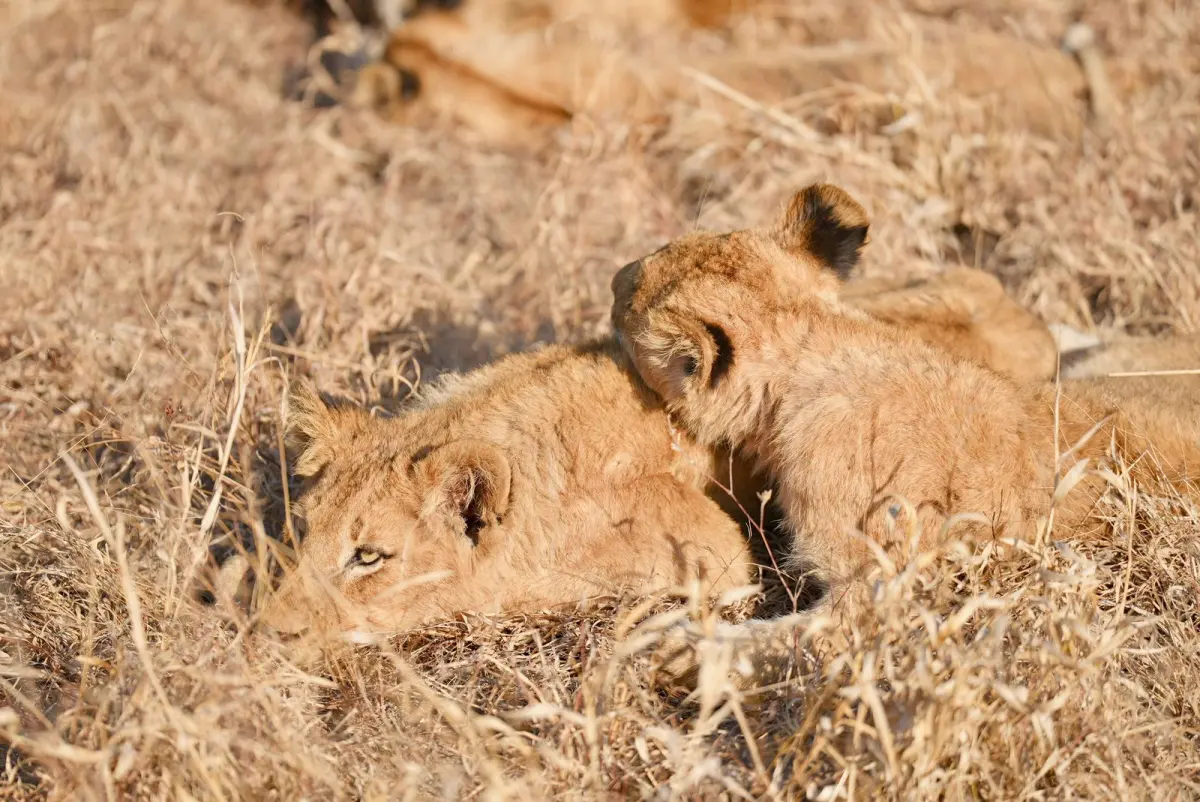
7-Day Great Migration Safari
Follow the wildebeest on their endless journey — three full Serengeti days tracking the Great Migration, bookended by Tarangire and Ngorongoro.
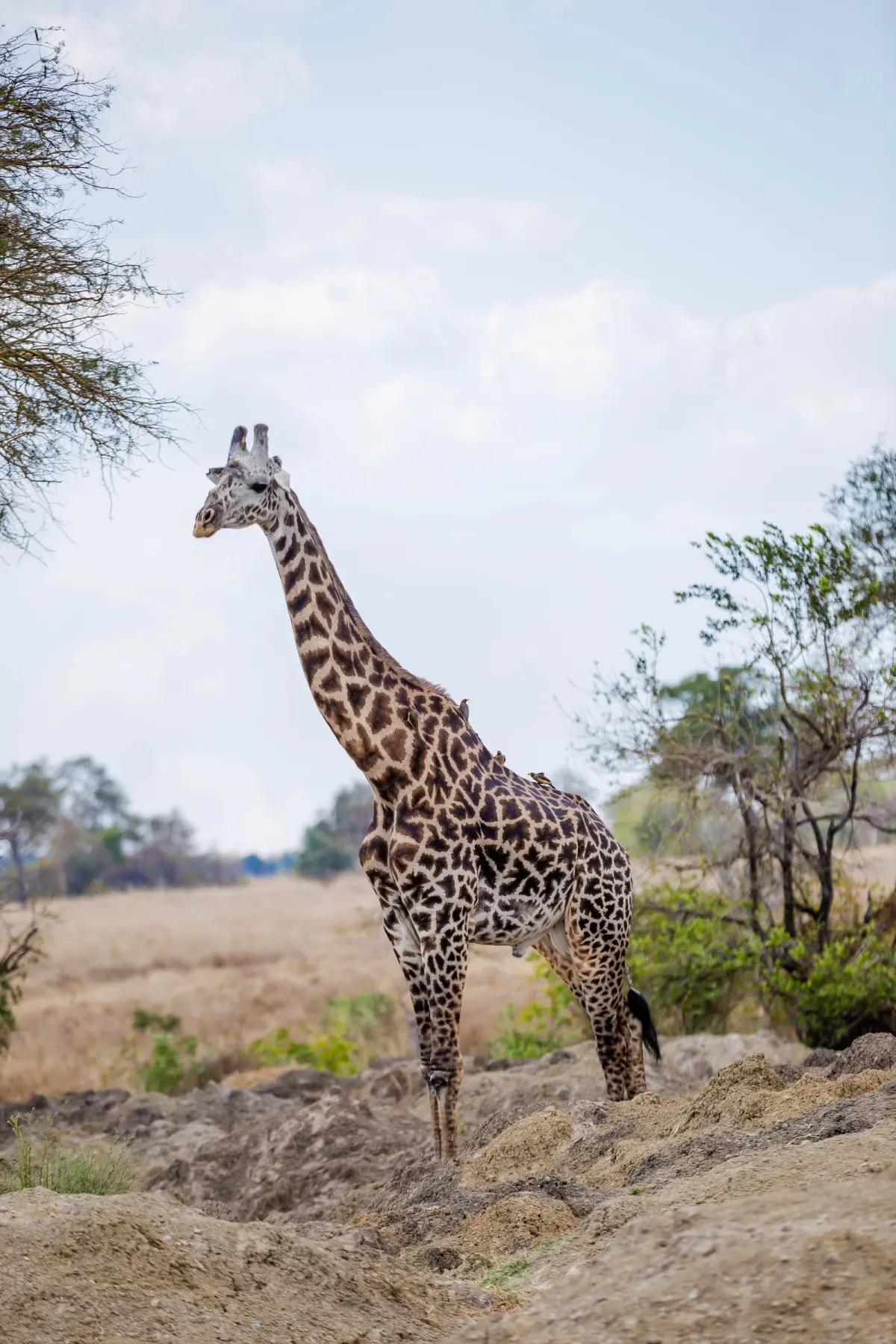
2-Day Tarangire & Ngorongoro Safari
Two packed days: Tarangire’s giant baobabs and elephant herds, then a full descent into the wildlife-rich Ngorongoro Crater.

3-Day Serengeti & Ngorongoro Safari
Three days of pure wildlife: the endless Serengeti plains followed by a full descent into the Big Five-rich Ngorongoro Crater.
Frequently asked questions
What is a camping safari in Tanzania?
It’s a safari where you sleep under canvas rather than in a conventional lodge, which keeps you closer to the sounds, smells and night sky of the bush. Camping in Tanzania covers a wide spectrum. At one end are public campsites inside the parks, run by the park authority, with shared washrooms and space to pitch. In the middle are permanent tented camps with proper beds, ensuite bathrooms and a dining tent. At the top are private mobile camps that move with the Great Migration and are set up exclusively for your group. Most of our itineraries blend two or three of these, so you get both value and comfort, with your own guide and 4x4 throughout.
Are the campsites comfortable?
It depends on the level you choose, and there’s a comfortable option for almost every traveller. Public campsites are simple but wonderfully placed, often inside the parks, with shared ablutions, cold showers and room to pitch your tent. Permanent tented camps are a big step up, offering real beds, ensuite bathrooms with hot water, and a dining tent where meals are served. Private mobile camps sit between the two, with spacious walk-in tents, proper bedding and attentive staff who move the whole camp with you. Whichever you pick, bedding, meals and a camp crew are provided, so you’re never truly roughing it. Tell us how much comfort you want and we’ll match the camps accordingly.
Is a camping safari safe?
Yes. Park campsites are monitored by rangers and your guide knows the routines and risks of each area intimately. Each evening you’ll be briefed on where you can walk, when to stay close to camp and how to move between your tent and the dining area after dark — normally with an escort. Food is stored securely away from sleeping tents so it never attracts animals, and waste is managed carefully. Wildlife does pass through camp, which is part of the magic, but the rules exist for good reason and are easy to follow. Camp crews are experienced and vigilant, and your safety is always the first consideration. With sensible habits, camping in Tanzania is a safe and deeply rewarding way to travel.
Can I have a private mobile camp?
Yes, and it’s one of the most memorable ways to experience the Serengeti. A private mobile camp travels with the migration: it’s set up in a fresh location before you arrive and packed away after you leave, used exclusively by your group. You get spacious walk-in tents, proper beds, a dining tent and a full crew, yet you’re camped in the middle of prime wildlife country with no other guests around. Because the camp follows the herds, you’re often minutes from the action. Mobile camps need to be booked well in advance, particularly for the river-crossing season between July and October, and they’re priced higher than a standard camping safari. We’ll help you time it to the migration.
Is camping suitable for families?
It can be wonderful for families who enjoy the outdoors, and many children remember a night under canvas far longer than any hotel. A private camp works especially well, because the pace, meals and bedtimes are entirely yours — there’s no fixed schedule and no strangers to disturb. Families often love the campfire evenings, the star-gazing and the sense of adventure. Younger children may be better suited to a permanent tented camp with ensuite facilities, while older children can thrive on a more basic campsite. Tell us your children’s ages and interests and we’ll recommend the right level of camping, suggest shorter driving days and choose areas with plenty of animals to keep everyone engaged.
How does camping compare with lodges?
Camping is closer to nature, generally kinder to your budget and often more social — you share meals, stories and campfires with your guide and crew. Lodges offer more facilities, more privacy and, for many travellers, more comfort, with swimming pools, spas and well-appointed rooms. Neither is better; they simply suit different moods and budgets. The savings from camping often let you extend your trip, add a park or take a second safari, while a lodge stay can be the perfect way to unwind after several nights in the bush. Many of our itineraries blend the two, spending most nights under canvas and treating yourself to a lodge at the start or end of the trip. We’ll suggest the balance that fits you.
What should I bring on a camping safari?
Pack comfortable, neutral-coloured clothing that layers easily, plus a warm fleece or jacket for cold early-morning game drives — crater and highland mornings can be surprisingly chilly. Bring a torch or headlamp for moving around camp after dark, sunscreen, a hat, insect repellent and a refillable water bottle. Sturdy closed shoes are useful for walking safaris, and binoculars transform the experience if you have them. Don’t forget any personal medication, spare batteries or a power bank, and a light rain jacket for the green season. Soft bags are easier to stow in a 4x4 or light aircraft. We send a detailed, season-specific packing list when you book, along with luggage-size guidance for any internal flights.
Do I need any camping experience?
None at all. Your guide and camp crew handle the tents, the cooking and every piece of logistics, so you can simply enjoy the safari. If you’re on a public campsite, the crew will pitch and pack up, prepare hot meals and keep the camp running; if you’re in a tented or mobile camp, everything is ready before you arrive. You may want to help with small things like zipping up your tent against the evening insects, but nothing is expected of you. First-time campers are often surprised by how relaxing it feels. Come with an open mind, a sense of adventure and a willingness to fall asleep to the sounds of the bush, and the rest takes care of itself.
Related safaris & guides


Ready to start planning?
Tell us your dates, group size and travel style. We will design a private Tanzania safari around you and send a full quote — free, with no obligation.