About this safari
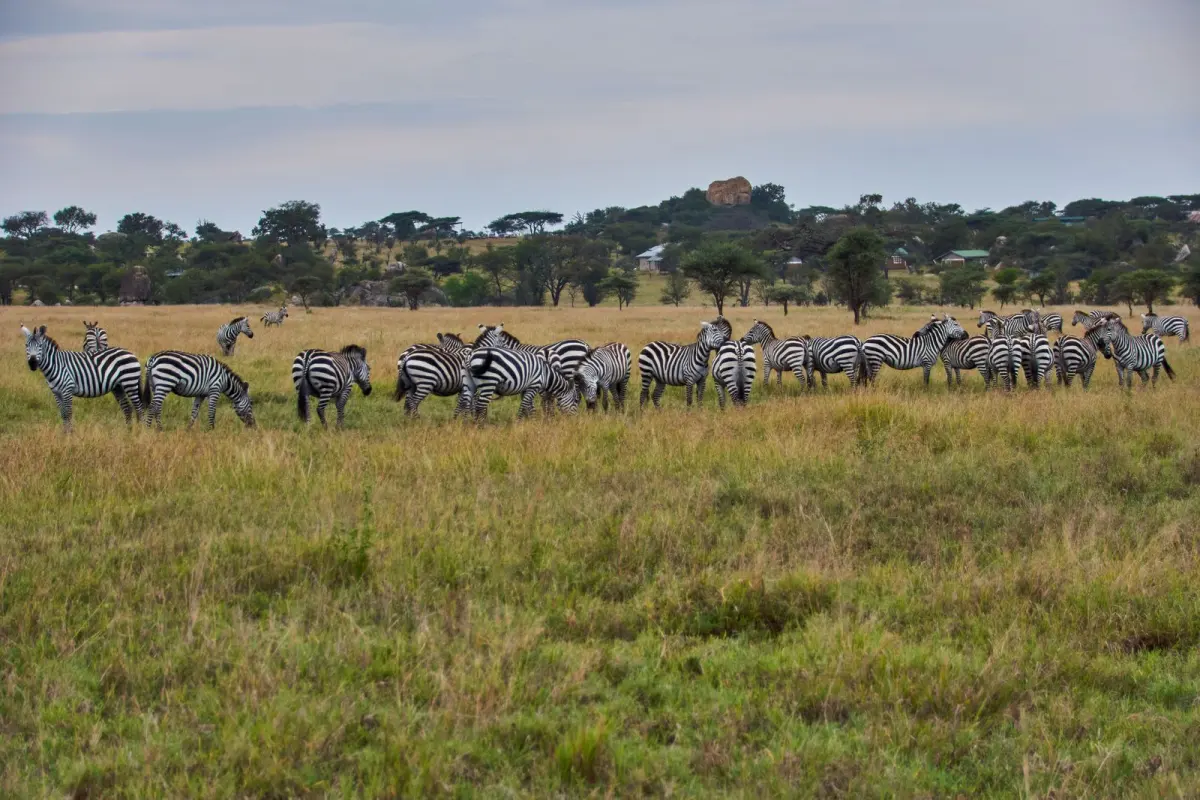
The Great Migration is the largest land mammal movement on Earth: around 1.5 million wildebeest, hundreds of thousands of zebra and gazelle, all circling the Serengeti–Mara ecosystem in time with the rains. This 7-Day Great Migration Safari is built around that journey, with three full days positioned to find the herds, whatever the season and wherever they happen to be.
Your guide reads the land — the grass, the water, the circling vultures — to put you in the right place at the right moment. In the southern Serengeti you may witness calving; along the Grumeti and Mara rivers you may see the dramatic, dust-choked crossings; on the central plains the herds spread out with predators never far behind.
The week opens among Tarangire’s elephants and closes in the Ngorongoro Crater, so you gain Tanzania’s great wildlife highlights alongside the migration itself. Throughout, you travel privately in your own 4x4, free to follow the action as long as the light lasts.
Because the herds move, this is a safari with a flexible heart — your guide will adapt the Serengeti days to wherever the migration is strongest during your travel dates.
What makes this tour special
-
The Great Migration
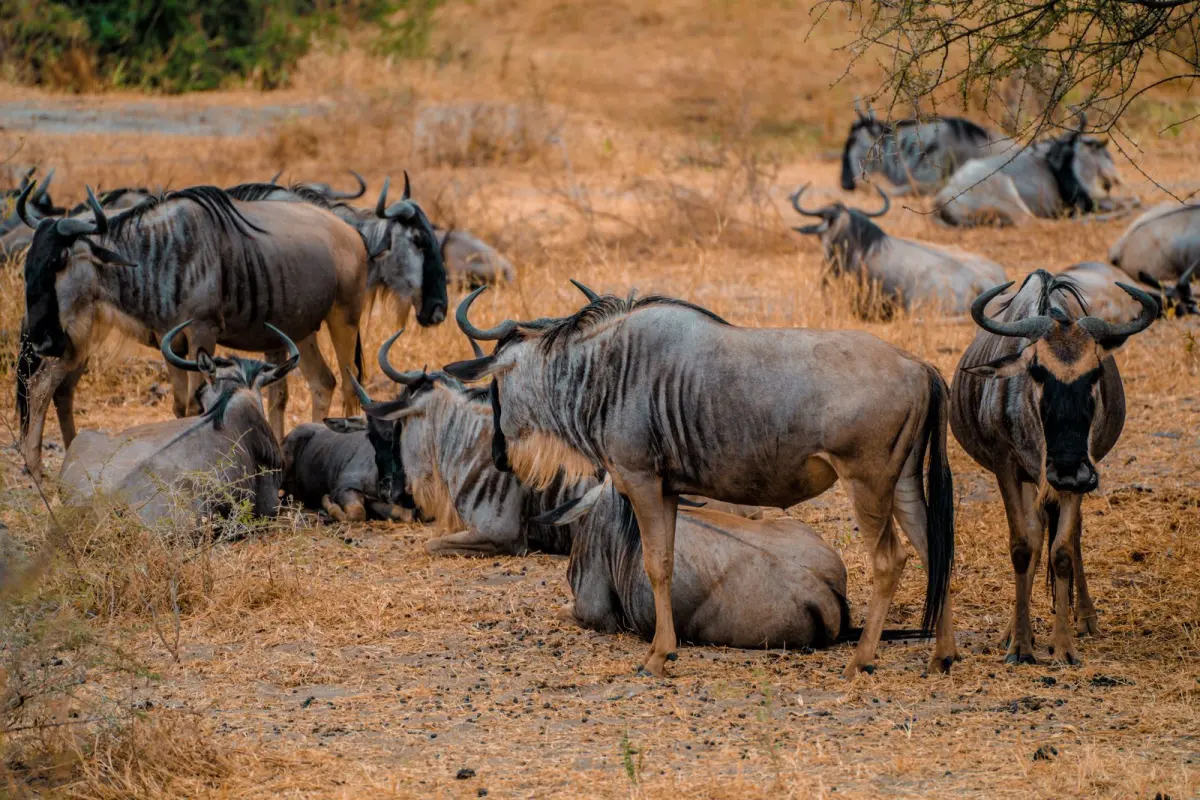
Up to 1.5 million wildebeest on the move across the Serengeti ecosystem.
-
Mara River crossings
In season, the tension and drama of herds braving crocodile-filled water.
-
Predator-rich plains
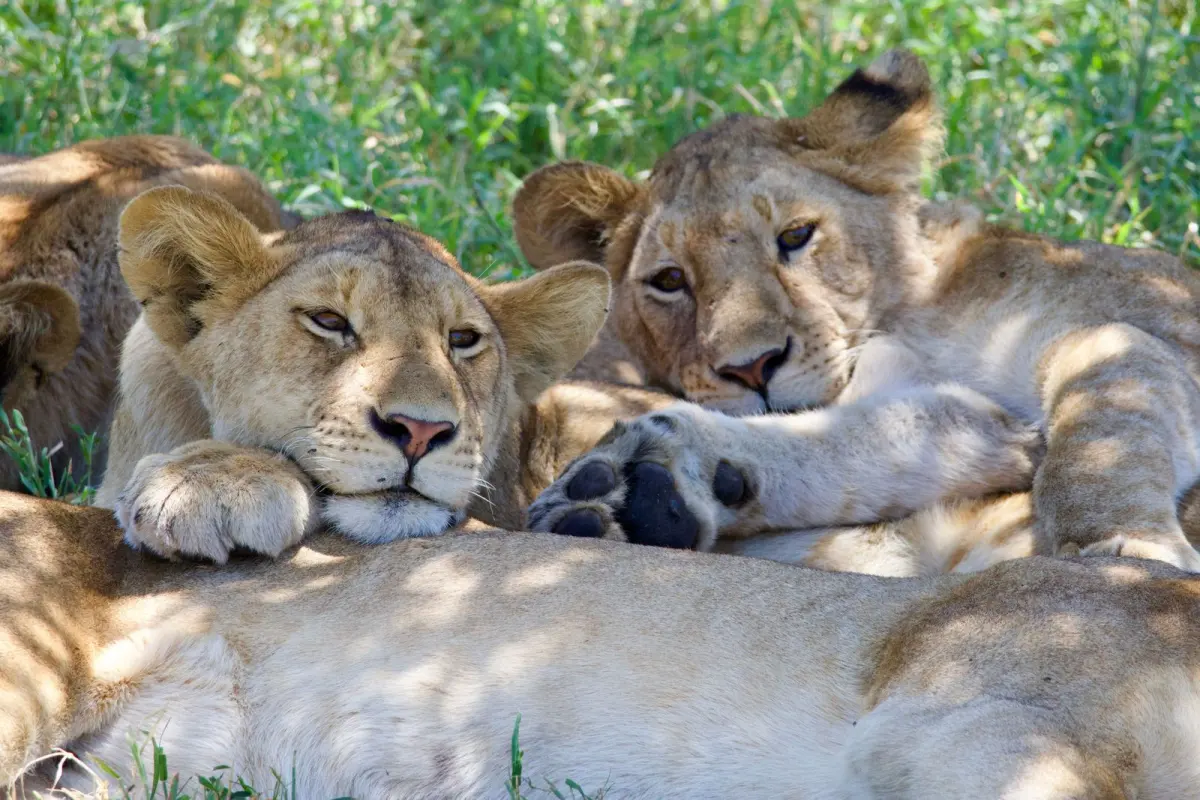
Lions, cheetahs and hyenas shadow the herds in extraordinary numbers.
-
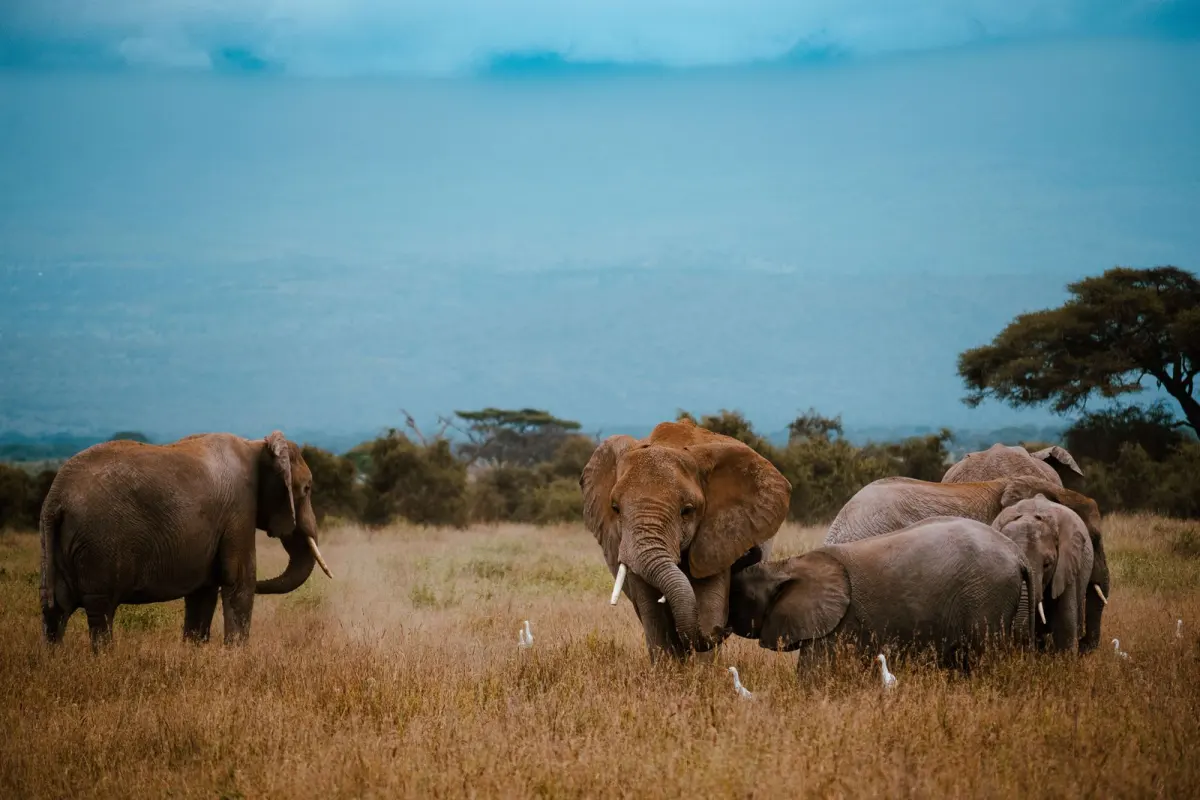
Tarangire’s elephants
A gentle opening day among great herds and ancient baobab trees.
-
Ngorongoro Crater
A Big Five finale inside the world’s largest intact caldera.
-
Migration-led guiding
Three flexible Serengeti days that follow the herds wherever they are.

Day-by-day plan
Arrival in Moshi or Arusha
You are met at Kilimanjaro International Airport and driven to your hotel in Moshi or Arusha. Over dinner your guide talks through the migration’s current position and how the coming Serengeti days will be shaped around it.
Arusha to Tarangire National Park
A morning drive takes you to Tarangire National Park, a beautiful introduction to northern Tanzania. Its river draws enormous elephant herds in the dry season, while the surrounding savannah is dotted with baobabs and rich in giraffe, buffalo and antelope. A full afternoon game drive follows.
Into the Serengeti
Cross the Ngorongoro highlands and enter the Serengeti National Park, the stage for the migration. Depending on the season your guide will choose the best entry point — the southern plains for the calving grounds, the central Seronera, or a push toward the western corridor. The first of three Serengeti days begins here.
Serengeti — following the herds
A full day in pursuit of the migration. If the herds are in the area, spend the day with them: columns of wildebeest stretching to the horizon, zebra mingling at the edges, and predators working the flanks. If the action lies further afield, your guide will reposition to keep you close to the story.
Serengeti — river crossings & plains
Your third and final Serengeti day. In the peak months the herds mass along the Grumeti or Mara rivers for the famous, heart-stopping crossings; earlier in the year the southern calving grounds take centre stage. Either way, expect long game drives at dawn and dusk with picnic lunches out on the plains.
Ngorongoro Crater
Leave the Serengeti behind and travel to the Ngorongoro Crater. Descend onto the crater floor for a full morning of game viewing among some 25,000 large animals — the best single chance to complete your Big Five list with a black rhino sighting. Overnight on the cool, forested rim.
Departure
After breakfast on the rim, return to Arusha or Moshi through the highlands and on to the airport for your onward flight. If the migration has left you hungry for more, we can extend your safari or add a Zanzibar beach retreat.
What’s included & not included
Included
- Private 4x4 safari vehicle with pop-up roof
- Professional English-speaking safari guide
- Park entry fees and conservation levies for all parks listed
- All meals as listed (B, L, D) and drinking water on drives
- 6 nights’ accommodation as per the itinerary
- Unlimited game drives, with flexibility to follow the herds
- Airport transfers on arrival and departure
- Government taxes and tourism levies
Not included
- International flights and Tanzania visa fees
- Travel and medical insurance
- Alcoholic and soft drinks
- Tips and gratuities for your guide and camp staff
- Hot-air balloon safari over the Serengeti
- Personal shopping and souvenirs
Where you’ll stay
Luxury camps & lodges
Exclusive tented camps in prime migration areas with private decks and all-inclusive service. <!-- TODO: lodge names -->
Comfortable safari camps
Permanent and seasonal tented camps placed close to the herds, with ensuite bathrooms. <!-- TODO: lodge names -->
Standard camps & lodges
Simple, friendly camps and lodges in and around the parks, ideal for value-conscious travellers. <!-- TODO: lodge names -->
7-Day Great Migration Safari in pictures


Best time to take this tour
The migration follows the rains, so there is always a herd to find — southern calving from January to March, northern river crossings from July to October.
| Season | Weather | Crowds | Where the herds are |
|---|---|---|---|
| Jan–Mar | Warm, brief showers | High | Southern Serengeti and Ndutu — calving and big-cat action |
| Apr–May | Long rains | Low | Herds moving northwest; green season and excellent value |
| Jun–Oct | Dry, cool mornings | High | Northern Serengeti and the Mara River — the dramatic crossings |
| Nov–Dec | Short rains | Moderate | Herds returning south through the central and eastern Serengeti |
Route & logistics
The safari begins and ends in Arusha or Moshi and follows the wildlife rather than a fixed track. Tarangire opens the week, the Serengeti forms its heart, and the Ngorongoro Crater provides the finale before the drive home.
Because the Serengeti is vast, many guests choose a light-aircraft flight between Arusha and the park to spend less time on the road and more time with the herds. Your guide will advise what suits your dates best.
Frequently asked questions
Will I definitely see a river crossing?
River crossings happen mainly between July and October and cannot be guaranteed on a specific day, but our guides position you where crossings are most likely and remain flexible to follow the herds.
When is the best time for the migration?
January to March for the southern calving season, and July to October for the northern herds and Mara River crossings. The round-trip movement means there is always something to see.
How far in advance should I book?
For the peak crossing months, camps inside the Serengeti can sell out a year ahead. We recommend booking as early as your plans allow.
Is this tour suitable for photographers?
It is superb for photography. The private 4x4 allows you to position for the best light, and dawn and dusk drives catch the herds at their most dramatic.
Can the itinerary change during the trip?
Yes — our guides adjust the Serengeti days based on where the herds are. Flexibility is the whole point of a migration safari.
What should I bring?
Neutral clothing, warm layers for early drives, sun protection, insect repellent and extra camera storage. A detailed packing list is sent with your booking.
You might also like


Ready to secure this itinerary?
Tell us your dates and group size. We will confirm availability, refine the plan around you, and send a full quote — free, with no obligation.