
Discover Gombe Stream National Park
Gombe Stream National Park is the smallest national park in Tanzania — a narrow, 35 km² ribbon of steep forested hills hugging the eastern shore of Lake Tanganyika, about 15 km north of Kigoma town. What it lacks in size it more than makes up for in story.
This is where, in July 1960, a young Jane Goodall began studying the wild chimpanzees of what was then the Gombe Stream Game Reserve. Her discoveries — that chimps make and use tools, hunt, and live in complex societies — transformed our understanding of our closest living relatives and rewrote a chapter of science.
Today Gombe remains the site of the longest-running study of wild chimpanzees in the world. Its famous Kasakela community is habituated to human visitors, and trekking through these forests to spend time with them is one of the most moving wildlife experiences anywhere in Africa.
Between the forest ridges and the clear, warm water below, the park packs remarkable diversity into a tiny area, typical of the chimpanzee destinations of Tanzania’s Western Circuit.
Why visit Gombe Stream National Park
-
Chimpanzee trekking
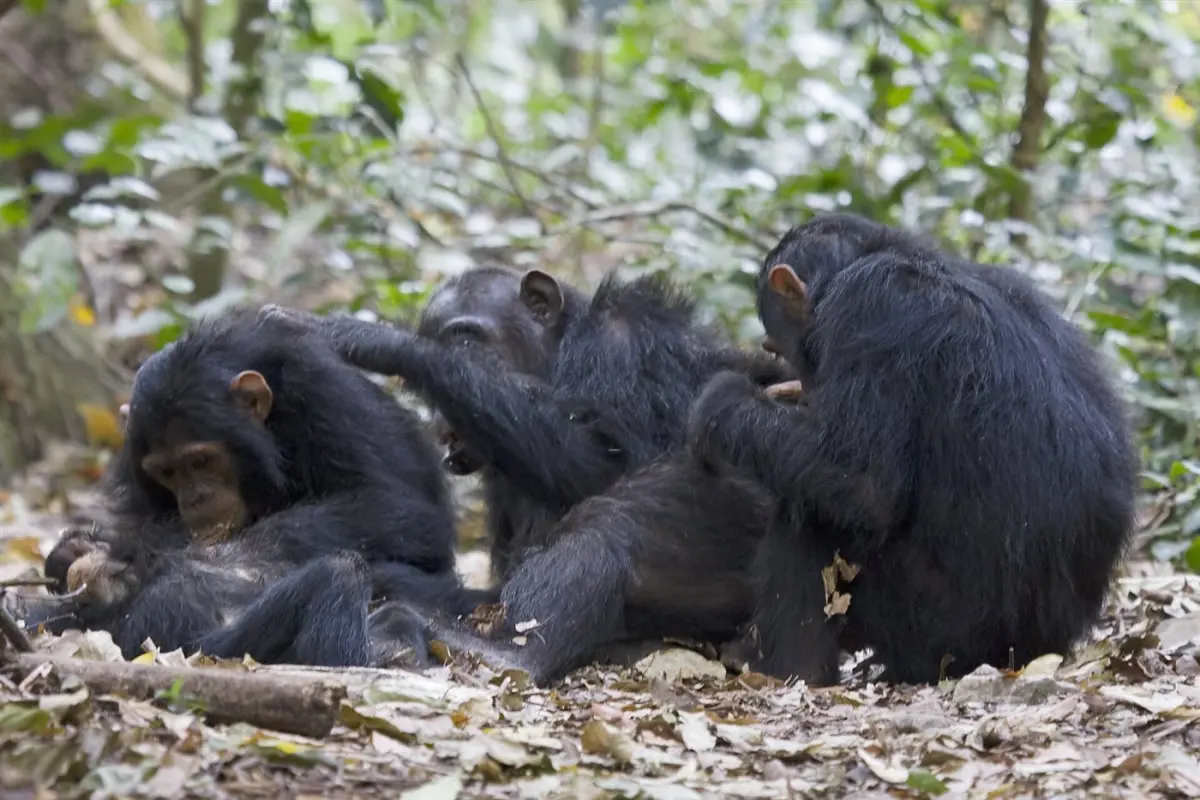
Track the habituated Kasakela community through steep forest and watch them feed, play and groom.
-
Jane Goodall’s legacy
Visit the park where modern chimpanzee research was born and is still going strong today.
-
Lake Tanganyika
Swim and snorkel in some of the clearest freshwater on Earth, right at the forest’s edge.
-
Almost 100 cichlid species
The shallows teem with brilliantly coloured endemic fish that make snorkelling a delight.
-
Forest trails & viewpoints
Hike the ridge trails for sweeping lake views and a chance to see other primates.
-
Over 200 bird species
From the iconic fish eagle to jewel-like twinspots, the forest and shore are alive with birds.
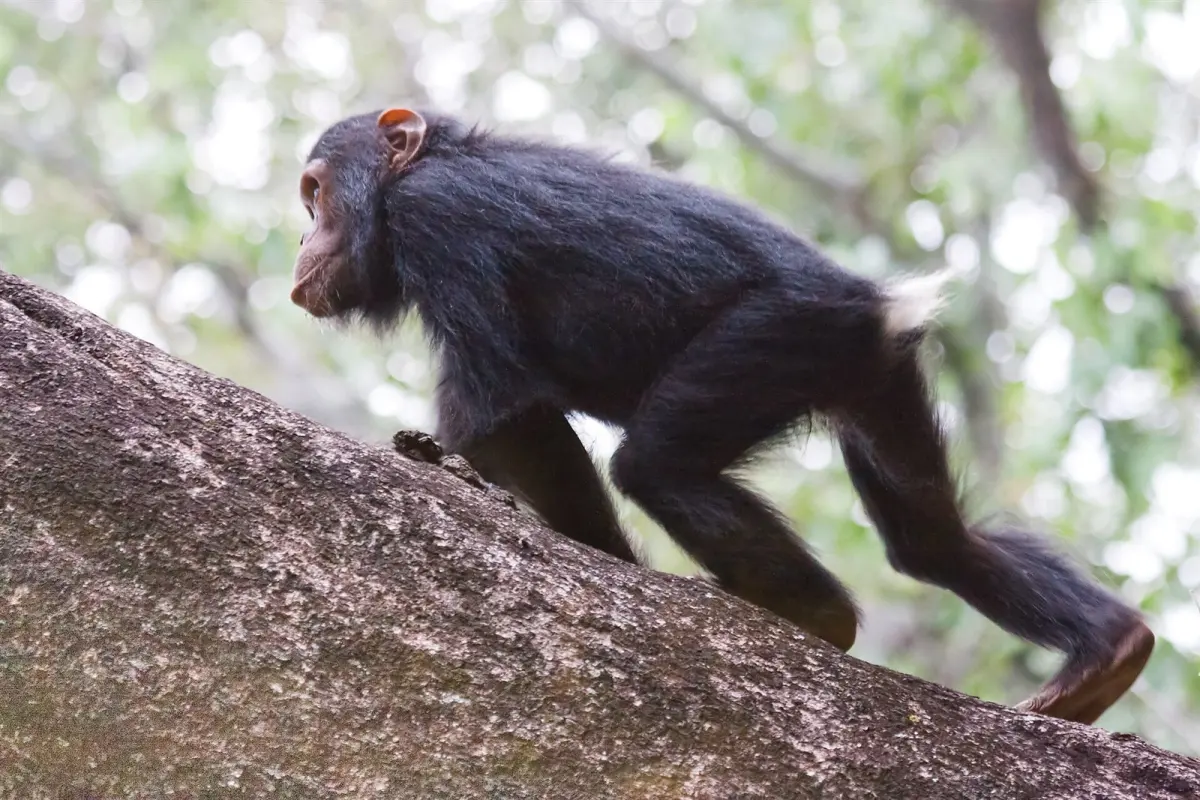
A strip of forest by the lake
Gombe lies on the western rift escarpment, a series of steep valleys and forested ridges dropping from about 1,500 m down to the shore of Lake Tanganyika at 775 m. The park is a narrow band of habitat, roughly 12 km long and only a few kilometres wide, hemmed between the lake and the escarpment.
Streams such as the Kakombe tumble down the valleys to the lake, their courses clothed in riverine forest, while the upper slopes carry drier woodland. That range of habitats — from lake shore to ridgeline — explains why such a small park supports so much life.
Because the lake itself is one of the deepest and oldest in the world, its waters add an entirely separate ecosystem: clear, warm and packed with endemic fish that thrive just steps from the chimp trails.
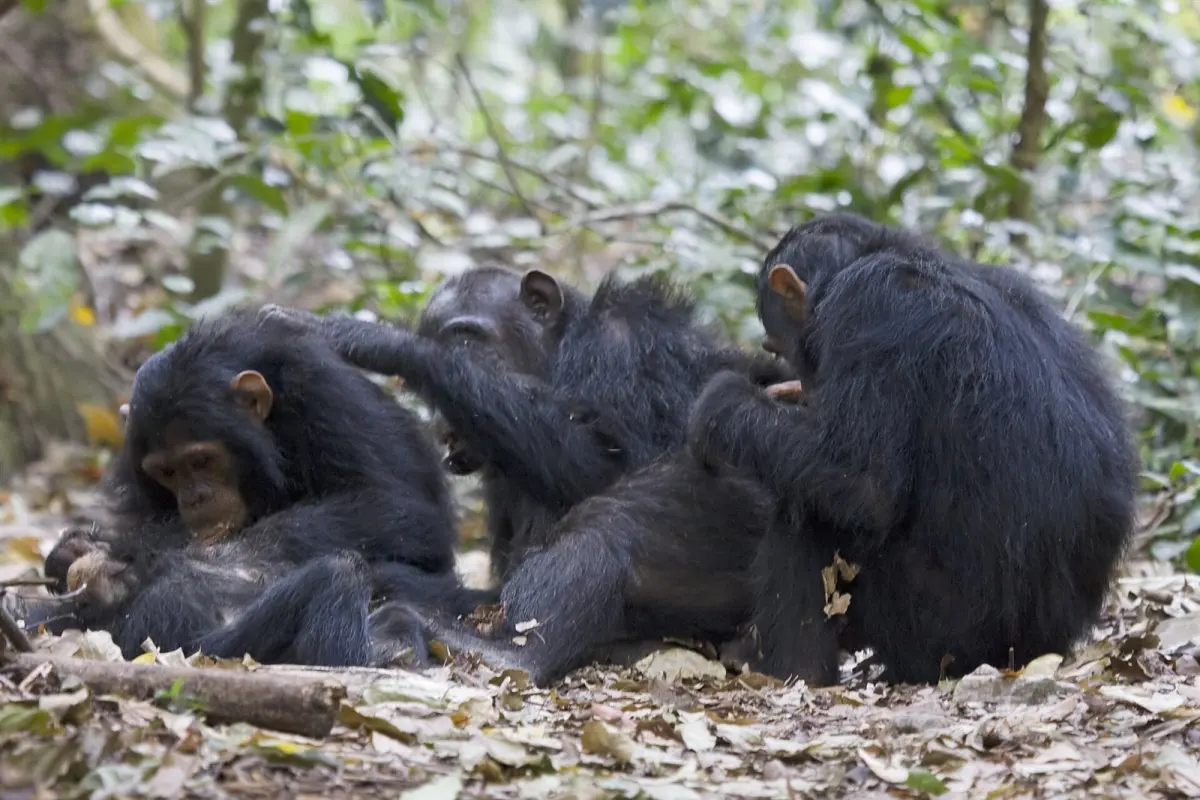
The Kasakela chimpanzees
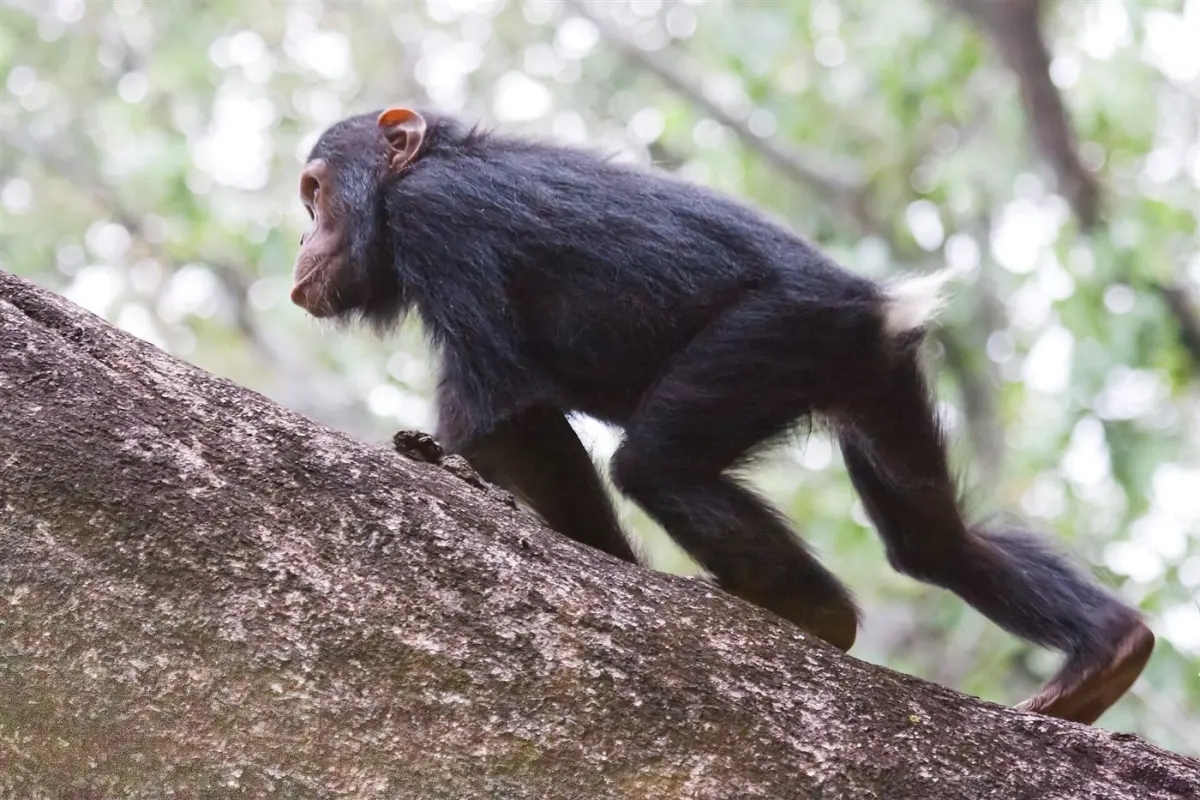
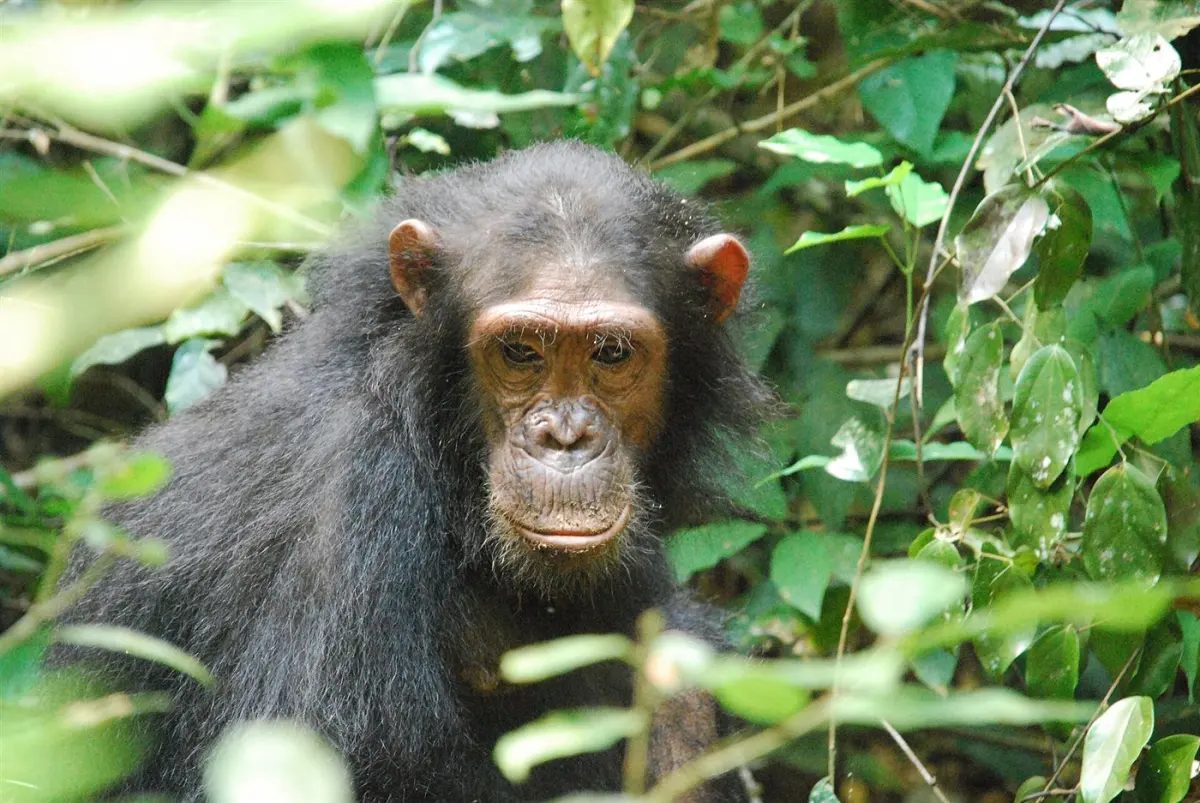
The chimpanzees of Gombe are among the best-known wild animals on the planet. The Kasakela community has been followed for more than six decades, and its individuals — their personalities, rivalries and alliances — have been documented in books and films that reached audiences worldwide.
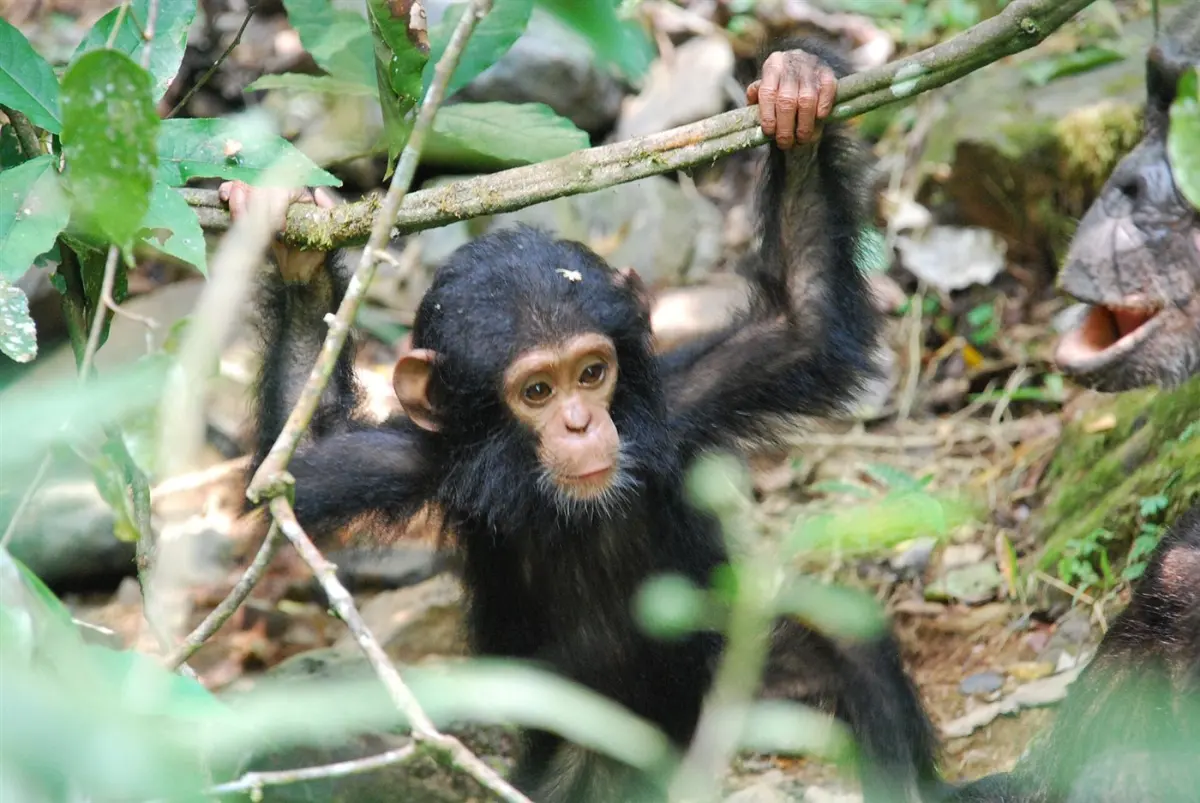
The chimps are habituated to people, so treks usually find them within a few hours. You may watch them feeding in the canopy, grooming one another or tumbling in play on the forest floor — behaviour startlingly familiar and profoundly humbling in equal measure.
Visits are strictly regulated to protect the animals. Groups are small, time with the chimps is limited, and anyone who is unwell must stay behind, because human illnesses can be dangerous to them.
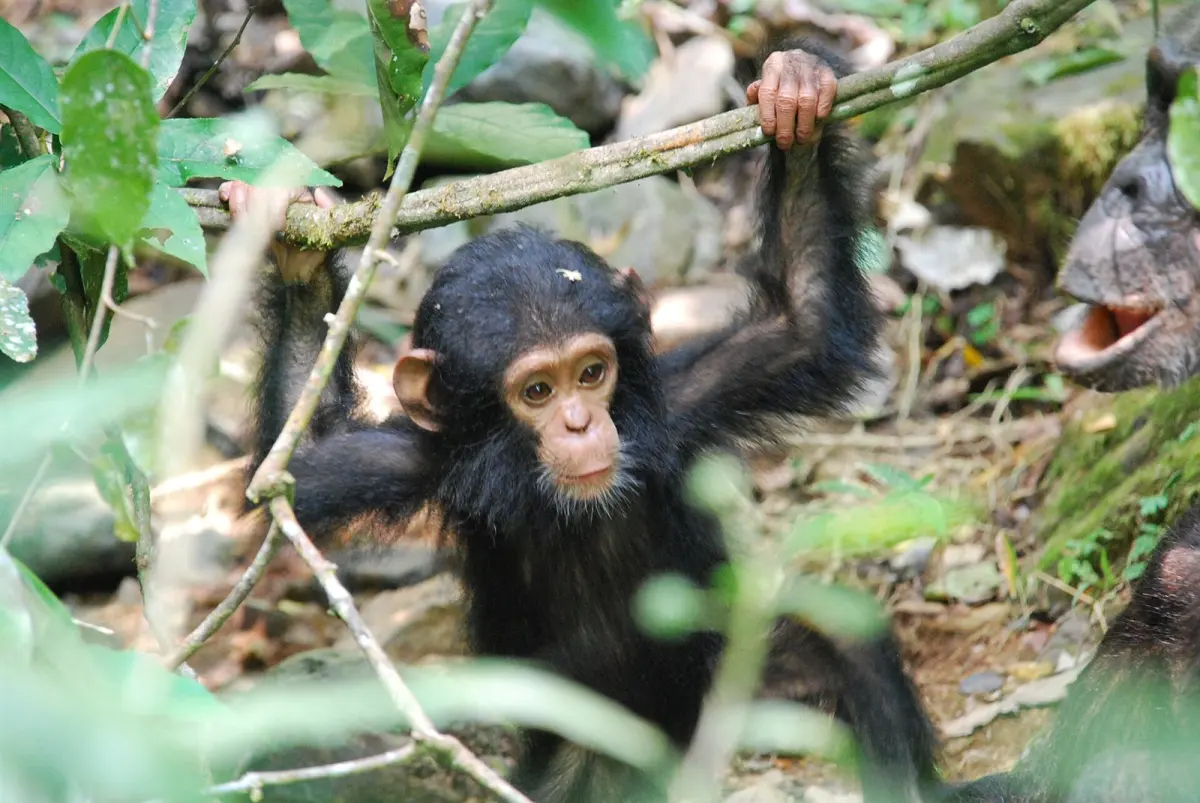
Where it all began
Gombe’s fame rests on the work of Jane Goodall, who arrived in 1960 with no formal scientific training and enormous patience. Her first breakthrough — watching a chimp named David Greybeard fashion and use a tool to fish for termites — overturned the long-held belief that only humans made tools.
The research station she founded in 1965 continues to operate, and Gombe is now a national park, gazetted in 1968. The continuous observation of the same chimpanzee community is one of the longest-running field studies of any wild animal anywhere.
That scientific heritage is inseparable from a visit here. Trekking in Gombe is not only about seeing chimpanzees; it is about standing where a revolution in our understanding of animal minds began.
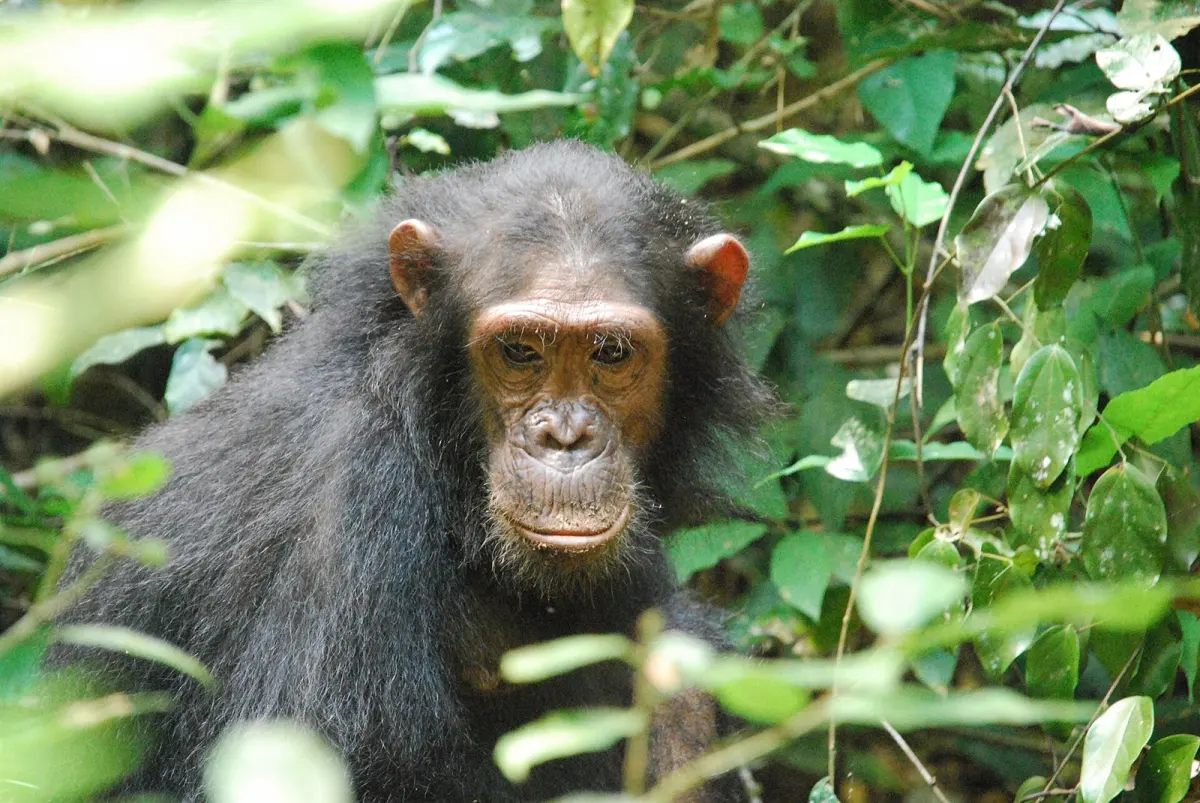
Park fees & practical information
Gombe is small and visitor numbers are capped, so permits for chimpanzee trekking should be arranged well in advance. Entry, trekking permits and conservation fees apply, and we handle all of them within your safari package.
A few practical points for planning a visit:
- Access is by boat only — there is no road into the park.
- Chimpanzee trekking is limited to small groups and set time periods.
- Trails are steep and can be slippery; a reasonable level of fitness helps.
- Facilities are basic, so bring what you need and travel self-sufficiently.
- The dry season from June to October offers the best trekking conditions.
Health, safety & responsible trekking
Gombe is a low-risk destination for most travellers, but its remoteness means preparation counts. The main health consideration is malaria, so consult a travel doctor about antimalarials before your trip and bring insect repellent for the evenings.
Because chimpanzees are susceptible to human diseases, responsible behaviour is part of the experience. Keep the required distance, follow your guide’s instructions, and do not trek if you are showing signs of illness.
- Take antimalarials and carry personal medication and a first-aid kit.
- Wear sturdy shoes for steep, sometimes muddy forest trails.
- Never trek when you have a cough, cold or fever.
- Keep a respectful distance from the chimps and avoid sudden noise.
- Leave no litter and follow all park rules.
What you might see
Gombe concentrates a remarkable amount of life into a tiny park, with habituated chimpanzees as the unforgettable centrepiece.
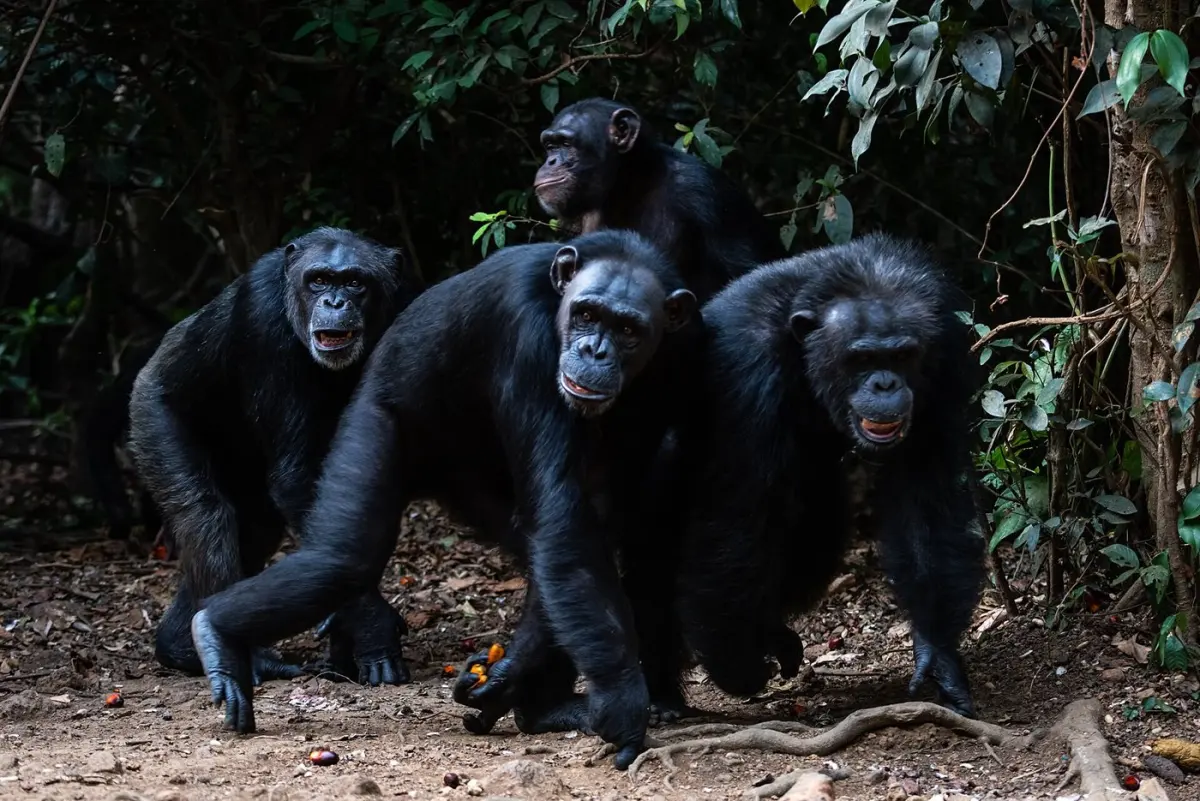
Chimpanzee
The famous Kasakela community, studied continuously since the 1960s and habituated to visitors.
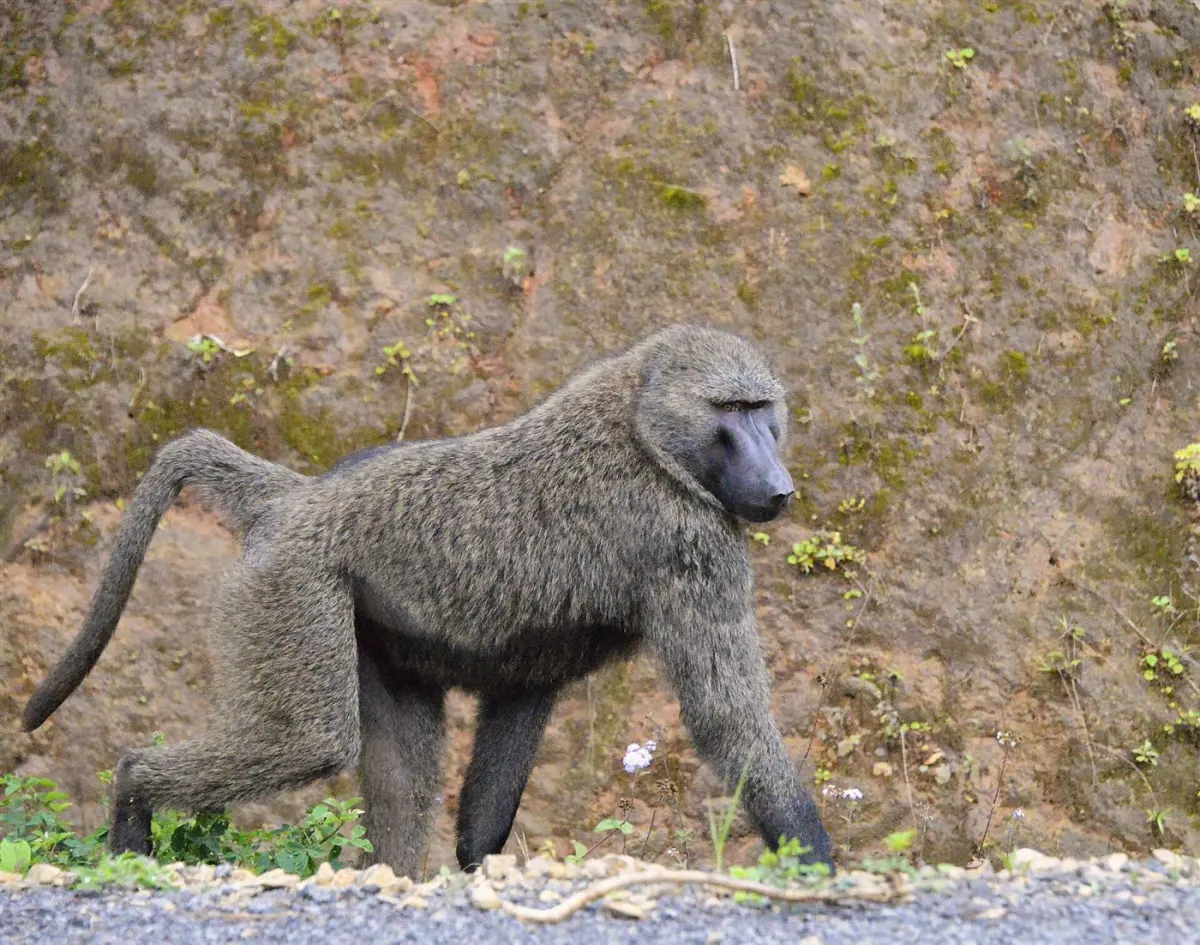
Olive baboon
A famously relaxed beach-foraging troop, among the most habituated primates in Africa.
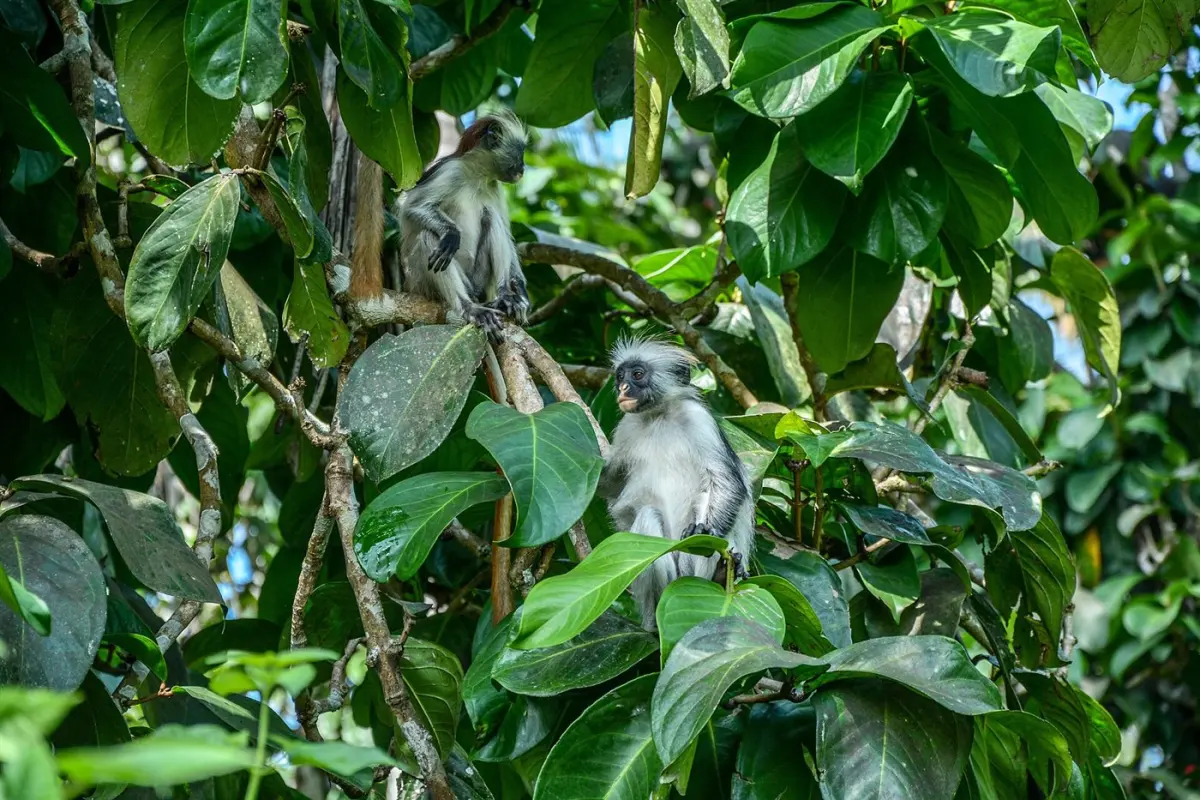
Red colobus monkey
A canopy-dwelling leaf-eater that is sometimes hunted by the chimpanzees.
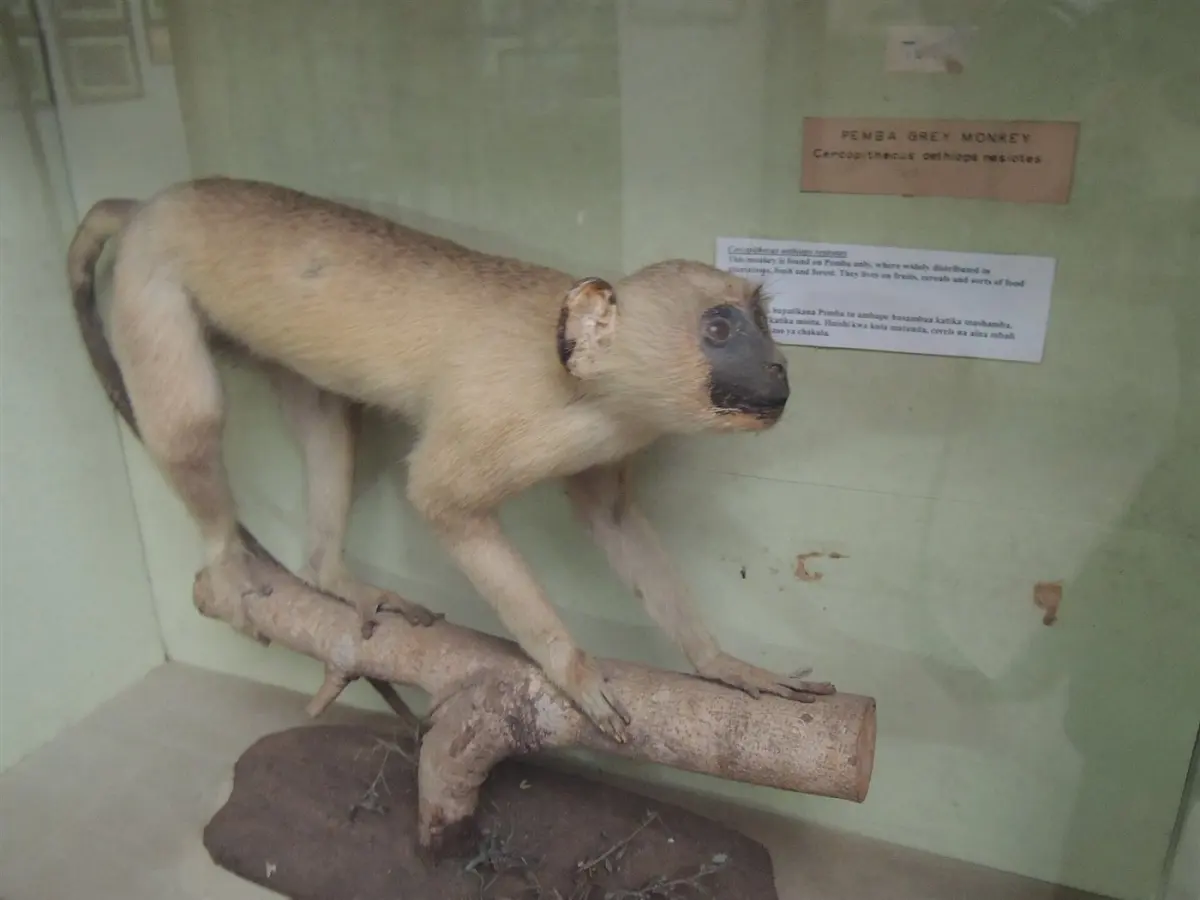
Red-tailed & blue monkeys
Common forest monkeys often seen along the trails and around camp.
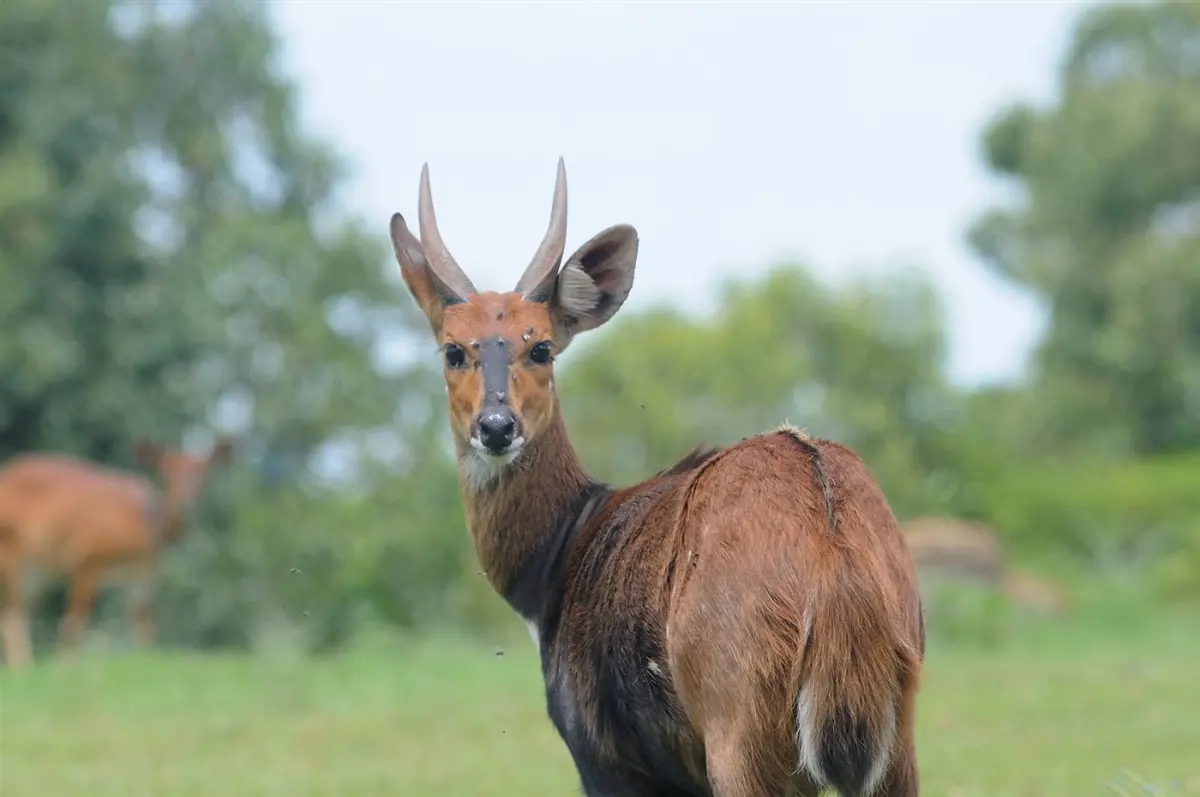
Bushbuck & bushpig
Shy forest mammals occasionally glimpsed in the undergrowth.
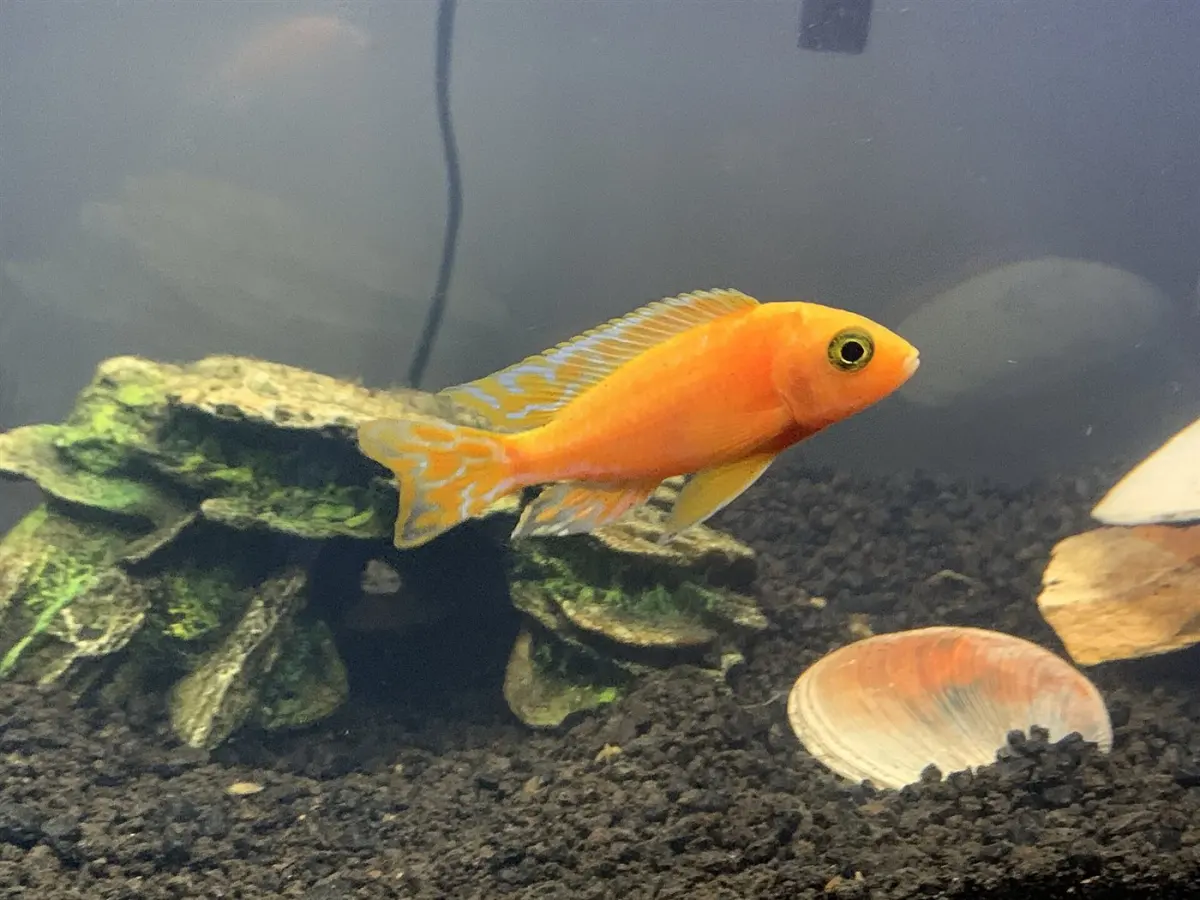
Cichlid fish
Almost 100 colourful endemic species inhabit the clear shallows of Lake Tanganyika.
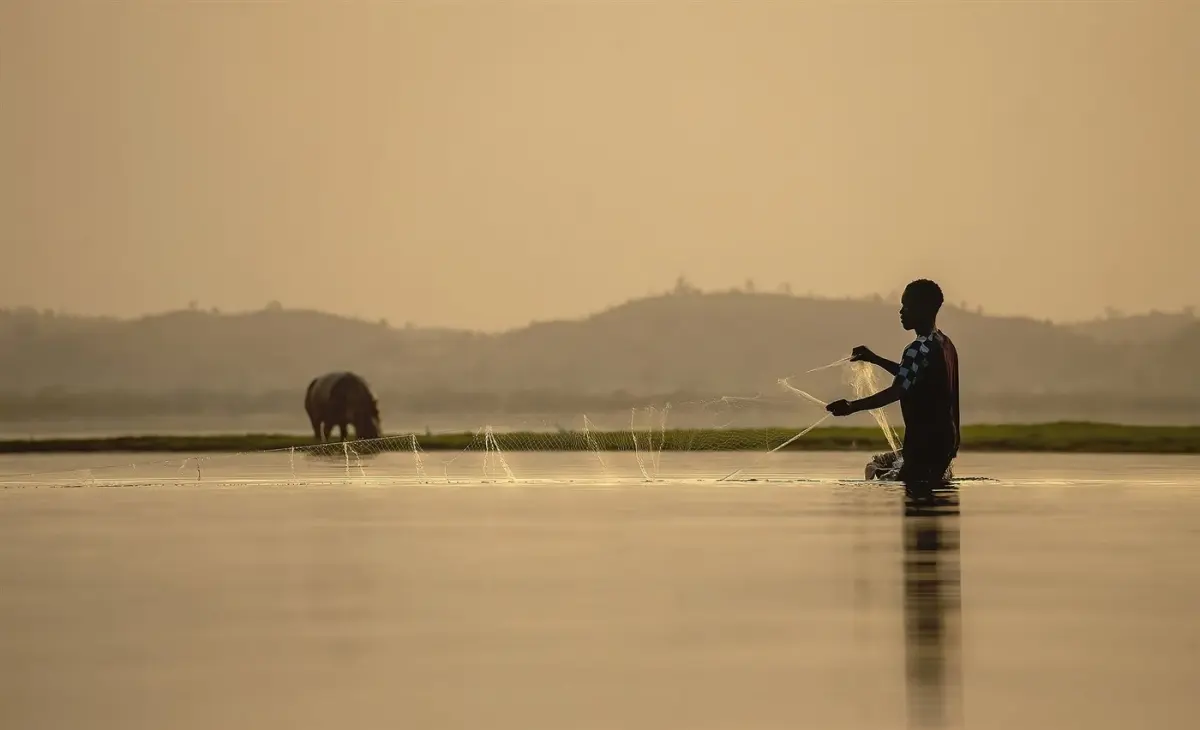
Hippo & crocodile
Both occur in the lake waters, along with occasional leopard on the park edge.
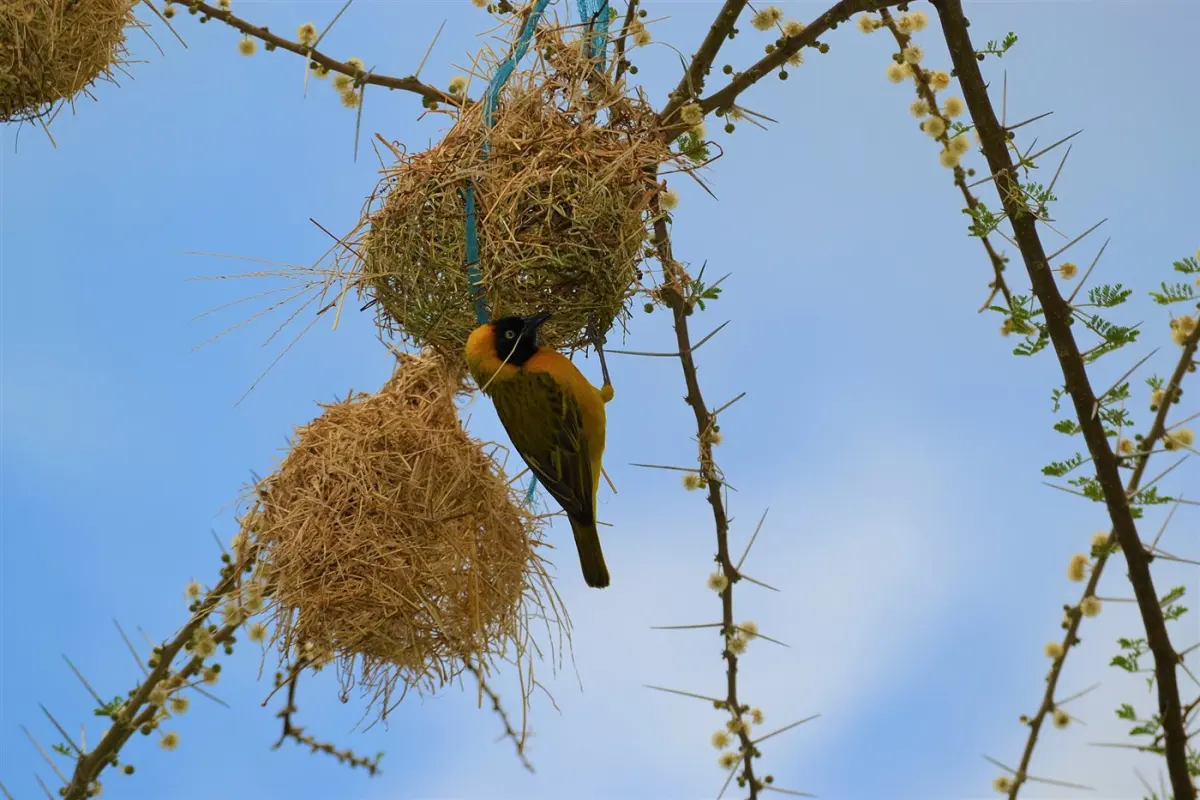
Over 200 bird species
Fish eagles, palm-nut vultures and Peters’s twinspots are among the highlights.
Gombe Stream National Park in pictures
Best time to visit
Gombe can be visited throughout the year, but the dry season gives the easiest trekking and the most pleasant lake conditions.
| Season | Weather | Crowds | What to expect |
|---|---|---|---|
| Jan–Mar | Hot and humid, showery | Very low | Green forest; chimps range higher and treks are longer |
| Apr–May | Long rains | Very low | Heavy rain and slippery trails; quietest period |
| Jun–Aug | Dry and comfortable | Low | The best trekking conditions of the year |
| Sep–Nov | Warm, then short rains | Low | Good conditions early; showers return in November |
Things to do
Chimpanzee trekking
Trek into the forest to spend set time with the habituated Kasakela community.
Ridge & waterfall walks
Hike the forest trails to viewpoints and to the cascades of the Kakombe valley.
Snorkelling
Discover the colourful cichlids of Lake Tanganyika in its clear, warm shallows.
Swimming
Cool off in one of the oldest and deepest freshwater lakes on Earth.
Birdwatching
Over 200 species in a compact area, from fish eagles to forest specials.
Photography
Capture chimpanzees, forest light and lakeside scenery in an intimate setting.
Where to stay
Exclusive lakeside camps
Small, intimate camps with stunning lake views and guided access to the chimpanzees. <!-- TODO: lodge names -->
Comfortable guesthouses
Simple but welcoming accommodation in and around Kigoma, with boat transfers to the park. <!-- TODO: lodge names -->
Bandas & campsites
Basic park accommodation for independent and adventurous travellers. <!-- TODO: lodge names -->
Getting there & around
Gombe can only be reached by boat. The usual route is a trip from Kigoma town along the shore of Lake Tanganyika, taking roughly one and a half to three hours depending on the vessel and the sea state.
Kigoma itself is connected to the rest of Tanzania by scheduled flights and by the historic railway from Dar es Salaam. Because there are no roads inside the park, all movement is on foot, with boat transfers between trailheads and camp.
- Boat from Kigoma About 1.5–3 hrs
- By air to Kigoma Scheduled flights from Dar es Salaam or Arusha
- Best explored 2–3 nights
- Trekking permits Limited numbers — book well ahead
Frequently asked questions
Why is Gombe famous?
Gombe is famous as the place where Jane Goodall began her pioneering study of wild chimpanzees in 1960. Her discoveries about tool use and chimpanzee society changed science, and the community she studied is still monitored today in the world’s longest-running study of wild chimpanzees.
How do I get to Gombe Stream National Park?
Access is by boat only. Visitors typically travel to Kigoma by air or rail and then take a boat north along Lake Tanganyika to the park, a journey of about one and a half to three hours. There are no roads into the park.
Will I see chimpanzees at Gombe?
Gombe’s chimpanzees are well habituated to visitors, so sightings are highly likely. Treks follow the community through the forest and normally take a few hours, with a set time limit once the chimps are found.
What is the best time to visit Gombe?
The dry season from June to October offers the easiest trekking and the most pleasant conditions. The wetter months are quieter and greener but trails are muddy and the chimps often range higher up the steep forest slopes.
How fit do I need to be for chimpanzee trekking?
Gombe’s terrain is steep and can be slippery, so a reasonable level of fitness is important. Guides pace treks to the group, but you should be comfortable walking and climbing for a few hours in humid forest.
Can I combine Gombe with Mahale?
Yes. Gombe pairs naturally with Mahale Mountains National Park for a dedicated chimpanzee safari, and with Katavi for a fuller western circuit. We can connect the sites by boat and light aircraft.
Nearby destinations


Ready to plan your Gombe Stream National Park trip?
Tell us your dates and travel style. Our local team in Moshi will build a tailor-made itinerary around Gombe Stream National Park — free, with no obligation.