
Discover Rubondo Island National Park
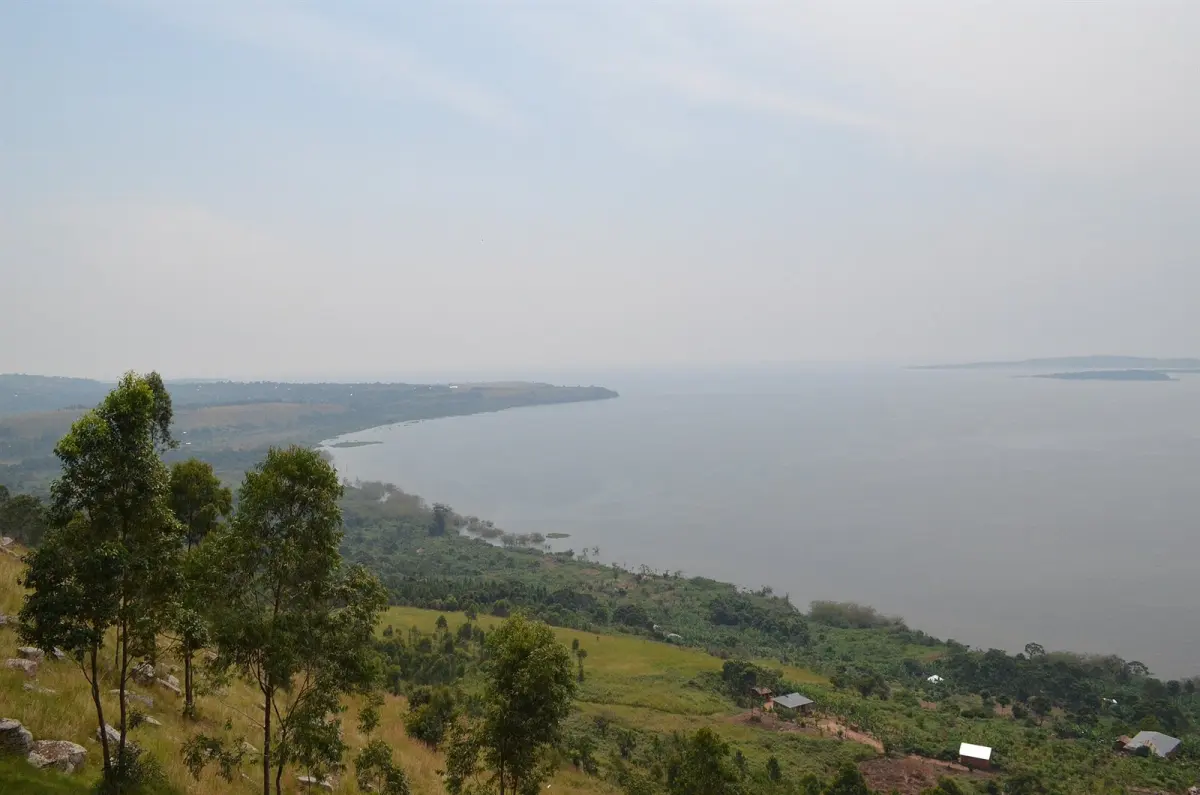
Rubondo Island National Park is one of only two island national parks in Tanzania, a green jewel set in the south-western corner of Lake Victoria, the largest lake in Africa. Covering 456.8 km² — about half dry land and half water — it protects the main island plus eleven smaller islets, all cloaked in some of the last untouched equatorial forest in East Africa.
Rubondo’s story is unusual. In the late 1960s it became a sanctuary for animals rescued from zoos and circuses, when the conservationist Bernhard Grzimek released chimpanzees, elephants, giraffes and African grey parrots onto the island. The experiment worked, and their descendants now range free through the forest — including a partially habituated chimpanzee population.
Because the island has no lions or leopards, Rubondo is a rare place where visitors can explore on foot. Guided forest walks reveal the swamp-loving sitatunga antelope, troops of monkeys and a wealth of orchids, butterflies and birds.
With the blue water of Lake Victoria all around, Rubondo combines game viewing, birding and world-class Nile perch fishing on Africa’s great inland sea. It is a distinctly different, deeply peaceful stop on the Western Circuit.
Why visit Rubondo Island National Park
-
Forest chimpanzees
Meet a partly habituated community descended from chimps rescued and released here in the 1960s.
-
Sitatunga antelope
This shy, swamp-adapted antelope thrives in Rubondo’s papyrus marshes and is rarely seen elsewhere in Tanzania.
-
Walking safaris
Without lions or leopards, the island can be explored on foot with an armed ranger — a rare freedom.
-
Nile perch fishing
The surrounding waters are famous among anglers for trophy Nile perch and tilapia.
-
Over 300 bird species
Fish eagles, kingfishers, herons and African grey parrots make Rubondo a birding haven.
-
Boat safaris
Cruise the shoreline and inlets to spot hippos, crocodiles and otters from the water.

An island in Africa’s inland sea
Rubondo rises from the south-western waters of Lake Victoria, about 150 km west of Mwanza in the Geita Region. The main island is roughly 237 km² and protects a further eleven islets, none much larger than 2 km². The highest ground is the Masa Hills in the far south, at 1,486 m.
Around 80% of the island is still forested, with a mosaic of habitats that includes dense equatorial rainforest, open woodland, grassland, papyrus swamp and long sandy beaches. That variety is the key to Rubondo’s biodiversity.
Its isolation in the middle of a vast lake has preserved the island remarkably well, protecting one of the last representatives of evergreen Congolese lowland forest and the unique community of life it holds.

The island chimpanzees
Between 1966 and 1969, seventeen chimpanzees — many rescued from European zoos and circuses — were released onto Rubondo in the first serious attempt to return captive chimps to the wild. They survived, bred and established a self-sustaining population in the forest.
The community is only partially habituated, which makes finding them harder than at Gombe or Mahale, but that is part of the appeal: any encounter feels genuinely earned. Penguin, a well-known resident male, became something of a legend in the park.
Guided chimp walks set off into the forest early in the morning, when the trails are cool and the birds at their most active, and sightings, though not guaranteed, are increasingly rewarding as habituation continues.
A refuge built on an experiment
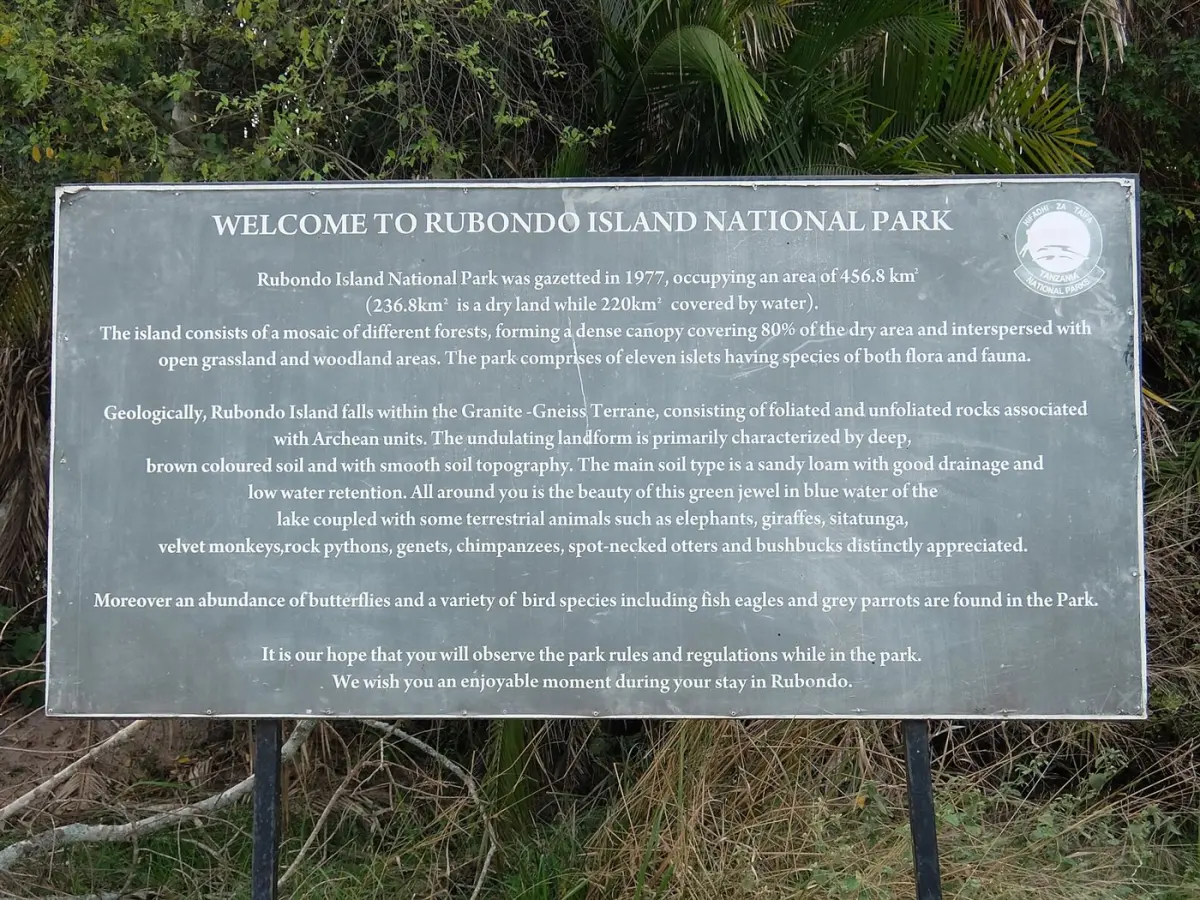
Rubondo became a game reserve in 1965 and was gazetted as a national park in 1977. Before protection, the island was home to Zinza fishing families who grew bananas; they were resettled on the mainland and neighbouring islands in the late 1960s, and the island has since been uninhabited.
The reintroductions that followed were pioneering — and controversial. Alongside chimpanzees, Grzimek’s team brought elephant, giraffe, black-and-white colobus monkeys and African grey parrots confiscated from the illegal trade. Several of these species have flourished; a few did not survive.
The result is a park that today safeguards boisterous African grey parrots, forest elephant, giraffe and the distinctive island chimpanzees, and continues to serve as a haven for species in need.
Park fees & practical information
Rubondo is a small, low-volume park, and visitor facilities are limited. Entrance conservation fees, activity fees and, where relevant, fishing and chimpanzee permits apply. Rates are set by the government and confirmed when you book.
A few practical points to keep in mind:
- Access is by boat from the mainland shore or by light aircraft to the island airstrip.
- Boat transfers can be affected by Lake Victoria’s weather, so build in flexibility.
- Forest walks require a guide or ranger; some activities are by prior arrangement.
- Facilities and supplies are minimal, so bring essentials with you.
- The dry season from June to October offers the best conditions.
Health, safety & responsible travel
Rubondo is a low-risk destination for most travellers, but the lakeside setting means malaria is a consideration. Speak to your travel doctor about antimalarials and pack repellent for the evenings and after rain.
On foot you are exposed to the elements and to insects, so wear covered shoes and long trousers for walks. On the water, always follow your guide’s instructions and wear the life jacket provided.
- Take antimalarials and carry personal medication and a first-aid kit.
- Wear long trousers and sturdy shoes for forest walks.
- Fish responsibly and respect catch restrictions where they apply.
- Never approach wildlife too closely, even on foot.
- Leave no litter — this island ecosystem is fragile and enclosed.
What you might see
Rubondo’s isolation has created a compact wilderness where forest primates, swamp antelope and a remarkable bird list share the same small island.
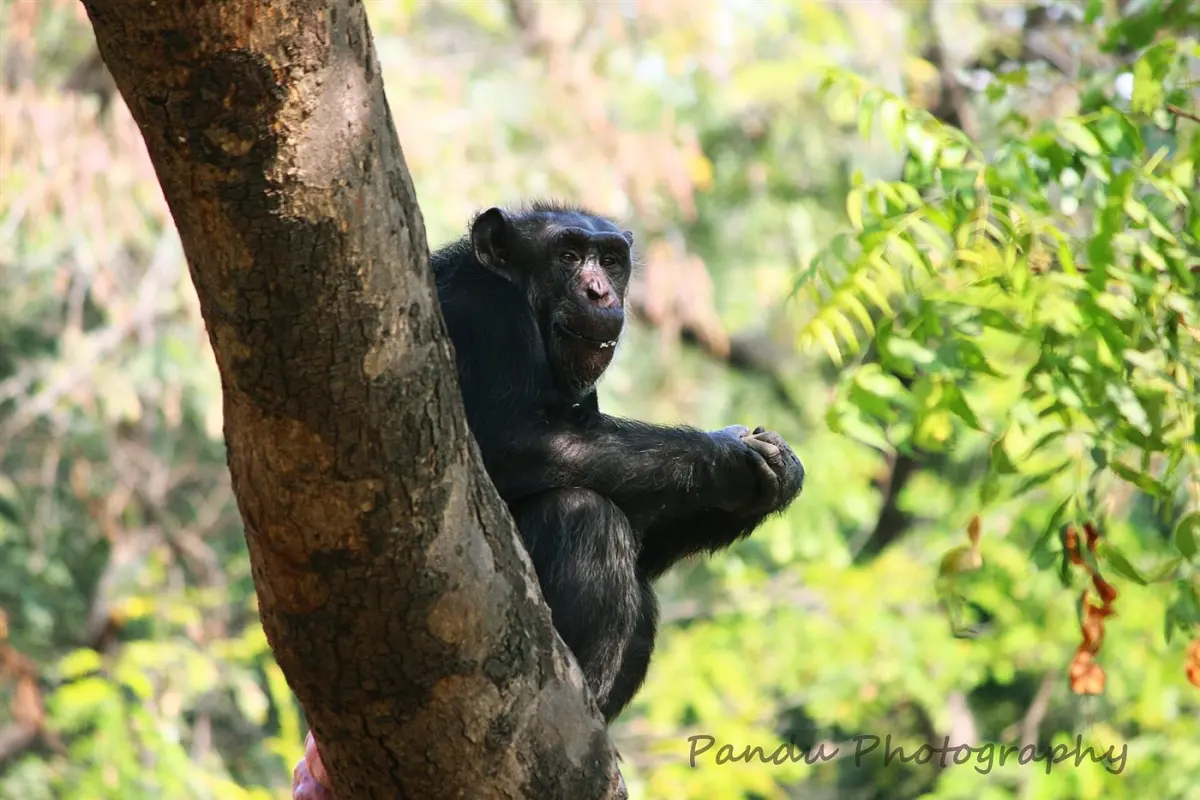
Chimpanzee
Descendants of chimps released in the 1960s now live free in the forest; sightings are earned, not guaranteed.
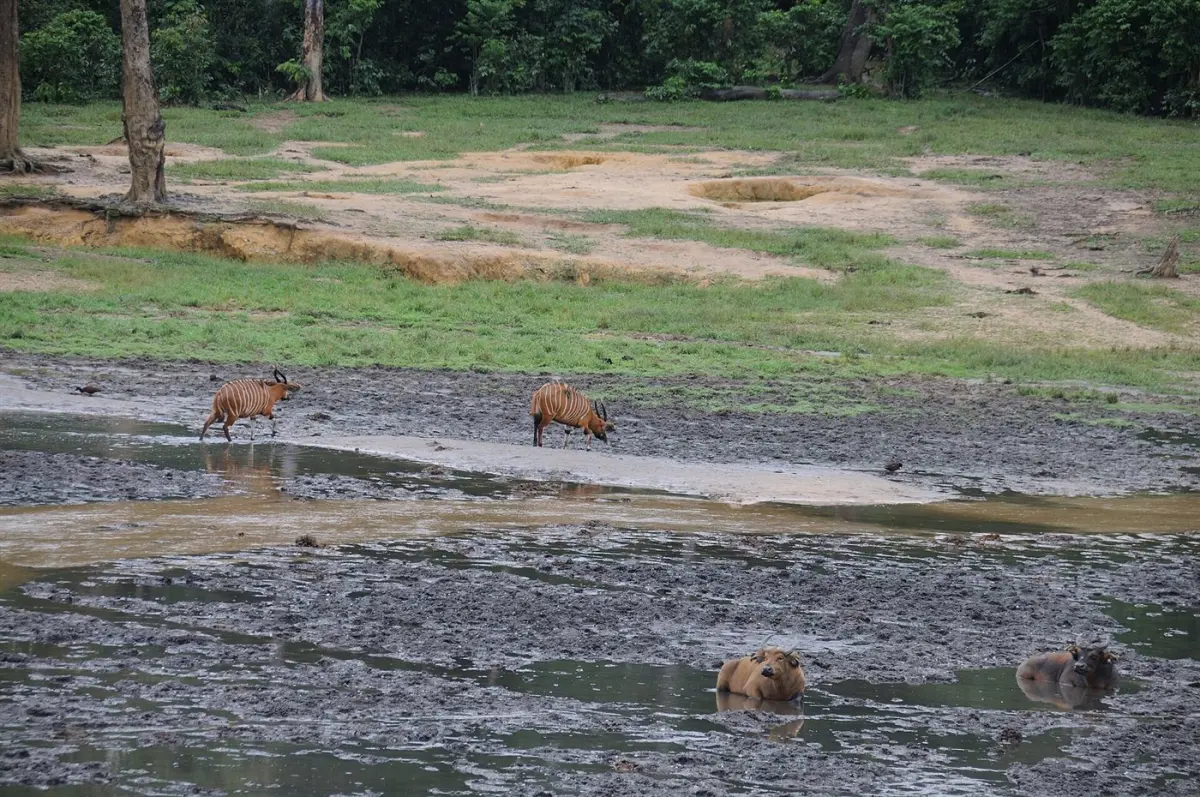
Sitatunga
A semi-aquatic antelope with splayed hooves that thrives in the island’s papyrus swamps.

Elephant
Introduced to the island, the elephants have bred successfully in the dense forest.
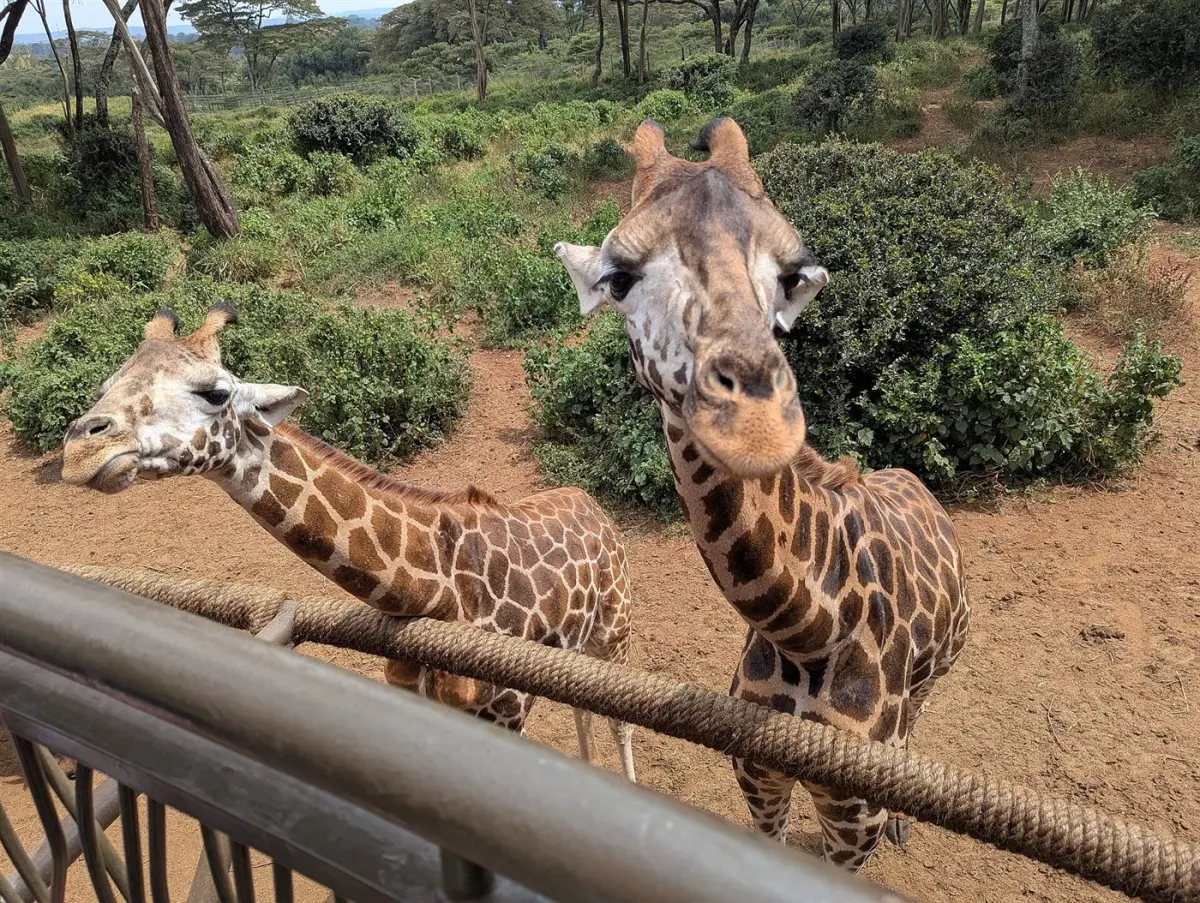
Giraffe & colobus monkey
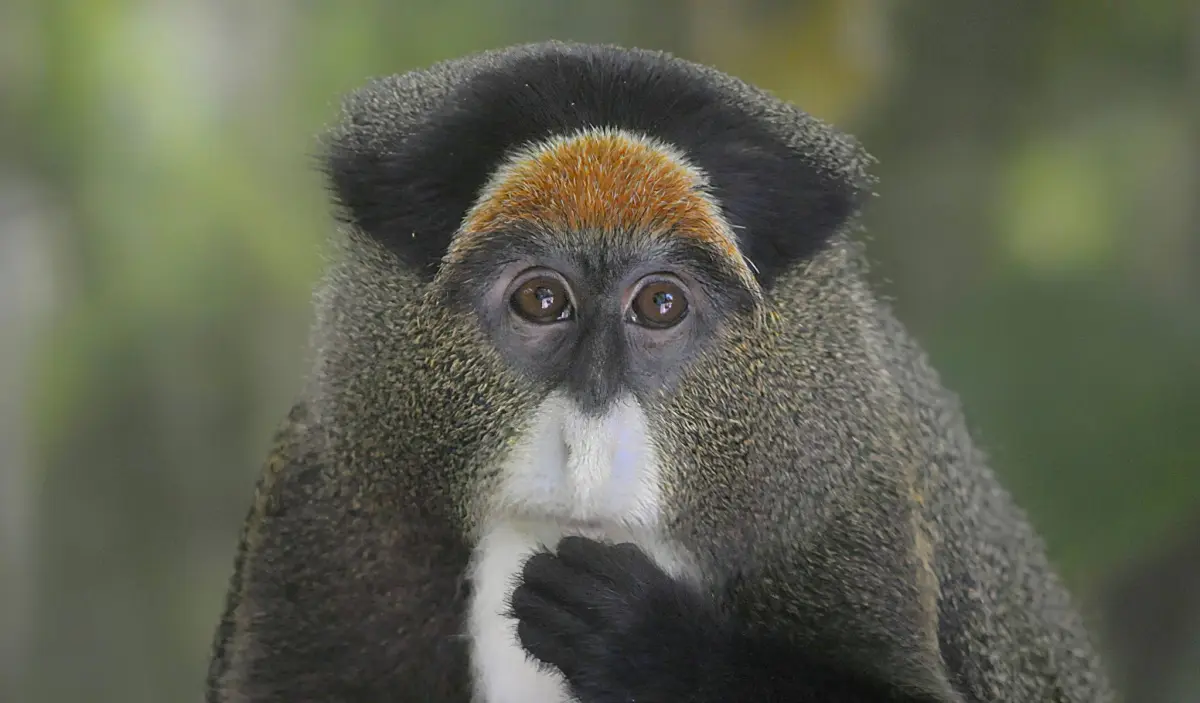
Both were reintroduced, and both now roam the island alongside native bushbuck and suni.
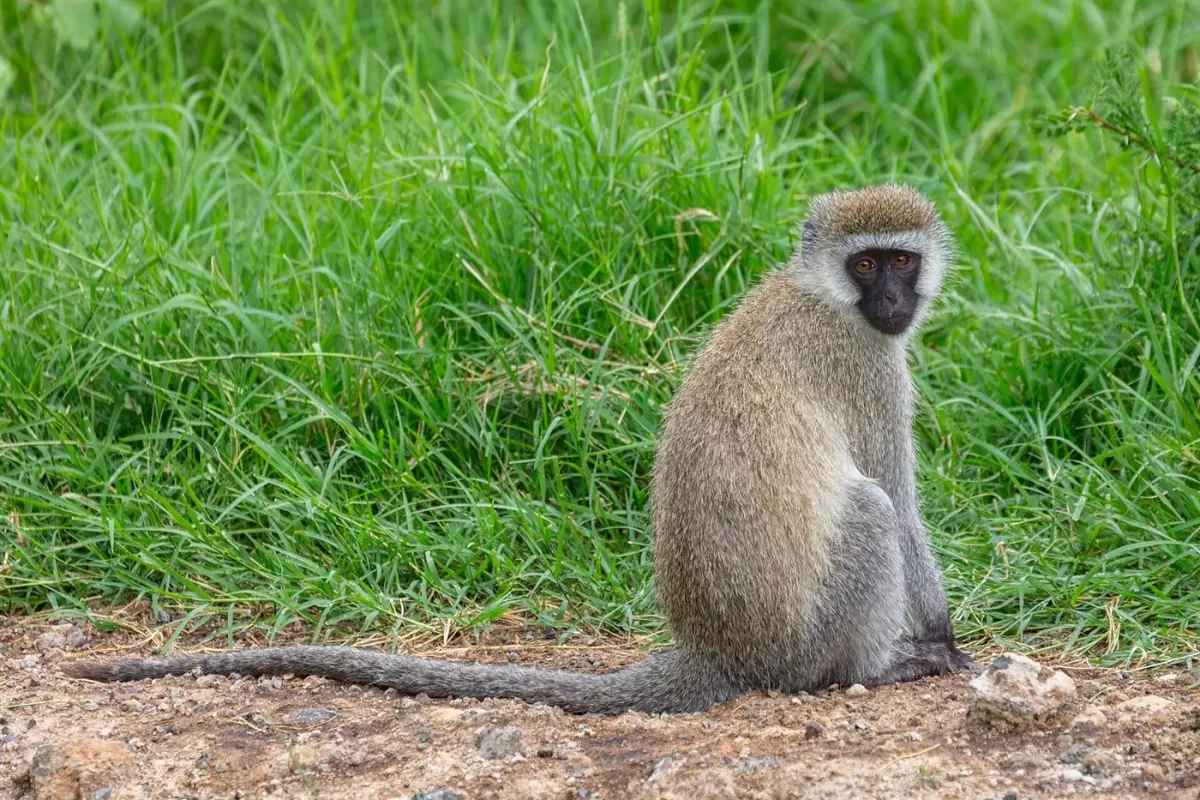
Vervet monkey & baboon
Common and confiding, often seen along the forest edge and near the camp.

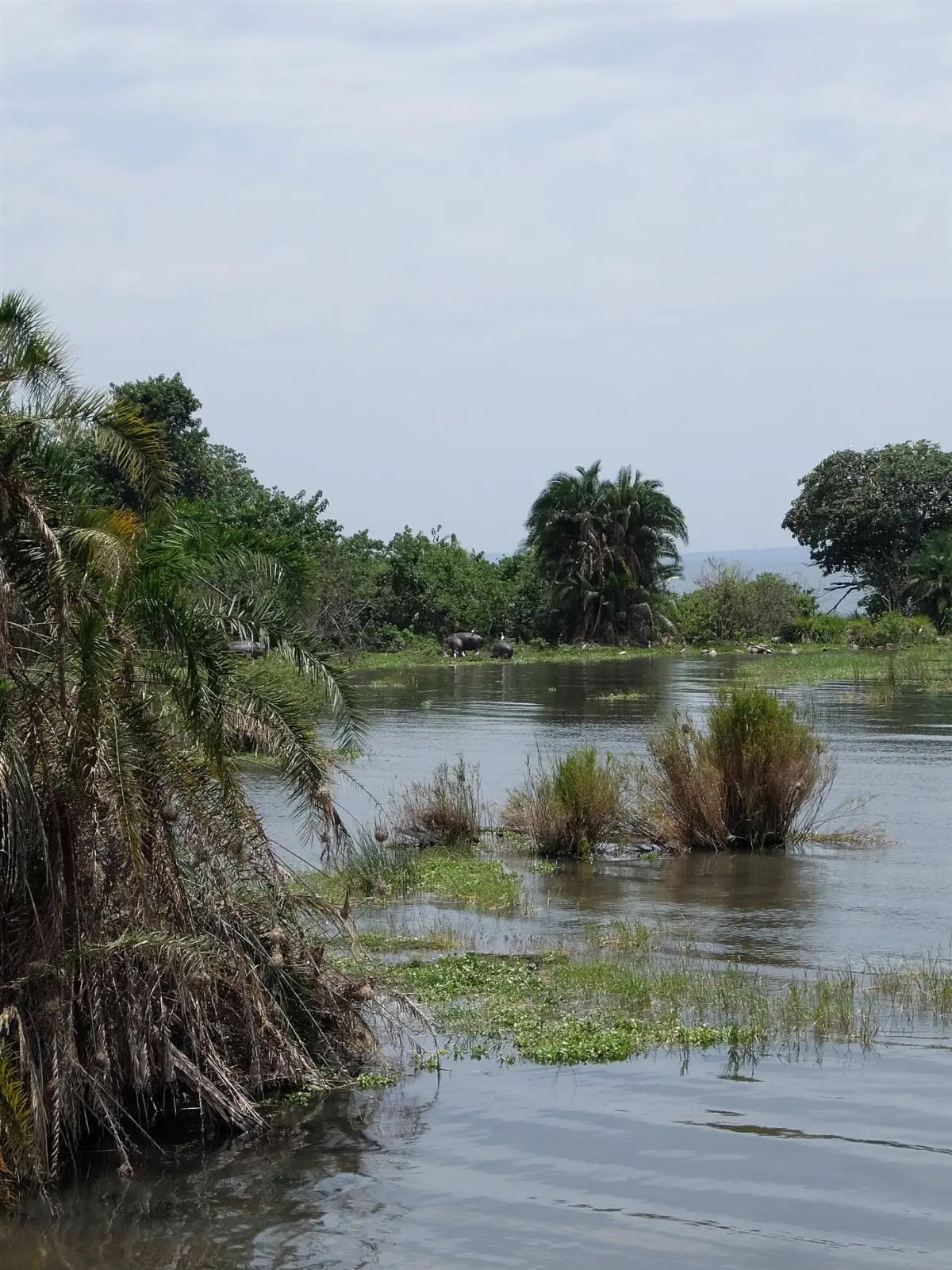
Hippo & crocodile
Both frequent the lake shore and the sheltered inlets around the island.
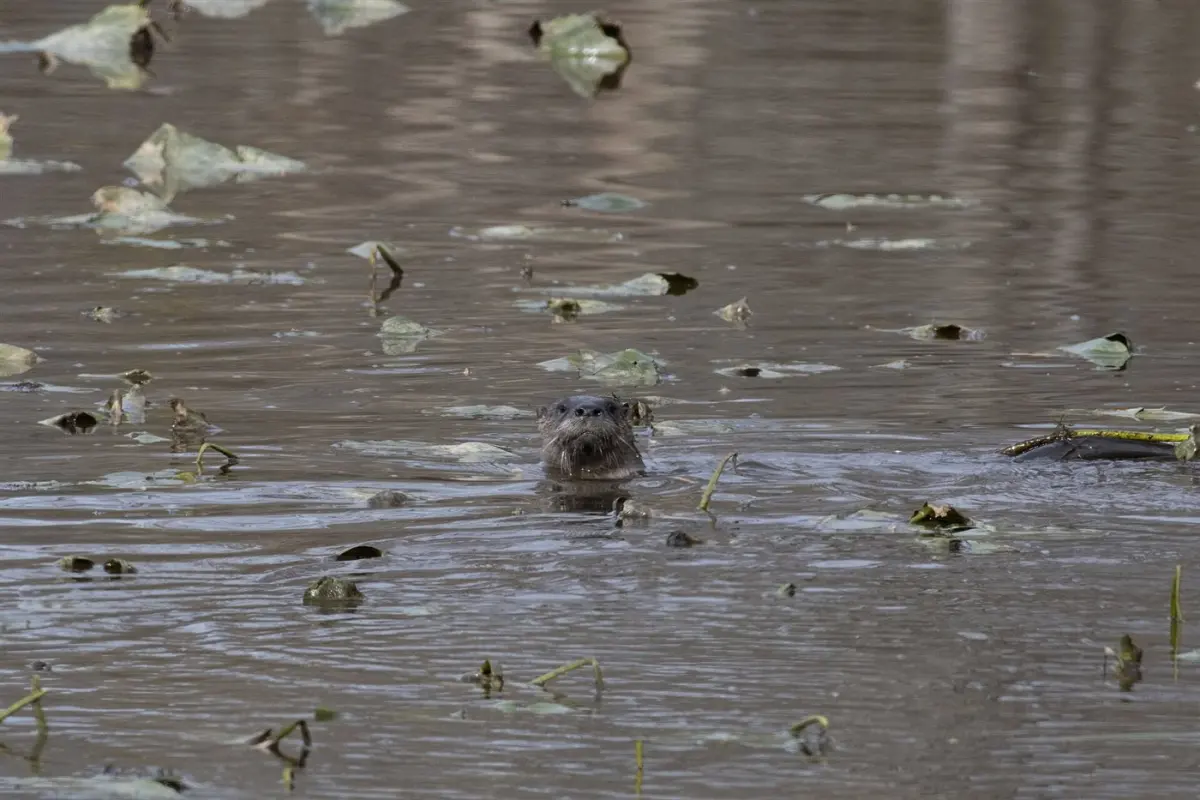
Spotted-necked otter
Rubondo’s protected waters have become an important refuge for this near-threatened mammal.

Over 300 bird species
Fish eagles, kingfishers, herons and reintroduced African grey parrots are among the stars.
Rubondo Island National Park in pictures

Best time to visit
Rubondo is a year-round park, but the dry months bring the driest trails, calmest water and the easiest forest walking.
| Season | Weather | Crowds | What to expect |
|---|---|---|---|
| Jan–Mar | Warm and showery | Very low | Green forest and active birdlife |
| Apr–May | Long rains | Very low | Heavy showers; some activities limited by weather |
| Jun–Sep | Dry and comfortable | Low | Best forest walking and wildlife viewing |
| Oct–Dec | Warmer, then rains return | Low | Good fishing and birding before the short rains |
Things to do
Guided forest walks
Explore the island on foot with a ranger in search of chimps, sitatunga and forest birds.
Chimpanzee tracking
Set out early to track the island’s partially habituated chimpanzee community.
Nile perch fishing
Cast for trophy Nile perch and tilapia in the protected waters around the island.
Boat safaris
Cruise the shoreline and inlets to watch hippos, crocodiles and waterbirds.
Birdwatching
More than 300 species, with a high density of African fish eagles along the shore.
Beaches & relaxation
Unwind on quiet beaches with the whole island as your backdrop.
Where to stay
Exclusive island camp
A single intimate island camp offers elegant tents, lake views and full guiding. <!-- TODO: lodge names -->
Lakeside lodges
Comfortable accommodation on the mainland shore, reached by short boat transfer. <!-- TODO: lodge names -->
Park bandas & rest house
Simple park accommodation for independent travellers exploring on a budget. <!-- TODO: lodge names -->
Getting there & around
Rubondo is reached by boat from the mainland shore near Nkome or Muganza, or by light aircraft to the island’s airstrip. Mwanza, a 30 to 60 minute flight away, is the main gateway city.
The lake crossing can be bumpy when Victoria’s notorious squalls blow up, so schedules are kept flexible. Prices and conditions for boat transfers are arranged as part of your safari package.
- Boat transfer About 2–3 hrs from the mainland shore
- Light aircraft Around 30–60 min from Mwanza
- Best explored 2–3 nights
- Chimp walk permit By arrangement — book in advance
Frequently asked questions
Will I see chimpanzees on Rubondo?
Sightings are possible but not guaranteed, because Rubondo’s chimpanzees are only partially habituated. Guided early-morning forest walks followed by trackers offer the best chance, and encounters are increasingly frequent as habituation progresses.
How do I get to Rubondo Island National Park?
You can reach the island by boat from the mainland shore near Nkome or Muganza, or by light aircraft to the island airstrip. Most travellers fly or drive to Mwanza first, then transfer to the lake and the island.
Why are there no lions on Rubondo?
Lions and leopards were never introduced to the island, and the lake prevents them from crossing naturally. This makes Rubondo one of the few Tanzanian parks where you can safely walk through the bush with a guide.
What is the best time to visit Rubondo?
The dry season from June to September offers the driest trails, calmest lake water and best forest walking. October to November is quieter and good for fishing, while the wetter months are green and excellent for birds.
Can I go fishing at Rubondo?
Yes. The protected waters around Rubondo are well known for Nile perch and tilapia fishing. Fishing is arranged with the park and local operators, and catch-and-release or bag limits may apply.
Can Rubondo be combined with other parks?
Yes. Rubondo pairs well with the other north-western parks, including Saanane Island, Burigi-Chato and the chimpanzee parks of Gombe and Mahale, and can be linked by boat and light aircraft.
Nearby destinations


Ready to plan your Rubondo Island National Park trip?
Tell us your dates and travel style. Our local team in Moshi will build a tailor-made itinerary around Rubondo Island National Park — free, with no obligation.