Discover Lake Eyasi
Lake Eyasi is a shallow, seasonal salt lake that stretches along the south-western edge of the Ngorongoro Highlands in Tanzania’s Great Rift Valley. Surrounded by acacia woodland, thorn scrub and open plains, it offers a quieter, more authentic experience than the busier northern parks.
What makes Lake Eyasi truly special is its living cultural heritage. It is one of the best places in Tanzania to meet the Hadza (hunter-gatherers) and the Datoga (blacksmith pastoralists), whose traditional ways of life have endured for generations in this semi-arid landscape.
The lake itself fills with water during the rainy seasons and recedes to vast salt pans and mudflats in the dry months, creating striking scenery and attracting waterbirds. With its combination of Rift Valley vistas, cultural encounters and off-the-beaten-track charm, Lake Eyasi makes an excellent extension to a Ngorongoro or Serengeti safari.
Topi Adventure offers respectful, community-based visits that ensure your time here benefits the people who call this area home.
Why visit Lake Eyasi
-
Hadza hunter-gatherers
Learn traditional skills like bow hunting, foraging and fire-making from one of Africa’s last hunter-gatherer groups.
-
Datoga culture
Visit Datoga villages known for their metalwork, traditional houses, singing and rich cultural heritage.
-
Seasonal salt lake
Stunning salt pans, mudflats and reflections that shift with the seasons.
-
Rift Valley views
Dramatic escarpments with beautiful sunrise and sunset over the lake.
-
Birdwatching
Pelicans, storks, flamingos and raptors frequent the lake fringes.
-
Authentic experiences
Quiet, uncrowded and deeply rewarding cultural encounters.

Landscape & setting
Lake Eyasi is part of the East African Rift Valley, lying in a depression south of the Ngorongoro Crater Highlands. The lake is fed by seasonal streams and hot springs, and its water level varies dramatically — full after the rains, reduced to shimmering salt crusts during the dry season.
The surrounding terrain is a mix of acacia savannah, Commiphora scrub and open grassland. To the north rise the forested slopes of Ngorongoro, creating a striking backdrop, while the plains stretch south into the Eyasi Basin.
The Hadza people
The Hadza are among the last remaining hunter-gatherer communities in Africa, with a history stretching back tens of thousands of years. They traditionally live in small mobile camps, hunting game with bows and arrows and gathering wild fruits, tubers, honey and berries.
A respectful visit with a Hadza guide offers a fascinating glimpse into their knowledge of plants, tracking, fire-making and survival skills. These encounters are arranged through community-approved channels to ensure they are ethical and beneficial.
The Datoga people
The Datoga are Nilotic-speaking pastoralists and skilled blacksmiths who have lived in the Eyasi area for centuries. They are known for their ironwork, crafting tools and ornaments, as well as their distinctive dress, beadwork and rich oral traditions.
Visiting a Datoga village gives insight into their daily life — from cattle herding and milking to metal forging and traditional songs. It’s a meaningful cultural exchange when done with sensitivity and local consent.
Wildlife & birdlife
While Lake Eyasi isn’t a big game park, its varied habitats support a good mix of wildlife. You might spot Grant’s gazelle, impala, zebra, warthog and hyena on the plains, while vervet monkeys and baboons move through the acacia woodland.
The lake itself is especially rewarding for birdwatchers. Depending on water levels, you can see flamingos, pelicans, storks, ibises, herons, avocets and various raptors. The dry season often concentrates birds around shrinking pools.
Things to do around Lake Eyasi
Lake Eyasi is ideal for slow, immersive experiences. The main draw is cultural tourism — spend time with the Hadza and Datoga to learn about their traditions. You can also walk along the lake shore, explore the salt pans, enjoy sundowners with Rift Valley views, or take short nature walks in the surrounding bush.
It pairs beautifully with a visit to Olduvai Gorge and the Ngorongoro Conservation Area, making for a full day of culture, history and scenery.
What you might see
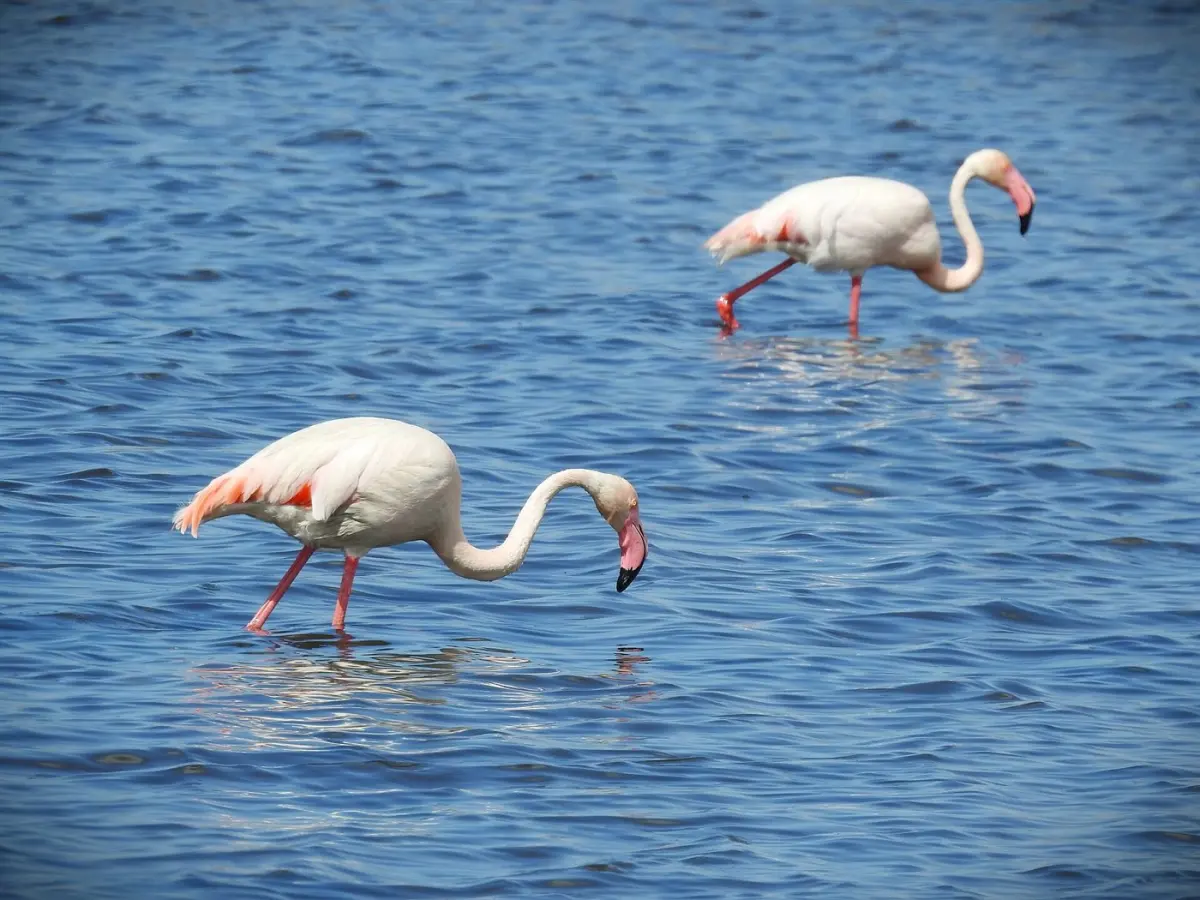
Lesser flamingo
Attracts flocks when water levels are right.

Waterbirds
Pelicans, storks, ibises and herons abound.
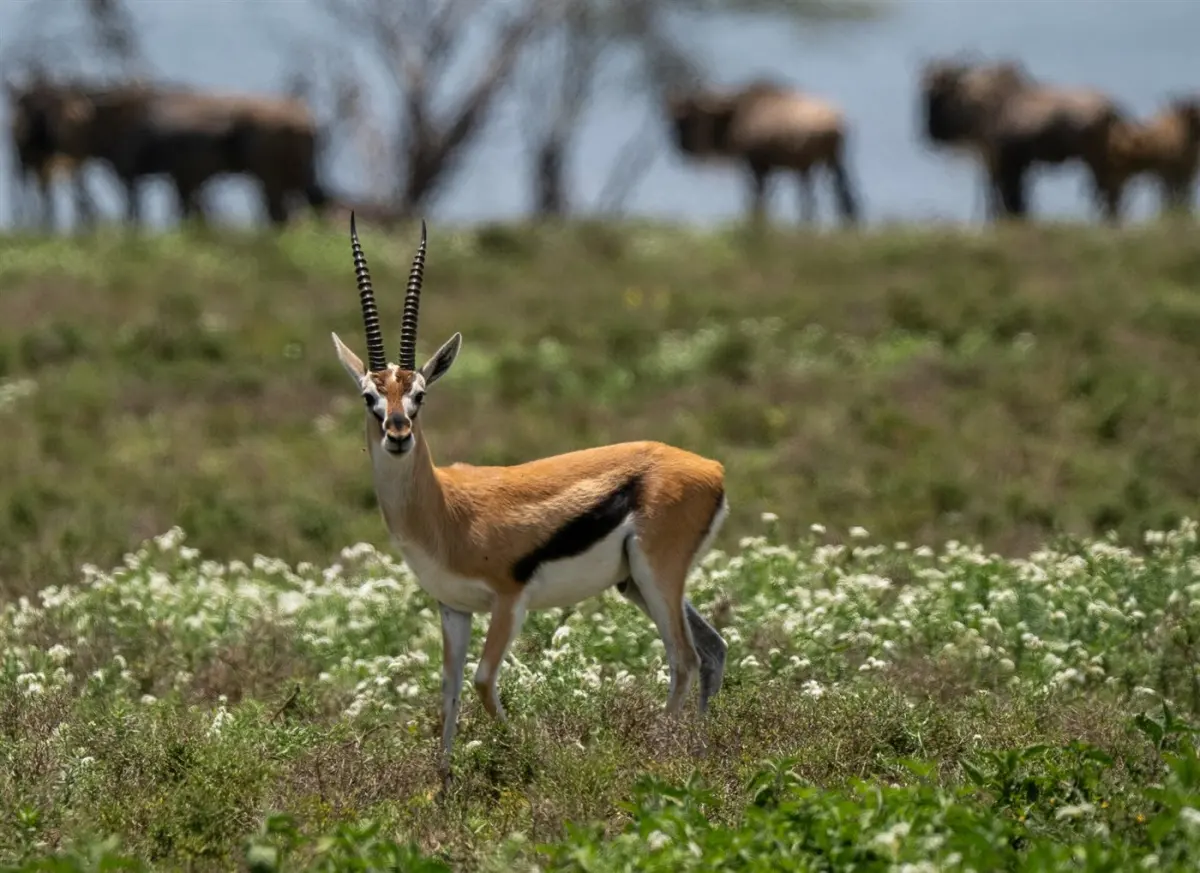
Grant’s gazelle
Common on the open plains.
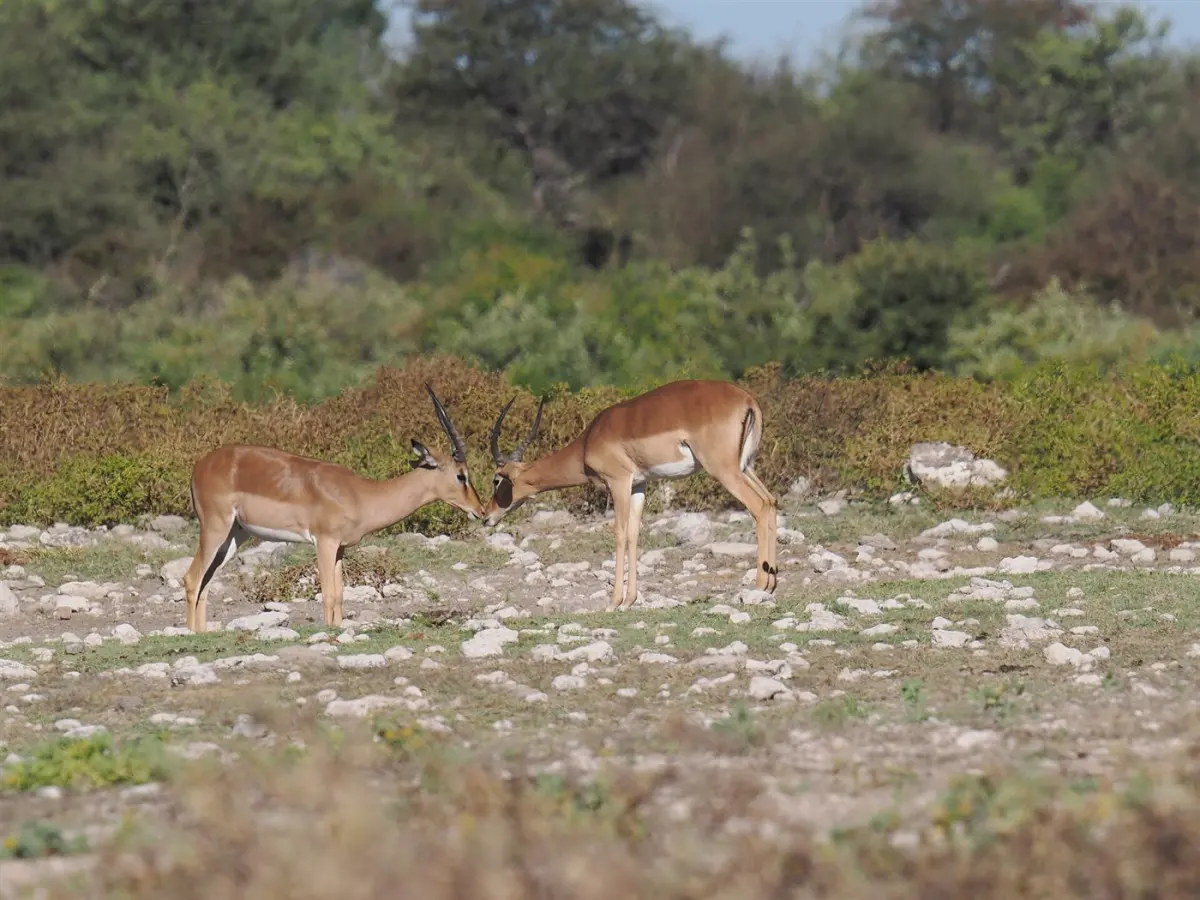
Impala
Found in acacia woodland.
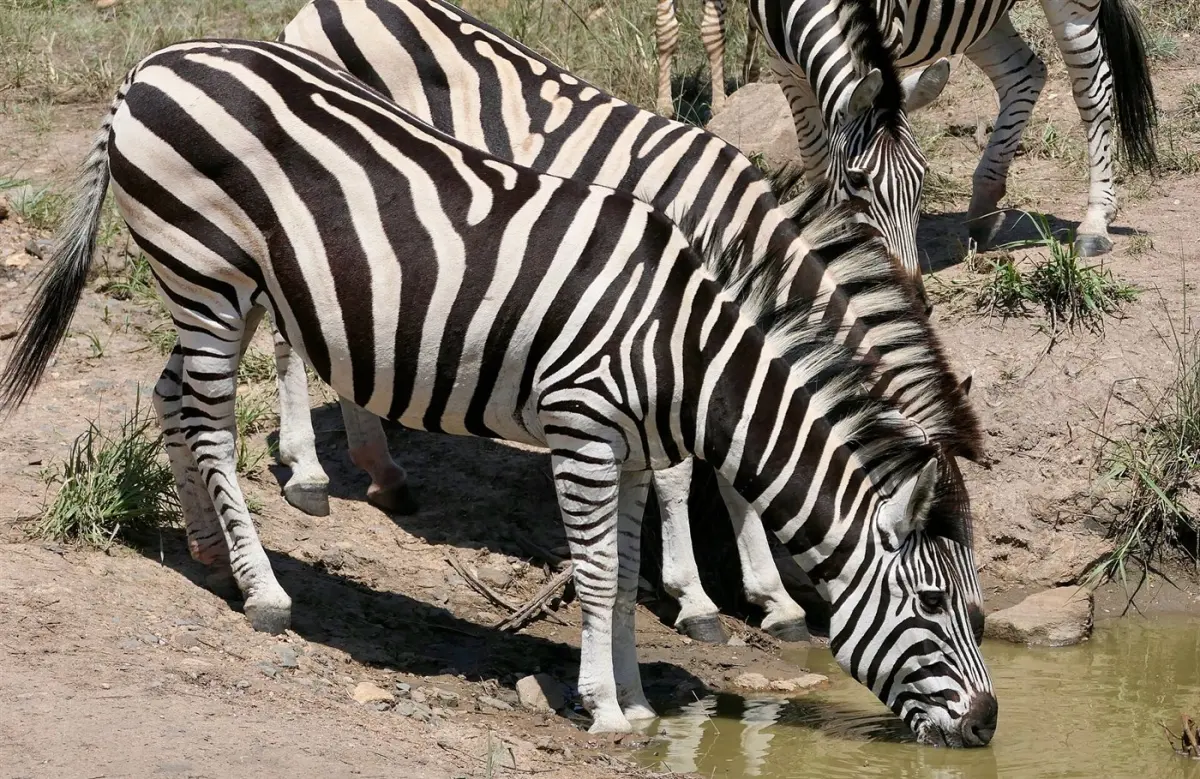
Zebra
Small herds roam the basin.

Hyena
Active at dawn and dusk.

Baboons & vervets
Frequent the wooded fringes.

Raptors
Eagles, buzzards and vultures often seen.
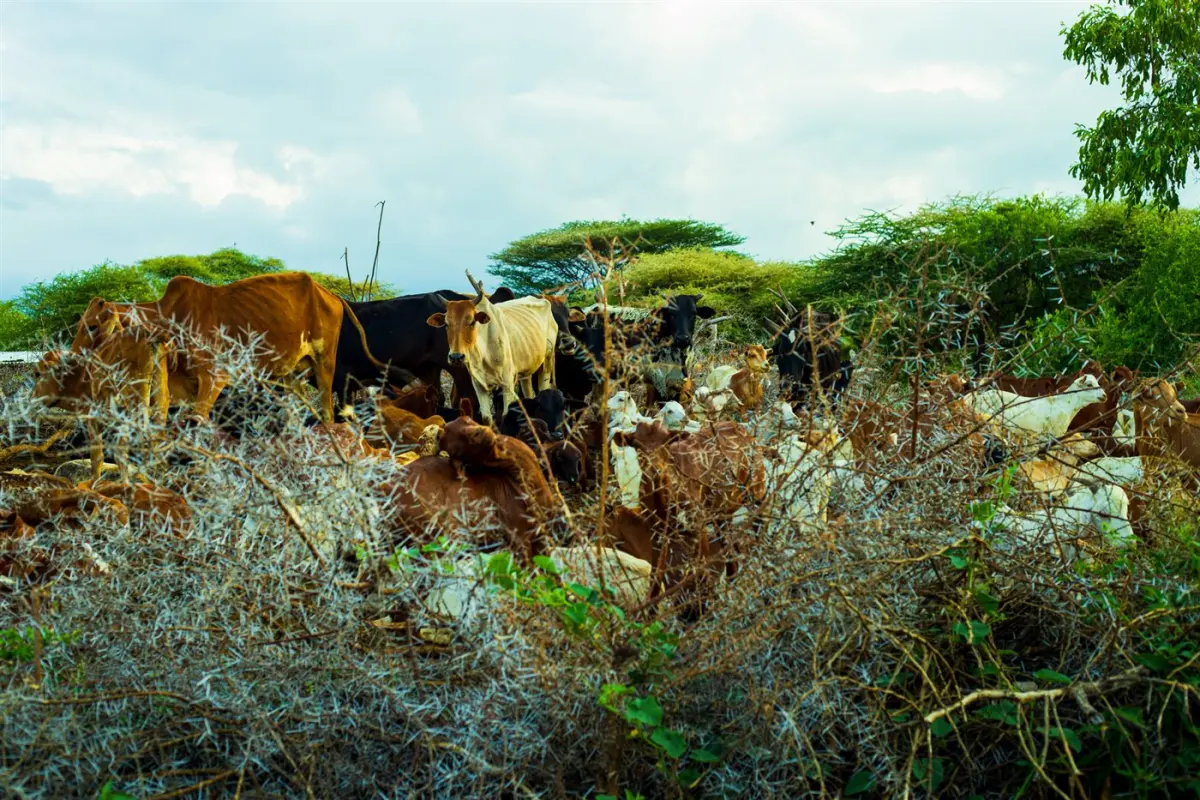
Lake Eyasi in pictures


Best time to visit
Lake Eyasi is best in the dry season when cultural visits are easy, roads are accessible and birdlife concentrates around waterholes.
| Season | Weather | Crowds | What to expect |
|---|---|---|---|
| Jan–Mar | Warm and mostly dry | Moderate | Good for birdwatching and walks |
| Apr–May | Long rains | Low | Lush and green, some tracks muddy |
| Jun–Oct | Cool and dry | High | Ideal for cultural tours and photography |
| Nov–Dec | Short rains | Moderate | Quiet with fresh scenery |
Things to do
Hadza bush walk
Go on a guided walk with Hadza hosts to learn hunting, gathering and survival skills.
Datoga village visit
Experience blacksmithing, traditional homes and cultural exchange.
Birdwatching
Explore lake fringes for flamingos, pelicans and raptors.
Nature walks
Short walks through acacia bush with scenic views.
Photography
Capture cultural moments and stunning Rift Valley light.
Sundowners
Relax with panoramic views as the sun sets over the lake.
Where to stay
Lodges with views
Upscale stays near the Ngorongoro escarpment with lake views. <!-- TODO: lodge names -->
Tented camps
Comfortable tented camps close to cultural sites. <!-- TODO: lodge names -->
Simple camps
Basic accommodation ideal for cultural explorers. <!-- TODO: lodge names -->
Getting there & around
Lake Eyasi is easily reached by 4x4 from Arusha or Karatu, about 1.5–2.5 hours’ drive. It’s often combined with Ngorongoro Crater and Olduvai Gorge as a full-day or overnight cultural excursion.
The roads around the lake can be rough in places, especially during the rains, but are generally accessible in the dry season. A driver-guide is recommended for navigation and to arrange community visits.
- From Karatu 1.5–2 hrs
- From Arusha 3–4 hrs
- Best explored 1–2 days
- Road conditions Variable, best Jun–Oct
Frequently asked questions
When is the best time to visit Lake Eyasi?
June to October (dry season) is ideal for road access, cultural visits and concentrated birdlife. The green season is also beautiful with fewer visitors.
Is visiting the Hadza ethical?
Yes, when arranged through reputable community-based operators. We ensure visits are respectful, consent-based, and that communities benefit directly from tourism.
How long do I need at Lake Eyasi?
A full day is enough for Hadza and Datoga visits, but an overnight stay allows for a relaxed pace and sunset over the lake.
What else can I combine with Lake Eyasi?
It pairs perfectly with Olduvai Gorge, Ngorongoro Conservation Area, Serengeti National Park and Lake Natron.
Is Lake Eyasi good for birdwatching?
Yes, especially when water is present. Expect flamingos, pelicans, storks, herons and raptors, best from November to April and during dry-season pool concentrations.
Do I need a guide?
Yes. A knowledgeable guide is essential to arrange cultural visits properly and to navigate the area respectfully.
Nearby destinations


Ready to plan your Lake Eyasi trip?
Tell us your dates and travel style. Our local team in Moshi will build a tailor-made itinerary around Lake Eyasi — free, with no obligation.