
Discover Usambara Mountains
The Usambara Mountains are one of Tanzania’s oldest and most beautiful mountain ranges. Rising sharply from the coastal plains near Tanga, these misty peaks are known for their cool climate, lush forests, terraced fields and exceptional biodiversity.
Often called the “Galapagos of Africa” for their unique plant and birdlife, the Usambaras form part of the Eastern Arc Mountains — a global biodiversity hotspot. They’re home to many endemic species of trees, orchids, butterflies, reptiles and birds found nowhere else on Earth.
The main hub is Lushoto, a charming hillside town with German colonial-era buildings and a relaxed atmosphere. From here, a network of walking trails leads through banana plantations, montane forest, traditional villages and to stunning viewpoints like Irente and the Usambara viewpoint.
Whether you’re looking for gentle walks or full-day hikes, the Usambara Mountains offer a refreshing break from the heat of the coast and a perfect complement to safaris in the north.
Why visit Usambara Mountains
-
Scenic hiking
Well-marked trails through forests, farms and valleys.
-
Breathtaking viewpoints
Irente Viewpoint and others offer sweeping views to the plains.
-
Biodiversity hotspot
Home to many endemic plants, birds and butterflies.
-
Montane forests
Cool, misty forests rich in unique flora.
-
Village walks
Meet friendly locals and experience rural life.
-
Stunning scenery
Rolling hills, terraced farms and cloud-draped peaks.
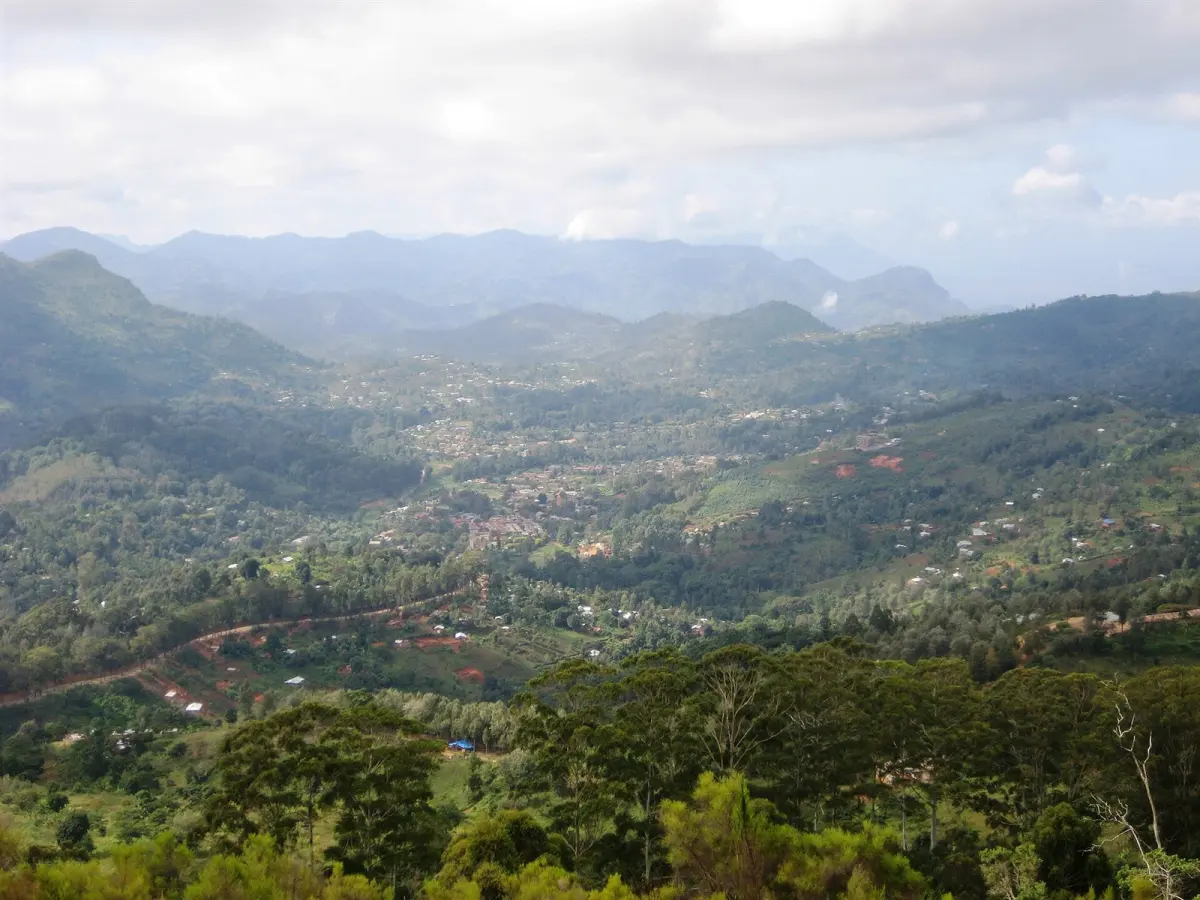
The Eastern Arc Mountains
The Usambara Mountains are part of the Eastern Arc Mountains, a chain of ancient crystalline mountains stretching from Kenya to Tanzania. Formed over 100 million years ago, these ranges have been isolated for millennia, leading to exceptionally high levels of endemism.
The mountains catch moisture from the Indian Ocean, creating a lush, misty climate that supports dense montane forest at higher elevations and agroforestry on the lower slopes. This makes them one of Africa’s most important sites for plant conservation.
Biodiversity & wildlife
The Usambaras are renowned for their unique biodiversity. They host over 300 species of trees, hundreds of orchids, and more than 200 species of birds — many endemic to the Eastern Arc. Colourful butterflies, chameleons, frogs and rare reptiles are also common.
Birdwatchers will find specials like the Usambara eagle owl, Usambara akalat, long-billed tailorbird and many forest endemics. With patience and a local guide, the forests reveal their hidden treasures.
Lushoto town
Lushoto is the perfect base for exploring the Usambara Mountains. Set at around 1,400 m, it enjoys a cool, pleasant climate year-round. The town retains some charming German colonial buildings, has a bustling market and friendly locals.
From Lushoto you can start most hikes directly, arrange guides, and enjoy simple but comfortable accommodation. It’s a relaxed place to unwind after a day on the trails.
Trails & viewpoints
The Usambaras offer a variety of trails for all levels. A classic walk is to Irente Viewpoint, offering panoramic views across the Maasai Steppe towards Kilimanjaro on clear days. Other popular routes include the Lushoto–Mbuzii trail, forest walks through Magamba Nature Reserve and multi-day hikes to Mtae.
Guided walks are highly recommended — local guides know the trails, share knowledge about plants and birds, and can arrange village visits and picnics. The terrain is hilly but not technical, making it ideal for casual hikers.
People & rural life
The Usambara Mountains are home to the Sambaa people, along with other groups. Traditional agroforestry dominates the landscape — bananas, coffee, tea, maize, beans and vegetables are grown on beautifully terraced hillsides.
Village walks offer insight into daily life, farming practices, traditional building and local food. Many community-based initiatives allow visitors to support small enterprises and learn about sustainable land use in this fragile ecosystem.
What you might see

Endemic birds
Usambara eagle owl, akalats and many forest specials.

Butterflies
Hundreds of species, including many endemics.

Chameleons
Colourful species in the forest undergrowth.
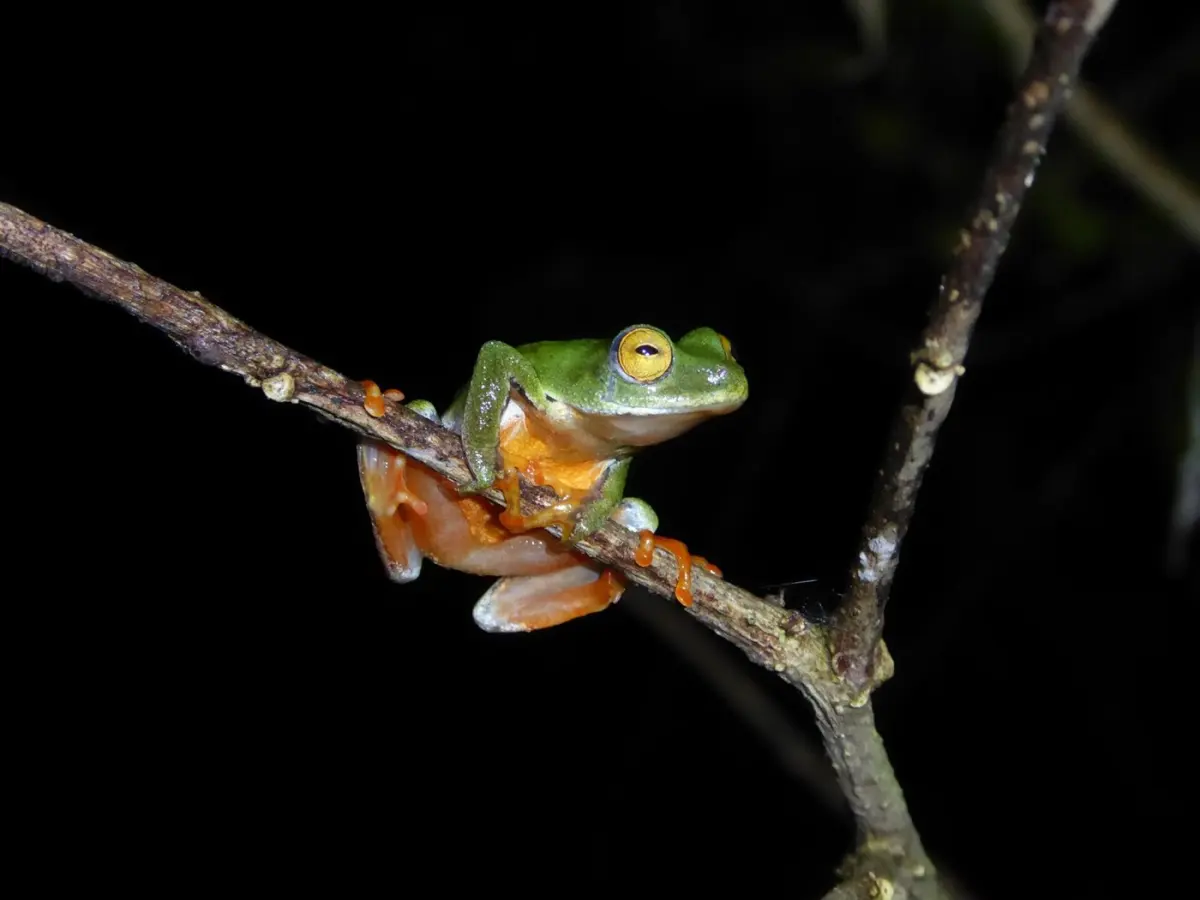
Amphibians
Rare frogs found in montane streams.

Tree hyrax
Often heard at dusk in the forest.

Sunbirds
Brilliantly coloured residents.

Insects
Rich invertebrate diversity.

Orchids
Numerous endemic orchid species.
Usambara Mountains in pictures


Best time to visit
The Usambara Mountains can be visited year-round. The dry season is best for clear views and hiking, while the green season is lush and beautiful.
| Season | Weather | Crowds | What to expect |
|---|---|---|---|
| Jan–Mar | Mild and partly sunny | Moderate | Green, with occasional showers |
| Apr–May | Long rains | Low | Very lush, trails can be muddy but scenic |
| Jun–Oct | Cool, dry and clear | High | Best for hiking and distant views |
| Nov–Dec | Short rains | Moderate | Refreshing with fewer visitors |
Things to do
Day hikes
Explore trails from Lushoto to viewpoints and villages.
Multi-day hikes
Trek between villages for an immersive experience.
Birdwatching
Spot endemic species with a local guide.
Photography
Capture misty forests and stunning vistas.
Village walks
Experience Sambaa culture and rural life.
Nature walks
Discover orchids, butterflies and unique flora.
Where to stay
Lushoto hotels
Comfortable hotels with mountain views. <!-- TODO: lodge names -->
Guesthouses
Charming mid-range stays in Lushoto town. <!-- TODO: lodge names -->
Budget lodges
Affordable options for hikers and backpackers. <!-- TODO: lodge names -->
Getting there & around
The Usambara Mountains are best accessed from Tanga. It’s about 1.5–2 hours from Tanga to Lushoto by road (tarmac and winding mountain road). From Arusha or Moshi, it’s a longer journey (4–6 hours) via Korogwe or Tanga.
Lushoto is the main hub with transport, guides and accommodation. Walking is the best way to explore — local guides are recommended for longer hikes and to support the community.
- From Tanga 1.5–2 hrs
- From Arusha 5–6 hrs
- From Moshi 5–6 hrs
- Best explored 2–3 days
Frequently asked questions
When is the best time to visit Usambara Mountains?
June to October (dry season) offers the clearest views, driest trails and best hiking conditions. The green season is also beautiful and less crowded.
Do I need a guide for hiking?
For shorter walks around Lushoto it’s possible to explore independently, but local guides are recommended for longer hikes, forest trails and village visits. They add great insight and support the community.
What’s special about the Usambaras?
They’re part of the Eastern Arc Mountains biodiversity hotspot, with many endemic plants, birds, butterflies and orchids — often called the “Galapagos of Africa”.
How cold does it get?
At higher elevations it can be cool, especially at night and early morning. Pack a light jacket or fleece, particularly in the dry season.
Can I combine Usambara with other destinations?
Yes. It pairs well with Tanga coast, Pangani, Saadani National Park, and can be combined with northern safari circuits or a coastal extension.
What should I pack for hiking?
Comfortable walking shoes, lightweight rain jacket (especially in shoulder seasons), water bottle, sunscreen, insect repellent and a daypack.
Nearby destinations


Ready to plan your Usambara Mountains trip?
Tell us your dates and travel style. Our local team in Moshi will build a tailor-made itinerary around Usambara Mountains — free, with no obligation.