
Discover Burigi-Chato National Park
Burigi-Chato National Park is one of Tanzania’s newest and biggest protected areas, gazetted in 2019 from the former Burigi and Chato game reserves. Spanning roughly 4,707 km² in the far west near Lake Victoria, it remains one of the least-visited parks in the country — a genuine frontier for adventurous travellers.
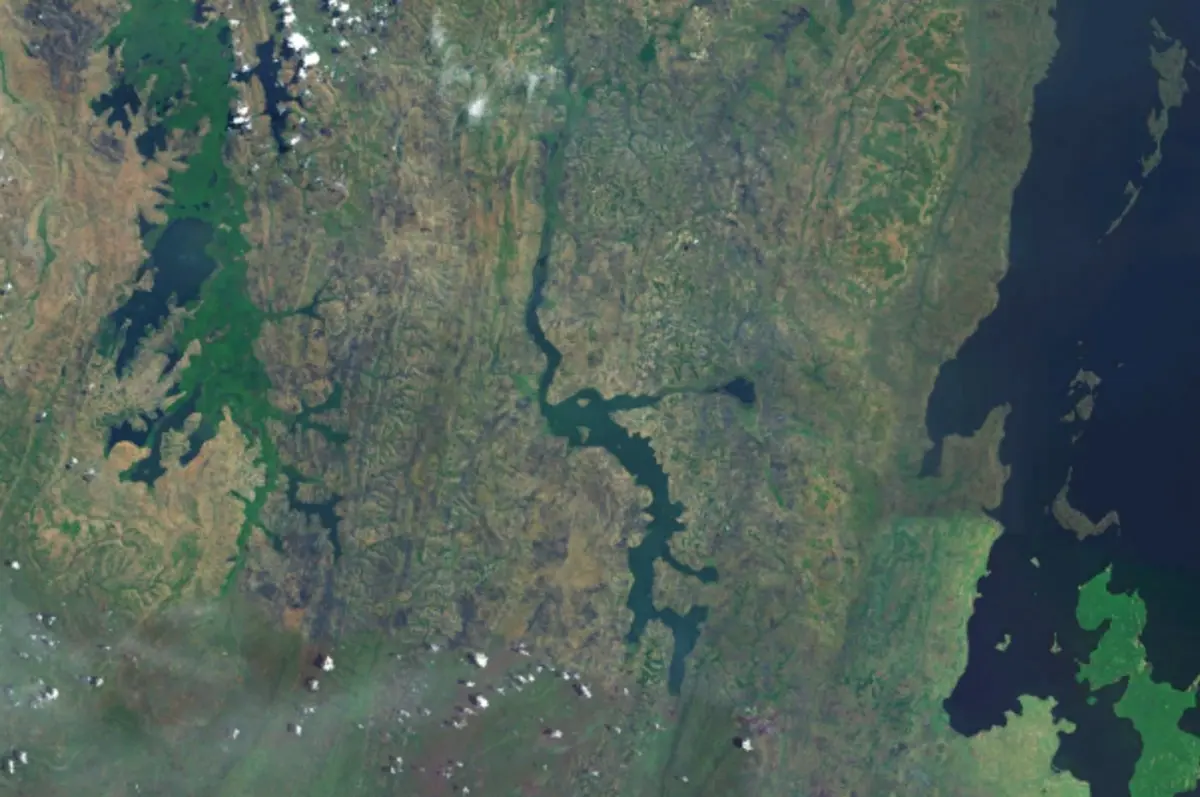
The park takes its name from Lake Burigi and the Chato wetlands, a chain of lakes and marshes that threads through rolling miombo woodland and open savannah. Water is everywhere in the wet season, drawing wildlife and making the park a magnet for birds.
Because it is still young and lightly developed, Burigi-Chato offers a raw, uncrowded safari experience. Elephants move through the woodland, antelope graze the plains around the lakes, and hippos and crocodiles haunt the shallows. Birders are especially rewarded, with waterbirds, raptors and woodland species in abundance.
If you want to travel beyond the classic Northern Circuit and see a park that few visitors ever reach, Burigi-Chato is a rewarding choice — best explored as part of a wider western Tanzania itinerary.
Why visit Burigi-Chato National Park
-
Lake Burigi & wetlands
A chain of lakes and marshes that shapes the park and attracts wildlife and waterbirds year-round.
-
Elephants of the miombo
Elephant herds roam the extensive woodland and open plains, often in large family groups.
-
Outstanding birding
Wetland, raptor and woodland species thrive — a treat for serious birdwatchers.
-
Wild miombo woodland
Classic western Tanzania scenery of miombo, acacia and grassy plains.
-
True frontier safari
Newly gazetted and barely visited — you may see no other vehicle all day.
-
Boat & fishing potential
The lakes add the chance of boat excursions and some of Africa’s finest freshwater fishing.
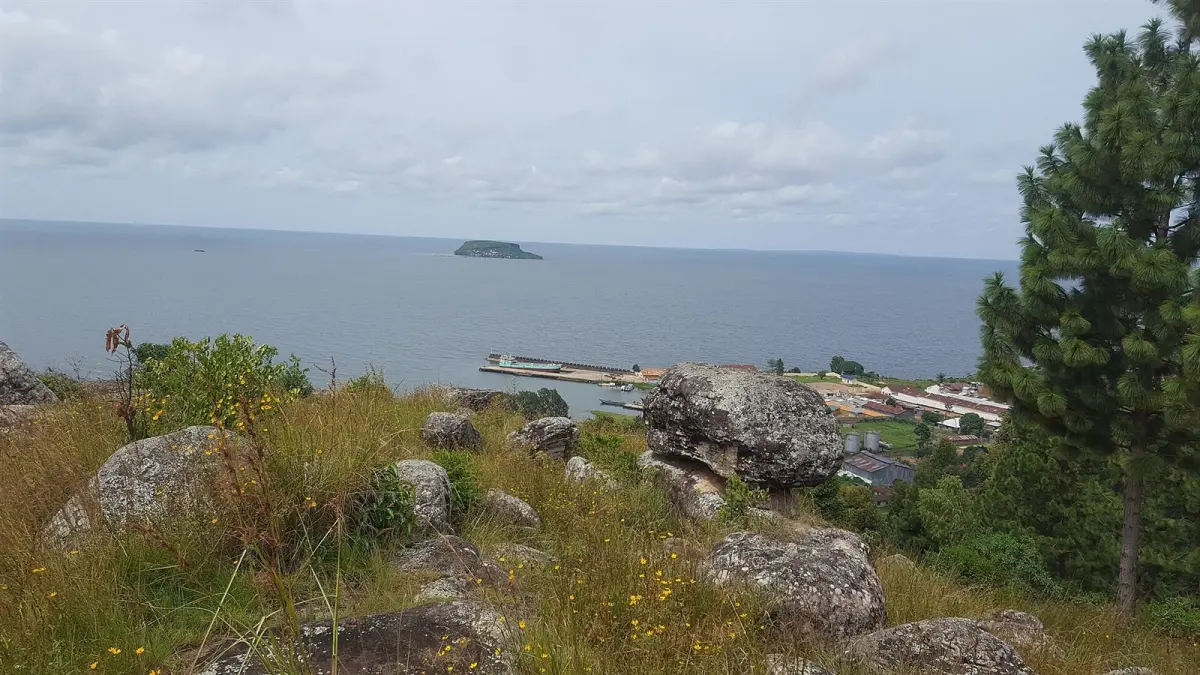
Lakes, wetlands & woodland
Burigi-Chato sits on the undulating plateau of western Tanzania, not far from the shores of Lake Victoria. Its defining feature is a network of lakes, rivers and papyrus swamps, of which Lake Burigi is the largest, set among broad stretches of miombo and acacia woodland.
The terrain is gentle, with grassy plains, low hills and seasonal wetlands that flood during the rains and shrink in the dry season. This mixture of land and water creates a patchwork of habitats that supports a surprisingly wide range of species.
Because the park straddles the edge of the Lake Victoria basin, it also acts as a corridor for wildlife moving between the lake’s shores and the interior woodlands.
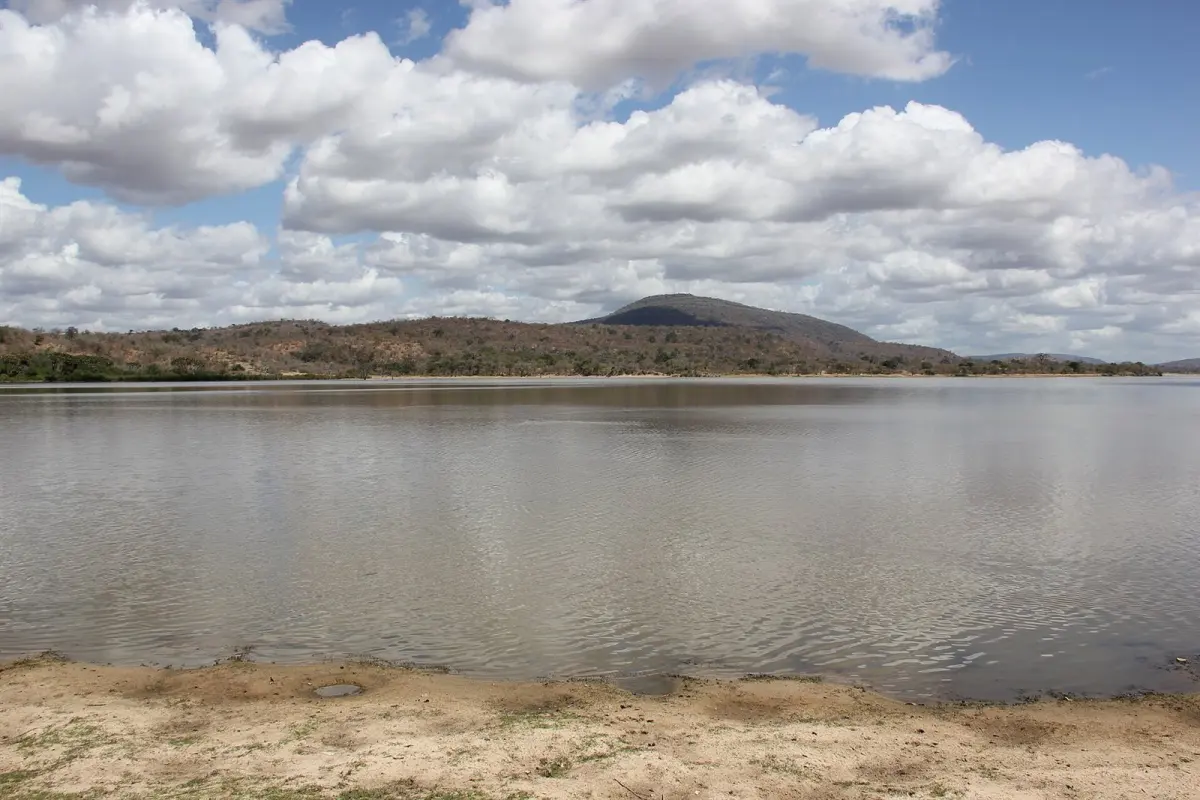
What you might see
Burigi-Chato is a park of antelope, elephant and freshwater life rather than dense predator concentrations. It rewards travellers who enjoy quieter, more exploratory safaris.
Look for:
- Elephant — woodland herds moving between water and forage.
- Roan & sable antelope — handsome western species of the miombo belt.
- Sitatunga — a shy swamp antelope often found near the papyrus.
- Hippo and crocodile — common in the lakes and channels.
- Buffalo, zebra, topi and bushbuck — across the plains and woodland.
- Over 300 recorded birds — waterfowl, herons, kingfishers, eagles and more.
A freshwater birding hotspot
The lakes and wetlands make Burigi-Chato one of western Tanzania’s best birdwatching destinations. Papyrus swamps shelter specialist species such as the papyrus gonolek and white-winged warbler, while the open water attracts fish eagles, cormorants, herons and kingfishers.
Woodland edges add hornbills, barbets, rollers, bee-eaters and a colourful array of weavers and sunbirds. Bring binoculars — the rewards here come from patient observation.
A park finding its feet
Gazetted in 2019, Burigi-Chato is still developing its infrastructure and building its reputation. Its creation extended Tanzania’s protected area network into a region previously covered only by reserves, helping secure wildlife corridors towards Lake Victoria.
Tourism remains low, which keeps the ecological footprint small but also limits revenue. Visiting the park directly supports its growth as a conservation area and the communities who share the surrounding land.
Best time to visit
The dry season from June to October is generally the best time to visit. Vegetation thins, wildlife concentrates near water and tracks are easier to navigate. Birding, however, is excellent in the greener months when resident and migrant species are most active.
November to May brings rain and lush scenery. Access can be limited in the heaviest downpours, so travel at this time suits flexible, well-equipped itineraries.
What you might see
Expect antelope, elephant and an abundance of freshwater and woodland birds rather than dense predator action.

African elephant
Woodland herds move between the plains and the lakes in search of food and water.
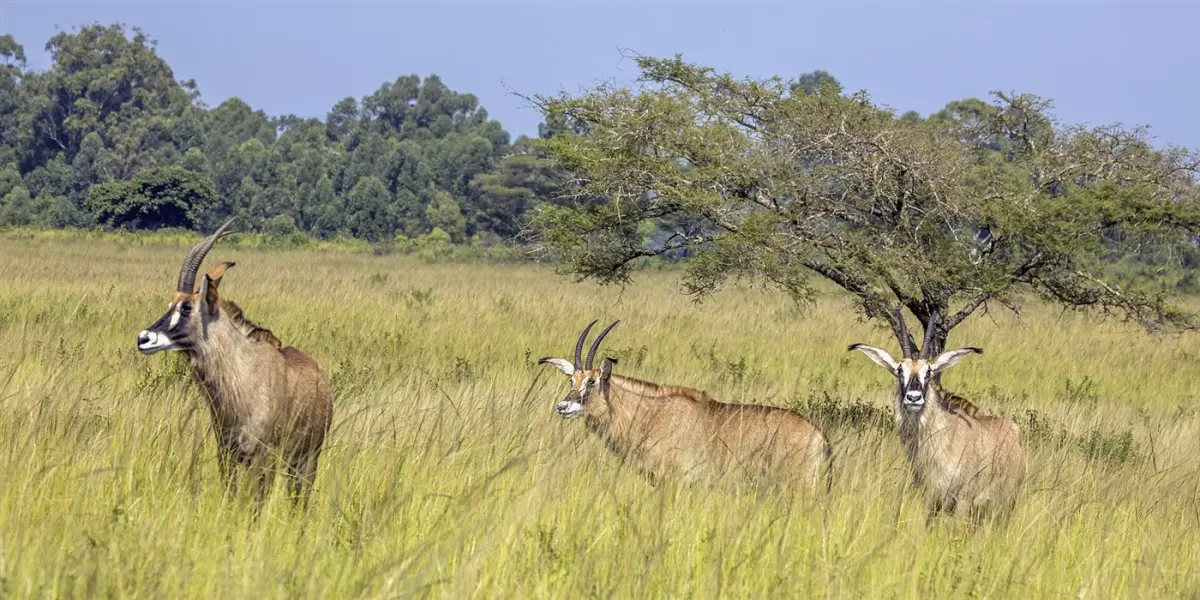
Roan antelope
A speciality of western Tanzania’s miombo belt, often seen on the open plains.
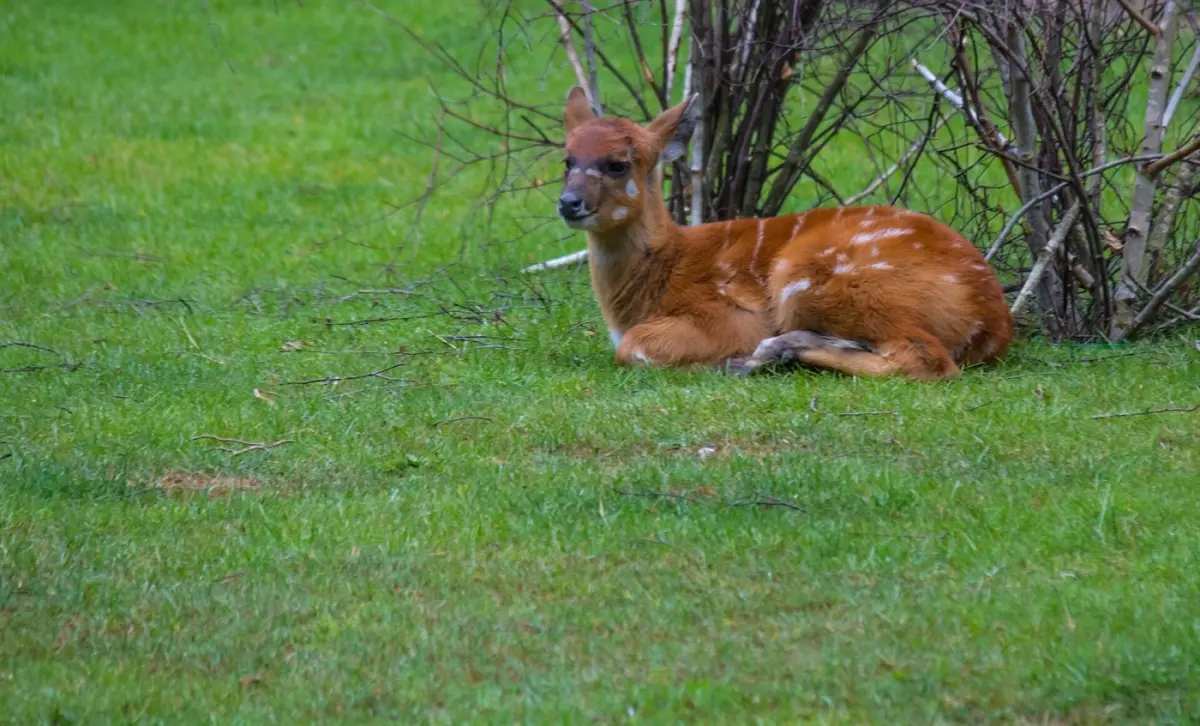
Sitatunga
A shy, swamp-dwelling antelope with splayed hooves for walking on floating vegetation.
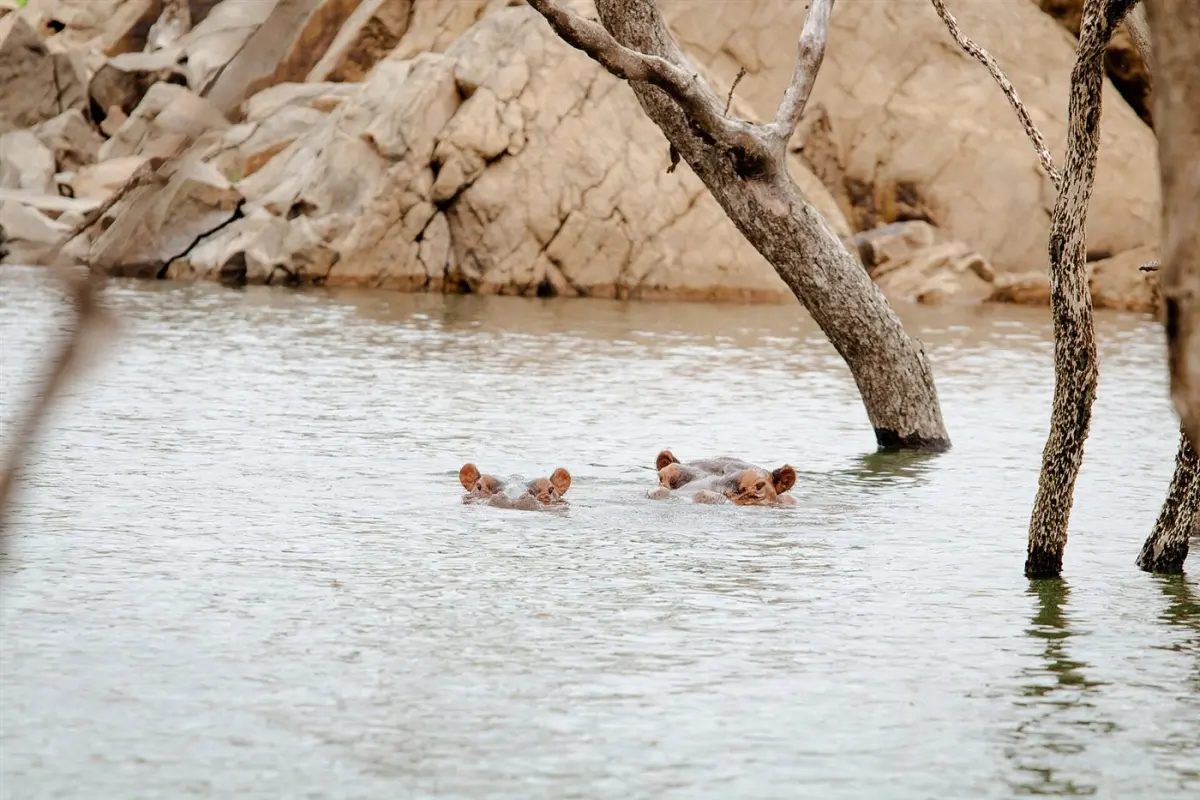
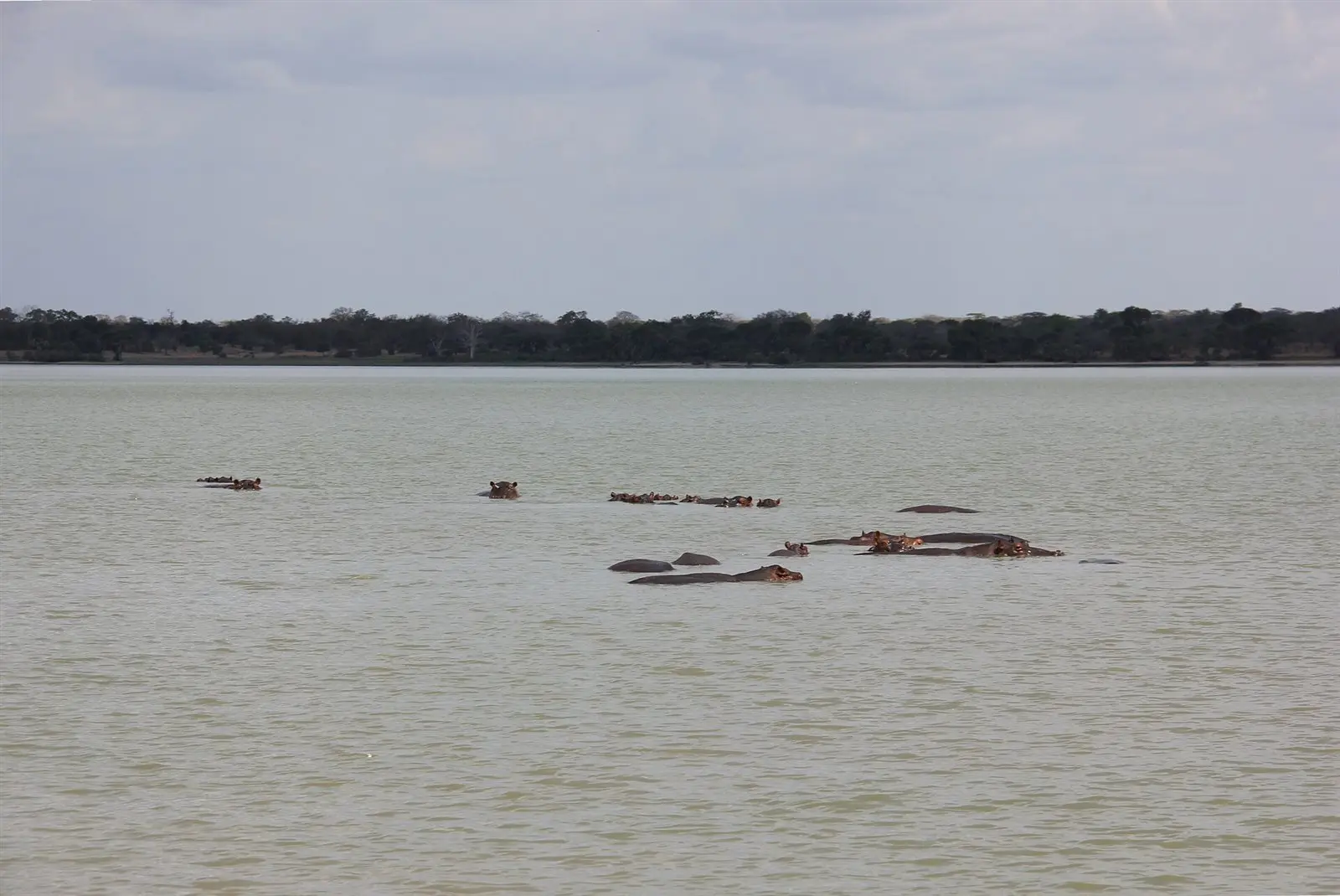
Hippopotamus
Common in Lake Burigi and the surrounding channels, especially at dawn and dusk.
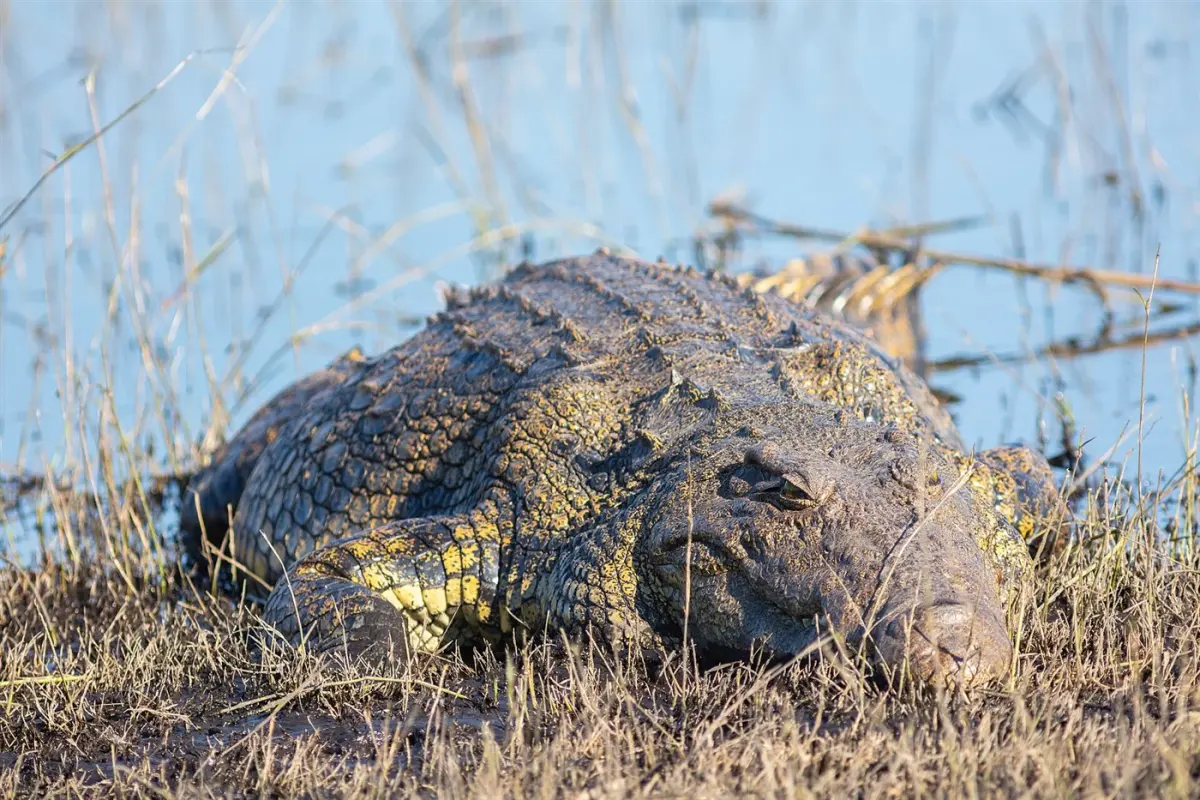
Nile crocodile
Haunts the lake shores and river channels throughout the park.
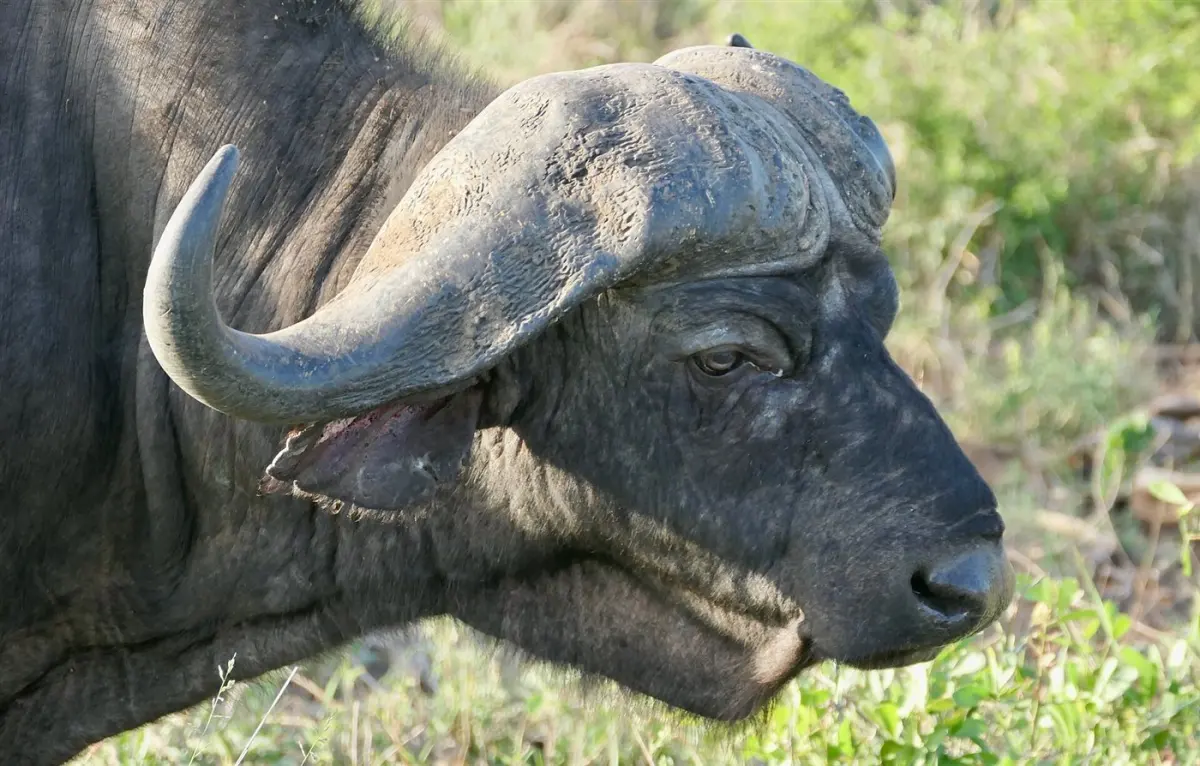
Buffalo & zebra
Graze the grassland fringes alongside topi, hartebeest and bushbuck.
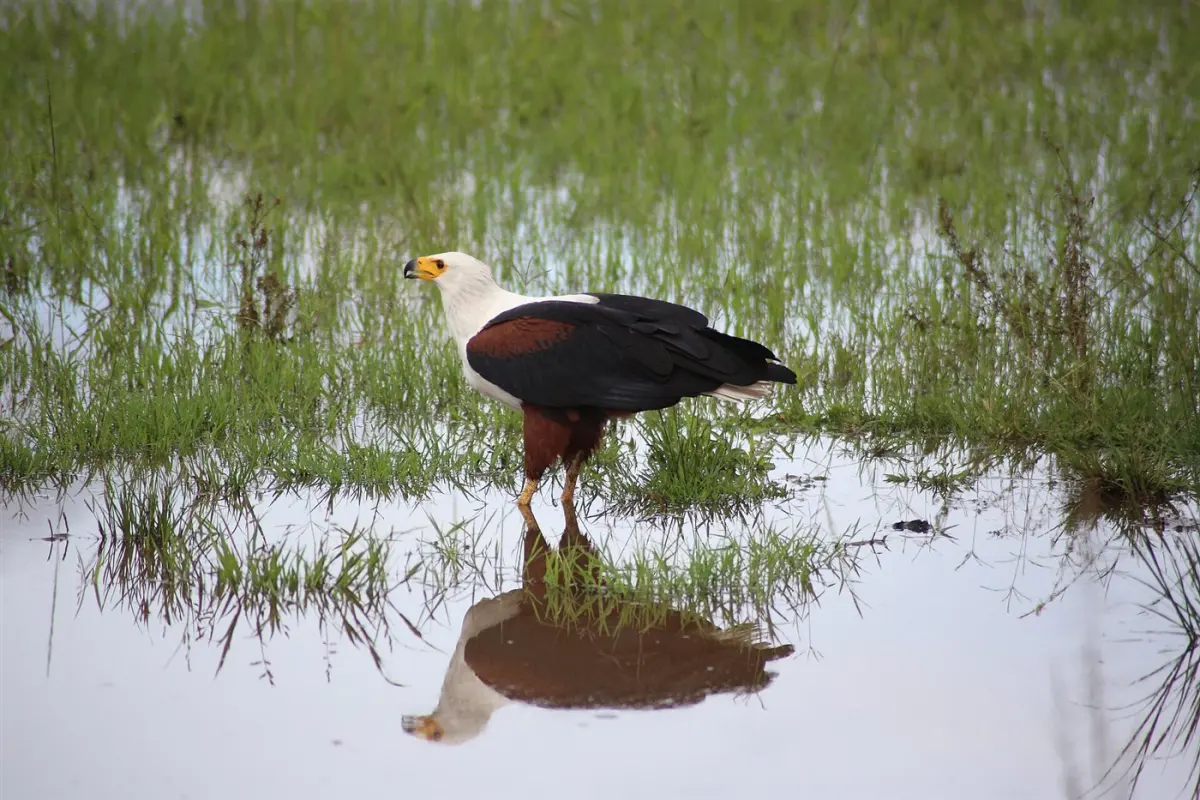
Fish eagle
Its haunting call rings out over the lakes — one of many raptors here.
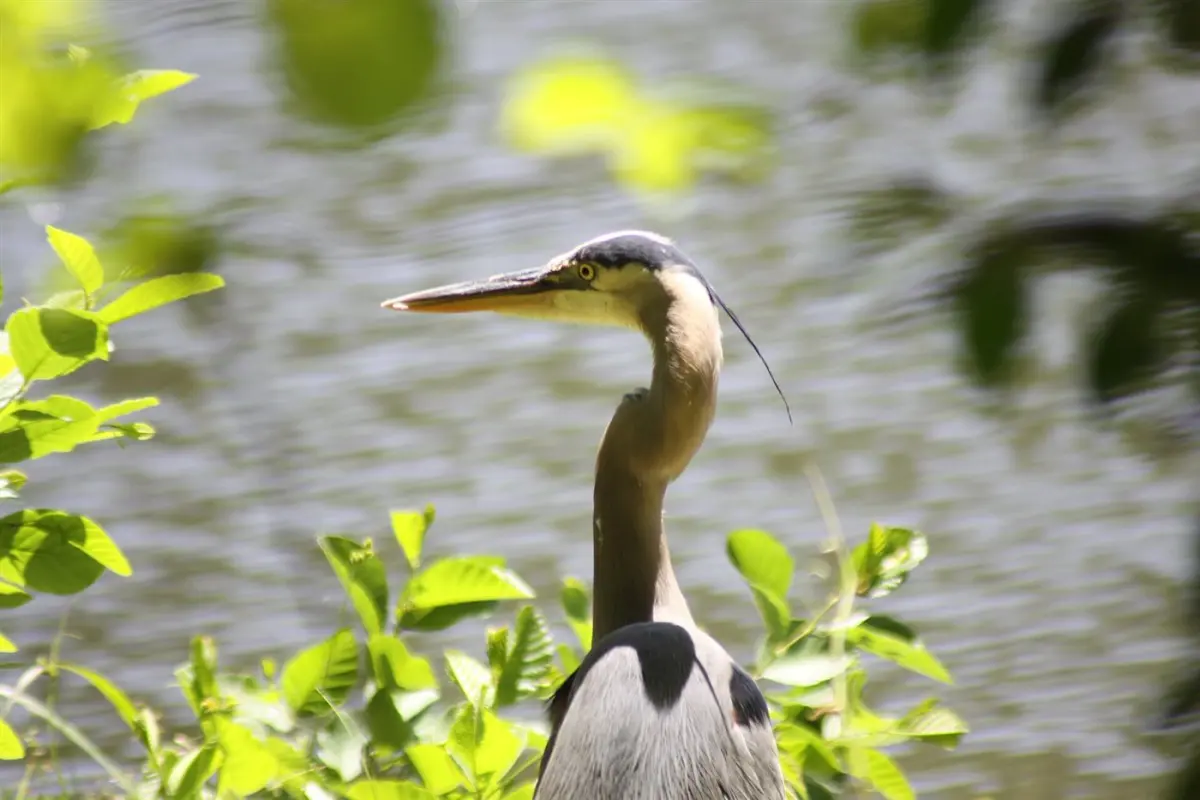
Waterbirds
Herons, cormorants, kingfishers, jacanas and egrets crowd the wetlands.
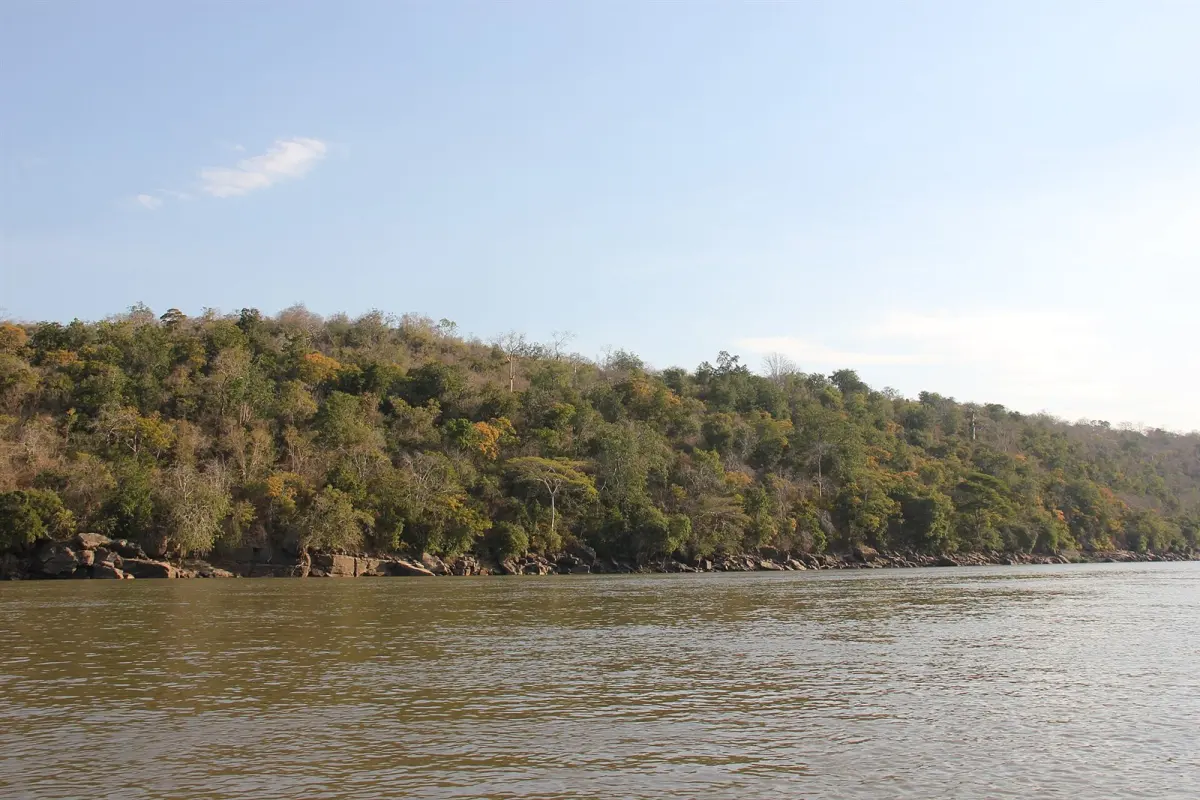
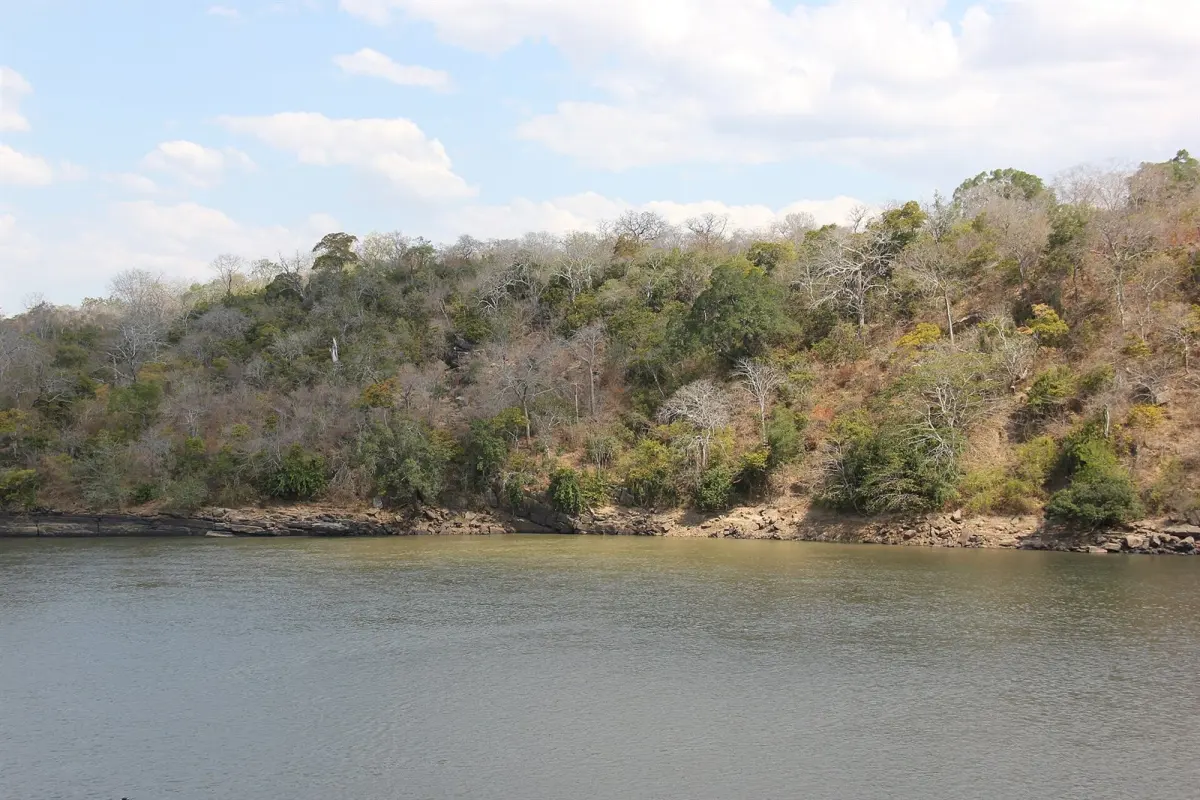
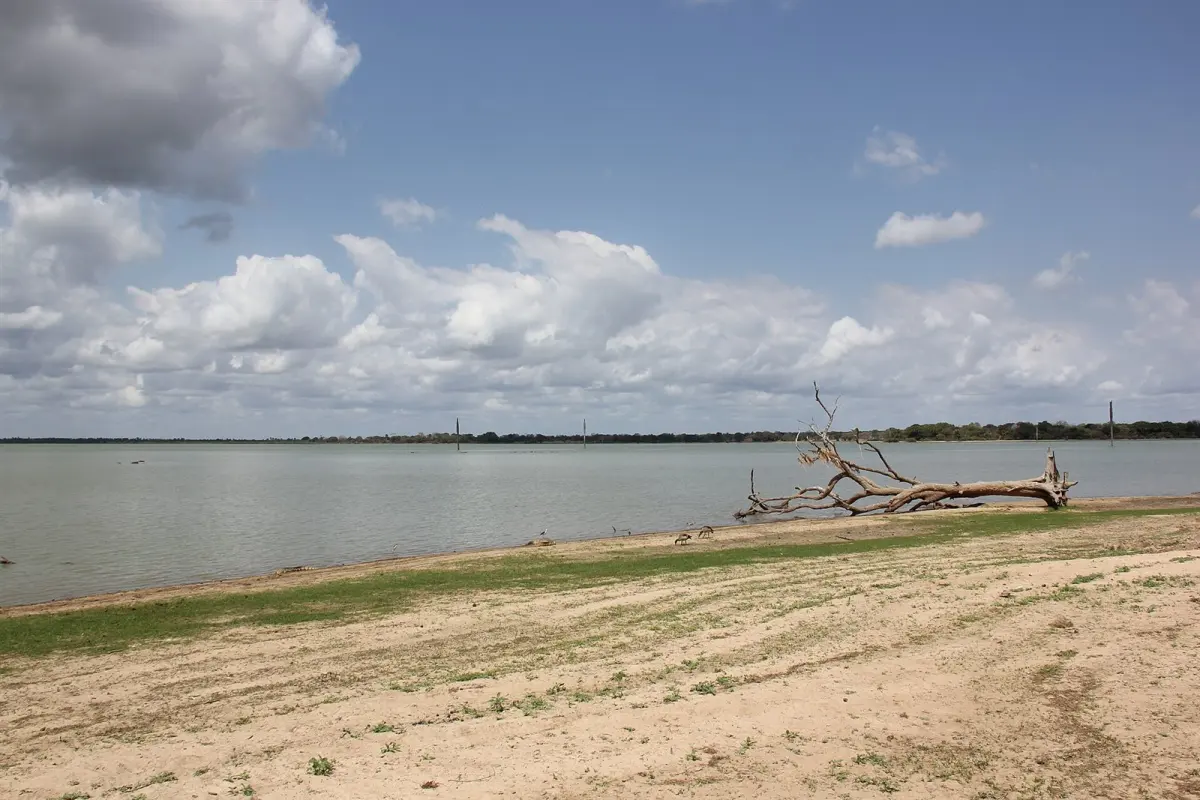
Burigi-Chato National Park in pictures
Best time to visit
The dry months concentrate wildlife around the lakes. The green season transforms the park and swells the birdlife.
| Season | Weather | Crowds | What to expect |
|---|---|---|---|
| Jan–Mar | Warm, wet | Low | Lush scenery, good birding, some muddy tracks |
| Apr–May | Heavy rains | Very low | Greenest months; access can be difficult |
| Jun–Oct | Warm, dry | Low | Best game viewing as wildlife gathers at water |
| Nov–Dec | Short rains | Low | Rising bird activity, quiet and green |
Things to do
Game drives
Explore the plains and woodland tracks in a 4x4 with an experienced guide.
Birdwatching
One of the park’s greatest strengths — wetland and woodland species abound.
Lake excursions
Where arranged, boat activity on the lakes reveals hippos and waterbirds up close.
Photography
Dramatic western skies and reflective lakes make memorable images.
Guided walks
Walks in designated areas offer a closer look at plants, tracks and small wildlife.
Freshwater fishing
The lakes are known for excellent fishing; arrange permits and gear in advance.
Where to stay
Private fly-in camps
Occasional seasonal luxury camps set up for fly-in safaris. <!-- TODO: lodge names -->
Tented camps
Simple but comfortable tented camps arranged for western circuit itineraries. <!-- TODO: lodge names -->
Campsites & lodges
Basic campsites and nearby town lodges suit self-drive and overland travellers. <!-- TODO: lodge names -->
Getting there & around
Burigi-Chato lies in the far west of Tanzania, roughly between Lake Victoria and the Kagera region. The most practical access is to fly into Mwanza or Bukoba and continue by road in a 4x4 with a guide, or to arrange a charter flight to a nearby airstrip.
Because tourism is still developing, infrastructure is limited and the park is best visited on an organised itinerary with a fully equipped vehicle, fuel and supplies. Distances between water sources are significant, so plan for full-day game drives.
- Nearest city Mwanza or Bukoba
- By road from Mwanza Several hours — 4x4 recommended
- Best time to visit Jun–Oct (dry season)
- Recommended stay 2–3 days
Frequently asked questions
Where is Burigi-Chato National Park?
It lies in far western Tanzania, in the Kagera and Geita regions not far from Lake Victoria. It is one of the country’s largest and newest national parks, gazetted in 2019.
What is Burigi-Chato known for?
Lakes and wetlands, miombo woodland, elephants, swamp antelope such as sitatunga, and excellent birdwatching. It is prized for its uncrowded, frontier feel.
When is the best time to visit?
The dry season from June to October is best for game drives and easier access. The greener months from November to May are especially good for birds.
How do I get to Burigi-Chato?
Fly to Mwanza or Bukoba, then travel by road in a 4x4 with a guide, or arrange a charter flight to a nearby airstrip. An organised safari is strongly recommended.
Is Burigi-Chato good for birdwatching?
Yes — its lakes and papyrus swamps support a wide range of waterbirds and specialist species, making it one of western Tanzania’s best birding destinations.
How many days do I need?
Two to three days allow you to explore both the lakes and woodland areas. It combines well with neighbouring western parks on a longer itinerary.
Nearby destinations
Ready to plan your Burigi-Chato National Park trip?
Tell us your dates and travel style. Our local team in Moshi will build a tailor-made itinerary around Burigi-Chato National Park — free, with no obligation.