
There is no better way to reconnect with the bush than on foot. A walking safari slows everything down — you hear the crunch of grass, notice tracks in the dust, and learn to read the landscape in a way that’s impossible from a vehicle.
Walking safaris are led by qualified, armed guides who prioritise safety while sharing their deep knowledge of plants, animals, tracks and ecology. They’ll teach you to identify spoor, explain animal behaviour and point out the smaller details — insects, birds, trees and medicinal plants — that often go unnoticed on game drives.
Nyerere National Park (formerly Selous) is Tanzania’s premier destination for walking safaris. Its vast, varied terrain and long history of guided walks make it the ideal place to explore on foot. Short walks can be arranged from camp, or multi-day walking safaris can be the focus of your stay.
Walking is usually done in the early morning or late afternoon when temperatures are cooler and wildlife activity is higher. Distances are flexible and tailored to your fitness level — the emphasis is on experience, not speed or distance covered.
While you won’t cover the same ground as a vehicle, you gain an intimacy with the bush that’s unmatched. The thrill of approaching an animal on foot, quietly observing from a safe distance, is one of the most memorable experiences any safari-goer can have.
What makes this safari special
-
Immersive experience
Slow down and engage all your senses as you explore the bush on foot.
-
Learn to track
Discover how to read spoor, dung, broken grass and other signs left by wildlife.
-
Bush knowledge
Learn about trees, medicinal plants, birds, insects and the wider ecosystem.
-
Safety first
All walks are led by experienced, licensed armed guides with strict safety protocols.
-
Close to nature
Notice the small things and gain a deeper appreciation of the wild.
-
Tailored to you
Pace, duration and route adjusted to suit your fitness and interests.
Safaris that include time on foot
Itineraries that combine classic game drives with guided walking safaris for a more immersive experience.
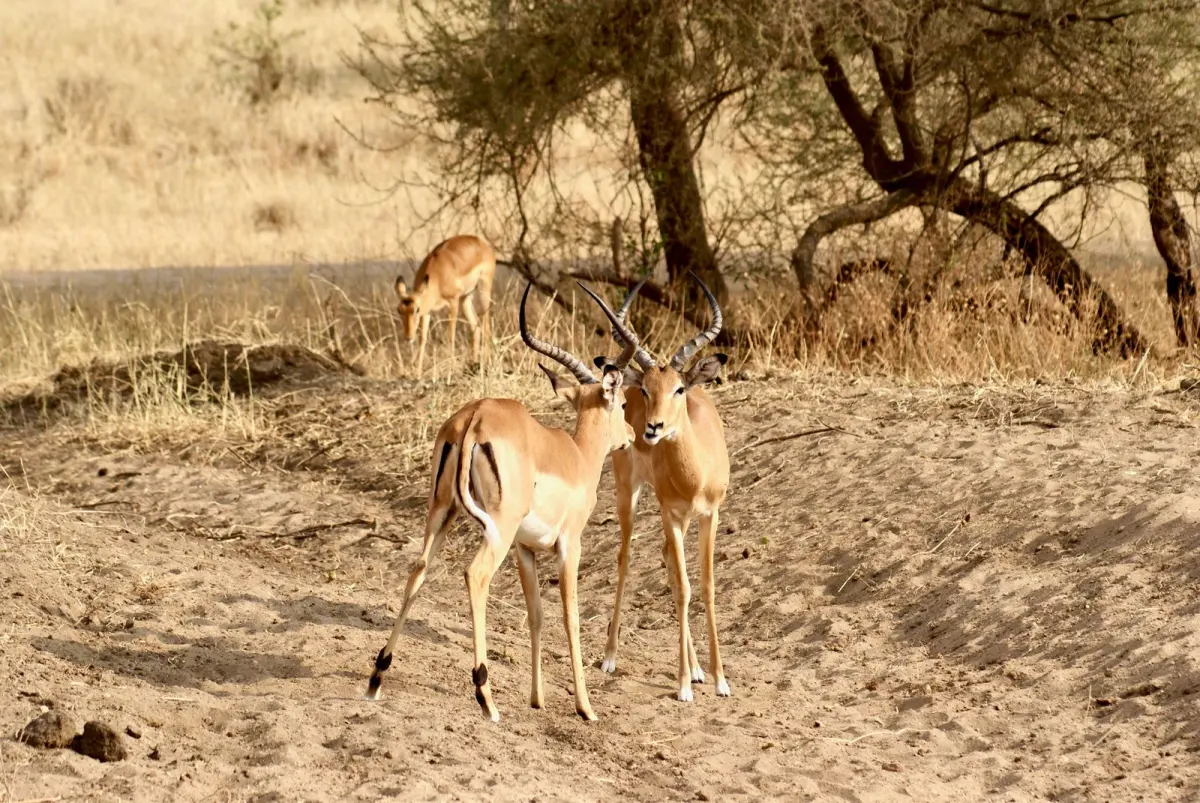
9-Day Tanzania Adventure Safari
A nine-day active safari of game drives, walking and canoeing — pairing Tanzania’s great parks with real adventure and genuine cultural encounters.

7-Day Northern Circuit Safari
The classic Tanzania safari — Tarangire’s elephants, Lake Manyara, the mighty Serengeti and the Ngorongoro Crater in seven unforgettable days.
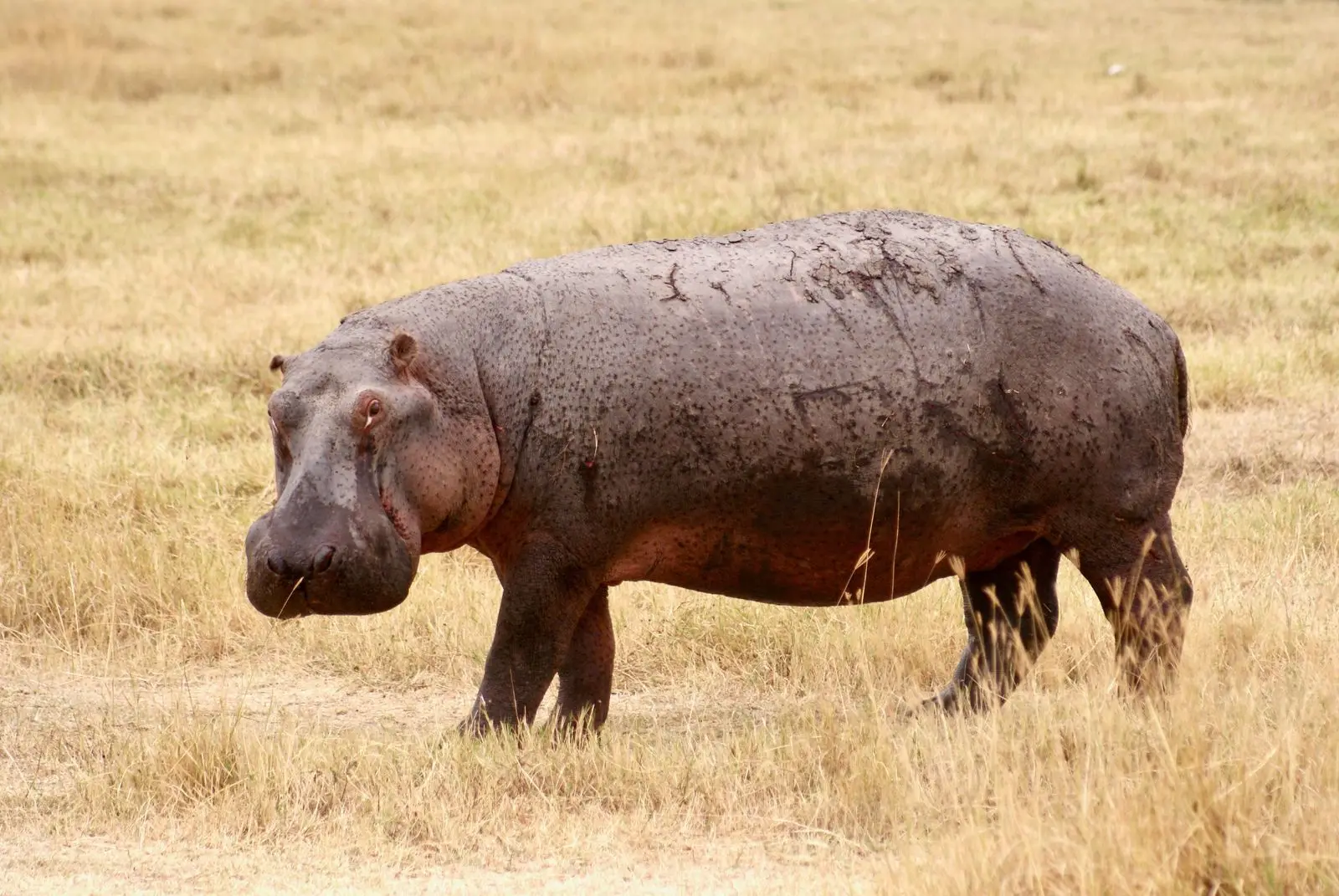
8-Day Tanzania Wildlife Safari
Eight days of unrivalled wildlife across five northern parks — Arusha, Tarangire, Lake Manyara, the Serengeti and the Ngorongoro Crater.
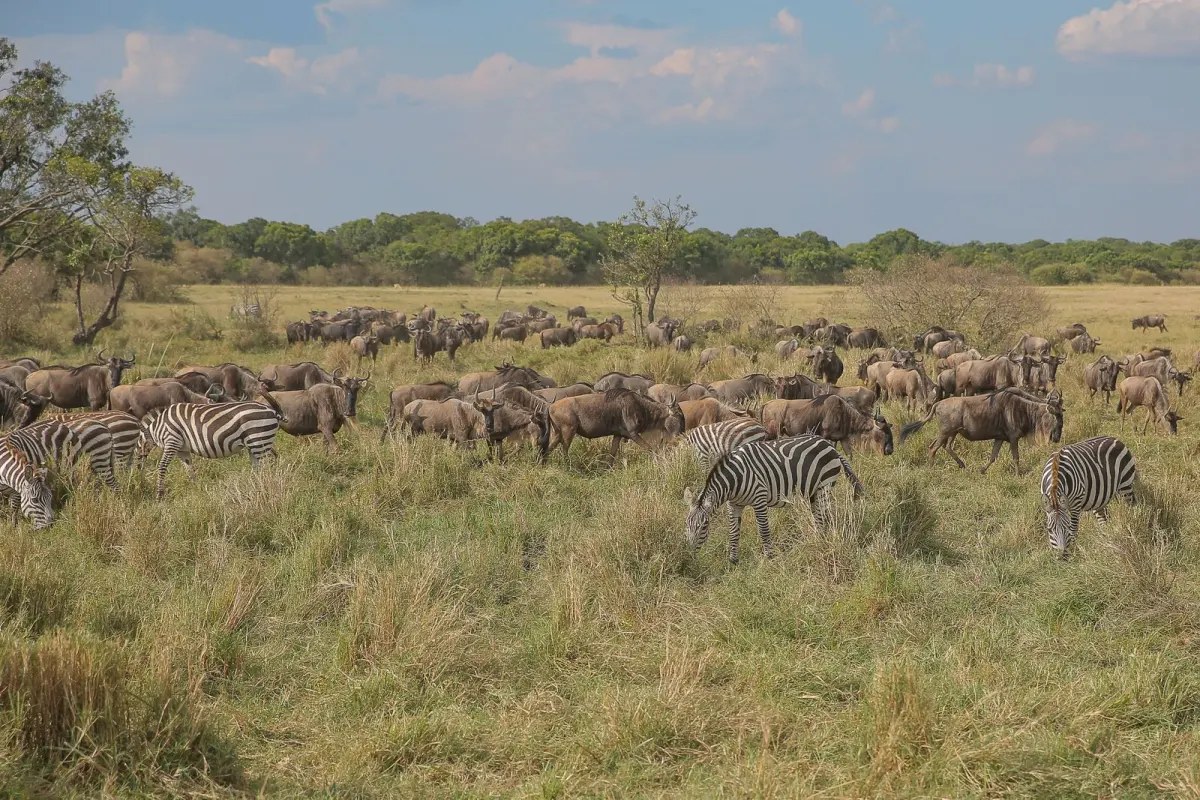
14-Day Tanzania Grand Safari
A grand two-week safari through Tanzania’s north — including Lake Natron, two sectors of the Serengeti and the incomparable Ngorongoro Crater.
Frequently asked questions
Where can I do walking safaris in Tanzania?
Nyerere National Park (formerly Selous) is the best-established destination for walking safaris, thanks to its vast, varied terrain, healthy wildlife populations and long history of guided walks. Some other parks and private concessions also offer walks — parts of Tarangire, the Ngorongoro highlands and several northern concessions among them — but access varies with park rules and the season. Nyerere offers the most varied and reliable options, with experienced guides and comfortable camps from which to start. Because permits for walking are limited, it is worth booking well ahead, especially for the peak months from June to October. Tell us what you would like to see and we will advise where it is realistically possible.
Are walking safaris safe?
Yes, when conducted by qualified, armed guides following established protocols. Walks deliberately avoid potentially dangerous situations, maintain a safe distance from wildlife and are planned around animal activity, weather and the terrain. Your guide reads the bush constantly — tracks, alarm calls, wind direction — and will change the route without fuss if a situation calls for it. Guests walk in single file behind the guide, keep voices low and follow simple instructions at all times. The risk on a well-run walking safari is genuinely low, often lower than the drive to the park gate. Ask us about the guiding qualifications for any walk we arrange, because standards do vary between operators.
How fit do I need to be?
A moderate level of fitness is usually sufficient. Walks are taken at a relaxed pace with plenty of stops to look at tracks, plants and birds, and distances are adjusted to suit the group rather than the clock. If you can walk comfortably for an hour or two on uneven ground, you will be fine; most walks cover just a few kilometres. That said, some terrain is soft sand or gently sloping, and the heat can make it feel harder than it looks. If you have specific concerns — a knee injury, a heart condition or simply low confidence — let us know in advance and we will tailor the route, duration and time of day accordingly.
What will I see on a walking safari?
You are more likely to notice tracks, birds, plants, insects and smaller animals than big game, and that is precisely the point — the bush reveals itself in layers when you are on foot. Your guide will read spoor in the dust, identify medicinal plants and trees, and explain how everything from termites to elephants fits together. That said, encounters with larger animals can and do happen, always from a safe distance and under careful guidance. Standing quietly as a herd of buffalo or giraffe watches you approach is unforgettable. Come with curiosity and a willingness to slow down, and you will see far more than you would from a vehicle, even if you see fewer lions.
What should I wear on a walking safari?
Wear neutral-coloured clothing — khaki, olive or brown — in comfortable, quick-dry fabrics, along with sturdy closed walking shoes you have already broken in. Long sleeves and trousers help protect against sun, thorns and ticks, and a wide-brimmed hat, sunscreen and insect repellent are essential. Avoid bright blue and black, which attract tsetse flies, and leave camouflage at home, as it is restricted for civilians in Tanzania. A light scarf or buff is useful against dust, and a small day pack holds water, a rain jacket and your camera. We will send you a full packing list before your trip, so you can arrive prepared without overpacking.
Can walking safaris be combined with game drives?
Yes — this is the ideal combination, and most of our itineraries blend the two. Game drives cover far more ground and give you the best chance of big sightings such as lion, leopard and the great herds, while walks provide depth, intimacy and a slower pace that lets the small details come alive. A typical day might begin with a drive at first light, return for brunch and a rest, then finish with a guided walk in the cooler late afternoon. Mixing the two keeps every day varied and appeals to different moods within a group. Tell us how much time you would like on foot and we will shape the balance accordingly.
How long do the walks last?
Walks typically last two to four hours, usually in the early morning or late afternoon when temperatures are cooler and wildlife is more active. The pace is unhurried, with frequent pauses to look and listen, so the distance covered is modest. Multi-day walking safaris are also possible in Nyerere, with overnight stays in lightweight fly camps that move with you for a fully immersive experience. These longer walks usually involve three to five hours of walking a day, with porters carrying the camp equipment and the whole operation set up ahead of you. Shorter introductory walks can be arranged straight from camp for guests who want just a taste of being on foot.
Is it suitable for children?
Walking safaris can work well for older children with a genuine interest in nature, especially those who are happy to walk quietly and follow instructions. As a general rule, we suggest a minimum age of around twelve for guided walks, though some camps and private concessions set their own limits. For younger children, we usually recommend sticking to game drives or very short, gentle nature walks around camp, which still let them explore and learn without the same safety considerations. Family-focused guides are excellent at keeping children engaged with tracking games and bush skills. Tell us the ages in your group and we will advise honestly on what will work best.
Related safaris & guides

Ready to start planning?
Tell us your dates, group size and travel style. We will design a private Tanzania safari around you and send a full quote — free, with no obligation.