
Discover Arusha National Park
Arusha National Park is the closest national park to Arusha, the safari capital of northern Tanzania, and one of the most rewarding half-days you can spend on the Northern Circuit. Small in size but astonishingly varied, it packs montane rainforest, a dramatic volcanic crater, a chain of glittering alkaline lakes and Tanzania’s second-highest mountain into a single compact protected area.
The park is built around Mount Meru, a 4,566 m dormant stratovolcano whose collapsed eastern flank created a spectacular horseshoe crater. To the southeast lies the forest-walled Ngurdoto Crater, nicknamed the “Little Ngorongoro”, and to the northeast the shallow, mineral-rich Momella Lakes that draw vast flocks of flamingos and waterbirds.
Because the terrain changes so quickly, game viewing here feels different from the classic savannah parks. You can watch black-and-white colobus monkeys leap through the canopy in the morning, photograph giraffes and buffalo against a crater rim at midday, and end the day with thousands of flamingos wading across a pink-stained lake.
Arusha National Park is one of the few places in Tanzania where guided walking safaris are permitted, and the starting point for the popular Mount Meru trek, used by many climbers as an acclimatisation warm-up for Kilimanjaro. Tell our Moshi team your dates and we will slot it neatly into your itinerary.
Why visit Arusha National Park
-
Mount Meru
Tanzania’s second-highest peak at 4,566 m, with a horseshoe crater and a summit that stares straight across at Kilimanjaro.
-
Ngurdoto Crater
A forest-rimmed volcanic caldera nicknamed the “Little Ngorongoro”, its marshy floor home to buffalo and warthog.
-
Momella Lakes
A chain of shallow alkaline lakes in shifting shades of green and blue, alive with flamingos and wading birds.
-
Black-and-white colobus
One of the only places on the northern circuit where these acrobatic, cape-wearing monkeys are easily seen.
-
Walking safaris
Guided walks with an armed ranger bring you closer to tracks, plants and plains game than a vehicle ever could.
-
Over 400 bird species
A birdwatcher’s paradise, from turacos and trogons in the forest to crowned cranes and pelicans on the lakes.

Three worlds in one small park
Few parks of this size offer such a dramatic change of scene. The main gate opens into cool montane forest, where the canopy rings with the calls of blue monkeys, turacos and trogons and the air smells of moss and damp earth. Within minutes the forest gives way to the open grassy floor of Ngurdoto Crater, then to rolling hills above the Momella Lakes, and finally to the lava-strewn slopes of Mount Meru itself.
The park sits on the eastern edge of the Great Rift Valley, where tectonic forces have lifted volcanoes, collapsed craters and carved lakes. Mount Meru, an active stratovolcano that last stirred roughly a century ago, lost its entire eastern wall in a colossal eruption about 8,000 years ago, leaving the amphitheatre-shaped Meru Crater and a near-perfect ash cone inside it.
Because the park climbs from around 1,500 m at the base to 4,566 m at the summit, its habitats stack up like floors of a building — rainforest, bamboo, grassland, moorland and finally bare alpine desert. That vertical range, more than its size, is what makes Arusha such a surprisingly rich safari stop.
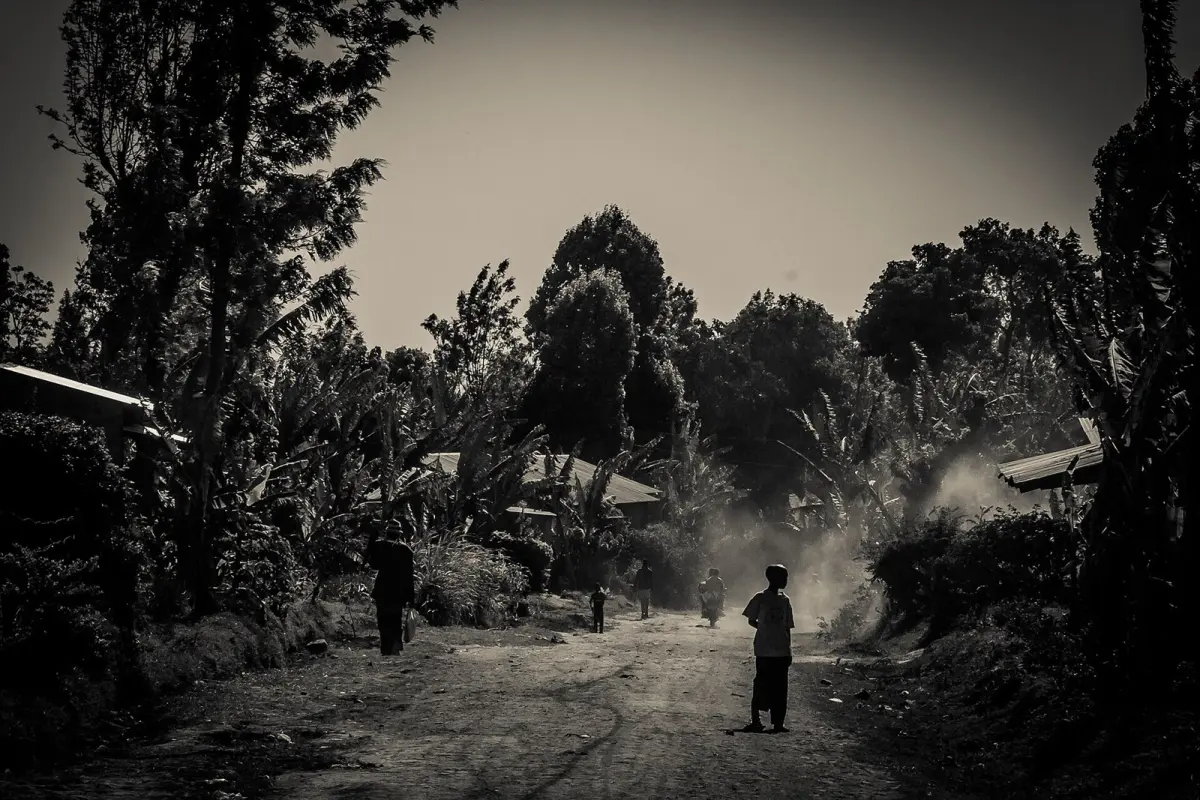
Mount Meru, the park’s centrepiece
At 4,566 m, Mount Meru is Tanzania’s second-highest mountain and the eighth-highest in Africa. It dominates the park’s horizon and can be climbed on a 3 to 4 day trek with an armed ranger and a licensed guide. The summit, Socialist Peak, rewards climbers at dawn with a view straight across the plains to the snowy crown of Kilimanjaro.
The route passes through changing vegetation and past wildlife that is unusually relaxed around walkers, including buffalo, giraffe and the delicate klipspringer on the rocky upper slopes. Nights are spent in huts at Miriakamba and Saddle, which keeps the trek comfortable.
Many visitors use Meru deliberately as an acclimatisation climb before attempting Kilimanjaro, gaining altitude gradually over several days. Whichever mountain you are heading for, climbing Meru first is one of the best ways to improve your chances on the higher peak.
The Momella Lakes and their birdlife
The Momella Lakes are a string of shallow, alkaline and freshwater pools lying in the northeast of the park. Each lake has its own chemistry and its own colour, shifting from emerald to turquoise to milky white as the light and algae change through the day.
The lakes are fed by underground streams and geothermal springs, and the mineral-rich shallows sustain huge populations of algae and small crustaceans — food for the thousands of lesser flamingos that gather here to filter-feed. Add hippo, wading birds and a long list of raptors and you have one of the best birding spots on the northern circuit.
This is also where canoeing is offered on a calm stretch of water, and where bushbuck, waterbuck, giraffe and buffalo come down to drink. Early morning and late afternoon give the best light and the most wildlife activity.
From Ngurdoto to Arusha National Park
The park was first gazetted in 1960 as Ngurdoto Crater National Park, protecting only the crater and its surrounding forest. When the slopes of Mount Meru were added in 1967, the reserve was renamed Arusha National Park after the Waarusha people who have long lived in the area.
The name Arusha itself is tied to the Waarusha, an agricultural Maasai group whose farms and cattle have shaped the fertile foothills around the mountain for generations. Today the park borders farmland and the growing city of Arusha, making the buffer between people and wildlife one of its ongoing conservation challenges.
Its proximity to town also makes Arusha National Park a vital living classroom for Tanzanian schoolchildren and a favourite first-safari experience — proof that world-class wildlife does not always need a long journey to reach.
Park fees & practical information
As with all Tanzanian national parks, entry is subject to a conservation fee per person, per 24-hour period, plus vehicle fees and separate mountain or ranger fees for the Meru trek. Rates are set by the government and reviewed periodically, so we always confirm current amounts when you book.
A few practical points to keep in mind when planning your visit:
- The park is easy to reach on a day trip from Arusha or Moshi — a 40-minute drive from Arusha town.
- A licensed guide and a 4x4 safari vehicle are required for game drives; walking safaris need an armed ranger.
- Mount Meru treks are booked in advance and last 3 to 4 days with hut accommodation on the mountain.
- The park is a low-risk malaria area because of its altitude, but the usual precautions still apply at lower levels.
- Drones need special authorisation and are not permitted for casual use.
What you might see
A mosaic of forest, crater and lake habitats makes Arusha National Park surprisingly rich in wildlife for its size.
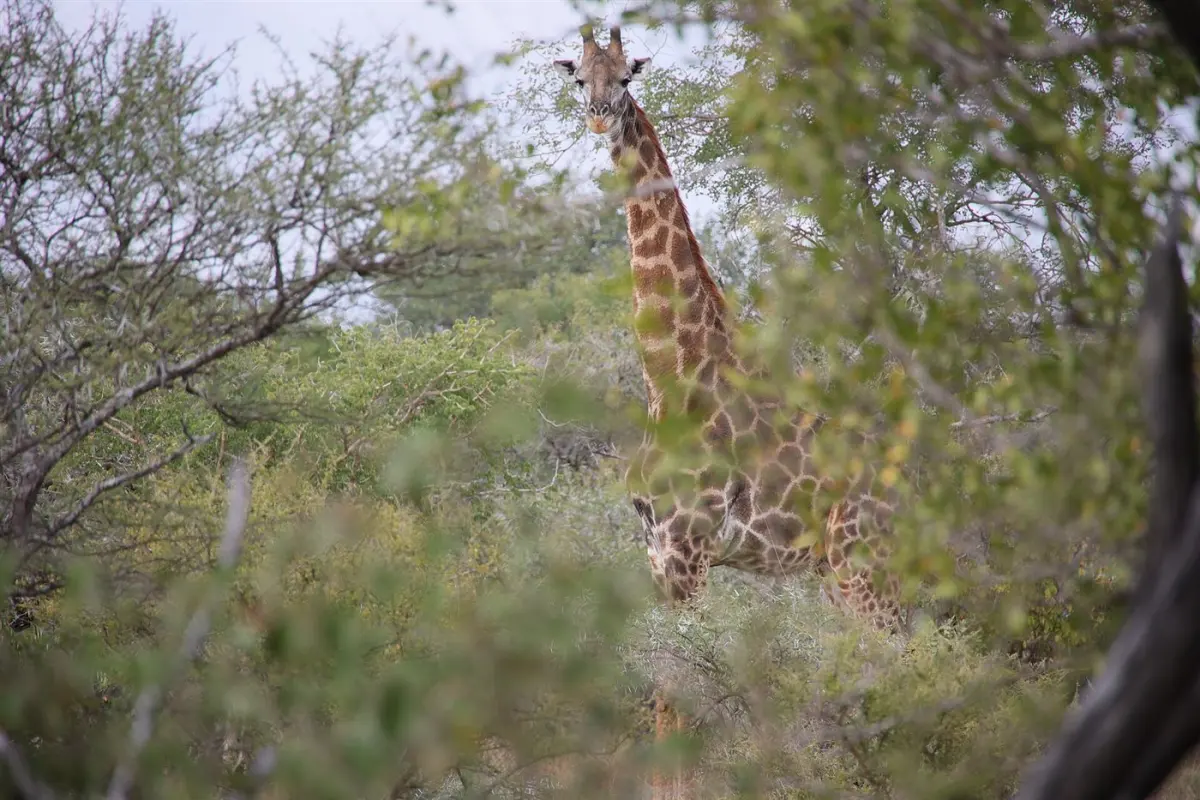
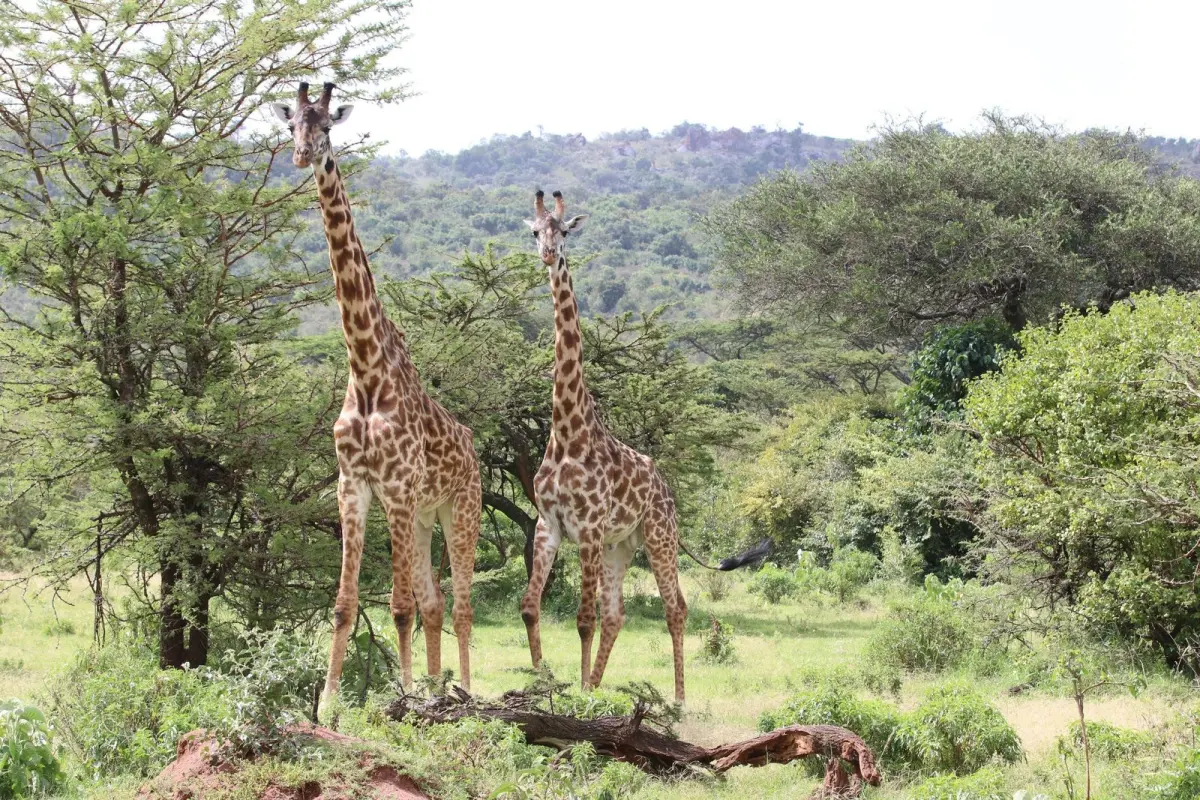
Masai giraffe
Arusha holds one of the densest giraffe populations in Tanzania, often seen browsing close to the roads.
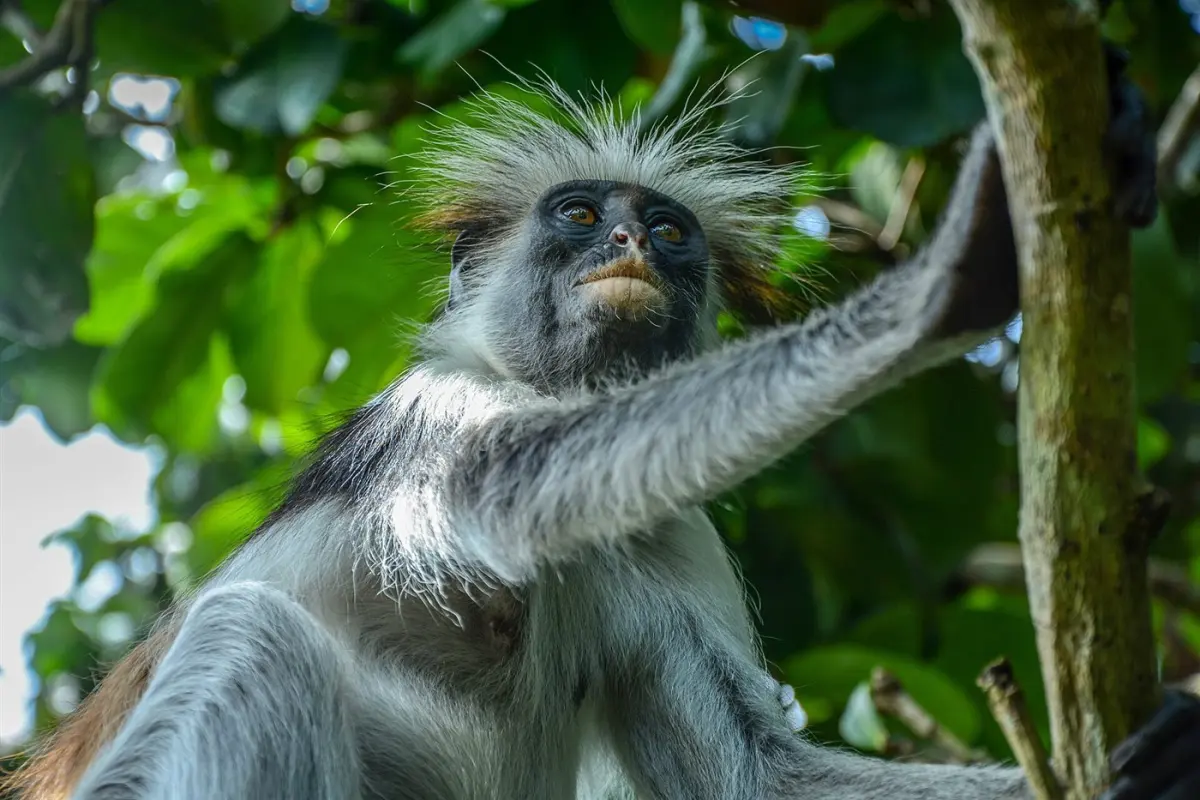
Black-and-white colobus
The forest’s showpiece monkey, draped in a black-and-white cape and rarely seen on other northern parks.
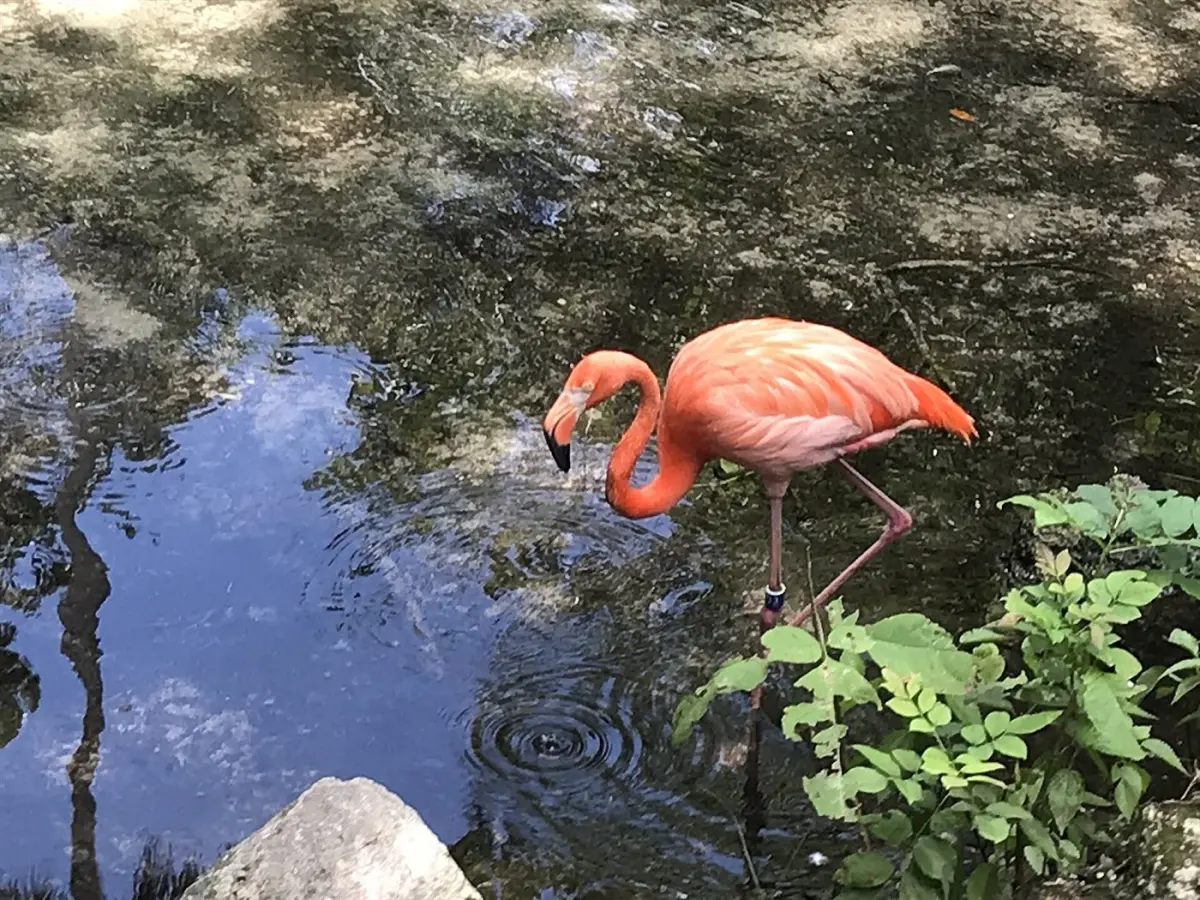
Flamingos & waterbirds
Thousands of lesser flamingos gather on the alkaline Momella Lakes, alongside pelicans and storks.
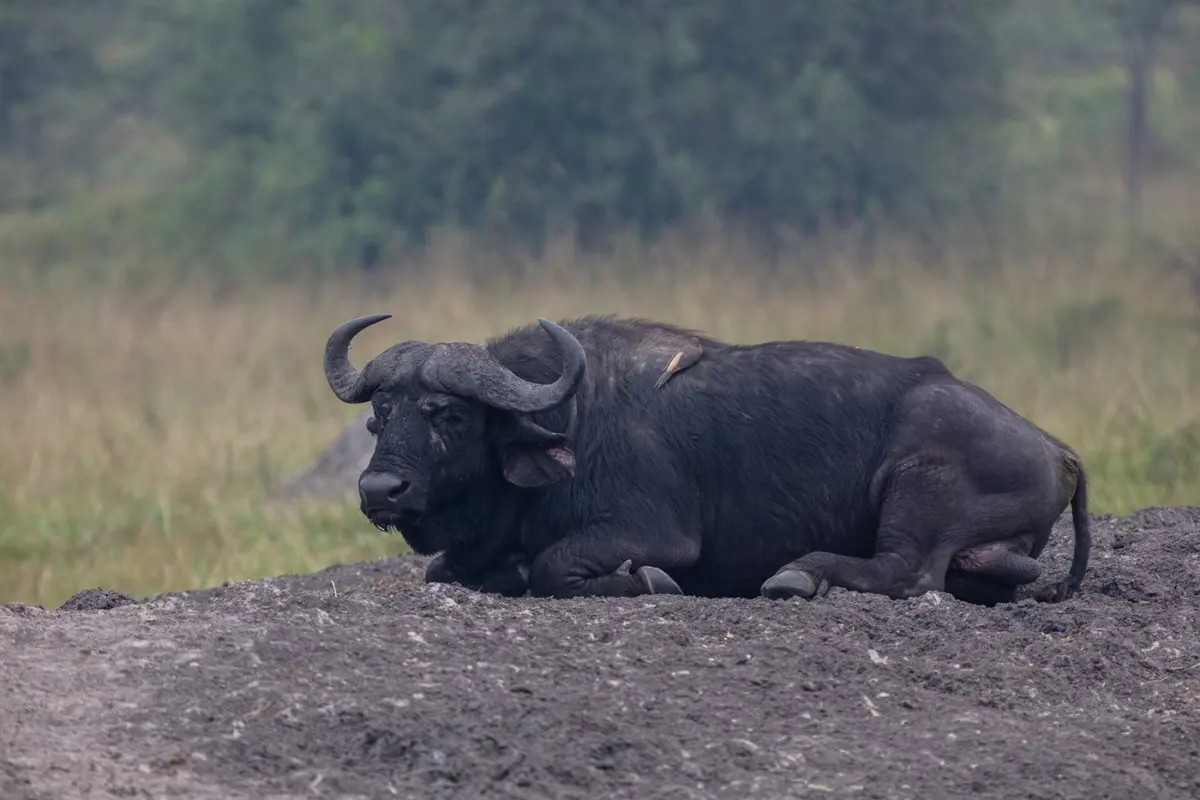
Cape buffalo
Large, placid herds graze the crater floor and forest edge — a reminder that walking here needs a ranger.

Zebra & warthog
Common across the open grassland around Ngurdoto and the lake shores, usually in the same general area.
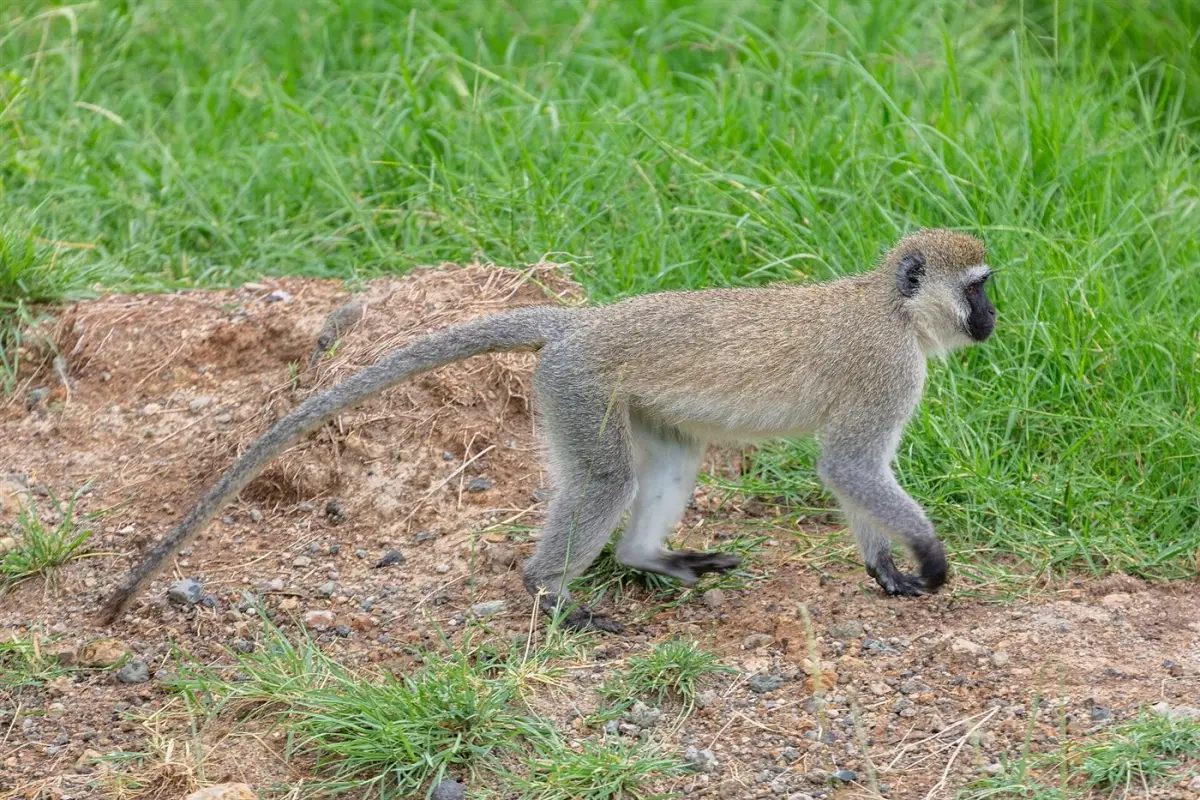
Blue monkey & bushbuck
Shy forest dwellers of the montane canopy, frequently glimpsed on the walk to the crater viewpoints.
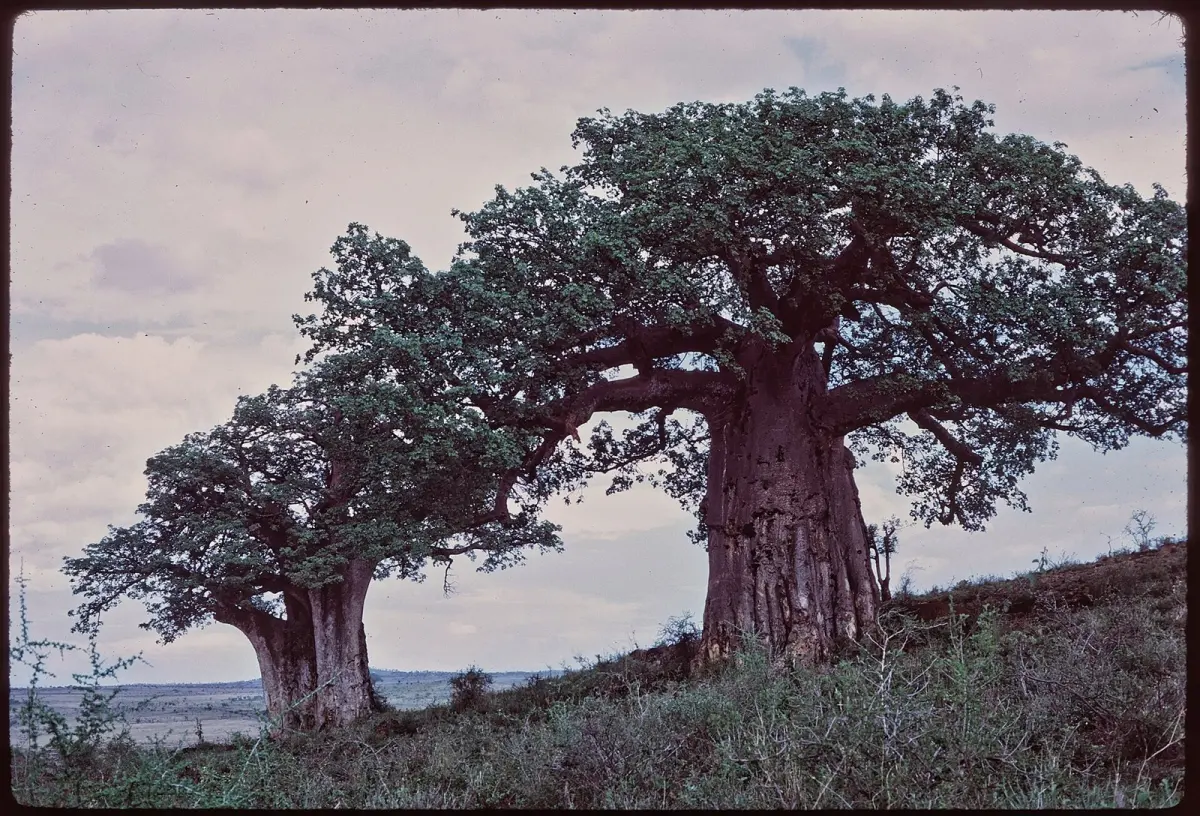
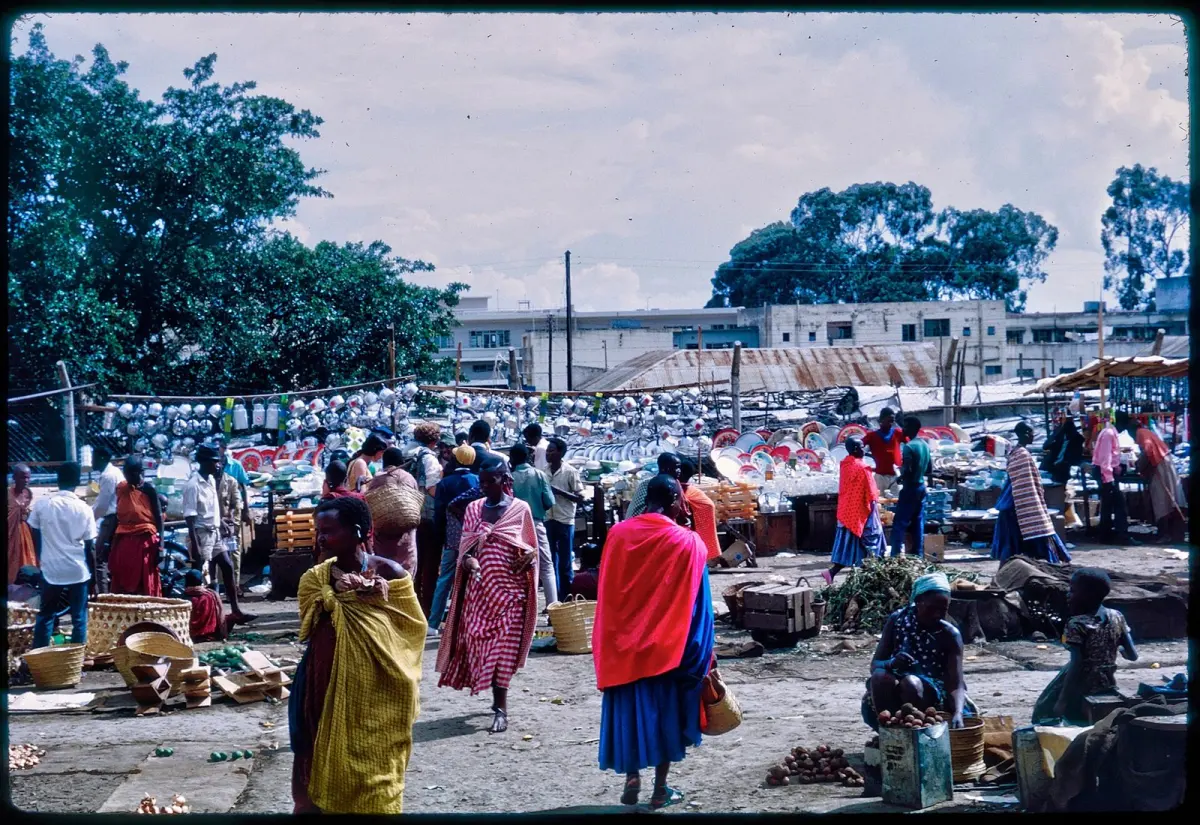
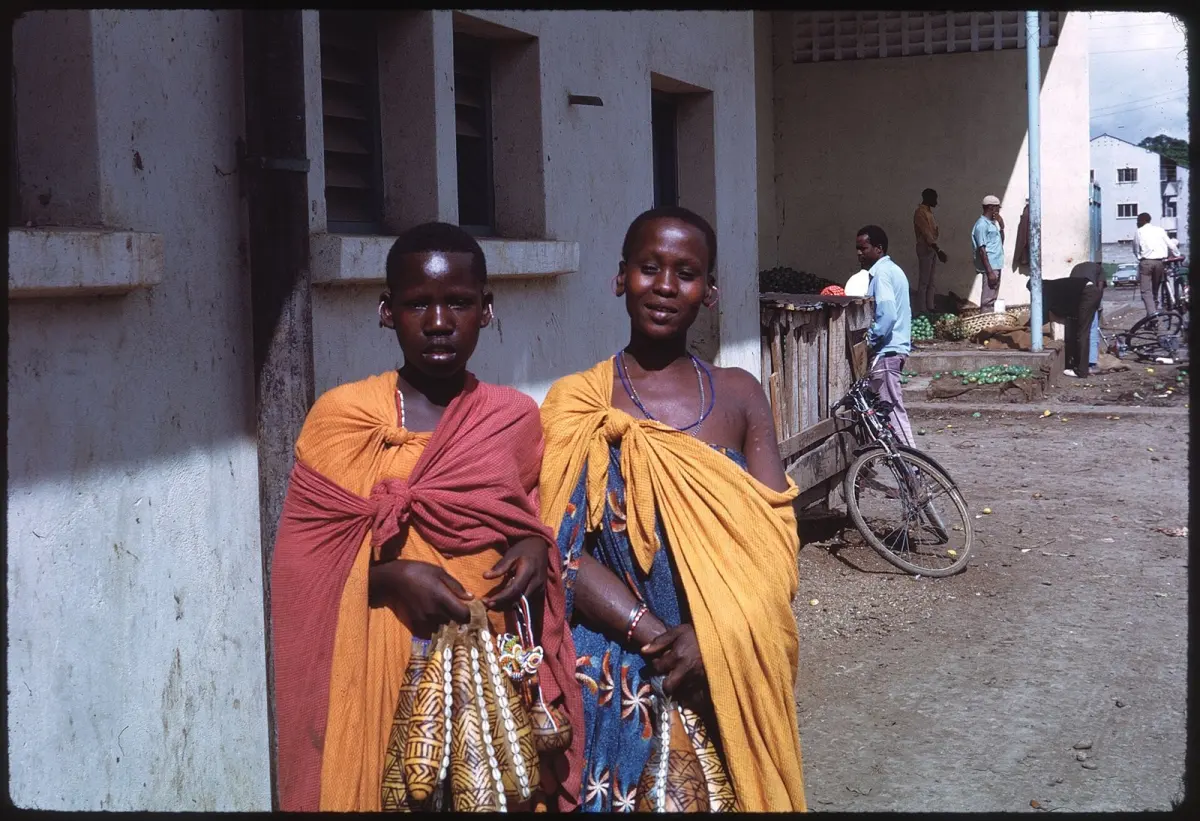
Arusha National Park in pictures


Best time to visit
Arusha National Park is a comfortable, green destination almost all year, with a mild climate thanks to its altitude.
| Season | Weather | Crowds | What to expect |
|---|---|---|---|
| Jan–Feb | Warm, short dry spell | Moderate | Clear views and good game viewing on the slopes |
| Mar–May | Long rains | Low | Lush green forest, waterfalls at their best, lower rates |
| Jun–Oct | Cool and dry | High | Prime trekking and viewing; crisp, clear mornings |
| Nov–Dec | Short rains | Moderate | Short showers, green scenery and active birdlife |
Things to do
Mount Meru trek
A 3 to 4 day guided climb to 4,566 m, ideal as an acclimatisation trek before Kilimanjaro.
Game drives
Half or full-day drives through forest, crater rim and grassland in search of giraffe, buffalo and colobus.
Walking safaris
Armed-ranger walks along the Momella and Ngurdoto trails — one of the few parks where this is allowed.
Canoeing on the lakes
Glide quietly across a Momella lake for close-up views of birds, hippo and drinking game.
Birdwatching
Over 400 recorded species, with the lakes and forest among the best birding spots in the north.
Photography day trips
The perfect first or last day of a safari — big scenery and wildlife within an hour of Arusha.
Where to stay
Upmarket lodges & camps
Polished forest and garden lodges on the park’s edge, with Mount Meru views and full service. <!-- TODO: lodge names -->
Comfortable lodges
Reliable mid-range lodges between Arusha and the park gate, ideal for a first or last night. <!-- TODO: lodge names -->
Mountain huts & camping
Shared huts on the Mount Meru trek and public campsites for budget travellers. <!-- TODO: lodge names -->
Getting there & around
Arusha National Park is the easiest park in Tanzania to reach. The main Ngongongare Gate is only about 40 minutes by road from Arusha town and roughly 60 km from Kilimanjaro International Airport (JRO).
Because of that proximity, it works beautifully as a first or last day of a northern safari, or as a standalone day trip. Mount Meru treks start from the Momella Gate and are arranged in advance with a guide, porter team and armed ranger.
- By road from Arusha About 40 min to the gate
- From Kilimanjaro (JRO) About 1 hr 15 min
- Best explored 1 day (3–4 days for Meru trek)
- Gate fees Park, vehicle & ranger fees apply
Frequently asked questions
Is Arusha National Park worth visiting?
Absolutely. It is the most accessible park on the northern circuit and offers scenery and wildlife that feel completely different from the savannah parks — rainforest, a crater, alkaline lakes and Tanzania’s second-highest mountain, all within an hour of Arusha.
How long do I need in Arusha National Park?
One full day is enough for the lakes, forest and Ngurdoto Crater viewpoints. Add a further 3 to 4 days if you plan to trek Mount Meru.
Are there lions in Arusha National Park?
No — lions are absent, which is exactly why walking safaris are permitted here. The park does have giraffe, buffalo, zebra, warthog, colobus and blue monkeys, plus a rich bird community.
When is the best time to visit?
The dry months from June to October and the short dry spell around January and February give the clearest views. The green season (March–May and November–December) is quieter, lush and good value, though some tracks can be muddy.
Can I climb Mount Meru without climbing Kilimanjaro?
Yes. The Meru trek is a rewarding wilderness climb in its own right, though many trekkers use it to acclimatise before Kilimanjaro. It is usually done over 3 to 4 days with hut accommodation.
How do I get to Arusha National Park?
Drive from Arusha in about 40 minutes, or from Kilimanjaro International Airport in around an hour and a quarter. We arrange transport, guides and park permits as part of your itinerary.
Nearby destinations


Ready to plan your Arusha National Park trip?
Tell us your dates and travel style. Our local team in Moshi will build a tailor-made itinerary around Arusha National Park — free, with no obligation.