
Tanzania protects a remarkable share of its land — close to a third of the country falls within national parks, game reserves, conservation areas and marine parks. Together they hold some of the greatest concentrations of wildlife on Earth, from the plains of the Serengeti to the forests of the Eastern Arc Mountains and the reefs of the Indian Ocean.
The protected areas are not all alike. They are managed by different authorities and run under different rules, which is why a safari can feel completely different from one circuit to the next. Understanding the system helps you choose where to go and why.
This guide introduces the park system, lists the main parks by circuit, explains how fees work and closes with the principles of visiting responsibly.
How Tanzania’s Protected Areas Work
Tanzania’s conservation estate takes several forms. National parks are managed by the Tanzania National Parks Authority (TANAPA) and are the best known and most strictly protected. Game reserves and conservation areas are managed separately and often allow more varied uses, including licensed hunting in designated blocks. Marine parks protect coastal waters and reefs.
- National parks — strict protection, no settlement, wildlife first. Examples include the Serengeti, Tarangire and Ruaha.
- Conservation areas — multiple land uses, including the Ngorongoro Conservation Area, where Maasai communities live and graze alongside wildlife.
- Game reserves — large buffer areas, some with photographic tourism and some with licensed hunting blocks.
- Marine parks — protected reefs and coastal waters, such as the Mafia Island Marine Park.
A country that prizes wilderness
Roughly 30 per cent of Tanzania is set aside for conservation. That commitment is why the country still supports such vast herds and such a complete cast of predators.
The Main Parks at a Glance
The table below is a starting map of the country’s best-known parks and reserves. Most first-time visitors build a trip from the Northern Circuit; repeat visitors increasingly head south and west for space and solitude.
| Park | Circuit | Best for | Highlight |
|---|---|---|---|
| Serengeti National Park | Northern | Great Migration and predators | Endless plains and river crossings |
| Ngorongoro Conservation Area | Northern | The Big Five and the crater | A collapsed volcano packed with wildlife |
| Tarangire National Park | Northern | Elephants and baobabs | Huge herds along the Tarangire River |
| Lake Manyara National Park | Northern | Tree-climbing lions and birds | A soda lake beneath the Rift escarpment |
| Arusha National Park | Northern | Easy day safaris and walking | Mount Meru, Momella Lakes and colobus monkeys |
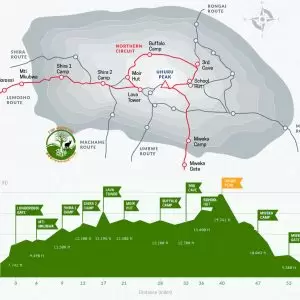
| Mount Kilimanjaro National Park | Northern | Africa’s highest mountain | The roof of Africa at 5,895 m |
| Ruaha National Park | Southern | Wilderness and predators | Tanzania’s largest national park |
| Nyerere National Park | Southern | Boat safaris and wild dogs | Formerly the Selous Game Reserve |
| Mikumi National Park | Southern | Short, accessible safaris | The Mkata floodplain, close to Dar es Salaam |
| Udzungwa Mountains National Park | Southern | Hiking and endemic primates | Eastern Arc forests and waterfalls |
| Kitulo National Park | Southern | Wildflowers and walking | The so-called Serengeti of flowers |
| Katavi National Park | Western | Remote, raw wilderness | Enormous hippo and crocodile concentrations |
| Mahale Mountains National Park | Western | Chimpanzee trekking | Forests above Lake Tanganyika |
| Gombe Stream National Park | Western | Chimpanzees up close | The smallest park, on Lake Tanganyika |
| Rubondo Island National Park | Lakes & West | Island forest and fishing | A chimpanzee island in Lake Victoria |
| Saanane Island National Park | Lakes & West | A half-day from Mwanza | A tiny island park on Lake Victoria |
| Burigi-Chato National Park | Lakes & West | Off-the-map adventure | Remote lakes and rolling woodland |
| Saadani National Park | Coast | Beach and bush together | The only park where wildlife meets the ocean |
| Mafia Island Marine Park | Coast | Diving and whale sharks | Coral reefs in the Indian Ocean |
The Northern Circuit
The Northern Circuit is the classic Tanzania safari and the best place to begin. Within a comfortable loop from Arusha and Moshi you reach the Serengeti, the Ngorongoro Crater, Tarangire, Lake Manyara and Arusha National Park. Each has a distinct character, which is why combining two or three in a single itinerary works so well.
The Serengeti is the flagship, some 14,750 square kilometres of grassland and woodland that host the Great Migration and one of the densest predator populations in Africa. The Ngorongoro Conservation Area contains the crater itself, a collapsed volcano whose floor holds around 25,000 large animals, including the endangered black rhino. Tarangire is the elephant park, famous for its baobabs and dry-season herds. Lake Manyara is small and beautiful, known for tree-climbing lions and prolific birdlife. Arusha National Park, on the doorstep of the city, offers the chance to climb Mount Meru at 4,566 m and to see black-and-white colobus monkeys.
The Southern Circuit
The Southern Circuit is wilder and far quieter than the north. It suits travellers who have already done the classic parks, or who simply value space over convenience. Ruaha is the largest national park in the country and a stronghold for lion, elephant and African wild dog. Nyerere, until recently the Selous Game Reserve, is one of the largest protected areas in Africa, and its rivers and lakes make it the home of the boat safari.
Mikumi is the easiest southern park to reach — a comfortable drive from Dar es Salaam, with the Mkata floodplain offering reliable year-round game viewing. Udzungwa Mountains is hikers’ country, part of the ancient Eastern Arc range, with waterfalls and endemic primates such as the Sanje mangabey. Kitulo, in the Southern Highlands, is a grassland park celebrated for its wildflowers and orchids, and is best explored on foot.
The Western Circuit
The far west rewards those willing to travel. Katavi is one of the least-visited parks in Africa, a remote landscape of floodplains where, in the dry season, hippos and crocodiles gather in astonishing numbers. Mahale Mountains rises from the shore of Lake Tanganyika, its forests home to habituated chimpanzees and some of the best primate trekking in the world.
Gombe Stream, the smallest national park in Tanzania, hugs the shore of Lake Tanganyika and is the site of the long-running chimpanzee research that made the park famous. These three parks are reached by light aircraft, and they offer a quieter, more adventurous and more expensive safari than the north.
The Lakes and the Far West
Away from the classic circuits sit some of Tanzania’s most unusual parks. Rubondo Island, in Lake Victoria, is a forested island and a sanctuary for chimpanzees and birds. Nearby, Saanane Island National Park is a tiny island just minutes by boat from Mwanza and can be visited in half a day.
Further north-west, Burigi-Chato is one of the country’s newer national parks, a remote expanse of lakes and woodland that remains genuinely off the tourist map. These parks are best added to a longer itinerary for travellers who have already explored the north and south.
The Coast, Islands and Marine Parks
Tanzania’s coast and islands are a safari destination in their own right. Saadani National Park is the only park in the country where wildlife meets the ocean, with elephants, lions and hippos just inland of a palm-fringed beach. Nearby Bagamoyo is a historic coastal town with a powerful heritage and a convenient base for Saadani.
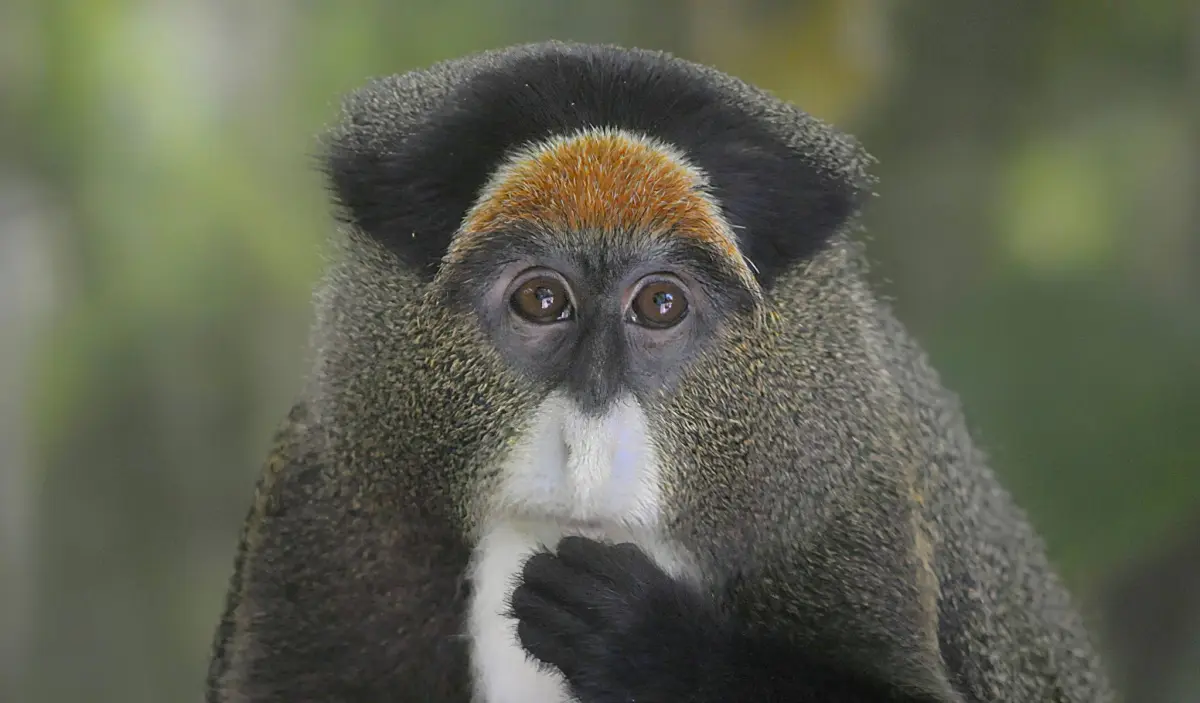
Offshore, Mafia Island Marine Park protects some of the finest coral reefs in East Africa, with diving, snorkelling and seasonal whale sharks. Zanzibar is famed for its beaches, spices and the UNESCO-listed Stone Town, while the Jozani-Chwaka Bay forest protects the endemic Zanzibar red colobus monkey. Pemba, quieter and greener, offers excellent diving and clove-covered hills.
Bush and beach in one trip
A northern safari followed by a few days on Zanzibar or Mafia is one of the most rewarding combinations in Africa. We arrange the internal flights and can build the whole sequence as a single trip.
How Park Fees Work
Park fees are a significant part of the cost of any safari, and they are set by the government and revised from time to time. They are usually collected by your operator and included in your package price, but it helps to understand what you are paying for.
- Conservation fee — the per-person, per-day entry fee to each park or conservation area.
- Vehicle fees — charged in some parks for each safari vehicle and driver.
- Concession fees — additional charges for staying at camps and lodges inside protected areas.
- Camping fees — payable per night where camping is permitted.
- Crater service fee — a separate charge per vehicle for descending into the Ngorongoro Crater.
- Value Added Tax — added to most fees and services in Tanzania.
As a guide, non-resident entry to the most popular northern parks is around US$70 – 80 per person per day at the time of writing, with a separate crater service fee for Ngorongoro. There are lower rates for residents and for citizens of the East African Community. Rates are reviewed regularly, so always confirm current figures when you book.
Fees change, so plan with current figures
Park fees are updated from time to time and can shift with tax changes. Treat every number here as indicative and ask us for a fully costed, up-to-date quote before you commit.
Conservation and Responsible Visiting
The privilege of visiting these parks comes with responsibilities. Tanzania’s anti-poaching work, community programmes and marine protection depend on tourism being done well. A few simple habits keep the experience positive for wildlife, for local communities and for the visitors who follow you.
- Stay in the vehicle except where walking is expressly permitted with an armed guide.
- Keep to the tracks and never pressure a guide to off-road for a photograph.
- Keep your distance, stay quiet and give animals space, especially around young.
- Never feed wildlife, and never buy ivory or other wildlife products.
- Take all litter away with you and respect the country’s ban on plastic bags.
- Follow your guide’s instructions on speed limits and park rules at all times.
- Support local communities by using local guides, camps and craftspeople.
- Leave drones at home unless you hold the permits required to fly in a park.
Your visit funds the wilderness
Park fees, concession fees and community levies go directly towards protecting habitat, funding anti-poaching patrols and supporting the communities that live alongside these landscapes.
Choosing Your Parks
If this is your first safari, build it from the Northern Circuit — the Serengeti, Ngorongoro and Tarangire are the strongest all-round introduction anywhere in Africa. If you have safari experience or you prize solitude, look south to Ruaha and Nyerere, or west to Katavi and Mahale. And if you want to end in the sea, add Zanzibar, Mafia or Pemba.
Whichever you choose, we will match the parks to your dates, your budget and the wildlife you most want to see — then build the trip around you.
No two parks in Tanzania feel the same. The trick is not to see them all, but to choose the handful that suit the trip you have in mind.
Notes from our team in Moshi
Frequently asked questions
How many national parks does Tanzania have?
Tanzania has 22 national parks, all managed by the Tanzania National Parks Authority (TANAPA), and they range from the world-famous Serengeti to tiny Saanane Island on Lake Victoria. Beyond the parks there is a much larger network of game reserves, conservation areas and marine parks, each managed under different rules. Game reserves act as buffers and sometimes permit licensed hunting, conservation areas such as Ngorongoro allow multiple land uses, and marine parks protect coastal reefs and waters. Add all of these together and close to a third of the country is set aside for conservation — a remarkable commitment that helps explain why Tanzania still supports such vast herds and such a complete cast of predators.
Which Tanzania national park is the best?
There’s no single best park — it depends on what you want. For a first safari, the Serengeti is unrivalled, offering the Great Migration and one of the densest predator populations in Africa, while the Ngorongoro Crater gives you the most reliable chance of the Big Five in a single day. Tarangire, with its elephants and baobabs, and Lake Manyara, with its tree-climbing lions, make excellent companions on a northern itinerary. If you prize wilderness and solitude, repeat visitors often fall in love with Ruaha, Tanzania’s largest park, or remote Katavi and its extraordinary hippo concentrations. The best trip usually combines two or three parks with contrasting scenery. Tell us your priorities and we’ll recommend the mix that suits you.
Are park fees included in the safari price?
In our quotes, yes. Park entry, vehicle, concession and, where relevant, crater service fees are normally included so there are no unpleasant surprises when you arrive. We also factor in camping fees, ranger or walking fees and VAT, which is added to most services in Tanzania. Because these fees are set by the government and revised from time to time, we confirm the current rates at the time of booking and build them into your final costing. If a change is announced before you travel, we’ll explain exactly what it means for your trip. What we won’t do is hide fees in the small print — you’ll see a clear, fully costed breakdown so you know what you’re paying for.
Can I visit the southern and western parks on a normal safari?
Yes, although they usually involve light-aircraft flights and a longer trip than the classic northern circuit. Ruaha and Nyerere in the south are a short flight from Dar es Salaam or Arusha and pair naturally with each other. Farther west, Katavi, Mahale and Gombe are reached by charter flight and suit travellers with more time and a taste for adventure. These parks reward you with space, wildness and a genuine sense of discovery — you may drive for hours without seeing another vehicle. Costs are generally higher because of the flights and the smaller number of camps, and some areas are seasonal. If you’ve already done the north, or simply want somewhere remote, the south and west are unforgettable.
Do I need a permit to visit parks like Mahale or Gombe?
Yes. Chimpanzee trekking in Mahale Mountains and Gombe Stream requires a permit, and only a limited number are issued for each day, so these should be booked well in advance — sometimes many months ahead for the peak dry season. The permit covers your guided trek into the forest to spend time with a habituated chimpanzee community, an unforgettable hour among our closest relatives. Because numbers are capped, permits often sell out, particularly for Gombe, which is the smallest park and has the tightest quota. Please also be aware of the health guidelines: trekkers are usually asked to keep a safe distance and to stay away if unwell, to protect the chimps. We arrange permits, flights and accommodation as part of your itinerary.
Can I combine a safari with Zanzibar or Mafia Island?
Absolutely, and it’s one of the most popular combinations in Tanzania. A northern safari — the Serengeti, Ngorongoro and Tarangire — followed by a few days on Zanzibar or Mafia Island gives you the best of both worlds: big game and wide plains, then warm turquoise water, coral reefs and soft sand. Zanzibar offers history, spices and the UNESCO-listed Stone Town alongside its beaches, while quieter Mafia is a diver’s paradise with seasonal whale sharks. We arrange all the internal flights, airport transfers and timings so the whole trip runs as one seamless journey, and we can add Saadani, the only park where wildlife meets the ocean, if you’d like a bush-and-beach blend. Just tell us how you’d like to split your time.
Is it worth visiting Tanzania in the green season to see the parks?
Yes, and many travellers now prefer it. The green season brings lush, flower-filled landscapes, dramatic skies, far fewer visitors, lower prices and outstanding birding, with migratory species joining the residents. Wildlife remains abundant — predators still hunt, elephants still gather and the northern parks are beautifully quiet. The main consideration is rain: the long rains from roughly March to May can make some remote tracks difficult or close a few seasonal camps, and the grass grows tall, which can make sightings harder. The short dry spell in January and February is a lovely window. We plan routes and choose parks that stay reliable at that time of year, so you enjoy the green season at its very best.
How do I visit Tanzania’s parks responsibly?
Stay in your vehicle unless walking is expressly permitted with an armed guide, keep to the established tracks, and never pressure a guide to drive off-road for a photograph. Keep a respectful distance from animals, stay quiet and give wildlife space, especially around young. Never feed animals, and never buy ivory or other wildlife products, which fuels poaching. Take all litter away with you and respect Tanzania’s ban on plastic bags, follow your guide’s instructions on park rules and speed limits, and support local communities by using local guides, camps and craftspeople. Leave drones at home unless you hold the required permits. Done well, tourism funds anti-poaching patrols and habitat protection, so your choices genuinely help conservation rather than working against it.
Related safaris & guides


Ready to start planning?
Tell us your dates, group size and travel style. We will design a private Tanzania safari around you and send a full quote — free, with no obligation.