
Discover Ruaha National Park
Ruaha National Park is Tanzania’s largest national park and one of its wildest, covering over 20,226 km² of rugged savannah, miombo woodland and riverine forest. Its remoteness and vastness mean far fewer vehicles than the Northern Circuit, offering a true sense of wilderness and exclusivity.
At the heart of the park flows the Great Ruaha River, a lifeline that draws huge concentrations of wildlife in the dry season. Massive herds of elephants converge on its banks, while predators such as lions, leopards, cheetahs and one of East Africa’s largest populations of African wild dogs follow in their wake.
The varied landscape is dotted with baobabs, rocky outcrops and palm-fringed channels, creating dramatic scenery and excellent game viewing. From June to October, animals are drawn to permanent water sources, making this the prime time for a Ruaha safari.
Less crowded and deeply authentic, Ruaha delivers the raw safari experience that seasoned travellers seek. Let our Moshi-based team craft an itinerary that fits your dates and style.
Why visit Ruaha National Park
-
Huge elephant herds
Some of Tanzania’s largest elephant concentrations gather along the Great Ruaha River in the dry season.
-
Thriving wild dogs
Ruaha is one of East Africa’s most reliable places to see African wild dogs in the wild.
-
The Great Ruaha River
The park’s lifeline, attracting predators and prey to its banks and sandbanks.
-
Miombo woodland
Unique scenery and specialist birdlife rarely seen on the open northern plains.
-
Diverse predators
Lions, leopards, cheetahs and hyenas thrive in this vast, unspoilt ecosystem.
-
True wilderness
Vast, remote and uncrowded — perfect for travellers seeking an off-the-beaten-track safari.
Landscape & geography
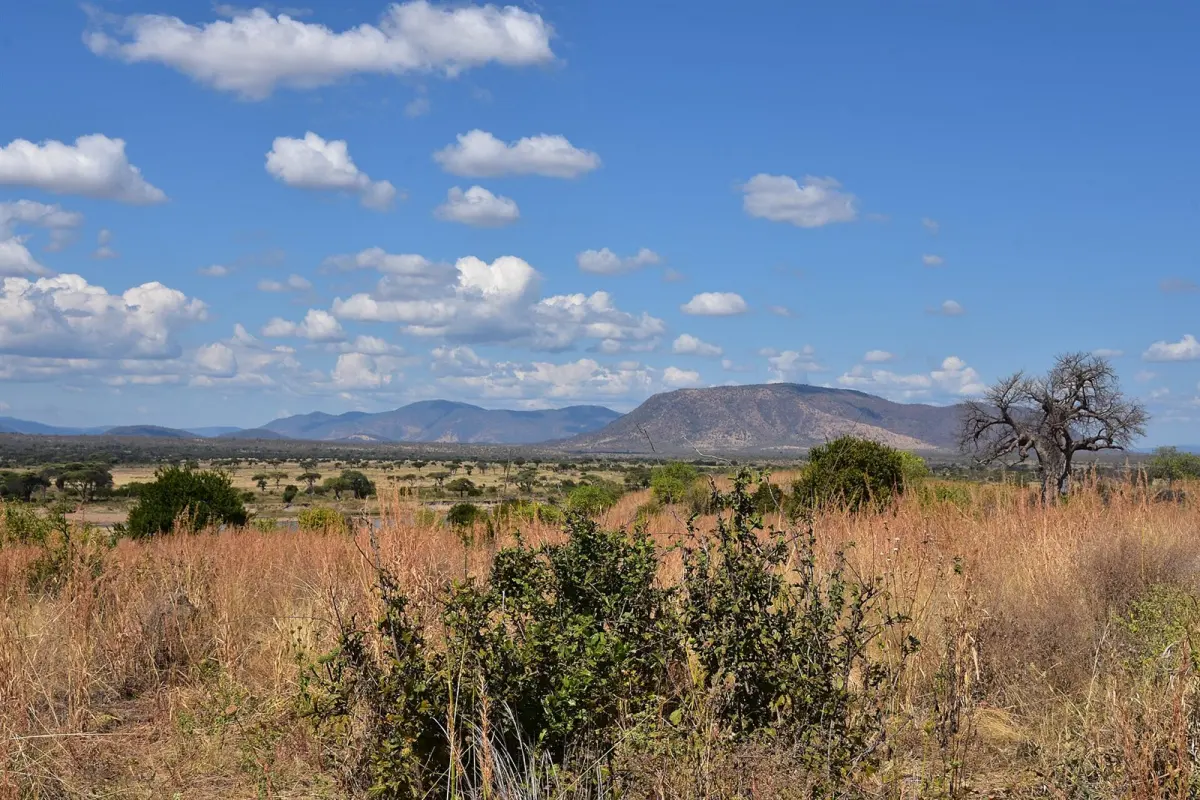
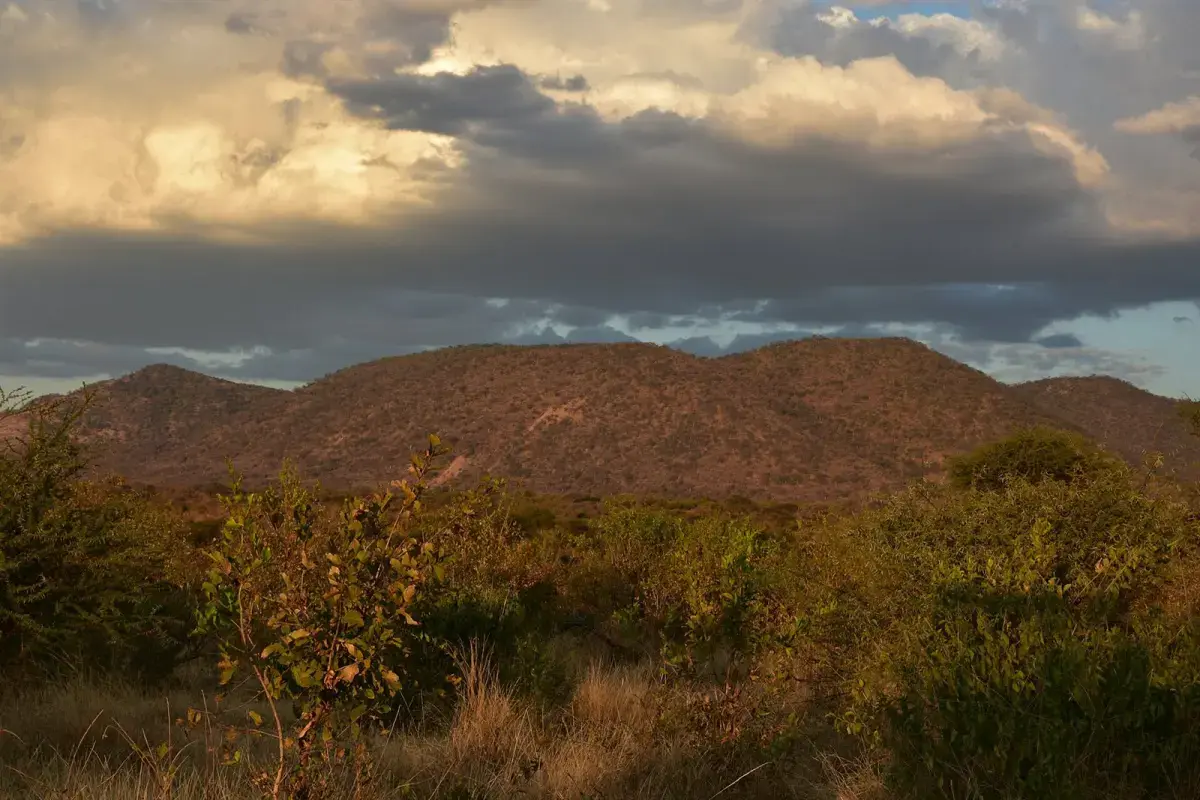
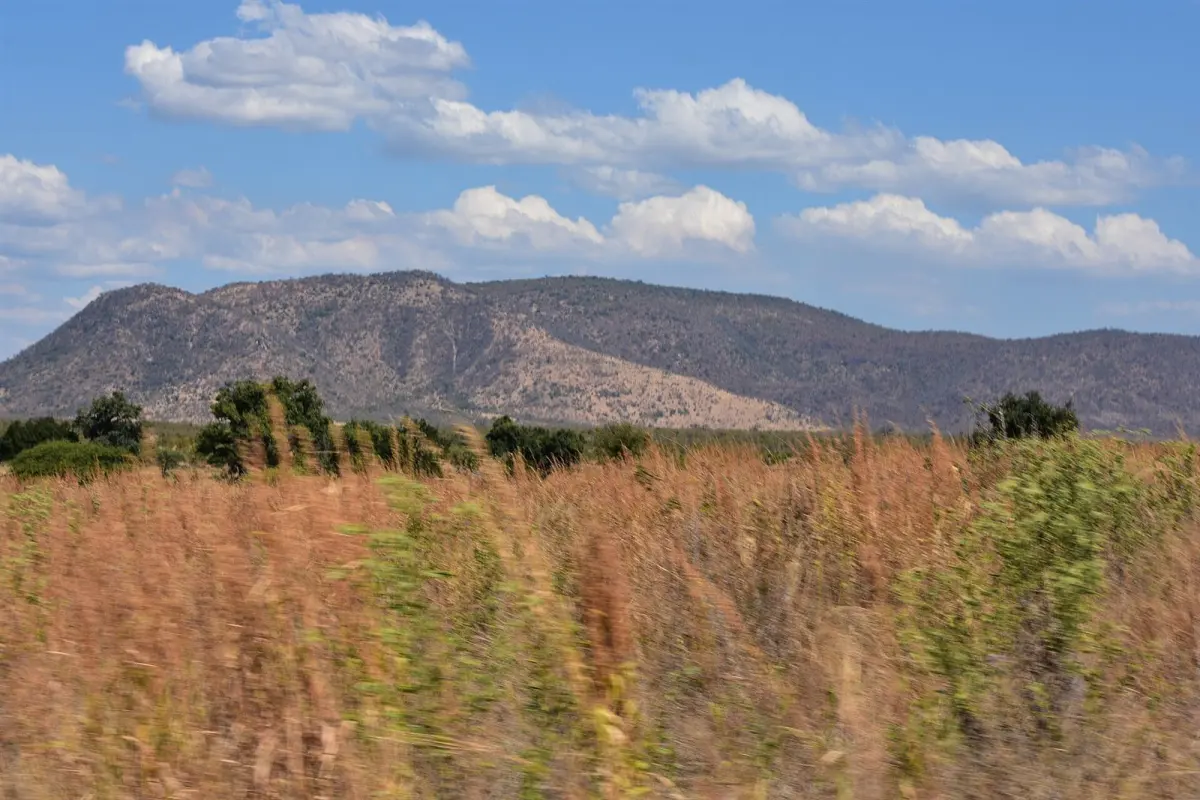
Ruaha spans an area of 20,226 km², making it the largest national park in Tanzania. The terrain ranges from rolling hills and open savannah to dense miombo woodland, granite kopjes and riverine forests that line the Great Ruaha River and its tributaries.
The park lies in the transition zone between eastern and southern African ecosystems, giving it exceptional biodiversity. The Great Ruaha River is the dominant feature, cutting through the park and sustaining wildlife through the long dry season when other water sources disappear.
This varied topography provides a stunning backdrop for game drives, with baobabs silhouetted at sunset and the river’s golden sandbanks alive with activity. The sheer scale of Ruaha is one of its greatest attractions — you can drive for hours without seeing another vehicle.
Wildlife of Ruaha
Ruaha boasts over 570 bird species and a rich mammal population, including many species more typical of southern Africa. It is particularly famous for its predators, with African wild dogs among its star residents.
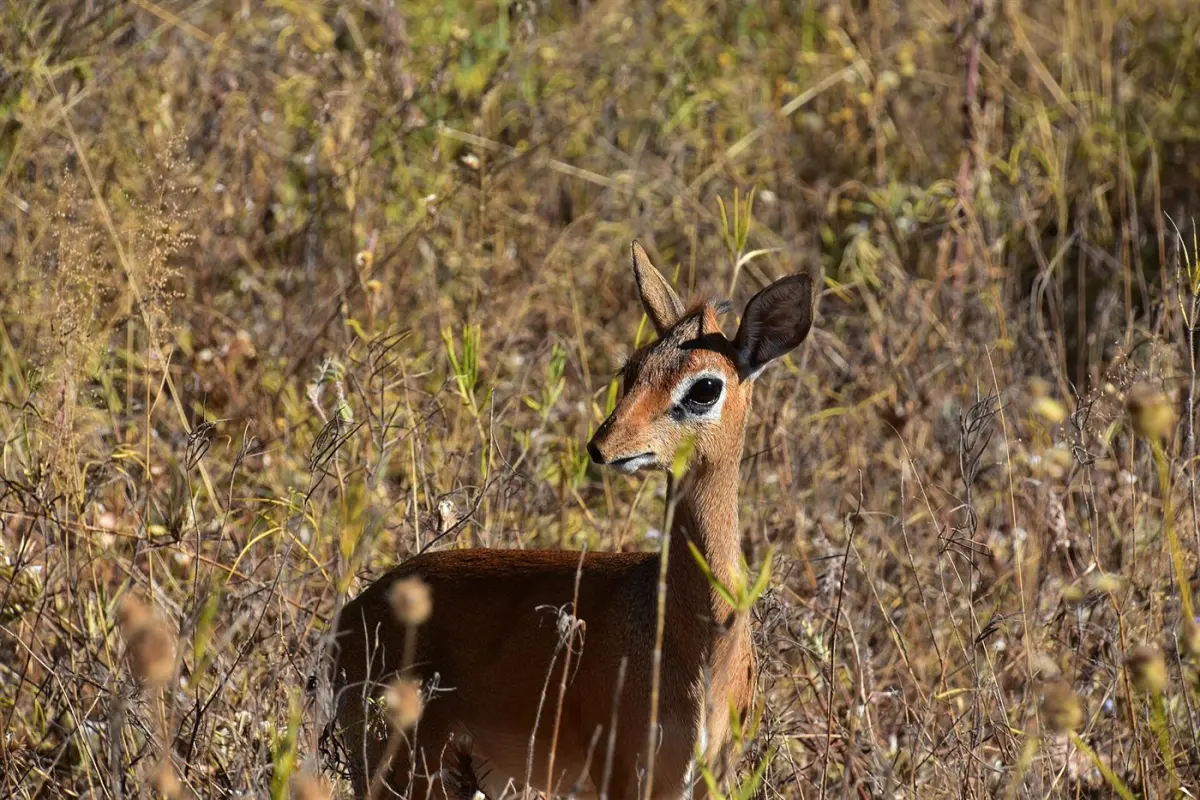
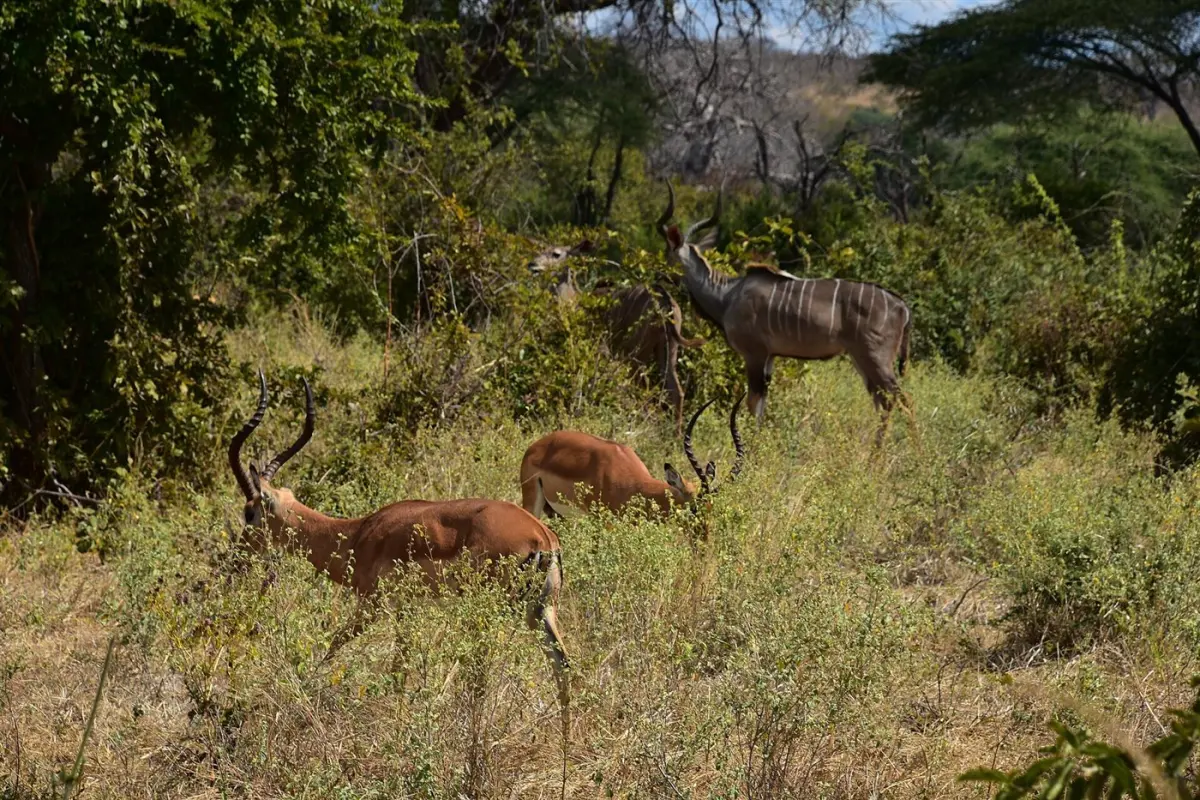
The park supports healthy populations of lion, leopard and cheetah, while its elephant herds are among the largest in Tanzania. Antelope species include greater kudu, sable, roan, impala and the elusive lesser kudu — species that thrive in its miombo woodland.
What to expect on safari
A Ruaha safari is characterised by space, tranquillity and intimacy with nature. Game drives follow the river and its floodplains, where animal activity peaks in the dry months. Walking safaris are also possible in designated areas, offering a more immersive perspective of the bush.
With few other vehicles around, sightings feel unhurried and personal. As the heat of the day fades, the river comes alive with elephants, giraffes and antelope coming to drink, often under the watchful eyes of lions or wild dogs.
Birders will be delighted by the mix of eastern and southern species, from colourful bee-eaters and rollers to raptors soaring over the miombo. For photographers, the golden light and dramatic river scenery provide endless opportunities.
Conservation & people
Ruaha National Park forms part of the larger Rungwa–Kizigo–Muhesi ecosystem, one of Tanzania’s most important wildlife landscapes. Conservation efforts focus on protecting key corridors, reducing human–wildlife conflict and supporting anti-poaching initiatives.
Many lodges work closely with local communities, creating employment and supporting education and healthcare projects. Visiting Ruaha helps sustain these efforts while providing a livelihood for those living around the park.
Responsible tourism plays a vital role in safeguarding this wilderness for future generations. By choosing ethical operators, you help protect Ruaha’s unique biodiversity and the communities that call this region home.
What you might see
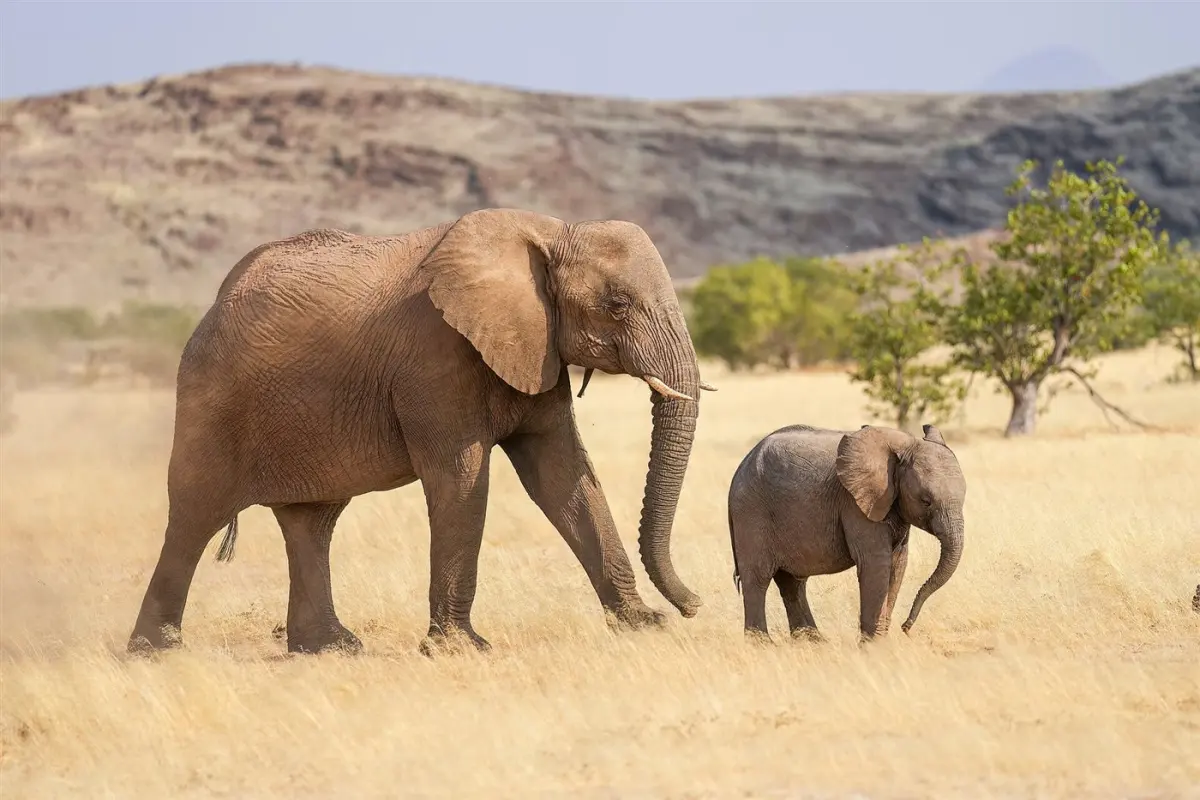
African elephant
Large herds congregate along the Great Ruaha River, especially from June to October.
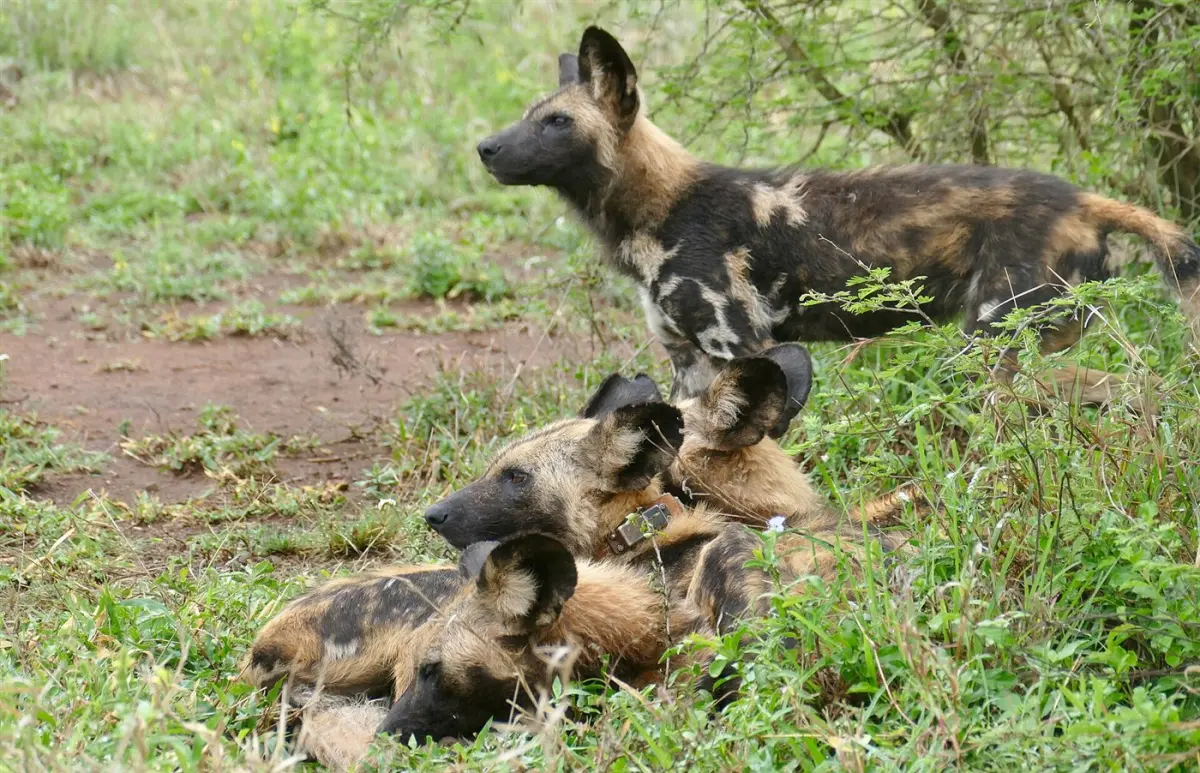
African wild dog
One of East Africa’s best parks for sightings of these highly social predators.
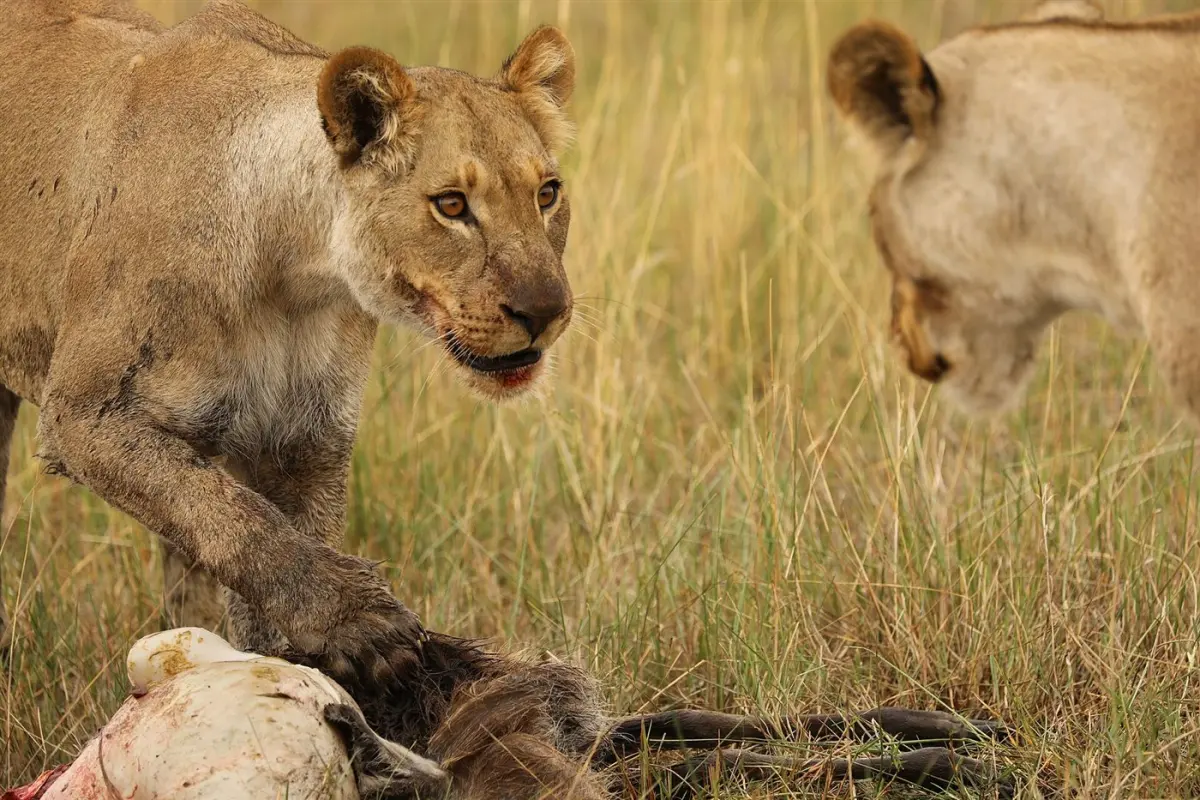
Lion
Pride territories follow the river, offering frequent sightings in the dry season.
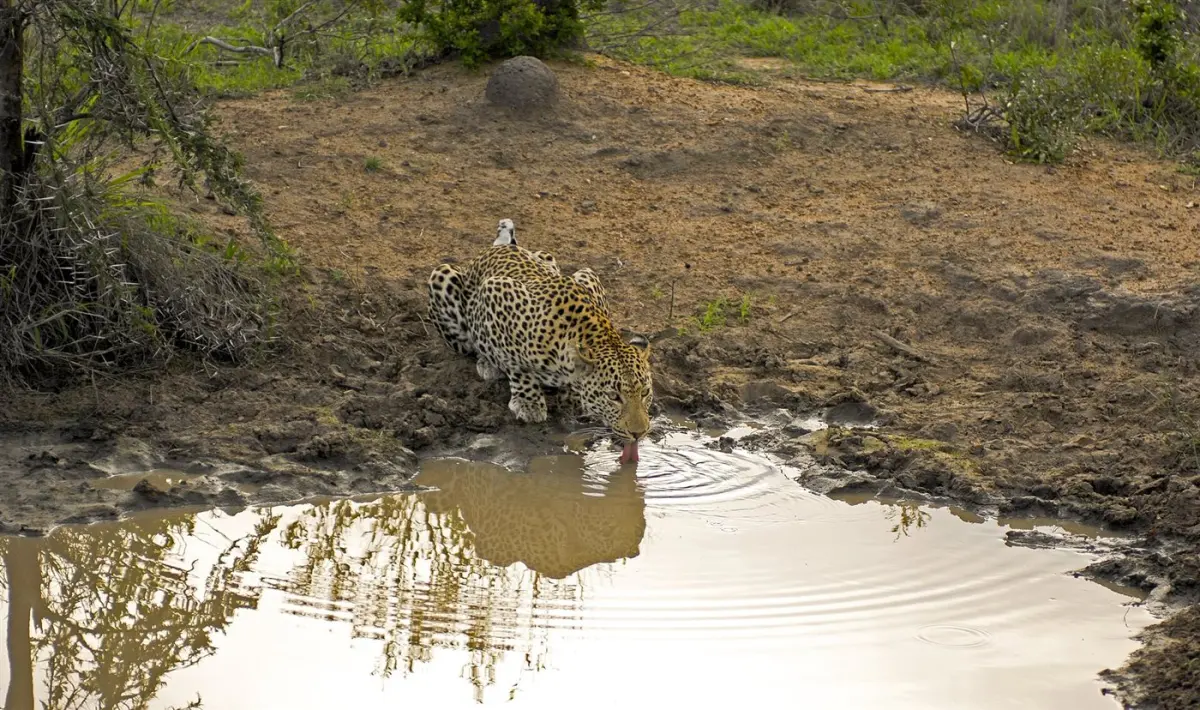
Leopard
Shy but present, often seen resting in riverine trees or rocky outcrops.
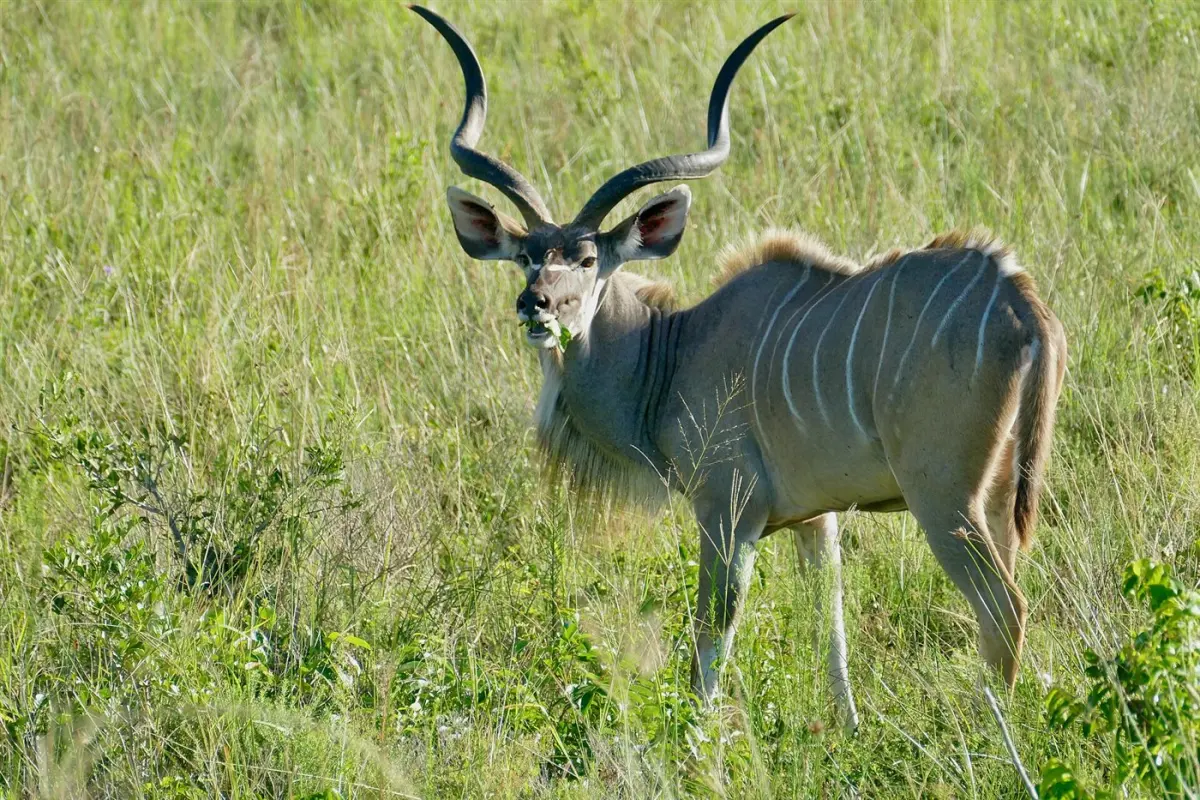
Greater kudu & sable
Iconic antelope of the miombo, rarely seen on the northern safari circuit.
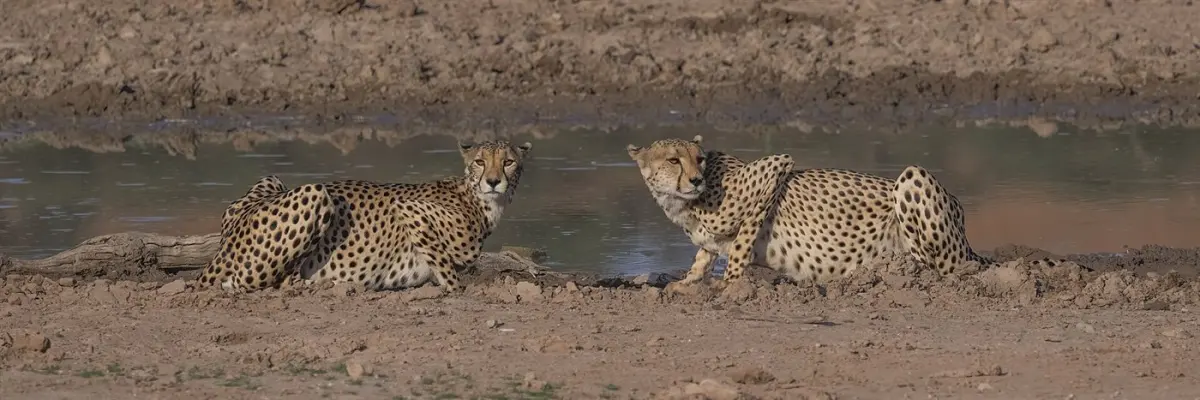
Cheetah
Open plains and floodplains provide good hunting grounds for these speedsters.
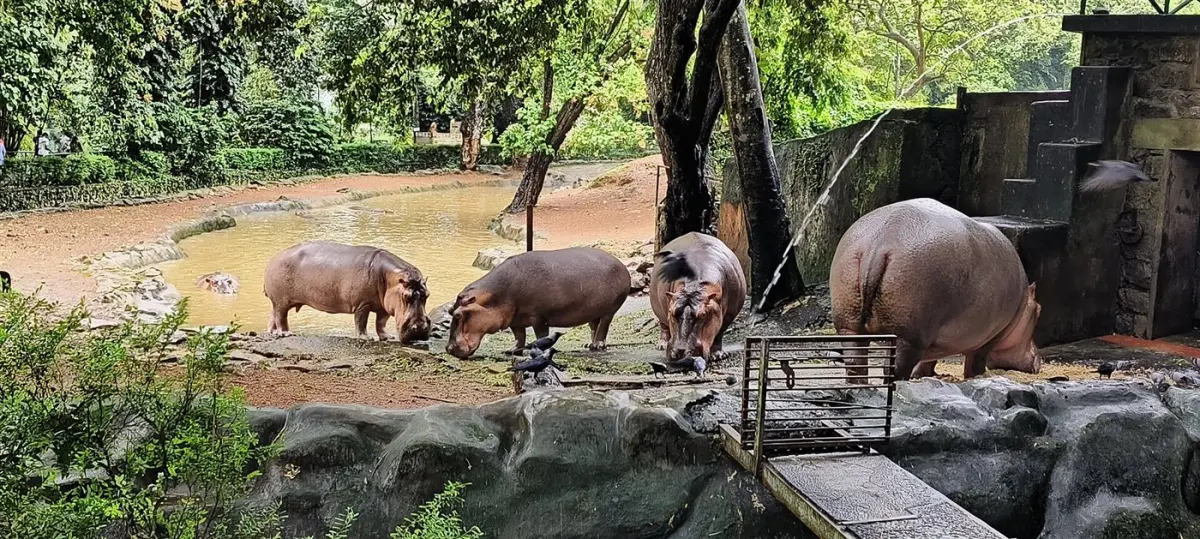
Hippo
Pods wallow in the Great Ruaha River, providing classic wildlife scenes.
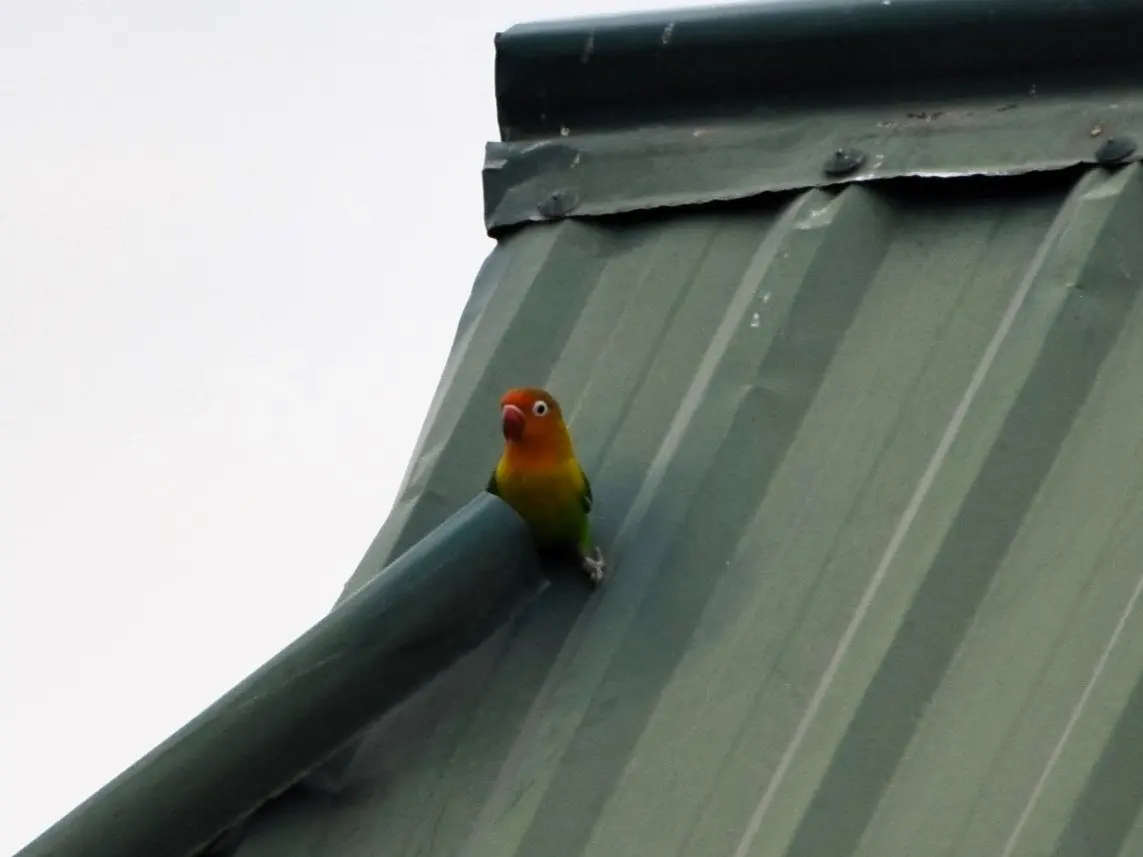
Over 570 bird species
From endemics to raptors, a treat for birdwatchers year-round.
Ruaha National Park in pictures
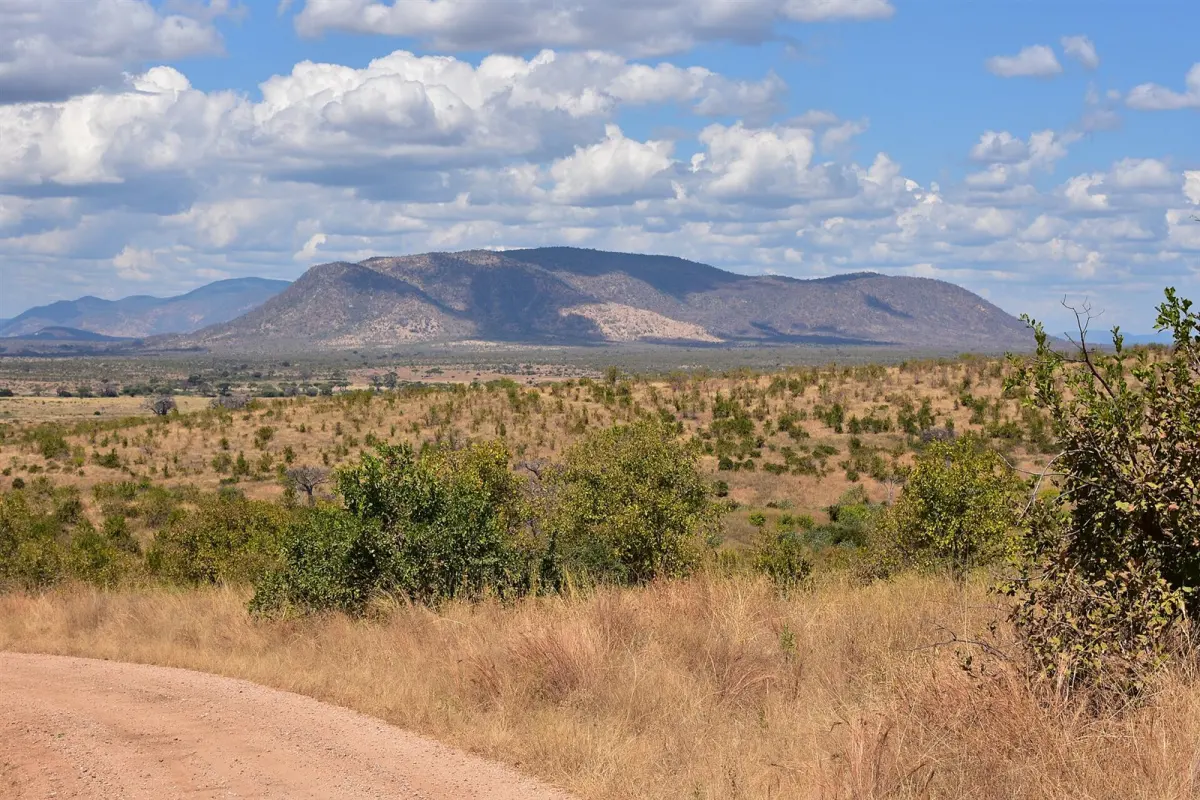
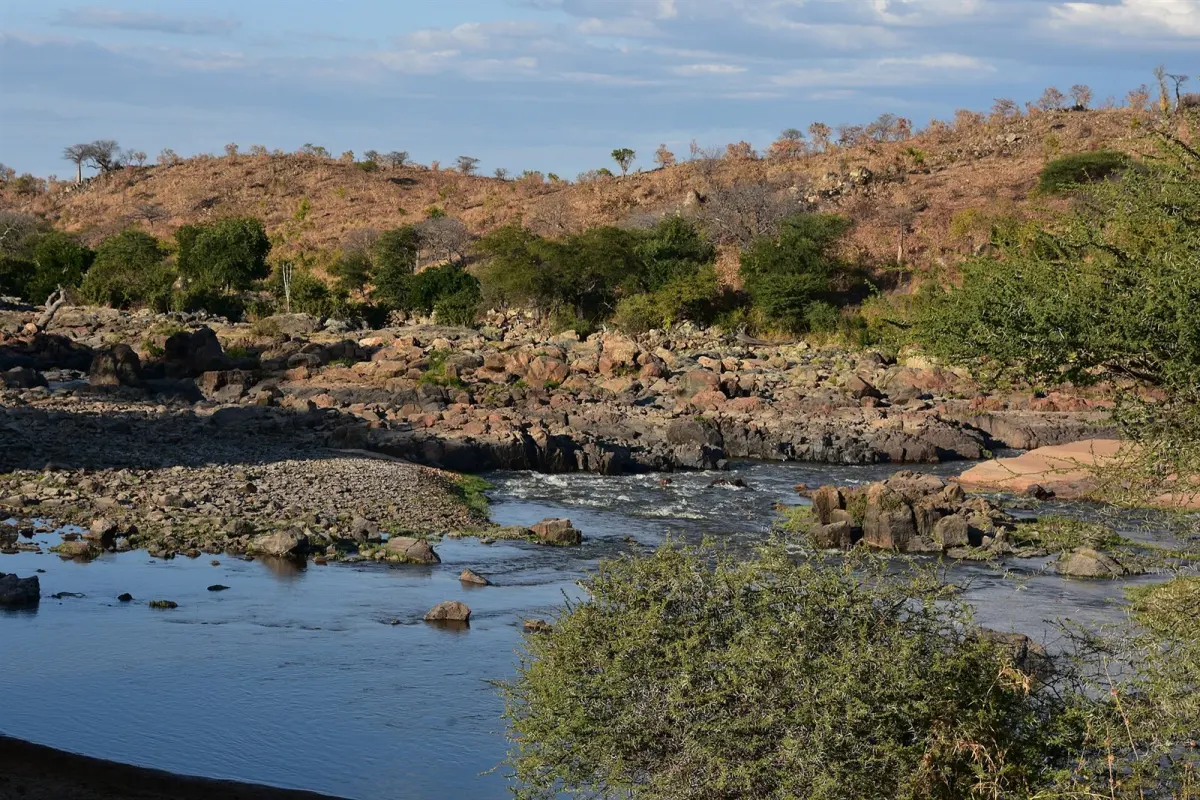
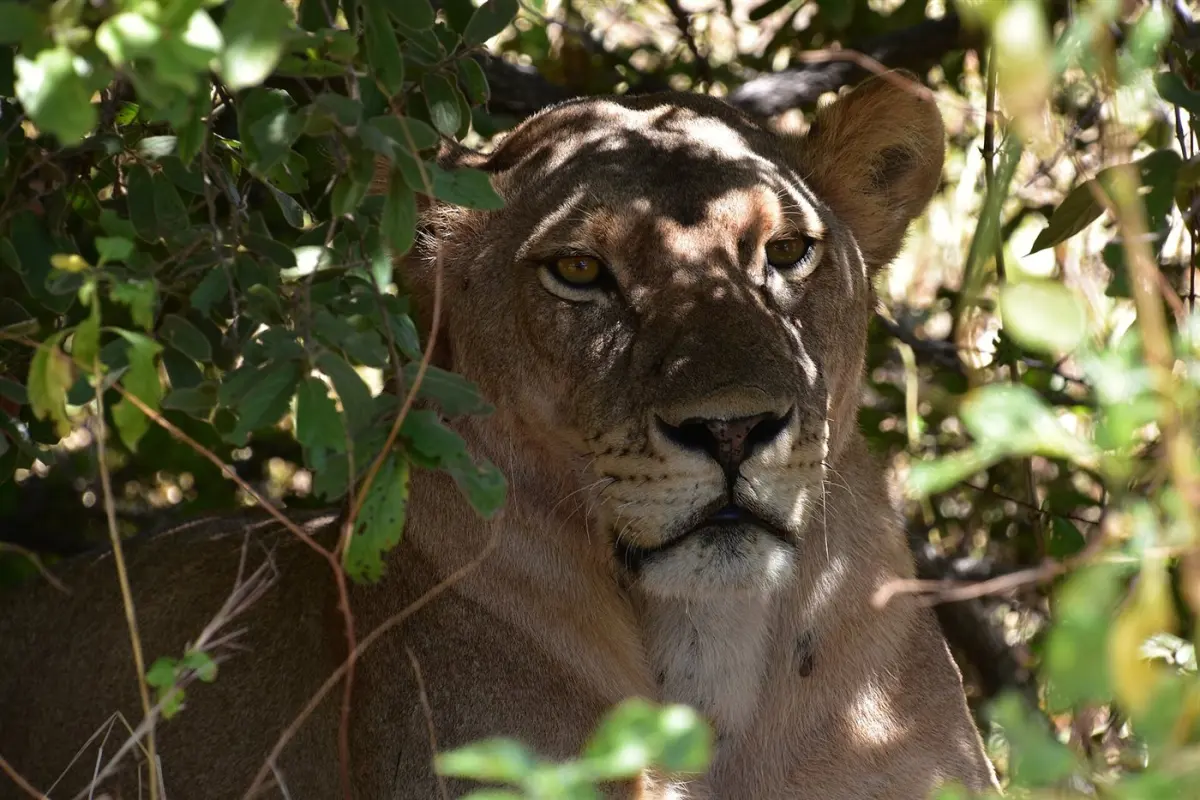
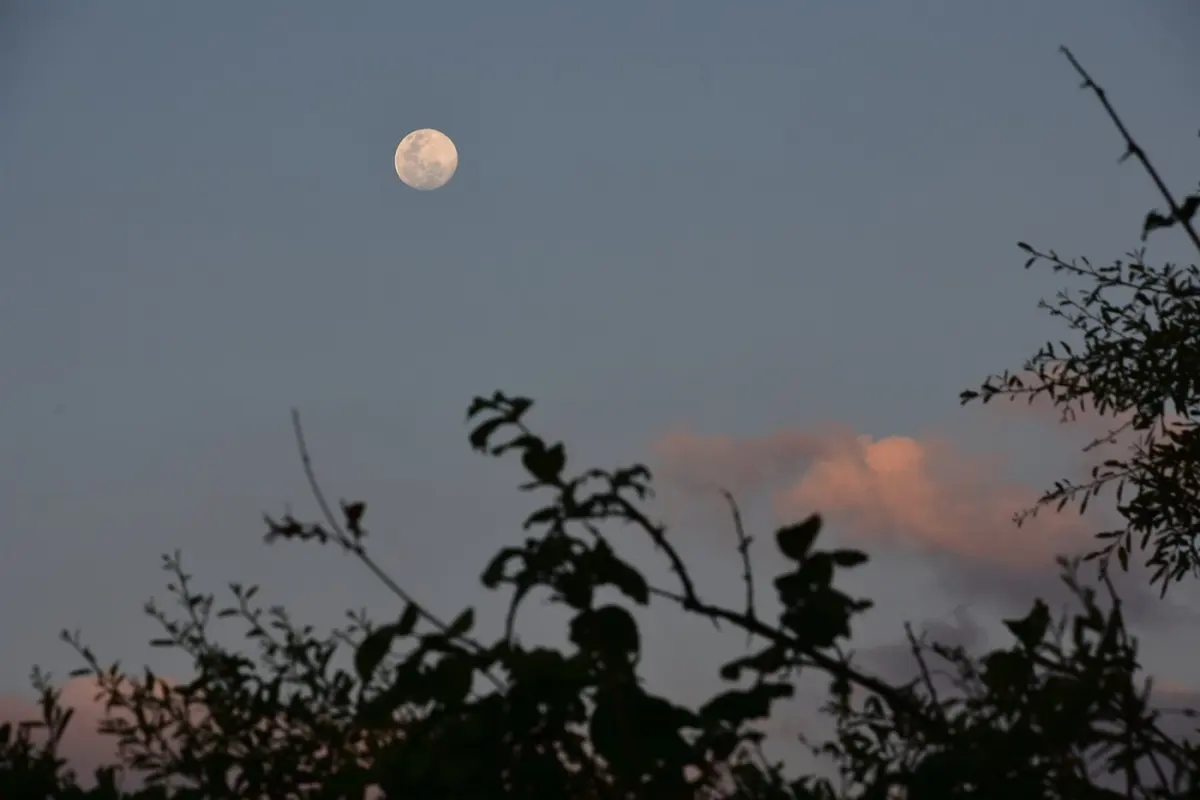
Best time to visit
Ruaha is best visited in the dry season when wildlife concentrates along the Great Ruaha River.
| Season | Weather | Crowds | Wildlife |
|---|---|---|---|
| Jan–Mar | Warm & wet | Low | Green season, lush and good for birding |
| Apr–May | Long rains | Low | Some lodges close; dramatic skies |
| Jun–Oct | Cool & dry | Peak | Best game viewing, river at its busiest |
| Nov–Dec | Short rains | Moderate | Scenery returns, fewer crowds |
Things to do
Game drives
Explore the river, floodplains and woodlands in search of Ruaha’s iconic wildlife.
Walking safaris
Get closer to the bush with experienced guides in designated walking areas.
Photography
Dramatic river scenes and big herds make for superb photographic opportunities.
Birdwatching
A rich mix of species, with many southern African specials.
Night drives
Discover nocturnal species with spotlight safaris at select camps.
Bush sundowners
Unwind with a drink as the sun sets over the Great Ruaha River.
Where to stay
Luxury tented camps
Exclusive riverside camps with superb guiding and comfort. <!-- TODO: lodge names -->
Tented camps & lodges
Authentic, well-run camps offering great value and wildlife access. <!-- TODO: lodge names -->
Campsites
Simple options for adventurous travellers. <!-- TODO: lodge names -->
Getting there & around
Ruaha is easily reached by scheduled or charter flights from Dar es Salaam or Iringa to airstrips inside the park. Flying is the most convenient option, taking around 1½–2 hours depending on routing.
It is also possible to drive from Iringa (around 4–5 hours) or combine with other Southern Circuit parks. A 4x4 is essential for road travel, and our team can tailor fly-in or drive itineraries to suit your plans.
- By air from Dar es Salaam 1½–2 hrs
- By road from Iringa 4–5 hrs
- Best explored 3–4 days minimum
- Best time June–October
Frequently asked questions
When is the best time to visit Ruaha?
The dry season from June to October is ideal, when wildlife concentrates along the Great Ruaha River and game viewing is at its peak.
How many days should I spend in Ruaha?
We recommend 3–4 full days to explore the river area and gain a true sense of the park’s vastness.
Can I see wild dogs in Ruaha?
Yes — Ruaha is one of East Africa’s most reliable parks for African wild dog sightings, though they remain mobile.
Is Ruaha crowded?
No. Compared to the Northern Circuit, Ruaha sees far fewer visitors, offering a much more exclusive safari experience.
How do I get to Ruaha?
Fly from Dar es Salaam or Iringa to one of the park’s airstrips. Road transfers are also possible from Iringa.
Are walking safaris available?
Yes, guided walking safaris are offered at select camps, subject to conditions and guide availability.
Nearby destinations


Ready to plan your Ruaha National Park trip?
Tell us your dates and travel style. Our local team in Moshi will build a tailor-made itinerary around Ruaha National Park — free, with no obligation.