
Discover Mikumi National Park
Mikumi National Park is one of Tanzania’s most accessible national parks, located just 283 km from Dar es Salaam along the main highway to Iringa. Its proximity to the coast makes it ideal for short safaris or as a stop on the Southern Circuit.
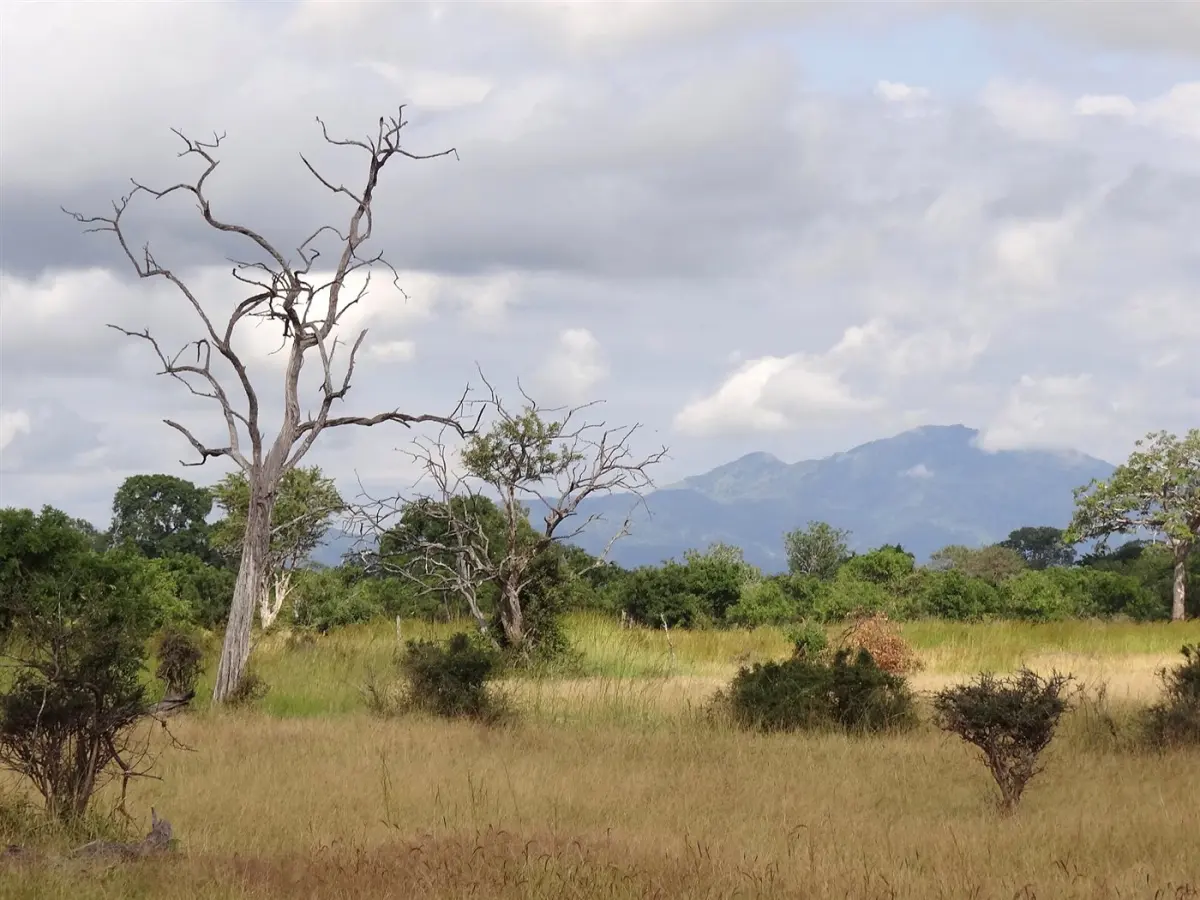
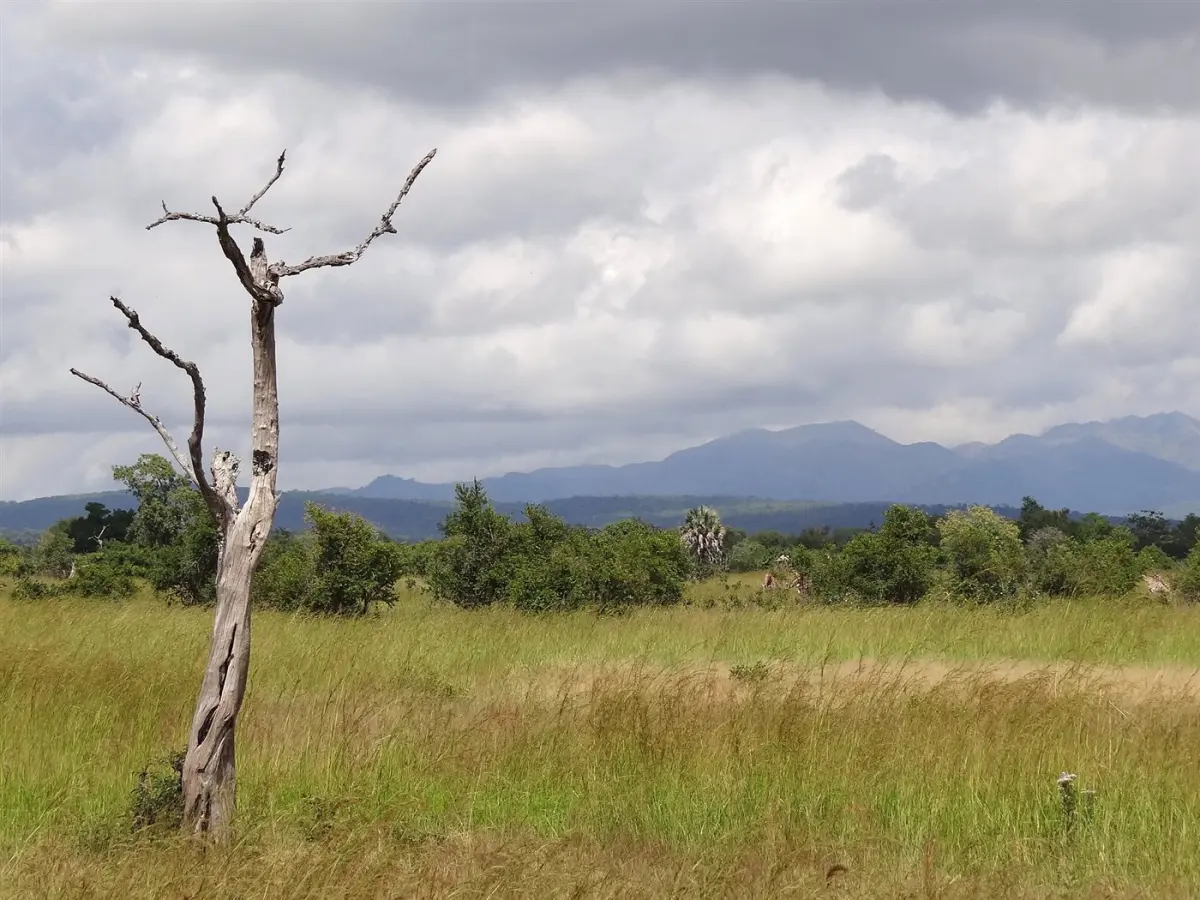
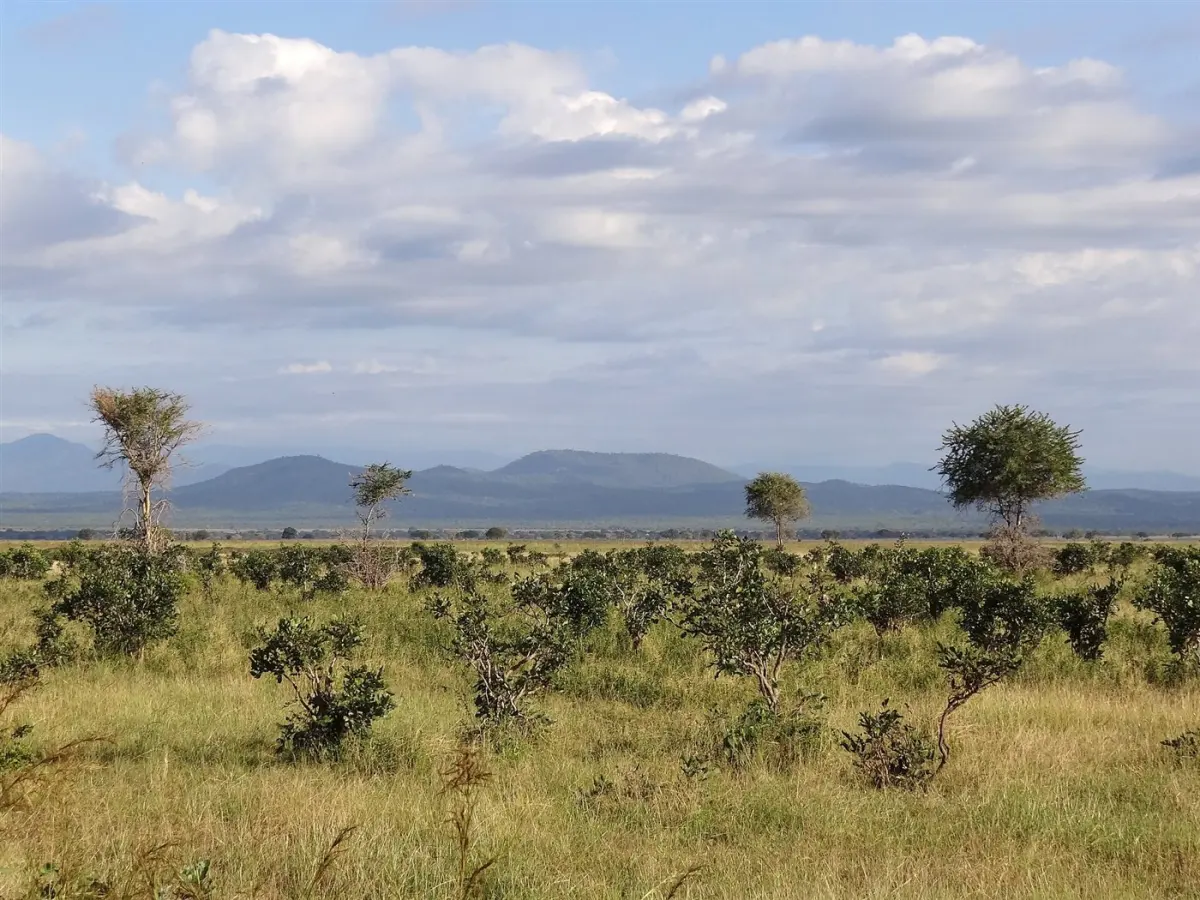
The park’s dominant feature is the vast Mkata floodplain, which stretches for miles and is often compared to the Serengeti’s open plains. This open landscape makes wildlife easy to spot, with animals clearly visible against the golden grass.
Mikumi is home to healthy populations of lions, elephants, buffalo, giraffes, zebras and wildebeest. With the backdrop of the Uluguru Mountains to the east and the Rubeho Mountains to the west, the scenery is as beautiful as the game viewing.
Well-developed infrastructure and reliable sightings make Mikumi perfect for first-time safari-goers or those with limited time. Let our Moshi-based team craft a tailored Southern Circuit itinerary for you.
Why visit Mikumi National Park
-
Mkata floodplain
Vast open plains reminiscent of the Serengeti, offering excellent visibility for game viewing.
-
Easy access from Dar
Just a few hours’ drive from Dar es Salaam, ideal for weekend or short safaris.
-
Reliable predators
Lions are frequently seen hunting or resting on the floodplain.
-
Elephants & buffalo
Large herds move through the park, especially around water sources.
-
Stunning backdrop
Framed by the Uluguru and Rubeho Mountains for dramatic scenery.
-
Great year-round
Accessible and rewarding in most months, with peak viewing in the dry season.
Landscape & geography
Mikumi National Park covers 3,230 km² and is part of the larger Selous–Mikumi ecosystem. Its most striking feature is the Mkata floodplain, a wide, open grassland that dominates the park’s centre.
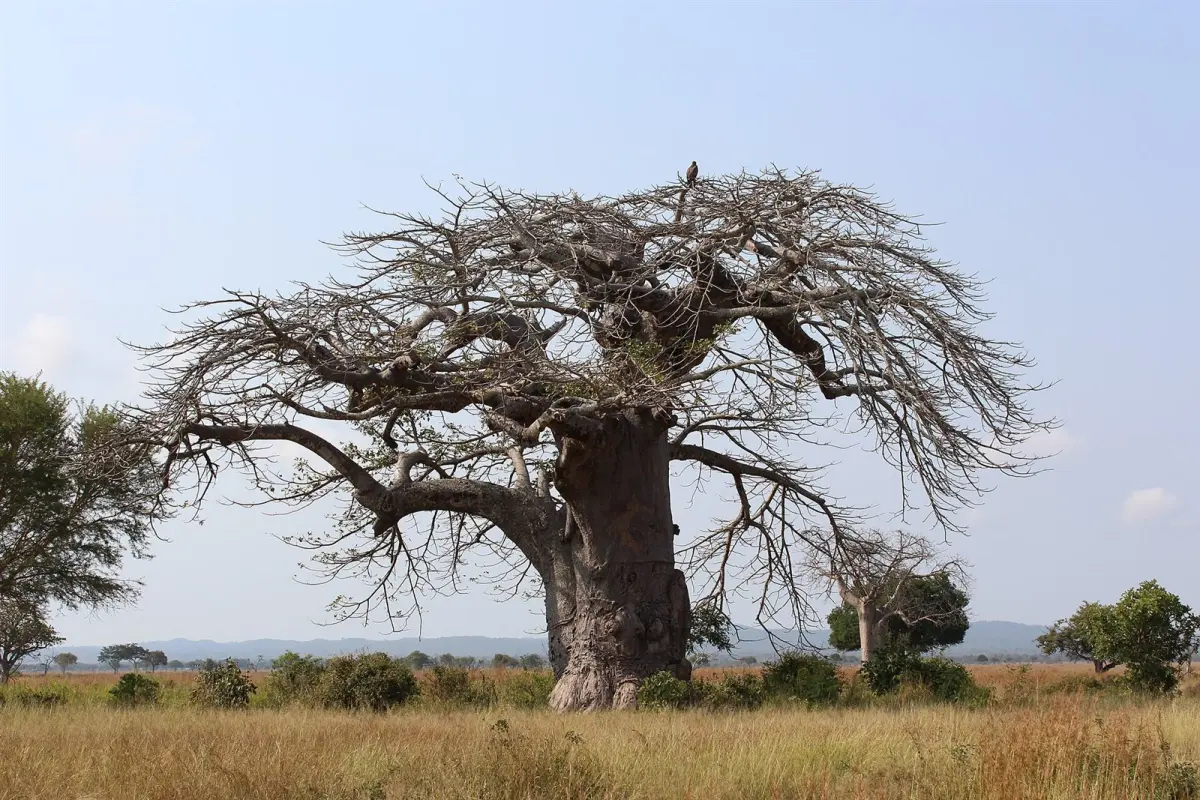
The floodplain is fed by seasonal rivers and surrounded by acacia woodland, miombo thickets and riverine forest along the Mkata River. To the east rise the Uluguru Mountains, while the Rubeho Mountains form a rugged backdrop to the west.
This mix of open plains and woodland creates diverse habitats that attract a wide range of wildlife and make game drives exceptionally rewarding, especially in the dry season.
Wildlife of Mikumi
Mikumi is home to over 400 bird species and a solid population of large mammals. The open Mkata floodplain is perfect for spotting predators, with lions regularly seen in prides across the grasslands.
Elephants, Cape buffalo, giraffes, zebras, wildebeest, impala and greater kudu are all common. Leopard and hyena are present but more elusive, while hippos can be seen in pools along the Mkata River.
Birdlife is excellent, with species ranging from ostriches and secretary birds on the plains to hornbills, rollers and raptors in the woodlands — making Mikumi rewarding for both mammal and bird enthusiasts.
What to expect on safari
Mikumi offers classic game drives along well-maintained tracks that criss-cross the Mkata floodplain and wind through the surrounding woodland. The open terrain means sightings are frequent and often close enough for excellent photography.
Sunrise and late afternoon drives are particularly rewarding, when predators are active and the light is golden. The park’s compact size and accessibility allow for flexible itineraries, from day trips to multi-night stays.
With the mountains as a backdrop and the vast plains stretching to the horizon, Mikumi delivers a quintessential Tanzanian safari experience without the long travel times of more remote parks.
Conservation & importance
Mikumi National Park lies within the Selous–Mikumi ecosystem, one of Tanzania’s largest and most ecologically important wildlife areas. Its position along wildlife corridors helps connect populations between Mikumi and the wider Selous ecosystem.
Conservation efforts focus on habitat protection, anti-poaching and community-based initiatives around the park’s boundaries. Tourism plays a vital role in supporting these efforts while providing income for nearby communities.
As a popular and accessible park, Mikumi helps introduce many travellers to Tanzania’s wildlife, creating awareness and support for broader conservation goals across the Southern Circuit.
What you might see
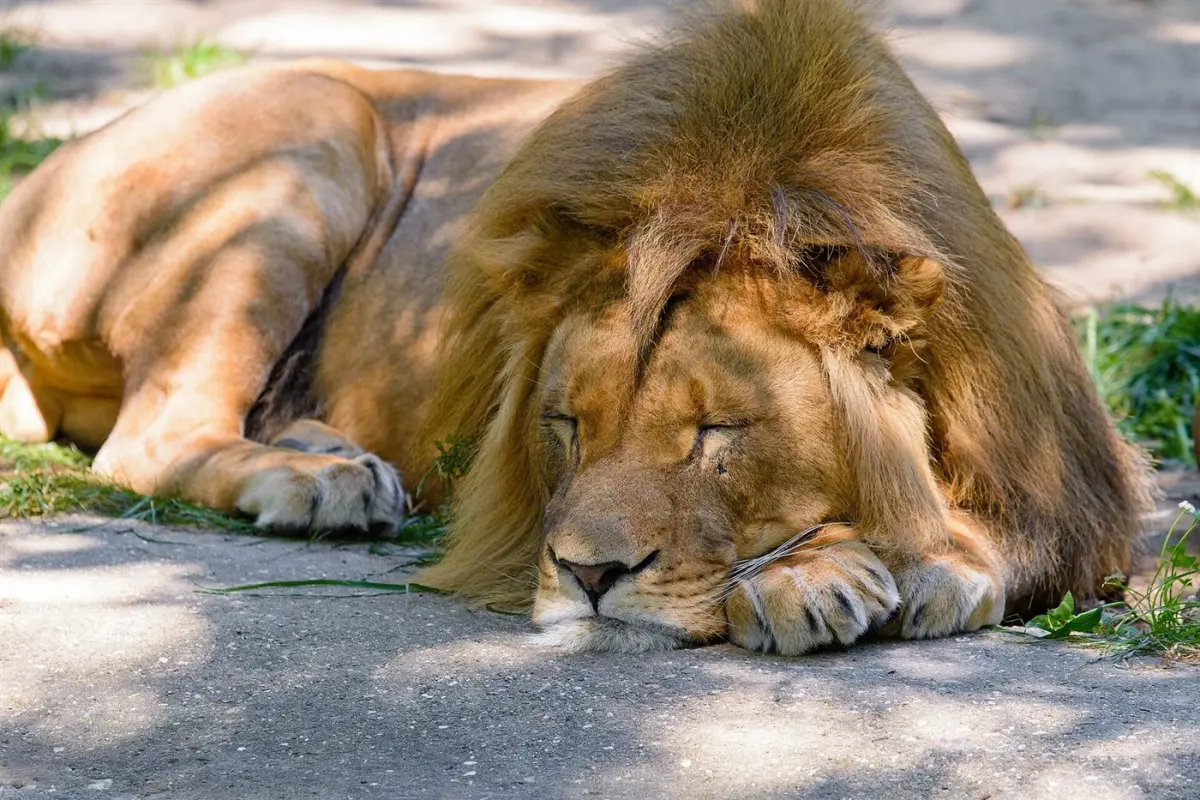
Lion
Frequently seen on the Mkata floodplain, often in large prides.
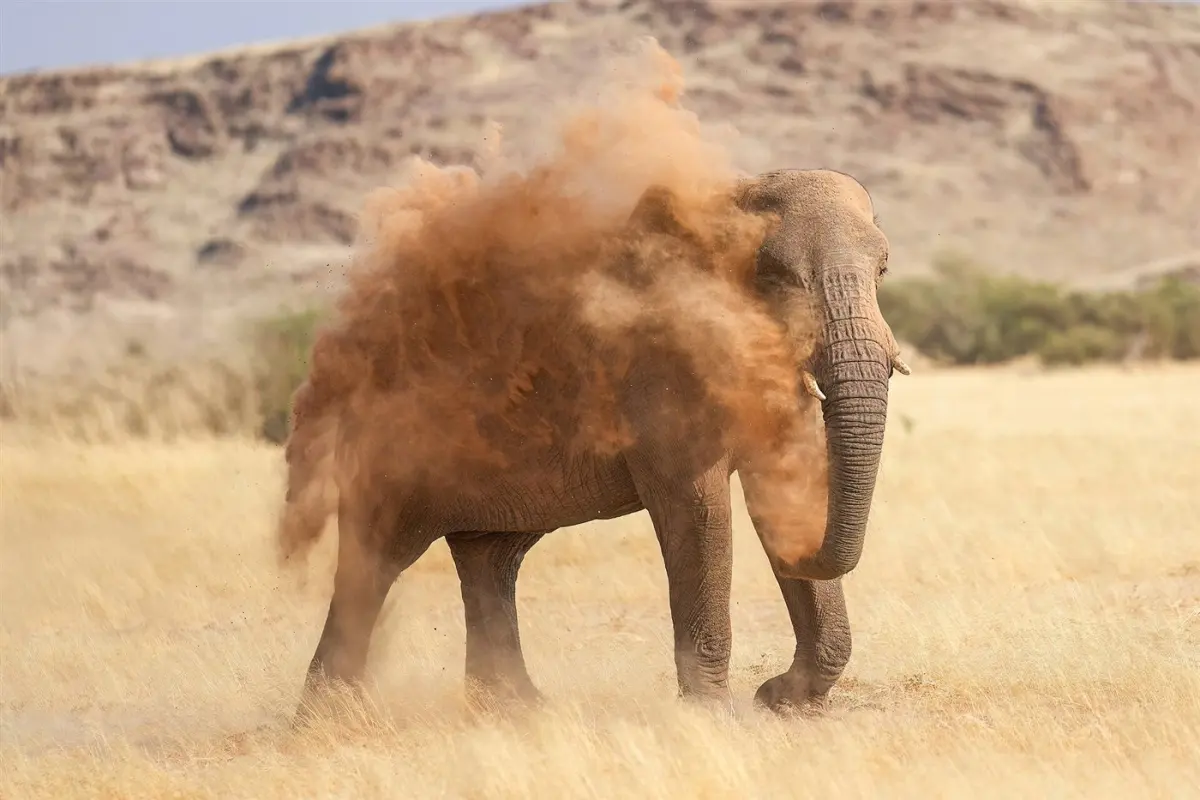
African elephant
Herds move through the park, particularly near water sources in the dry season.
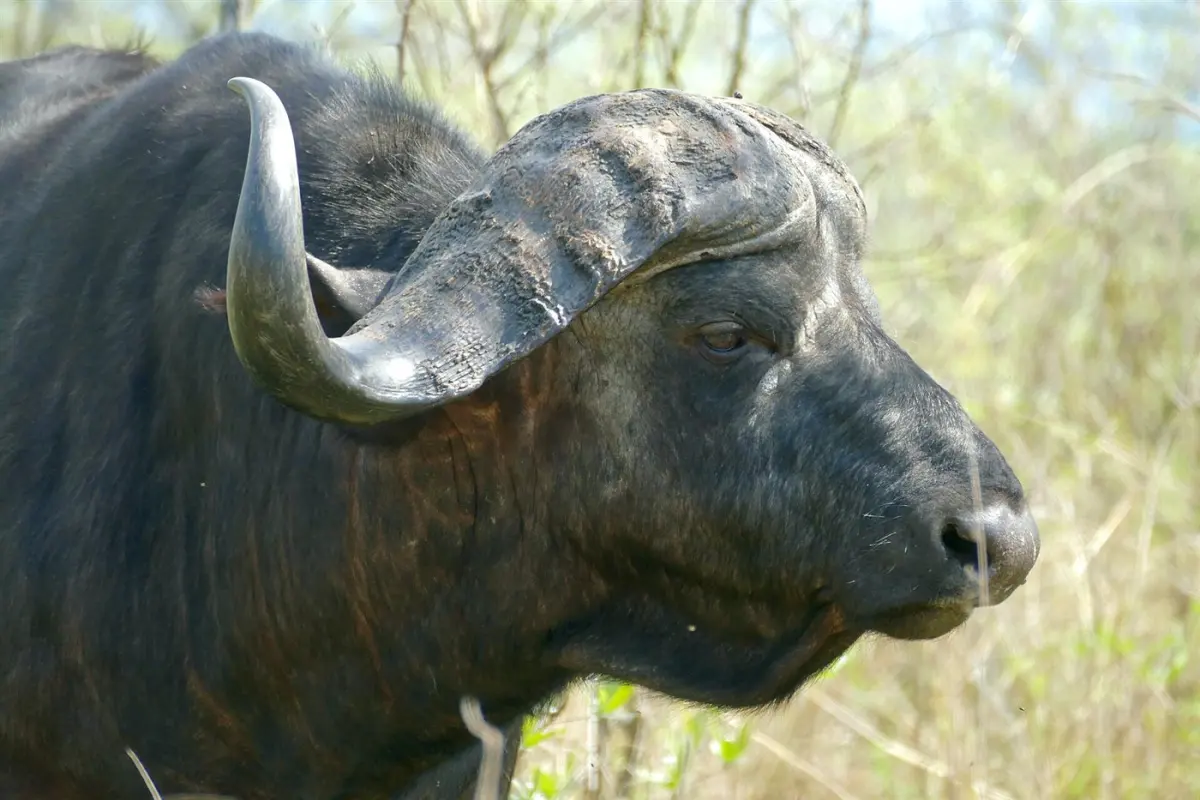
Cape buffalo
Large herds are a regular sight across the plains and woodland.
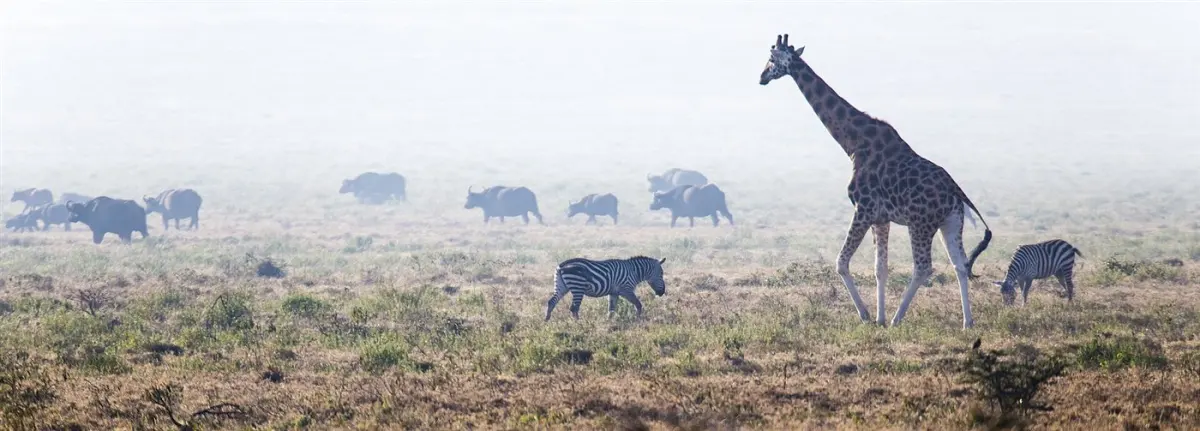
Giraffe
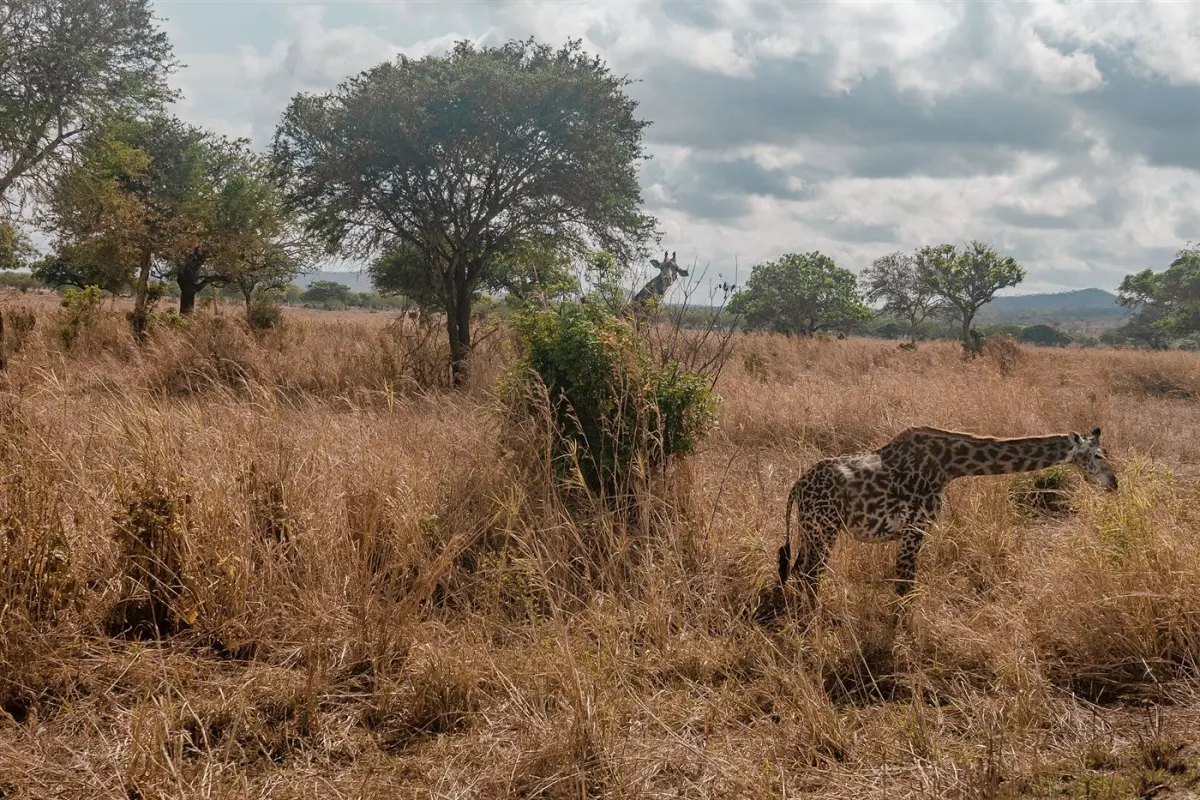
Iconic residents, easily spotted on the open floodplain.
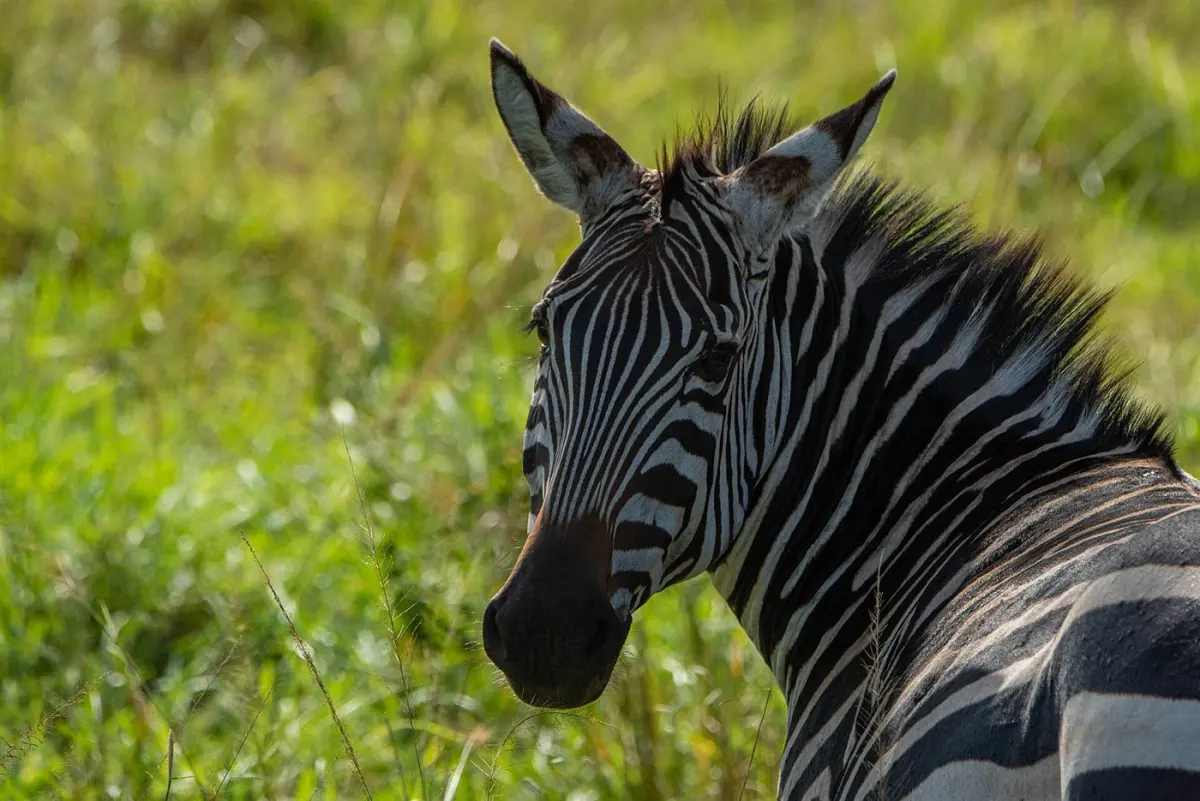
Zebra & wildebeest
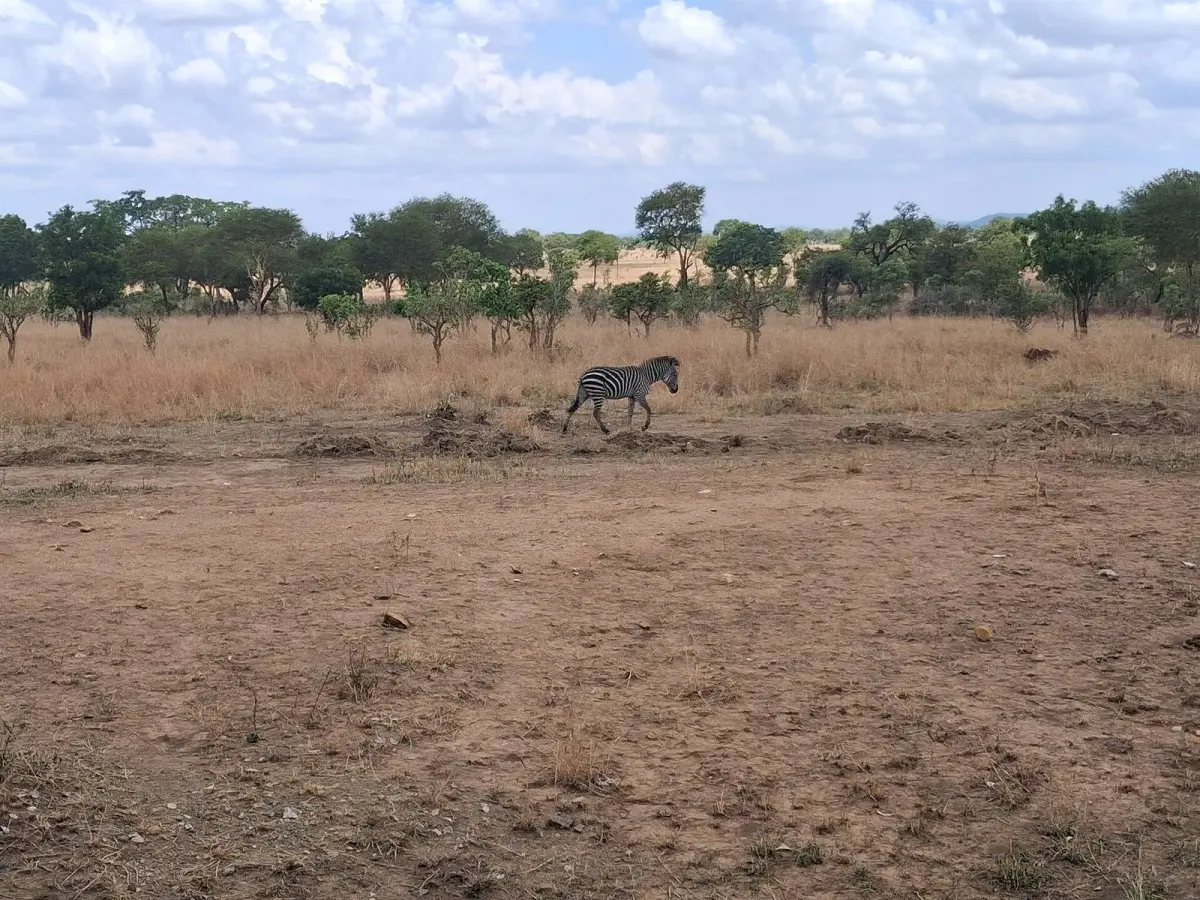
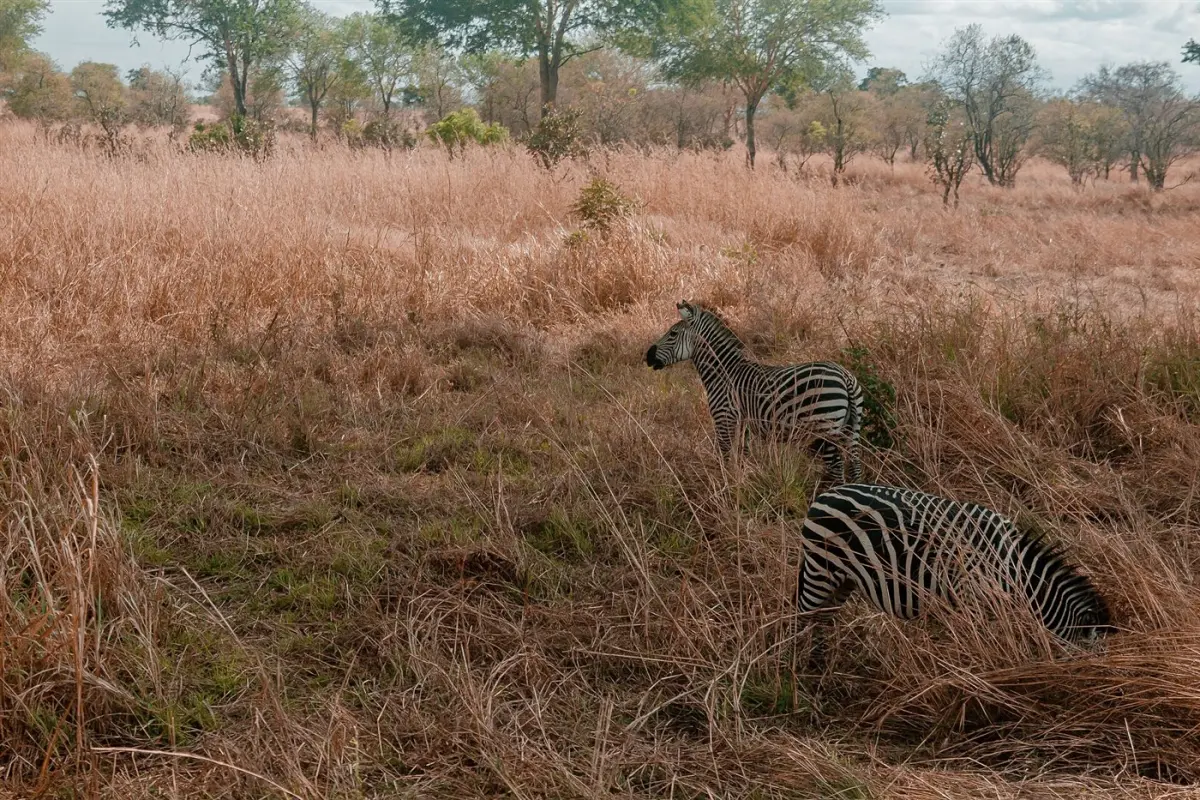
Large mixed herds graze the Mkata floodplain year-round.
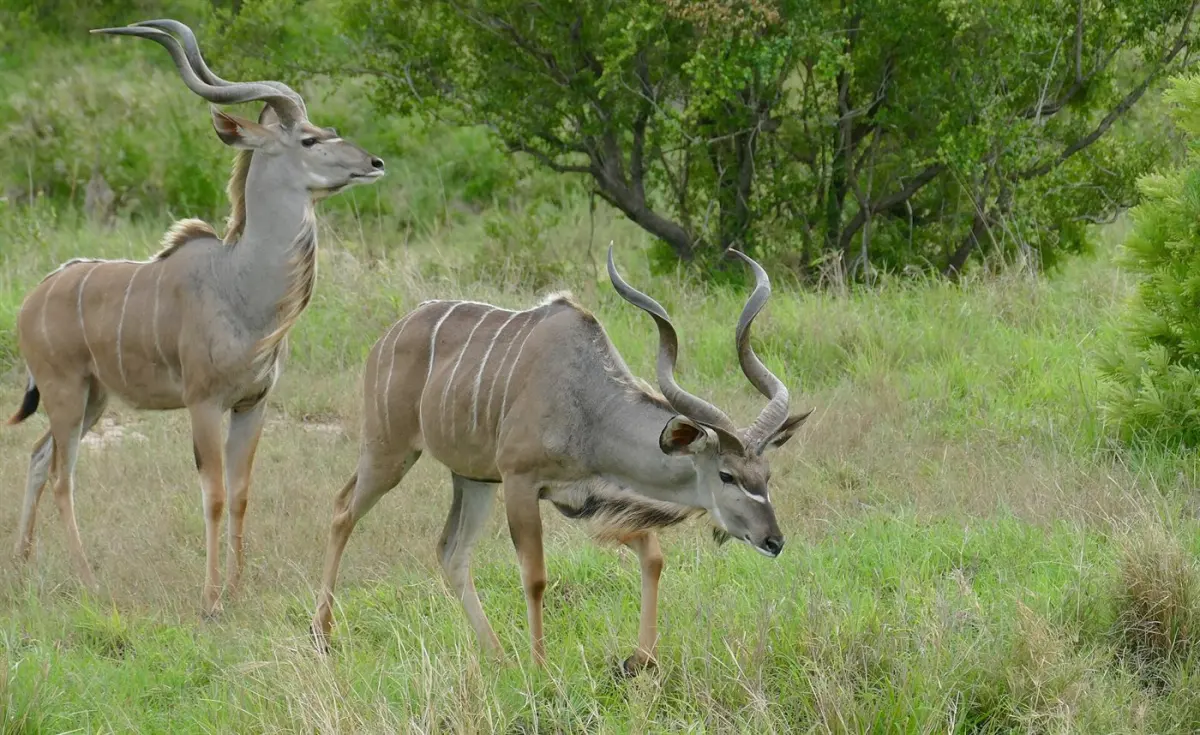
Greater kudu
Often seen in the denser woodland areas of the park.
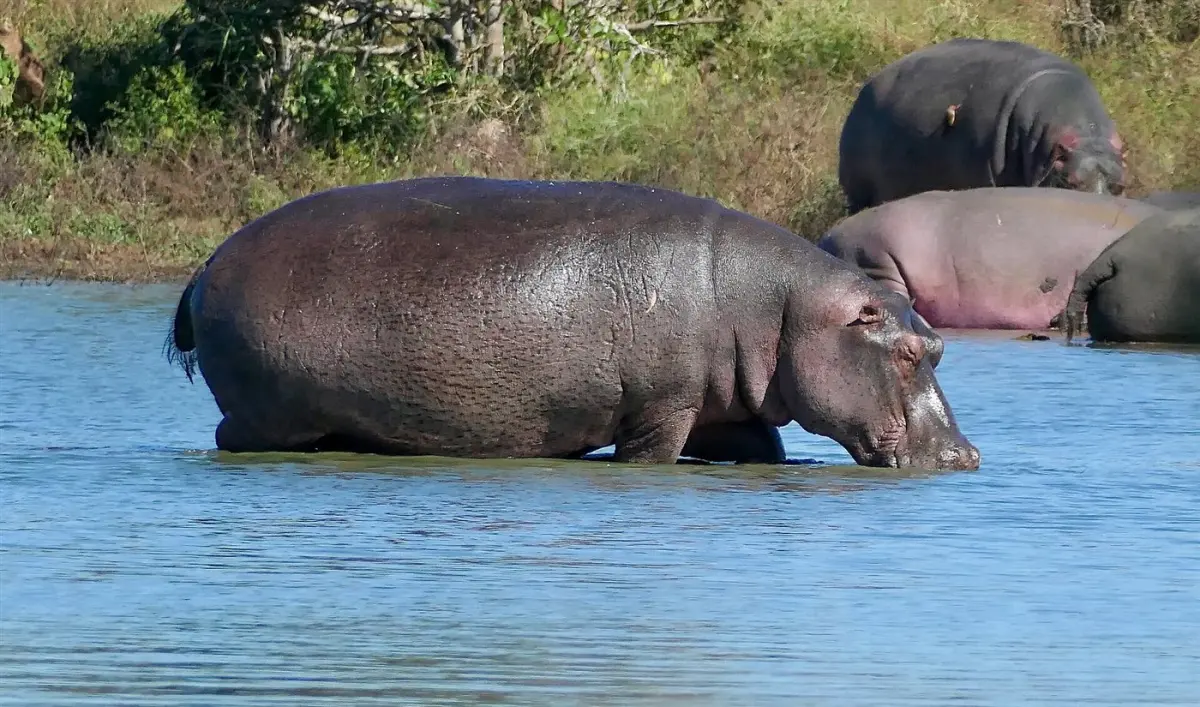
Hippo
Found in pools along the Mkata River, especially in the dry season.
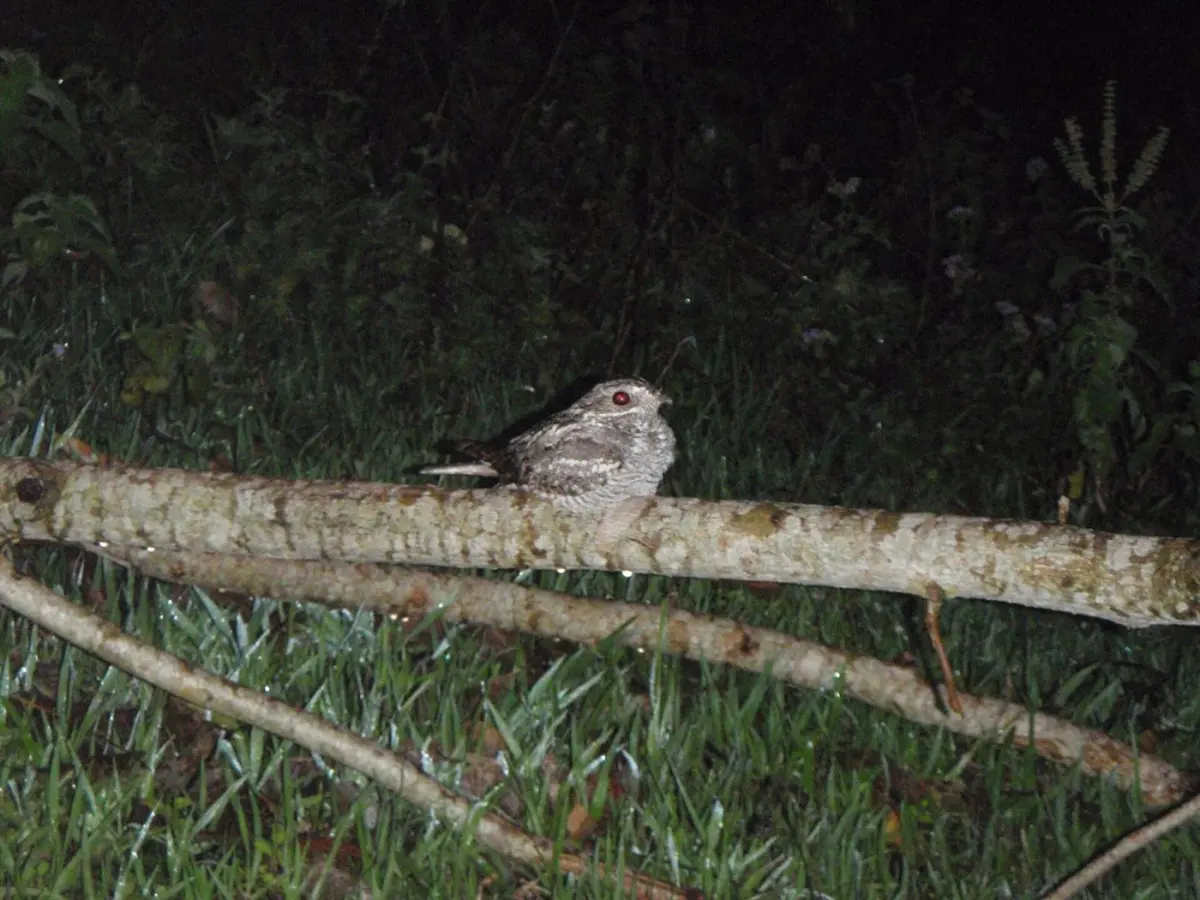
Over 400 bird species
Excellent birding with plains, woodland and riverine specialists.
Mikumi National Park in pictures
Best time to visit
Mikumi is a year-round destination, with the best game viewing during the dry season from June to October.
| Season | Weather | Crowds | Wildlife |
|---|---|---|---|
| Jan–Mar | Warm & wet | Low | Green, lush scenery and good birding |
| Apr–May | Long rains | Low | Fewer visitors, some tracks may be muddy |
| Jun–Oct | Cool & dry | Peak | Best wildlife concentration and visibility |
| Nov–Dec | Short rains | Moderate | Scenery refreshes, good value |
Things to do
Game drives
Explore the Mkata floodplain and woodlands for excellent sightings.
Photography
Open terrain and mountain backdrops make for stunning photos.
Birdwatching
Over 400 species, rewarding year-round with peaks in the green season.
Sightseeing
Enjoy scenic drives with views of the Uluguru and Rubeho Mountains.
Bush picnics
Relax and watch wildlife from scenic picnic spots.
Sunset drives
Spectacular golden hour over the vast floodplain.
Where to stay
Lodges & tented camps
Comfortable accommodation with easy access to the floodplain. <!-- TODO: lodge names -->
Tented camps
Well-run camps offering great value and location. <!-- TODO: lodge names -->
Public campsites
Affordable options for self-drive and budget travellers. <!-- TODO: lodge names -->
Getting there & around
Mikumi National Park is very accessible, located about 283 km west of Dar es Salaam along the A7 highway. It’s a scenic 4–5 hour drive, making it perfect for weekend safaris or as the first stop on the Southern Circuit.
Scheduled flights also operate from Dar es Salaam to Mikumi airstrip, taking around 45 minutes. Our team can arrange transfers and combine Mikumi with nearby parks like Nyerere or Udzungwa Mountains.
- By road from Dar es Salaam 4–5 hrs
- By air from Dar es Salaam 45 mins
- Best explored 1–2 days minimum
- Best time June–October
Frequently asked questions
How far is Mikumi from Dar es Salaam?
Mikumi is about 283 km from Dar es Salaam, roughly a 4–5 hour drive along the main highway.
Can I do a day trip to Mikumi?
Yes, Mikumi is ideal for a day trip from Dar es Salaam, though an overnight stay allows for more game drives and better sightings.
When is the best time to visit Mikumi?
June to October (dry season) offers the best game viewing as animals congregate around water sources.
What animals will I see in Mikumi?
Expect lions, elephants, buffalo, giraffes, zebras, wildebeest, hippos and a variety of antelope and birds.
How does Mikumi compare to Serengeti?
Mikumi is smaller and more accessible with fewer crowds. While the migration isn’t on the same scale, the Mkata floodplain offers excellent predator sightings.
Is Mikumi suitable for families?
Yes, easy access, short drives and reliable wildlife make Mikumi very family-friendly.
Nearby destinations


Ready to plan your Mikumi National Park trip?
Tell us your dates and travel style. Our local team in Moshi will build a tailor-made itinerary around Mikumi National Park — free, with no obligation.