
The Southern Circuit is Tanzania at its wildest. Far from the crowds of the north, parks like Ruaha National Park and Nyerere National Park (formerly the Selous Game Reserve) offer vast, unfenced wilderness where you can drive for hours without seeing another vehicle.
Ruaha is the country’s largest national park and a stronghold for big cats, wild dogs and large elephant herds. Its rugged hills, open plains and the Great Ruaha River create a landscape that feels genuinely remote. The birdlife is superb too, with over 570 recorded species.
Nyerere National Park is Africa’s largest protected area by some measures and offers a different rhythm to a safari. Here, game drives are complemented by boat safaris along the Rufiji River, where hippos, crocodiles and waterbirds steal the show, and walking safaris bring you closer to the bush on foot.
Because of the distances involved, Southern Circuit itineraries tend to be longer — often 10 days or more — making them ideal for repeat visitors or those wanting to go deeper into Tanzania. Internal flights between parks are common, keeping travel time manageable while adding aerial views of the bush.
The pace is slower, the guiding is often more personalised, and the sense of space is unmatched. If you value solitude, raw wilderness and authentic wildlife encounters, the Southern Circuit deserves serious consideration.
What makes this safari special
-
Uncrowded parks
Enjoy vast areas with very few other vehicles, even in peak season.
-
Wild dogs
Ruaha is one of the best places in Tanzania to see African wild dogs in the wild.
-
Boat safaris on the Rufiji
Glide along the Rufiji River in Nyerere for a different perspective on wildlife.
-
Guided walking safaris
Nyerere offers excellent walking safaris led by experienced armed guides.
-
Large elephant herds
Ruaha supports some of Tanzania’s biggest and healthiest elephant populations.
-
Outstanding birding
Diverse habitats attract a huge range of resident and migratory birds.
Long safaris that explore the south
Southern-circuit itineraries are usually tailor-made; these longer trips show the standard we build to.
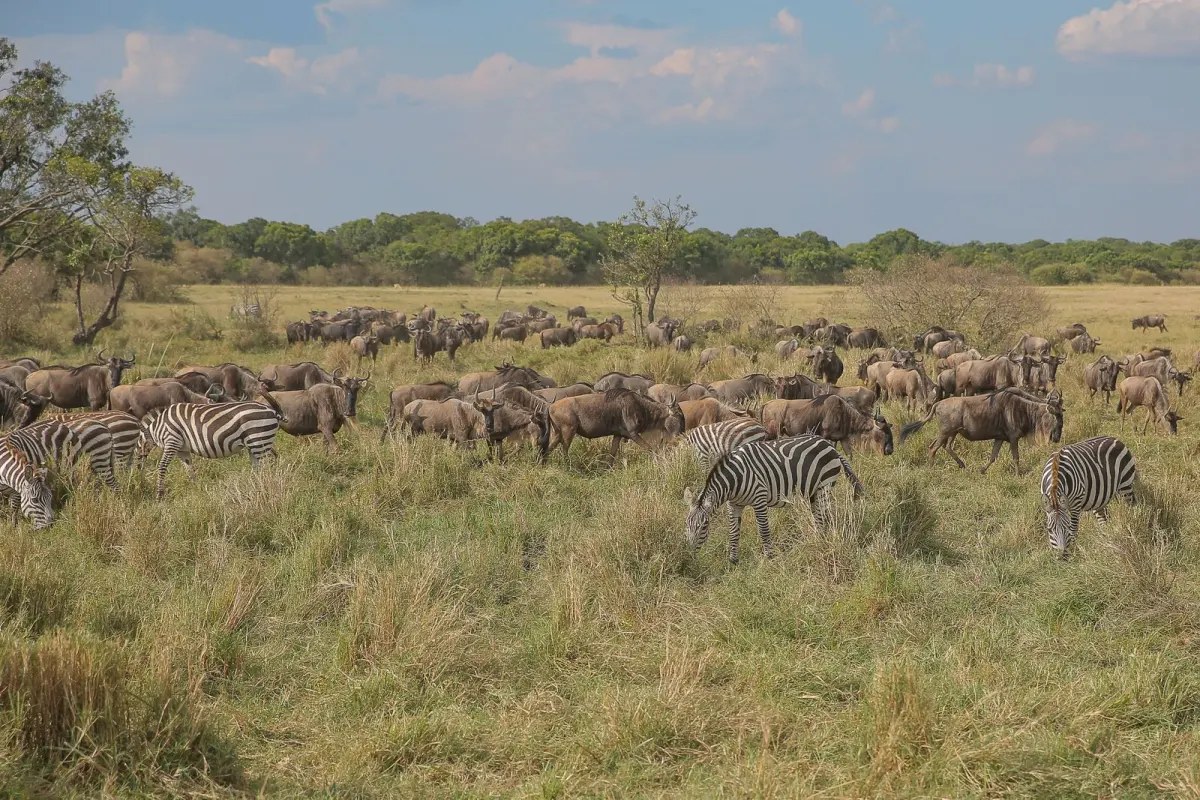
14-Day Tanzania Grand Safari
A grand two-week safari through Tanzania’s north — including Lake Natron, two sectors of the Serengeti and the incomparable Ngorongoro Crater.

18-Day Complete Tanzania Experience
The whole country in one journey — the northern circuit, the untamed southern parks and a relaxed Zanzibar finale across eighteen rich days.
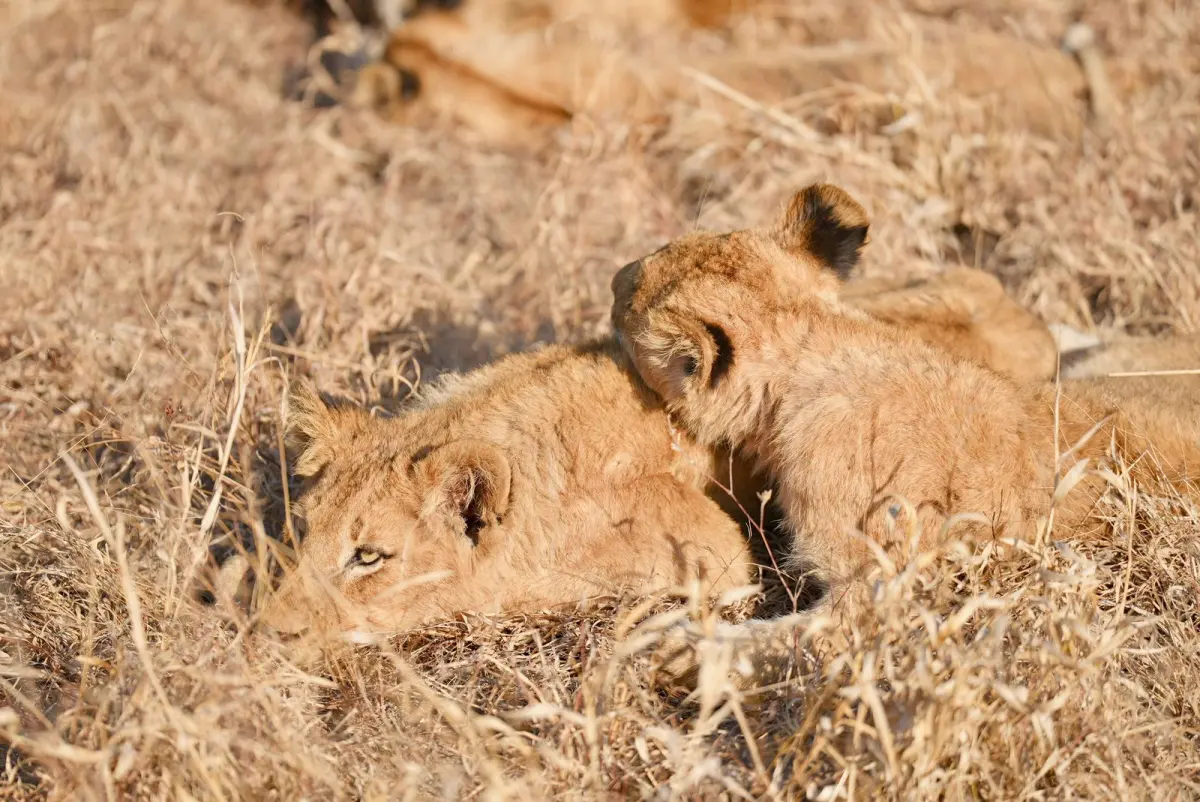
21-Day Ultimate Tanzania Expedition
Three full weeks of Tanzania at its most complete — the north, the wild south and the island, with nothing important left out.
15-Day Tanzania Explorer Safari
Fifteen relaxed days exploring Tanzania’s north to the fullest — six parks, two Serengeti sectors, Lake Natron, the Ngorongoro Crater and rich cultural encounters.
Frequently asked questions
What makes the Southern Circuit different from the north?
The Southern Circuit is far less visited than the north, with vast wilderness areas and a much slower pace. On a typical day you’ll see just a handful of other vehicles, and it’s common to have a lion pride, an elephant herd or a pack of wild dogs entirely to yourself. Distances between sightings are longer, so the experience feels less like ticking off boxes and more like genuine exploration. Because the parks are so large and lightly trafficked, your guide can follow fresh tracks and change plans on a whim. For travellers who have already done the classic northern parks, or who simply value space and solitude over convenience, the south offers a wilder, more immersive side of Tanzania.
Which parks are included in the Southern Circuit?
The two anchors of the Southern Circuit are Ruaha National Park — Tanzania’s largest — and Nyerere National Park, which was formerly the Selous Game Reserve and remains one of Africa’s biggest protected areas. A classic southern itinerary pairs the two, usually flying between them. Depending on your interests and time, we can also add Mikumi, Udzungwa Mountains or Kitulo, which lie closer to Dar es Salaam. Many travellers extend the route west to Katavi or Mahale in the Western Circuit, or link back to the north by light aircraft, turning the trip into a grand cross-country expedition. We’ll tailor the mix of parks to your dates, your budget and the wildlife you most want to see.
When is the best time to visit the Southern Circuit?
June to October is the dry season and generally the best time for game viewing. With little rain and thinning vegetation, animals gather along the Great Ruaha and Rufiji rivers and around remaining waterholes, making them easier to find. This is also peak season for predators and for the boat safaris in Nyerere. The green season, from November to May, is lush, bird-rich and wonderfully quiet, with superb light for photography and lower rates, though some tracks can turn muddy and a few camps close during the long rains. The short dry spell in January and February is a pleasant compromise. We’ll advise on timing based on the parks and wildlife you care most about.
Are boat safaris and walking safaris available?
Yes, and they are one of the great pleasures of the south. Nyerere is one of the few Tanzanian parks where boat safaris run regularly, gliding along the Rufiji River past hippos, crocodiles, elephants at the water’s edge and a dazzling array of waterbirds. Walking safaris, led by an armed guide and often a trained tracker, bring you down to ground level for tracks, plants and the smaller details most people miss from a vehicle. We usually combine both with conventional game drives, so you experience the bush in three different ways. For many returning visitors, the walking and waterborne days end up being the standout memories of the whole trip.
How do I get between parks in the south?
Because the distances are considerable, most southern itineraries combine road transfers with scheduled or private light-aircraft flights. Flying is often the smarter choice: it saves a full day of driving between Ruaha and Nyerere, and the low-level views over plains, rivers and escarpments are an experience in themselves. The main gateway is Dar es Salaam, with departures also possible from Arusha, Zanzibar and Kilimanjaro, depending on the season. Road transfers still make sense for the final stretch into camp and for nearby parks such as Mikumi. We’ll weigh up time, comfort and your budget, then recommend the most practical routing — and book the internal flights alongside your safari so everything connects smoothly.
Is the Southern Circuit suitable for first-time visitors?
It can work well, but the Northern Circuit is usually the easier introduction to Tanzania. The north has shorter driving distances, a wider choice of lodges and camps across every budget, and the famous wildlife concentrations many first-timers hope to see. The south rewards a little more time and patience — sightings are less guaranteed and the parks are further apart. That said, if your heart is set on wilderness, uncrowded plains and a slower rhythm, a southern safari can be a wonderful first trip, especially as part of a longer itinerary that also touches the north. If you’re unsure, tell us what you most want from the safari and we’ll steer you honestly.
How long should I spend?
We suggest a minimum of eight to ten days to cover Ruaha and Nyerere properly, once you factor in travel to and from Dar es Salaam and the flight between the parks. Many of our southern itineraries run twelve to eighteen days, which lets you slow down, add a second camp in each park and include walking or boat expeditions without feeling rushed. Extra days almost always pay off in the south: you can stay out for a full day tracking predators, revisit a favourite waterhole, or simply enjoy camp without watching the clock. If your time is limited, we’d rather do two parks well than squeeze in four. Tell us how long you have and we’ll build the most rewarding route around it.
Can I combine the south with other regions?
Yes, and the combinations are some of our favourite trips. The most natural pairing is the Southern Circuit with the Western Circuit, adding Katavi for its staggering hippo concentrations or Mahale for chimpanzee trekking on Lake Tanganyika — a wonderfully wild, adventurous sequence. We also link the south to the north by light aircraft, so you can pair Ruaha and Nyerere with the Serengeti, Ngorongoro and Tarangire in a single grand expedition over two to three weeks. Another popular option is to finish on the coast, adding Zanzibar or Mafia Island for some barefoot rest after the bush. We handle all the internal flights, transfers and timings so the whole journey flows seamlessly from start to finish.
Related safaris & guides
Ready to start planning?
Tell us your dates, group size and travel style. We will design a private Tanzania safari around you and send a full quote — free, with no obligation.