
Discover Kitulo National Park
Kitulo National Park is Tanzania’s only national park dedicated primarily to flora. Nestled in the Southern Highlands between Mbeya and Njombe, this high-altitude plateau is famed for its breathtaking displays of wildflowers, earning it the nickname “the Serengeti of Flowers”.
Established in 2005, Kitulo protects over 400 species of vascular plants, including more than 30 species of orchids found nowhere else in the world. Between December and April, the montane grasslands burst into a riot of colour, attracting botanists and nature lovers from across the globe.
While not a big game park, Kitulo is home to unique wildlife, including the endangered blue swallow, Denham’s bustard, chameleons and small mammals. Its cool climate, rolling hills and sweeping views make it perfect for walking, hiking and photography.
Often combined with the Udzungwa Mountains or a Southern Highlands tour, Kitulo offers a refreshing contrast to Tanzania’s classic savannah safaris. Our Moshi-based team can include it in your Southern Circuit itinerary.
Why visit Kitulo National Park
-
Wildflower displays
Stunning carpets of flowers, peaking between December and April each year.
-
Orchid diversity
Over 30 endemic orchid species thrive in Kitulo’s unique grasslands.
-
Walking & hiking
Explore the plateau on foot, the best way to appreciate its flora.
-
Unique birdlife
Home to rare species like the blue swallow and Denham’s bustard.
-
Montane scenery
Rolling hills, volcanic outcrops and sweeping views across the highlands.
-
Botanical paradise
A haven for botanists, photographers and nature enthusiasts.

Landscape & geography
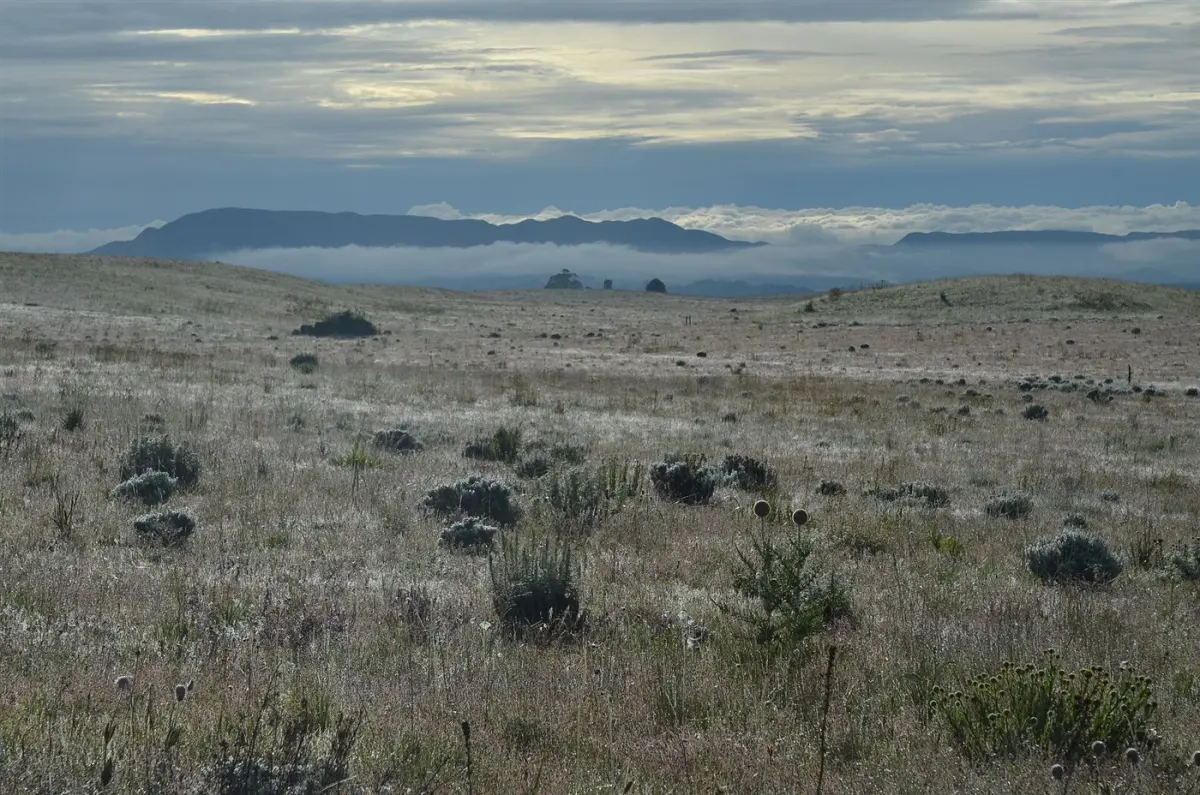
Kitulo National Park sits at an altitude of 2,600–2,900 m above sea level on the Kitulo Plateau in Tanzania’s Southern Highlands. This high-altitude grassland is part of the Eastern Arc and Southern Rift ecosystem.
The plateau is characterised by rolling hills, volcanic plugs, bogs and montane grasslands. The soils are rich in volcanic ash, creating ideal conditions for the park’s extraordinary floral diversity.
From the plateau, you can enjoy sweeping views towards Lake Malawi and the surrounding mountains. The cool, misty climate is a welcome change from Tanzania’s lowland heat.
The Serengeti of Flowers
Kitulo is one of the most important floral sites in East Africa. Over 400 species of vascular plants have been recorded, with more than 30 orchid species endemic to the plateau, including the spectacular Disa orchids.
The wildflower season peaks between December and April, when the grasslands transform into a kaleidoscope of colours — yellow, pink, purple, blue and white blooms stretch as far as the eye can see.
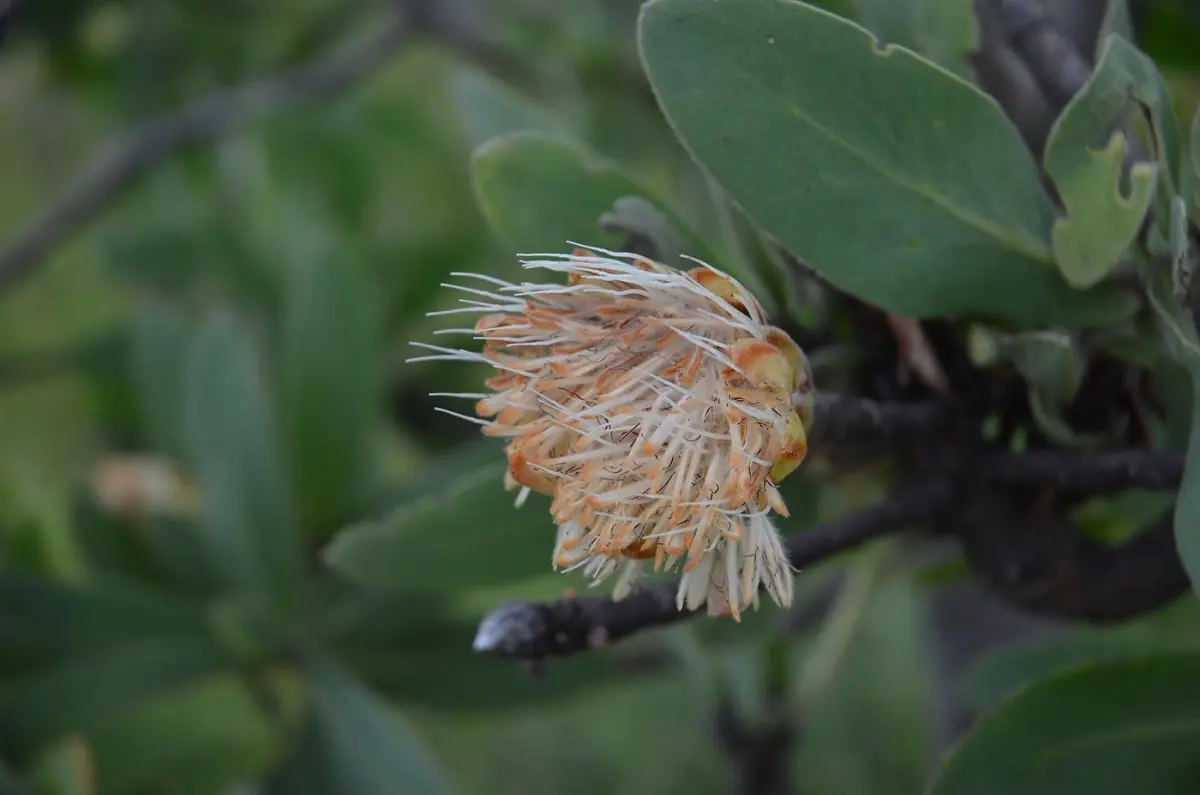
Beyond orchids, you’ll find aloes, proteas, lilies, geraniums and a host of other flowering plants. This botanical richness is unparalleled in Tanzania and draws visitors from around the world.

Wildlife of Kitulo
While Kitulo isn’t renowned for large mammals, it supports a range of unique and interesting species. The park is an important refuge for birds, with over 300 species recorded, including the endangered blue swallow and Denham’s bustard.
Reptiles are well represented, with several chameleon species, lizards and snakes adapted to the montane environment. Small mammals include rodents, shrews, hares and the occasional serval or reedbuck on the edges.
The true stars here are the flowers and birds, making Kitulo a paradise for slow-paced exploration on foot rather than traditional game drives.
Things to do
The best way to experience Kitulo is on foot. Guided flower walks take you across the plateau, helping you identify orchids, other blooms and the park’s unique birdlife. Knowledgeable guides share insights into the ecology and conservation of this special place.
Birdwatching is rewarding year-round, with peak activity during the breeding season. Hiking trails offer panoramic views over the Southern Highlands and towards Lake Malawi on clear days.
Photography is exceptional during the wildflower season, when the golden light bathes the colourful meadows. For those seeking tranquillity and natural beauty, Kitulo is truly unforgettable.

What you might see
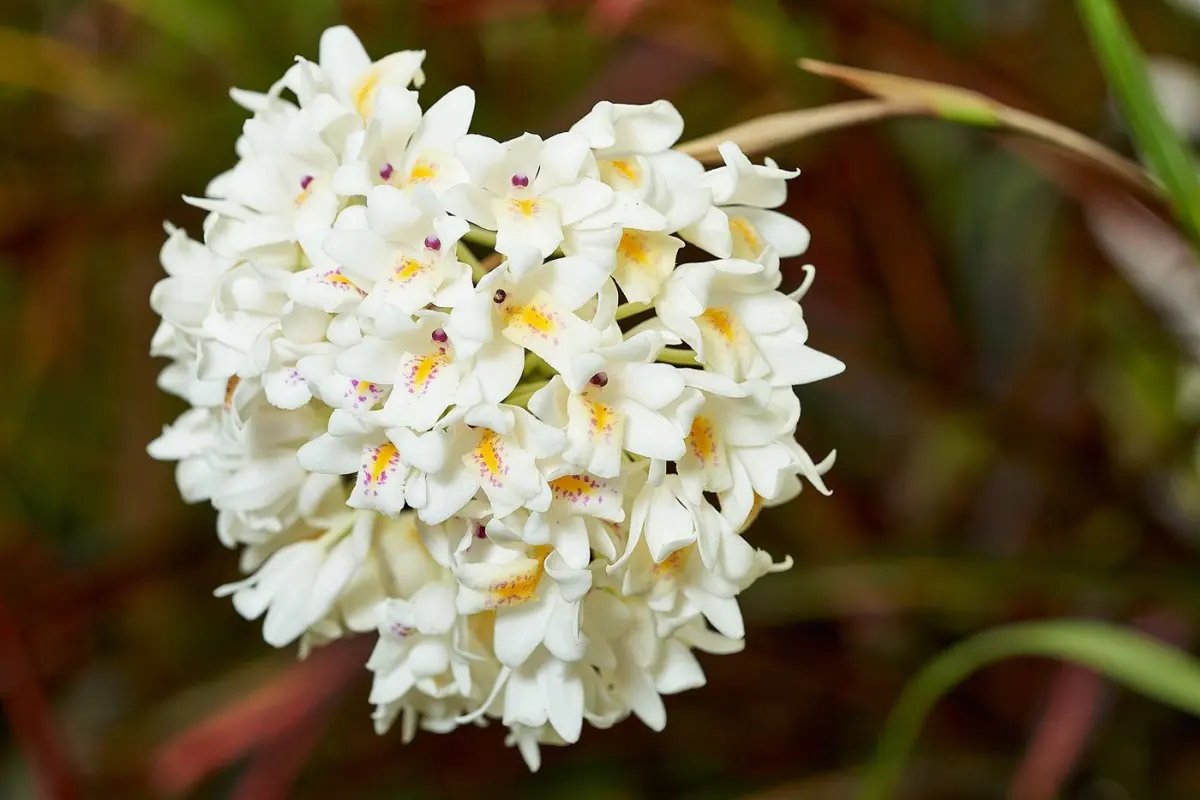
Orchids
Over 30 endemic species, including stunning Disa orchids in peak bloom.
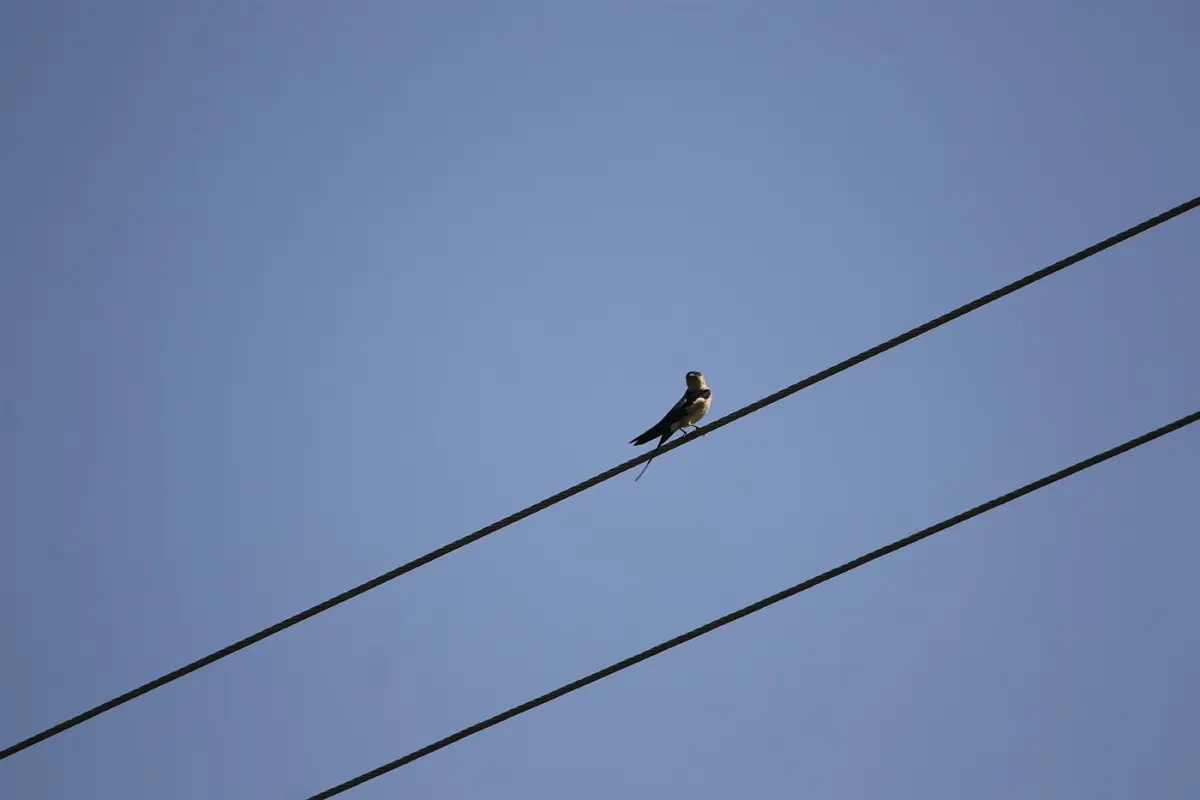
Blue swallow
An endangered species that finds refuge in Kitulo’s grasslands.

Denham’s bustard
A rare bustard species often seen striding across the plateau.
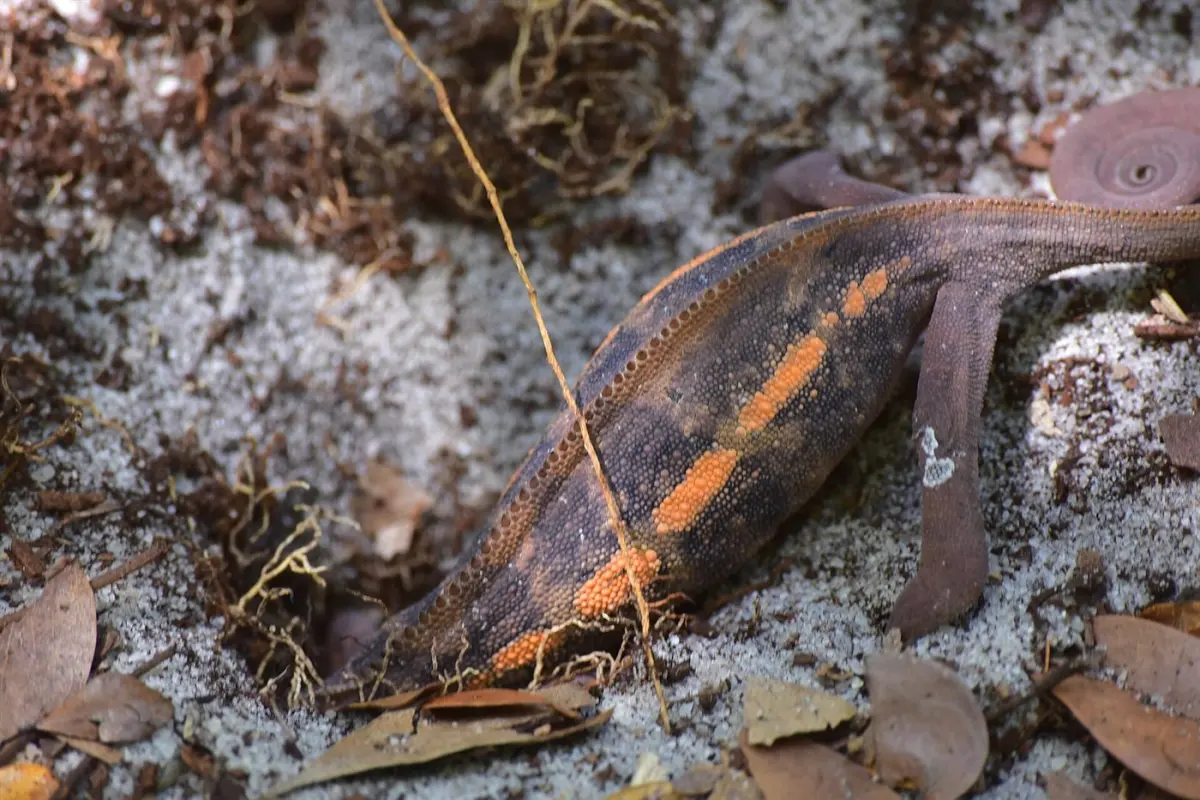
Chameleons
Several montane species, well camouflaged among the vegetation.

Reedbuck
Occasionally seen grazing on the edges of the grassland.
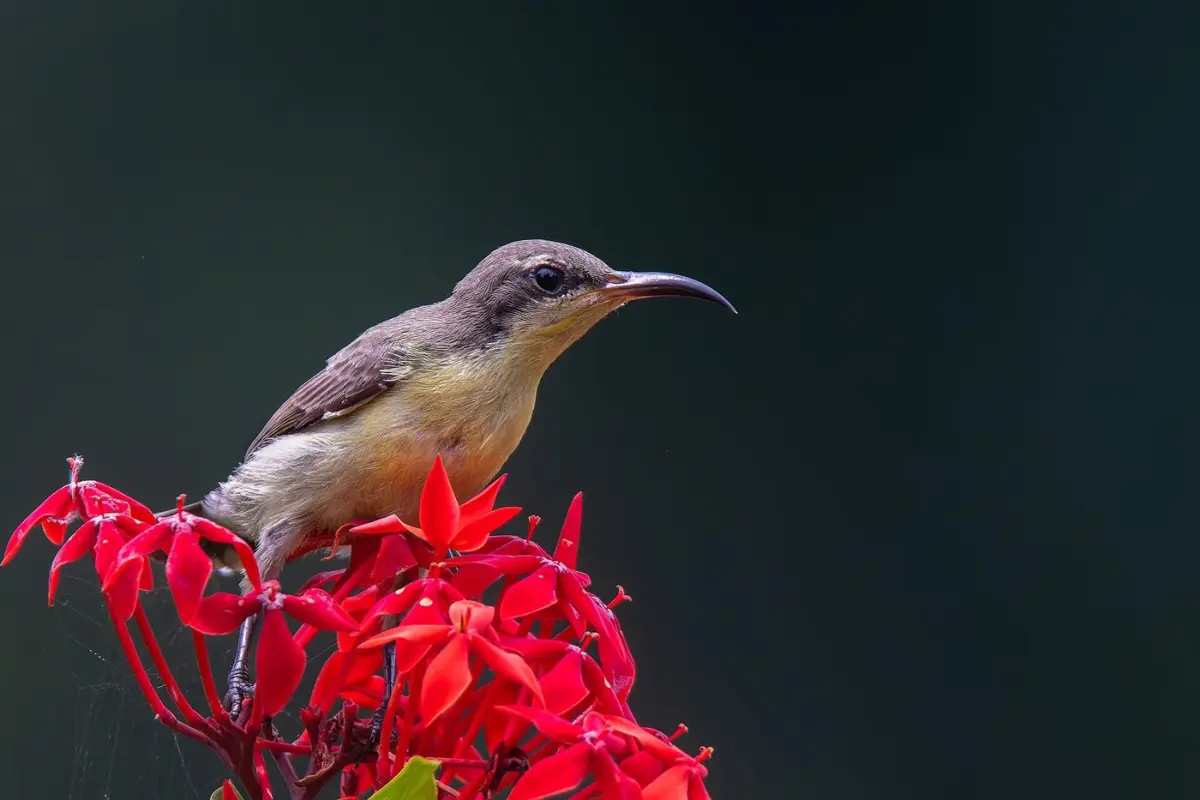
Sunbirds
Colourful nectar-feeders attracted to the abundant blooms.

Lizards
Diverse reptile life adapted to the high-altitude environment.

Butterflies
Numerous species adding to the park’s colourful spectacle.
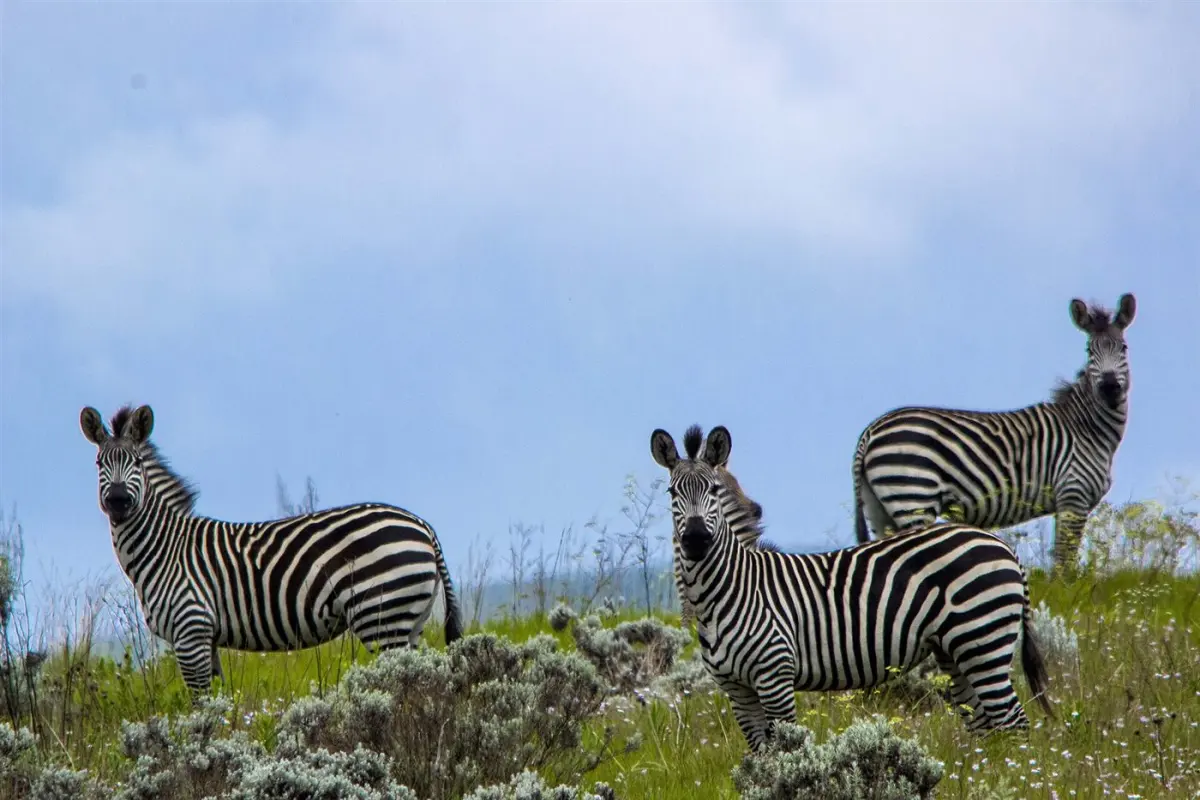
Kitulo National Park in pictures



Best time to visit
The best time to visit Kitulo is during the wildflower season, when the plateau is at its most spectacular.
| Season | Weather | Crowds | Wildlife |
|---|---|---|---|
| Nov–Dec | Short rains start | Moderate | Flowers begin to bloom |
| Jan–Apr | Wet season | Peak | Peak wildflower displays, orchids in bloom |
| May–Oct | Dry season | Low | Greener but fewer flowers, good for hiking and views |
Things to do
Flower walks
Guided walks to discover orchids and the plateau’s unique flora.
Hiking
Explore trails across the plateau with panoramic highland views.
Birdwatching
Spot blue swallows, bustards and other rare montane birds.
Photography
Exceptional photo opportunities during peak bloom season.
Botanical tours
Perfect for botanists keen to explore this unique ecosystem.
Scenic drives
Enjoy breathtaking views of the Southern Highlands.
Where to stay
Highland lodges
Comfortable lodges with stunning views over the plateau. <!-- TODO: lodge names -->
Guesthouses
Cosy options in nearby towns with easy access to the park. <!-- TODO: lodge names -->
Campsites
Basic campsites for nature lovers on a budget. <!-- TODO: lodge names -->
Getting there & around
Kitulo National Park is located in the Southern Highlands, around 100 km from Mbeya and 80 km from Njombe. The drive from Mbeya takes about 2–3 hours on a scenic mountain road.
It can be combined with the Udzungwa Mountains, Ruaha or a broader Southern Highlands tour. Our team can arrange transfers and tailor your itinerary to coincide with peak wildflower season.
- By road from Mbeya 2–3 hrs
- By road from Njombe 2–3 hrs
- Best explored 1–2 days minimum
- Best time December–April
Frequently asked questions
When is the best time to see flowers in Kitulo?
Peak wildflower season is from December to April, when orchids and other blooms carpet the plateau.
Is Kitulo a big game park?
No, Kitulo is primarily a botanical park. Wildlife is mostly birds, reptiles and small mammals rather than large game.
What makes Kitulo special?
Its extraordinary floral diversity — over 400 plant species, including 30+ endemic orchids — earns it the nickname “Serengeti of Flowers”.
Can I hike in Kitulo?
Yes, walking and hiking are the best ways to explore the plateau. Guided walks are recommended.
How do I get to Kitulo?
By road from Mbeya or Njombe. It’s best accessed as part of a Southern Highlands itinerary.
What should I pack for Kitulo?
Warm layers, waterproof jacket, comfortable walking shoes and a camera — it can be cold and misty at this altitude.
Nearby destinations


Ready to plan your Kitulo National Park trip?
Tell us your dates and travel style. Our local team in Moshi will build a tailor-made itinerary around Kitulo National Park — free, with no obligation.