
The Western Circuit is Tanzania’s least-visited and most adventurous safari region. Set around the western shores of Lake Tanganyika, it offers a rare combination of classic wildlife viewing and extraordinary primate encounters in landscapes few travellers ever reach.
Mahale Mountains National Park is famous for its habituated chimpanzee troops. Trekking through the forested slopes to spend time with these remarkable primates is an experience that stays with you for life. The park also offers lakefront relaxation, fishing and short walks between treks.
Gombe Stream National Park is where Jane Goodall began her pioneering chimpanzee research. Smaller and more accessible in parts, Gombe delivers intimate encounters in a steep, forested setting overlooking Lake Tanganyika’s clear waters.
Katavi National Park is the wilder, drier counterpoint. During the dry season, huge herds of buffalo, elephants and hippos crowd the shrinking floodplains, while predators take advantage of the concentrations. It’s raw, remote and often feels untouched.
Reaching the Western Circuit almost always means flying in by light aircraft, which only adds to the sense of adventure. Accommodation is limited and carefully selected, so trips here are best planned well in advance. For seasoned safari-goers, this circuit offers the kind of solitude and authenticity that’s increasingly hard to find elsewhere.
What makes this safari special
-
Chimpanzee trekking
Spend time with habituated chimpanzees in Mahale and Gombe, led by expert trackers.
-
Lake Tanganyika shores
Crystal-clear waters, sandy beaches and a welcome swim after a day in the forest.
-
Katavi’s floodplains
Dramatic wildlife concentrations in the dry season, with hippo pods in shrinking pools.
-
Big game in the wild
Katavi supports large herds of buffalo, elephant, zebra and strong predator numbers.
-
Birding & butterflies
Rich forest and wetland birdlife, plus an abundance of butterflies.
-
Fly-in adventure
Scenic light aircraft flights over western Tanzania to reach these remote parks.
Long safaris reaching the wild west
The western parks are remote and booked on request; these expeditions show how we approach them.
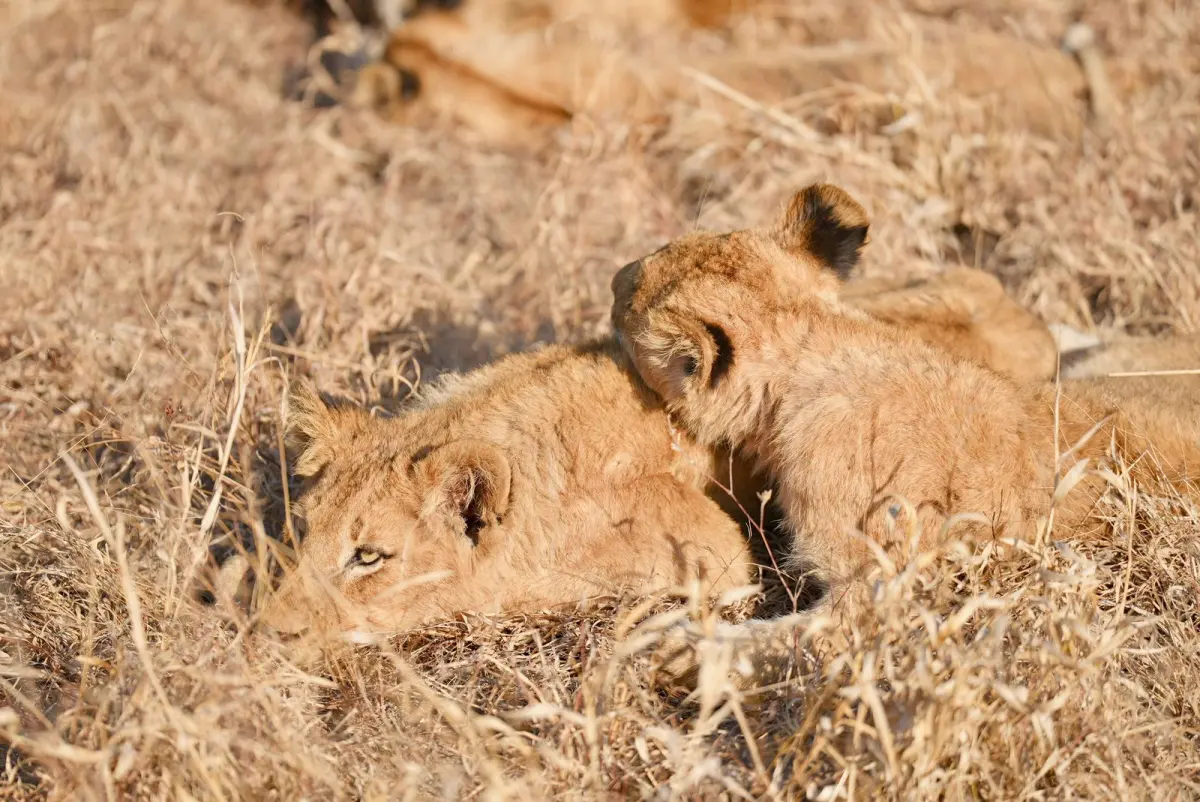
21-Day Ultimate Tanzania Expedition
Three full weeks of Tanzania at its most complete — the north, the wild south and the island, with nothing important left out.

18-Day Complete Tanzania Experience
The whole country in one journey — the northern circuit, the untamed southern parks and a relaxed Zanzibar finale across eighteen rich days.
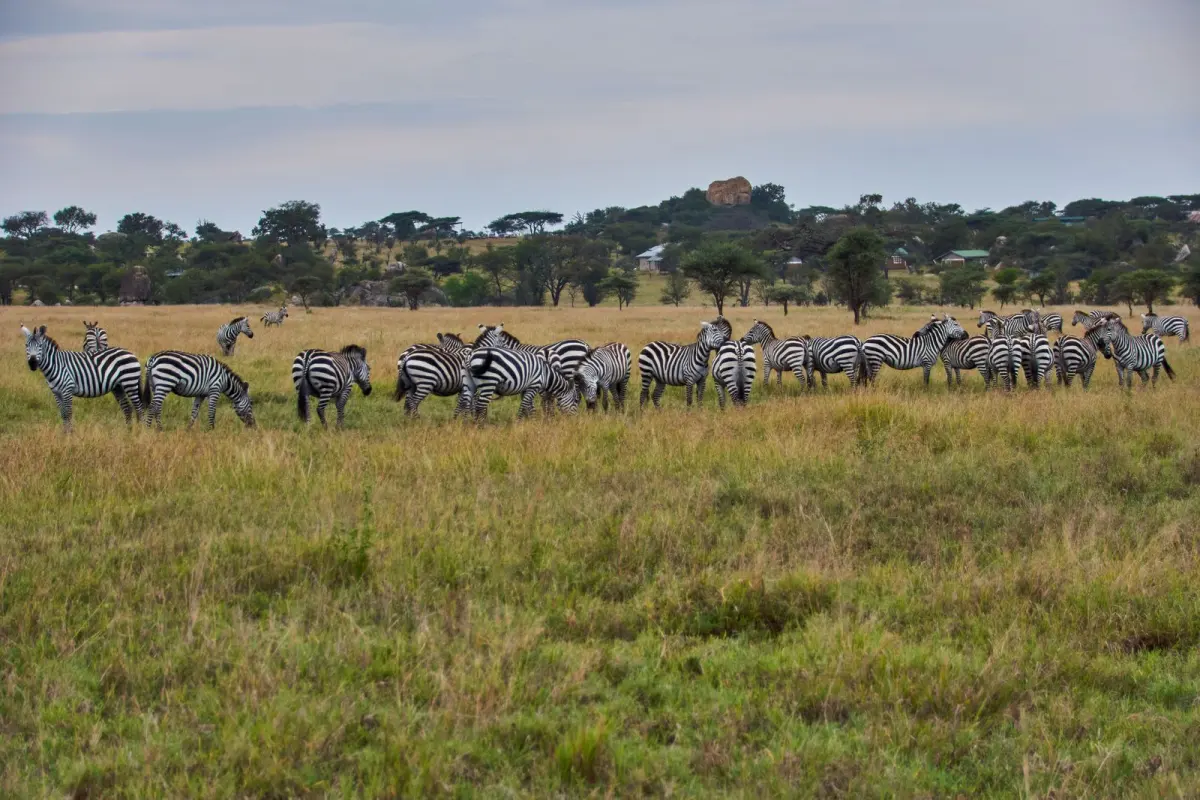
16-Day Tanzania Zanzibar Adventure
A thorough northern safari with walking, canoeing and cultural extras, followed by an active six-night adventure on Zanzibar.
Frequently asked questions
Where is the Western Circuit?
The Western Circuit lies in western Tanzania, strung along the shores of Lake Tanganyika, the longest and second-deepest freshwater lake in the world. The key parks are Mahale Mountains National Park, Gombe Stream National Park and Katavi National Park, with the town of Kigoma serving as the main gateway. Access is mainly by light aircraft from Arusha or Dar es Salaam, with flights often routing via Kigoma, and the scenery en route over forested hills and the great lake is a highlight in itself. Road access exists but is slow and seasonal. Because the region is so remote, flights and accommodation must be booked well in advance for the June to October dry season.
What is the main draw of the Western Circuit?
Chimpanzee trekking in Mahale and Gombe is the headline attraction, offering the rare chance to sit among habituated wild chimpanzees in their forest home. Combined with Katavi’s raw big-game viewing — great herds of buffalo and elephant packed onto shrinking floodplains — and the tranquillity of Lake Tanganyika, it makes for a safari quite unlike the northern circuit. Here you trade crowds and endless vehicles for solitude, extraordinary primates, superb birding and a genuine sense of wilderness. The fishing villages, forests and sunsets over the lake add a cultural and scenic dimension. For seasoned safari-goers looking for something deeper and less travelled, this circuit is hard to beat.
When is the best time to visit?
June to October is generally best across the Western Circuit. For Katavi, this is the peak dry season, when the floodplains shrink and wildlife concentrates in dramatic numbers around the remaining water and grass. For chimpanzee trekking in Mahale and Gombe, conditions are also most comfortable at this time, with drier trails and clearer forest. The wetter months from November to May bring lush scenery, good birding and lower rates, but trails become slippery and some camps close. If chimpanzees are your priority, the shoulder months of late May and early November can work well too. Whenever you travel, expect some humidity in the forest and pack accordingly.
How difficult is chimpanzee trekking?
Treks can be moderately strenuous, with steep, slippery sections and humid conditions in the forest, so a reasonable level of fitness helps. The duration varies depending on where the chimpanzees are that day — anything from thirty minutes to a few hours each way — and the pace is always adjusted to the slowest member of the group. Guides and trackers set off ahead to locate the troop, so you are not usually searching blindly. A good pair of broken-in walking shoes with grip is essential, along with long trousers, a light long-sleeve shirt and plenty of water. Walking poles can be provided on request. Trekking is limited to small groups and short visits to protect the chimps.
How do I get to the Western Circuit?
Most travellers fly in, and that is very much part of the adventure. Scheduled and charter flights connect Arusha, Kigoma, Mahale, Gombe and Katavi, often in a small Cessna or Caravan that offers spectacular views over forested hills and the great sweep of Lake Tanganyika. Luggage is strictly limited on these aircraft — usually 15 kg per person in a soft bag — so plan to travel light. Some guests combine a flight with a boat transfer along the lake between Mahale and Gombe. You can also reach Kigoma by a long, slow train or overland road, but flying is by far the most comfortable and reliable option. We handle all the connections for you.
What kind of accommodation is there?
Options are limited to a handful of small, remote camps and lodges, which is part of the circuit’s charm. They are typically comfortable and stylish, often with lake views or tucked into forest, and range from classic tented camps to simple bandas. Do not expect the same range, choice or facilities as the Northern Circuit — this is a place of few beds and genuine exclusivity. Quality is generally high, with a strong focus on guiding, food and personalised service, and some camps are powered by solar with limited electricity. Because capacity is so small, the best properties fill months ahead in the dry season, so book early. We will match the style of camp to your expectations.
How long should I stay?
To see Mahale, Gombe and Katavi properly, allow at least twelve to fourteen days, because the distances are great and flights between parks are infrequent. Many trips run sixteen to twenty-one days, often combined with the south or north to make the most of the long journeys and internal flights. A good rhythm is three to four nights in Mahale for chimpanzees and lake time, two to three nights in Gombe, and three to four nights in Katavi for big game, with travel days in between. Rushing the circuit means spending too much time in transit. Give it the time it deserves and the rewards are extraordinary: unhurried, uncrowded and deeply memorable.
Is it worth combining with Zanzibar?
Yes. After the remoteness and early starts of the west, a few days relaxing on Zanzibar is a wonderful way to round off the trip, swapping forest trails and light aircraft for white-sand beaches, spice farms and warm Indian Ocean water. We can arrange flights via Dar es Salaam or other convenient connections, plus transfers and a range of beach hotels to suit your budget. Some guests prefer the quieter beaches of Pemba or the southern coast, which we are happy to arrange. Adding a beach stay also gives you time to decompress before the long flight home. Just build in a buffer day in case of weather delays, as western Tanzania flights can occasionally be affected.
Related safaris & guides

Ready to start planning?
Tell us your dates, group size and travel style. We will design a private Tanzania safari around you and send a full quote — free, with no obligation.