Discover Lake Natron
Lake Natron is one of Tanzania’s most otherworldly destinations — a shallow, alkaline soda lake that lies at the foot of Ol Doinyo Lengai, the world’s only active carbonatite volcano. Its stark, rust-colored shores, cracked salt flats and brilliant reflections create a landscape that feels more like another planet than East Africa.
The lake’s extreme alkalinity comes from sodium carbonate and other minerals washed in from the surrounding Rift Valley. Despite these harsh conditions, it is a vital breeding ground for lesser flamingos, which feed on the cyanobacteria that thrive in the warm, mineral-rich waters. At certain times of year, thousands of flamingos gather here, creating a vivid pink fringe along the shoreline.
Beyond its wildlife, Lake Natron offers adventurous experiences: climb Ol Doinyo Lengai for a dawn summit above the Rift, trek to the scenic Engaruka waterfalls and hidden waterholes, or walk across the lake’s surreal salt pans. The area’s raw, dramatic beauty makes it a perfect addition to a Northern Circuit itinerary.
Topi Adventure can combine Lake Natron with Ngorongoro, Olduvai Gorge and Serengeti stops for an offbeat, rewarding adventure.
Why visit Lake Natron
-
Flamingo spectacle
A globally important breeding site for lesser flamingos, with huge flocks in season.
-
Ol Doinyo Lengai
Climb Tanzania’s “Mountain of God” — the world’s only active carbonatite volcano.
-
Soda lake landscapes
Stunning, Mars-like scenery of salt flats, mud cracks and crimson-hued waters.
-
Waterfall hikes
Trek to Engaruka waterfalls and lush oases in an otherwise arid landscape.
-
Volcanic terrain
Unique geology created by carbonatite lava flows and Rift Valley tectonics.
-
Photographer’s paradise
Dramatic light, reflections and stark contrasts at sunrise and sunset.

Why Lake Natron is so unique
Lake Natron sits in the East African Rift, fed by hot springs rich in sodium carbonate. As water evaporates in the intense heat, it leaves behind a highly alkaline brine with pH levels that can exceed 10.5. This creates the lake’s characteristic pinkish-white crust of trona (sodium sesquicarbonate).
Overlooking the lake is Ol Doinyo Lengai (2,962 m), whose eruptions produce rare, black natrocarbonatite lava that cools to a greyish-white color. This unusual volcanic activity has sculpted the surrounding plains and contributed to the lake’s mineral chemistry.
A haven for lesser flamingos
Lake Natron is the most important regular breeding site for lesser flamingos in East Africa. The lake’s warm, shallow waters support vast blooms of Arthrospira (spirulina), the blue-green algae that forms the flamingos’ staple diet and gives them their pink coloration.
Unlike many other lakes, Natron’s isolation and extreme alkalinity offer some protection from predators like big cats, making it ideal for nesting. Breeding peaks at different times depending on rainfall and water levels, but the lake almost always hosts flocks year-round.
Things to do at Lake Natron
Lake Natron is best suited to active, adventurous travellers. The star climb is Ol Doinyo Lengai, a challenging overnight ascent starting around midnight to reach the summit at sunrise. The views over the Rift Valley, Lake Natron and Gelai Volcano are unforgettable.
Other activities include walking along the lake shore to see flamingos, visiting the Engaruka waterfalls and nearby hot springs, exploring the dramatic gorge systems, and photographing the surreal landscapes. You can also combine your stay with cultural encounters in nearby Maasai communities.
Maasai culture around Natron
The area surrounding Lake Natron is traditionally Maasai land. The name Ol Doinyo Lengai means “Mountain of God” in the Maasai language, and the volcano holds deep spiritual significance for local communities.
Respectful visits to nearby bomas can provide insight into pastoral life, traditional beadwork, livestock herding and local knowledge of the landscape. Many of these experiences are arranged through community partners, ensuring benefits flow directly to families.
Protecting a fragile ecosystem
Lake Natron’s ecosystem is highly sensitive to changes in water flow and climate. Proposed developments and upstream water abstraction have long threatened the lake’s delicate balance, underscoring the need for careful management to protect flamingo breeding grounds.
Sustainable tourism, controlled access and community involvement all play a role in safeguarding this unique landscape for future generations.
What you might see
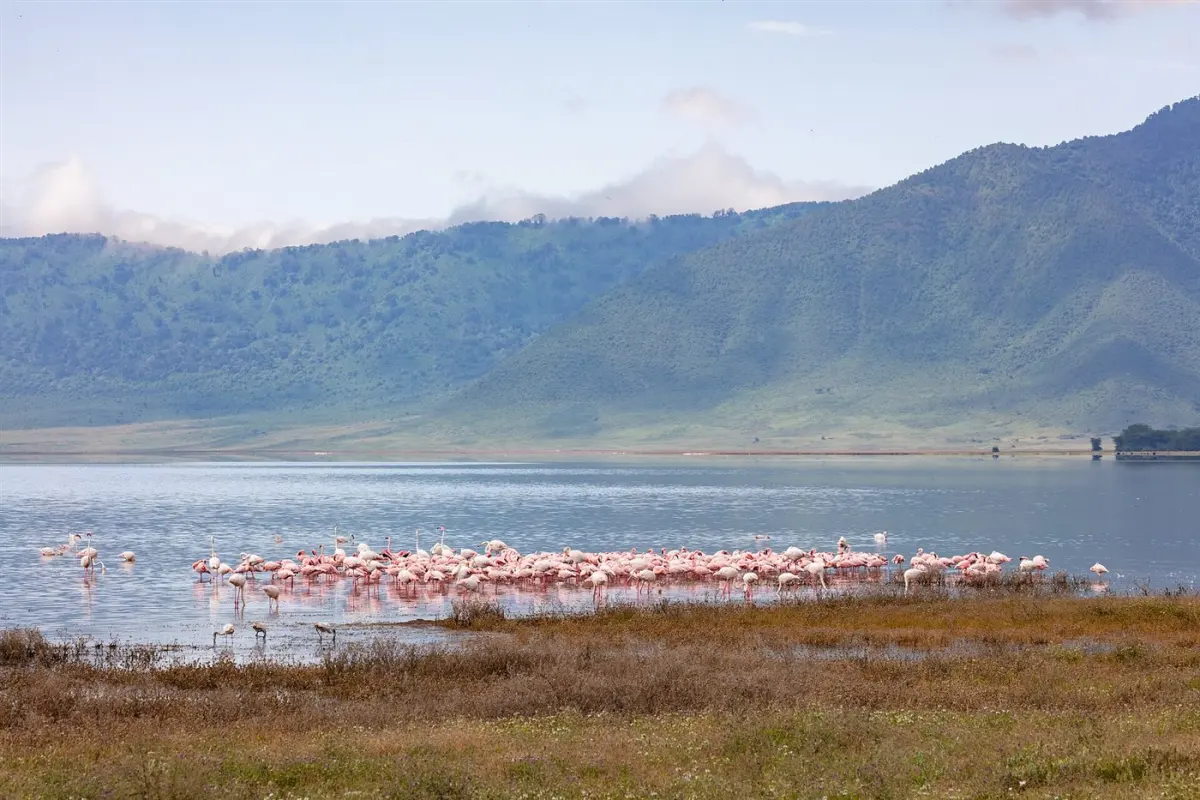
Lesser flamingo
Massive flocks feeding on spirulina in the alkaline shallows.
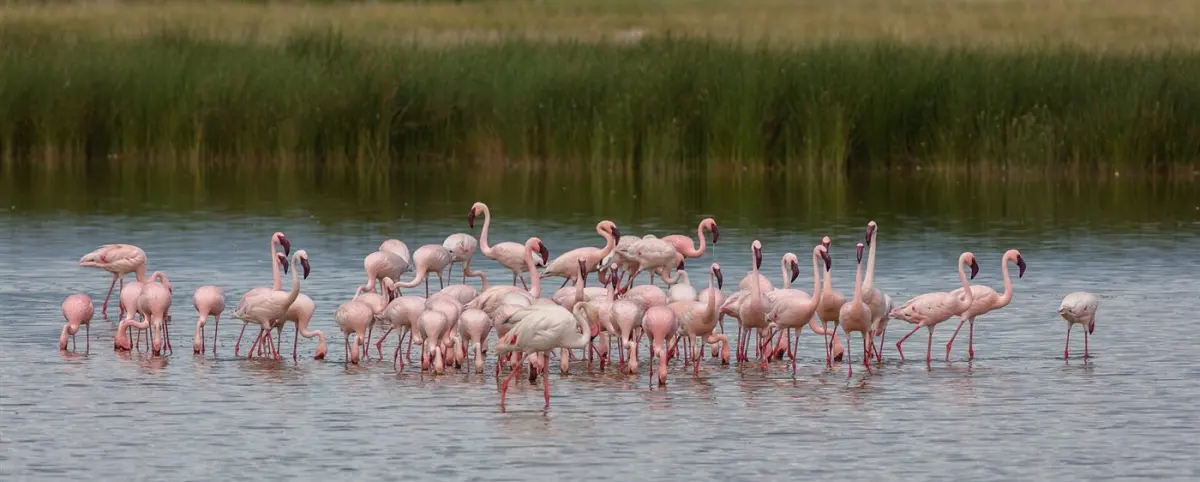
Greater flamingo
Occasionally seen alongside lesser flamingos.
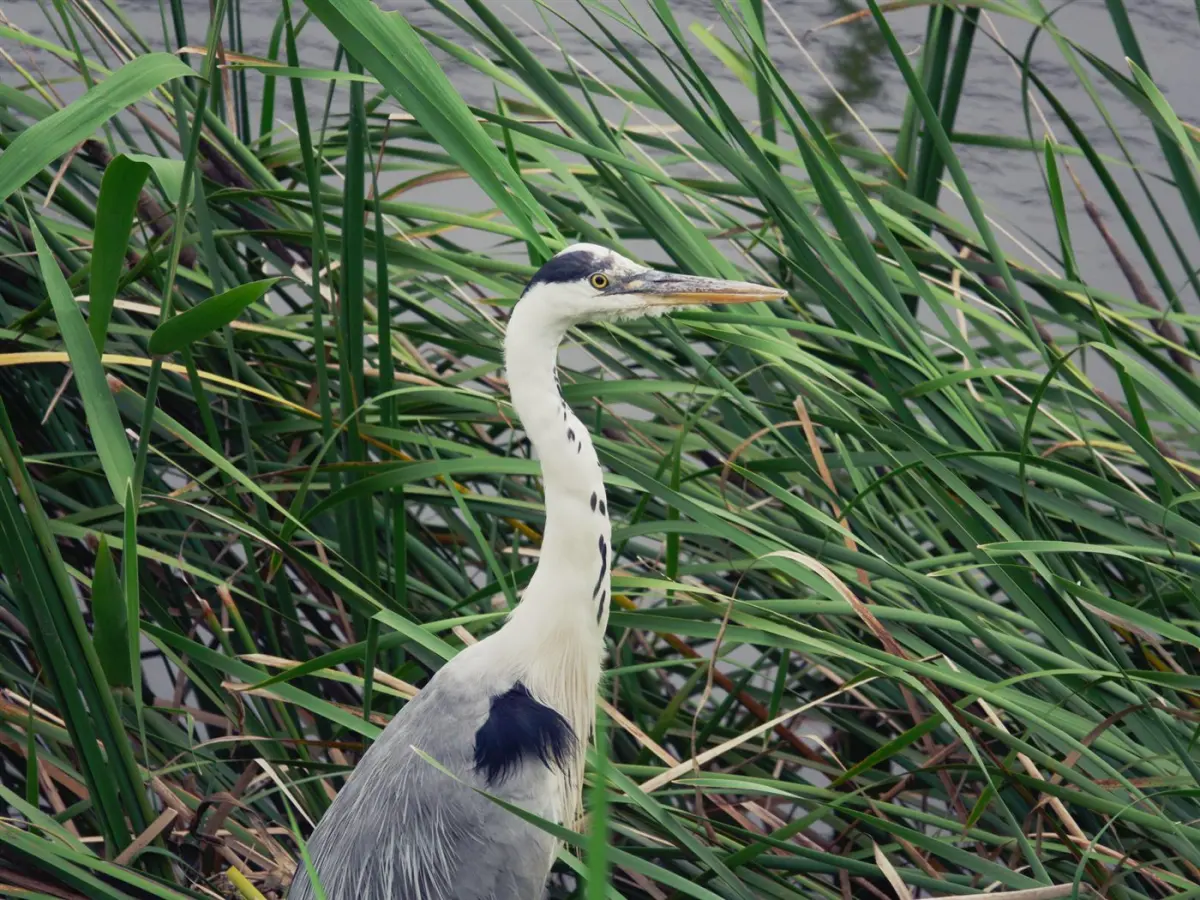
Waterbirds
Avocets, storks, pelicans and raptors frequent the shoreline.
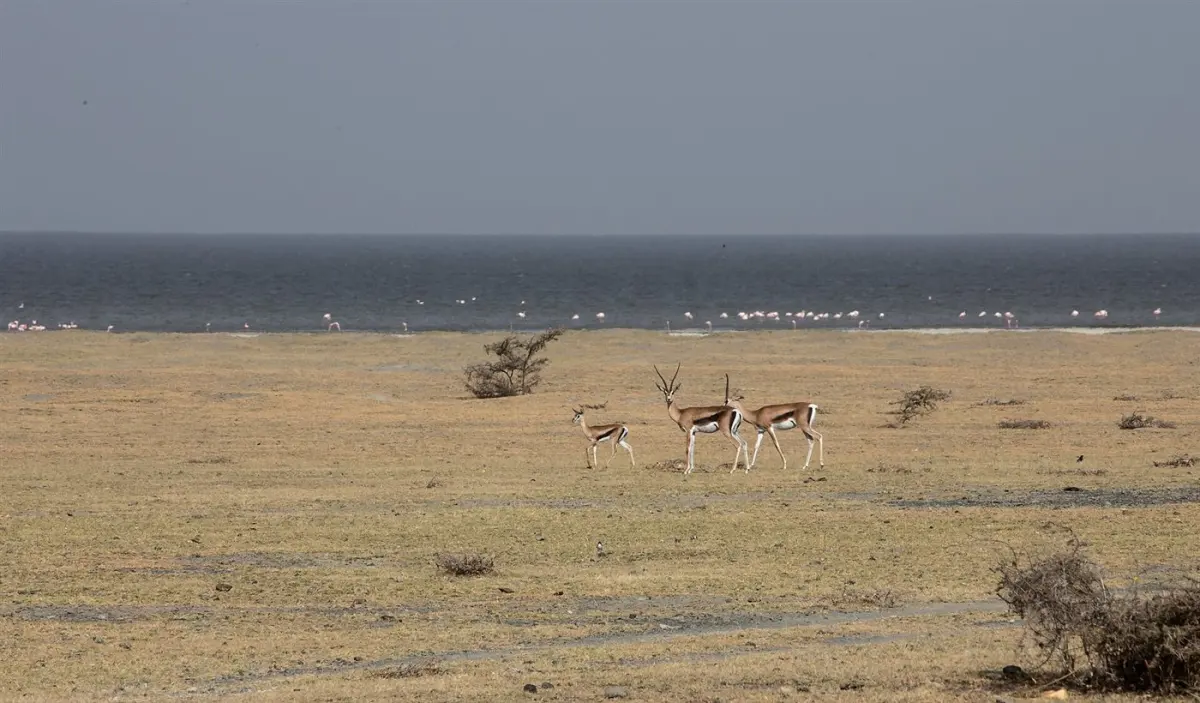
Grant’s gazelle
Adapted to the arid plains around the lake.

Zebra
Small herds move through the surrounding savannah.
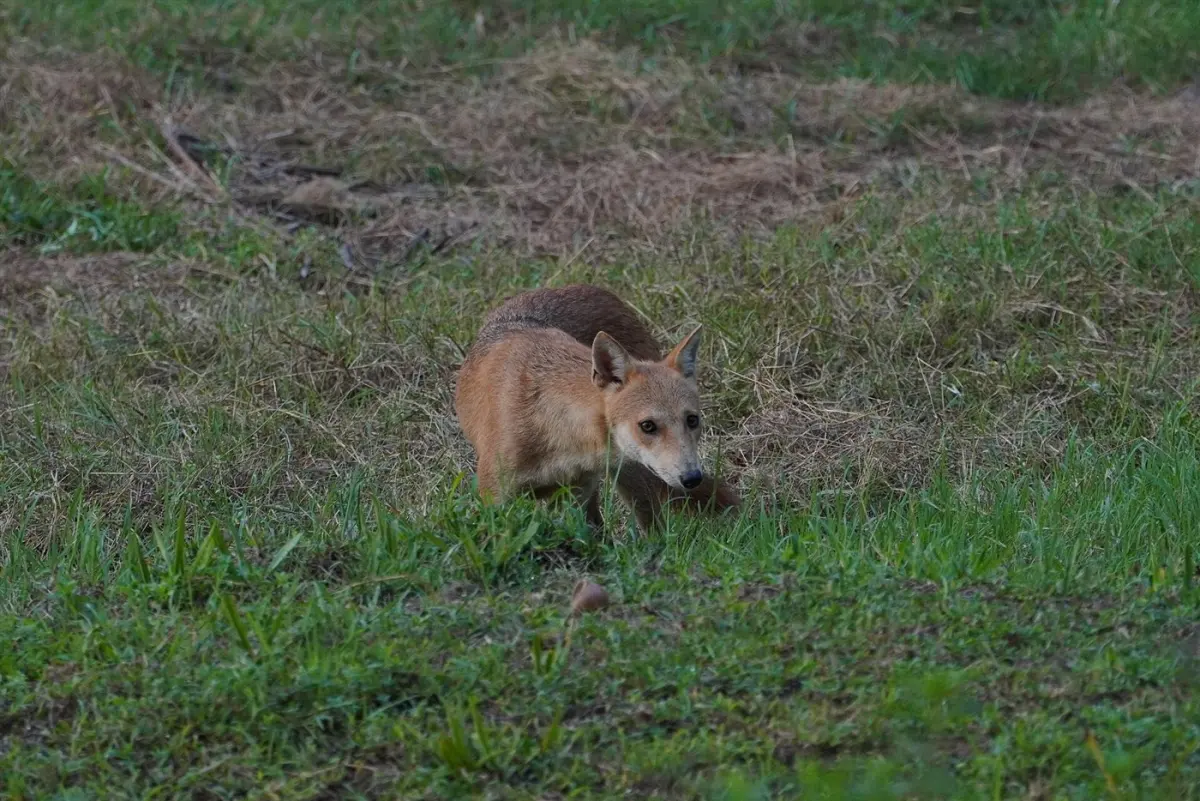
Jackal
Often spotted at dawn and dusk.

Hyena
Occasional visitors to the lake fringes.
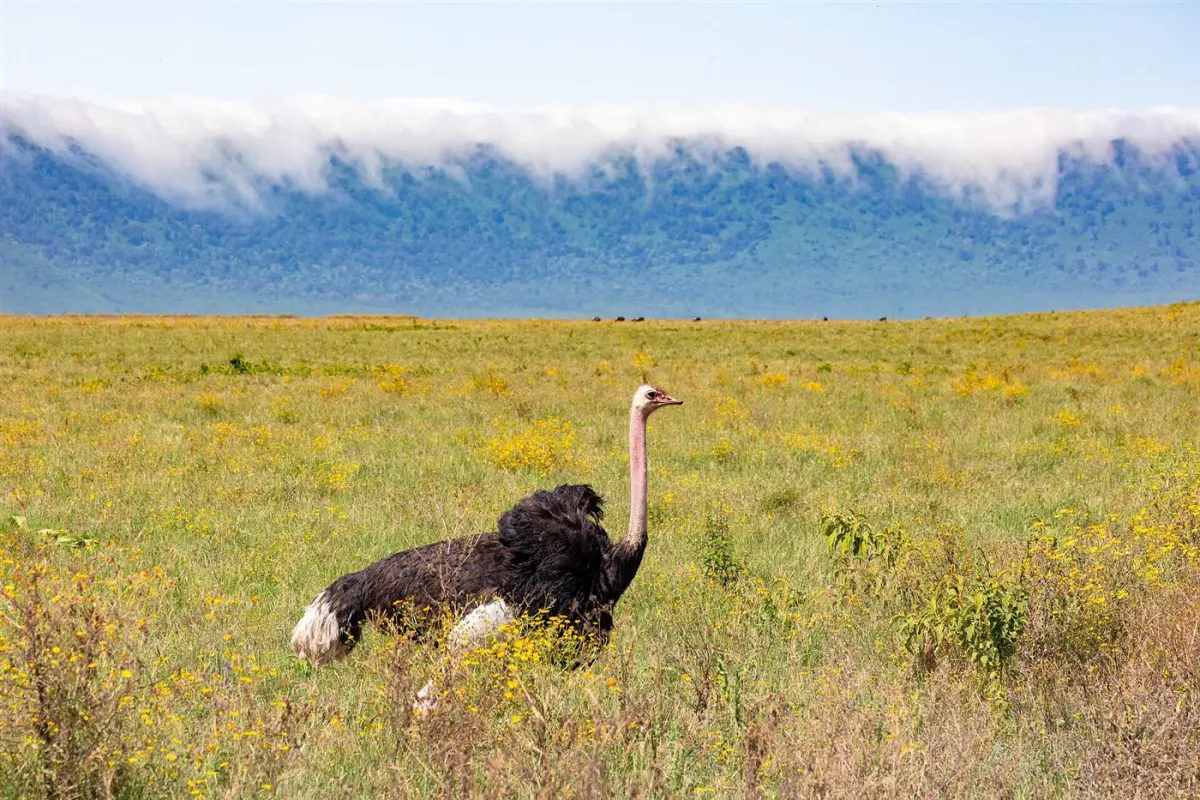
Birdlife
Excellent for birdwatchers, especially in the cooler months.
Lake Natron in pictures


Best time to visit
Lake Natron is best visited in the dry season when roads are more accessible and temperatures are pleasant for hiking.
| Season | Weather | Crowds | What to expect |
|---|---|---|---|
| Jan–Mar | Warm and mostly dry | Moderate | Flamingos present, good for photography |
| Apr–May | Long rains | Low | Some tracks may be muddy; lush scenery |
| Jun–Oct | Cool, dry and clear | High | Best for Ol Doinyo Lengai climb and hiking |
| Nov–Dec | Short rains | Moderate | Green landscapes and fewer visitors |
Things to do
Climb Ol Doinyo Lengai
Challenging midnight ascent to the summit for sunrise views over the Rift.
Flamingo watching
Walk the shoreline to observe large flocks in their natural habitat.
Waterfall hikes
Trek to Engaruka waterfalls and hidden pools in a dramatic gorge.
Photography
Capture surreal landscapes, reflections and vivid mineral colors.
Lake walks
Explore salt flats and mud patterns on foot with a local guide.
Cultural visits
Meet Maasai communities and learn about their traditions.
Where to stay
Luxury lodges & camps
Comfortable, well-located stays near the lake with great views. <!-- TODO: lodge names -->
Tented camps
Cozy, authentic tented camps balancing comfort and adventure. <!-- TODO: lodge names -->
Budget camps
Simple camps ideal for climbers and budget-conscious travellers. <!-- TODO: lodge names -->
Getting there & around
Lake Natron is reached by 4x4 from Arusha, passing through Mto wa Mbu and Engaruka. The drive takes around 6–7 hours depending on road conditions. It’s often combined with Ngorongoro and Olduvai Gorge on a Northern Circuit loop.
Public transport is limited, so a private 4x4 with a driver-guide is recommended. The final approach involves rough, sandy tracks, especially after rain.
- By road from Arusha 6–7 hrs (4x4)
- Best explored 2–3 days
- Ol Doinyo Lengai climb Overnight hike
- Road conditions Rough, best in dry season
Frequently asked questions
When is the best time to visit Lake Natron?
June to October (dry season) is best for hiking, climbing Ol Doinyo Lengai and accessing tracks. Flamingos are present year-round, though numbers vary with water levels.
Can I swim in Lake Natron?
No. The water is extremely alkaline (high pH) and caustic; it can irritate skin. It’s best to admire from the shore and avoid prolonged contact.
How difficult is climbing Ol Doinyo Lengai?
It’s a steep, challenging climb. Most ascents start at midnight and take 6–8 hours round trip with guides. Good fitness and sturdy footwear are essential.
Do I need a guide at Lake Natron?
Yes. A local guide is recommended for lake walks, waterfall hikes and especially for Ol Doinyo Lengai. They know safe routes and local conditions.
Are there facilities at Lake Natron?
Facilities are basic. Lodges and camps offer meals and accommodation, but ATMs, fuel and shops are limited. Bring cash and essentials.
Can I combine Lake Natron with other destinations?
Yes. It pairs well with Ngorongoro Conservation Area, Olduvai Gorge, Serengeti National Park and cultural stops in the Rift Valley.
Nearby destinations


Ready to plan your Lake Natron trip?
Tell us your dates and travel style. Our local team in Moshi will build a tailor-made itinerary around Lake Natron — free, with no obligation.