
Discover Tarangire National Park
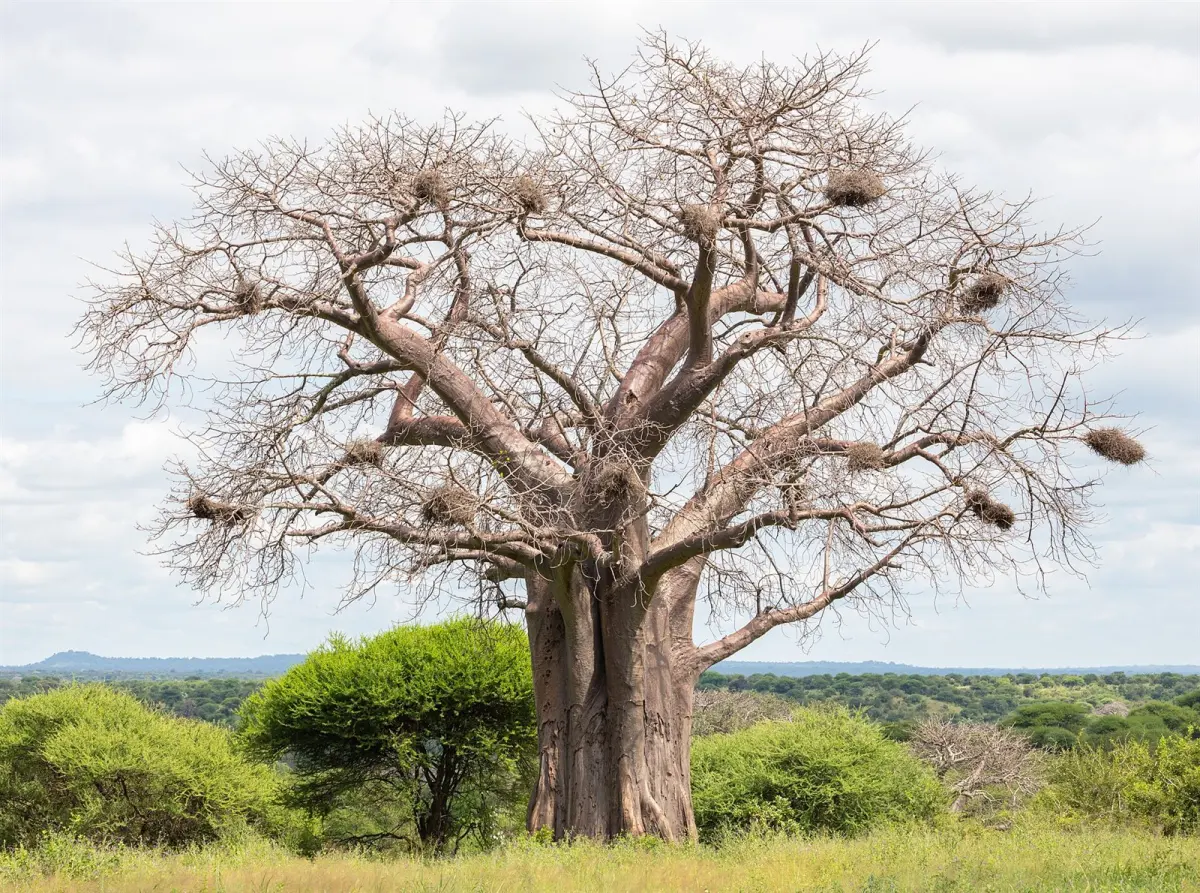
Tarangire National Park is the unsung hero of Tanzania’s Northern Circuit. Stretching across 2,850 km² of rolling savannah south of Arusha, it is a landscape defined by two things: the mighty, gnarled baobab trees that stand like ancient sentinels across the plains, and the Tarangire River, the only permanent water for miles around.
That river is the park’s secret. From roughly July to November, when the surrounding countryside dries out, herds of elephant, zebra, wildebeest, buffalo and antelope migrate into Tarangire to drink, making it the densest concentration of wildlife in northern Tanzania outside the Serengeti ecosystem. In the dry season the park holds one of the largest elephant populations in East Africa.
Yet Tarangire is also a superb birding destination, with more than 550 recorded species — more breeding species than anywhere else in Tanzania — from the world’s heaviest flying bird, the kori bustard, to flocks of colourful lovebirds and the striking stocking-thighed ostrich.
Close to Arusha and easily combined with Lake Manyara, Ngorongoro and the Serengeti, Tarangire is the perfect first or second stop on a northern safari. Tell our team your dates and we will place you there when the herds are at their best.
Why visit Tarangire National Park
-
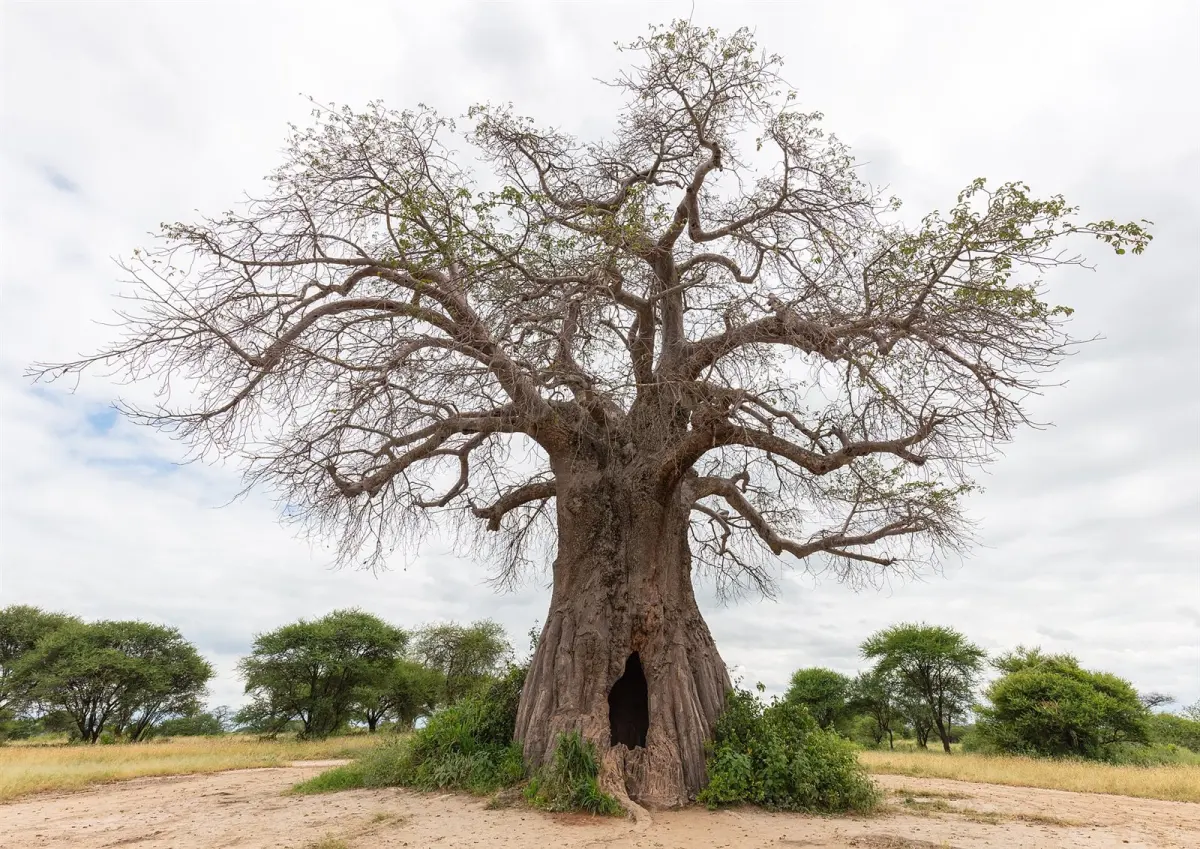
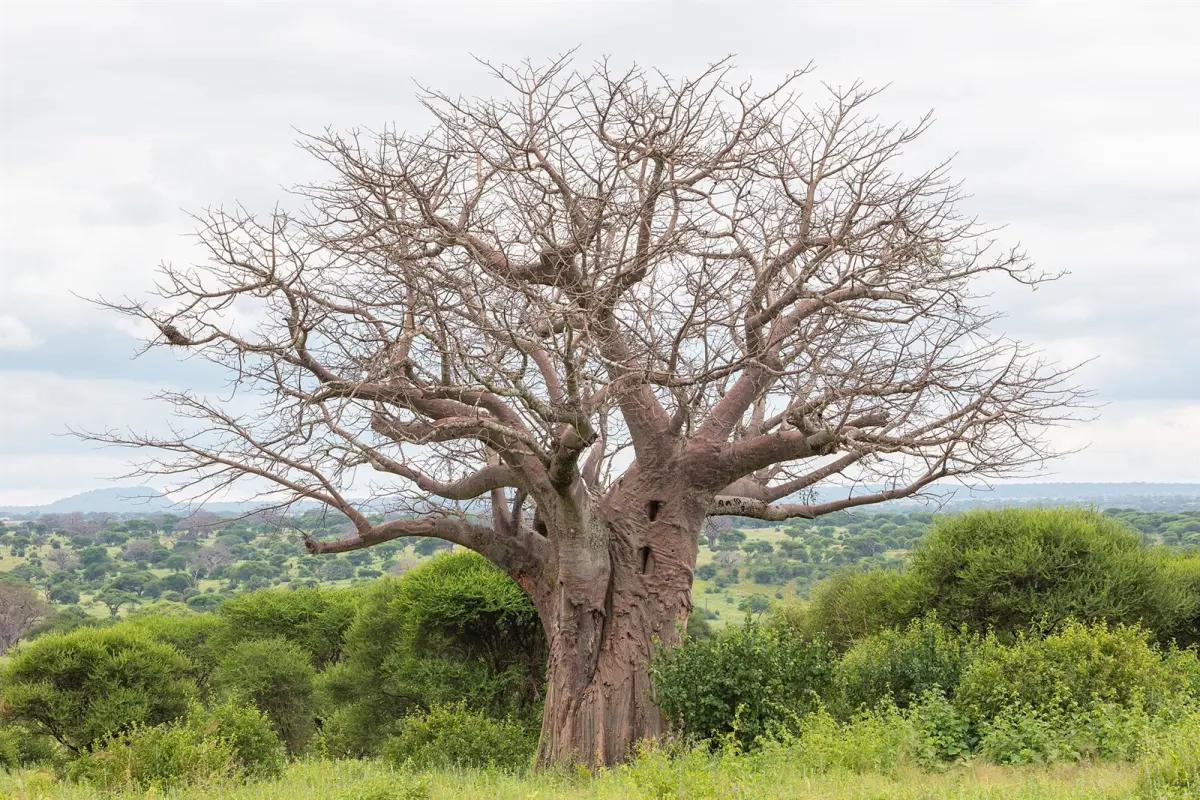
Giant baobabs
Some of these bottle-shaped giants are over a thousand years old and can store thousands of litres of water.
-
Huge elephant herds
In the dry season, family groups of dozens — sometimes hundreds — gather along the Tarangire River.
-
The Tarangire River
The park’s permanent lifeline, concentrating wildlife in the dry months and drawing them here to drink.
-
Outstanding birding
Over 550 species make Tarangire one of the best birding parks in all of Tanzania.
-
Predators & plains game
Lions, leopards and cheetahs shadow the herds, while oryx, eland and gazelle roam the open plains.
-
Silale Swamp
A vast, wildlife-rich wetland that fills in the rains and teems with birds and grazing animals.
Baobabs, river and swamp
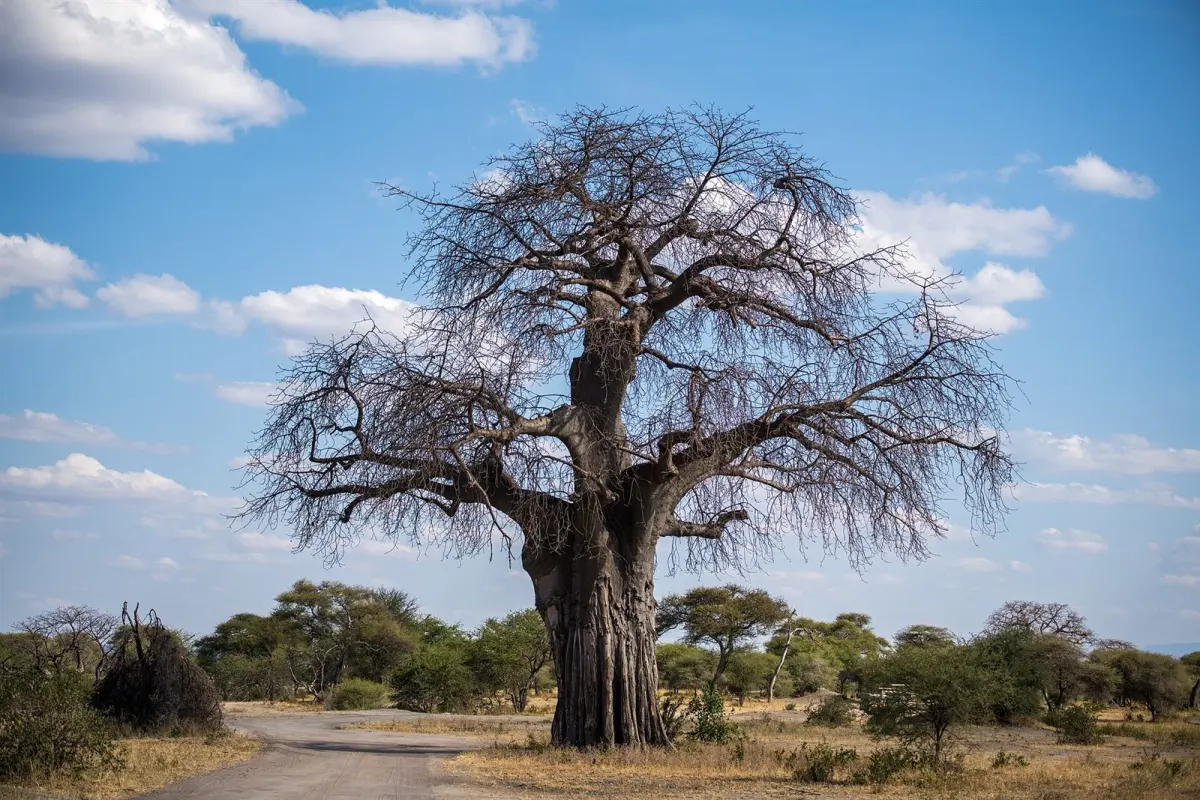
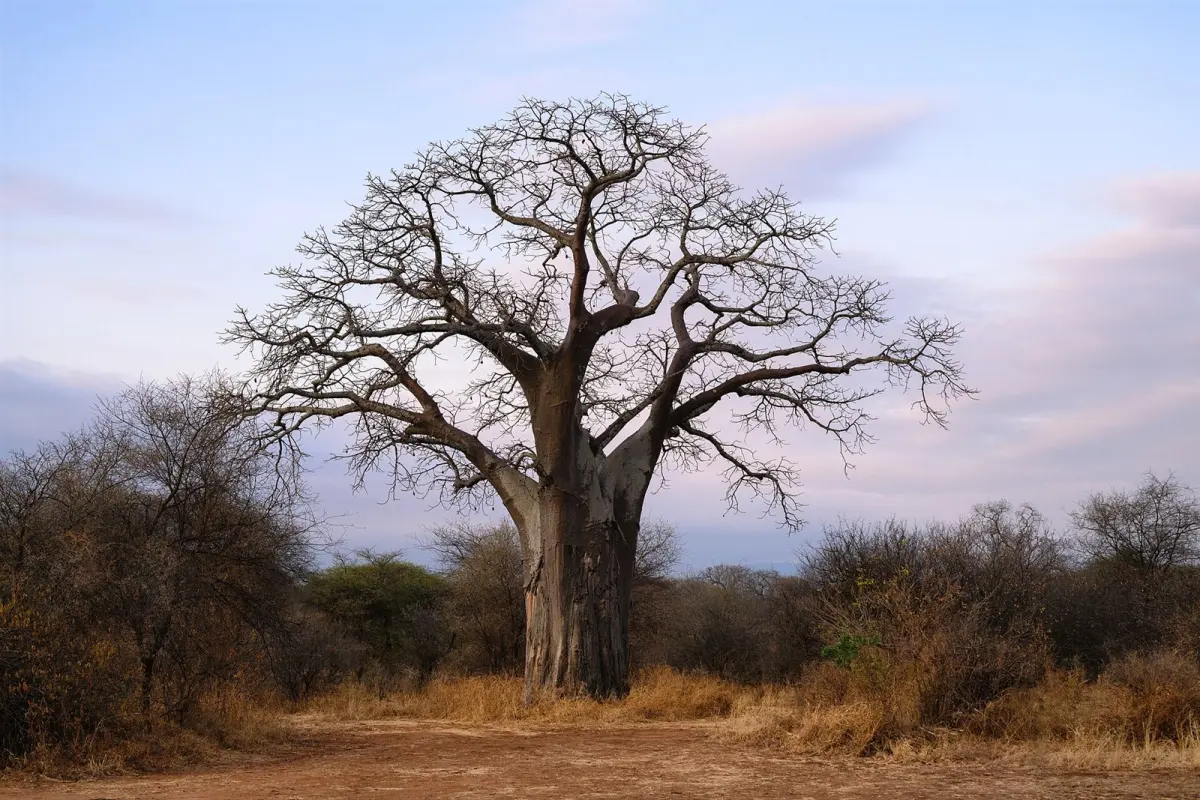
Tarangire’s scenery is gentler and greener than the great open plains further north, a patchwork of grassland, acacia and combretum woodland dotted with the unmistakable baobab. These extraordinary trees — which Maasai believe were thrown upside-down by an angry god — sprout from the ground like upended trunks and can live for well over a thousand years.
The park is named after the Tarangire River, which runs through it from north to south and stays flowing even in the driest months. Along its banks grow riverine forest and the occasional stand of palm, while the surrounding Silale Swamp floods and recedes with the seasons, forming a magnet for wildlife and waterbirds.
Hundreds of termite mounds rise from the red earth, each an ecosystem in miniature that aerates the soil and shelters snakes, mongooses and small mammals. The result is a park that changes dramatically between the wet and dry seasons — and rewards a slower, more observant safari.
A stronghold for elephants
Tarangire is famous above all for its elephants. During the dry season, when the surrounding Maasai grazing lands dry up, family groups move into the park and congregate along the Tarangire River in numbers that can reach well into the thousands.
Because the water is reliable and the vegetation rich, the park supports an unusually high density of these gentle giants, and many of the older individuals carry impressive tusks. Elephant watching here is wonderfully intimate — matriarchs guiding calves, bulls jostling over water, and herds digging for water in dry riverbeds.
Conservationists see the park as a key refuge for the wider northern Tanzania elephant population, which moves seasonally between Tarangire, Lake Manyara and the slopes of the Rift Valley. The corridor they use is one of the most important in the region, and protecting it is central to their future.
A birdwatcher’s paradise
Birders travel from around the world to visit Tarangire. With more than 550 recorded species — including the largest number of breeding species of any park in Tanzania — a single morning can turn up dozens of different birds.
The Silale Swamp and the riverbanks are the richest areas. Look for the world’s heaviest flying bird, the kori bustard, striding across the grass; the enormous lappet-faced vulture; and the small, brilliantly coloured fischer’s lovebird, which swarms in noisy flocks. Hornbills, rollers, kingfishers, storks, egrets and the occasional rare ashy starling all add to the show.
The wetter months from November to April bring migratory species and nesting activity, but birding is rewarding year-round. Bringing a good pair of binoculars and a local field guide will transform your game drives.
A young park with deep roots
Tarangire was gazetted as a national park in 1970, making it one of Tanzania’s newer parks, though the area had long been recognised for its exceptional dry-season concentrations of game. Its name comes from the Maasai word for the river, tara ngire, meaning “river of wildebeest”, a clue to how important this water has always been.
Today the park faces familiar pressures — human–wildlife conflict along its boundaries, and the need to keep open the ancient migration corridors that elephants and other animals use to move between Tarangire, Manyara and the highlands. Community engagement and anti-poaching work are central to protecting it.
For visitors, that means choosing responsible operators and supporting camps and communities that invest in conservation, so this remarkable dry-season sanctuary stays healthy for the elephants that depend on it.
Fees & practical information
Entry to Tarangire is subject to a conservation fee per person, per 24-hour period, plus vehicle fees. Rates are set by the government and reviewed periodically, so we always confirm current amounts when you book.
A few practical points to keep in mind when planning your visit:
- The park is easiest to visit as an overnight stop rather than a rushed day trip from Arusha.
- A licensed guide and a 4x4 safari vehicle are required for all game drives.
- The dry season (June–October) offers the best elephant viewing; the green season is far quieter.
- Mornings and late afternoons are best for wildlife and photography along the river.
- Drones need special authorisation and are not permitted for casual use.
What you might see
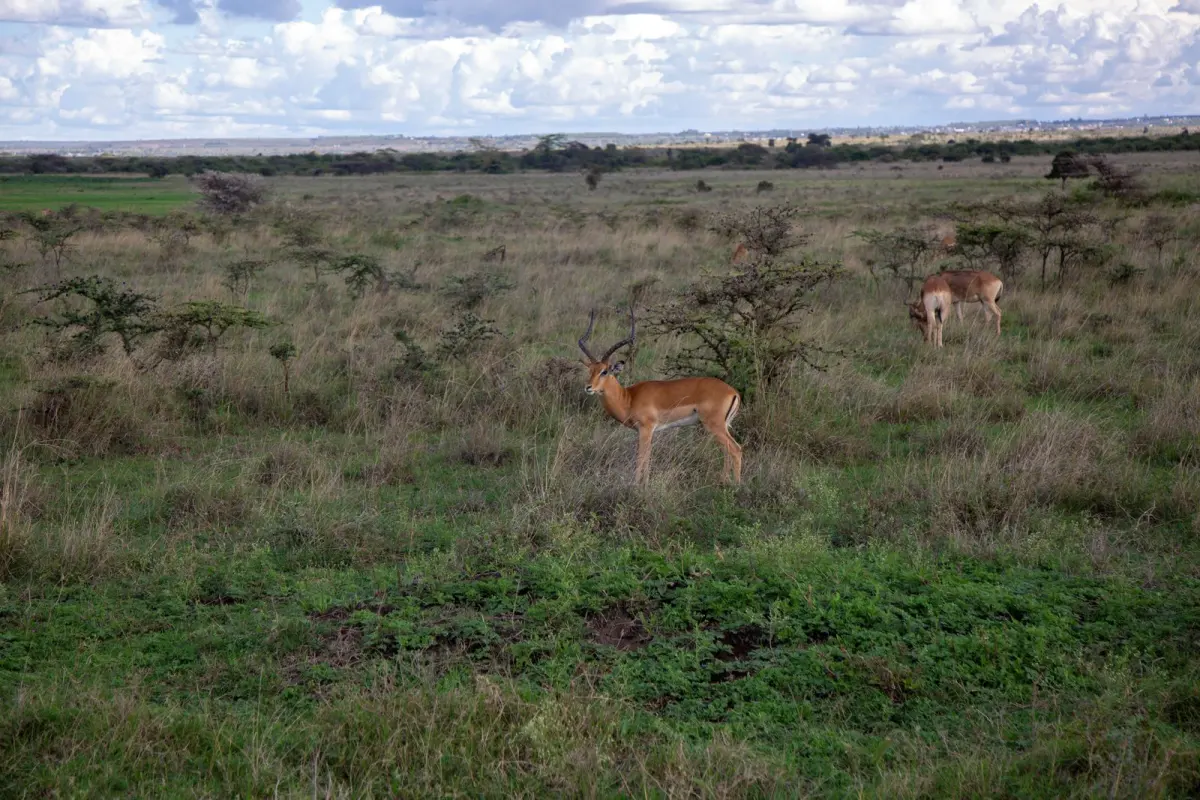
Tarangire’s permanent river makes it a dry-season magnet, so the wildlife here is concentrated and easy to find.
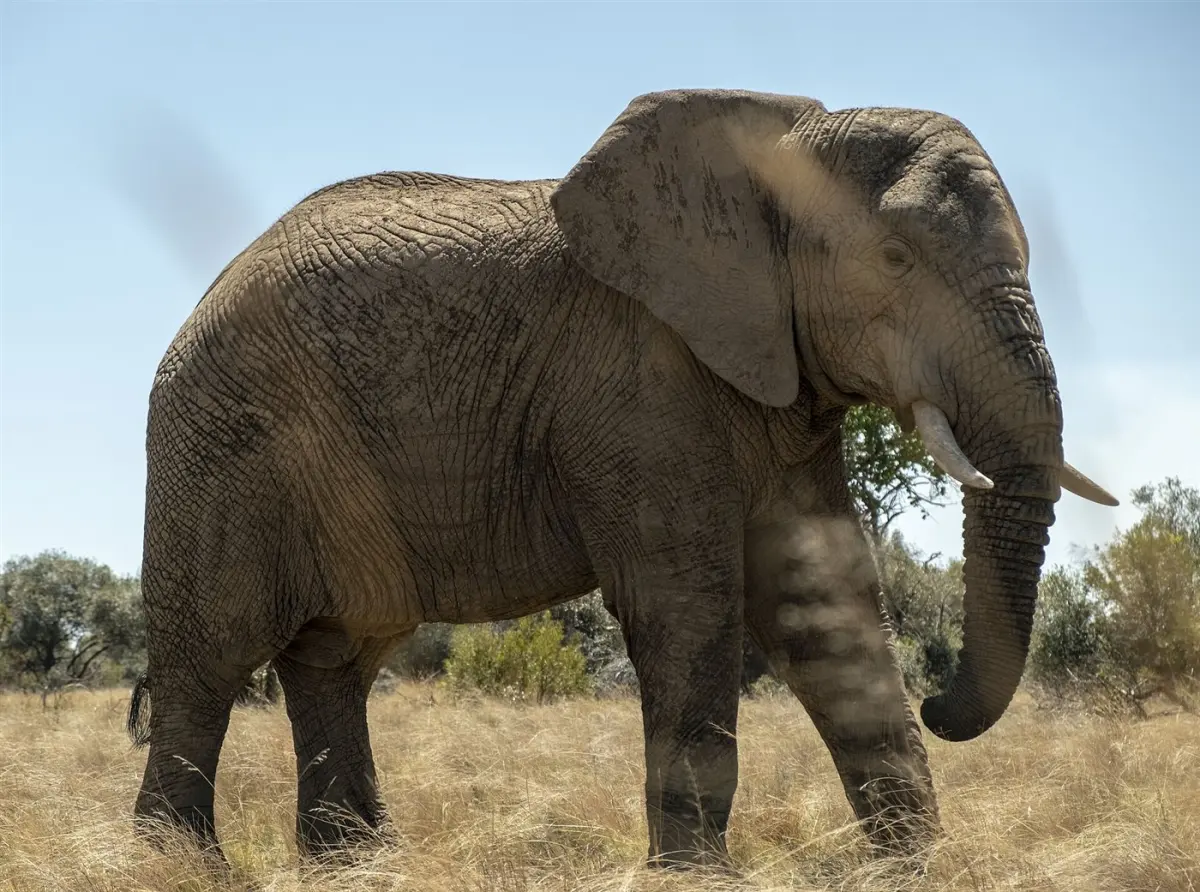
African elephant
The park’s signature species, with large, sociable herds gathering by the river in the dry season.
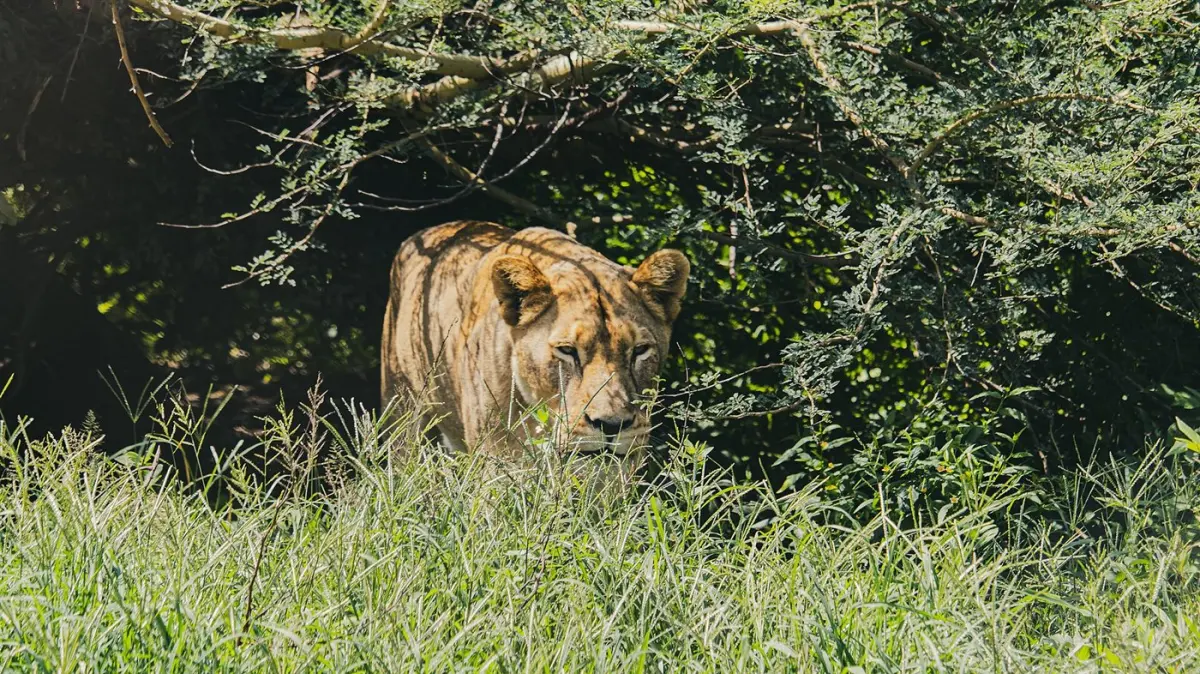
Lion
Resident prides patrol the riverine woodland and open plains, often resting in the shade at midday.
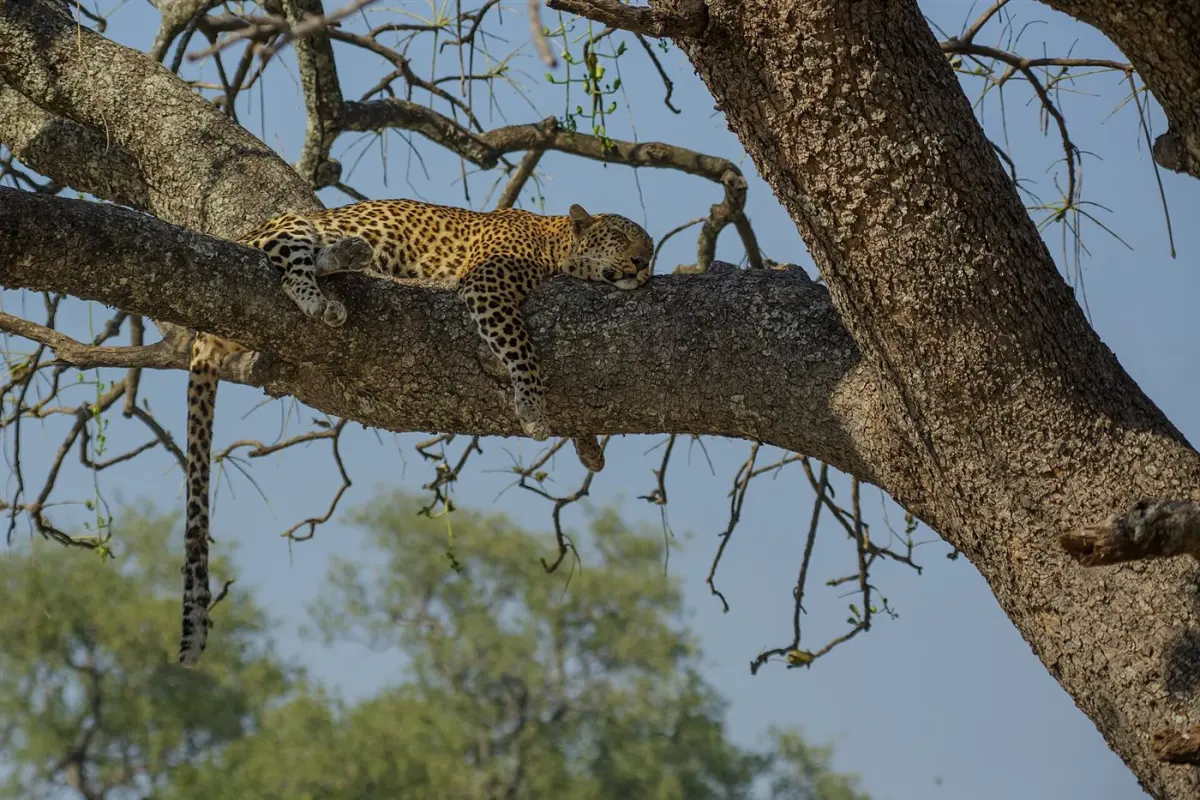
Leopard
Frequently seen draped along the branches of sausage trees and larger acacias.

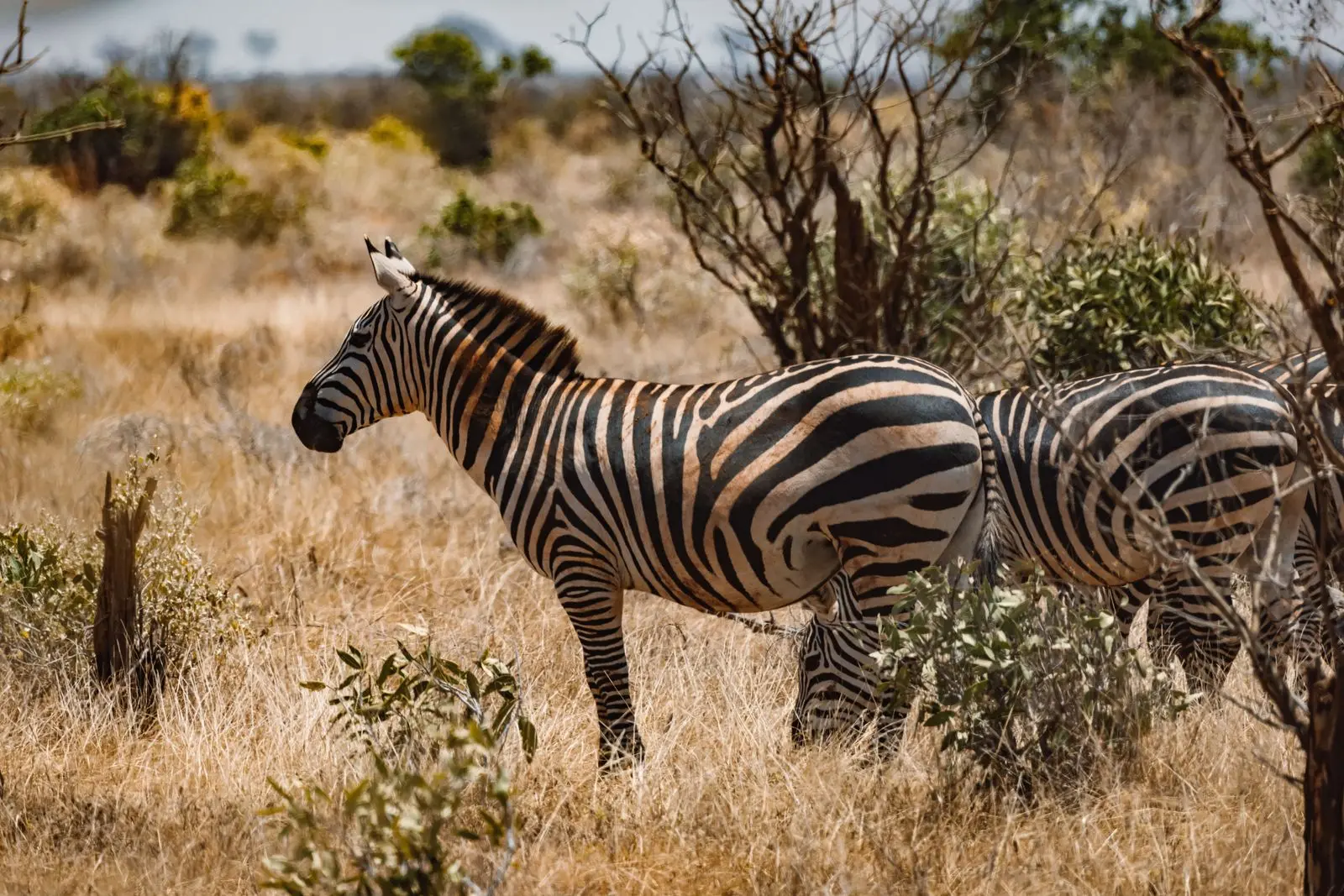
Zebra & wildebeest
Large herds move through the park to reach the river, especially in the dry months.
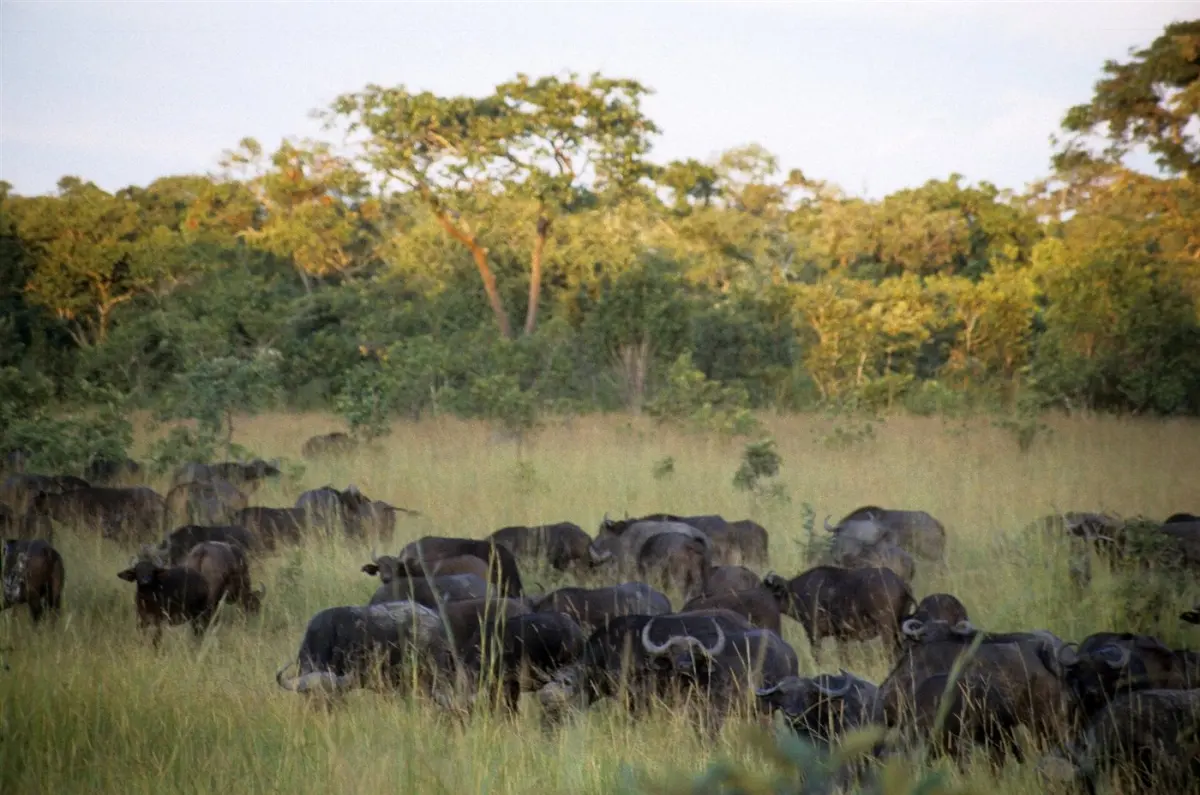
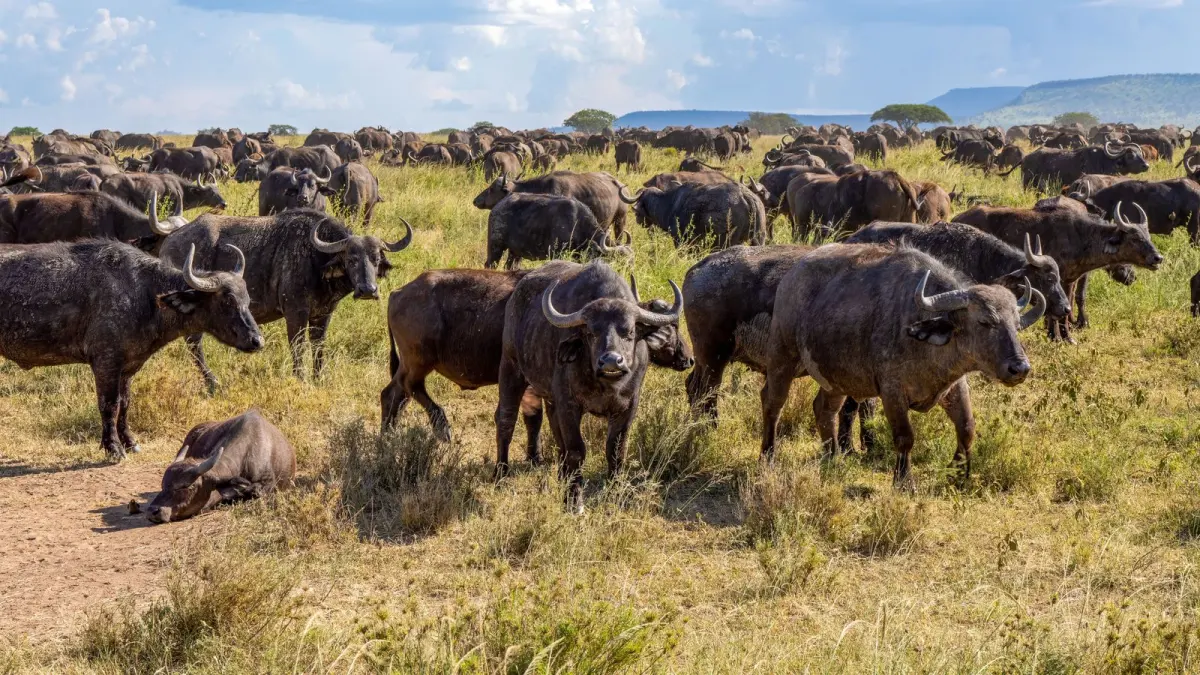
Cape buffalo
Breeding herds are common, often found near water and in the taller grass.
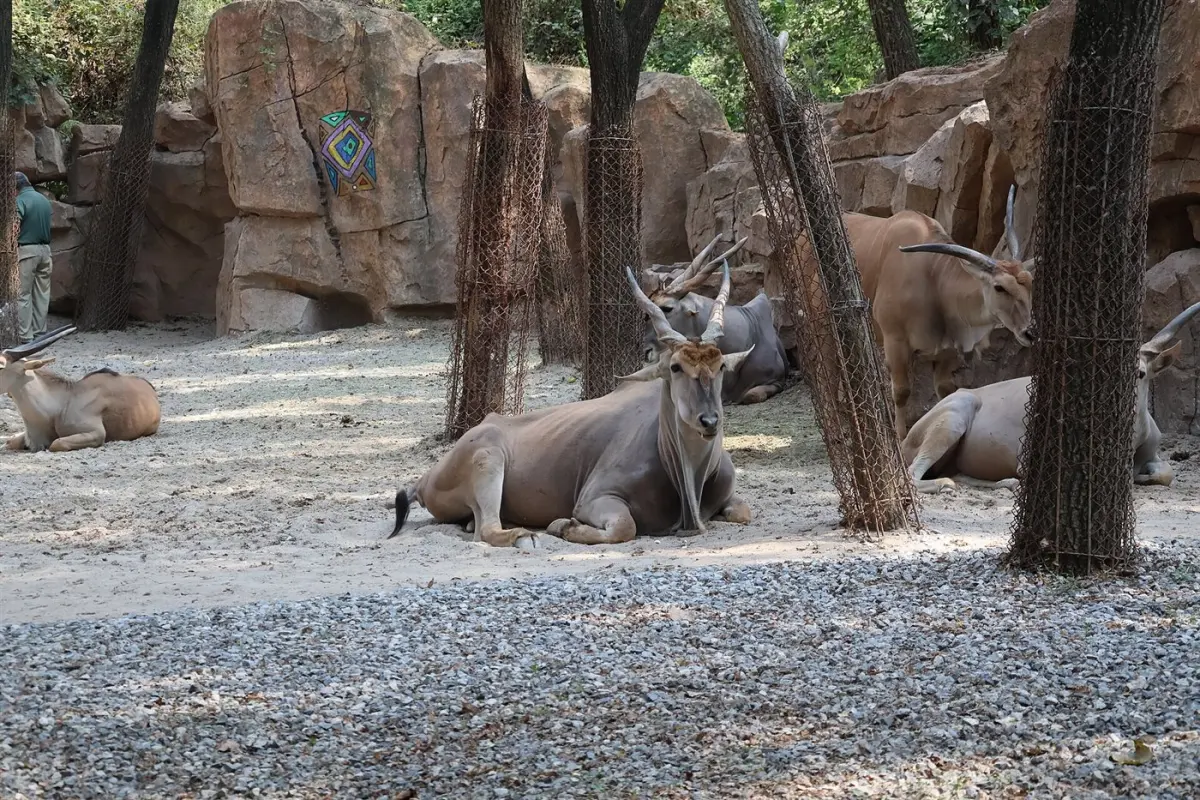
Oryx, eland & gazelle
The drier western plains are the place to look for these elegant antelope.
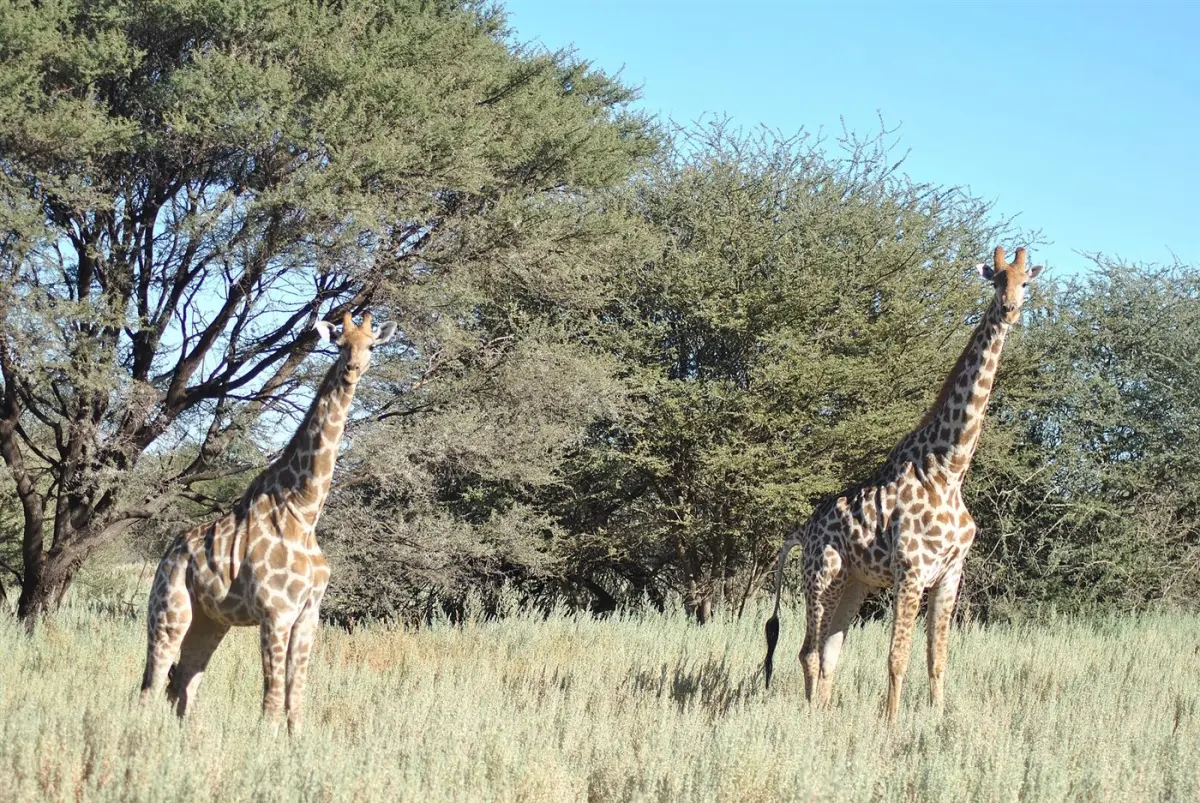
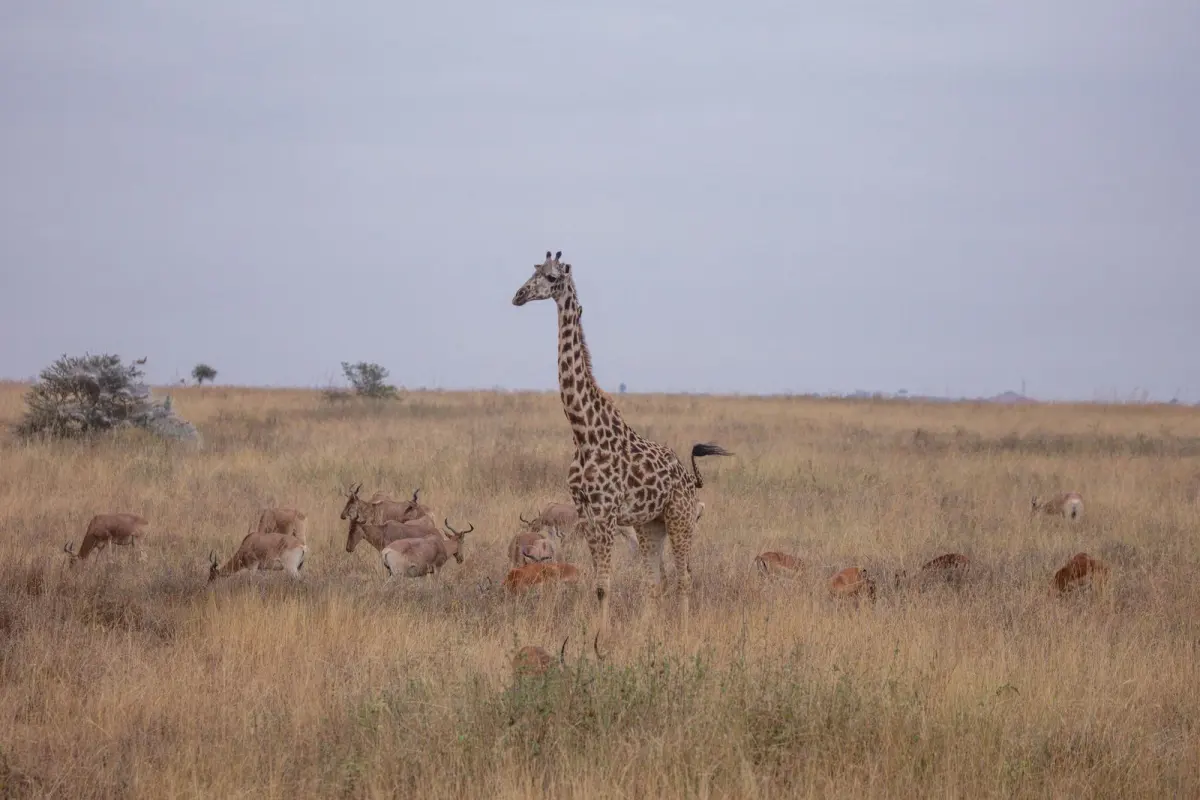
Giraffe
Tall and elegant, browsing the acacia woodland and often seen in small bachelor groups.
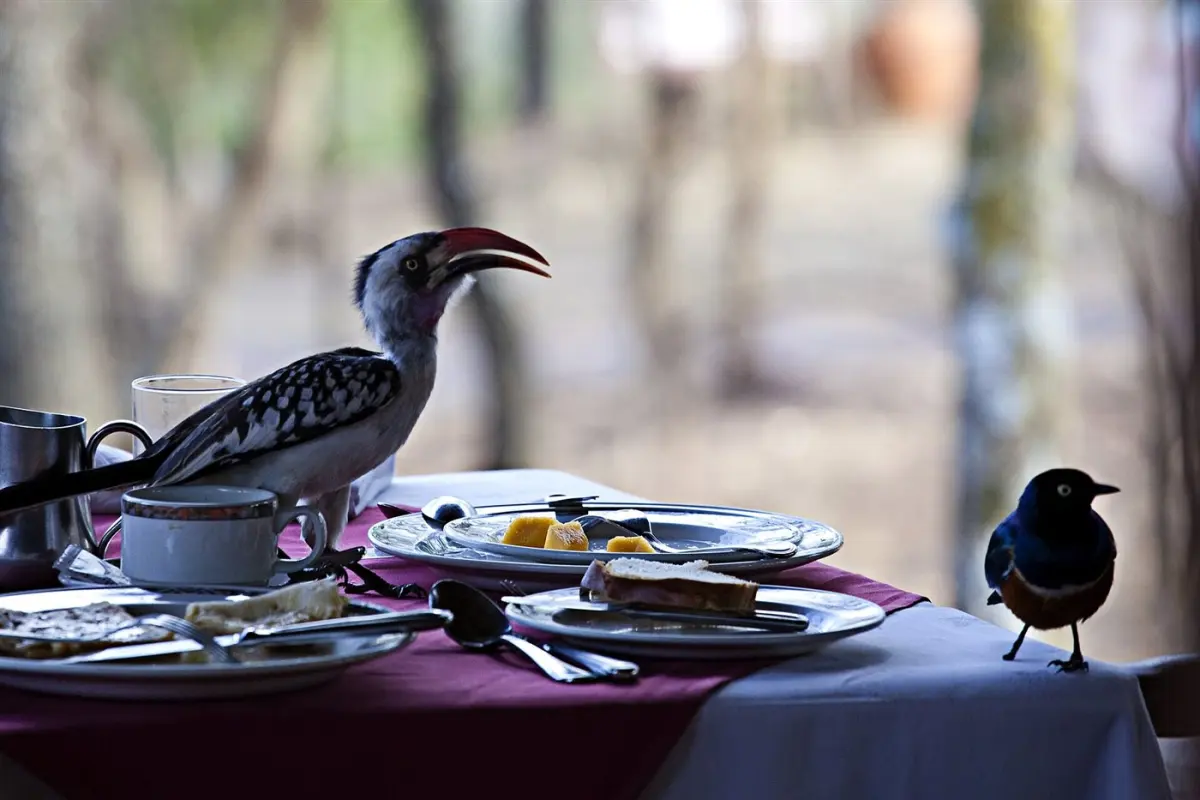
Birds & the Silale Swamp
Kingfishers, storks, spurfowl and lovebirds thrive in the wetlands and along the river.
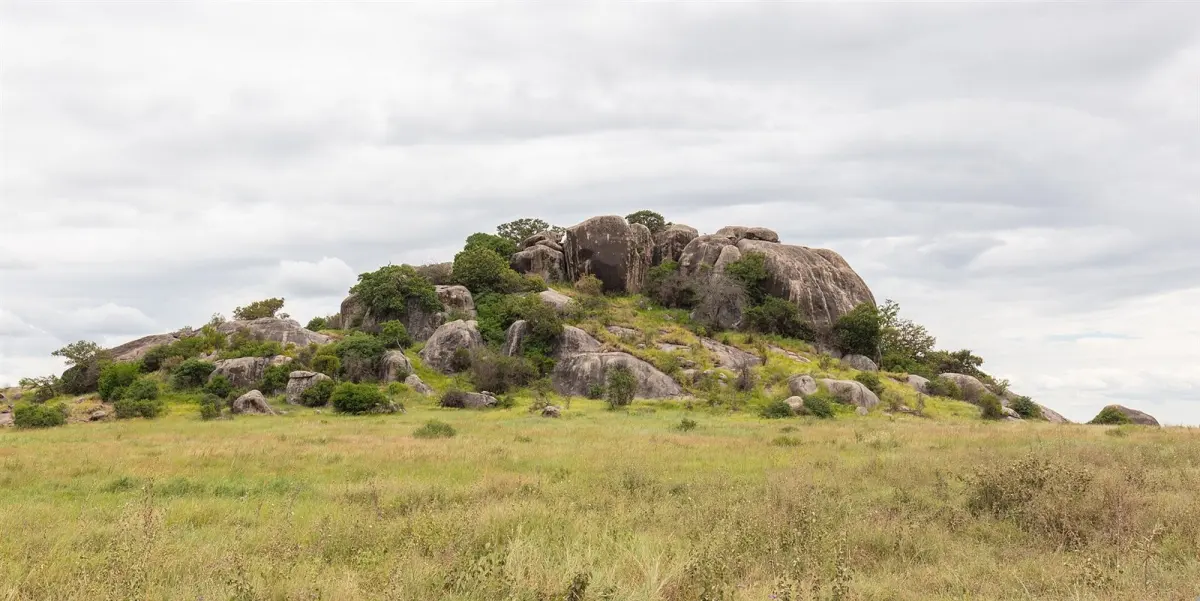
Tarangire National Park in pictures

Best time to visit
Tarangire peaks in the dry season, when the river concentrates wildlife — but the green season is beautiful and wonderfully quiet.
| Season | Weather | Crowds | What to expect |
|---|---|---|---|
| Jan–Mar | Warm and green | Moderate | Good birding and quiet game drives; some rain |
| Apr–May | Long rains | Low | Lush, dramatic skies and low-season rates |
| Jun–Oct | Dry and dusty | High | Peak elephant and game concentrations along the river |
| Nov–Dec | Short rains | Moderate | Wildlife still present and birdlife at its richest |
Things to do
Game drives
Full-day and morning drives along the river and through the baobab country with an expert guide.
Walking safaris
Guided walks with an armed ranger bring you close to tracks, plants and the smaller wildlife.
Birdwatching
Over 550 species make a morning with binoculars one of the trip’s highlights.
Elephant watching
Spend time with family herds at the river, especially between July and October.
Photography
Baobabs, golden grass and intense dry-season light make for unforgettable images.
Cultural visits
Meet Maasai and Barabaig communities living around the park on the fringes of the Rift Valley.
Where to stay
Luxury tented camps
Intimate high-end camps inside and beside the park with river views and premium service. <!-- TODO: lodge names -->
Comfortable lodges
Well-positioned mid-range lodges and camps balancing location, comfort and value. <!-- TODO: lodge names -->
Budget camps & camping
Public and special campsites plus simple nearby lodges for budget travellers. <!-- TODO: lodge names -->
Getting there & around
Tarangire is an easy 2-hour drive from Arusha, which makes it the natural first stop on a Northern Circuit safari before continuing to Lake Manyara, Ngorongoro and the Serengeti.
Driving in a 4x4 with a licensed guide is the standard way to explore the park. Some camps are also reached by light aircraft to nearby airstrips, and we can arrange road, fly-in or combined itineraries depending on your route.
- By road from Arusha About 2 hrs to the gate
- From Kilimanjaro (JRO) About 3 hrs
- Best explored 1–2 days
- Gate fees Park & vehicle fees apply
Frequently asked questions
When is the best time to visit Tarangire?
The dry season from June to October is best for large concentrations of elephants and other game along the Tarangire River. The green season (November–May) is quieter, cheaper and superb for birds and photography.
Is Tarangire worth visiting on a safari?
Absolutely. It often surprises first-time visitors, with huge elephant herds, beautiful baobab scenery and world-class birding. Many travellers rate it one of the highlights of the northern circuit.
How many days do I need in Tarangire?
One night is a good introduction and two nights lets you explore properly, including the Silale Swamp and the river. It combines perfectly with a night at Lake Manyara or a stop en route to Ngorongoro.
Will I see elephants in Tarangire?
In the dry season your chances are excellent — Tarangire holds one of the largest elephant populations in East Africa, with herds often gathered along the river and around the swamps.
How far is Tarangire from Arusha?
The park is about a two-hour drive from Arusha, which makes it an easy first or last stop on a northern Tanzania itinerary.
Is Tarangire good for birdwatching?
It is one of the best birding parks in Tanzania, with more than 550 recorded species and the highest number of breeding species in the country. The Silale Swamp and riverbanks are especially productive.
Nearby destinations


Ready to plan your Tarangire National Park trip?
Tell us your dates and travel style. Our local team in Moshi will build a tailor-made itinerary around Tarangire National Park — free, with no obligation.