
Discover Mount Meru
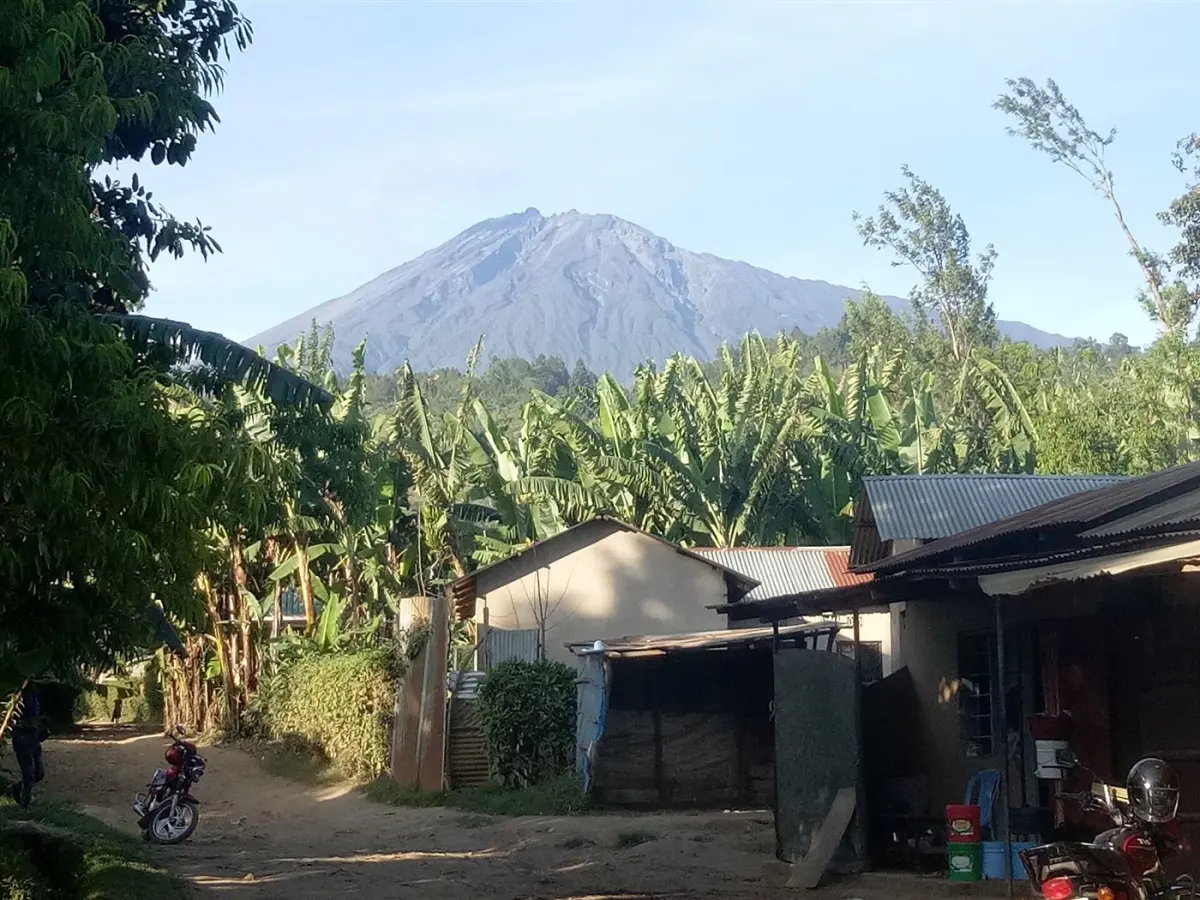
Mount Meru rises to 4,566 m just 70 km west of Kilimanjaro, making it Tanzania’s second-highest mountain and the eighth-highest in Africa. A dormant stratovolcano, it forms the dramatic centrepiece of Arusha National Park and offers one of the most beautiful and least crowded treks in East Africa.
Meru is a different experience from its famous neighbour. Instead of bare alpine desert, the route climbs through dense montane rainforest, home to black-and-white colobus monkeys, blue monkeys and brilliant birdlife, before emerging onto open moorland patrolled by buffalo and the small, sure-footed klipspringer.
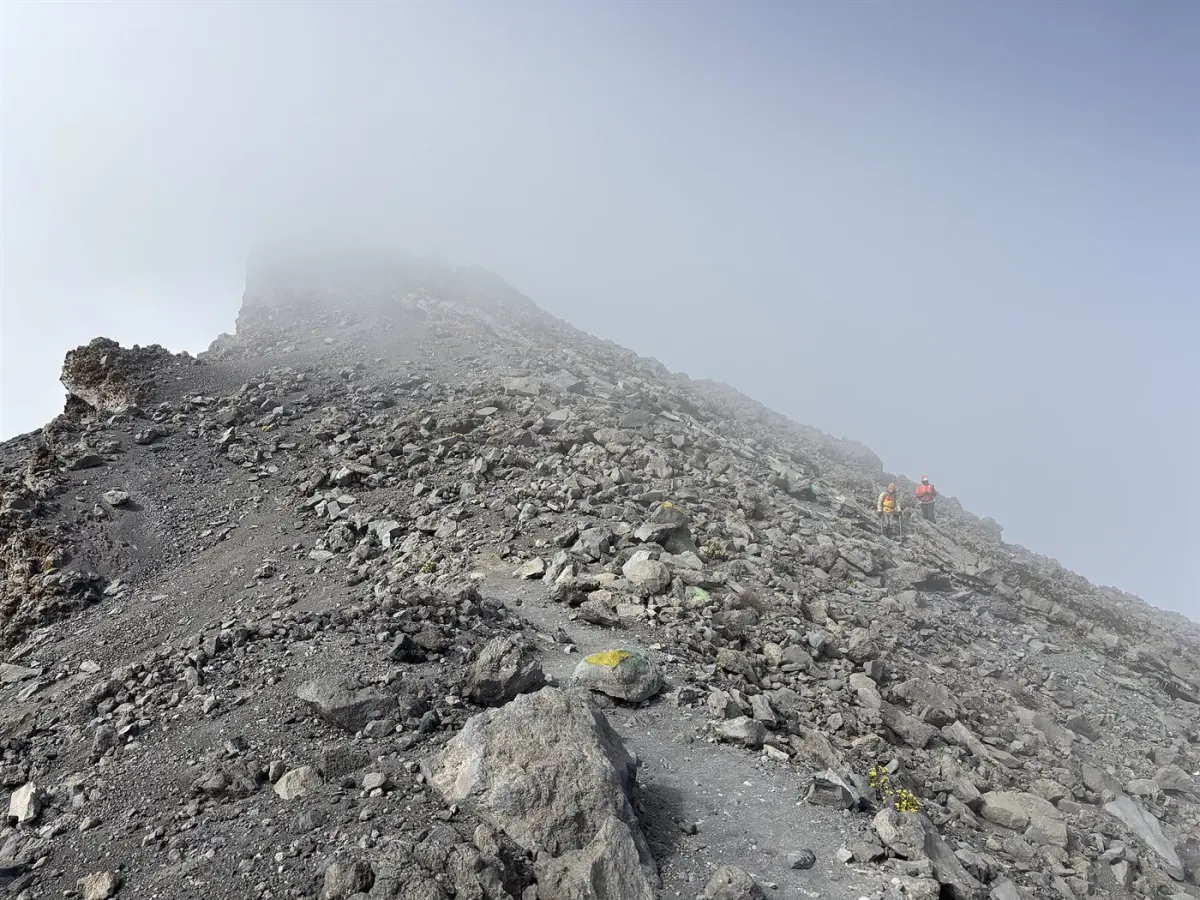
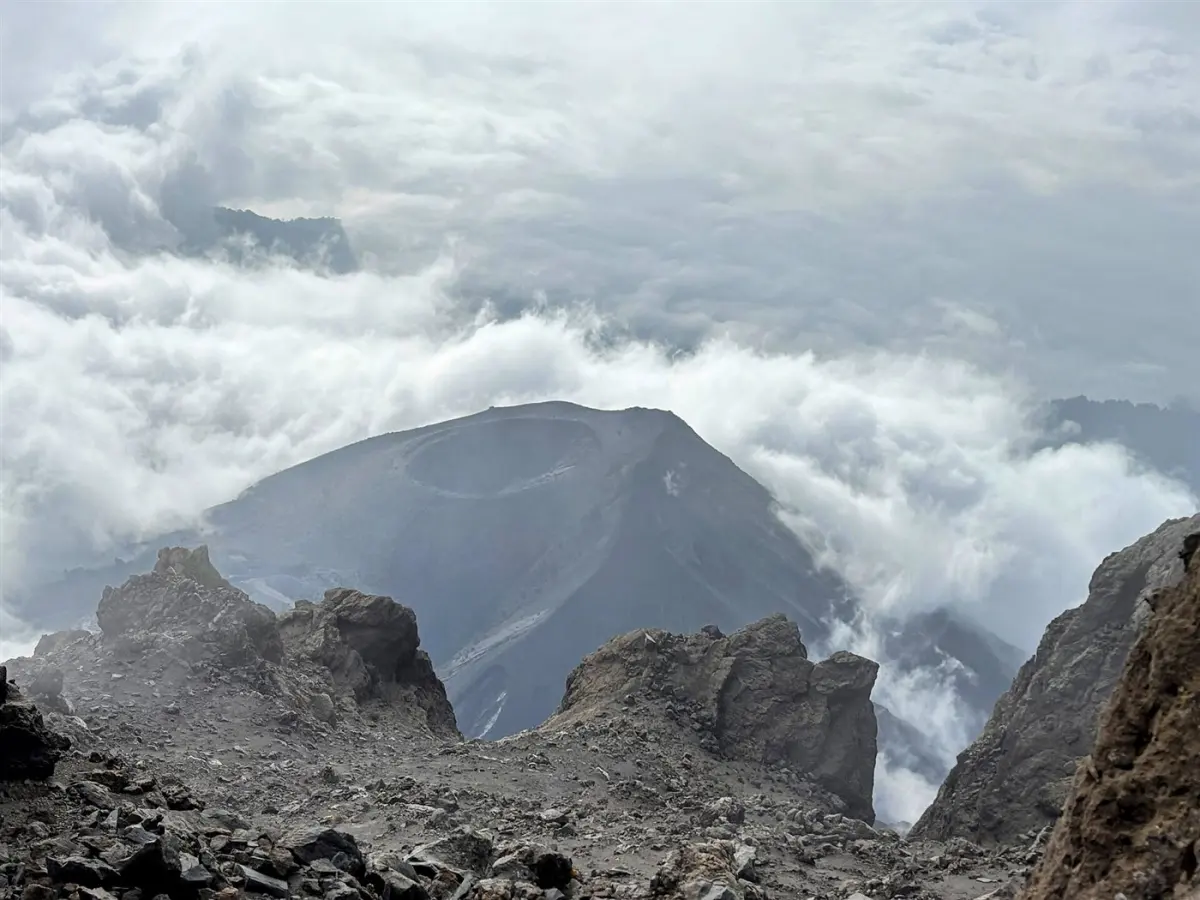
The climax is unforgettable: about 8,000 years ago a colossal eruption tore away the mountain’s entire eastern flank, leaving a horseshoe-shaped crater and a near-perfect ash cone inside it. Trekkers walk along the crater rim before making the final push to Socialist Peak, where at sunrise Kilimanjaro appears across the plains.
Because it is gentler, lower and far quieter than Kilimanjaro, Mount Meru is also the ideal acclimatisation climb before attempting Africa’s highest peak. Contact our Moshi team to combine the two mountains or to book Meru on its own.
Why visit Mount Meru
-
Tanzania’s second peak
4,566 m of dormant volcano, quieter and wilder than Kilimanjaro but no less rewarding a summit.
-
The horseshoe crater
A collapsed eastern wall and a near-perfect ash cone crown a spectacular crater-rim walk.
-
Rich montane forest
The lower slopes shelter colobus monkeys, blue monkeys, turacos and a profusion of orchids and mosses.
-
Armed-ranger trekking
Walking here is done with an armed ranger — a genuine wilderness experience among big game.
-
Ideal altitude practice
A gradual 3 to 4 day ascent that many climbers use to acclimatise before Kilimanjaro.
-
Views to Kilimanjaro
From Socialist Peak at dawn, the snowy cone of Kilimanjaro floats above the plains to the east.

The mountain & its crater
Mount Meru is a classic steep-sided stratovolcano built from layer upon layer of ash and lava. Roughly 8,000 years ago a huge eruption blew out its eastern side, producing a vast open crater about 5 km across and leaving the summit rim that trekkers walk along today.
Inside the crater a secondary cone, or ash cone, later grew to nearly 3,800 m, giving Meru its distinctive “mountain-within-a-mountain” profile. The highest remaining point, Socialist Peak at 4,566 m, sits on the ragged western rim.
Meru is officially dormant but not dead — it sits on the active East African Rift system, and scientists monitor it closely. For walkers it simply means raw volcanic scenery, loose ash under foot and the sense of standing on a living landscape.

The route, stage by stage
The standard Mount Meru trek leaves from Momella Gate in Arusha National Park and follows a comfortable up-and-down itinerary designed to help you acclimatise. You climb with a licensed guide, an armed ranger and a team of porters, sleeping in mountain huts at Miriakamba and Saddle.
- Day 1: Momella Gate to Miriakamba Hut (about 2,500 m), through forest with good chances of giraffe, buffalo and colobus.
- Day 2: Miriakamba to Saddle Hut (about 3,500 m) via Elephant Back ridge, where the forest opens onto moorland.
- Day 3: A dawn push to Socialist Peak (4,566 m) along the crater rim, then descend to Miriakamba.
- Day 4: Descend through the forest to Momella Gate — or continue straight on to Kilimanjaro the following day.
Acclimatisation and staying healthy
Altitude is the main challenge on Meru. The daily stages are short and the ascent gradual, which gives your body time to adapt, but the summit day still climbs quickly and many trekkers feel the effects. Walk slowly, drink plenty of water and listen to your guide — pole pole (slowly) is the golden rule.
Mount Meru is a demanding trek, not a walk in the park. Wildlife is present on the lower slopes and the ranger’s role is a genuine one, so stay in a group, follow instructions and never wander off the trail. Descending after the summit is steep and hard on the knees, so trekking poles help.
Before you travel, check your travel insurance covers trekking above 4,000 m, and speak to a doctor about altitude medication. We brief every group on symptoms to watch for and carry oxygen and a first-aid kit on the mountain.
Wildlife and plants on the slopes
The vegetation changes with every day of altitude. In the forest zone you walk beneath towering Juniperus and podocarpus trees draped in moss and lichen, with wildflowers and orchids on the forest floor. Higher up the trees give way to giant heather, then to open moorland scattered with everlasting flowers.
Because the park has no lions, wildlife here is noticeably relaxed and often seen on foot. Buffalo are common and should always be treated with respect, while giraffe, zebra, warthog and bushbuck are frequently encountered on the lower slopes. The crater rim is the realm of the nimble klipspringer.
Birds are superb throughout the trek, with mountain buzzards, augur buzzards, crowned eagles, silvery-cheeked hornbills and the striking Hartlaub’s turaco among the highlights.
Permits, costs & practical information
All Mount Meru treks must be arranged with a licensed operator and include national park fees, an armed ranger, a guide, porters, cooks and hut accommodation. Numbers are capped by the park, so booking well ahead in the high season is essential.
A few practical points to keep in mind when planning your trek:
- Treks typically run 3 days / 2 nights or 4 days / 3 nights — we recommend the extra day for acclimatisation.
- Pack warm layers, a good sleeping bag, broken-in boots, rain gear and a head torch; mules can carry the heavy loads.
- The mountain is open year-round, but the clearest skies are from June to October and December to February.
- A park fee, ranger fee and rescue fee apply; current rates are confirmed at the time of booking.
- Drones need special authorisation and are not permitted for casual use.
What you might see
The slopes of Mount Meru climb through several habitats, so the wildlife changes markedly with altitude.

Black-and-white colobus
Troupes of these cape-wearing monkeys are a highlight of the lower forest on the first day.
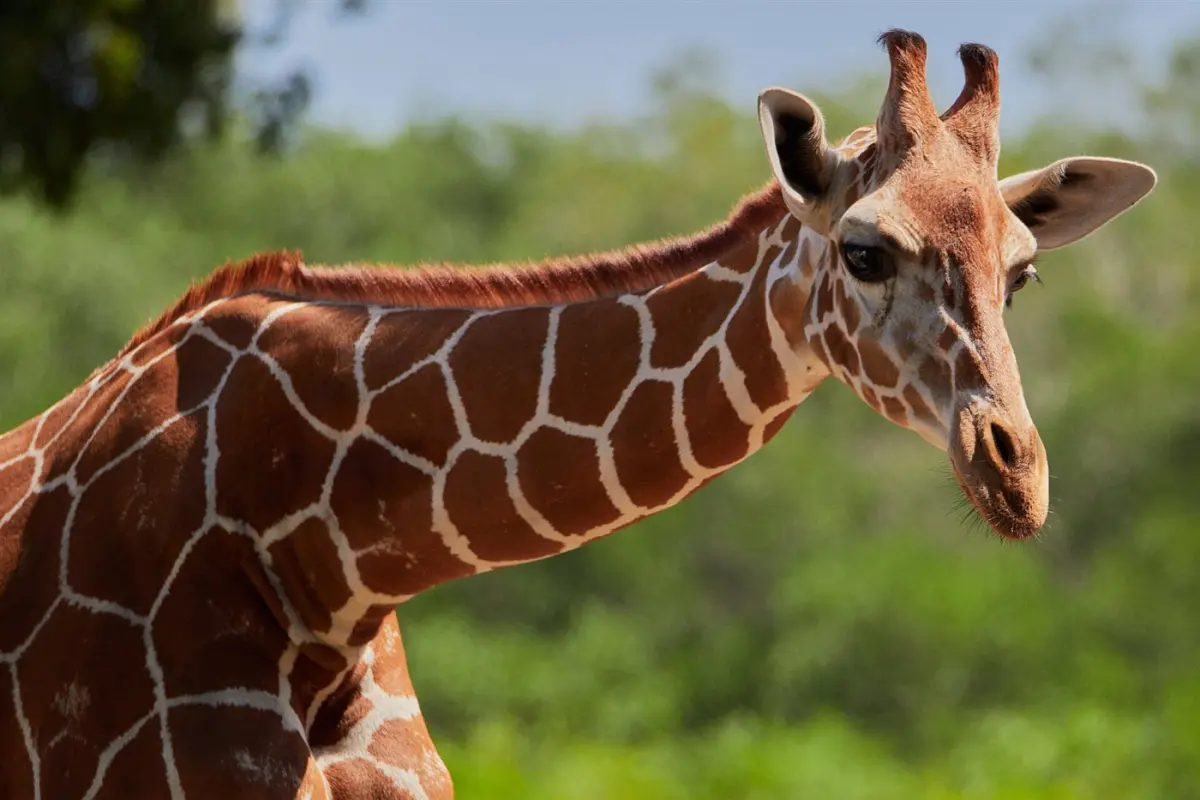
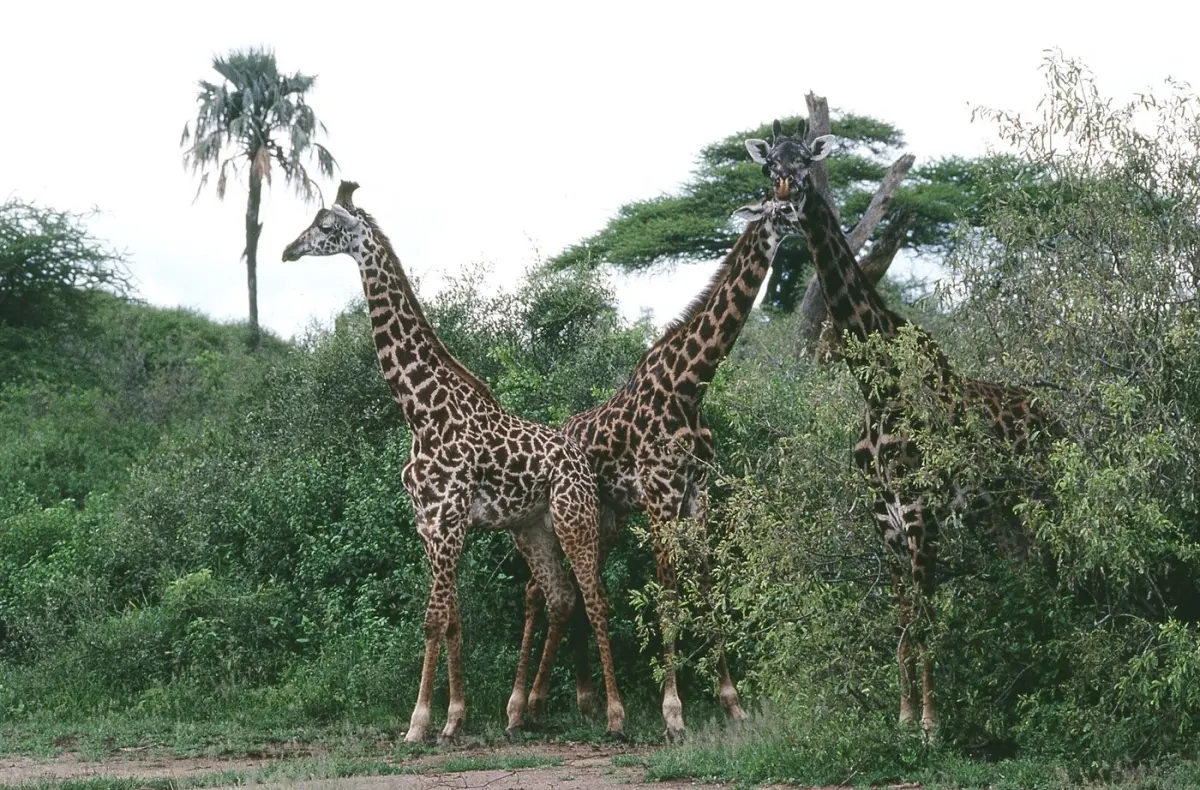
Giraffe & zebra
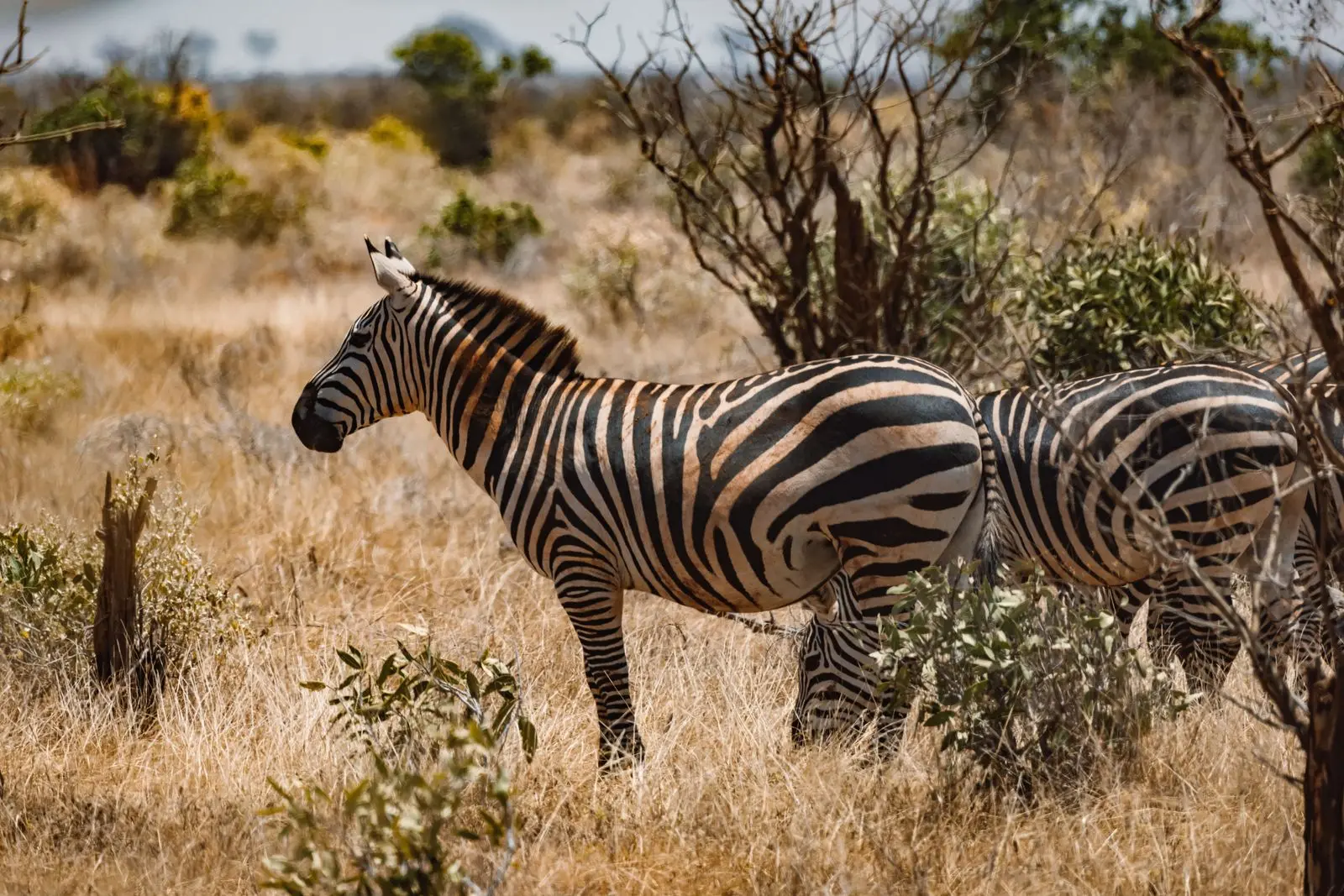
Often seen grazing the open slopes near Momella Gate in the gentle first hours of the trek.
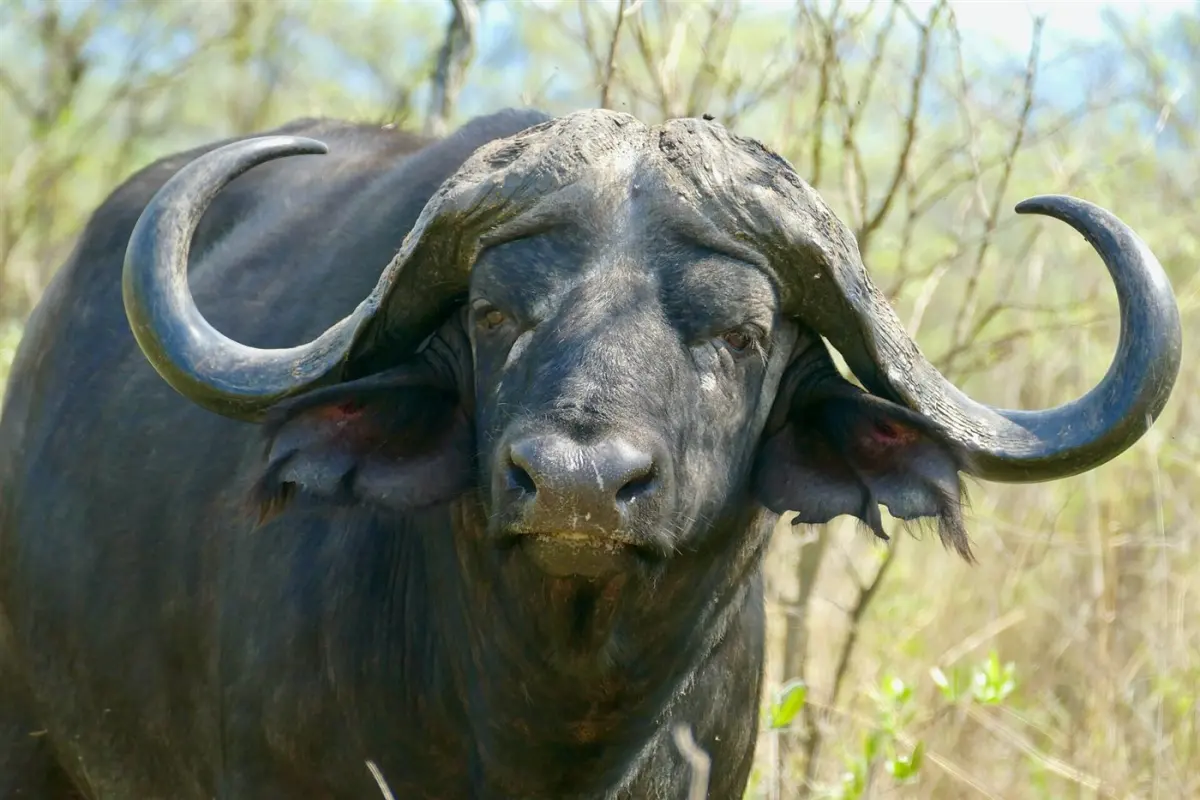
Cape buffalo
Common and potentially dangerous — one reason every trek walks with an armed ranger.

Blue monkey
Lively and inquisitive forest monkeys that often follow trekkers through the canopy.
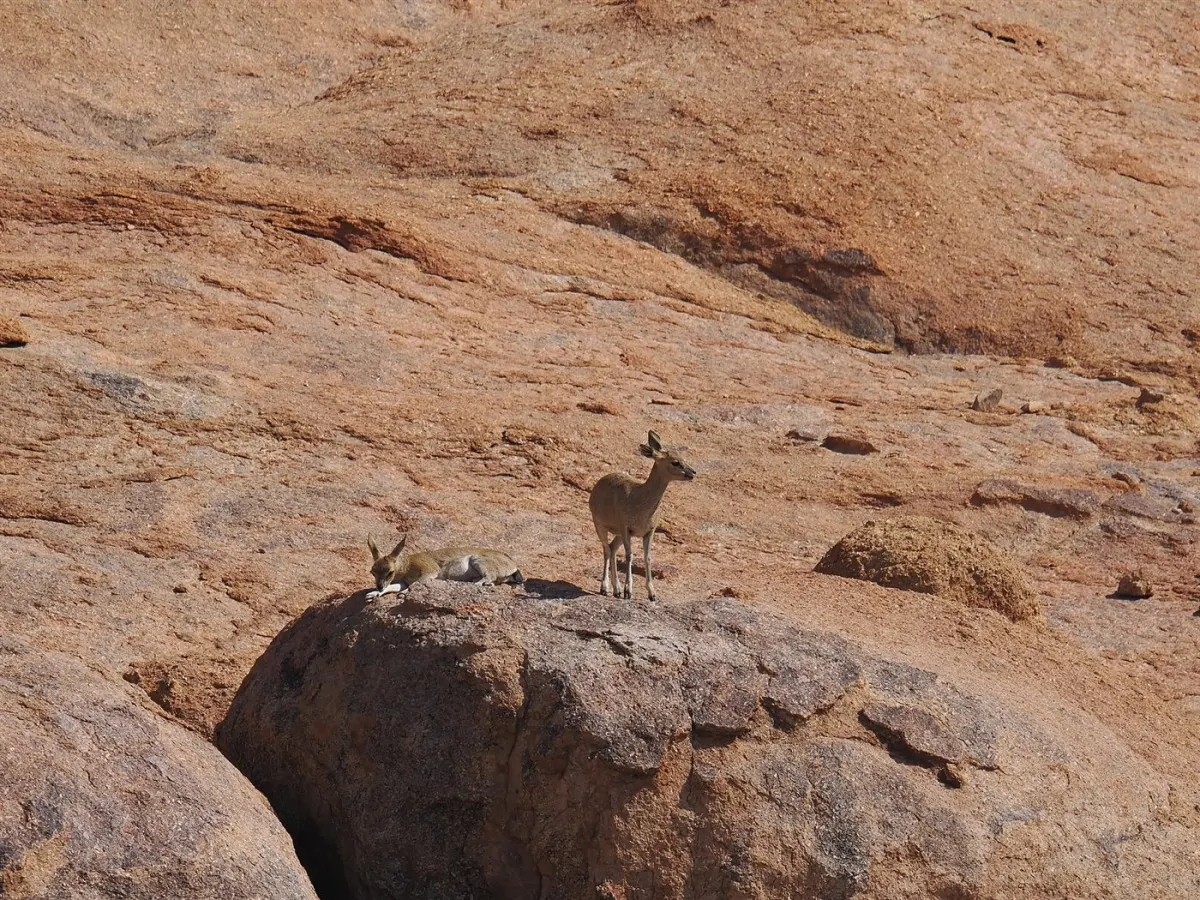
Klipspringer
The small, rock-hopping antelope of the upper moorland and crater rim.

Forest & moorland birds
Turacos, hornbills, buzzards and sunbirds accompany you from the forest to the summit.
Mount Meru in pictures

Best time to visit
Mount Meru can be climbed year-round, but the dry months give the best conditions underfoot and the clearest summit views.
| Season | Weather | Crowds | What to expect |
|---|---|---|---|
| Jan–Feb | Warm, fairly dry | Moderate | Good visibility and comfortable forest walking |
| Mar–May | Long rains | Low | Wet, muddy trails and cloud; cheaper but harder going |
| Jun–Oct | Cool and dry | High | The best trekking window — crisp air and clear summit views |
| Nov–Dec | Short rains | Moderate | Green and quiet, with afternoon showers possible |
Things to do
Summit trek
The classic 3 to 4 day climb to Socialist Peak (4,566 m) with guide, ranger and porters.
Crater-rim sunrise
Time your summit push for dawn to watch Kilimanjaro glow pink above the plains.
Game viewing on foot
See giraffe, buffalo, zebra and colobus from the trail — a rare walking-safari experience.
Landscape photography
Rainforest, moorland, ash cone and crater make Meru a photographer’s mountain.
Birdwatching
Look for turacos, hornbills and raptors as the habitats change with altitude.
Combine with Arusha NP
Add a day for the Momella Lakes and canoeing before or after your trek.
Where to stay
Upmarket lodges near Arusha
Polished forest lodges and boutique camps for a comfortable night on either side of the trek. <!-- TODO: lodge names -->
Comfortable lodges
Well-run mid-range lodges between Arusha and the park gate, with mountain views. <!-- TODO: lodge names -->
Miriakamba & Saddle huts
Shared mountain huts with bunk beds, dining and basic facilities at each overnight stop. <!-- TODO: lodge names -->
Getting there & around
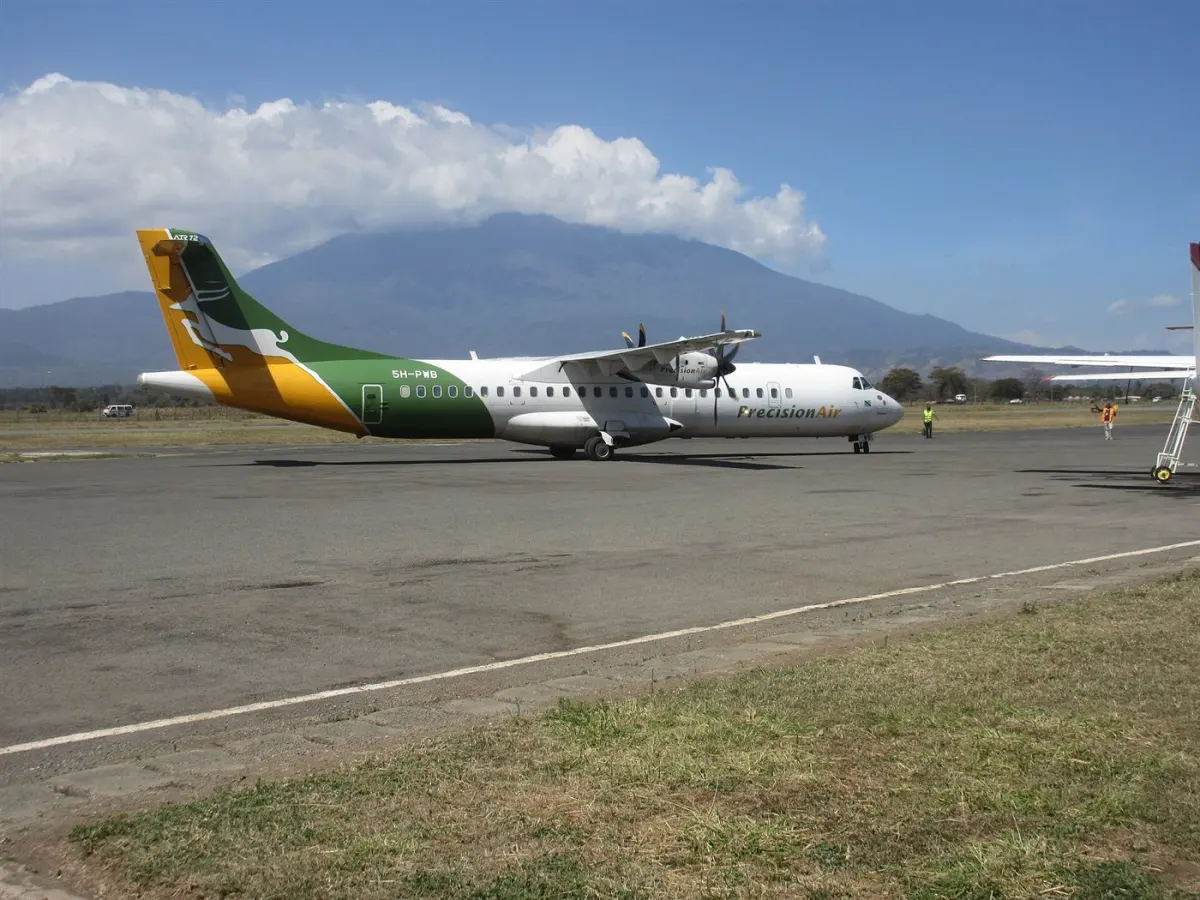
Mount Meru sits inside Arusha National Park, whose Momella Gate is about a 40-minute drive from Arusha town and roughly 60 km from Kilimanjaro International Airport (JRO). Most treks begin with an early transfer from Arusha.
Treks must be booked in advance with a licensed operator and include park fees, an armed ranger, guides, porters and cooks. Because daily trekker numbers are limited, high-season dates sell out early. We handle all permits, mountain logistics and transfers for you.
- Trek duration 3–4 days
- By road from Arusha About 40 min to Momella Gate
- From Kilimanjaro (JRO) About 1 hr 15 min
- Summit altitude 4,566 m (Socialist Peak)
Frequently asked questions
How hard is the Mount Meru trek?
It is moderate to challenging. The distances are short, but you gain altitude quickly and the summit day is long and steep. Good fitness, broken-in boots and a steady pace (pole pole) make it very achievable for most reasonably active travellers.
How many days does the Mount Meru trek take?
Most treks run 3 days / 2 nights or 4 days / 3 nights. We recommend the 4-day option because the extra time at Miriakamba helps with acclimatisation and makes the summit day more enjoyable.
Is Mount Meru good for acclimatisation before Kilimanjaro?
Yes — it is one of the best warm-ups for Kilimanjaro. Spending several days climbing to 4,566 m and sleeping high on Meru gives your body a head start and improves your chances on the higher peak.
Do I need to be very fit to climb Meru?
No special technical skills are required, just reasonable cardiovascular fitness and the ability to walk several hours a day over uneven ground. Training with hill walks and stairs in the months before your trip helps a lot.
When is the best time to climb Mount Meru?
The clearest and driest conditions are from June to October and from December to February. The long rains of March to May bring mud and cloud, while November can bring short afternoon showers.
Why do I need an armed ranger on Mount Meru?
The lower slopes are home to buffalo and other big game, and there are no lions to keep them wary of people. The ranger’s presence ensures the group can walk safely through the forest and moorland.
Nearby destinations


Ready to plan your Mount Meru trip?
Tell us your dates and travel style. Our local team in Moshi will build a tailor-made itinerary around Mount Meru — free, with no obligation.