
Discover Katavi National Park
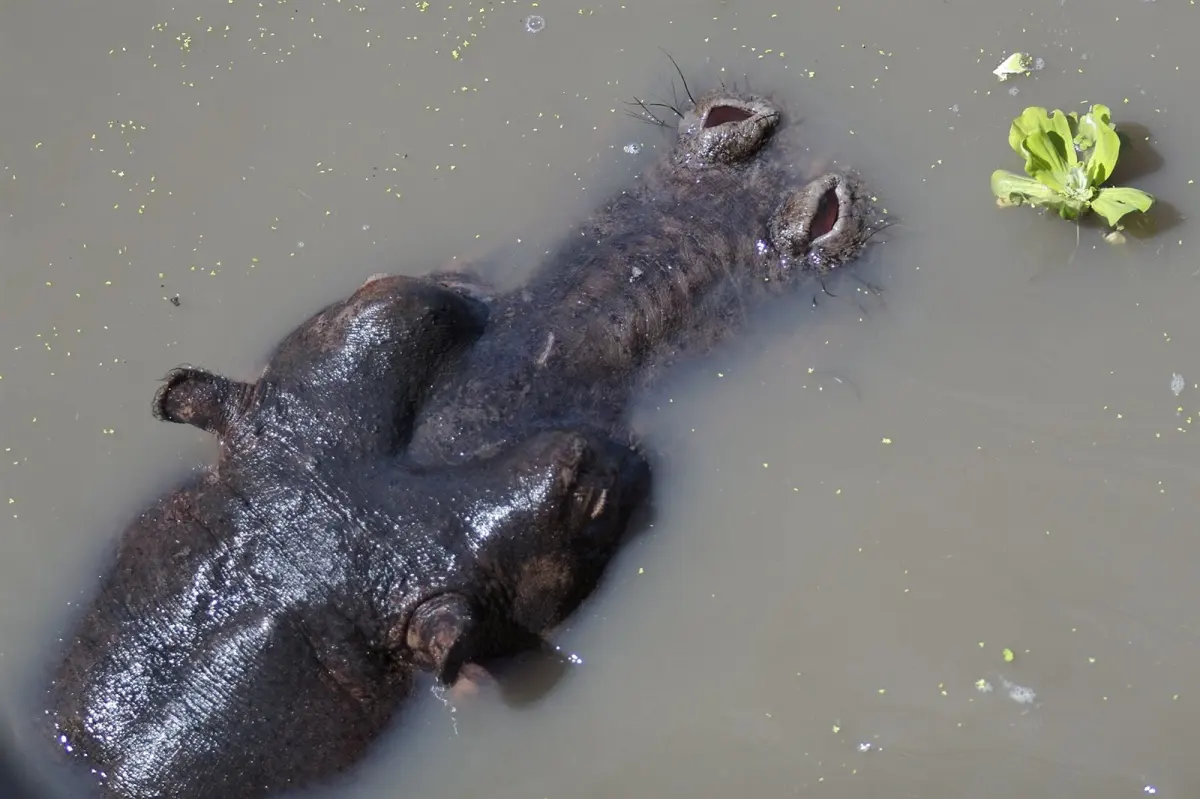
Katavi National Park is one of Tanzania’s wildest and most remote parks. Covering 4,471 km² in the remote southwest, its vast, seasonally flooded plains feel far removed from the busier Northern Circuit. The park is famed for the scale of its wildlife concentrations, especially its immense buffalo herds and the extraordinary number of hippos packed into the shrinking pools of the dry season.
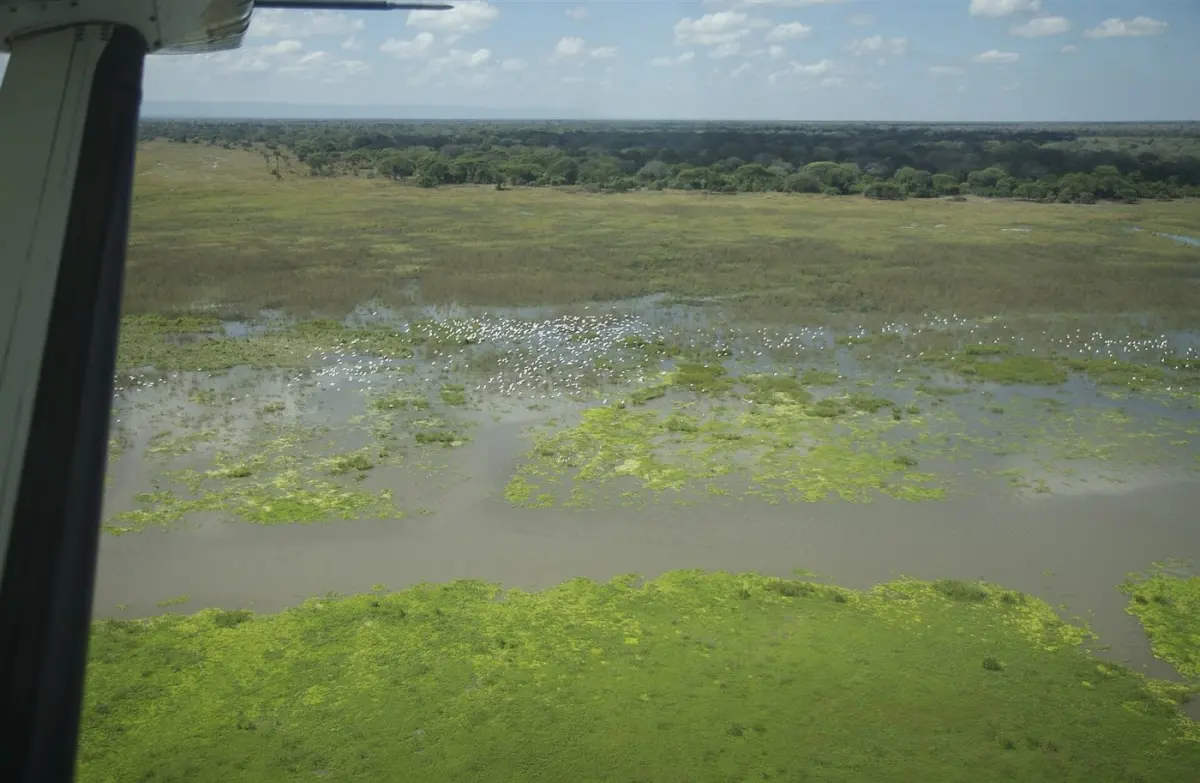
The lifeblood of Katavi is the Katuma River and its floodplain. In the rains the plains become a shimmering lake of water and grasses; in the long dry season the water retreats to a few deep pools, creating one of Africa’s most dramatic wildlife spectacles as herds and predators converge on the remaining water.
With its untamed feel, low visitor numbers and classic savannah scenery, Katavi is a park for seasoned safari travellers looking to experience Tanzania at its rawest. It rewards patience with powerful sightings and a profound sense of solitude.
Whether tracking big herds across the floodplain, watching hippos jostle at the pools, or exploring on a game drive far from any other vehicle, Katavi offers an authentic wilderness adventure.
Why visit Katavi National Park
-
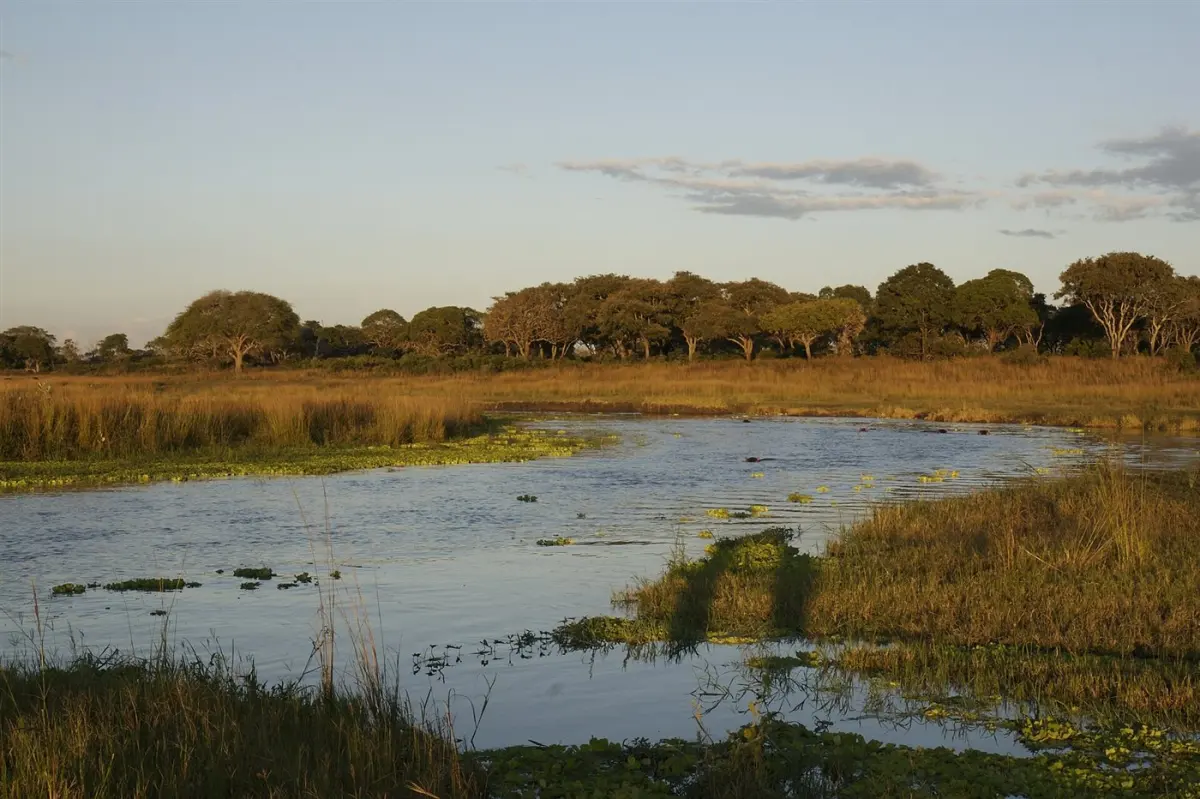
Katuma floodplain
A vast seasonal floodplain that transforms the park — green in the rains, wildlife magnet in the dry season.
-
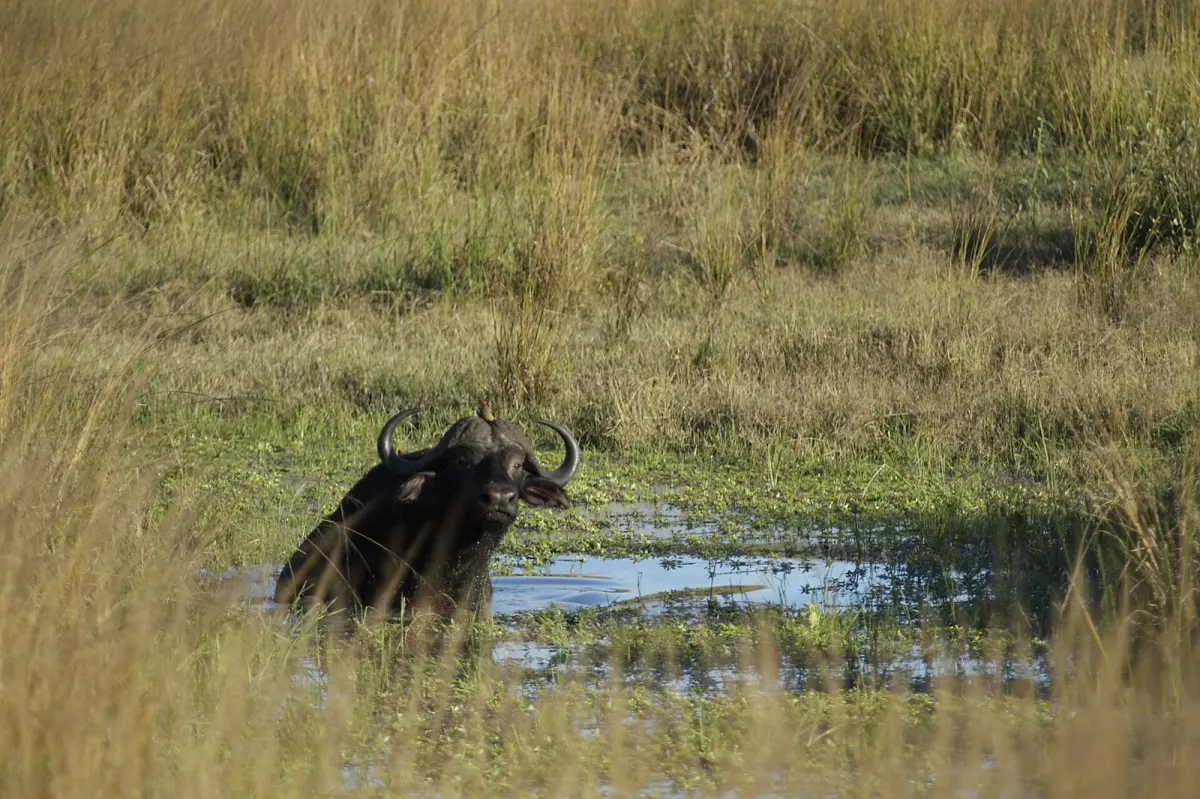
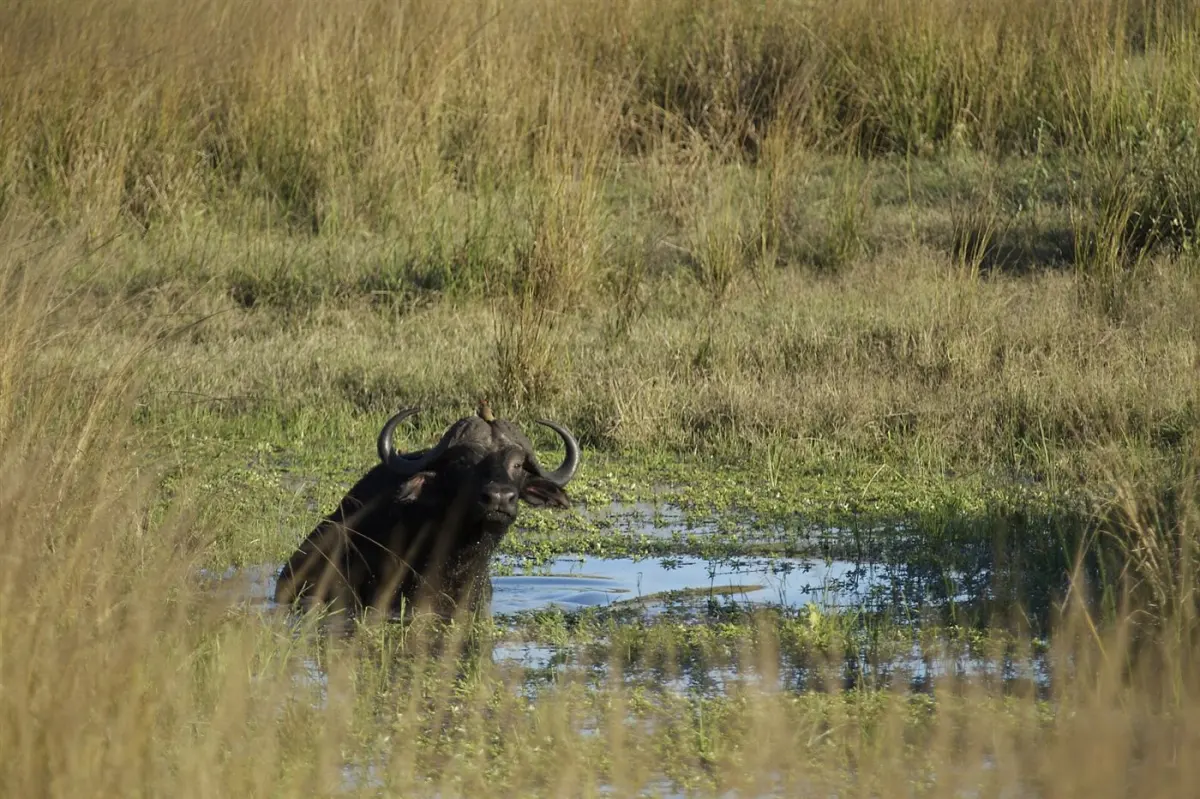
Massive buffalo herds
Katavi is renowned for some of the largest buffalo congregations left in East Africa.
-
Extraordinary hippo numbers
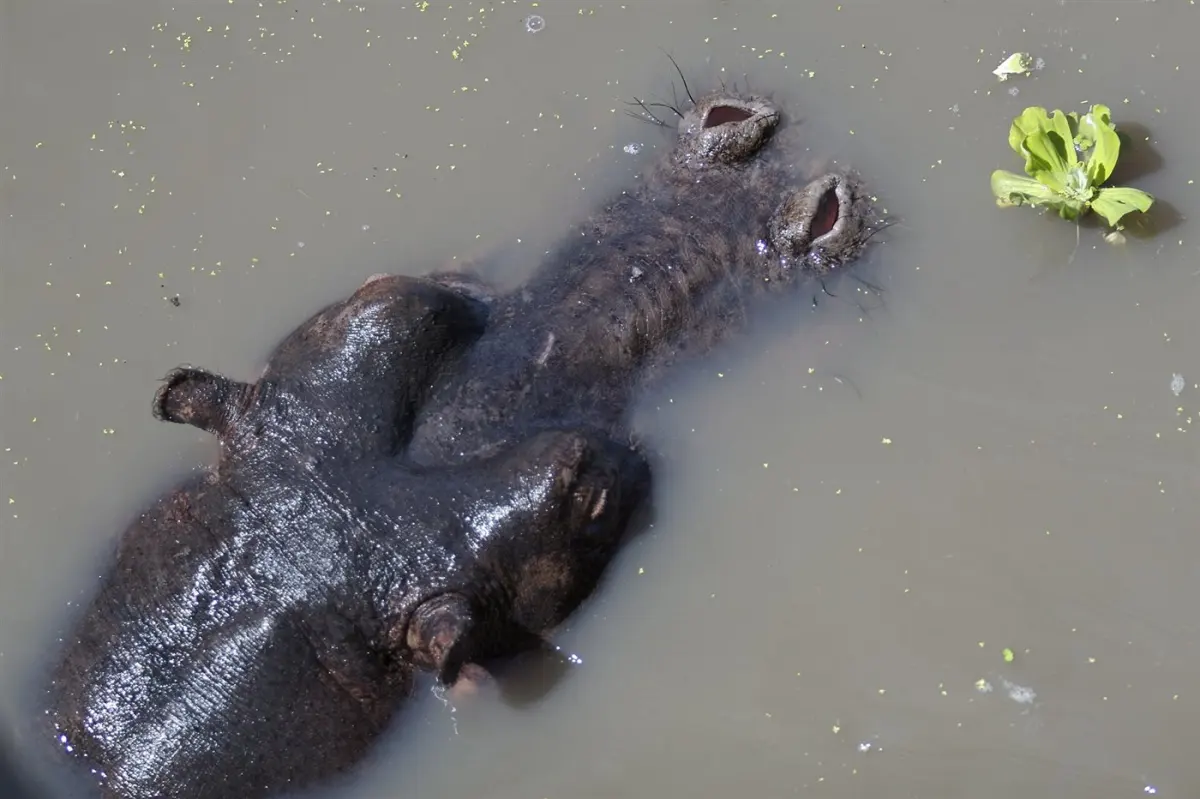
Dozens to hundreds of hippos cram into the few remaining pools as water levels drop.
-
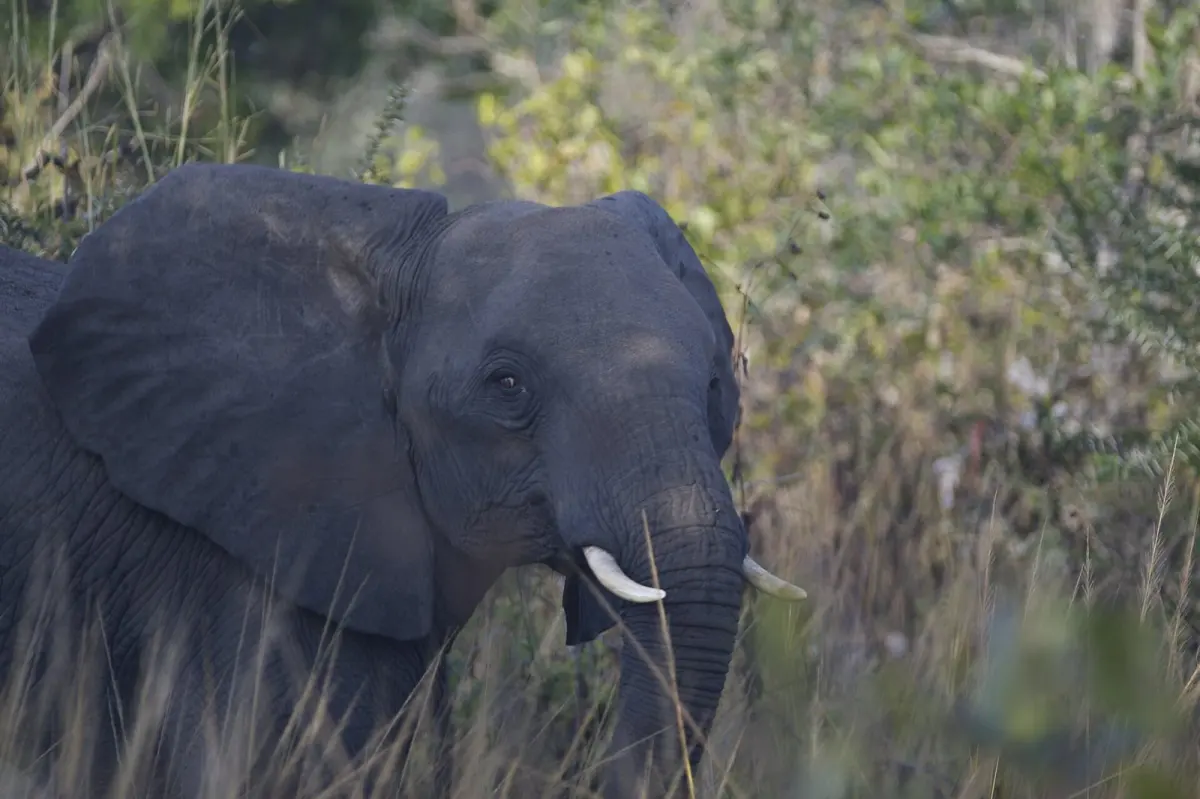
Big elephant bulls
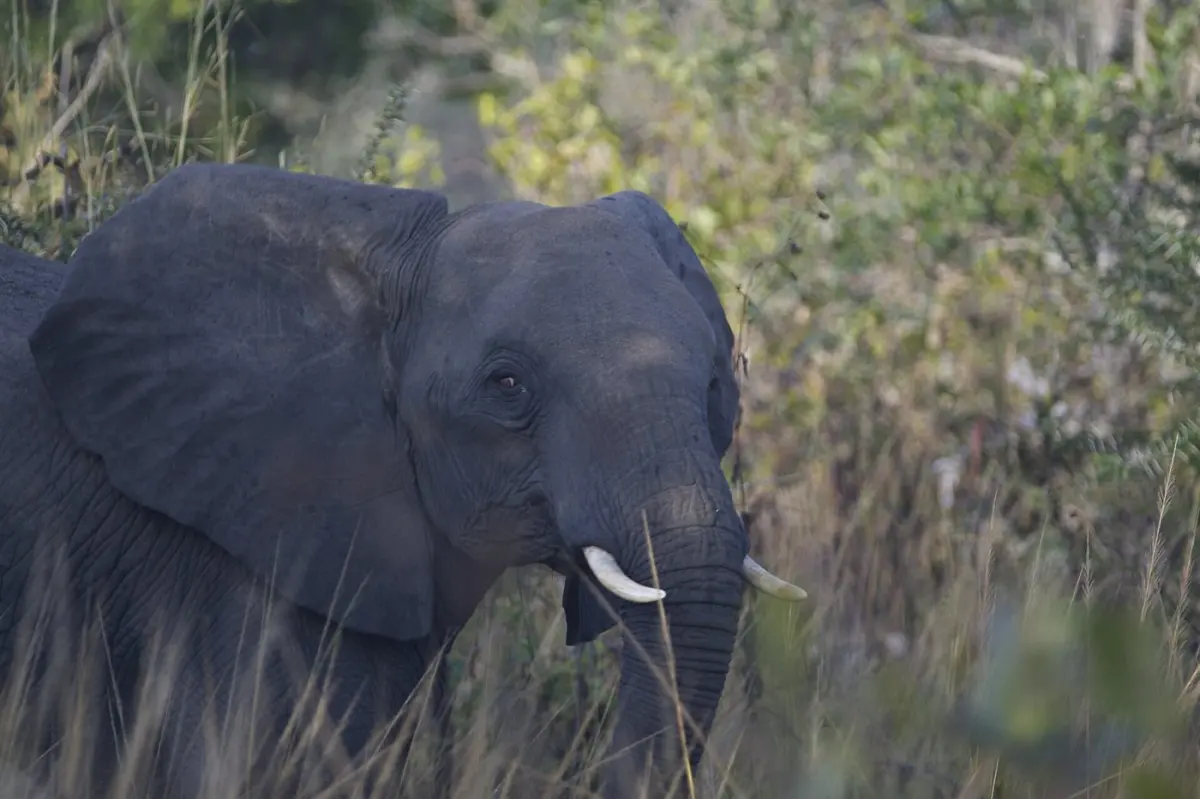
Large-tusked elephants are regularly seen moving between the plains and woodland fringes.
-
Classic predators
Lions, leopards and spotted hyenas follow the herds through the drier months.
-
True wilderness feel
Remote, little visited and often with no other vehicles in sight.
Landscape & geography
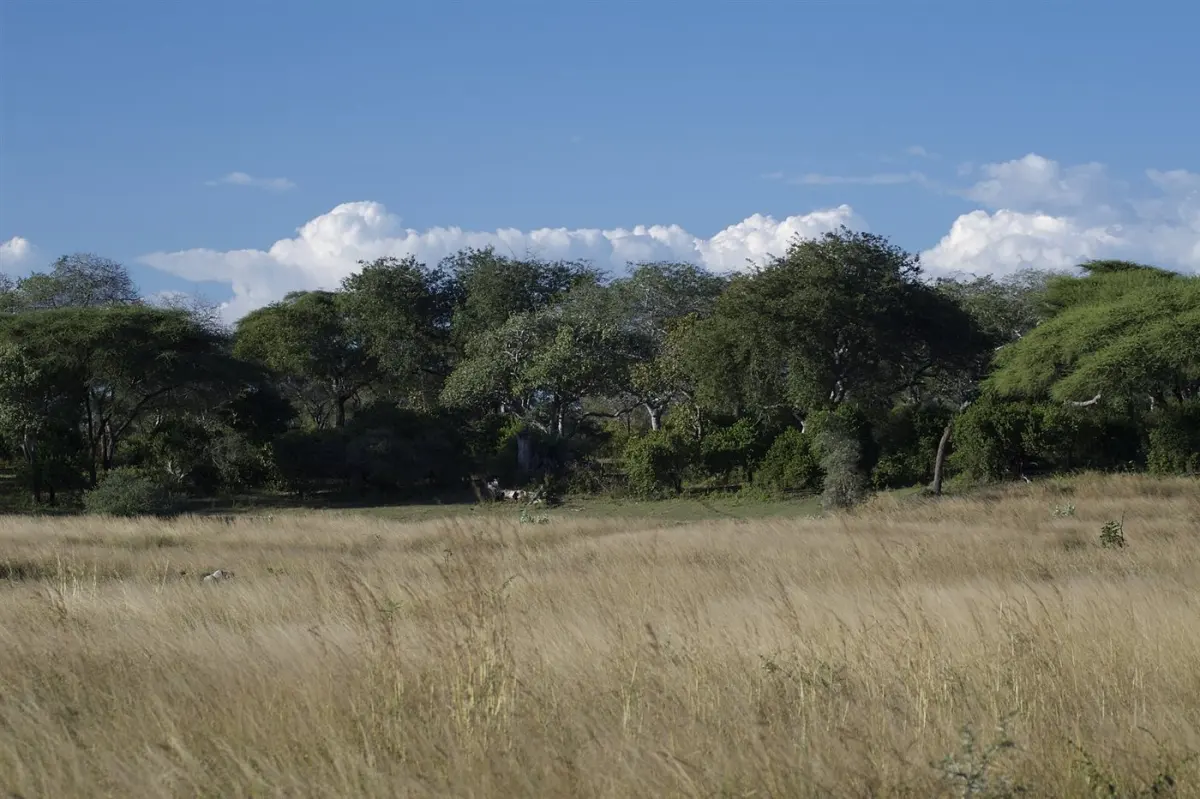
Katavi sits on the vast Rukwa–Tanganyika plateau in southwestern Tanzania. The park’s defining feature is the Katuma floodplain, a broad, seasonally inundated basin fed by the Katuma River. For much of the year this is open grassland, but during the rains it becomes a shallow inland lake.
Beyond the floodplain, miombo woodland, acacia thickets and scattered stands of trees fringe the basin, offering shade and cover for wildlife. The terrain is gently undulating, with open horizons that give a real sense of space and remoteness.
This cycle of flood and retreat drives the entire ecosystem: the plains burst with new growth after rains, then draw wildlife to the last water sources as the dry season intensifies from June to October.
A flood-driven wilderness
Katavi’s productivity peaks in the dry season when the retreating waters concentrate game in spectacular fashion. Buffalo herds can number in the hundreds, while hippos compete fiercely for space in the Katuma pools. Elephants move in from the surrounding woodlands to drink and graze.
These concentrations inevitably attract predators. Lion prides are well established, and spotted hyenas are numerous. Leopards patrol the wooded edges and riverine strips, while crocodiles lie in wait in the deeper pools.
The park also supports sable antelope, roan antelope, topi, hartebeest, zebra, impala, reedbuck and warthog. It’s a classic untamed African landscape where the rhythm of water dictates everything.
Wildlife highlights
Katavi offers some of the best dry-season game viewing in Tanzania. The scale is what sets it apart — not just the numbers, but how few vehicles there are to share them with.
Key highlights include:
- Buffalo — enormous herds moving across the open floodplain.
- Hippo — extraordinary aggregations in the Katuma River pools.
- Elephant — regular sightings of breeding herds and impressive bulls.
- Lion — prides that follow the herds during the dry months.
- Leopard & hyena — often encountered along the woodland margins.
- Antelope — sable, roan, topi, hartebeest and reedbuck are all present.
Best time to visit Katavi
The best time to visit is the dry season from June to October. As the floodplain dries out, wildlife concentrates around the remaining water sources, making for exceptional viewing. July to September is often considered the peak window.
The green season (November to May) brings lush scenery, dramatic skies and fewer visitors. Some tracks can be muddy and certain areas may be less accessible, but birding is excellent and the park feels especially remote.
Remote wilderness conservation
Katavi’s remoteness has helped protect it, but its future depends on keeping the wider landscape intact. The park forms part of a larger ecosystem that includes the Rukwa Game Reserve and surrounding areas, all important for wildlife movements.
Low visitor numbers mean a very low ecological footprint compared to busier parks, but also limited tourism revenue. Visiting Katavi helps support Tanzania’s protected areas and the local communities who play a vital role in conservation.
What you might see
Katavi’s dry-season concentrations of buffalo and hippos are legendary, matched by classic predators and a full cast of savannah species.
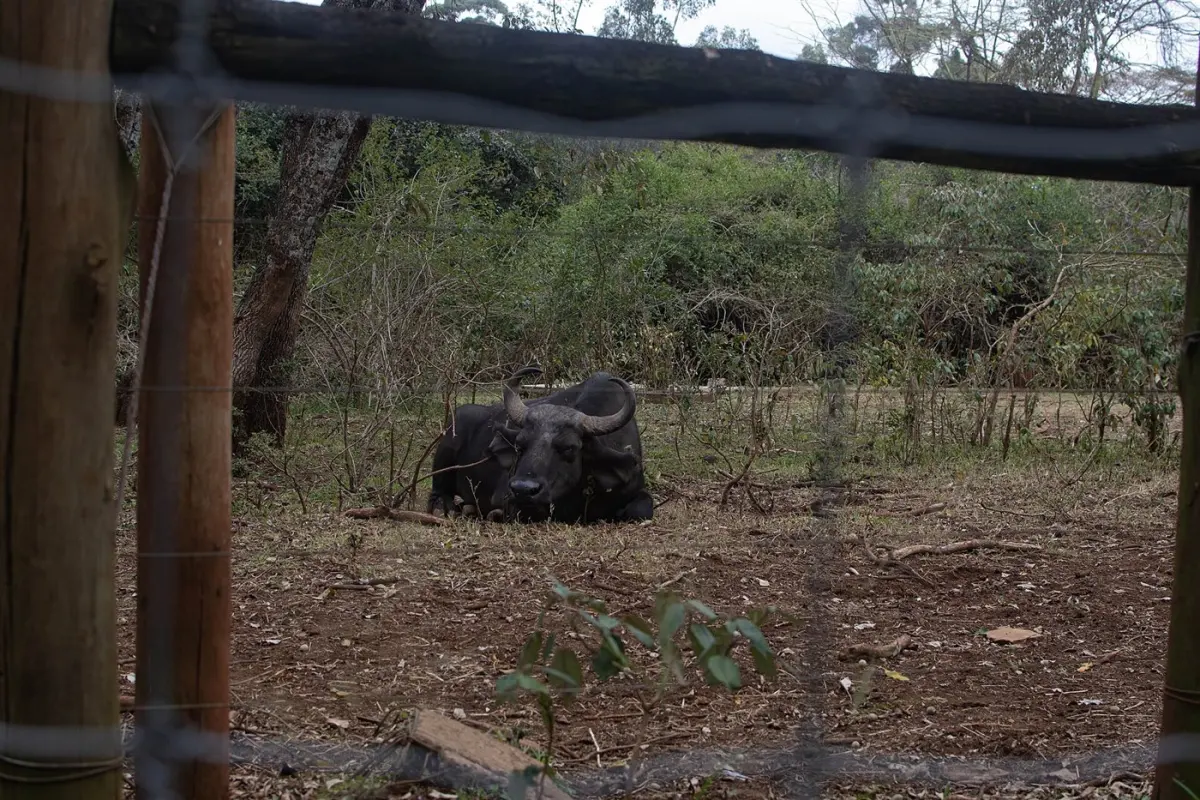
African buffalo
Massive herds are Katavi’s signature — among the largest remaining in East Africa.
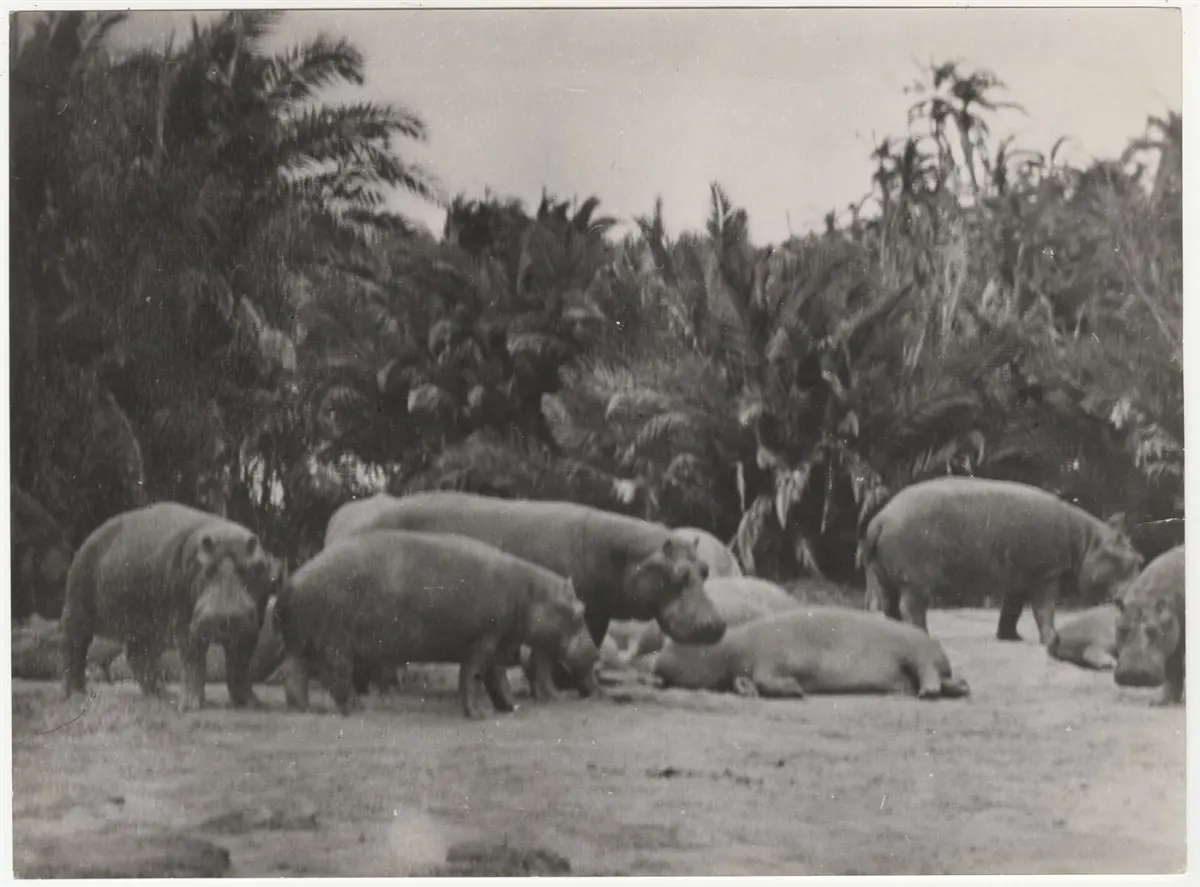
Hippopotamus
Extraordinary numbers pack into the Katuma pools as dry season intensifies.
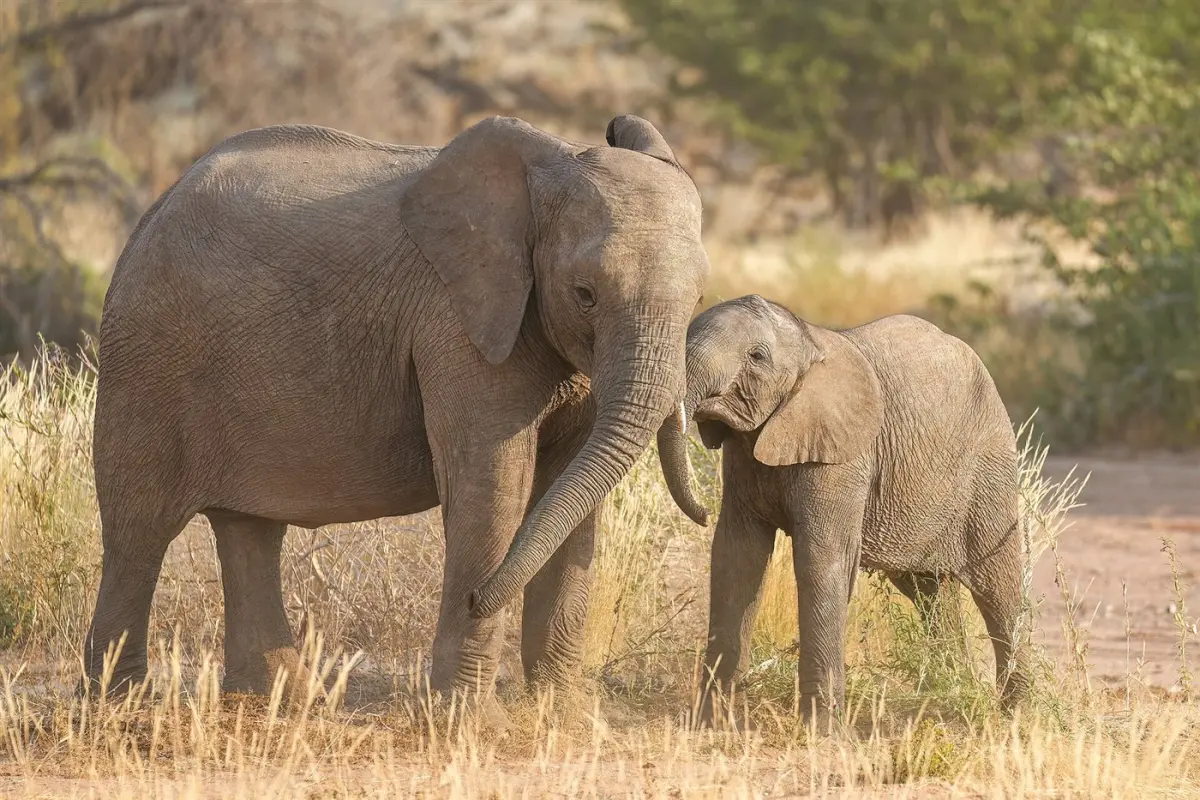
African elephant
Breeding herds and big bulls move between floodplain and miombo woodland.
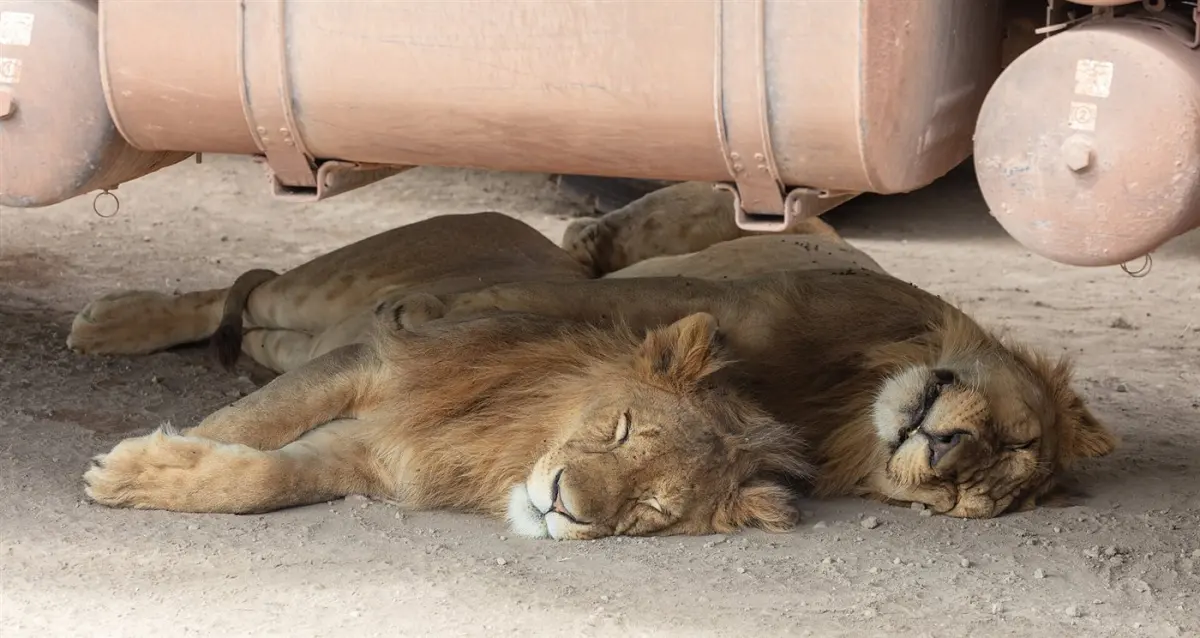
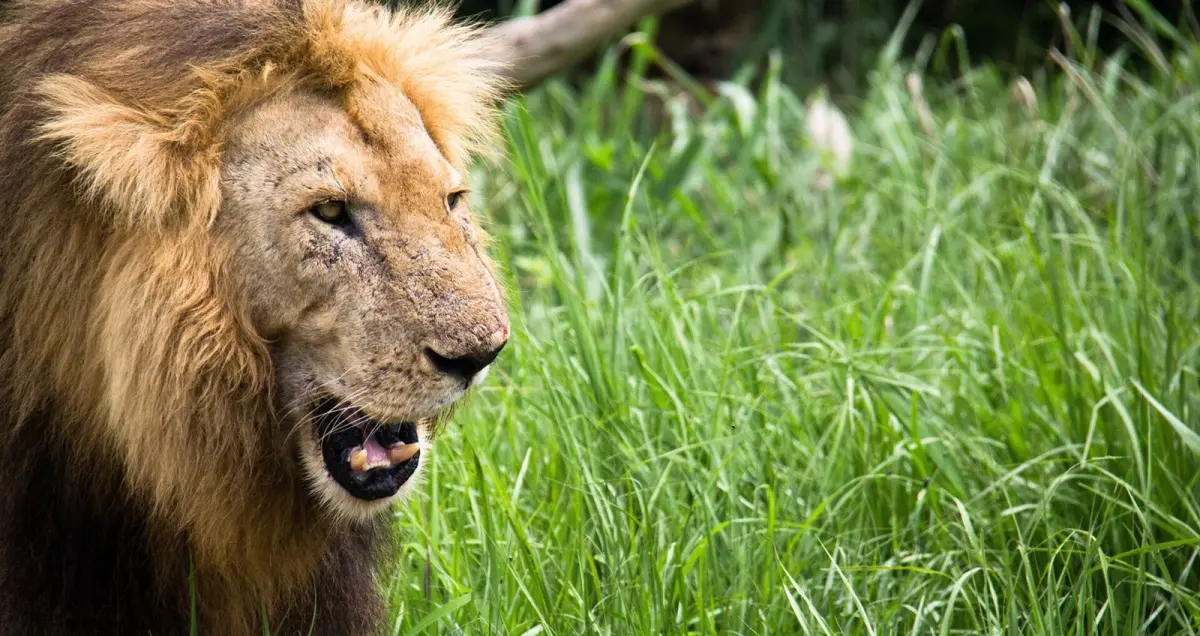
Lion
Pride territories follow the herds, leading to dramatic encounters.
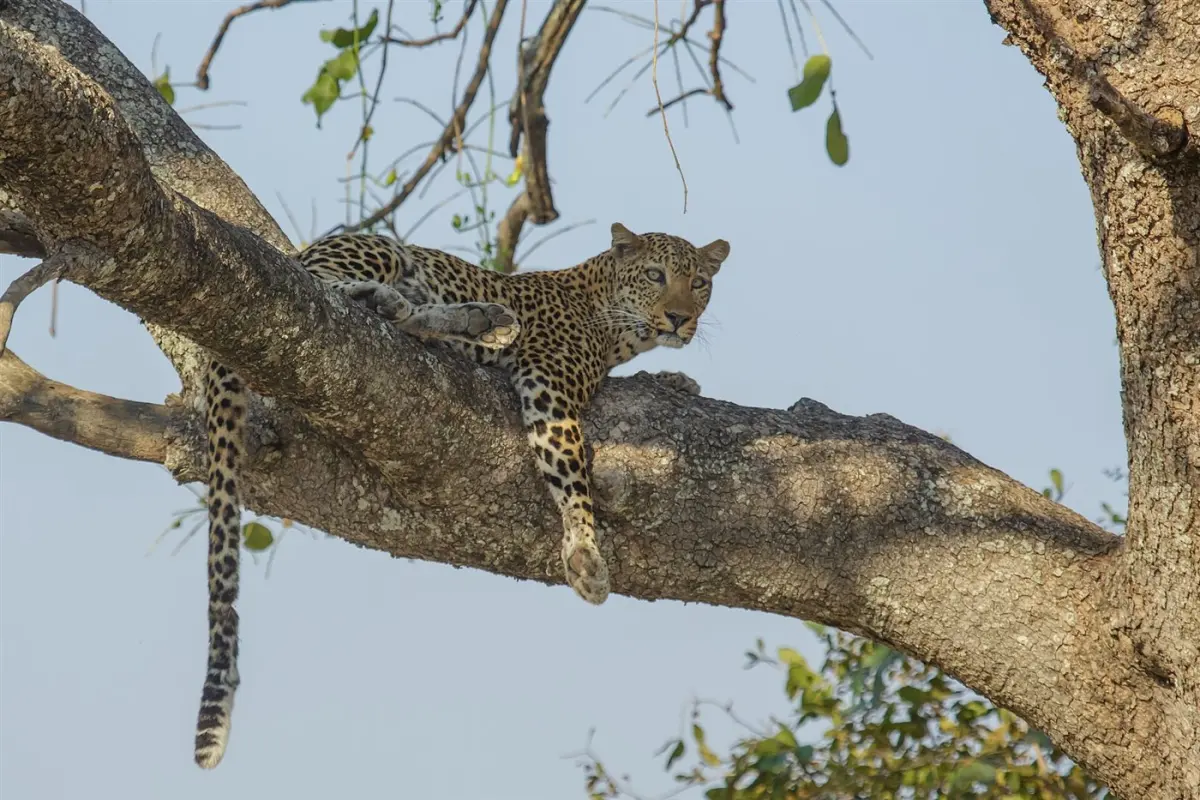
Leopard
Often seen in riverine thickets and wooded fringes around the floodplain.
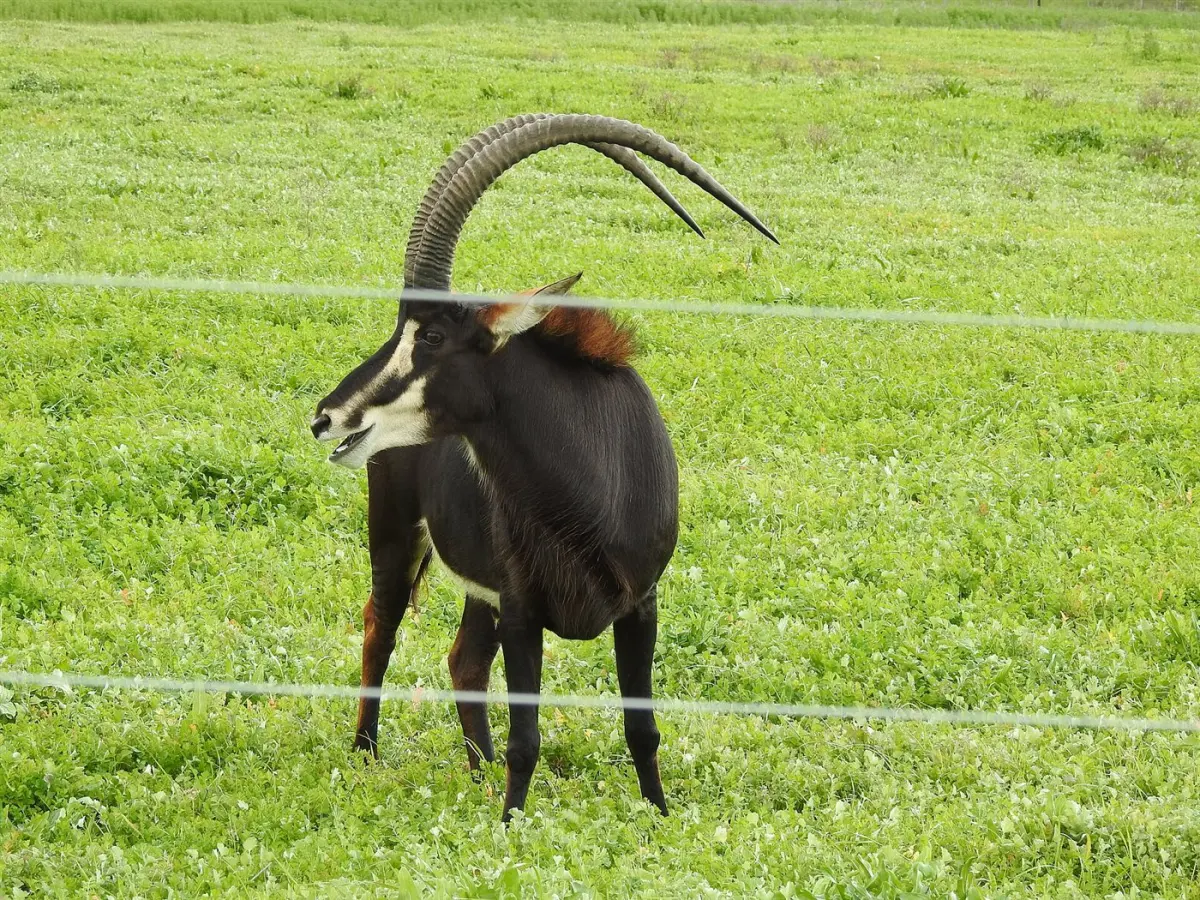
Sable & roan antelope
Iconic western species that thrive in Katavi’s miombo and plains mosaic.
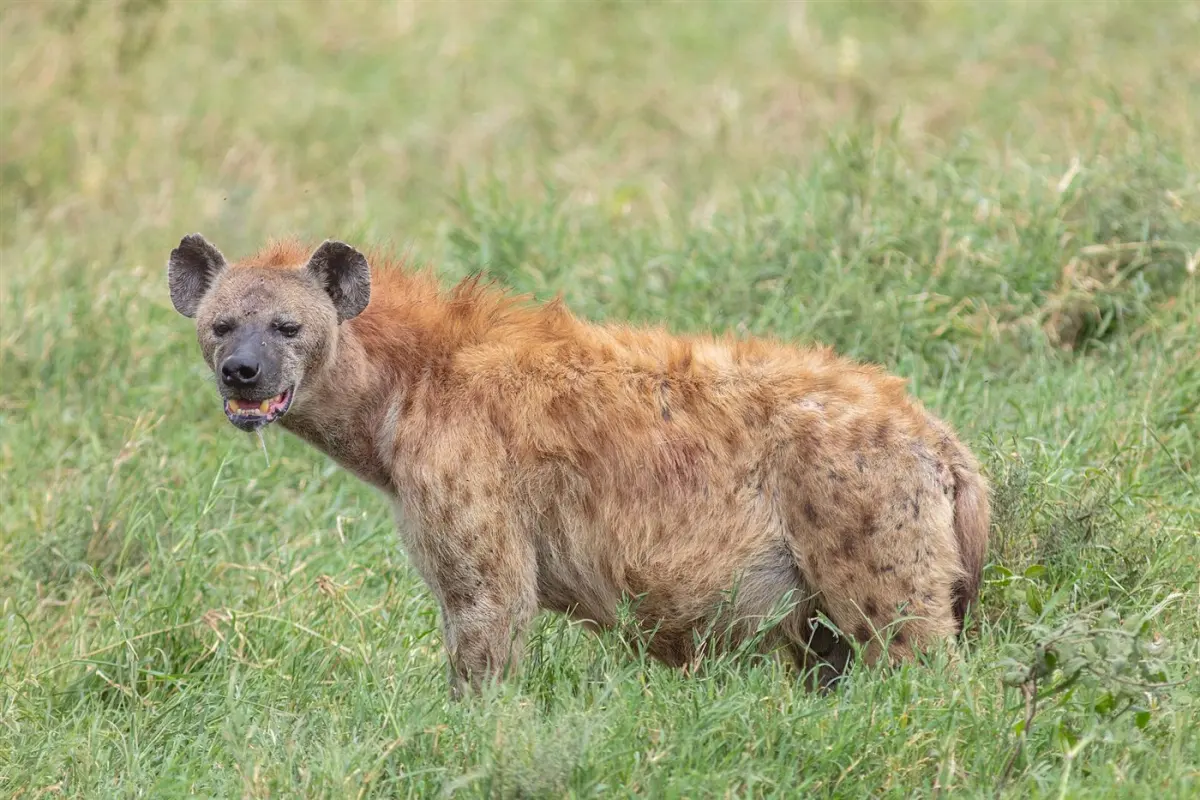
Spotted hyena
Numerous and highly active, especially around the hippo pools.

Plains game
Topi, hartebeest, zebra, reedbuck and impala complete the picture.
Katavi National Park in pictures
Best time to visit
Katavi is at its most rewarding in the dry season when wildlife concentrates around the Katuma pools. Green season offers solitude and great birding.
| Season | Weather | Crowds | What to expect |
|---|---|---|---|
| Jan–Mar | Hot, wet (short rains building) | Low | Lush, some tracks muddy; birding good |
| Apr–May | Heavy rains possible | Low | Green season; limited access in places |
| Jun–Oct | Cool–warm, dry | Low–Moderate | Peak viewing: buffalo/hippo concentrations |
| Nov–Dec | Short rains | Low | Greening up, birding improves, quieter |
Things to do
Game drives
Explore the floodplain and woodlands in a 4x4 with an experienced guide.
Wildlife watching
Focus on the hippo pools and buffalo herds during peak dry months.
Birdwatching
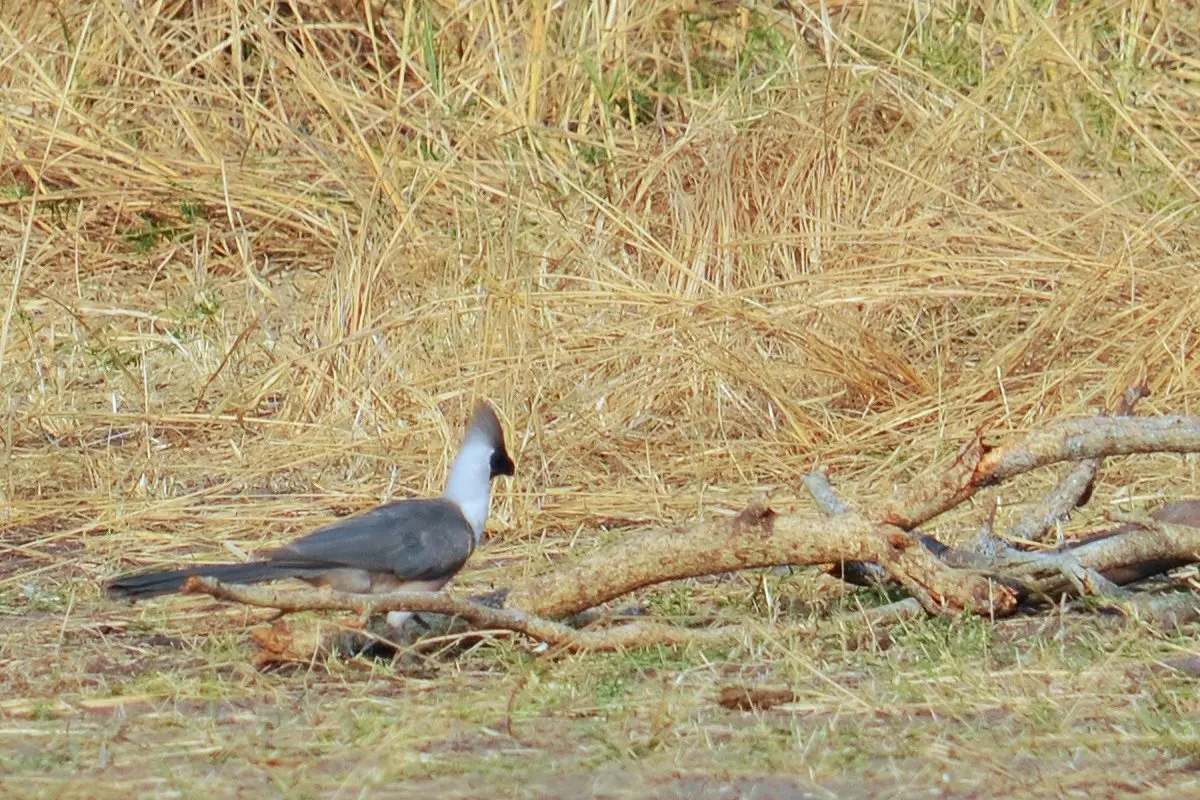
Excellent in the green season with woodland and wetland species.
Photography
Dramatic light, big skies and vast herds offer superb opportunities.
Nature walks
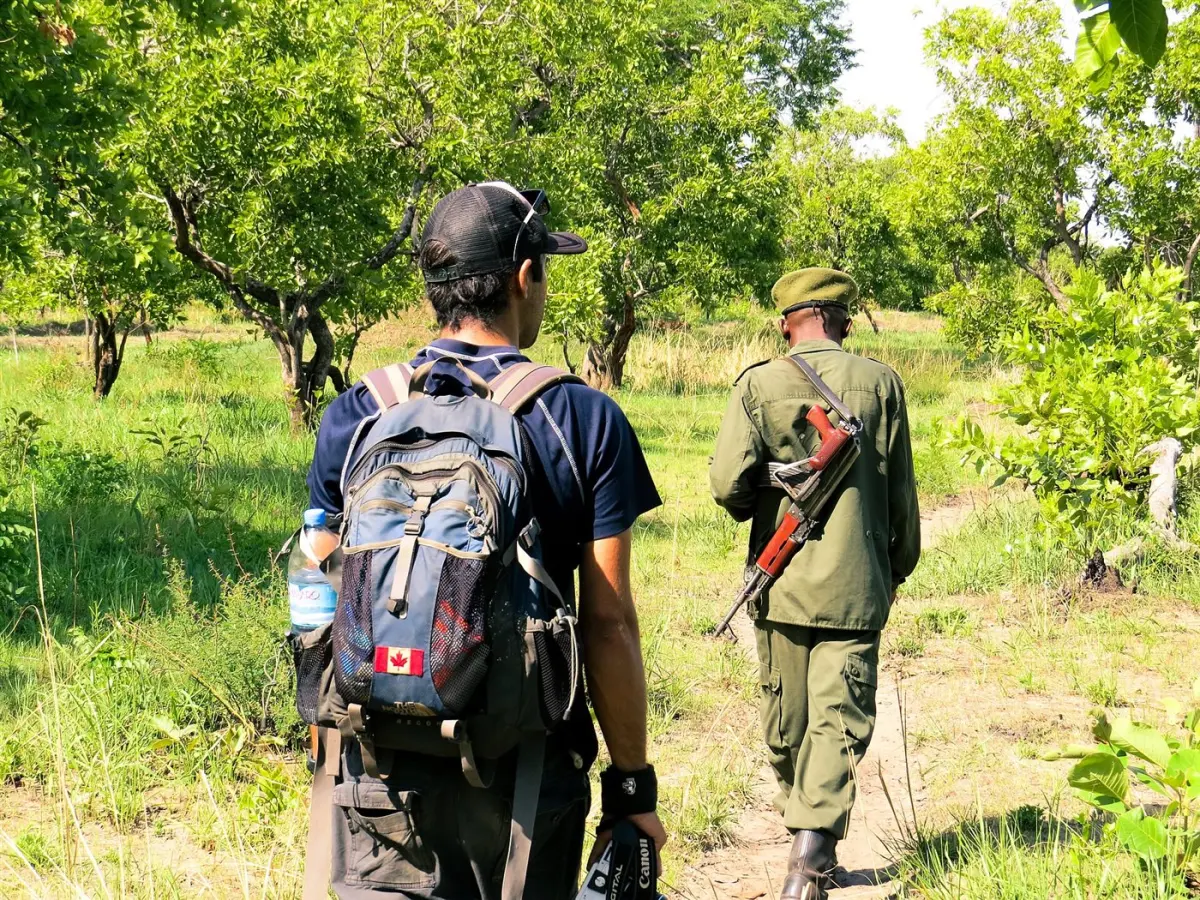
Guided walks around camp areas or designated zones when conditions allow.
Wilderness immersion
Experience genuine remoteness with very few other vehicles.
Where to stay
Fly-in tented camps
Remote luxury camps with en-suite tents and prime locations near the floodplain. <!-- TODO: lodge names -->
Tented camps
Comfortable, well-run tented camps balancing access, comfort and value. <!-- TODO: lodge names -->
Public campsites
Basic campsites for adventurous travellers exploring Katavi by road. <!-- TODO: lodge names -->
Getting there & around
Reaching Katavi is part of the adventure. Most visitors fly in from Dar es Salaam, Arusha or Mbeya to airstrips near Mpanda or inside the park. Chartered and scheduled flights operate depending on season.
Road travel is possible but long and demanding, best suited to overland safaris with a fully equipped 4x4 and experienced guide. Once inside, game drives explore the floodplain and surrounding woodlands.
- Fly-in from Dar Approx. 2–3 hrs (via Mbeya/Mpanda)
- By road from Mbeya Long (full day) — 4x4 recommended
- Best time to visit Jun–Oct (dry season)
- Recommended stay 3–4 days
Frequently asked questions
Why is Katavi so special?
Katavi is famed for its enormous buffalo herds, exceptional hippo concentrations at the Katuma pools, and its genuine wilderness feel with very few visitors.
When is the best time to visit Katavi?
June to October is ideal, when the floodplain dries and wildlife converges on remaining water. July–September is often the strongest window.
How do I get to Katavi National Park?
Most travellers fly from Dar es Salaam, Arusha or Mbeya to airstrips serving Katavi. Overland travel is possible but long and challenging; fly-in is most practical.
How many days do I need in Katavi?
A minimum of 3 days is recommended to explore the floodplain and have time for quality sightings without rushing.
Is Katavi suitable for first-time safari-goers?
It’s better suited to experienced or adventurous travellers due to its remoteness. Those seeking classic Big Five in comfort may prefer the Northern Circuit.
What wildlife can I expect?
Expect buffalo, hippo, elephant, lion, leopard, spotted hyena, sable antelope, roan antelope, topi, zebra and a rich mix of plains game.
Nearby destinations


Ready to plan your Katavi National Park trip?
Tell us your dates and travel style. Our local team in Moshi will build a tailor-made itinerary around Katavi National Park — free, with no obligation.