
Discover Serengeti National Park
Serengeti National Park is Tanzania’s flagship safari destination and one of the most famous wildlife areas on the planet. Stretching across 14,763 km² of rolling savannah, acacia woodland and granite kopjes, its name comes from the Maasai word siringet — “the place where the land runs on forever”.
At its heart is the Great Migration, the largest land mammal movement on Earth. Well over a million wildebeest, hundreds of thousands of zebra and gazelle follow the rains in a vast annual loop between the Serengeti and Kenya’s Masai Mara, tracked the whole way by lions, cheetahs, leopards and hyenas.
Because the park protects a complete ecosystem, game viewing here is exceptional year-round. Whether you are chasing a river crossing in the north between July and October, watching wildebeest calve on the southern plains in February, or enjoying quiet predator sightings in the Seronera Valley, the Serengeti rewards every kind of safari.
Combined with the Ngorongoro Crater, Tarangire and Lake Manyara, it forms Tanzania’s classic Northern Circuit — the itinerary most first-time visitors choose. Tell our local team your dates and we will build the Serengeti trip that fits them best.
Why visit Serengeti National Park
-
The Great Migration
Over 1.5 million wildebeest and 250,000 zebra on the move — the greatest wildlife spectacle on Earth.
-
Africa’s top predators
The Serengeti holds one of the densest lion populations on the continent, plus cheetah, leopard and hyena.
-
Mara River crossings
From July to October, herds brave crocodile-infested waters in the far north — a bucket-list sighting.
-
The Seronera Valley
Reliable year-round game viewing in the central park, where lions and leopards are frequently seen.
-
Sweeping plains & kopjes
Golden grasslands dotted with granite outcrops that shelter rock hyrax, agama lizards and resting predators.
-
Maasai culture
Meet Maasai communities on the park’s edge and discover a way of life shaped by these plains for centuries.

Landscape & geography
The Serengeti is a vast, rolling plain of short-grass savannah, broken by rocky granite outcrops known as kopjes and threaded with riverine woodland along seasonal rivers. The land rises gently from about 920 m in the northwest to roughly 1,850 m in the southeast, and that subtle gradient shapes everything from the vegetation to the movement of the herds.
The southeastern plains are open and almost treeless, built on volcanic ash blown from the Ngorongoro highlands, while the north is greener and more wooded, with the Mara River forming a natural boundary with Kenya’s Masai Mara. To the west, the Grumeti and Mbalageti rivers feed the wildlife-rich Western Corridor.
This mosaic of grassland, woodland, kopje and river gives the Serengeti its extraordinary biodiversity — and gives every safari constantly changing scenery, from endless horizons at dawn to shaded riverbanks where leopards sleep through the heat of the day.

Regions of the Serengeti
The park is far from uniform. Each region has its own character, and where you spend your time depends on the season and the movements of the herds.
- Central Seronera Valley — the accessible heart of the park and the most reliable area for lions and leopards year-round.
- Southern Plains (Ndutu) — wide, short-grass plains where wildebeest calve between January and March.
- Western Corridor (Grumeti) — riverine woodland and the Grumeti River, busy with herds from May to July.
- Northern Serengeti (Kogatende & Lamai) — the scene of the dramatic Mara River crossings from July to October.
- Eastern Serengeti — quieter, drier plains closer to Ngorongoro, good for cheetah and walking areas.
The Great Migration
Every year roughly 1.5 million wildebeest and 250,000 zebra move in a vast clockwise circuit through the Serengeti–Mara ecosystem, driven entirely by the rains and the green grass that follows them. It is the largest land mammal migration on Earth.
Between January and March the herds gather on the southern plains around Ndutu to give birth — some 8,000 calves a day at the peak. As the plains dry out, they push north and west, crossing the Grumeti River around May and June before reaching the Mara River between July and October, where the famous crossings take place.
By November the short rains pull the herds south again, completing the loop. Because the timing shifts slightly each year, our guides follow the migration through the season and position your itinerary where the herds are expected to be.

A protected wilderness
The Serengeti has been protected in one form or another since 1921, when a game reserve was first declared. It became a national park in 1951 and was inscribed as a UNESCO World Heritage Site in 1981, recognised for the global importance of its ecosystem and the annual migration.
Its scientific fame came from pioneering researchers such as Bernhard and Michael Grzimek, whose work in the 1950s and 60s helped safeguard the wider ecosystem, and from the long-term predator studies of the Serengeti Research Institute that continue today.
The park sits at the heart of the greater Serengeti ecosystem, which also takes in the Ngorongoro Conservation Area, the Maswa Game Reserve and Kenya’s Masai Mara — a connected landscape on which the migration depends.

Living alongside the wild
These plains have been home to people for thousands of years. Today the land around the park is shared with Maasai pastoralists, who have grazed cattle here for centuries, as well as Sonjo and Ikoma communities.
Cultural visits to Maasai bomas offer a genuine glimpse of village life — traditional homesteads, beadwork, singing and the famous adumu jumping dance. Done respectfully and on community terms, these visits help local families benefit directly from tourism.
Combine the wildlife with a stop at Olduvai Gorge, just outside the park, where some of the earliest evidence of human ancestors was discovered — a reminder that this is a landscape of deep human history as well as wild drama.

How the ecosystem works
What makes the Serengeti so productive is an unusually simple food chain. Seasonal rains feed vast grasslands of sweet, mineral-rich grass; the grass feeds the migrating herds; and the herds feed one of the densest concentrations of predators anywhere in Africa.
More than 3,000 lions, around a thousand leopards and several hundred cheetahs share the plains, alongside spotted hyenas, jackals and the endangered African wild dog. The short-grass south and the wooded centre suit different hunters — cheetahs favour the open flats, leopards the riverine trees and kopjes, while lions thrive almost everywhere.
Scavengers finish what the predators leave, and the rivers add hippos, crocodiles and rich bird life, so the whole system stays in balance. This interdependence is why the Serengeti is studied so intensively — and why protecting the complete migration route matters far more than protecting any single park.
Climate & weather
Despite sitting on the equator, the Serengeti is surprisingly temperate because of its altitude, mostly between 1,200 and 1,800 m. Daytime temperatures are pleasant year-round, typically 24–29°C, but nights and early mornings can be genuinely cold — bring a warm layer for dawn game drives.
The park has two rainy periods: the long rains (masika) from March to May and the short rains (vuli) in November and December. The dry season from June to October brings clearer skies, thinner vegetation and the best all-round game viewing.
Because altitudes and microclimates vary across the park, the wooded north can feel quite different from the dry southern plains on the same day, so packing in layers is always the sensible choice.
Conservation today
Even a protected wilderness faces pressure. Poaching for ivory and bushmeat, human–wildlife conflict along the park’s boundaries and a fast-growing human population all threaten the Serengeti ecosystem, while changing rainfall patterns linked to climate change add uncertainty to the migration.
Anti-poaching patrols, community conservancies and wildlife corridors that keep the migration route open are central to protecting the park, and a share of park fees is returned to conservation and to neighbouring communities.
Choosing responsible operators — who follow park rules, keep a respectful distance from wildlife and genuinely support local people — is one of the simplest ways a visitor can help keep the Serengeti wild.
Park fees & practical information
Entry to Serengeti National Park is subject to a conservation fee per person, per 24-hour period, plus vehicle fees and, for some travellers, concession or transit fees. Rates are set by the government and reviewed periodically, so we always confirm current amounts when you book.
A few practical points to keep in mind when planning your visit:
- The park is generally open daily from around 6:00 am, with gates closing in the evening.
- Park fees are usually settled within your safari package — we handle permits and payments for you.
- Most visitors stay overnight inside or beside the park, so more than one day of fees usually applies.
- A licensed guide and a 4x4 safari vehicle are required for all game drives.
- Drones need special authorisation and are not permitted for casual use.
Health, safety & responsible travel
The Serengeti is a low-risk destination for most travellers. The main health consideration is malaria, so speak to your travel doctor about antimalarials before you go. A yellow fever vaccination may be required if you are arriving from a country where the disease is present.
On safari the safest place is inside the vehicle. Always listen to your guide, never approach wildlife on foot, and keep a sensible distance at every sighting. Sun protection, insect repellent and plenty of water are essentials.
- Take antimalarials and pack insect repellent for the evenings.
- Drink bottled or purified water only.
- Carry personal medication and a basic first-aid kit.
- Respect wildlife — stay in the vehicle and follow your guide’s instructions.
- Observe park rules on off-road driving, litter and speed limits.
What you might see
A complete predator-prey ecosystem makes the Serengeti one of the most reliable places in Africa to see big game.

Lion
Thousands resident across the plains and kopjes — Serengeti holds Africa’s largest lion population.
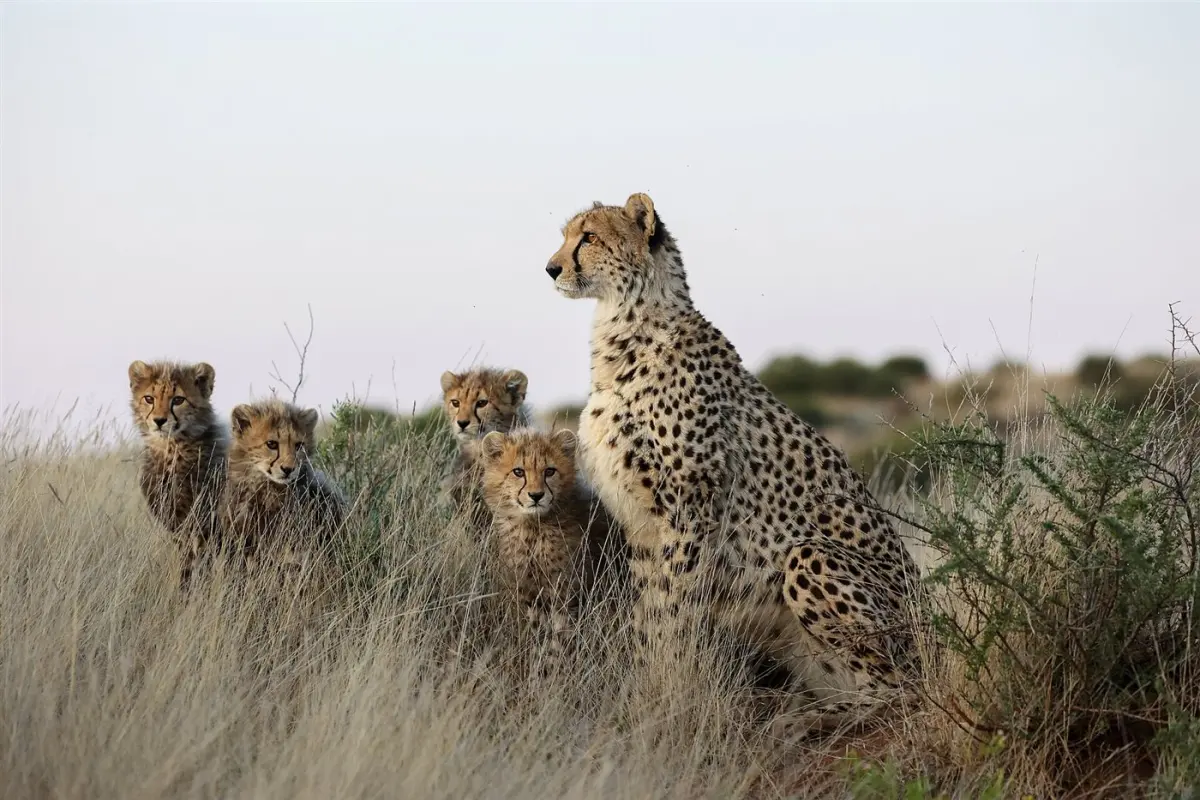
Cheetah
Open grassland is ideal hunting ground, making the Serengeti a stronghold for the world’s fastest cat.
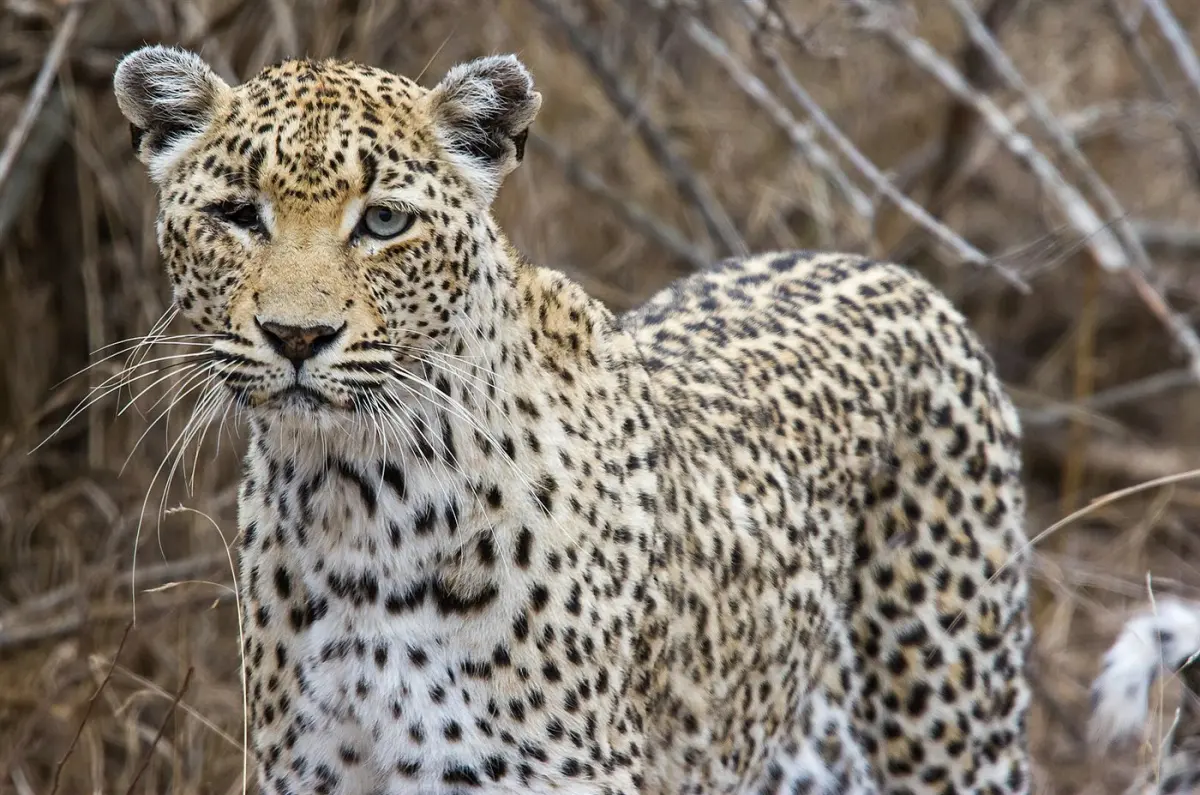
Leopard
Often draped along the branches of the Seronera’s riverine trees and granite kopjes.

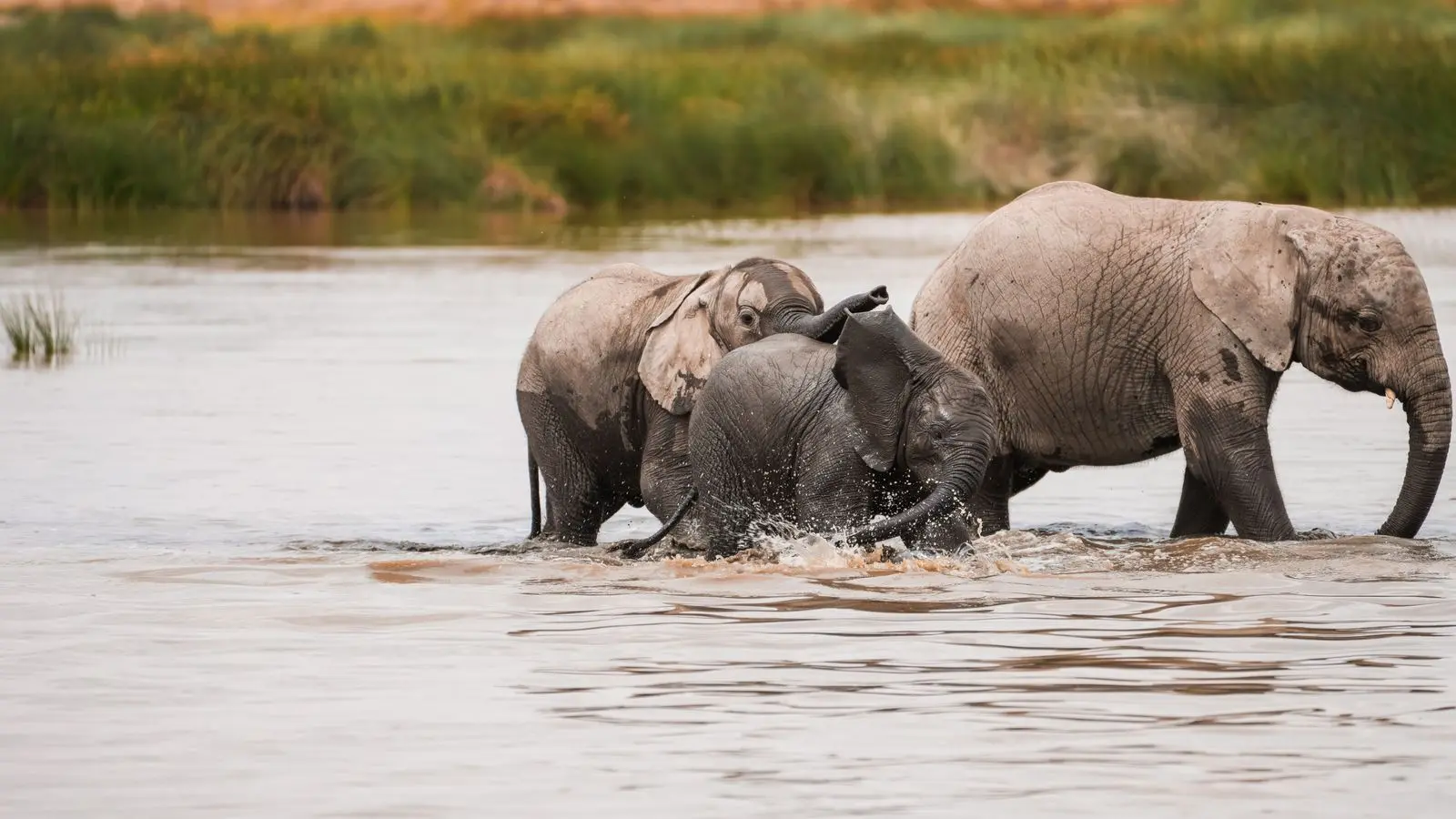
Elephant
Herds roam the woodlands and river valleys, especially in the northern and western corridors.
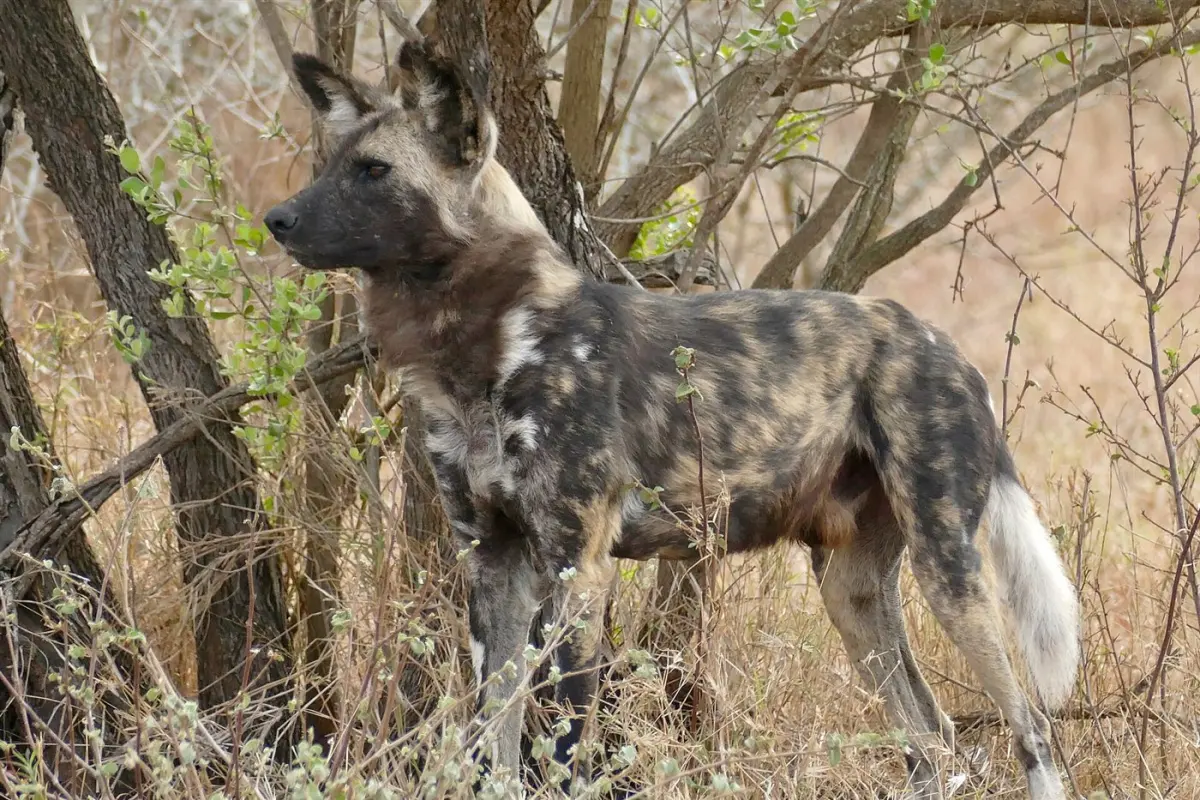
African wild dog
Rare and endangered, occasionally sighted on the southern and eastern plains.

Hippo & crocodile
Congregate in the Grumeti and Mara rivers, where the migration crossings take place.
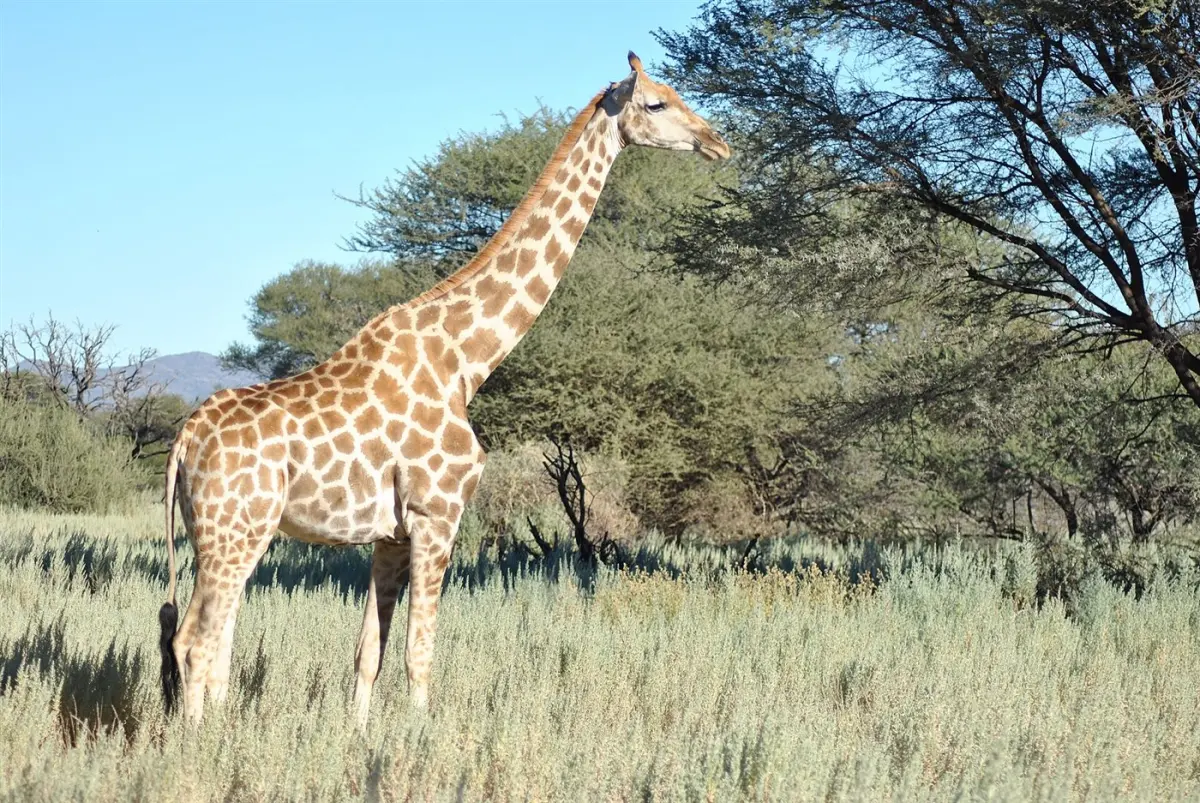
Giraffe & zebra
Ever-present across the plains alongside gazelle, topi and hartebeest.

Over 500 bird species
From ostrich and secretary birds to vultures, eagles and colourful rollers.
Serengeti National Park in pictures
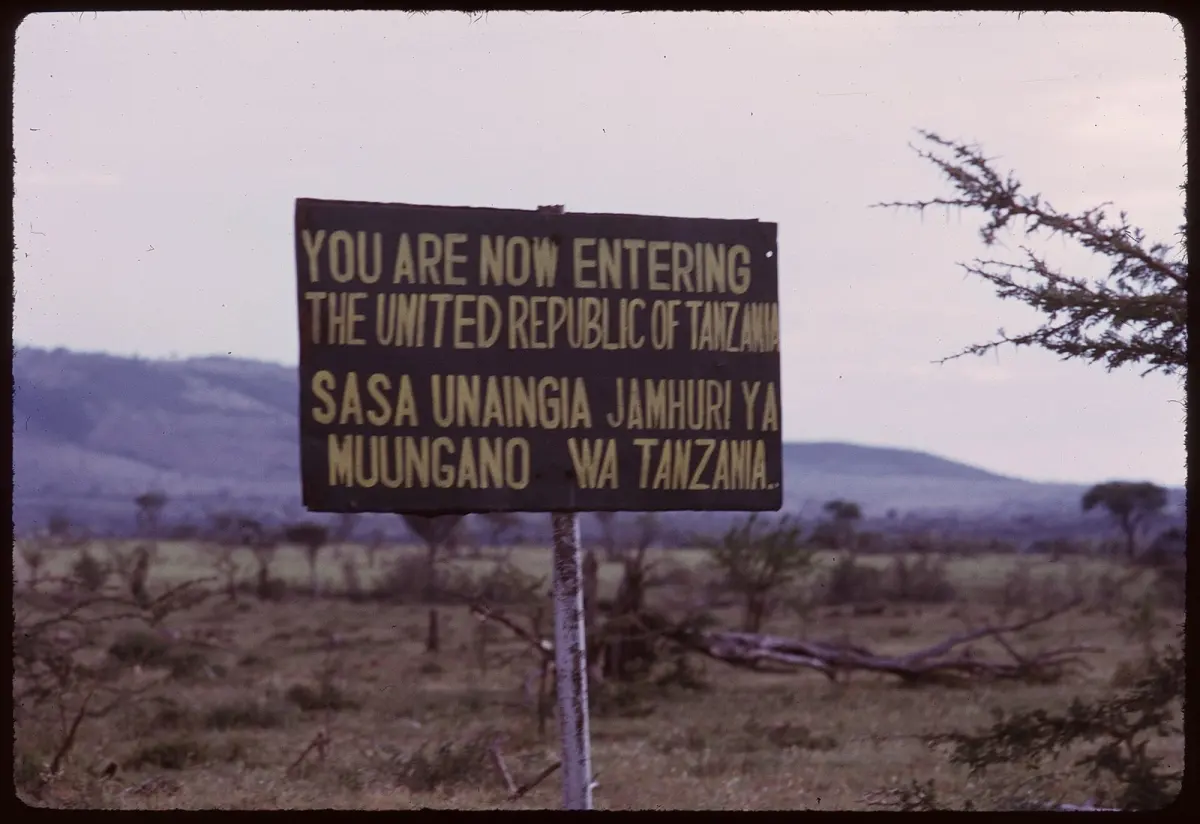

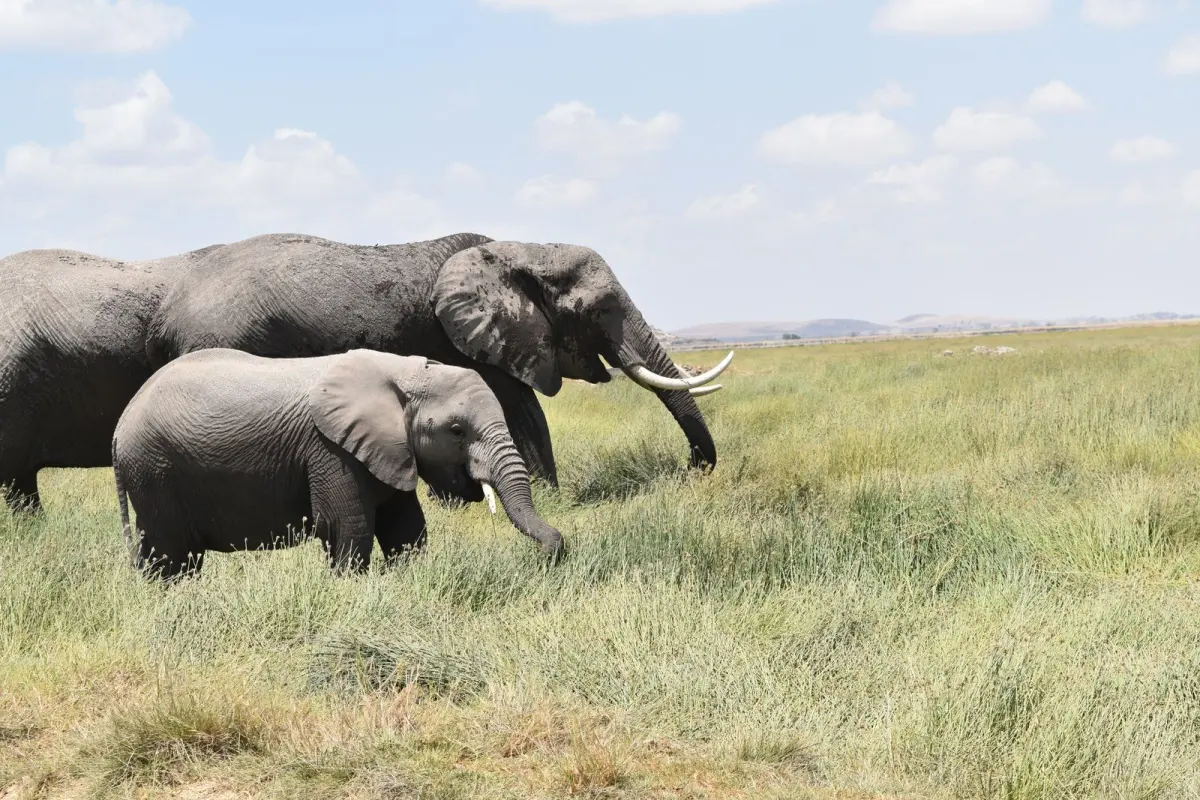


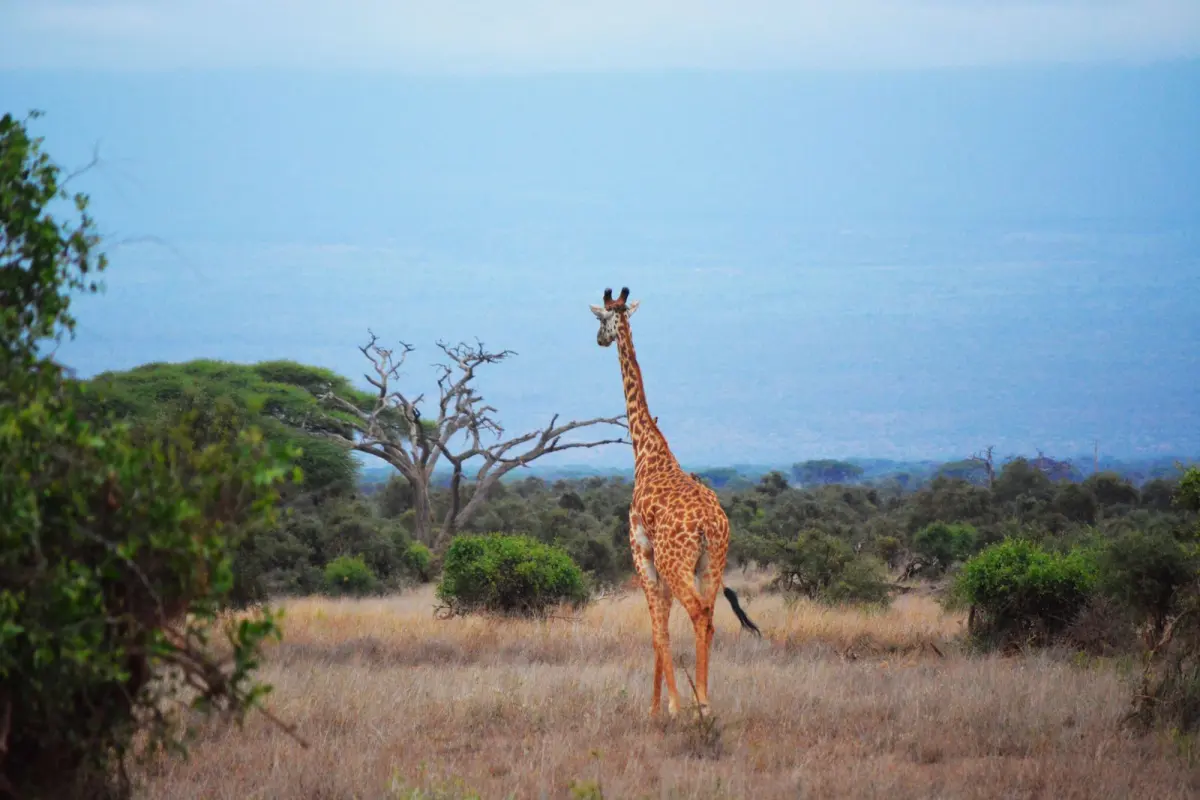

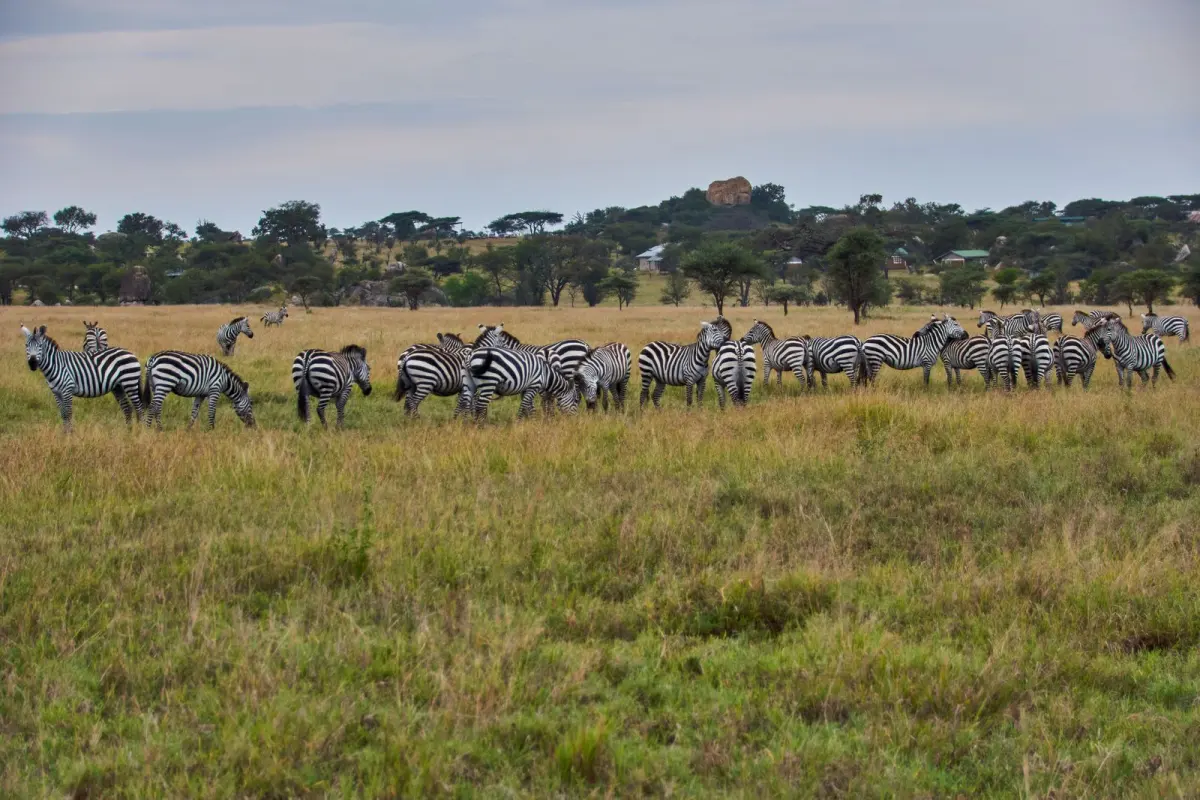
Best time to visit
The Serengeti is a year-round destination — what changes is where the herds are and how busy the park feels.
| Season | Weather | Crowds | What to expect |
|---|---|---|---|
| Jan–Mar | Warm, short dry spell | Low to moderate | Wildebeest calving on the southern plains |
| Apr–May | Long rains | Low | Green season, lush scenery and lower rates |
| Jun–Oct | Cool and dry | High | Peak game viewing and Mara River crossings |
| Nov–Dec | Short rains | Moderate | Short showers, good value and resident wildlife |
Things to do
Game drives
Morning and afternoon drives with a guide who reads tracks, calls and herds to find the action.
Hot air balloon safari
Drift silently over the plains at dawn and finish with a champagne bush breakfast.
Walking safaris
Guided walks in the surrounding conservation areas reveal tracks, plants and birdlife up close.
Photography
Golden light and open horizons make the Serengeti a photographer’s dream.
Birdwatching
Over 500 recorded species, best from November to April when migrants arrive.
Cultural visits
Spend time with Maasai communities on the edge of the park to understand the land’s people.
Where to stay
Luxury tented camps
High-spec camps with en-suite bathrooms, fine dining and prime wildlife locations. <!-- TODO: lodge names -->
Comfortable lodges
Well-appointed lodges and tented camps balancing comfort, location and value. <!-- TODO: lodge names -->
Budget camps & camping
Public and special campsites for travellers who want to be closest to the wild. <!-- TODO: lodge names -->
Getting there & around
Most travellers reach the Serengeti by light aircraft from Kilimanjaro International Airport (JRO) or Arusha, landing at Seronera in the centre or Kogatende in the north. Scheduled and private charters run daily in the high season.
It is also possible to drive from Arusha through the Ngorongoro Conservation Area, usually paired with a crater stop. A 4x4 with a professional guide is essential — we arrange both fly-in and road itineraries.
- Fly-in to Seronera About 1 hr from Arusha / JRO
- By road from Arusha 6–8 hrs via Ngorongoro
- Best explored 3–4 days minimum
- Gate fees Park & conservancy fees apply per day
Frequently asked questions
When is the best time to visit the Serengeti?
The dry season from June to October is best for general game viewing and the northern river crossings, with July to October the strongest window. February is excellent for calving on the southern plains, while the green season (November–May) offers fewer crowds and lower rates.
How many days do I need in the Serengeti?
We recommend at least three to four full days. That allows time in the central Seronera Valley plus a night or two further north or south, depending on the season and where the migration is.
How do I get to the Serengeti?
The quickest option is a light aircraft flight from Kilimanjaro (JRO) or Arusha to Seronera or Kogatende. Alternatively, drive from Arusha via the Ngorongoro Conservation Area in a 4x4 with a guide — a 6 to 8 hour journey.
Will I see the Great Migration?
The herds move with the rains in a fairly predictable annual loop, so with the right dates and location your chances are very high. We track the migration and place you where the herds are expected to be during your travel window.
Is the Serengeti suitable for families?
Yes. Many camps welcome children and offer family tents and shorter game drives. Some lodges have minimum ages for walking safaris and balloon flights, so tell us your children’s ages and we will match you with the right properties.
What should I pack for a Serengeti safari?
Neutral, layered clothing, a warm fleece for cool early mornings, a hat, sunscreen, insect repellent, binoculars and spare camera batteries. Mornings can be surprisingly cold in the dry season, while days are warm to hot.
Nearby destinations


Ready to plan your Serengeti National Park trip?
Tell us your dates and travel style. Our local team in Moshi will build a tailor-made itinerary around Serengeti National Park — free, with no obligation.