
Seven official routes climb Kilimanjaro, and choosing one is the single biggest decision of your trip. The route sets the scenery, the camps and the company – and above all it sets your odds of reaching Uhuru Peak. Roughly 50,000 climbers attempt the mountain every year, and the ones who summit are rarely the fittest. They are the ones who gave their body enough days to acclimatise.
Below are the seven routes as we guide them from Moshi, each with a full guide covering the day-by-day itinerary, difficulty, success rate and cost. Read the summaries here, then open the route that fits your time and ambition.
How to choose a Kilimanjaro route
Start with time, because it drives everything else. Every extra day on the mountain is another day your body spends above 3,000 m, and that is the single biggest factor in whether you summit. If you have seven to nine days, choose Lemosho or the Northern Circuit and give yourself the best chance.
If time or budget is tight, the shorter routes – Marangu, Machame and Umbwe – cost less and take fewer days, but compress the same climb into a schedule the body finds harder. Think of it as a trade: a lower price for a lower summit rate. The Rongai and Shira routes sit between the two extremes, each with its own character.
How many days do you need on Kilimanjaro?
Days on the mountain beat fitness in every conversation about summiting. Above about 3,000 m the body needs repeated nights at altitude to adjust, and each extra night up there is worth more than another month of training at home. This is why the shortest schedules post success rates near 60% while the seven- and eight-day itineraries climb into the high 80s – the walking is much the same; the calendar is not.
Our rule for a first climb is simple: seven days on the mountain if you can manage it, eight if your dates allow, and nine if you want the best odds the mountain offers. The five- and six-day itineraries exist, and we run them, but they suit climbers with real high-altitude experience – not a first attempt planned around a tight holiday.

- 5–6 days – the shorter Marangu schedules: the shortest way up, and the hardest on your body.
- 6–7 days – Machame, Umbwe and Shira: the standard itineraries most climbers walk.
- 7–8 days – Lemosho and the seven-day Rongai: the range we recommend for a first climb.
- 9 days – the Northern Circuit: the longest route on the mountain, and the highest summit rate.
The seven Kilimanjaro routes

Lemosho Route
Description
From $2,220
Rainforest, moorland and a high success rate on a quiet western approach. Our pick for most first-time climbers.

Machame Route
Description
From $1,850
The classic “Whiskey” route: rainforest, moorland and the dramatic Barranco Wall.
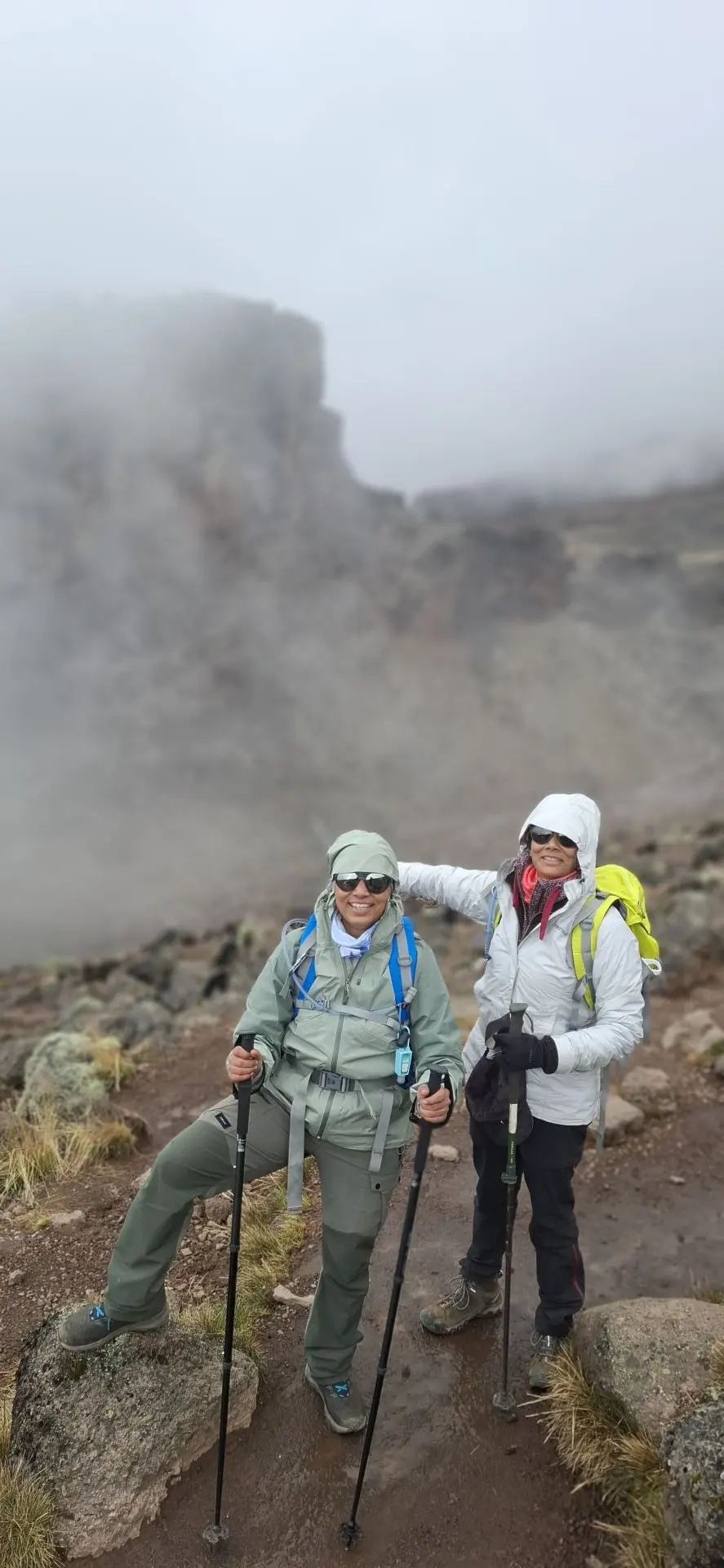
Marangu Route
Description
From $1,870
The only route with huts all the way up: the shortest schedule, but the time it saves on the mountain costs success.
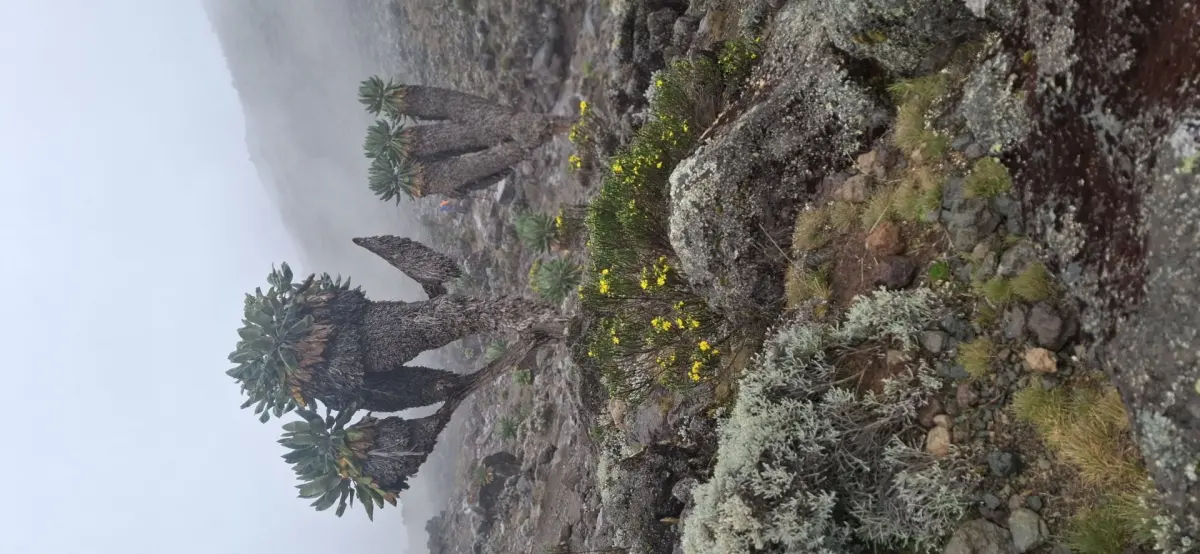
Rongai Route
Description
From $2,200
The dry northern approach with gentle gradients – the strongest pick for the rainy season.
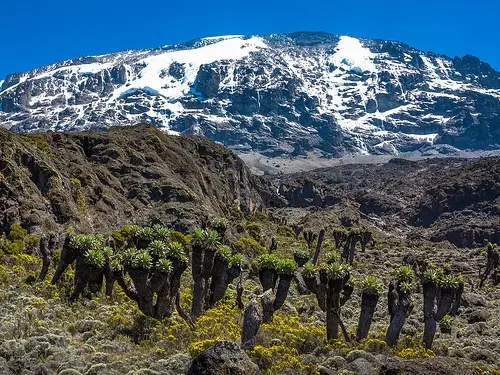
Umbwe Route
Description
From $1,800
The steepest, most direct line up the mountain. Reserve it for experienced altitude trekkers.

Shira Route
Description
Quoted on request
Shares Lemosho’s western approach but starts higher and shorter. Quiet, scenic and usually merged with Lemosho.
Northern Circuit
Description
From $2,550
The remote arc around the north face with an extra day of quiet, high walking. The mountain’s highest success rate.
Kilimanjaro routes compared
| Route | Days | Accommodation | Success rate | Best for |
|---|---|---|---|---|
| Lemosho | 7–8 | Tented | 85–90% | Best all-round; first ascents |
| Northern Circuit | 9 | Tented | ~90% | Maximum acclimatisation and solitude |
| Machame | 6–7 | Tented | 75–85% | Scenery and a real challenge |
| Rongai | 7 | Tented | 75–85% | Rainy-season climbs; quiet trails |
| Marangu | 5–6 | Huts | 60–70% | Budget and comfort over success |
| Umbwe | 6 | Tented | 60–70% | Experienced, fit trekkers |
| Shira | 6 | Tented | Usually run as Lemosho | Scenery from the high plateau |
Kilimanjaro route difficulty
Difficulty on Kilimanjaro is steepness, length and altitude together – not a fitness test. A strong walker who compresses the climb into five days still gives their body fewer nights to acclimatise, and that is the climb that fails. Read the terrain first, then match it to the days you actually have.
| Route | Terrain | Why it feels that way |
|---|---|---|
| Lemosho | Long, steady | Gentle forest and moorland days before the Lava Tower and the Barranco Wall |
| Northern Circuit | Long, gradual | Nine days spreading the same height gain across the quiet north face |
| Machame | Steep, with scrambling | Climbs fast from Machame to Shira, then the short scramble up the Barranco Wall |
| Rongai | Steady, remote | Consistent gradients on the drier north side of the mountain |
| Marangu | Gentle, on a built trail | A human-made path with huts at every night stop |
| Umbwe | Very steep, direct | The shortest and steepest line up the southern ridge |
| Shira | High start, rolling | Vehicle access high onto the plateau, then days of open moorland |
Which route suits your experience?
The right route depends less on how fit you are than on how much time you have, how familiar your body is with altitude and what you want from the mountain. The short version:
| If you are… | Choose | Because |
|---|---|---|
| A first-time high-altitude trekker | Lemosho, 7–8 days | The longest gentle approach, quiet trails and an 85–90% summit rate |
| On a tight budget | Machame or Umbwe, 6 days | The lowest from-price on the mountain – but the short schedule also has a lower success rate |
| Very fit with only a week | Machame, 6–7 days | Steep and demanding, and the extra day over Marangu lifts your odds sharply |
| Returning, and you want quiet | Northern Circuit, 9 days | The most remote arc on the mountain, its highest success rate – and few other groups |
| Climbing in the rainy season | Rongai, 7 days | The drier northern side keeps walking through March to May and early November |
| Not keen on camping | Marangu | The only route with huts at every camp |
| An experienced altitude trekker chasing a challenge | Umbwe, 6 days | The shortest, steepest line up the mountain – reserve it for walkers with real altitude experience |
Kilimanjaro routes by budget
Park fees are charged per day on the mountain, so the price of a climb tracks its length: more days means more fees, more crew days and more meals. That is why the shortest routes carry the lowest from-prices – and why the shortest schedules are also the hardest to summit on. The figures below are per person on a scheduled departure.
| Route | From (pp) | Days |
|---|---|---|
| Machame | $1,850 | 6–7 |
| Umbwe | $1,800 | 6 |
| Marangu | $1,870 | 5–6 |
| Lemosho | $2,220 | 7–8 |
| Rongai | $2,200 | 7 |
| Northern Circuit | $2,550 | 8–9 |
| Shira | Quoted on request | 6 – usually walked as Lemosho |
A proper quote names everything: park fees, crew and their wages, meals, tents, hotel nights in Moshi and airport transfers. Ours do. Our full Kilimanjaro cost guide covers what sits inside a quote, what normally costs extra – gear rental, tips, insurance – and why private climbs and high-season departures price higher.
Which route for which season?
Any of the seven routes climbs well in the two dry seasons. Those are also the busiest windows: Machame and Marangu fill up in July and August, and the longer western routes are how you keep the trail to yourselves. Permit numbers are capped by the park, so for dry-season dates, book three to six months ahead.
In the rains – the long rains of March to May and the short rains of early November – route choice matters more. Rongai climbs the drier northern side of the mountain and is the route we recommend for those months. Lemosho and the Northern Circuit stay walkable with proper waterproofs. Our best time to climb guide breaks the calendar down month by month.
How the itineraries help you acclimatise
Every long Kilimanjaro itinerary is built around one idea: climb high, sleep low. On the Lemosho, Machame and Shira routes it appears as the Lava Tower day – walking up to about 4,600 m in the afternoon, then descending to sleep near 4,000 m at Barranco. The Northern Circuit spreads the same work more gradually around the north face. Each of these exposures does more for acclimatisation than another night low on the mountain.
- Pole-pole. The slow walking pace is deliberate – it keeps each day’s effort inside what your body can adapt to overnight.
- Nights above 3,000 m. The long routes add two or three more of them than the short schedules, and that is where the summit-rate gap comes from.
- Twice-daily health checks. Our guides record oxygen saturation every morning and evening, and turn a group around when the numbers say so.
- Food and water. Three hot meals a day and a target of four litres of water are the standard our crews hold on every route.
Headache, nausea and broken sleep above 3,000 m are altitude doing its work – what to watch for and when to turn around is covered in our altitude sickness guide.
What every route shares
The route you choose changes the approach, the camps and the number of days. It does not change the mountain itself. Every climber on every route:
- Begins at a gate on the forested lower slopes of Kilimanjaro National Park and pays exactly the same park fees as every other climber.
- Faces the same summit night – leaving camp around midnight, walking through the cold dark, and standing on Uhuru Peak, 5,895 m, around sunrise.
- Walks without ropes or technical climbing; the Barranco Wall is a short scramble, never a climb.
- Sleeps in camps on the same mountain: tents on six routes, simple huts on Marangu.
- Descends mostly by the Mweka route, whichever route was walked up; Marangu usually descends by the path it came.
After the summit: Kilimanjaro and a safari
Most climbers do not fly straight home after the mountain. The standard pairing is two hotel nights in Moshi to recover, then a northern safari – Tarangire, the Ngorongoro Crater and the Serengeti are half a day’s drive from Kilimanjaro’s gates – or a short flight to Zanzibar for the beach. Six or seven days covers climb, safari and beach comfortably.
We run both sides in-house: Tanzania safaris and multi-day safari packages, booked together with your climb so the transfer, the timing and the handover are one itinerary rather than two. If your dates are fixed and you would rather share the mountain, our group departures run on set dates through the year.
Plan the rest of your Kilimanjaro trip
Once the route is settled, these are the pages that do the rest of the work:
- What a Kilimanjaro climb costs – what sits inside a quote, what to budget extra, and how to compare operators.
- The Kilimanjaro packing list – what to bring, what to rent in Moshi and what stays at home.
- Altitude sickness, plainly explained – the one risk that decides most climbs.
- Our safety standards – oxygen, pulse oximeters, evacuation plans and our turnaround policy.
- The best time to climb – month-by-month weather, crowds and prices.
- Scheduled group departures – fixed dates and prices for solo climbers and couples who do not want to fill a private departure.
Kilimanjaro routes FAQ: choosing the right path
Picking a Kilimanjaro route for a first-time climb nearly always comes down to time versus odds. Lemosho over seven or eight days gives the best all-round balance for most people: quiet trails, good scenery and high success without the nine-day commitment of the Northern Circuit. If money comes first, Machame or Umbwe over six days carries the lowest from-price, and Marangu is the cheapest hut option, but fewer nights at altitude reduce the chance of reaching Uhuru Peak, so we do not default to either. Rongai is the answer for climbing in the rainy season because it approaches from the drier north, while Machame earns its popularity for the Shira Plateau and the Barranco Wall at the cost of a steeper start. Umbwe is only for trekkers with high-altitude experience – it is the steepest and most direct route. Shira shares the western approach with Lemosho and is now most often run as part of a Lemosho itinerary.
Our default recommendation
For most first-time climbers we suggest the Lemosho route over seven or eight days – it combines quiet trails, strong scenery and one of the highest success rates on the mountain. If you have nine days, the Northern Circuit tops it. If your dates fall in the rainy season, choose Rongai.
Frequently asked questions
Which Kilimanjaro route is best for a first climb?
For most first-time climbers we recommend the Lemosho route over seven or eight days. It offers quiet trails, strong scenery and a high success rate, and the longer schedule gives your body time to acclimatise. The Northern Circuit tops it if you have nine days to spare.
Which Kilimanjaro route has the highest success rate?
The Northern Circuit, at around 90%. Its nine-day schedule keeps you at high altitude for longer than any other route, and time at altitude is what drives summit success.
What is the easiest Kilimanjaro route?
Rongai has the gentlest sustained gradients, and Marangu is the physically lightest walk with its hut accommodation. But easy terrain does not mean better odds – shorter routes reach high altitude quickly and post lower success rates.
What is the cheapest Kilimanjaro route?
How many routes are there on Kilimanjaro?
There are seven official Kilimanjaro routes: Lemosho, Machame, Marangu, Rongai, Umbwe, Shira and the Northern Circuit. Most descents are made on the Mweka route, whatever route you climbed up.
Which Kilimanjaro route is the least crowded?
The Northern Circuit, Rongai and Shira. All three either walk a long, spreading schedule or approach from a quieter side of the mountain, so you meet fewer groups at camp. Machame and Marangu carry the most traffic in the dry season, because they are the shortest popular routes and every operator runs them.
Which route is best to climb in the rainy season?
Rongai. It climbs the northern side of the mountain, which stays drier through the long rains of March to May and the short rains of early November. Lemosho and the Northern Circuit remain walkable with proper waterproofs. See our best time to climb guide for the month-by-month calendar.
What is the most scenic route on Kilimanjaro?
Machame, for most people: it crosses the Shira Plateau, rounds the Lava Tower and tackles the Barranco Wall with the whole southern circuit below you. Lemosho shares the same western scenery and is quieter on day one.
Can you climb Kilimanjaro in five days?
Only on Marangu, and we do not recommend it. Five days gives your body the fewest nights to acclimatise, and summit rates on the short schedule sit near 60%, against the high 80s of the seven- and eight-day itineraries. If your holiday is short, spend the extra days on the mountain rather than shortening the climb.
Do all routes finish at the same summit?
Yes. Every route ends at Uhuru Peak, 5,895 m, and most descend by the Mweka route whatever way you walked up. What differs between the seven is the approach, the camps and how many days you spend getting there.
Is Machame harder than Marangu?
The terrain is. Machame climbs steeply from the gate and includes the short scramble up the Barranco Wall, while Marangu follows a built trail to huts each night. But Machame walks one day longer, and that extra night lifts its success rate to 75–85%, against Marangu’s 60–70%.
Which Kilimanjaro route has no camping?
Marangu. It is the only route with hut accommodation at every camp – Mandara, Horombo and Kibo – so no tent is carried or pitched. The other six routes sleep in tents.
How much does it cost to climb Kilimanjaro by route?
On scheduled departures: from about $1,800 per person on the six-day Machame or Umbwe, $1,600 on the five-day Marangu, $1,875 on the seven-day Lemosho or Rongai and $2,550 on the nine-day Northern Circuit. Price tracks days on the mountain because park fees are charged per day – the shortest routes carry the lowest from-prices. Our full cost guide breaks down what a quote should include.
Which Kilimanjaro routes avoid the Barranco Wall?
Marangu, Rongai and the Northern Circuit. Machame, Lemosho and Shira all cross the Barranco Wall – a short, steep scramble along a ridge, memorable but exposed. If scrambling does not appeal, choose one of the three routes that never meet it.
Can you combine Kilimanjaro with a safari or Zanzibar?
Yes, and most of our climbers do. The standard pattern is two hotel nights in Moshi after the descent, then a northern circuit safari – Tarangire, Ngorongoro and the Serengeti are half a day’s drive from the gates – or a short flight to Zanzibar. We book the climb and the safari together so it runs as one itinerary.
Which Kilimanjaro route is most beginner-friendly?
For a first-time high-altitude trek, Lemosho over seven or eight days is the strongest all-round pick. It uses the gentle western approach, gives plenty of time for acclimatisation and reaches high success rates. If you can spare nine days, the Northern Circuit is even more forgiving.
Ready to talk it through with a local guide?
Tell us your dates, experience level and budget. We will recommend a route, build the day-by-day plan and send it back free, with no obligation.