
Discover Pemba Island
Pemba is Zanzibar’s quiet northern sibling — a hilly, fertile island of clove and coconut groves, mangrove creeks and deep blue water. Green and undeveloped, it feels a world away from the resort beaches further south, and that is precisely its charm.
To divers, Pemba is legendary. Its steep, current-swept reef walls drop dramatically into deep water, festooned with soft corals and sea fans and patrolled by big pelagics. Many experienced divers consider Pemba’s underwater scenery superior to Zanzibar’s, and the lack of crowds keeps it intimate.
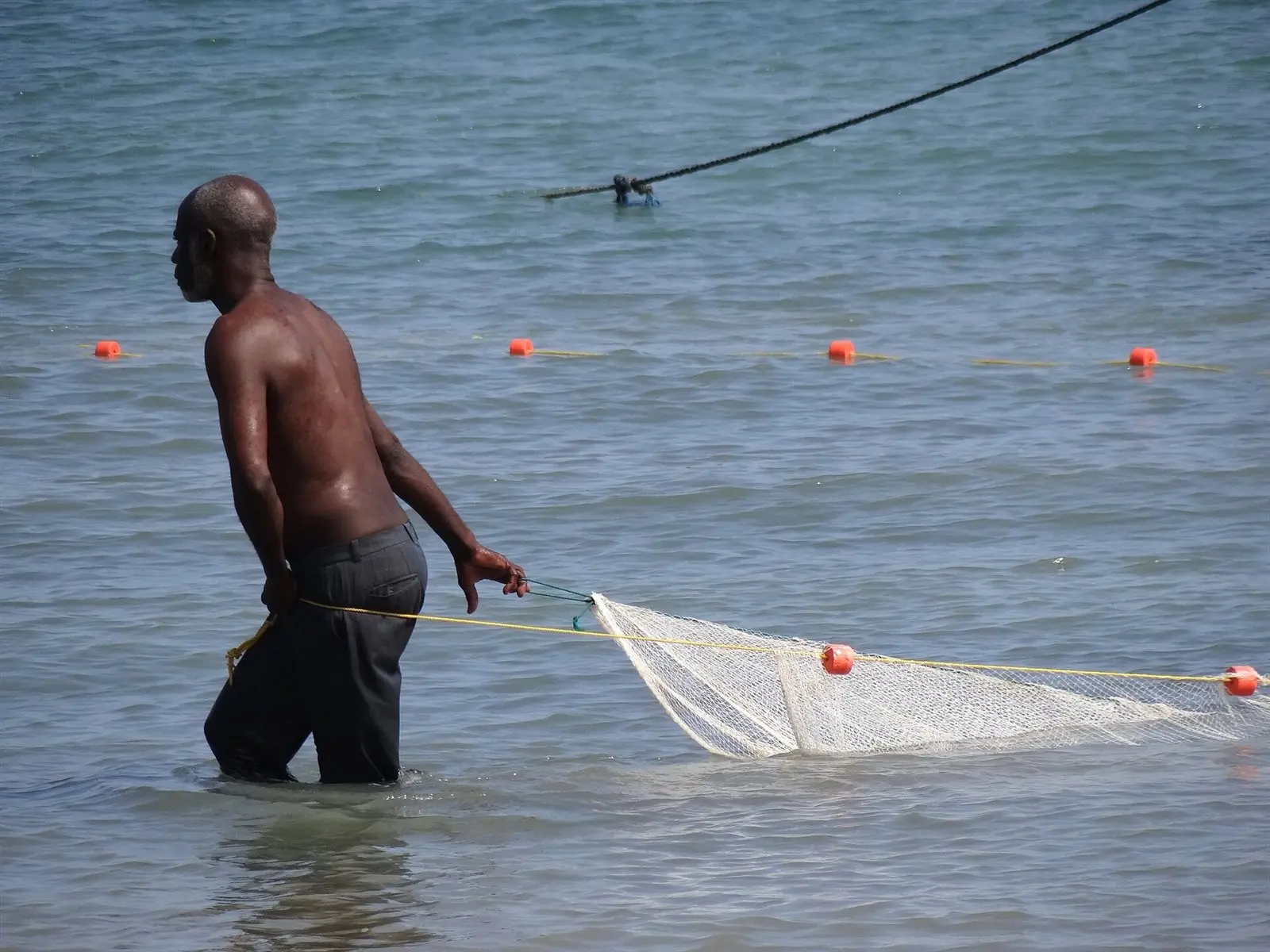
Above the water, Pemba is one of the world’s great clove producers, and the scent of drying cloves hangs over its markets. The protected Ngezi Forest, remnant mangrove and coral-rag habitat, shelters flying foxes and endemic birds, while quiet fishing villages preserve a slower, older way of life.
Pemba rewards travellers who value nature, diving and authenticity. We can arrange the short flights and dive logistics, and combine the island with Zanzibar, Mafia or a mainland safari.
Why visit Pemba Island
-
Dramatic reef walls
Steep drop-offs draped in soft corals and sea fans, with strong currents drawing in big fish.
-
Clove & spice farms
Pemba is a leading clove producer — walk fragrant plantations and drying floors.
-
Untouched beaches
Empty coves and quiet sands on an island that mass tourism has largely left alone.
-
Ngezi Forest Reserve
A rare remnant of lowland forest sheltering flying foxes and endemic wildlife.
-
Diving & snorkelling
World-class dive sites around the north, with turtles, rays and swirling reef fish.
-
Authentic Swahili life
Traditional villages, dhow building and markets far from the tourist trail.
The walls & reefs of Pemba
Pemba’s underwater topography is what sets it apart. Unlike the shallow shelves around much of Zanzibar, the island is fringed by steep drop-offs where coral walls plunge into deep, nutrient-rich water. These conditions grow spectacular soft corals, gorgonian sea fans and sponges, and attract the larger marine life that divers travel for.
The best-known sites lie off the north and north-west, including walls near Njao and the legendary drift dives where currents sweep divers past clouds of fish, grey reef sharks and the occasional manta or hammerhead. Turtles are common, and the macro life in sheltered spots is excellent.
Because Pemba is less visited, you often have a site to yourself, and dive centres keep groups small. Visibility is generally strong in the dry season, and the warm water means comfortable diving in a shorty or even swimwear for much of the year.
Cloves & island farming
Pemba has long been celebrated as the “clove island”, and cloves remain central to its economy and identity. Along the island’s fertile ridge, smallholders tend clove, cinnamon, black pepper, vanilla and cardamom, just as they have for generations.
A spice tour here is more intimate than on Zanzibar. You walk working farms with a local guide, learn how cloves are harvested and dried on woven mats, and taste fruits and spices picked fresh around you. The aroma of drying cloves in the villages is unforgettable.
Beyond spices, Pemba grows rice, cassava, bananas and coconuts, and much of daily life revolves around the land and the sea. Green and well-watered, the island feels genuinely agricultural — a working place rather than a resort.
Ngezi Forest & wildlife
Ngezi Forest Reserve, at the northern tip of Pemba, protects one of the last remaining patches of lowland forest in the Zanzibar Archipelago. It is a dense, green world of tall trees, lianas and ferns, with a boardwalk and trails threading through it.
The forest is home to the Pemba flying fox, a large fruit bat that roosts in the canopy, as well as monkeys, bushbabies and a rich bird list that includes the Pemba green pigeon, Pemba white-eye and other endemic or near-endemic species. Quiet early-morning walks offer the best wildlife encounters.
Adjacent mangrove creeks, seagrass beds and coral reefs complete a rare chain of connected habitats. This ecological richness, on land and underwater, is why Pemba is increasingly recognised as a conservation priority in the region.
Villages & island rhythm
Pemba’s main town, Chake Chake, sits on a tidal inlet and bustles with small trade, while Wete in the north serves the clove-growing heartland. Both are pleasant, low-key places to experience everyday Swahili life.
The island has a long history as part of the Swahili coast trading world, and old ruins and tombs hint at its past connections. Yet Pemba never developed the grand stone architecture of Zanzibar’s capital, remaining instead a patchwork of villages and farmland.
Hospitality here is warm and unhurried. Tourism is still small, so visitors are something of a novelty, and a respectful, curious approach opens doors to genuine encounters — from fish markets at dawn to conversations over spiced tea.
What you might see
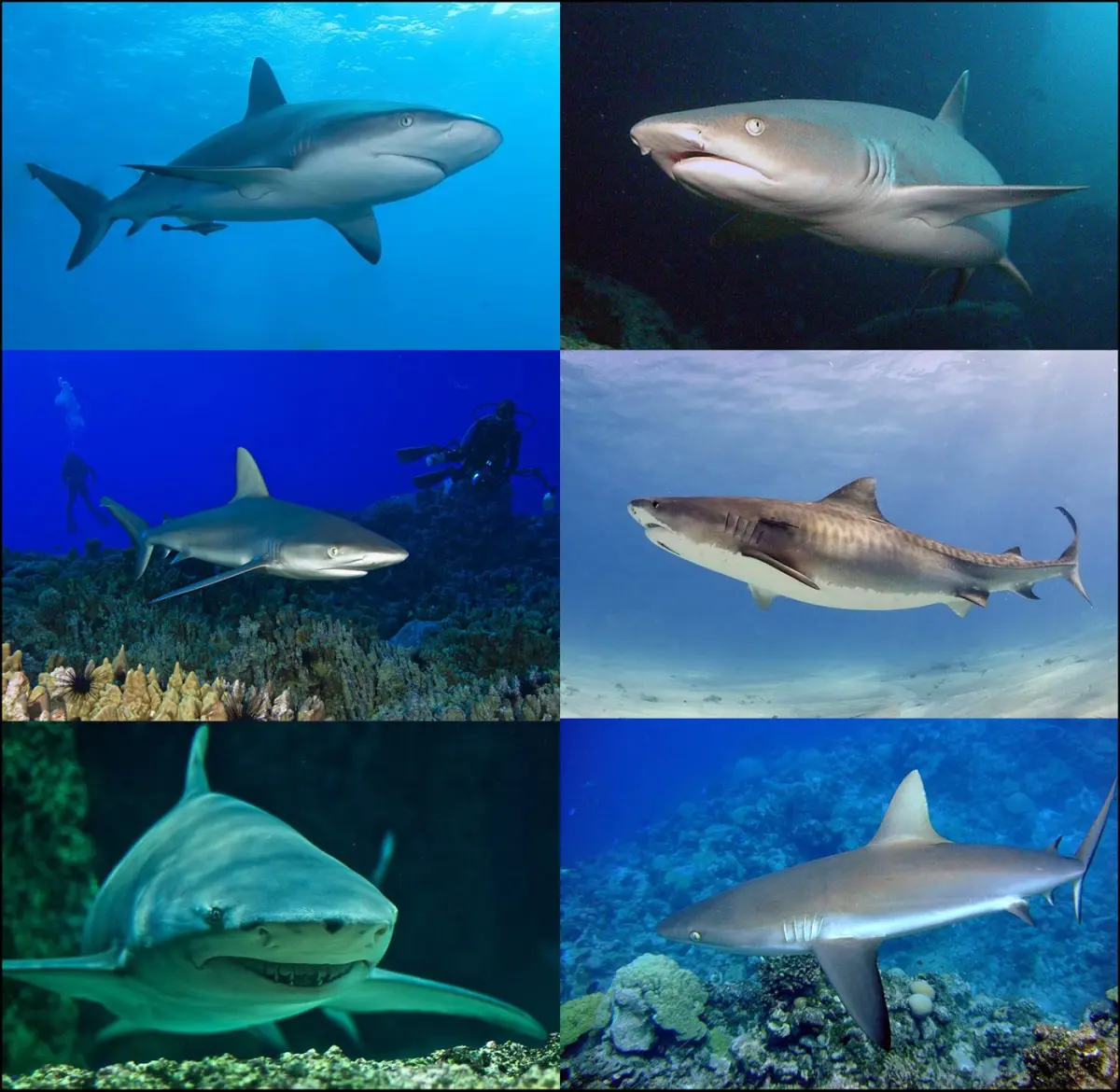
Grey reef sharks
Common on current-swept wall dives, often cruising in small groups along the drop-offs.
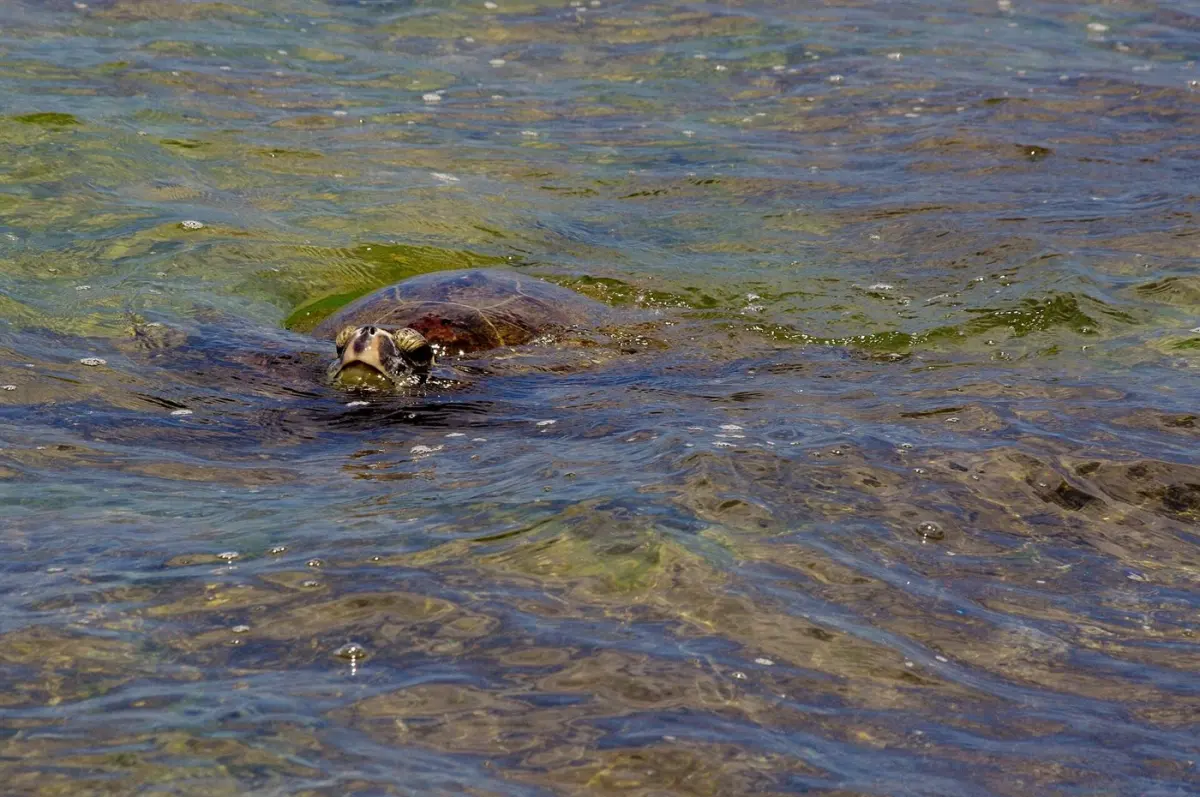
Green & hawksbill turtles
Resident on Pemba’s reefs and seagrass beds, regularly seen grazing and resting.

Mantas & eagle rays
Seasonally present in the channels, gliding over the deeper reefs and cleaning stations.

Reef fish
Clouds of snapper, fusiliers, batfish and anthias swarm the coral walls and pinnacles.

Pemba flying fox
A large fruit bat roosting in Ngezi Forest, along with monkeys and bushbabies.

Endemic birds
The Pemba green pigeon and Pemba white-eye are among the island’s special birds.

Mangrove life
Crabs, mudskippers and juvenile fish shelter in the island’s mangrove creeks and tidal inlets.
Best time to visit
Pemba is warm all year, with the clearest diving and calmest seas in the drier months.
| Season | Weather | Crowds | What to expect |
|---|---|---|---|
| Jun–Oct | Cooler, dry & breezy | Low | Excellent diving conditions and comfortable days |
| Dec–Mar | Hot, humid & calm | Moderate | Warm water, good visibility and calm crossings |
| Mar–May | Long rains | Low | Green island, lower rates and some heavy showers |
| Nov | Short rains | Low | Brief showers, quiet and good value |
Things to do
Wall & drift diving
Dive Pemba’s famous drop-offs and currents with small groups and expert local guides.
Snorkelling
Explore the shallower reefs and sheltered coves, ideal for non-divers and families.
Spice & clove tours
Visit working clove and spice farms and learn how the island’s crops are grown and dried.
Ngezi forest walk
Look for flying foxes and endemic birds on a guided walk through the reserve.
Dhow trips & sandbanks
Sail quiet coves and anchor on hidden sandbanks for swimming and picnics.
Village immersion
Join a local guide to explore markets, fishing villages and the island’s unhurried daily life.
Where to stay
Private island & dive retreats
Exclusive lodges and small resorts catering to divers and travellers seeking seclusion. <!-- TODO: lodge names -->
Boutique beach lodges
Comfortable, characterful lodges with dive centres and quiet beaches. <!-- TODO: lodge names -->
Simple guesthouses
Basic guesthouses in Chake Chake and Wete for independent, budget travellers. <!-- TODO: lodge names -->
Getting there & around
Pemba is reached by light aircraft from Zanzibar (about 30 minutes) or from Dar es Salaam, landing at Pemba Airport near Chake Chake. There is also a slower ferry link from Zanzibar for those who prefer the sea.
The island is small and roads are basic but improving. Transfers between the airport and the dive lodges in the north take around one to two hours by road, and we arrange these as part of your itinerary. Reaching the best dive sites involves short boat rides from the north-coast lodges.
- Flight from Zanzibar About 30 min
- Flight from Dar es Salaam About 1 hr
- Airport to north coast 1–2 hrs by road
- Best explored 4–6 nights
Frequently asked questions
What is Pemba Island known for?
Pemba is known for cloves — it is one of the world’s leading producers — and for its spectacular wall diving. It is greener, hillier and far less developed than Zanzibar, with untouched beaches and a strong Swahili cultural identity.
Is diving on Pemba better than Zanzibar?
Many experienced divers prefer Pemba because of its steep walls, soft corals and stronger currents that attract big pelagics. Zanzibar offers more variety and easier conditions, but Pemba’s drop-offs and uncrowded sites are special.
When is the best time to visit Pemba?
The drier months from June to October and the calm, warm period from December to March offer the best diving and beach conditions. The long rains from March to May bring lower prices and a green landscape.
How do I get to Pemba Island?
The easiest route is a short light-aircraft flight from Zanzibar, around 30 minutes, or about an hour from Dar es Salaam. A slower ferry also links Pemba with Zanzibar for travellers who prefer to arrive by sea.
Is Pemba good for non-divers?
Yes. Non-divers can enjoy snorkelling, spice tours, forest walks in Ngezi, dhow trips, quiet beaches and village visits. It is a peaceful island that suits anyone who values nature and authenticity over nightlife.
Is Pemba suitable for families?
It can be, especially for older children who are comfortable around boats and water. The island’s limited tourism means fewer family facilities than Zanzibar, so it best suits adventurous families rather than those seeking kids’ clubs and organised entertainment.
Nearby destinations
Ready to plan your Pemba Island trip?
Tell us your dates and travel style. Our local team in Moshi will build a tailor-made itinerary around Pemba Island — free, with no obligation.