
Discover Lake Manyara National Park
Tucked between the swollen shoulder of the Great Rift Valley and the shimmering expanse of its own soda lake, Lake Manyara National Park is one of the most beautiful and surprising parks in Tanzania. Small enough to explore in a day, it packs in an extraordinary range of habitats — dense groundwater forest, open floodplain, acacia woodland and the pink-fringed waters of the lake itself.
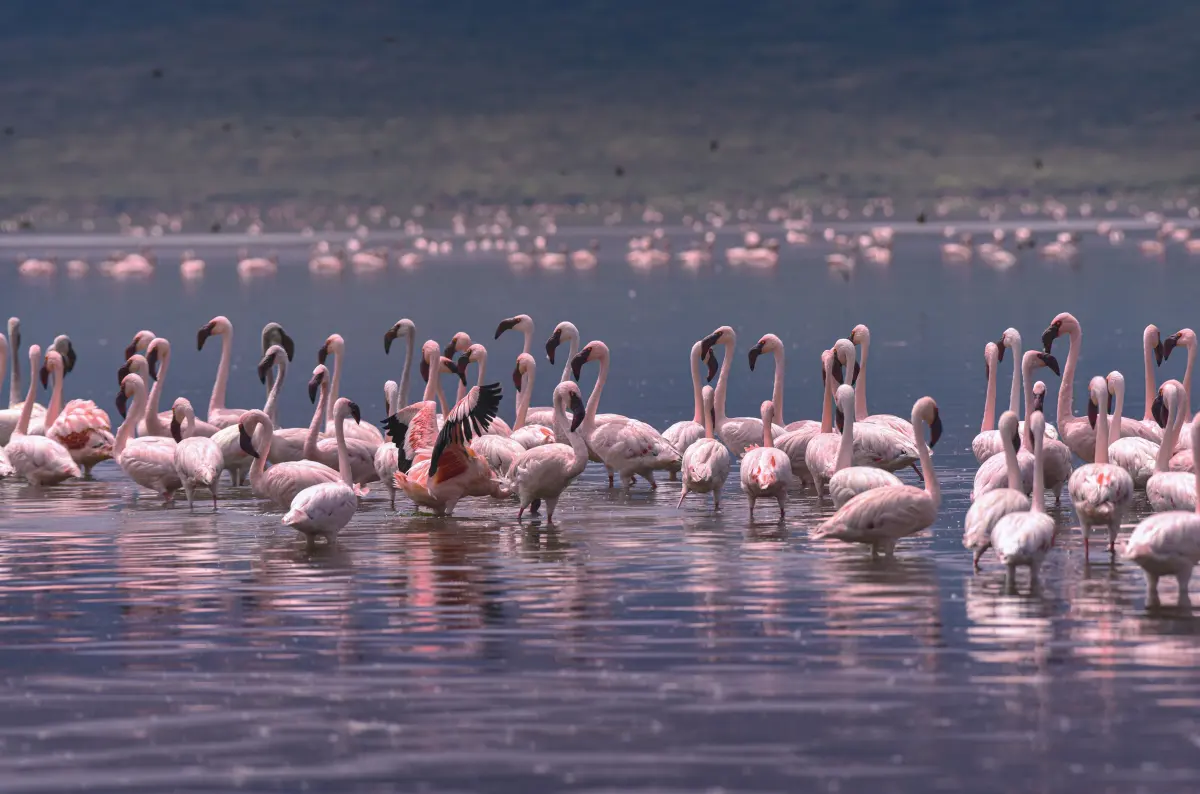
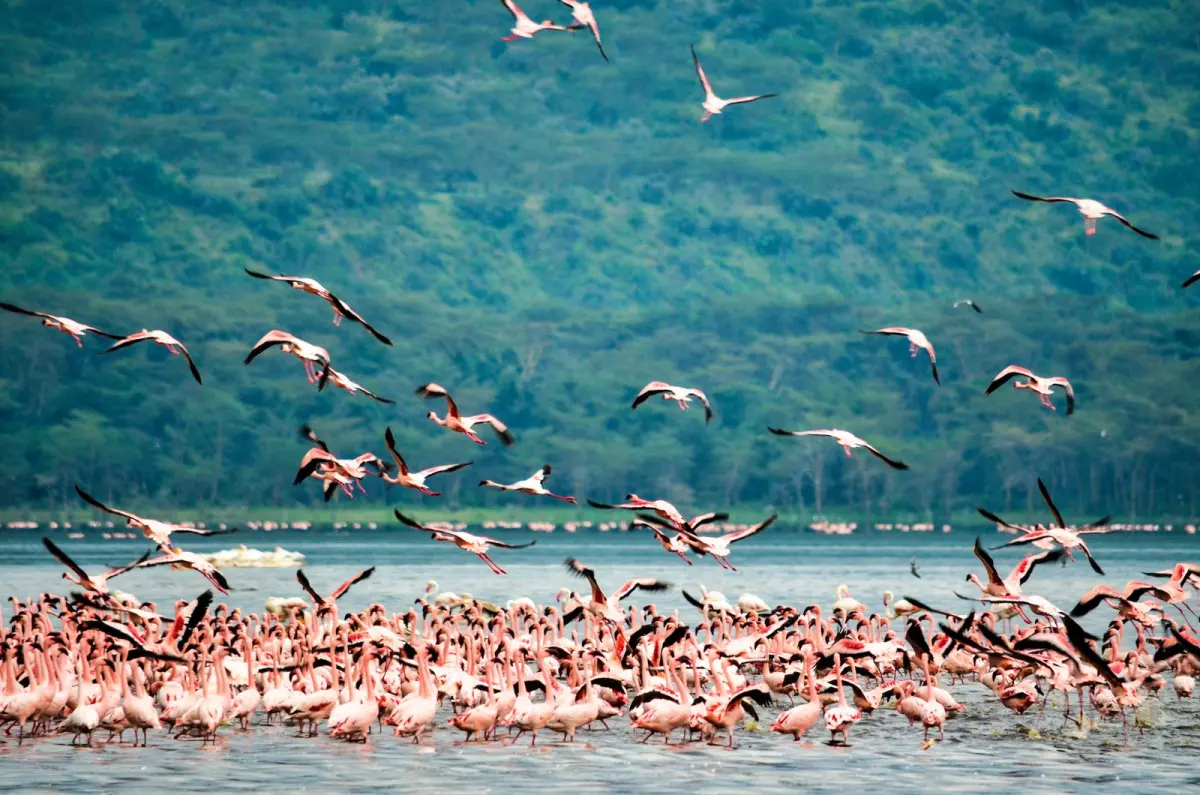
Two things make Manyara famous. The first is its population of tree-climbing lions, one of only a handful in Africa, often seen draped sleepily along the branches of fig and acacia trees. The second is its birds: at times the shallow, alkaline lake hosts thousands of flamingos, painting the shoreline pink and making the park a magnet for birdwatchers.
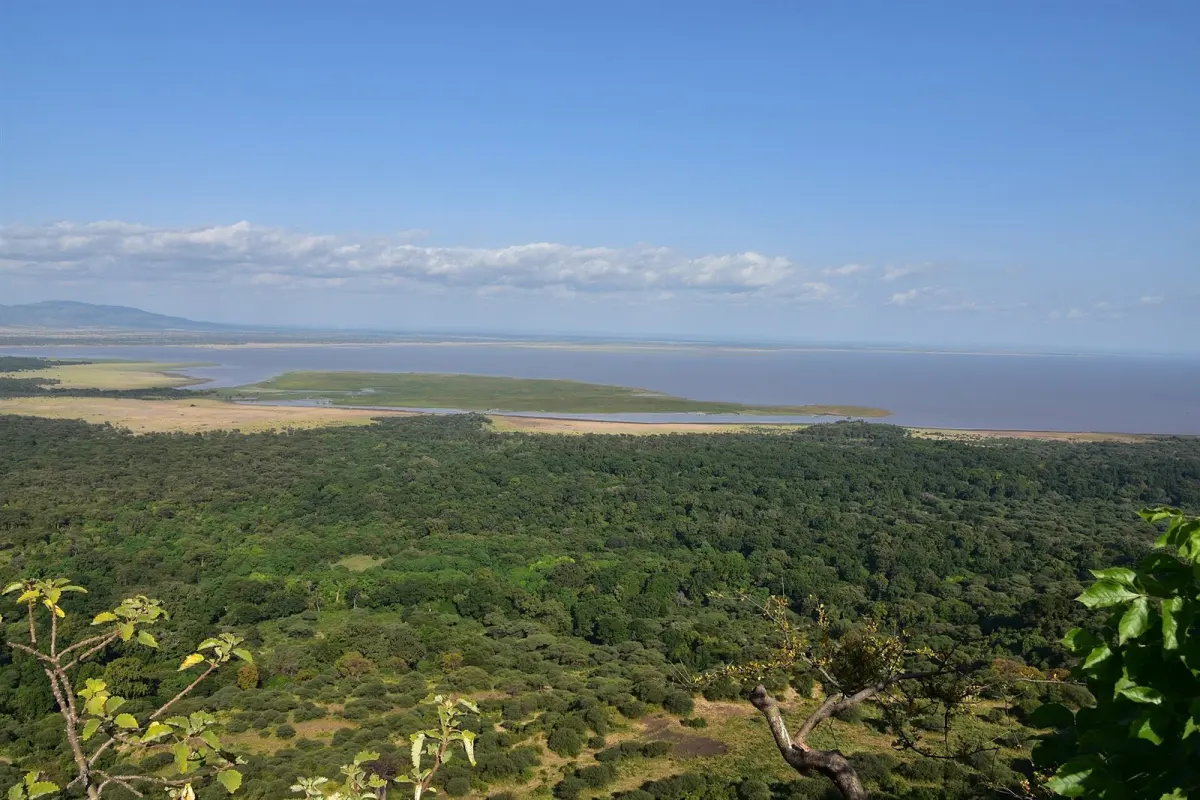
The scenery is as memorable as the wildlife. Rearing up along the western boundary is the Rift Valley escarpment, its cliff face climbing some 600 m above the park and its lush southern slopes fed by a chain of underground springs. In the south you will find swirling rapids, hot springs and dramatic gorges.
Just over an hour from Arusha and close to Tarangire, Ngorongoro and the Serengeti, Lake Manyara is the perfect inclusion on any northern circuit safari. Talk to our team in Moshi to add it to your itinerary.
Why visit Lake Manyara National Park
-
Tree-climbing lions
One of the few places in Africa where lions regularly rest in trees — a unique and much-loved sighting.
-
Clouds of flamingos
The alkaline lake draws thousands of lesser flamingos, along with pelicans, storks and herons.
-
The Rift escarpment
A towering 600 m wall of the Great Rift Valley forms a spectacular backdrop to every game drive.
-
Groundwater forest
A lush, spring-fed forest home to blue monkeys, baboons and a chorus of forest birdlife.
-
Large elephant families
Manyara supports one of the densest elephant populations in the region, often seen near the water.
-
Over 400 bird species
From flamingos and fish eagles to the colourful hornbills, the park is a birdwatcher’s delight.
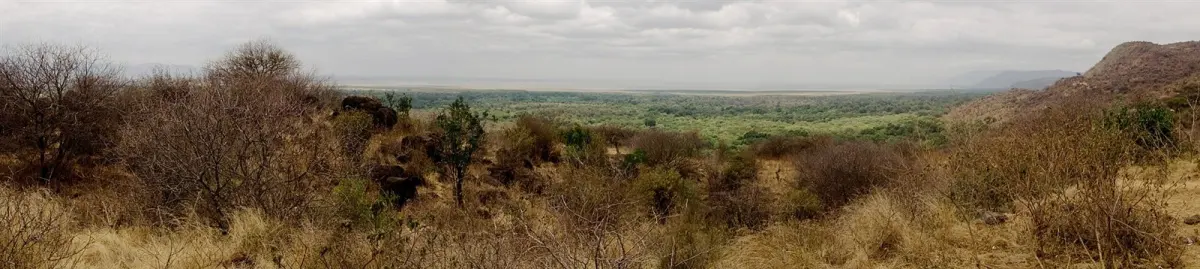
Forest, lake and escarpment
Lake Manyara is a long, narrow park — only about 330 km² in total, of which roughly two-thirds is water — stretched along the base of the Rift Valley wall. Its compact shape means every habitat sits within a few minutes’ drive of the others, so you can move from rainforest to shoreline to open plains in a single morning.
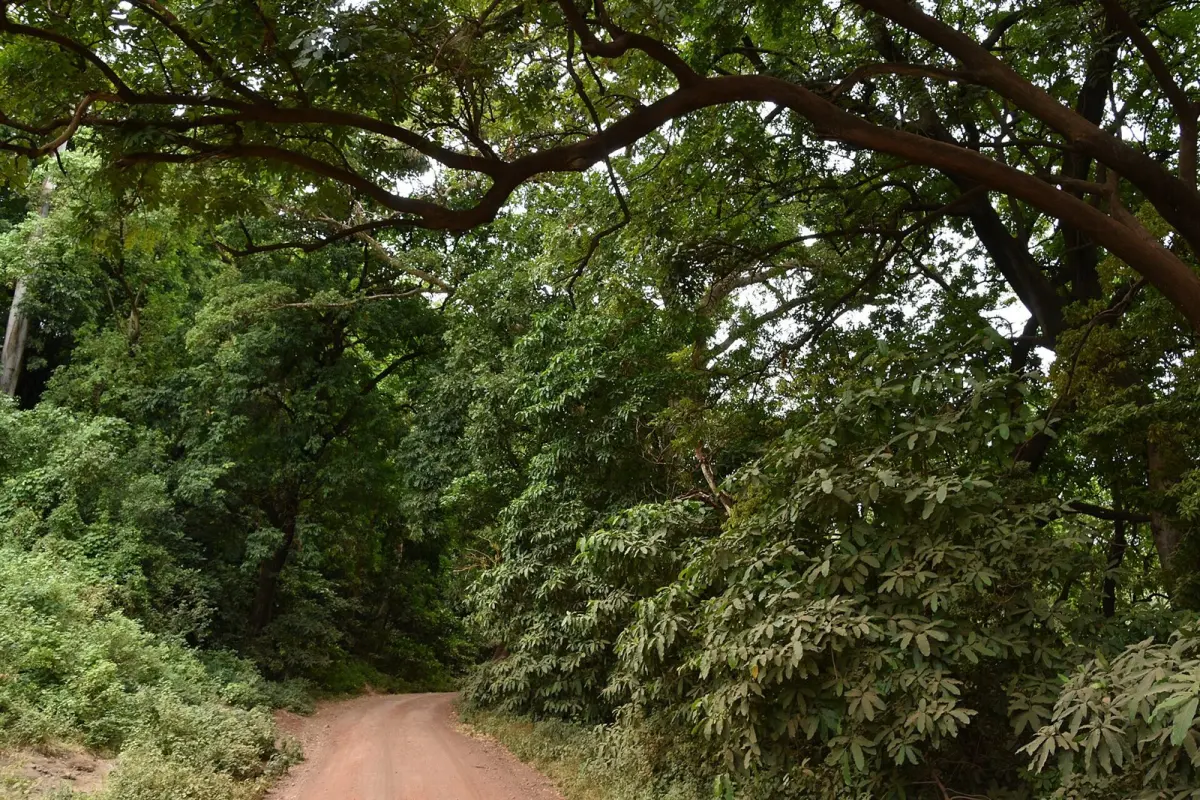
The groundwater forest near the park entrance is the most striking feature. Fed by underground streams that seep from the escarpment, it stays green even in the driest months, with towering fig trees, mahogany and a dense understory alive with monkeys, birds and butterflies. It is one of the few places in Tanzania with a true tropical rainforest feel at such low altitude.
Beyond the forest the land opens onto floodplain and acacia woodland that reaches down to the soda lake, while the far south offers the Maji Moto hot springs and the deep ravine of the Endabash River. Because the park is unfenced on the escarpment side, wildlife moves freely between the park and the highland forests above.
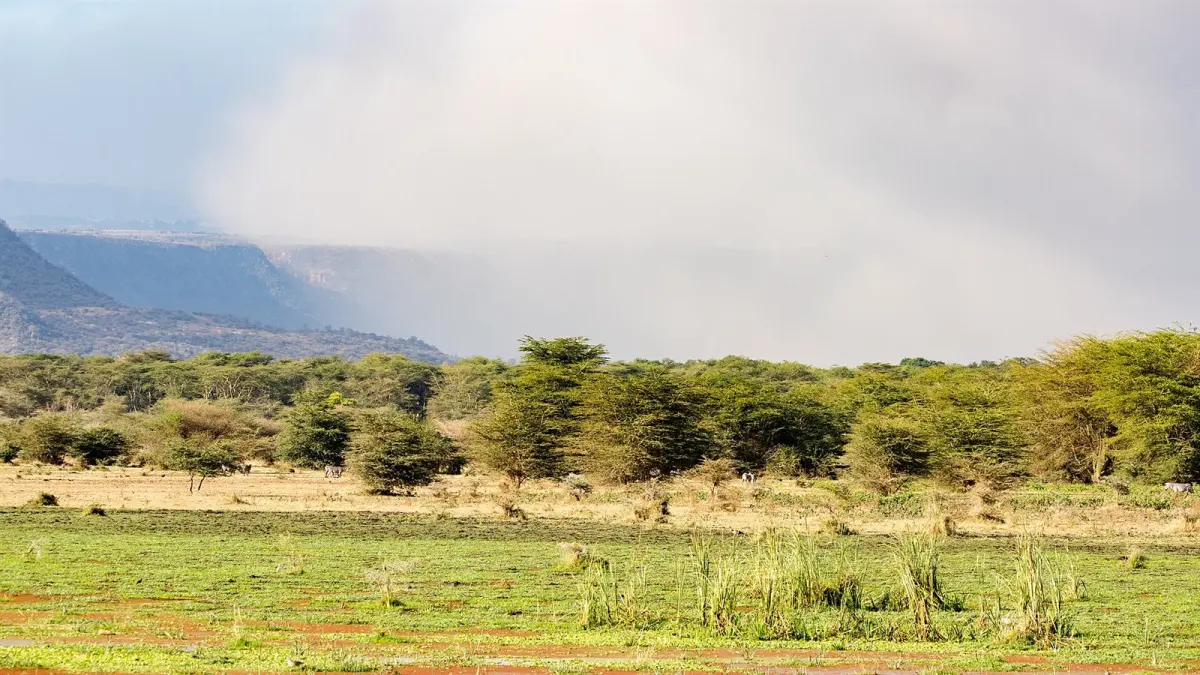
The tree-climbing lions
Lake Manyara is one of only two places in Tanzania — and a tiny handful in all of Africa — where lions habitually climb trees. The behaviour is not fully understood; theories range from escaping the heat and biting insects on the ground, to scanning for prey, to simple comfort away from pests.
Whatever the reason, the sight of a lioness sprawled along a branch, tail hanging lazily in the dappled light of the forest, is unforgettable. The behaviour appears to be learned rather than instinctive, passed down through the resident prides from generation to generation.
Your best chance of seeing them is early morning or late afternoon in the woodland areas of the park’s centre and north. Tell your guide you are hoping to see them — the park’s guides know which trees the prides prefer at which times of year.
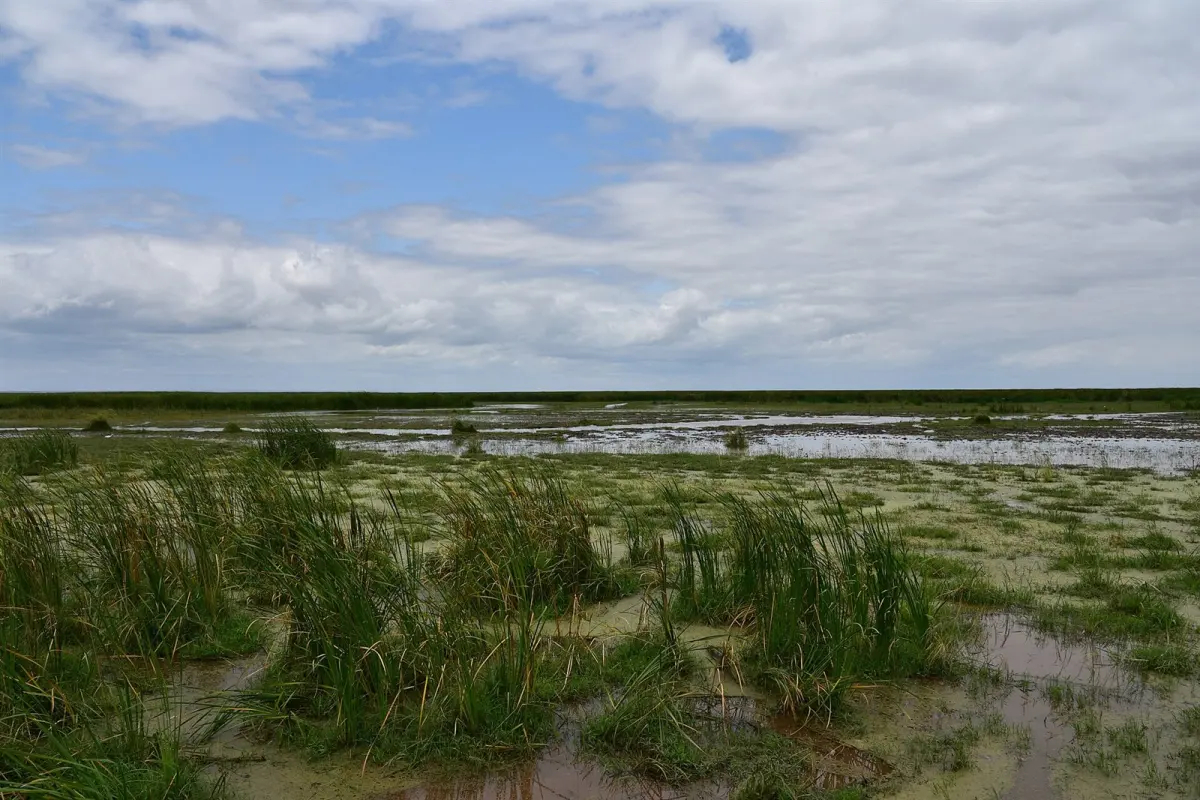
Flamingos and a birdwatcher’s lake
With more than 400 recorded species, Lake Manyara is one of Tanzania’s premier birding destinations. The alkaline soda lake is the centrepiece: shallow, mineral-rich water that blooms with blue-green algae, drawing vast flocks of lesser flamingos to filter-feed through its shallows.
When water levels and food are right, the flamingos gather in their thousands, turning the shoreline into a shifting sea of pink. Numbers vary with the season and rainfall, so the spectacle is never quite the same twice.
Beyond the flamingos, look for great white pelicans, marabou storks, saddle-billed storks, grey herons, Egyptian geese and the magnificent African fish eagle, whose ringing call is the sound of a Rift Valley morning. The forest adds turacos, hornbills and colourful sunbirds, while raptors soar along the escarpment.
A park shaped around a lake
Lake Manyara National Park was established in 1960, making it one of Tanzania’s older parks, and was later recognised as a UNESCO Biosphere Reserve because of the way people and wildlife share the surrounding landscape. The lake itself has no outlet and no inlet river, kept full by rainfall and the groundwater that seeps from the escarpment.
The name “Manyara” is said to come from the Maasai word for the pencil-like euphorbia trees that grow on the nearby escarpment. The town at the park’s edge, Mto wa Mbu (“mosquito creek”), grew as a trading and farming settlement and is now a bustling gateway, with an unusually rich mix of Tanzanian cultures and languages.
The wider area supports a vital wildlife corridor, allowing elephants and other animals to move between Manyara, Tarangire and the highlands. Protecting that corridor is one of the park’s biggest long-term challenges.
Fees & practical information
Entry to Lake Manyara is subject to a conservation fee per person, per 24-hour period, plus vehicle fees. Rates are set by the government and reviewed periodically, so we always confirm current amounts when you book.
A few practical points to keep in mind when planning your visit:
- The park can be explored in a day, but stays overnight in nearby Mto wa Mbu or on the escarpment to slow the pace.
- A licensed guide and a 4x4 safari vehicle are required for all game drives.
- The groundwater forest is superb in the early morning, when the light is soft and wildlife is active.
- Water levels in the lake vary with the rains, so flamingo numbers differ from year to year.
- Drones need special authorisation and are not permitted for casual use.
What you might see
A compact park with rainforest, lake and woodland means Lake Manyara punches far above its size for wildlife.
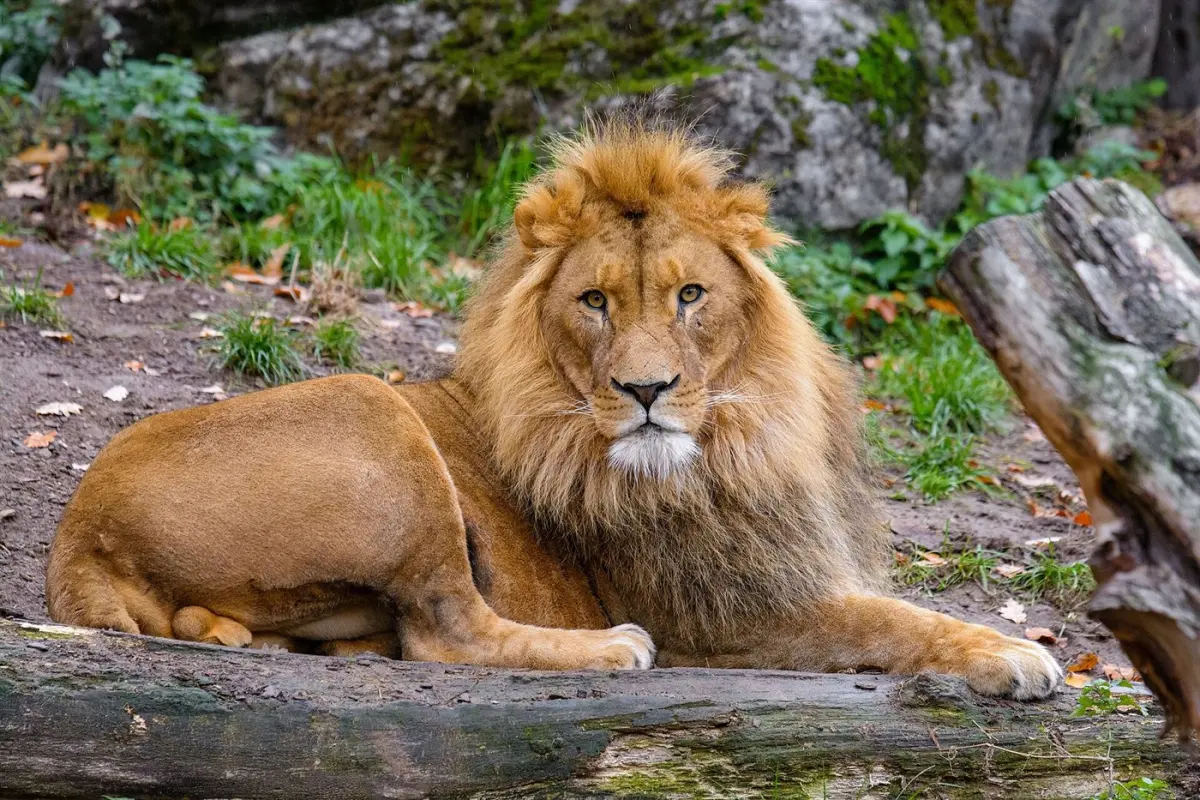
Tree-climbing lion
The park’s famous residents, often found draped along fig and acacia branches in the woodland.
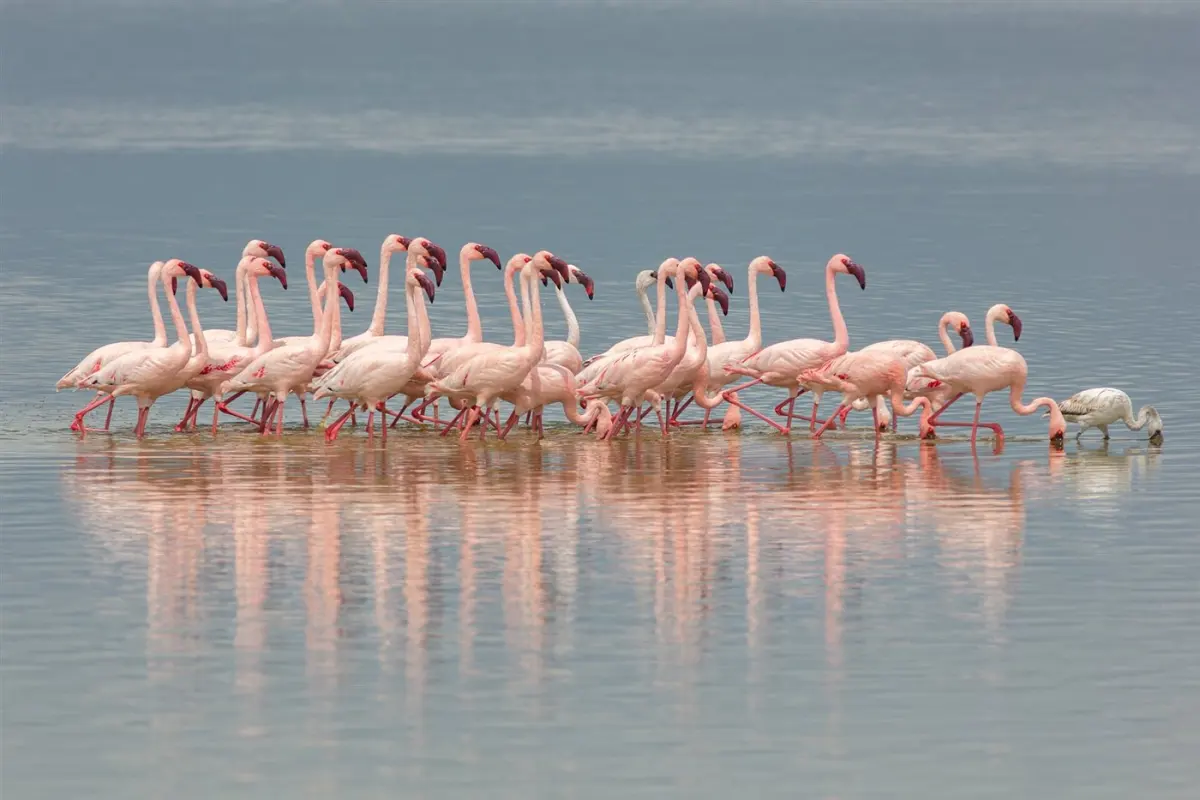
Flamingo
Thousands of lesser flamingos gather on the alkaline lake to feed on its rich algae.
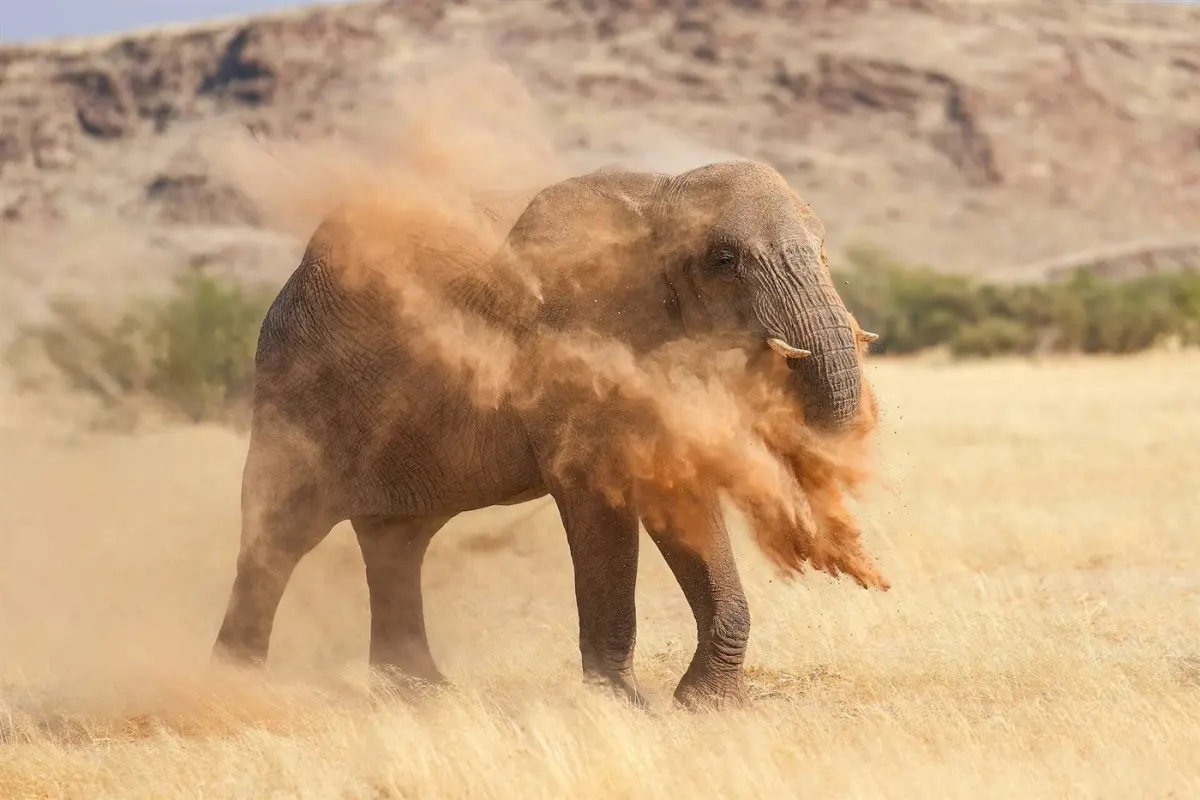
African elephant
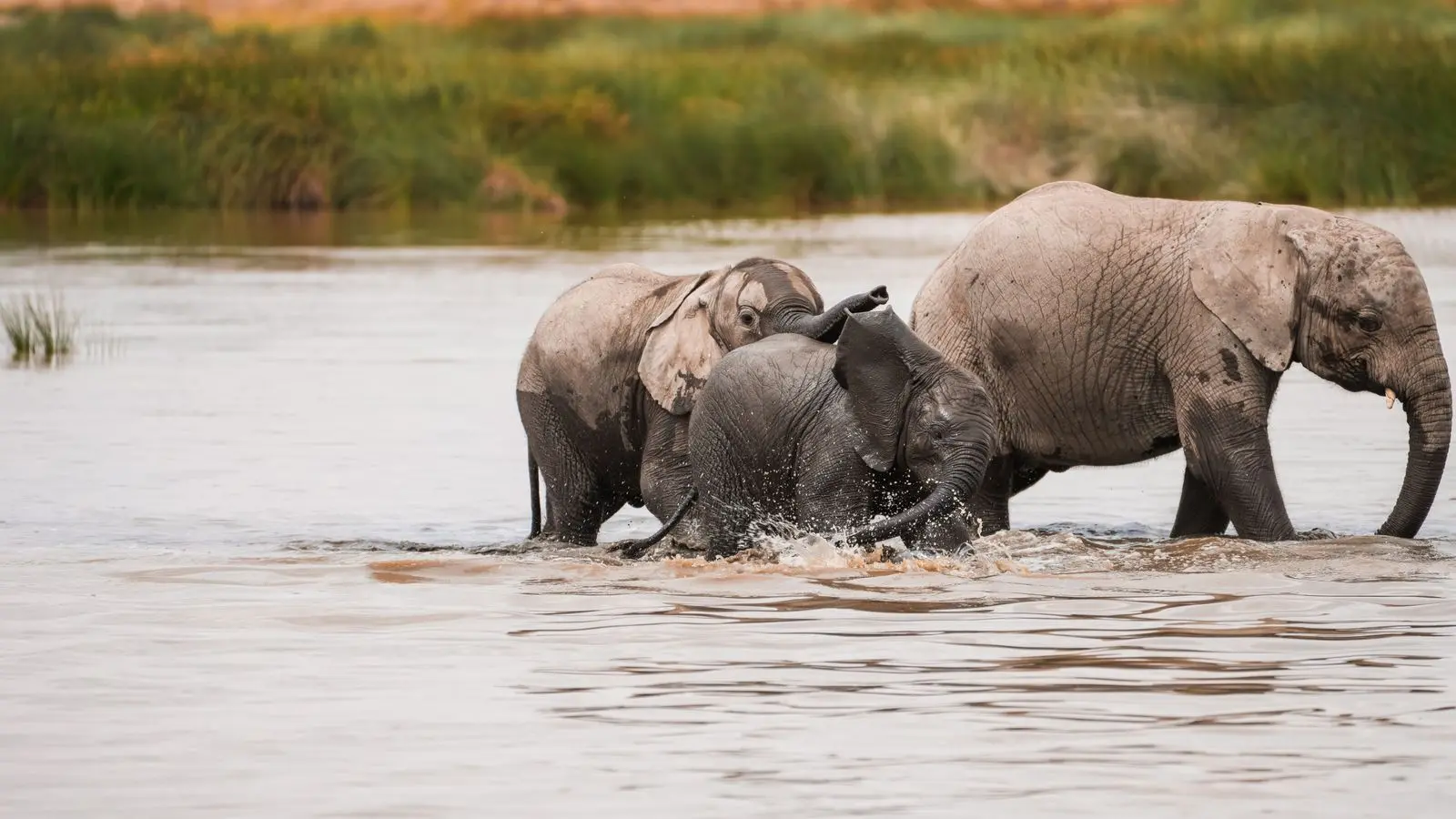
Large family groups roam the forest and plains, often crossing the roads near the lake.
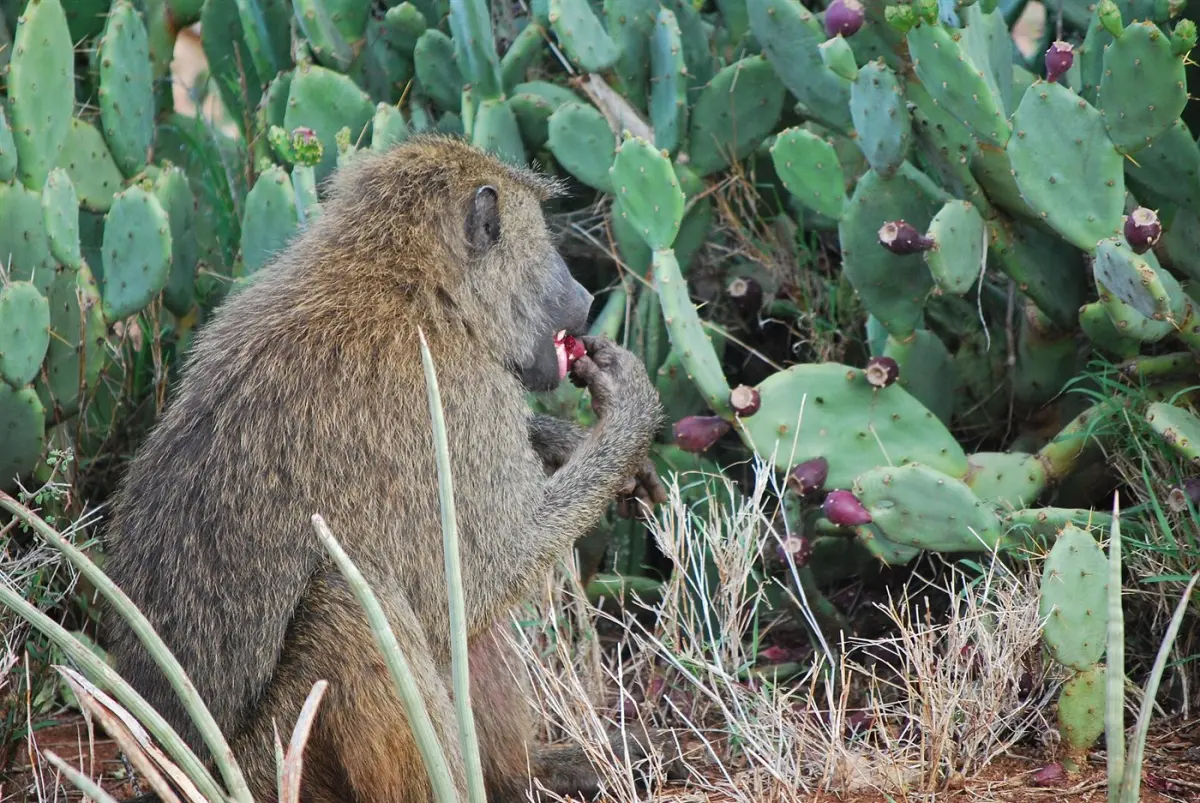
Olive baboon
Famed, boisterous troops feed along the forest edge and the floodplain grasslands.
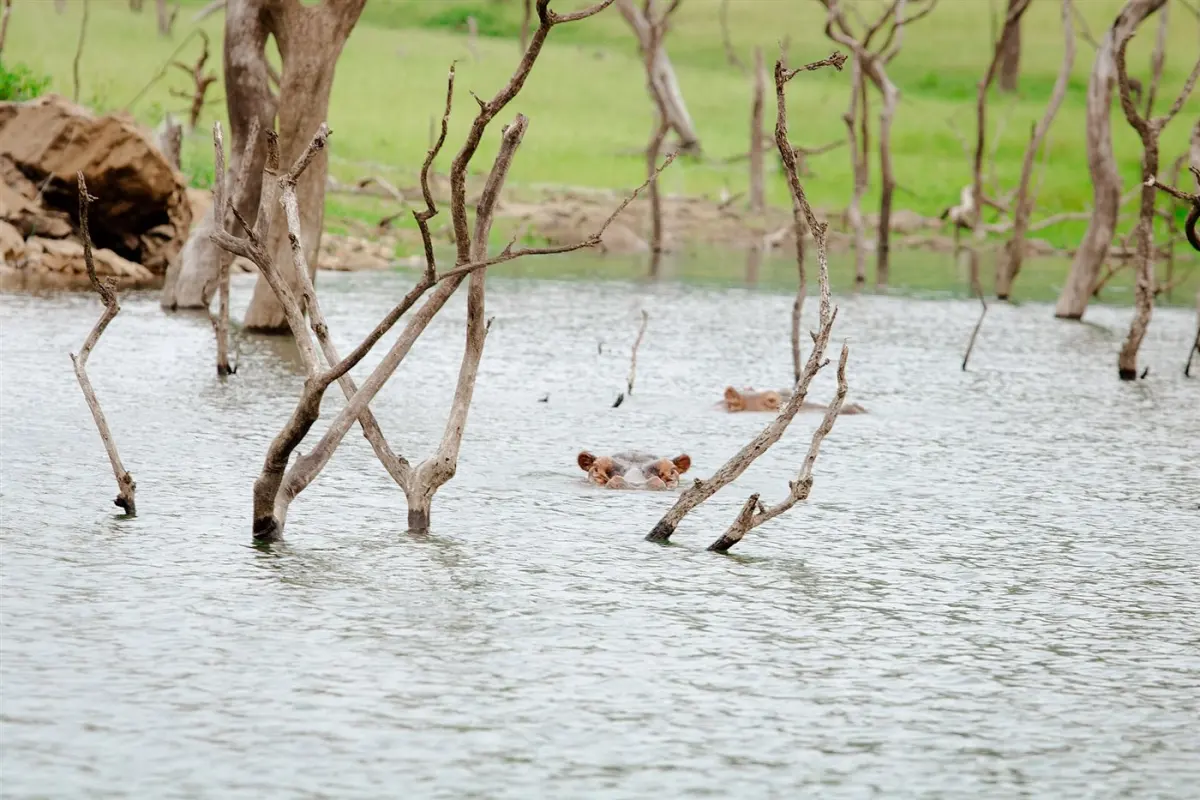
Hippo
Resident hippos wallow in the shallows and inlets, especially in the wetter months.
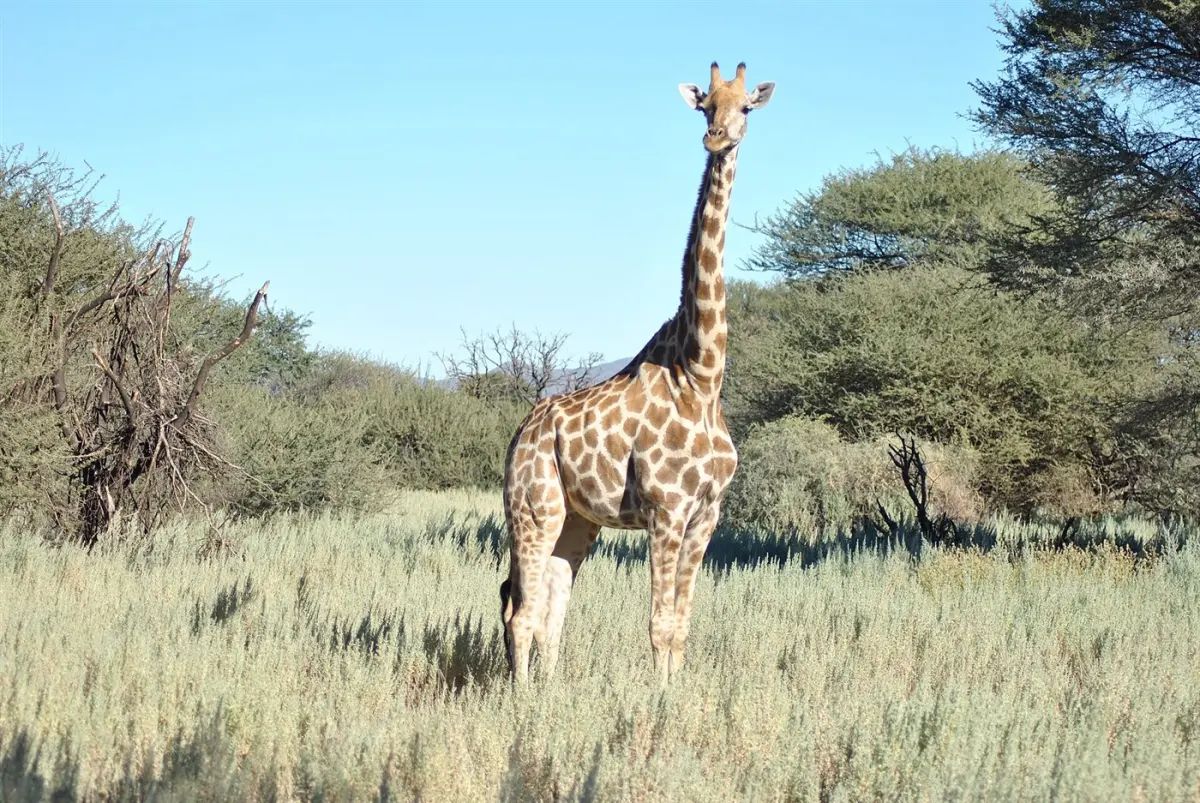
Giraffe & buffalo
Common across the open areas, often seen within easy photographic range of a game drive.
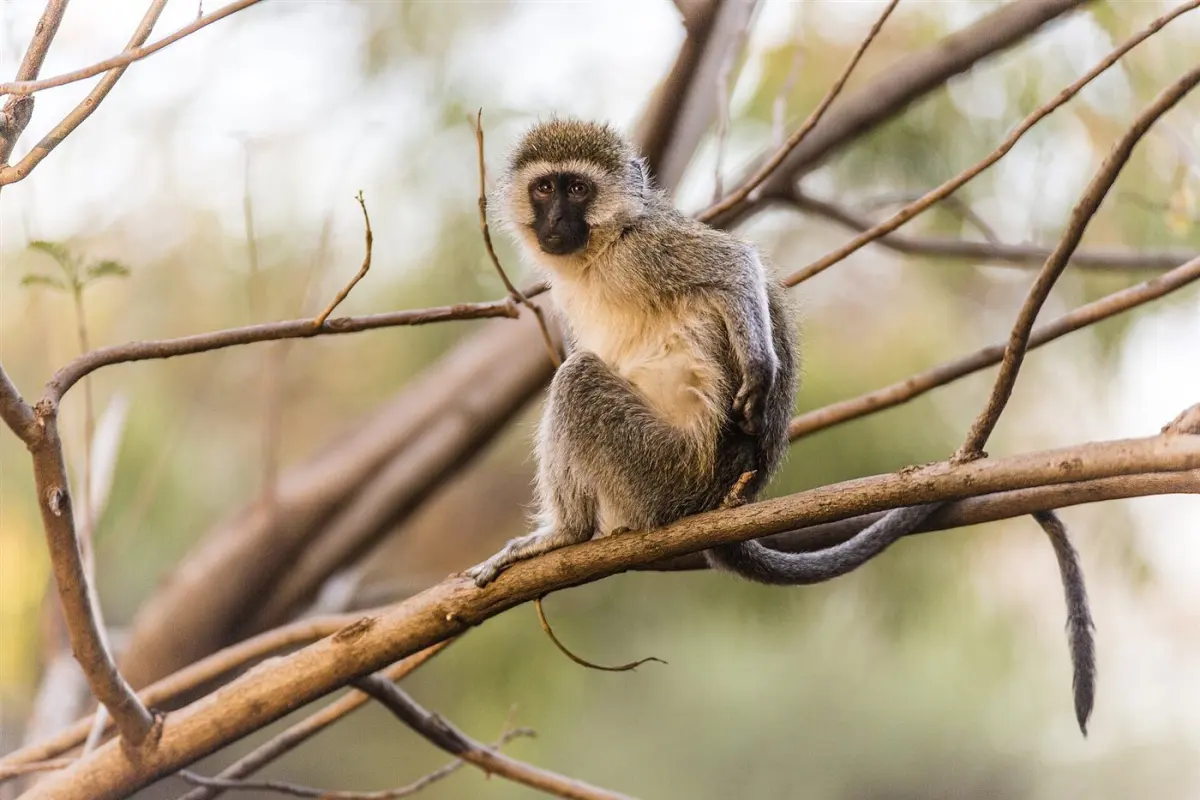
Blue monkey & vervet
The groundwater forest shelters these lively monkeys, along with bushbabies after dark.
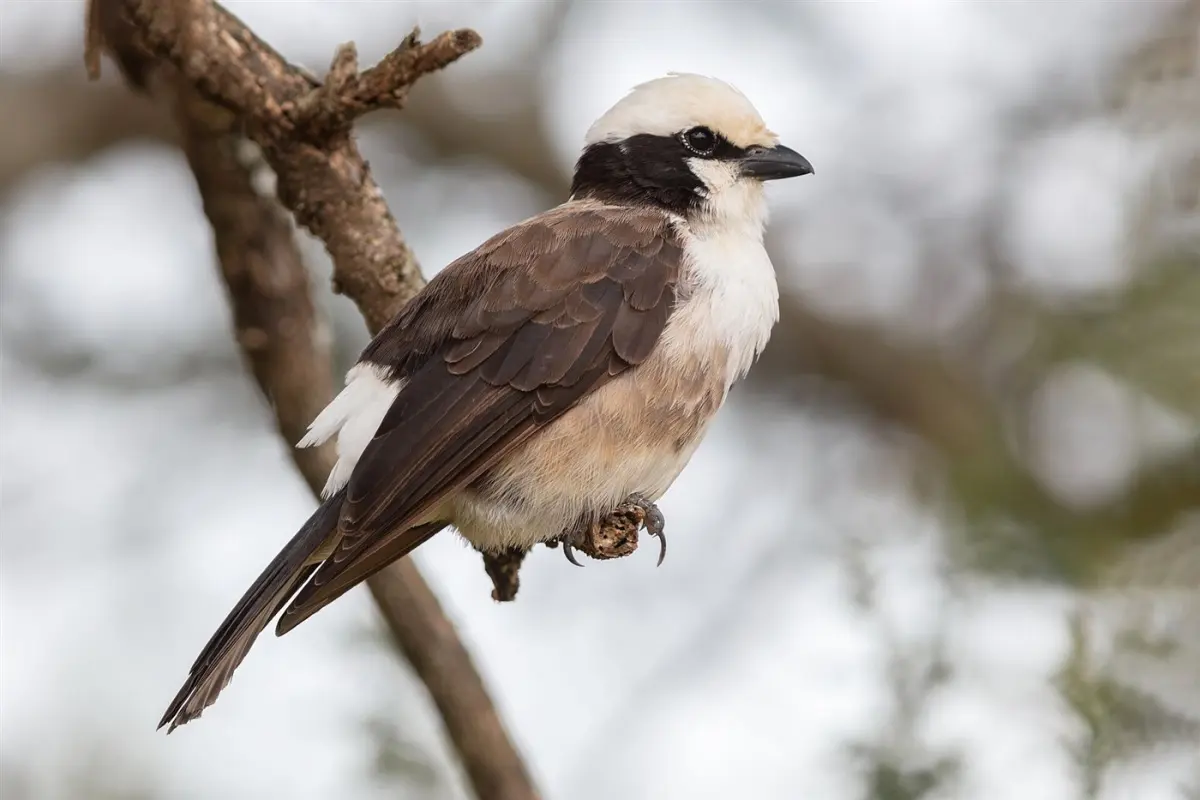
Over 400 bird species
Pelicans, storks, herons, fish eagles and hornbills make this a birdwatcher’s favourite.
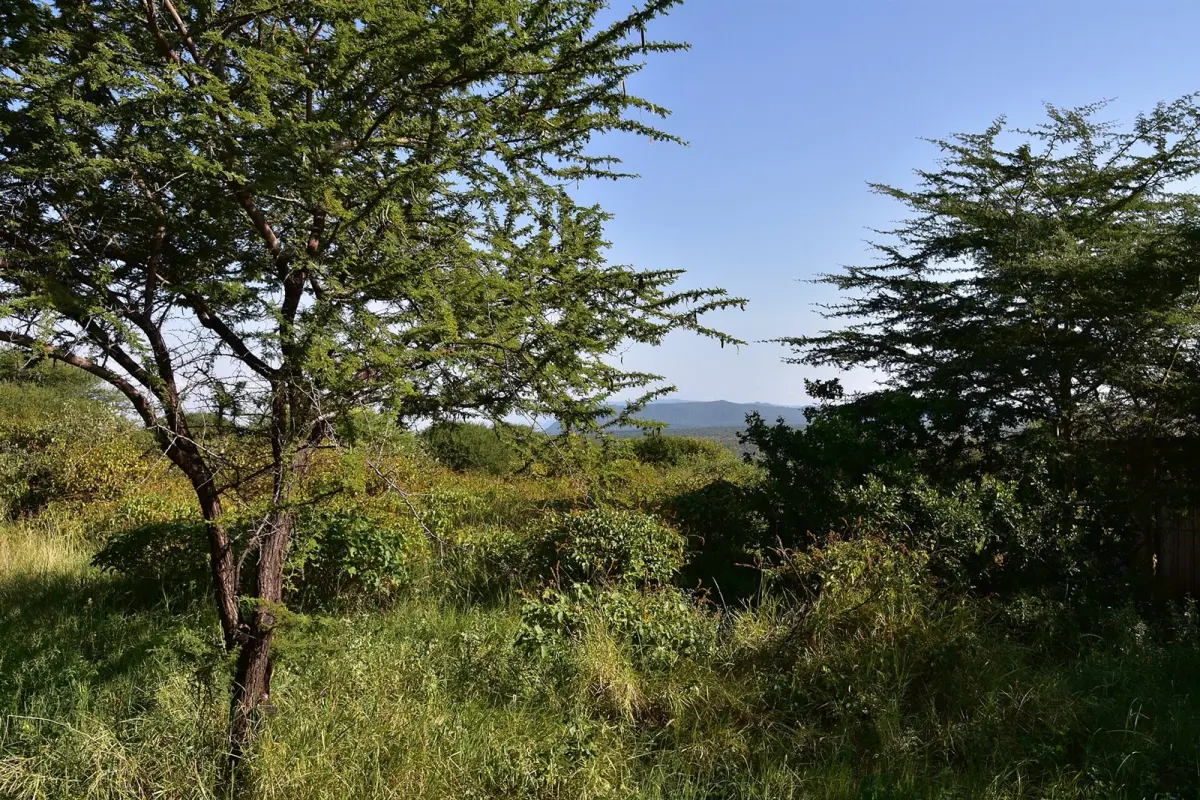
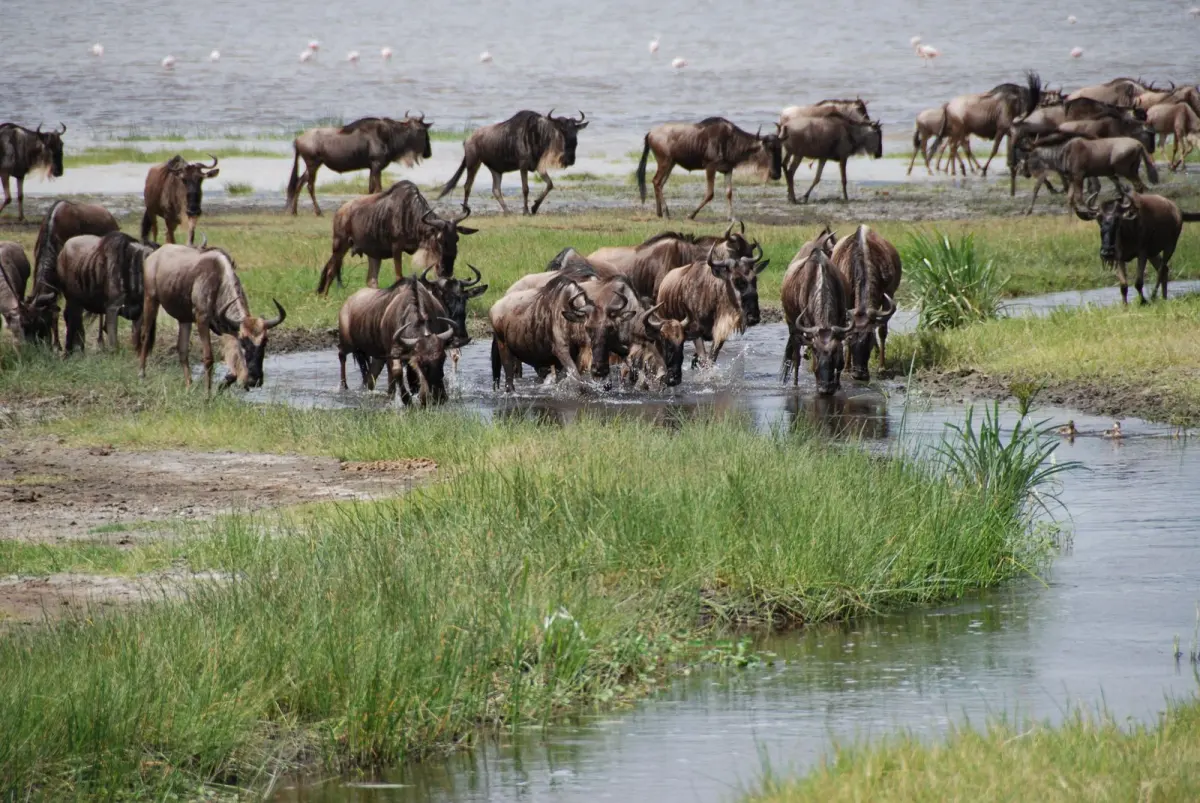
Lake Manyara National Park in pictures


Best time to visit
Lake Manyara is rewarding all year, but the dry season gives the best game viewing and the clearest escarpment views.
| Season | Weather | Crowds | What to expect |
|---|---|---|---|
| Jan–Feb | Warm and fairly dry | Moderate | Good game viewing and clear views of the escarpment |
| Mar–May | Long rains | Low | Lush forest, waterfalls and excellent low-season value |
| Jun–Oct | Cool and dry | High | Peak wildlife viewing and the strongest lion sightings |
| Nov–Dec | Short rains | Moderate | Green season with good birding and fewer visitors |
Things to do
Game drives
Explore the forest, floodplain and lakeshore in search of lions, elephants and flamingos.
Birdwatching
Over 400 species, with the shallow alkaline lake a haven for flamingos and waterbirds.
Escarpment walks
Guided walks and forest hikes on the Rift Valley slopes above the park, with valley views.
Photography
Flamingos on pink water, forest light and the towering escarpment make for dramatic images.
Hot springs & viewpoints
Visit the Maji Moto springs and the Endabash gorge in the park’s quieter southern reaches.
Cultural visits
The bustling town of Mto wa Mbu offers village walks and a taste of local Tanzanian life.
Where to stay
Escarpment lodges
Dramatic high-end lodges on the Rift Valley rim with sweeping lake and valley views. <!-- TODO: lodge names -->
Comfortable lodges & camps
Well-placed mid-range lodges and tented camps near the gate and around Karatu. <!-- TODO: lodge names -->
Guesthouses & camping
Simple guesthouses and campsites in Mto wa Mbu for travellers on a budget. <!-- TODO: lodge names -->
Getting there & around
Lake Manyara is a comfortable 1.5-hour drive from Arusha and about 30 minutes from the Ngorongoro Crater rim, which makes it an easy stop between Tarangire and Ngorongoro or the Serengeti on a northern circuit itinerary.
The nearest town is Mto wa Mbu, just outside the park gate. Travellers can also fly into the nearby Lake Manyara airstrip by light aircraft. A 4x4 with a licensed guide is required for game drives, and we handle all transfers and permits as part of your package.
- By road from Arusha About 1.5 hrs to the gate
- From Ngorongoro About 30–45 min
- Best explored 1 day
- Gate fees Park & vehicle fees apply
Frequently asked questions
Are there really tree-climbing lions in Lake Manyara?
Yes. Lake Manyara is one of the few places in Africa where lions habitually rest in trees. It is a learned behaviour rather than an instinct, and your best chance of seeing them is in the woodland areas early or late in the day.
When is the best time to visit Lake Manyara?
The dry season from June to October offers the best game viewing and clear escarpment views. The short dry spell in January and February is also good. The green season is quieter, lusher and good value, and is excellent for birdwatching.
How long do I need in Lake Manyara National Park?
A single day is enough to cover the park thoroughly, given its compact size. Many travellers visit it as a stop between Tarangire and Ngorongoro, either for a full day or a half-day game drive.
Is Lake Manyara good for birdwatching?
It is one of the best birding parks in Tanzania, with more than 400 recorded species. The alkaline lake attracts flamingos and waterbirds, while the groundwater forest is rich in turacos, hornbills and forest species.
Can I see flamingos at Lake Manyara?
Often, yes — thousands of lesser flamingos gather on the lake to feed on its algae, especially when water levels and food are favourable. Numbers vary with rainfall, so some visits are better than others.
How far is Lake Manyara from Arusha?
It is about a one-and-a-half-hour drive from Arusha, and only around half an hour from the Ngorongoro Crater rim, making it convenient to combine with both on a northern circuit itinerary.
Nearby destinations

Ready to plan your Lake Manyara National Park trip?
Tell us your dates and travel style. Our local team in Moshi will build a tailor-made itinerary around Lake Manyara National Park — free, with no obligation.