
Discover Nyerere National Park
Nyerere National Park is Africa’s largest national park, covering 30,893 km² in southern Tanzania. Formerly part of the Selous Game Reserve, it was renamed in 2019 in honour of Tanzania’s founding father, Mwalimu Julius Nyerere.
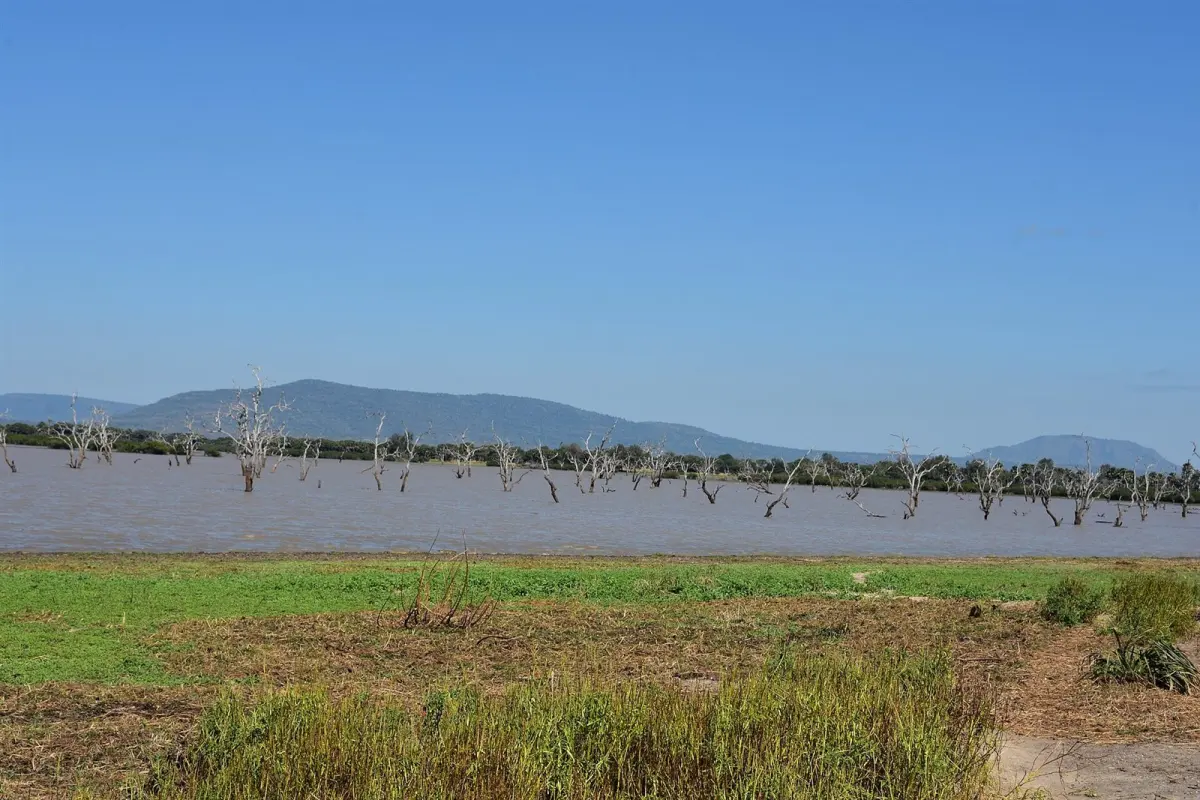
The park’s lifeline is the mighty Rufiji River, which flows through its heart, creating a network of lakes, channels and floodplains. This water system supports one of Tanzania’s most diverse safari experiences, with boat safaris, walking safaris and classic game drives all on offer.
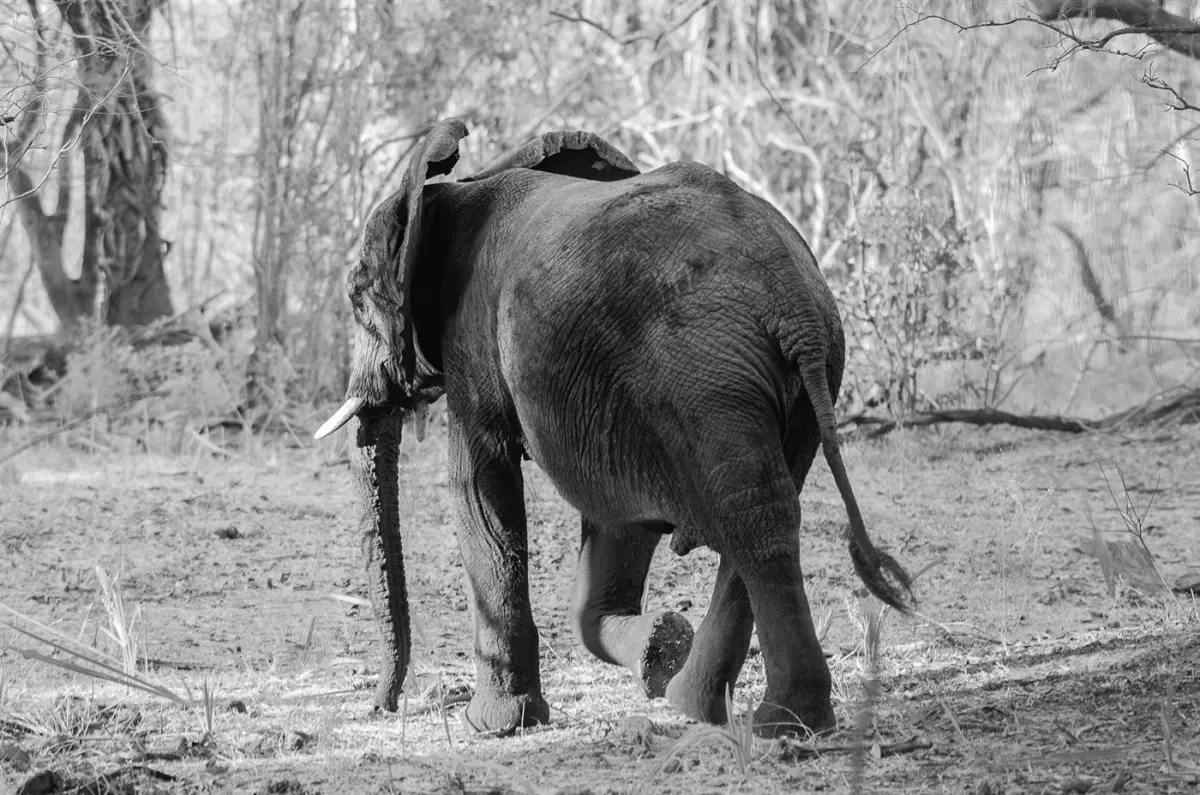
Nyerere is renowned for its large elephant and buffalo populations, healthy predator numbers and one of East Africa’s most important populations of African wild dogs. The river teems with hippos and crocodiles, while the woodlands and plains host giraffes, zebras and antelope.
Remote, wild and far less visited than the northern parks, Nyerere delivers a raw, authentic safari. Our Moshi-based team can design a Southern Circuit itinerary to suit your travel dates.
Why visit Nyerere National Park
-
Boat safaris on the Rufiji
Glide past hippos, crocs and birds for a unique perspective of the park.
-
Walking safaris
Explore on foot with expert guides, one of the few parks offering this experience.
-
African wild dogs
Nyerere is a stronghold for these endangered predators.
-
Big game in abundance
Large herds of elephants and buffalo roam the park year-round.
-
Lakes & channels
The Rufiji system creates diverse habitats teeming with wildlife.
-
Truly wild
Vast, remote and uncrowded for an immersive safari experience.
Landscape & geography
Nyerere National Park covers 30,893 km², making it Africa’s largest national park. The landscape is dominated by the Rufiji River and its tributaries, which form a complex network of channels, oxbow lakes and seasonally flooded plains.
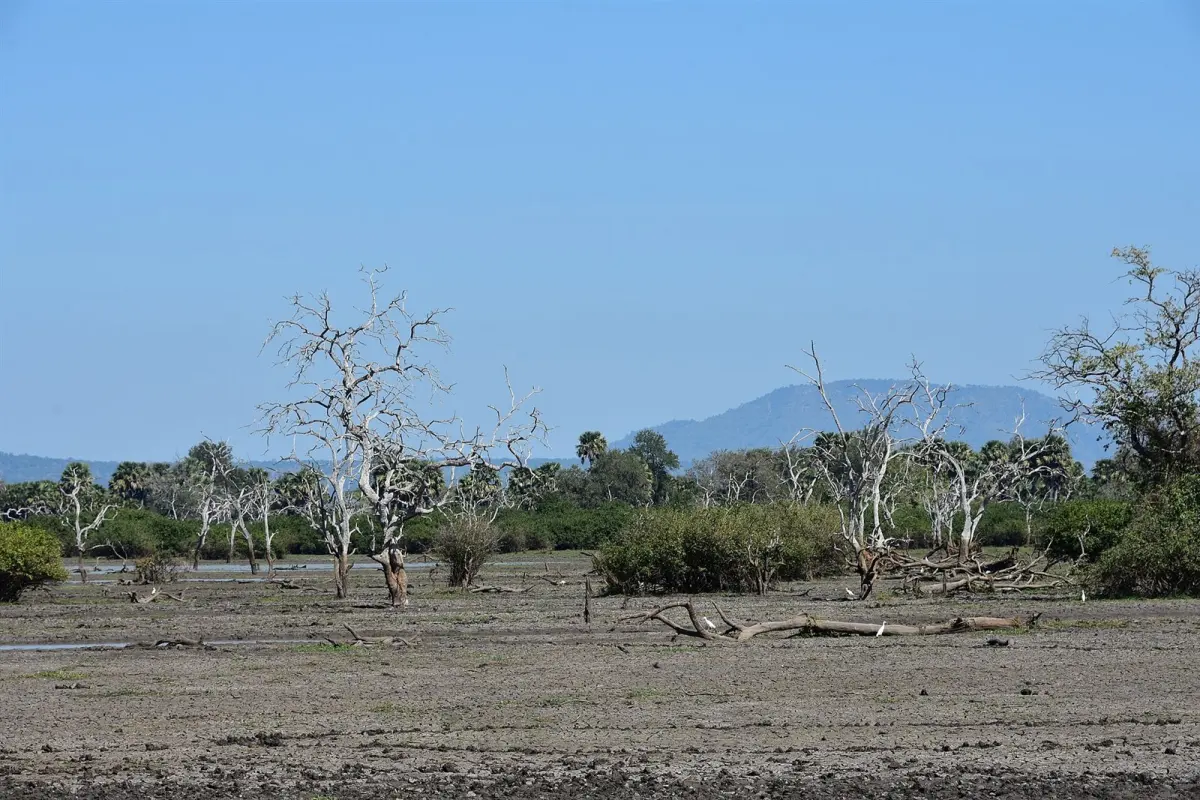
Miombo woodland, acacia thickets, open grasslands and riverine forest create a mosaic of habitats. The terrain is generally flat, with scattered rocky outcrops and sandbanks that shift with the river’s flow.
This unique hydrology sets Nyerere apart from other Tanzanian parks. The presence of permanent water allows for year-round wildlife and enables the park’s signature boat safaris, a rare treat in East Africa.
Wildlife of Nyerere
Nyerere supports an impressive array of wildlife, including over 400 bird species and more than 60 mammal species. The park is famous for its predators, with African wild dogs regularly sighted.
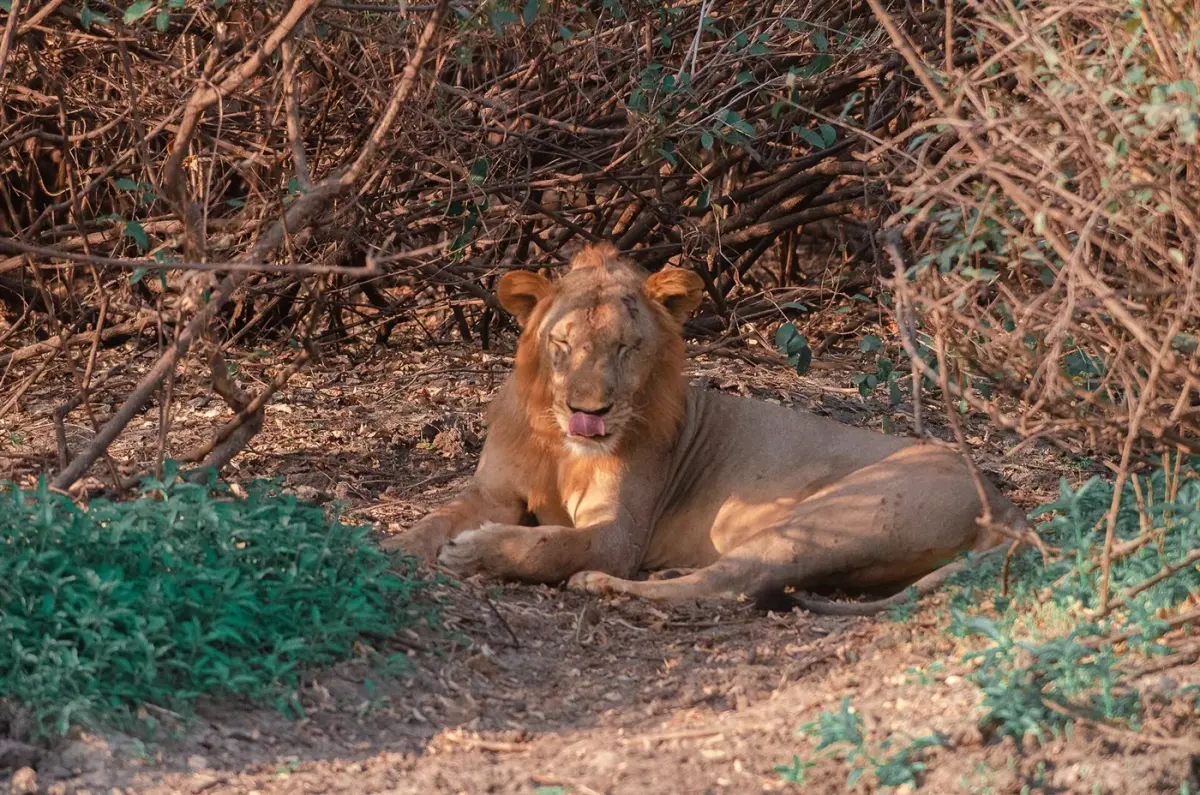
Large elephant and Cape buffalo herds are a common sight, while lions, leopards and hyenas patrol the plains and woodlands. The river is home to enormous pods of hippos and some of Africa’s largest crocodiles.
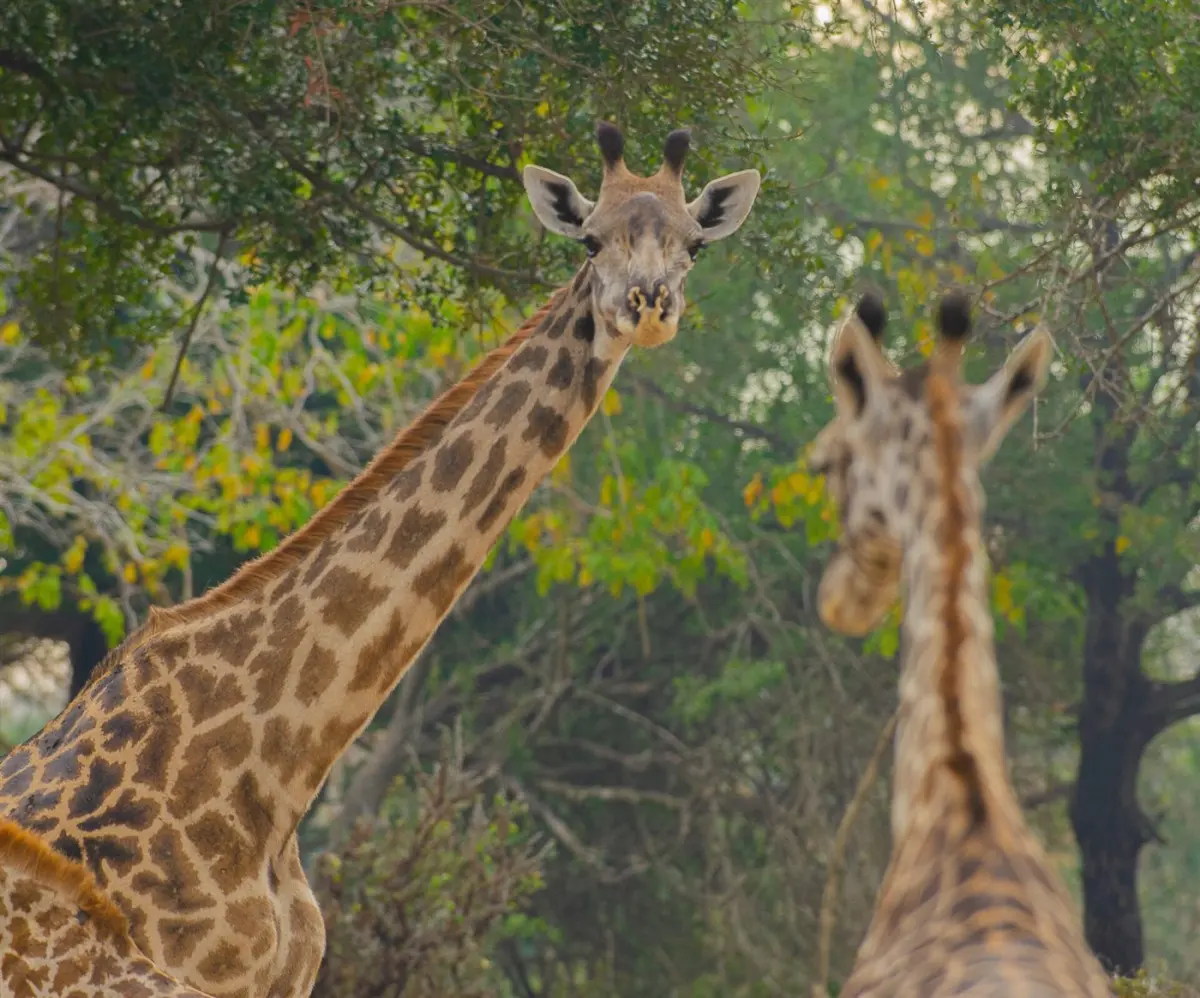
Antelope species include sable, greater kudu, waterbuck, impala and reedbuck. Giraffes, zebras and wildebeest add to the diversity, making Nyerere a rewarding destination for all safari-goers.
Unique safari experiences
What sets Nyerere apart is the range of activities on offer. Boat safaris along the Rufiji River are the park’s hallmark, offering close encounters with hippos, crocs and waterbirds from a safe, peaceful vantage point.
Walking safaris are another highlight, led by armed, experienced guides. These walks reveal the smaller details of the bush — tracks, plants, insects and signs often missed on drives.
Classic game drives remain excellent, particularly in the dry season when wildlife gathers along the river. Fly-camping adventures are also available for those seeking a deeper wilderness experience, subject to conditions.
Conservation & history
The area now known as Nyerere National Park was once the heart of the Selous Game Reserve, one of the world’s largest protected areas. Established in 1922, Selous was a hunting reserve for many years before evolving into a major conservation area.
In 2019, part of Selous was gazetted as Nyerere National Park to strengthen conservation and enhance tourism. Today it forms a critical component of the Selous–Nyerere ecosystem, protecting vital habitats and wildlife corridors.
Conservation efforts focus on anti-poaching, habitat protection and community engagement. Tourism revenue helps fund these initiatives and supports local communities living around the park, ensuring long-term protection of this wilderness.
What you might see
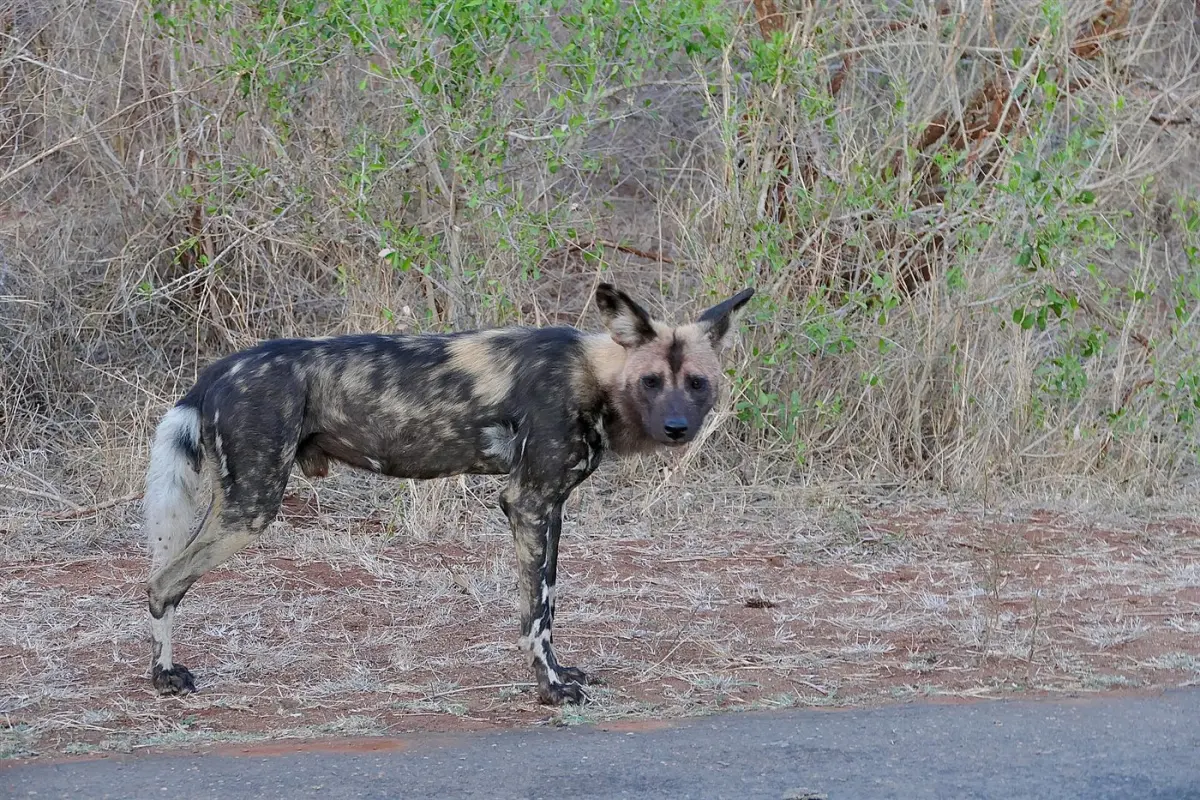
African wild dog
One of the park’s most sought-after predators, seen in packs across the plains.
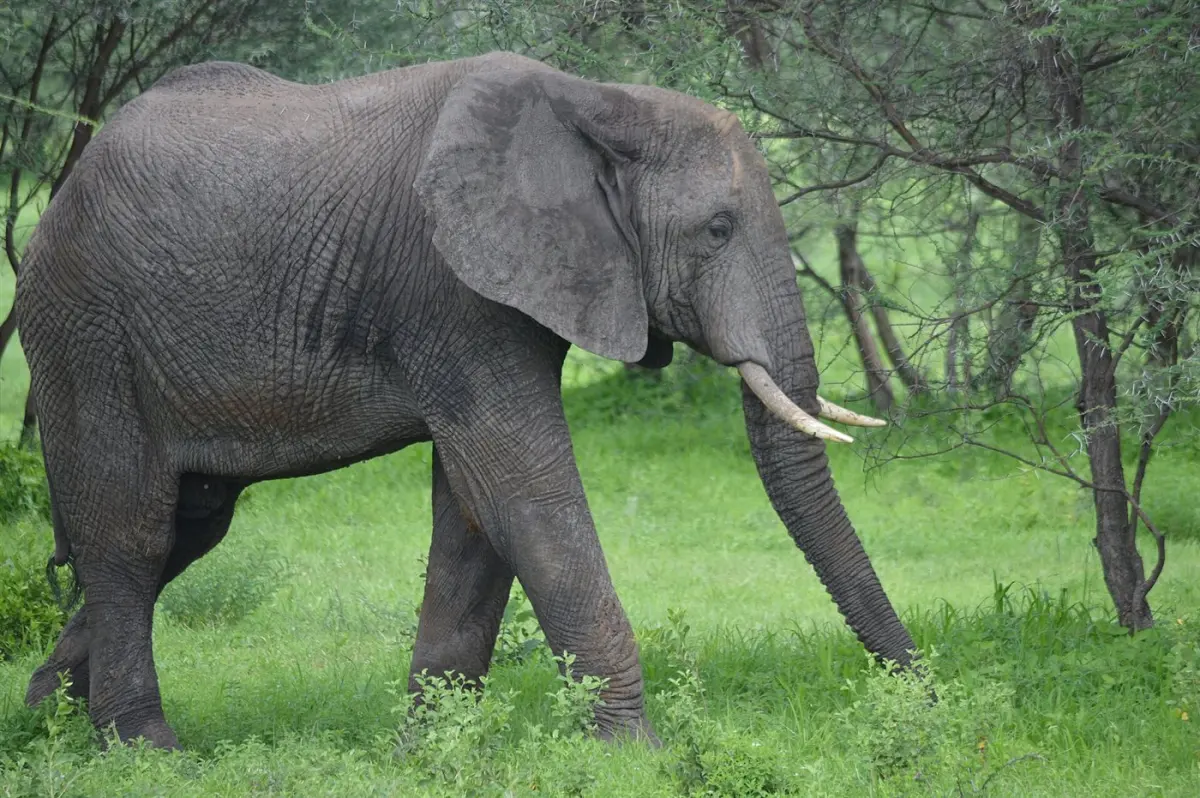
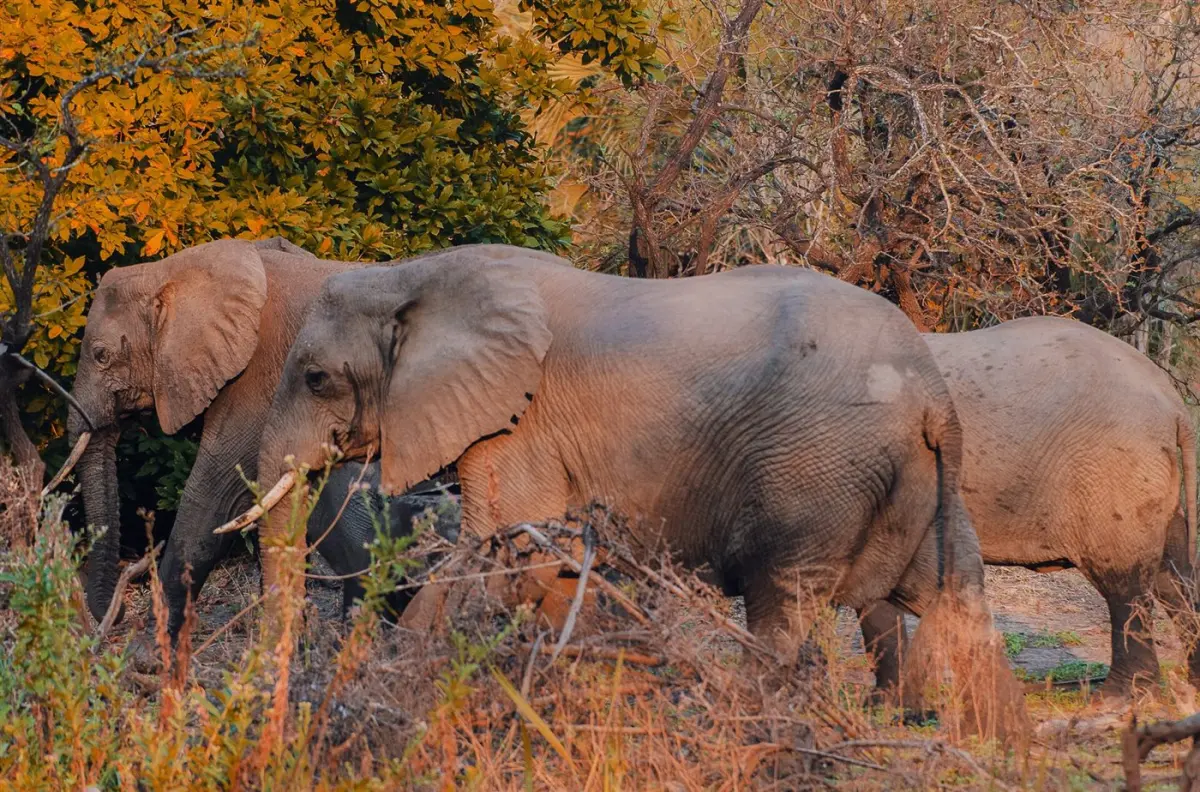
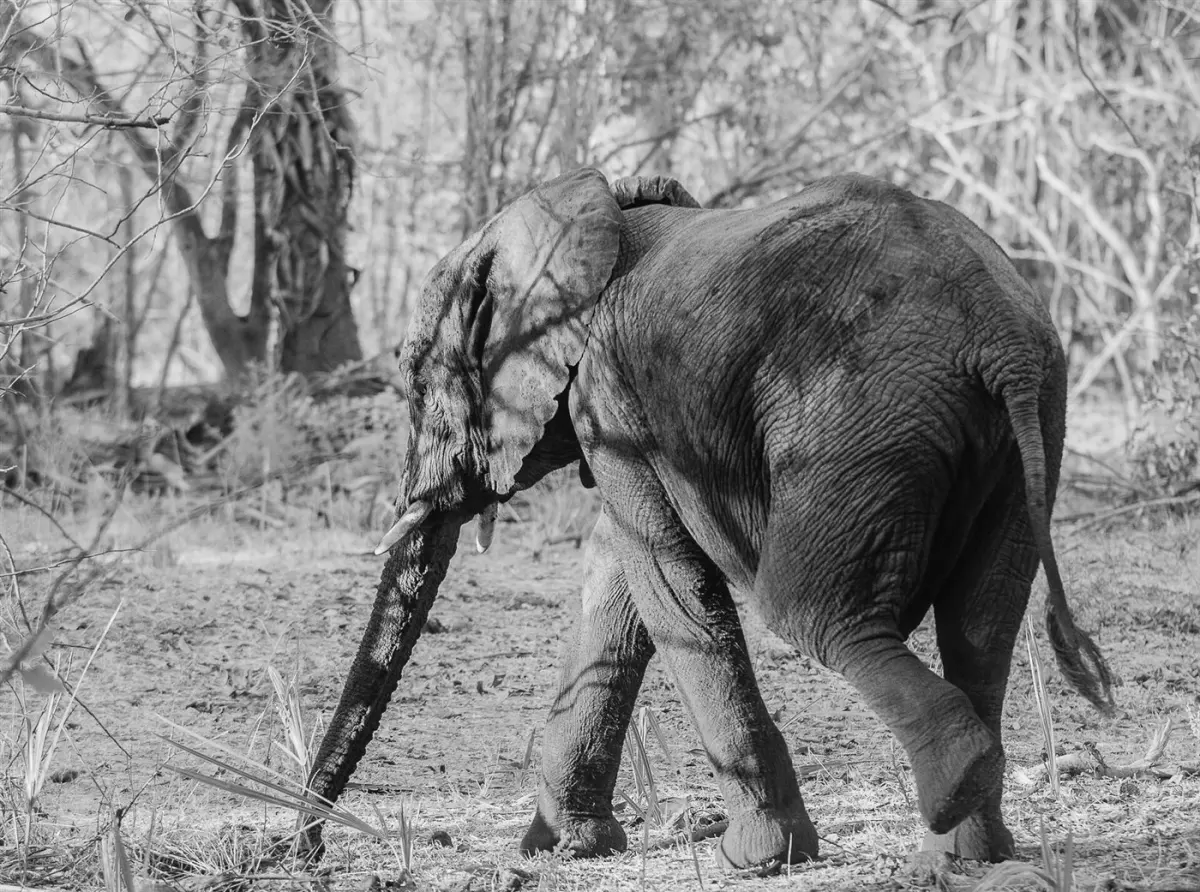
African elephant
Large herds roam the woodlands and riverbanks year-round.
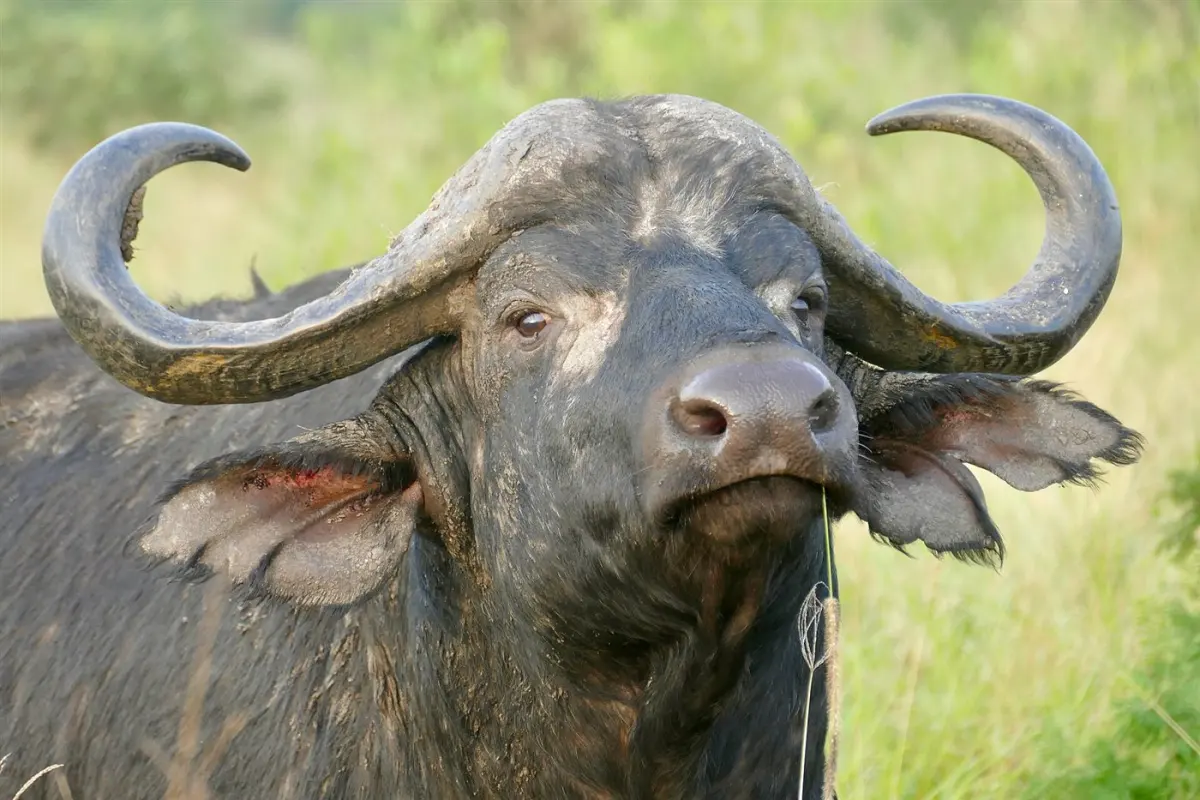
Cape buffalo
Massive herds are a common and impressive sight.
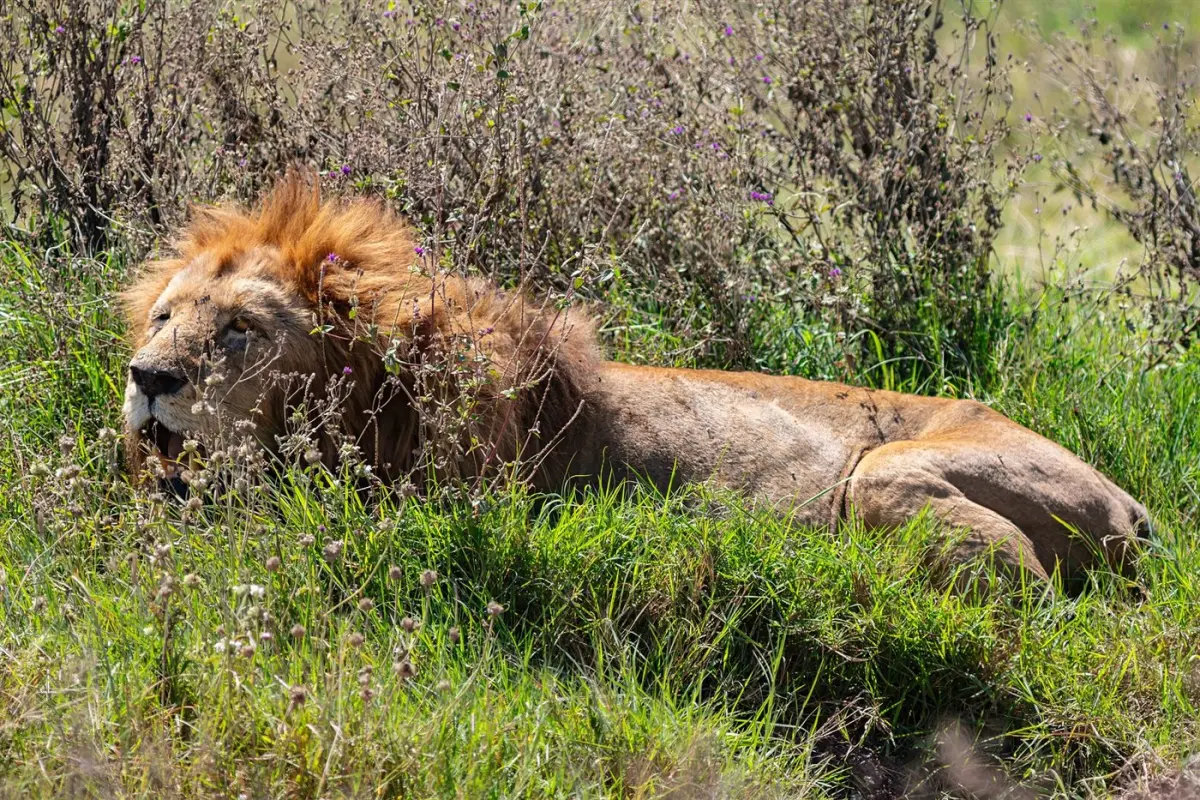
Lion
Pride territories cover the park, with good sightings in the dry season.
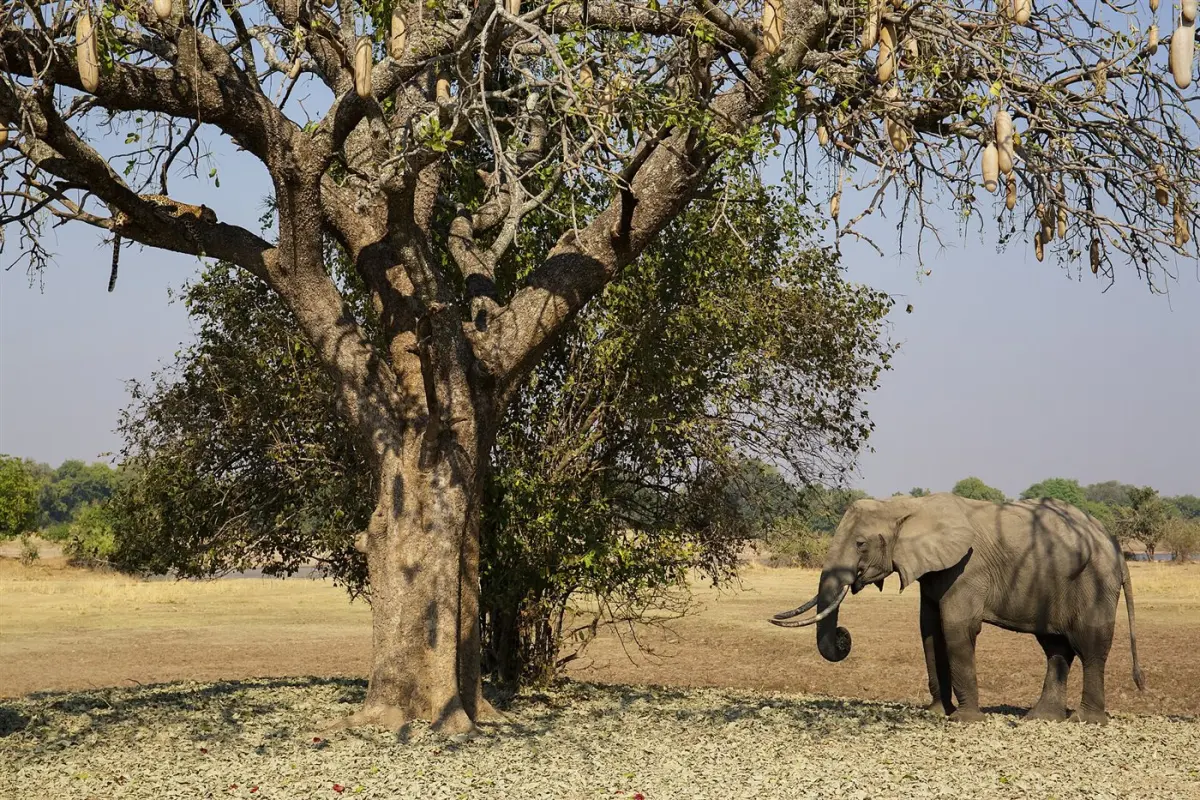
Leopard
Elusive but present, often seen in riverine vegetation.
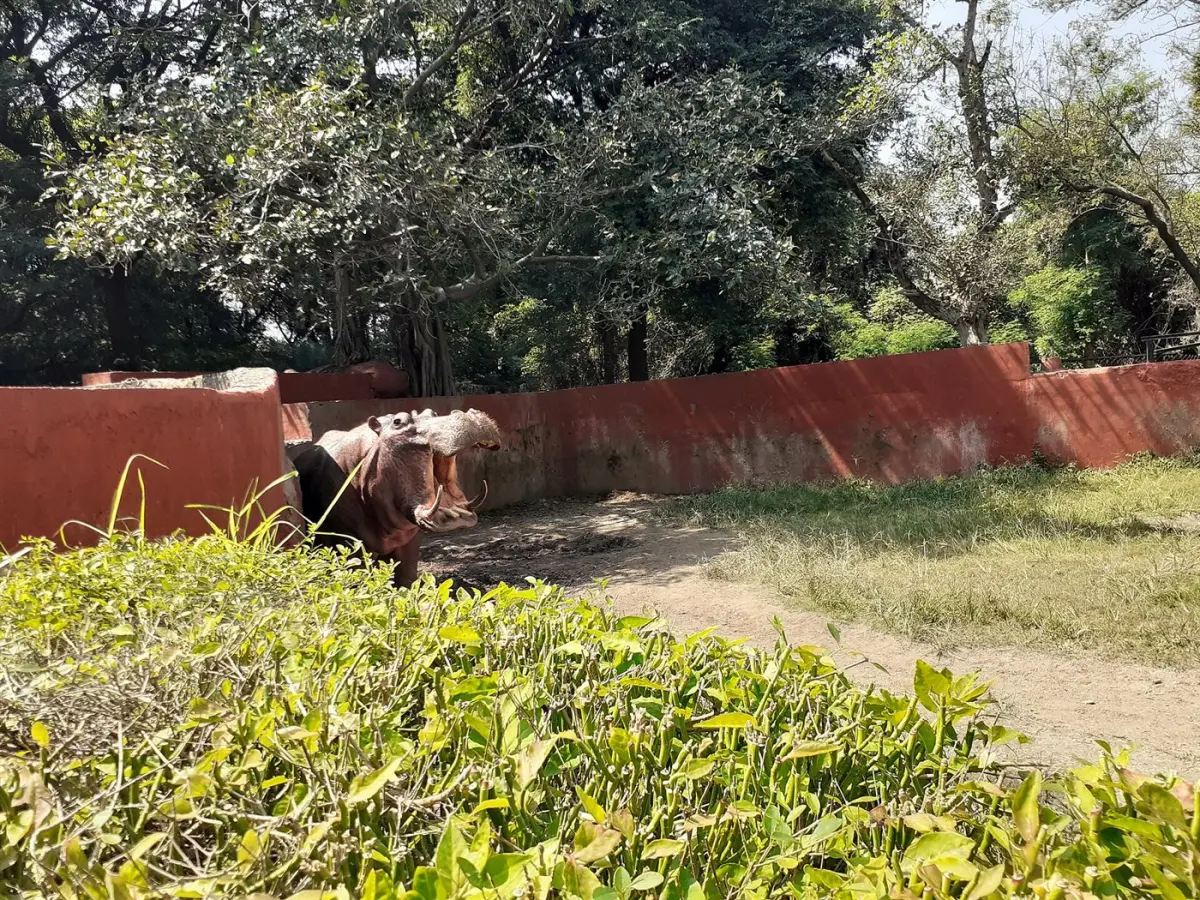
Hippo & crocodile
Abundant in the Rufiji River and its channels.
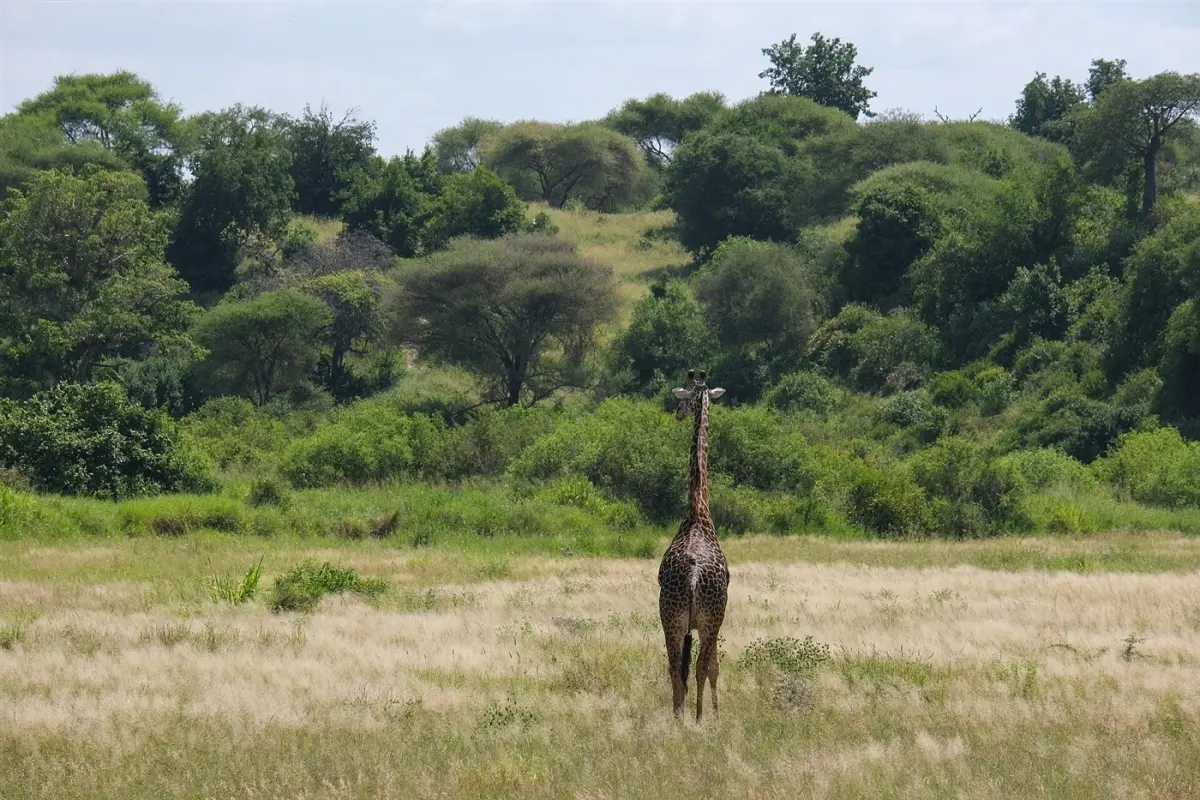
Giraffe & zebra
Frequent along the floodplains and open grasslands.
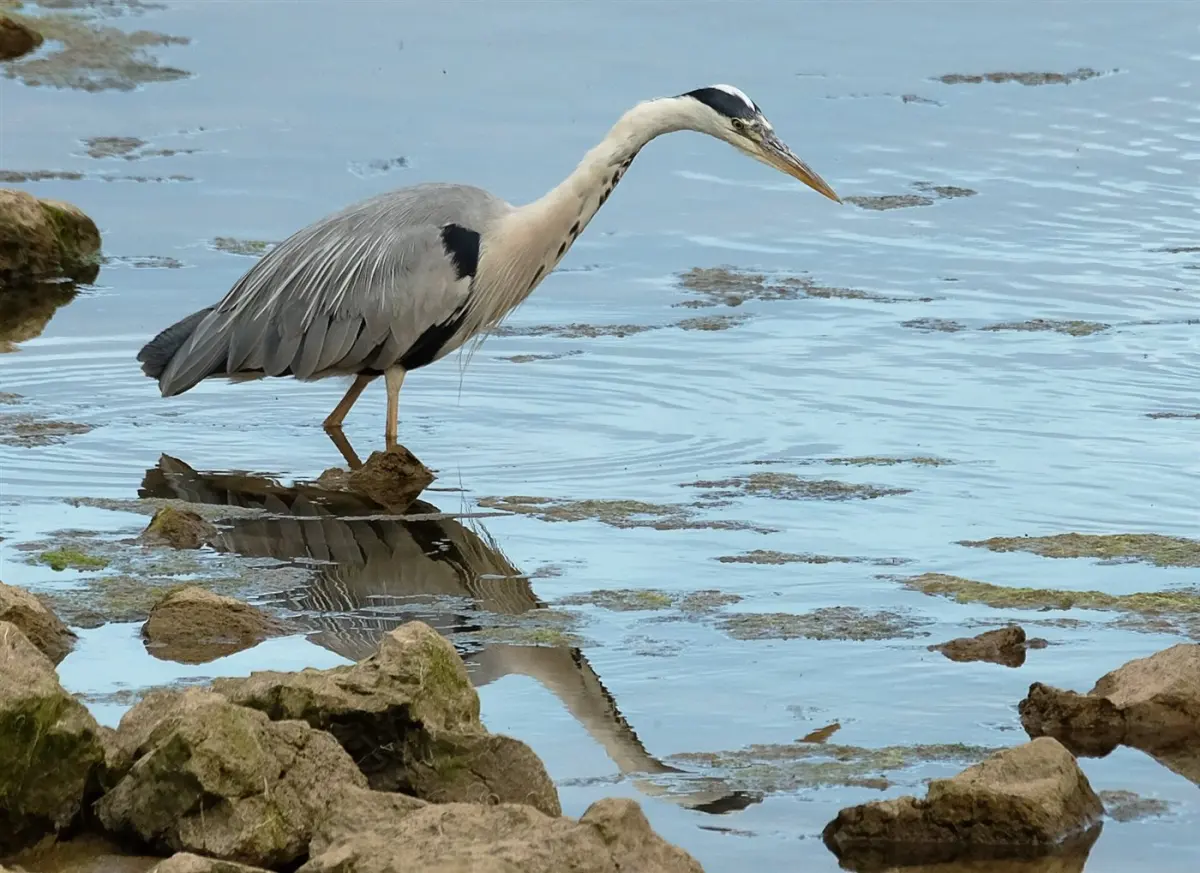
Waterbirds
Kingfishers, fish eagles, herons and storks thrive along the river.
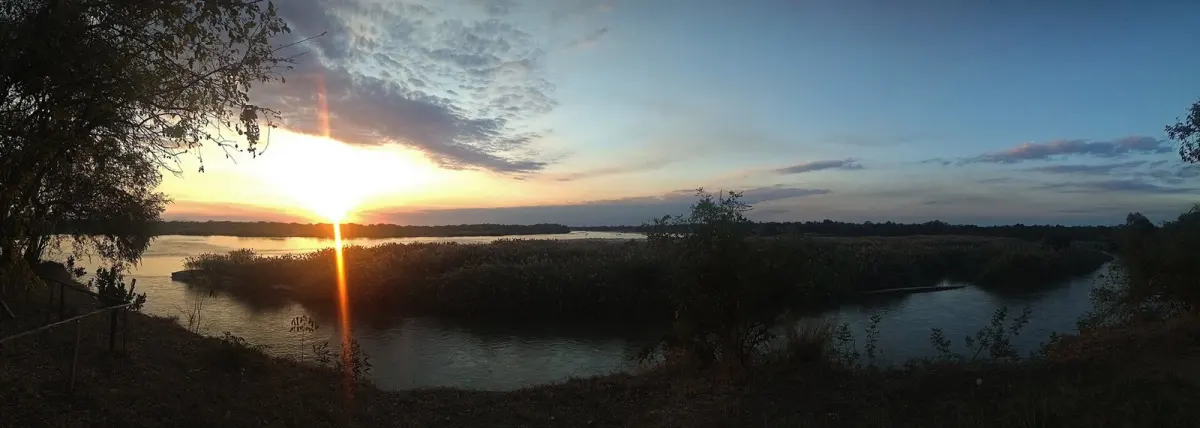
Nyerere National Park in pictures
Best time to visit
Nyerere is excellent year-round, with boat safaris possible throughout the year and peak game viewing in the dry season.
| Season | Weather | Crowds | Wildlife |
|---|---|---|---|
| Jan–Mar | Warm & wet | Low | Lush, great for birding, some tracks muddy |
| Apr–May | Long rains | Low | Green season, fewer visitors |
| Jun–Oct | Cool & dry | Peak | Best for game drives and walking safaris |
| Nov–Dec | Short rains | Moderate | Scenery returns, good value |
Things to do
Boat safaris
The signature experience, exploring the Rufiji River and its channels.
Walking safaris
Track wildlife and learn about the bush on foot with expert guides.
Game drives
Classic safaris through varied habitats, excellent in the dry season.
Birdwatching
Over 400 species, including many waterbirds and raptors.
Photography
Dramatic river scenes and big game provide superb shots.
Fly-camping
For adventurous travellers, multi-day walking and camping experiences.
Where to stay
Luxury river camps
Riverside camps offering comfort, privacy and exceptional guiding. <!-- TODO: lodge names -->
Tented camps
Authentic camps in prime locations with great access to activities. <!-- TODO: lodge names -->
Campsites
Simple options for those seeking a true wilderness experience. <!-- TODO: lodge names -->
Getting there & around
Nyerere National Park is accessible by scheduled and charter flights from Dar es Salaam to various airstrips within the park. Flight times are typically around 45–90 minutes.
Road transfers are also possible from Dar es Salaam (around 5–6 hours to the park gates), though flying is often more convenient. Our team can arrange seamless connections as part of your Southern Circuit itinerary.
- By air from Dar es Salaam 45–90 mins
- By road from Dar es Salaam 5–6 hrs
- Best explored 3–4 days minimum
- Best time June–October
Frequently asked questions
What is the difference between Nyerere and Selous?
Nyerere National Park was formerly the northern part of Selous Game Reserve and was renamed in 2019. It offers the full range of safari activities, including boat and walking safaris.
Are boat safaris available year-round?
Yes, boat safaris on the Rufiji River run year-round, though water levels vary seasonally.
When is the best time to visit Nyerere?
June to October (dry season) is ideal for game viewing, walking safaris and predator sightings.
Can I see wild dogs in Nyerere?
Yes, Nyerere is one of East Africa’s strongholds for African wild dogs.
How do I get to Nyerere National Park?
Fly from Dar es Salaam to one of the park’s airstrips, or take a road transfer.
Is Nyerere suitable for walking safaris?
Yes, guided walking safaris are a highlight and available at many camps.
Nearby destinations


Ready to plan your Nyerere National Park trip?
Tell us your dates and travel style. Our local team in Moshi will build a tailor-made itinerary around Nyerere National Park — free, with no obligation.