
Discover Zanzibar Island
Zanzibar is the largest island of the Zanzibar Archipelago, lying about 40 km off the Tanzanian mainland in the warm Indian Ocean. For centuries it was the beating heart of the Swahili coast — a trading crossroads where Arab, Persian, Indian, Portuguese and African influences blended into a culture you can still taste, hear and see today.
Most travellers know it for its beaches, and rightly so. The north around Nungwi and Kendwa is famous for tide-independent swimming and spectacular sunsets, while the east coast at Paje, Jambiani and Michamvi offers long ribbons of white sand, kitesurfing winds and a quieter rhythm. Offshore, coral reefs cradle some of East Africa’s finest diving and snorkelling.
Beyond the shoreline, Zanzibar is a working island of spice and fishing. Clove, cinnamon, nutmeg, vanilla and black pepper still grow on smallholdings that welcome visitors on guided spice tours, and the mangrove and groundwater forest at Jozani shelters the endemic Zanzibar red colobus monkey.
Zanzibar is the classic way to finish a Tanzanian safari: a few days of barefoot rest after the drama of the Serengeti or Ngorongoro. Tell our local team your dates and we will weave the island into your itinerary, whether you want a luxury retreat, a diving base or a family beach stay.
Why visit Zanzibar Island
-
Nungwi & Kendwa beaches
The island’s liveliest stretch — deep water at all tides, dhow boats, beach bars and legendary sunsets.
-
World-class reefs
Coral gardens at Mnemba, Leven Bank and the east-coast reefs offer superb diving and snorkelling.
-
Spice farm tours
Walk shaded plantations and taste cloves, vanilla, cinnamon and cardamom straight from the plant.
-
Jozani–Chwaka Bay forest
A protected mangrove and forest reserve, home to the endemic Zanzibar red colobus monkey.
-
Living Swahili culture
Whitewashed villages, carved doors, muezzin calls and a proud, welcoming island identity.
-
Traditional dhow sailing
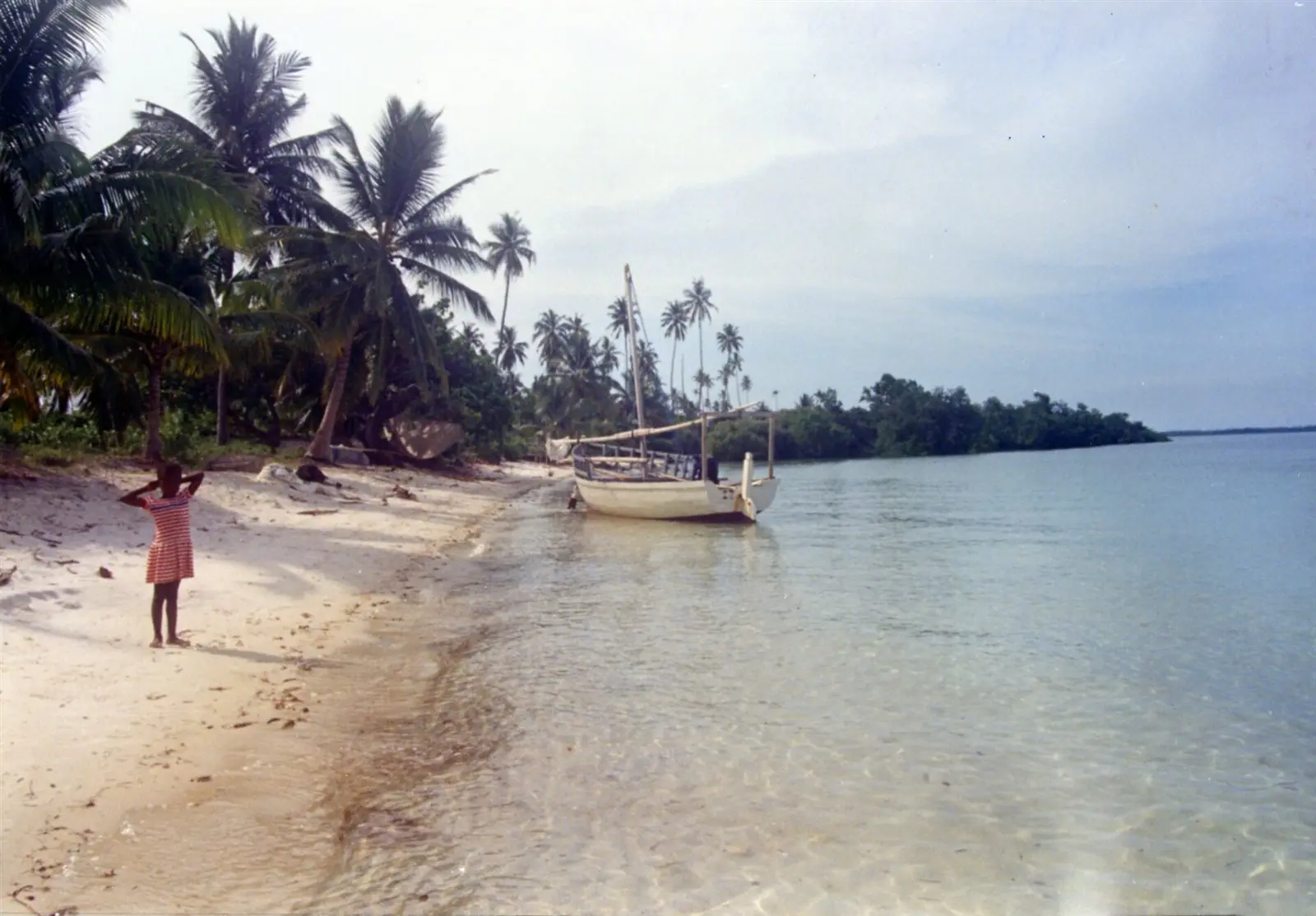
Glide the turquoise shallows at sunset aboard a hand-built wooden dhow — the classic island experience.
Beaches & coasts of Zanzibar
Zanzibar’s coastline changes character from north to east to south, and understanding the tides is the key to choosing where to stay. The north coast around Nungwi and Kendwa sits on a deep channel, so you can swim at any hour — rare in Zanzibar, where most beaches empty out dramatically at low tide.
The east coast faces the open ocean and the trade winds. Paje is a world-class kitesurfing spot from June to September and December to February, while Jambiani and Bwejuu are quieter, with long shallow lagoons that glow at sunrise. The south at Kizimkazi is the launch point for dolphin trips and dhow sailing to the reefs.
Because of the enormous tidal range — up to four metres — the water can retreat hundreds of metres, revealing bands of white sand and seaweed farms worked by local women. It is a beautiful, grounding sight, and part of what makes the island feel alive rather than simply picturesque.
Diving & snorkelling
Zanzibar sits within the same warm-water belt as Pemba and Mafia, and its reefs are rich with hard and soft corals, reef fish, turtles, rays and reef sharks. Visibility typically runs 15–40 m in the calm months, best from December to March and June to October when the water settles and clears.
Signature sites include the Mnemba Atoll off the north-east, a protected marine area with turtles and dense fish life; the Leven Bank for pelagics; and the numerous patch reefs between Paje and Michamvi. Snorkellers can enjoy many of the same shallows with a mask and fins.
Most dive centres offer PADI and SSI courses from beginner to advanced, plus guided boat trips for certified divers. If you would rather stay dry, a glass-bottomed boat or a sunset dhow still gets you close to the marine life.
Spices & island life
Zanzibar earned the name “Spice Island” during the nineteenth century, when cloves from its plantations were among the most valuable crops in the world. That farming heritage survives on small family plots, mostly in the fertile centre of the island around Kizimbani and Kidichi.
A spice tour is a sensory walk through shaded groves where your guide hands you leaves, bark and fruit to smell and taste — the same plants that once drew merchants from Oman, India and Europe. You will meet clove, cinnamon, black pepper, nutmeg, turmeric, lemongrass, vanilla and more, all growing in one tangled, fragrant garden.
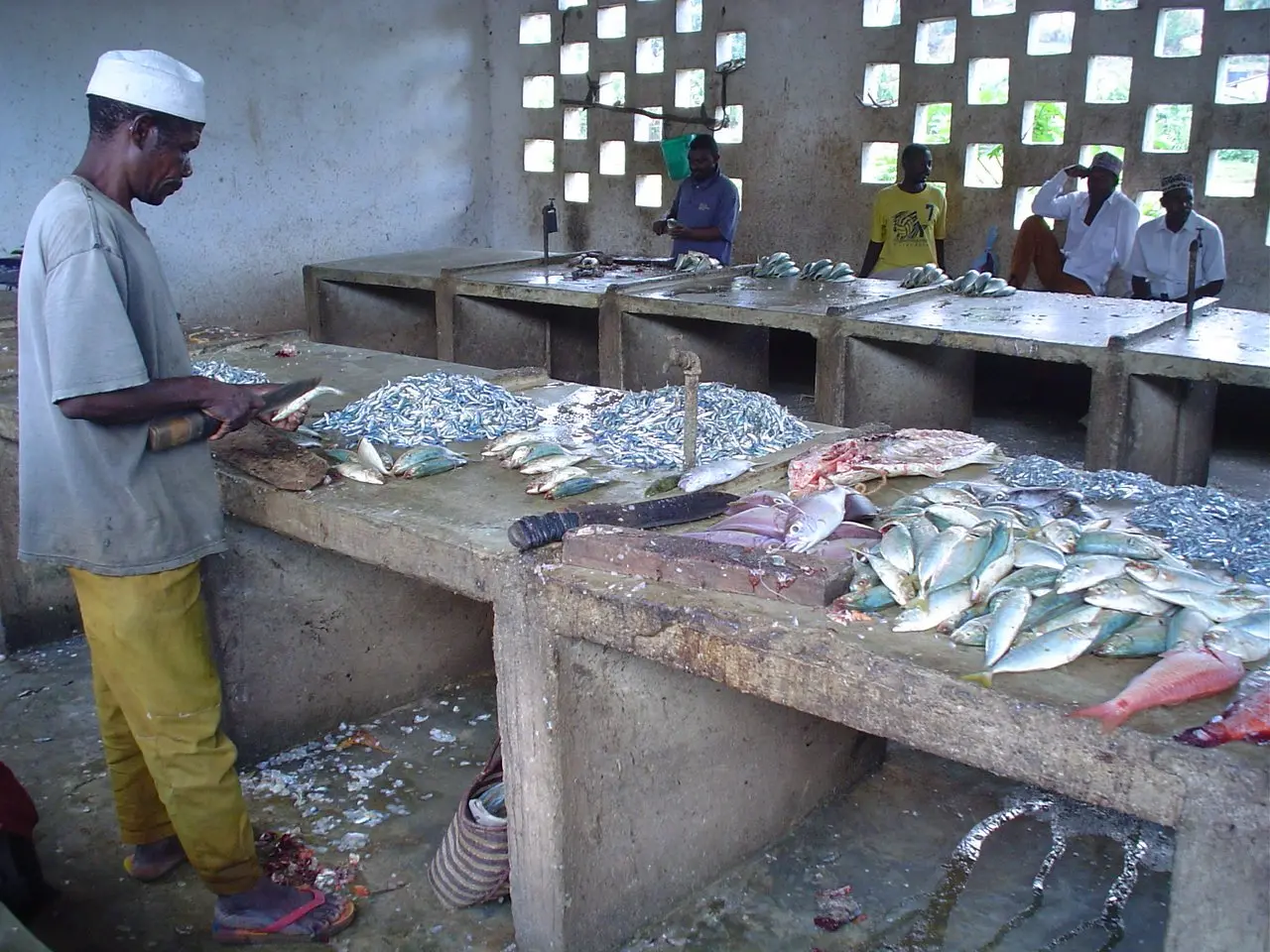
Away from the plantations, everyday island life is built on fishing and farming. Community visits, cooking classes and village markets offer an honest look at how Zanzibaris live, cook and celebrate — far removed from the resort strip.
Jozani forest & the red colobus
Jozani–Chwaka Bay National Park, in the centre of the island, protects the last significant stand of Zanzibar’s groundwater forest along with important mangrove and coral-rag scrub. It is small but precious, and it is the only place on Earth where the Zanzibar red colobus monkey is found.
The colobus is a striking, leaf-eating primate with a reddish-brown back and no thumb — a species so distinctive it is the island’s flagship animal. Guided walks through the boardwalk and forest trails almost always deliver sightings, alongside blue monkeys, bushbabies, chameleons and colourful sunbirds.
From the forest it is a short drive to the mangrove boardwalk at Chwaka Bay, where you can see the roots that shelter juvenile fish and support the fishing communities along the coast. A Jozani visit pairs naturally with the spice farms nearby.
Responsible travel & island tips
Zanzibar is a conservative, majority-Muslim society. Inland villages and Stone Town call for shoulders and knees covered, while beach resorts are relaxed. During Ramadan, eating and drinking in public during daylight is best avoided outside your hotel.
Please never touch or stand on coral, do not remove shells or marine life, and choose dive operators that anchor thoughtfully and respect the reefs. Buying directly from village artisans and eating at local restaurants keeps more of your money on the island.
- Dress modestly away from the beach and ask before photographing people.
- Use reef-safe sunscreen and pack out all litter.
- Agree boat, taxi and excursion prices before you set off.
- Carry small cash in Tanzanian shillings for markets and tips.
- Respect marine park rules and keep a distance from turtles and dolphins.
What you might see
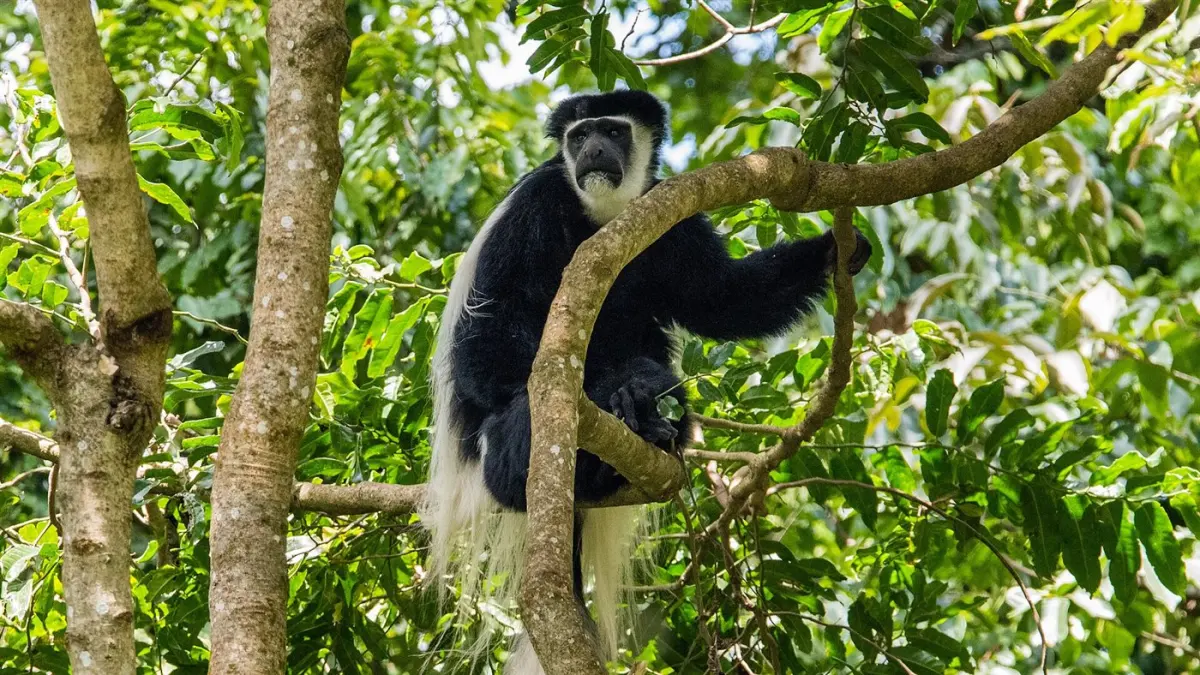
Zanzibar red colobus
The island’s endemic monkey, found only in the Jozani forest and nowhere else on Earth.
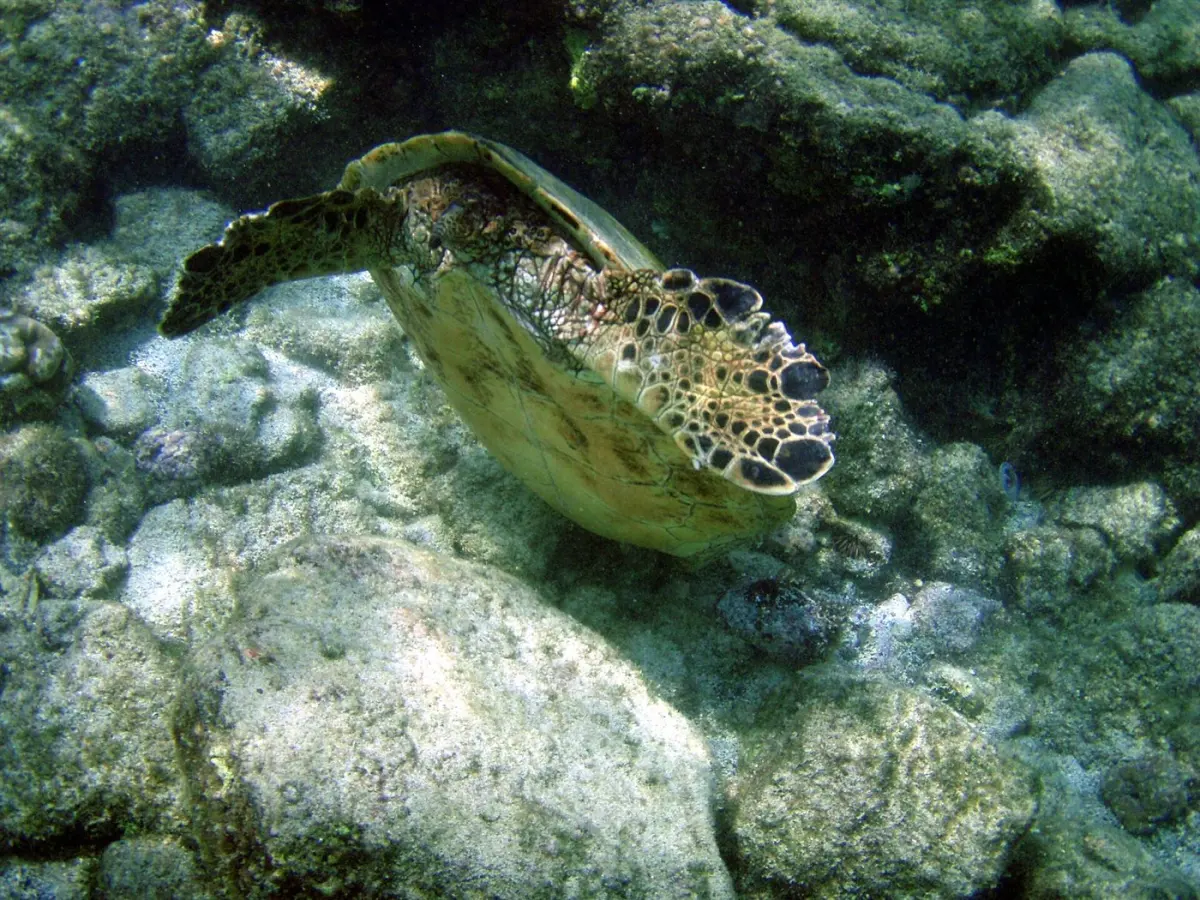
Green & hawksbill turtles
Seen grazing on seagrass and reef, with nesting beaches watched over by conservation projects.
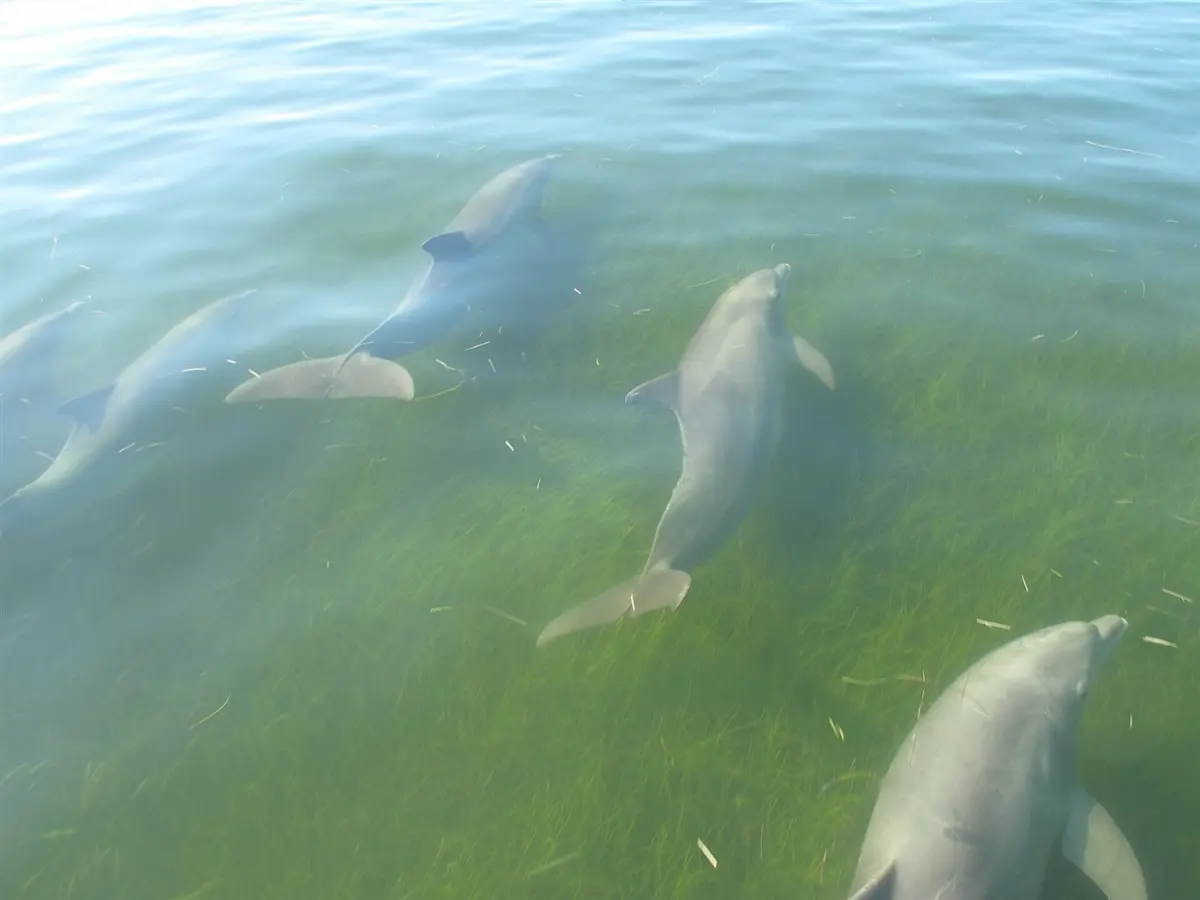
Dolphins
Spinner and bottlenose dolphins are common off Kizimkazi and the southern coast.
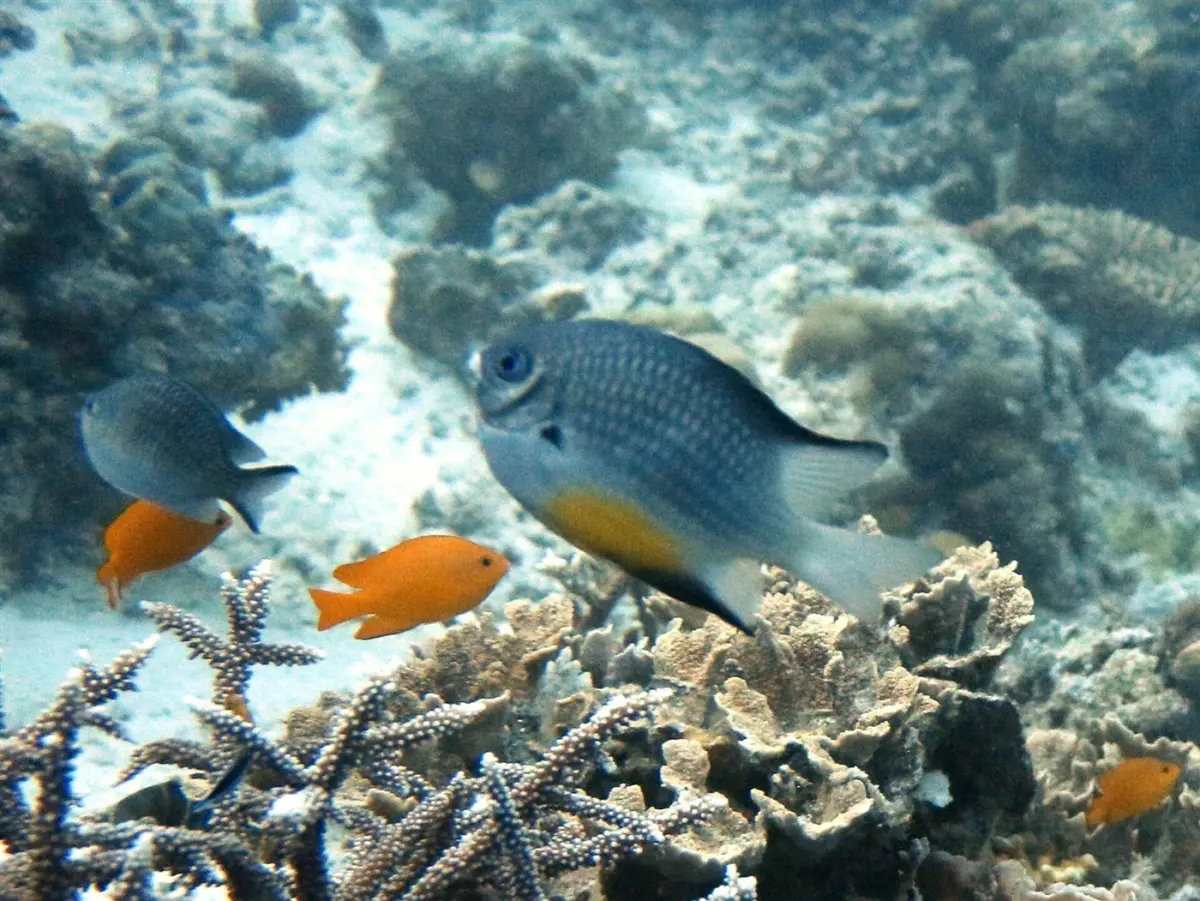
Reef fish
Parrotfish, angelfish, sergeant majors, moray eels and clownfish crowd the coral gardens.
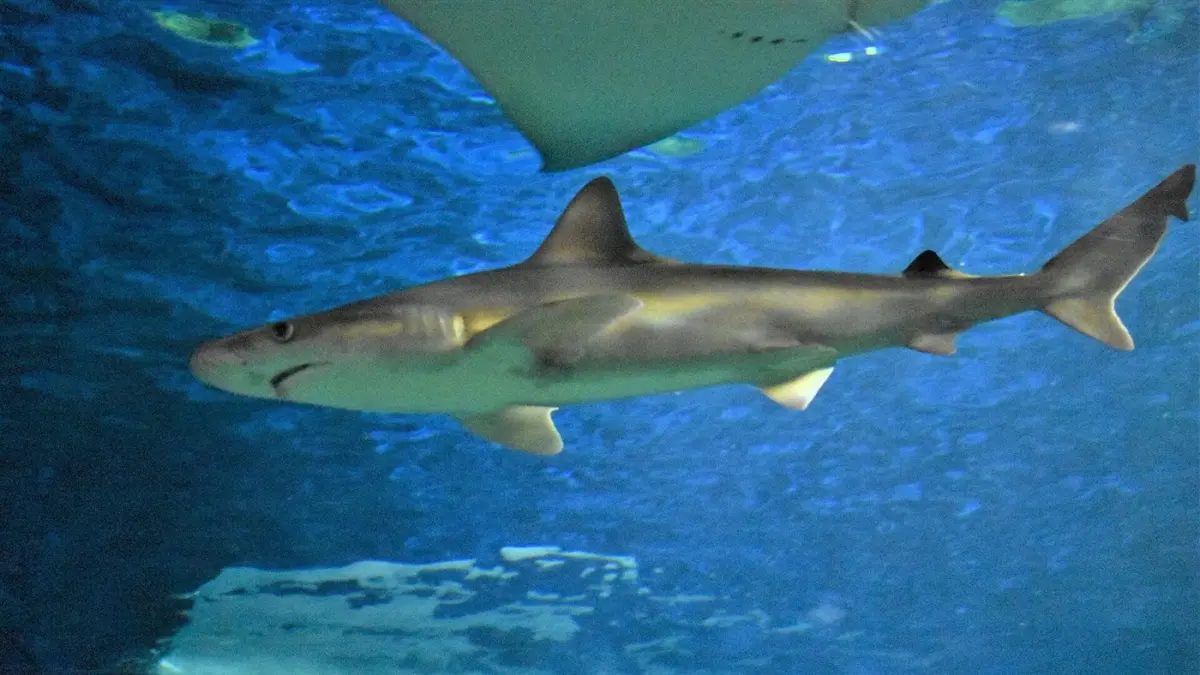
Reef sharks & rays
White-tip reef sharks and blue-spotted rays are frequently spotted on deeper dives.
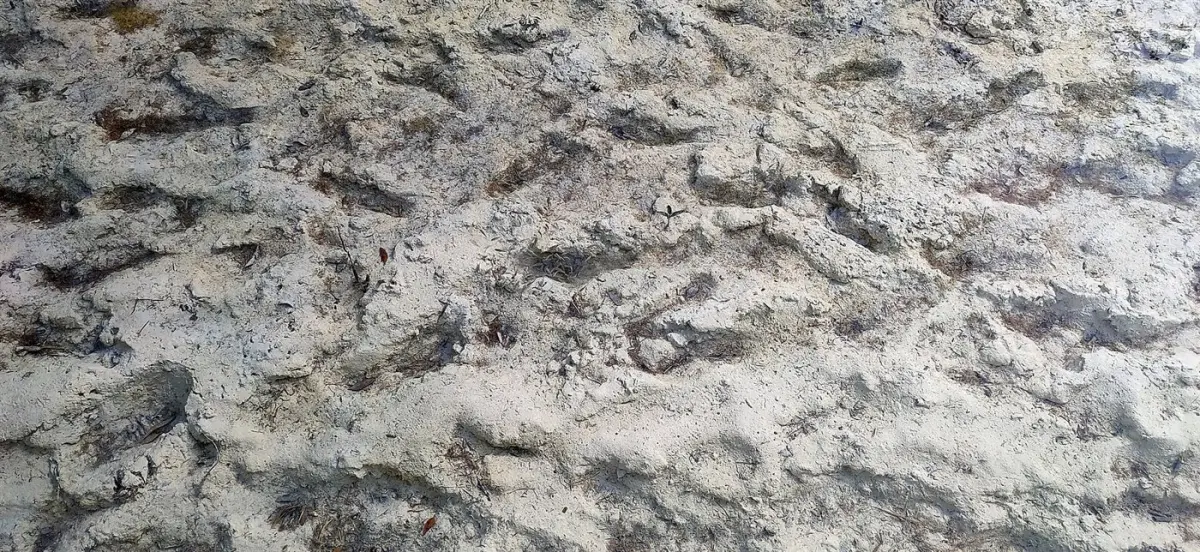
Mangrove & shore life
Fiddler crabs, mudskippers and juvenile fish thrive among the Chwaka Bay mangroves.
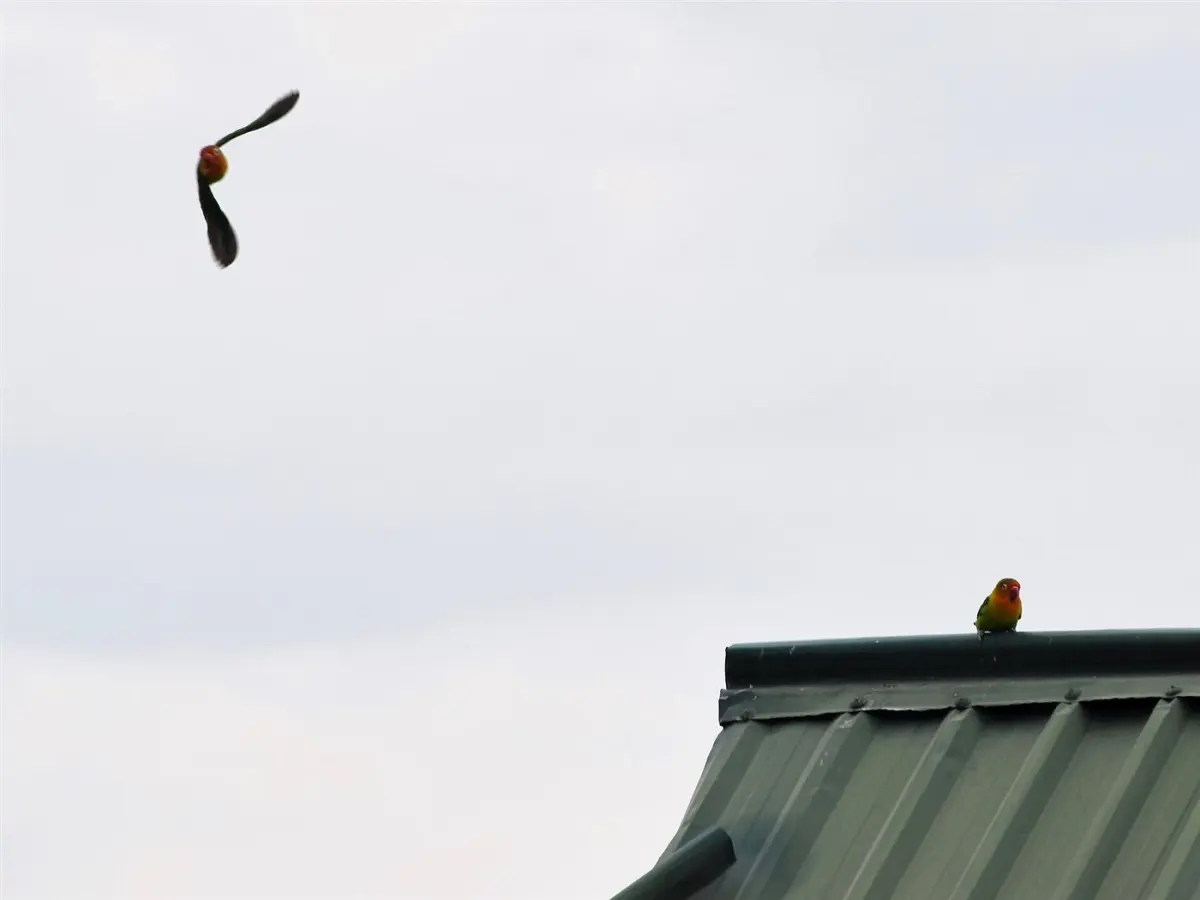
Coastal birds
White egrets, herons, kingfishers and terns patrol the shallows and fish landing sites.
Best time to visit
Zanzibar is warm all year, so the choice comes down to rain, humidity and wind rather than temperature.
| Season | Weather | Crowds | What to expect |
|---|---|---|---|
| Jun–Oct | Cool, dry & breezy | High | Peak beach weather, calm clear seas, best diving |
| Dec–Feb | Hot, humid & sunny | High | Warm water, festive season, short afternoon showers |
| Mar–May | Long rains | Low | Green season, lower rates, some heavy downpours |
| Nov | Short rains | Moderate | Brief showers, quiet beaches and good value |
Things to do
Diving & snorkelling
Explore the Mnemba Atoll and east-coast reefs with a guide, from beginner courses to advanced dives.
Dhow sunset cruises
Sail the calm evening water on a traditional wooden dhow and watch the sun drop into the ocean.
Spice farm tours
Smell, taste and learn about cloves, cinnamon, vanilla and nutmeg growing on family plantations.
Jozani forest walk
A guided nature walk to meet the endemic red colobus monkeys and explore the mangrove boardwalk.
Kitesurfing & watersports
Paje and the east coast are a kitesurfing Mecca, with kayaking and stand-up paddleboarding too.
Swahili cooking classes
Shop at a village market and cook coconut curries and pilau with a local family or chef.
Where to stay
Beachfront resorts & private villas
Barefoot-luxury resorts and private villas with pools, spas and prime reef access. <!-- TODO: lodge names -->
Boutique beach hotels
Owner-run hotels and bungalows balancing comfort, character and location on the north and east coasts. <!-- TODO: lodge names -->
Guesthouses & backpacker lodges
Friendly guesthouses and hostels in Nungwi, Paje and Stone Town for travellers on a tighter budget. <!-- TODO: lodge names -->
Getting there & around
Most visitors fly into Abeid Amani Karume International Airport (ZNZ) in Zanzibar, a short flight from Kilimanjaro (JRO), Arusha, Dar es Salaam or the Serengeti. There are also direct seasonal flights from a number of international cities.
Alternatively, fast ferries cross from Dar es Salaam to Stone Town several times a day, taking around two hours. From Stone Town, the north and east coasts are reached by road in roughly one to two hours, and we organise private transfers with every booking.
- Flight from Dar es Salaam About 20–30 min to ZNZ
- Ferry from Dar es Salaam About 2 hrs to Stone Town
- Stone Town to Nungwi 1.5–2 hrs by road
- Best explored 4–7 nights
Frequently asked questions
When is the best time to visit Zanzibar?
The dry, cooler months from June to October are the most comfortable, with calm seas and excellent diving. December to February is hot, sunny and festive. The long rains from March to May bring lower prices and green countryside, while November usually sees only short showers.
Is Zanzibar good for diving and snorkelling?
Yes — Zanzibar has some of the best reefs in East Africa. The Mnemba Atoll and the reefs off Paje, Michamvi and Kizimkazi offer turtles, reef fish, rays and reef sharks. Visibility is usually best from December to March and June to October.
Can I combine Zanzibar with a safari?
Absolutely — it is the most popular way to end a northern safari. After the Serengeti and Ngorongoro, a short flight from Arusha or the Serengeti reaches Zanzibar in about an hour to an hour and a half. We arrange the whole sequence as one seamless trip.
Do I need a visa for Zanzibar?
Zanzibar is part of Tanzania, so the same Tanzanian visa applies. Many nationalities can obtain a visa on arrival or an e-visa in advance, and most travellers also need proof of yellow fever vaccination if arriving from a risk country. Always check current rules for your passport.
What are the tides like on the island?
Zanzibar has a very large tidal range, up to about four metres. On the east coast the sea can pull back hundreds of metres at low tide, so swimming is tied to the tide. The north coast at Nungwi and Kendwa stays deep enough to swim at any time.
Is Zanzibar suitable for families?
Yes. The calm shallow lagoons, gentle beaches and short flights make it very family-friendly, and many resorts have family rooms, kids’ clubs and pools. The reef shallows at low tide are wonderful for young snorkellers.
Nearby destinations
Ready to plan your Zanzibar Island trip?
Tell us your dates and travel style. Our local team in Moshi will build a tailor-made itinerary around Zanzibar Island — free, with no obligation.