
Discover Olduvai Gorge
Olduvai Gorge is one of the most important paleoanthropological sites in the world. Located in the Great Rift Valley, just west of the Ngorongoro Crater, this steep-sided ravine has yielded some of the earliest evidence of human ancestors and their stone tools, earning it the title “Cradle of Mankind”.
Over decades of excavation, teams led by Louis and Mary Leakey uncovered fossils of Paranthropus boisei, Homo habilis and Homo erectus, along with thousands of stone artefacts dating back nearly 2 million years. These finds revolutionised our understanding of human evolution.
Today, visitors can tour the gorge with knowledgeable guides, visit the Olduvai Museum (also known as the Leakey Museum) to see casts and original specimens, and explore the exposed geological layers that tell the story of our origins. A visit to Olduvai Gorge is a fascinating blend of science, history and adventure.
It’s an ideal stop when travelling between Ngorongoro Conservation Area and the Serengeti, and pairs beautifully with nearby Lake Eyasi and Lake Natron.
Why visit Olduvai Gorge
-
Cradle of Mankind
A globally significant site for understanding human evolution.
-
Leakey discoveries
Fossils of early hominins found by Louis and Mary Leakey.
-
Olduvai Museum
Well-curated exhibits with casts, tools and informative displays.
-
Geological layers
Visible stratigraphy spanning nearly 2 million years.
-
Guided gorge walk
Walk the ravine with expert guides who bring the science to life.
-
Scenic Rift Valley
Stunning views across the gorge and surrounding plains.
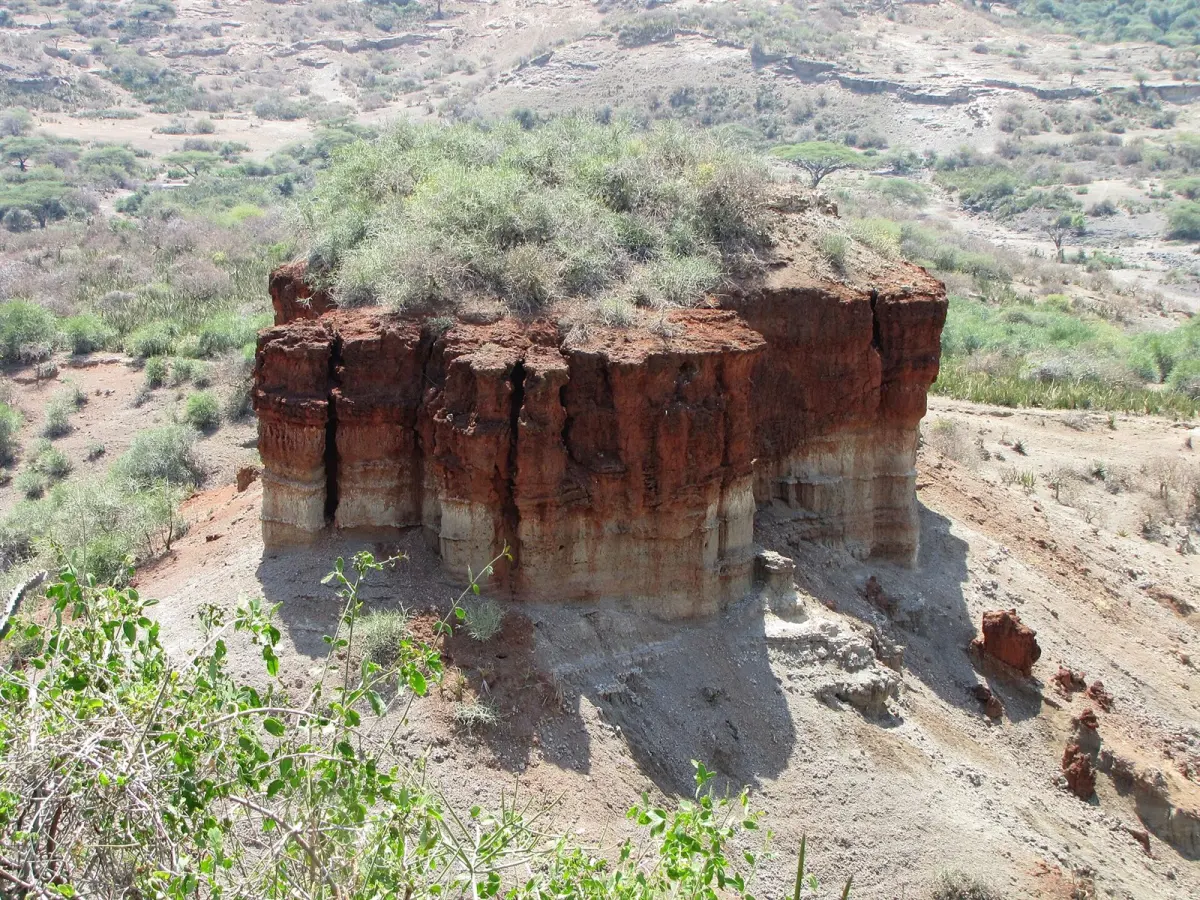
The story of Olduvai Gorge
The gorge was first brought to scientific attention in the 1930s by Louis Leakey, and excavations accelerated under the leadership of Louis and Mary Leakey from the 1950s onward. Their work uncovered groundbreaking fossils that reshaped theories of human origins.
Key discoveries include Zinjanthropus boisei (now Paranthropus boisei), found by Mary Leakey in 1959, and later finds of Homo habilis and Homo erectus. These hominins lived here between 1.8 and 2.1 million years ago, making and using simple stone tools.
Layers through time
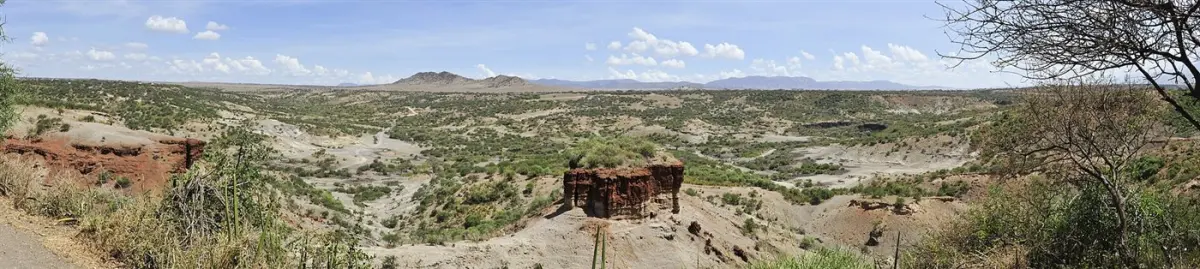
Olduvai Gorge exposes a remarkable sequence of sedimentary layers deposited over nearly 2 million years. These beds contain volcanic ash, lake sediments, river deposits and fossils — a continuous record of environmental change in the Rift Valley.
By studying these layers, scientists have reconstructed shifting climates, from wetter lake environments to drier grasslands, and how our ancestors adapted to these changes. The exposed walls of the gorge make this timeline visible in a single view.
Olduvai Museum & visitor centre
The Olduvai Museum offers an excellent introduction to the site. It houses informative displays on the Leakey family’s work, fossil casts, stone tool collections and reconstructions of early hominins. Knowledgeable local guides often start tours here before heading into the gorge.
The museum provides context for what you’ll see in the ravine, making the field visit far more meaningful. There’s also a small shop with books and locally made crafts.
Visiting the gorge
A guided tour of Olduvai Gorge typically includes stops at key excavation sites, explanations of the stratigraphy, and visits to fossil localities. Walks are easy to moderate and take 1–2 hours in the gorge itself, often combined with time at the museum.
The best time to visit is during the dry season (June–October) when paths are firm and the exposed layers are clearest. Early morning or late afternoon visits offer cooler temperatures and beautiful light.
Why it matters
Olduvai Gorge provides some of the earliest evidence for tool use and for several species of early humans. The Oldowan stone tools found here represent some of humanity’s first known technological innovations, dating back over 1.8 million years.
Beyond its scientific importance, the site reminds us of our shared origins and the deep connections between humans and the East African landscape. It’s a humbling and inspiring stop on any Northern Circuit itinerary.
What you might see
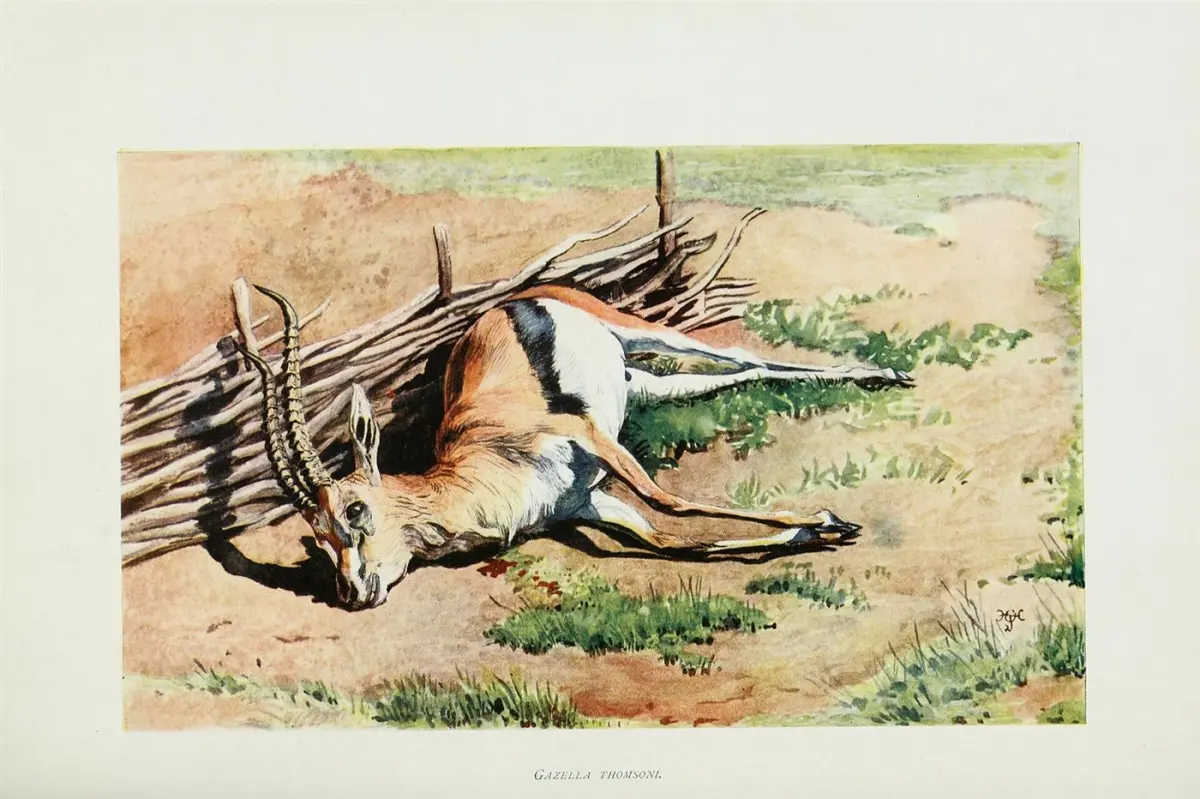
Grant’s gazelle
Often seen on the surrounding plains.

Zebra
Small herds graze nearby.

Impala
Move through acacia thickets.

Hyena
Occasional sightings at dusk.
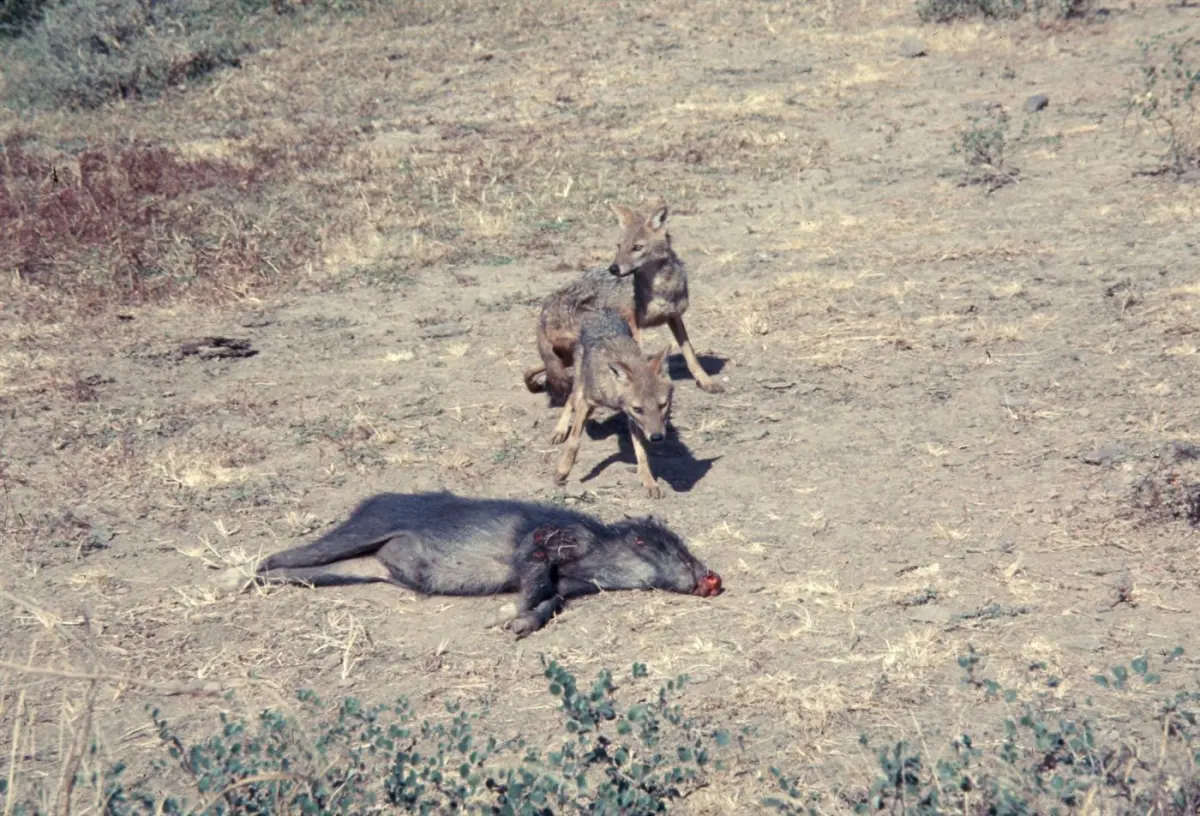
Jackal
Active in the early morning.

Raptors
Vultures and eagles soar overhead.
Baboons
Frequent the gorge edges.
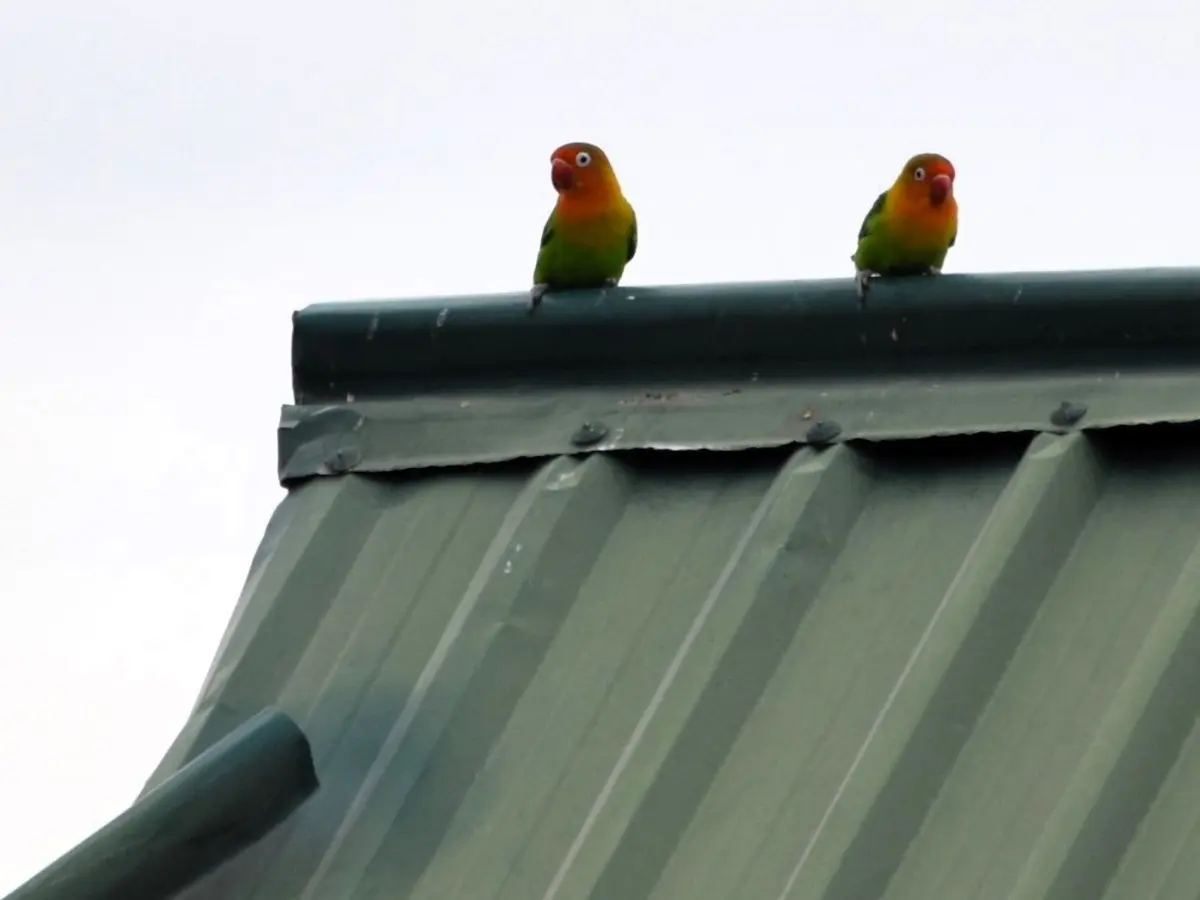
Songbirds
Diverse birdlife in the scrub.
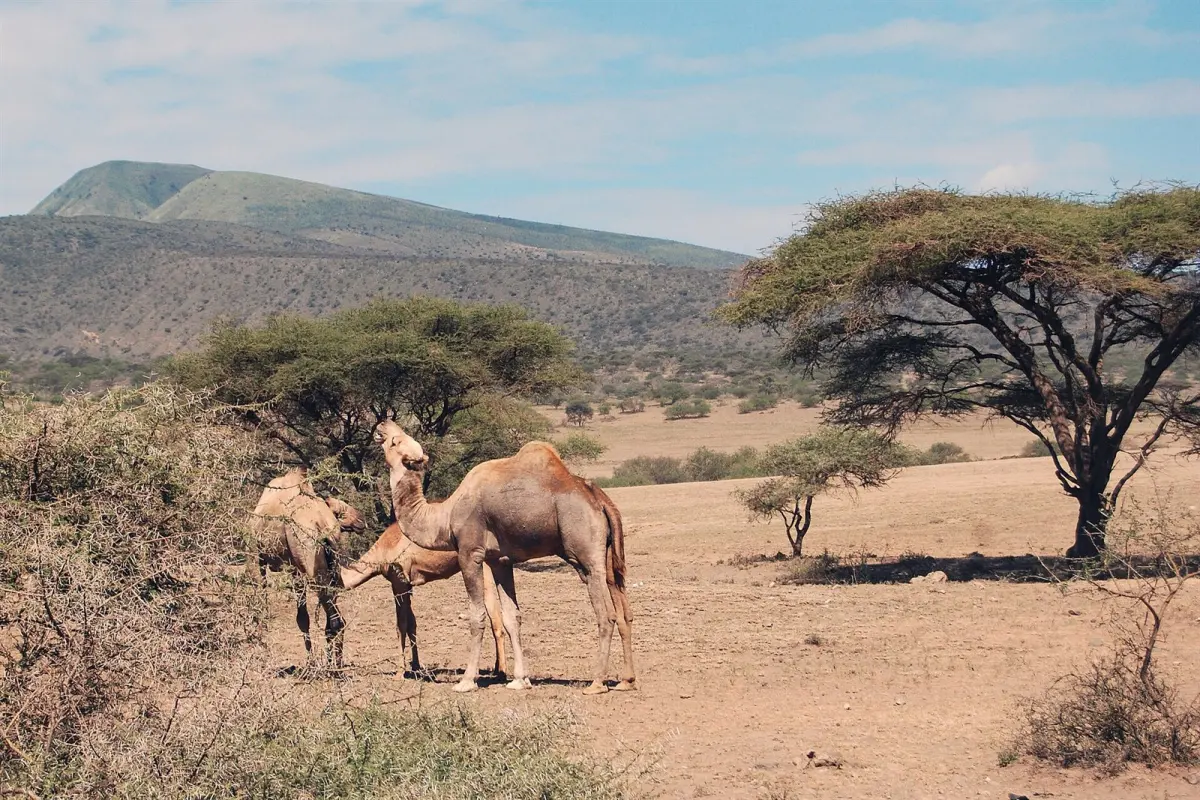
Olduvai Gorge in pictures




Best time to visit
Olduvai Gorge is best visited in the dry season when the ravine is accessible and the exposed layers are most visible.
| Season | Weather | Crowds | What to expect |
|---|---|---|---|
| Jan–Mar | Warm and mostly dry | Moderate | Clear views, good for tours |
| Apr–May | Long rains | Low | Greener, but paths can be slippery |
| Jun–Oct | Cool and dry | High | Best conditions for walking the gorge |
| Nov–Dec | Short rains | Moderate | Quiet with fresh scenery |
Things to do
Gorge tour
Walk key sites with a guide to learn about discoveries and stratigraphy.
Museum visit
Explore fossil casts, tools and exhibits at Olduvai Museum.
Guided walk
Go down into the ravine for an up-close look at the layers.
Photography
Capture dramatic views and geological formations.
Learn human origins
Engage with fascinating stories of our early ancestors.
Combine with safari
Easy stop between Ngorongoro and Serengeti.
Where to stay
Ngorongoro lodges
Upscale stays on the crater rim or nearby with great access. <!-- TODO: lodge names -->
Karatu camps & lodges
Comfortable options between Ngorongoro and Olduvai. <!-- TODO: lodge names -->
Budget camps
Simple, affordable stays for overland travellers. <!-- TODO: lodge names -->
Getting there & around
Olduvai Gorge is located on the main route between Ngorongoro Conservation Area and the Serengeti, making it an easy en-route stop. It’s about 1.5–2 hours from Karatu and 3–4 hours from Arusha by 4x4.
A local guide is required for touring the gorge, and entry fees apply. Most visitors spend 1–2 hours here, including the museum. It’s often combined with Ngorongoro Crater or Lake Eyasi in a day trip.
- From Ngorongoro 30–45 min
- From Karatu 1.5–2 hrs
- From Arusha 3–4 hrs
- Typical visit 1–2 hours
Frequently asked questions
Why is Olduvai Gorge called the Cradle of Mankind?
It has produced some of the earliest known hominin fossils and stone tools, dating back nearly 2 million years, providing key evidence for human evolution.
Who were the Leakeys?
Louis and Mary Leakey were pioneering paleoanthropologists whose work at Olduvai revolutionised our understanding of human origins.
Is the museum worth visiting?
Yes. The museum gives essential context with casts, tools and displays. Most guides include it before touring the gorge.
How much time should I spend at Olduvai Gorge?
Plan 1–2 hours minimum. Allow extra if you want a thorough museum visit or to walk the full gorge with a guide.
When is the best time to visit?
June to October (dry season) is best, with firm paths and clear views of the exposed geological layers.
Can I combine Olduvai with other destinations?
Absolutely. It’s perfectly placed between Ngorongoro and Serengeti, and pairs well with Lake Eyasi and Lake Natron.
Nearby destinations


Ready to plan your Olduvai Gorge trip?
Tell us your dates and travel style. Our local team in Moshi will build a tailor-made itinerary around Olduvai Gorge — free, with no obligation.