
Discover Kondoa Rock Art Sites
The Kondoa Rock Art Sites are among Tanzania’s most remarkable cultural treasures. Nestled in the rugged Irangi Hills of Kondoa District, this collection of rock shelters and overhangs features hundreds of vivid paintings created by hunter-gatherer communities over thousands of years.
Inscribed on the UNESCO World Heritage List in 2006, the sites provide a rare window into the beliefs, daily life and spiritual practices of East Africa’s early inhabitants. The paintings depict humans, animals, hunting scenes, rituals and geometric patterns, offering insight into a vanishing way of life.
Visiting Kondoa is a journey into Tanzania’s deep past — combining gentle hikes through scenic hills, encounters with local communities, and the thrill of discovering art that has survived for millennia. It’s an enriching stop for travellers interested in history, culture and off-the-beaten-track adventures.
Topi Adventure can include Kondoa in a central Tanzania itinerary, easily paired with Tarangire National Park, Lake Manyara and the Usambara Mountains.
Why visit Kondoa Rock Art Sites
-
Ancient rock paintings
Well-preserved depictions of animals, people and rituals spanning thousands of years.
-
UNESCO World Heritage
Recognised for its outstanding universal value and cultural significance.
-
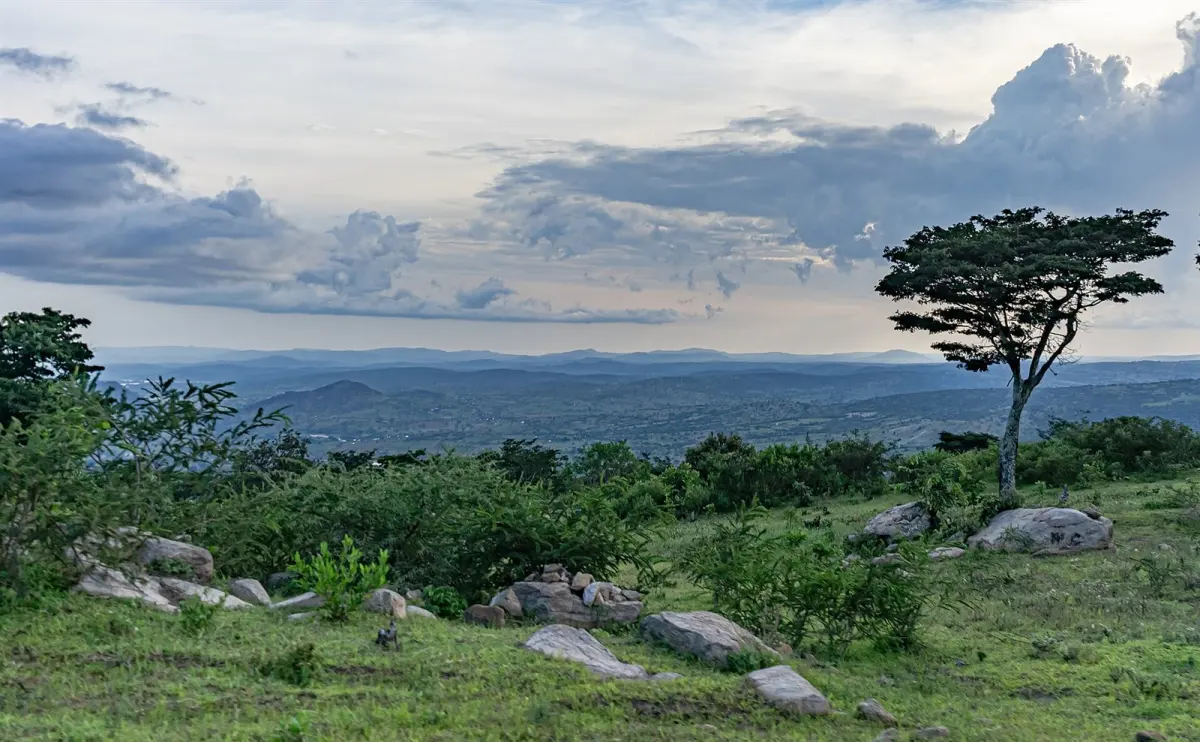
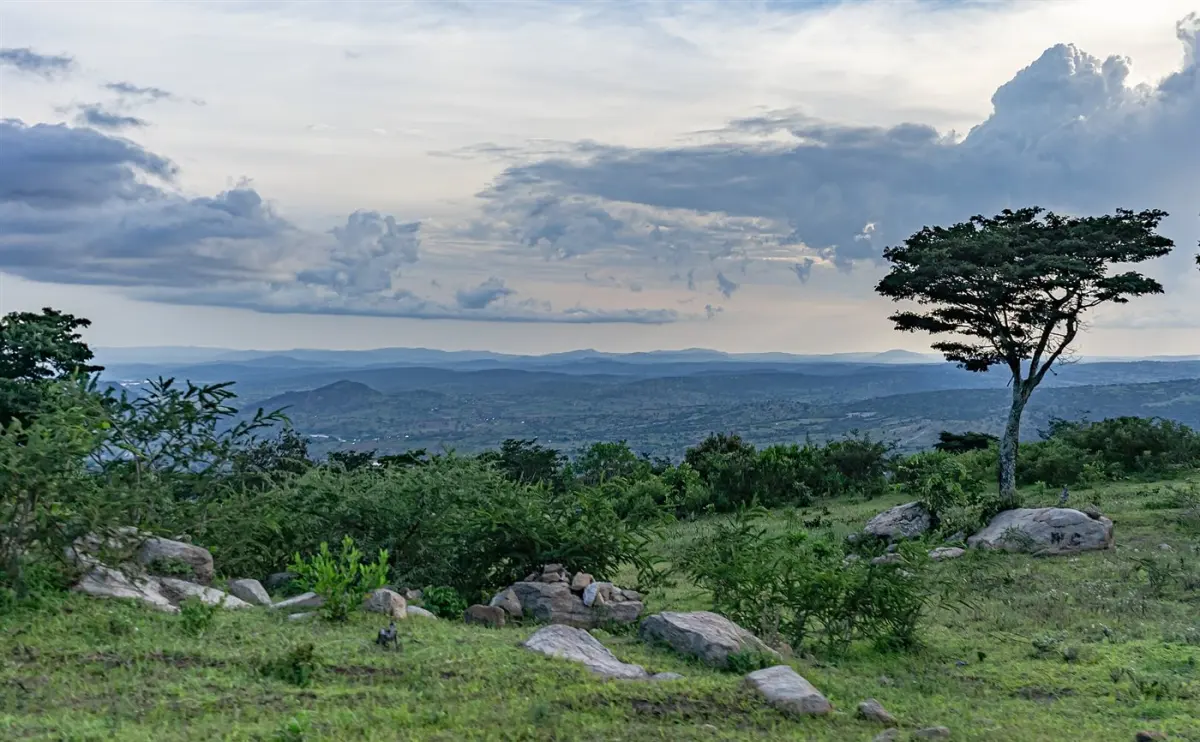
Scenic Irangi Hills
Rugged granite hills, boulders and valleys with beautiful views.
-
Guided hikes
Explore rock shelters on foot with knowledgeable local guides.
-
Living heritage
Connect with local communities who help preserve the sites.
-
Unique photography
Atmospheric shelters with ancient art in a natural setting.
A window into the past
The Kondoa rock paintings are among the richest concentrations of prehistoric art in Tanzania. They were created by successive hunter-gatherer groups, with some dating back as far as several thousand years. The art provides rare insight into their cosmology, social life and relationship with the natural world.
Subjects range from wild animals (elephants, giraffes, antelope) and human figures to ceremonial scenes and abstract symbols. The paintings were made using natural pigments — red, white, yellow and black — applied by finger, brush or blowing.
Rediscovering the art
While local communities have always known about the rock shelters, the paintings gained wider attention in the 20th century through the work of researchers like Mary Leakey and later Tanzanian archaeologists. Systematic studies helped document and protect the sites.
Ongoing conservation efforts, led by the Tanzanian government and local communities, aim to preserve these fragile paintings from weathering, vandalism and encroaching vegetation.
What to expect
Visits to Kondoa Rock Art Sites begin at the visitor centre, where you can get maps, hire a local guide and learn about the history and significance of the paintings. Guided walks take you to selected shelters, the easiest of which are accessible on moderate hikes.
The terrain is rocky and hilly, so sturdy shoes are recommended. The best light for viewing and photography is in the morning or late afternoon, when the paintings are clearest and temperatures are cooler.
People & preservation
Local communities play a vital role in protecting the Kondoa sites. Many guides come from nearby villages and share both archaeological knowledge and local traditions. Community-based tourism helps generate income and fosters pride in this shared heritage.
When visiting, it’s important to follow guide instructions — do not touch the paintings, avoid using flash photography, and respect the cultural significance of these sacred spaces.
Protecting for the future
The fragile pigments and rock surfaces are vulnerable to natural erosion, moisture and human impact. UNESCO recognition has helped boost conservation efforts, including site monitoring, documentation, and community education programmes.
Responsible tourism is key to ensuring these irreplaceable artworks survive for future generations to appreciate and study.
What you might see

Dik-dik
Tiny antelope common in the scrub.
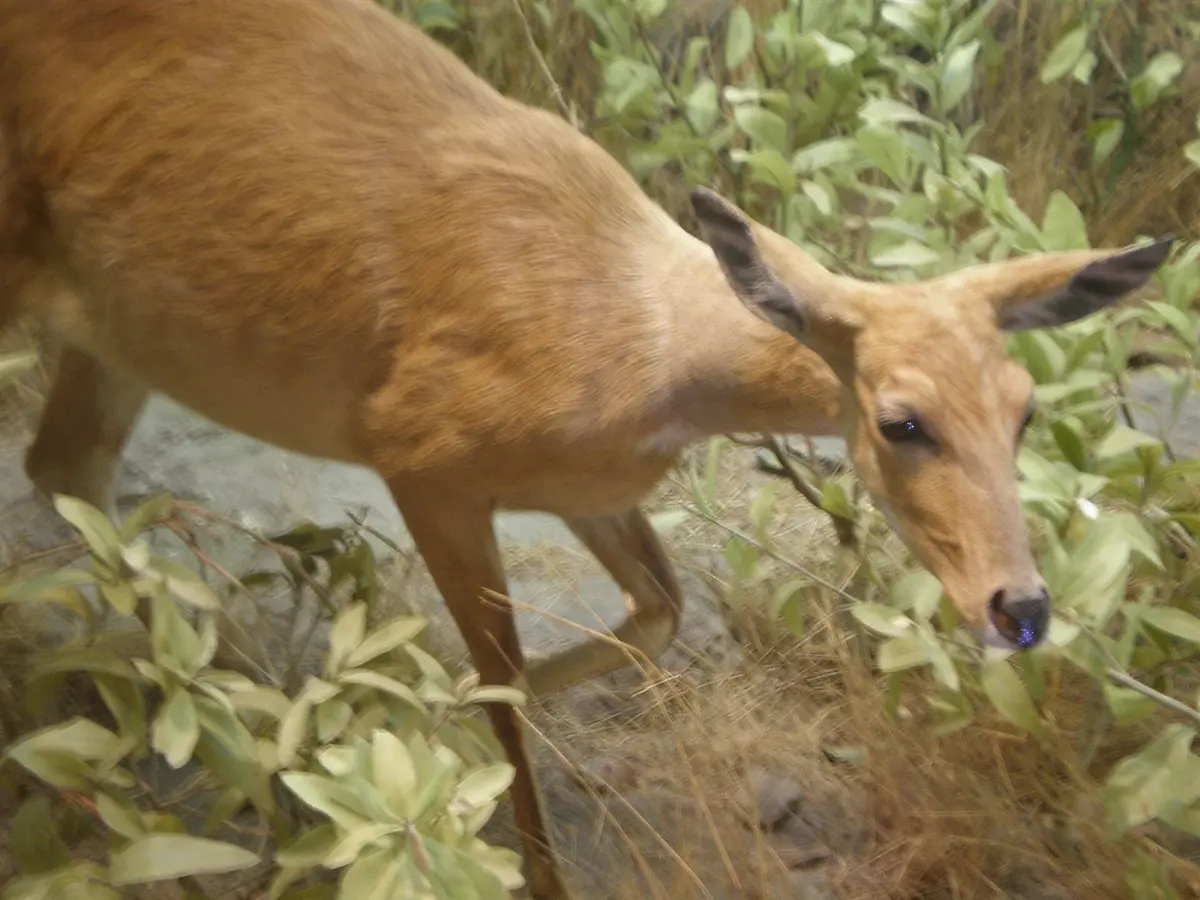
Bushbuck
Shy residents of the hills.
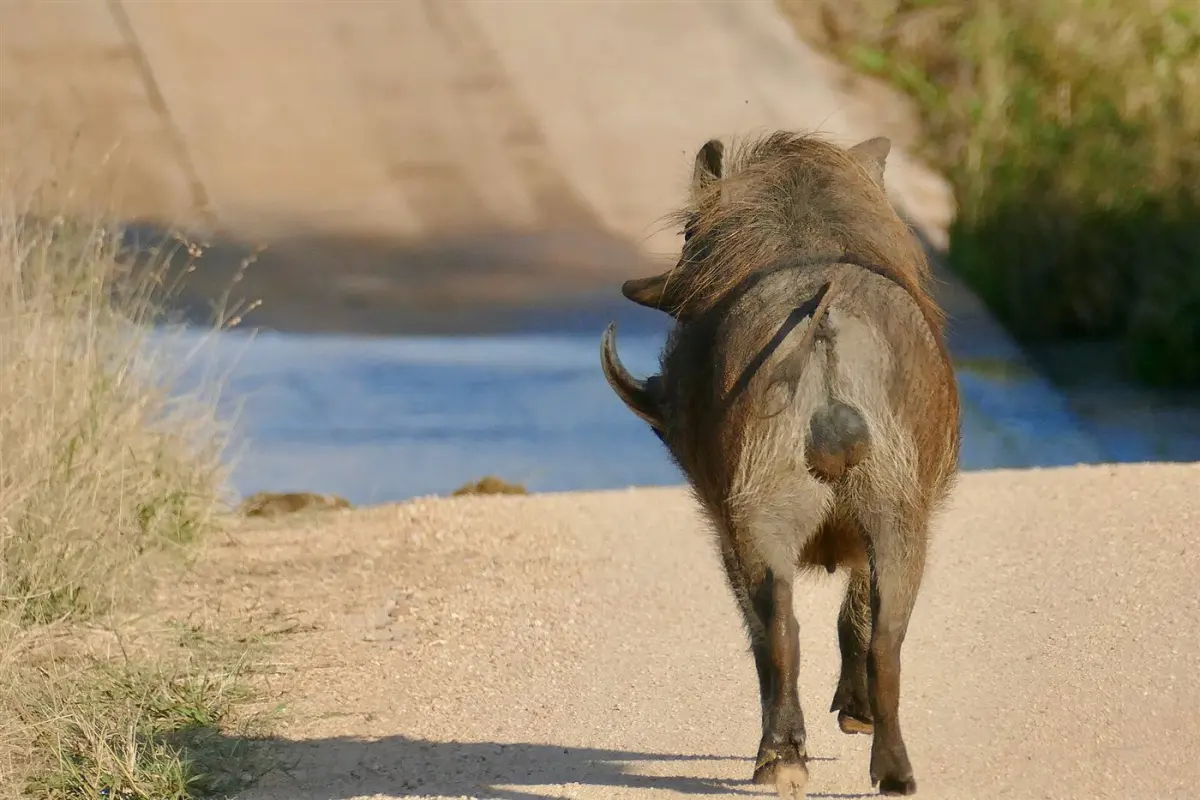
Warthog
Often seen in clearings.
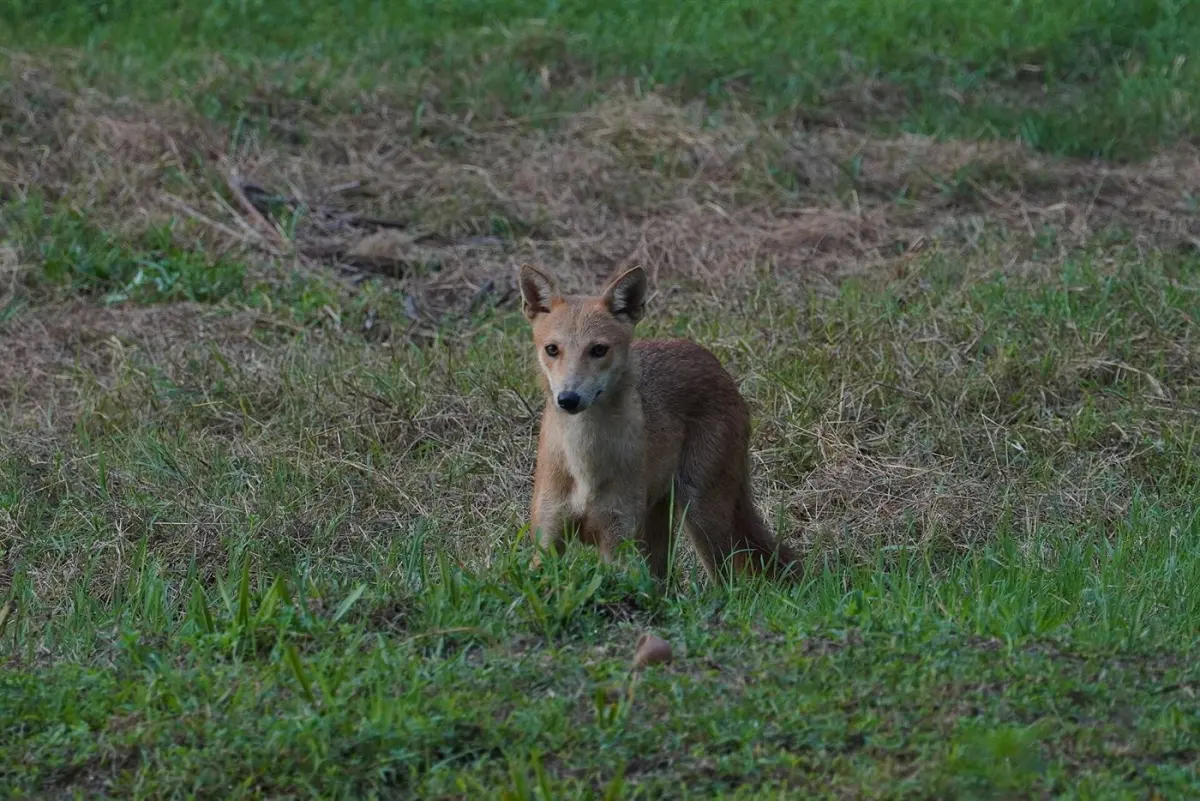
Jackal
Active at dawn and dusk.
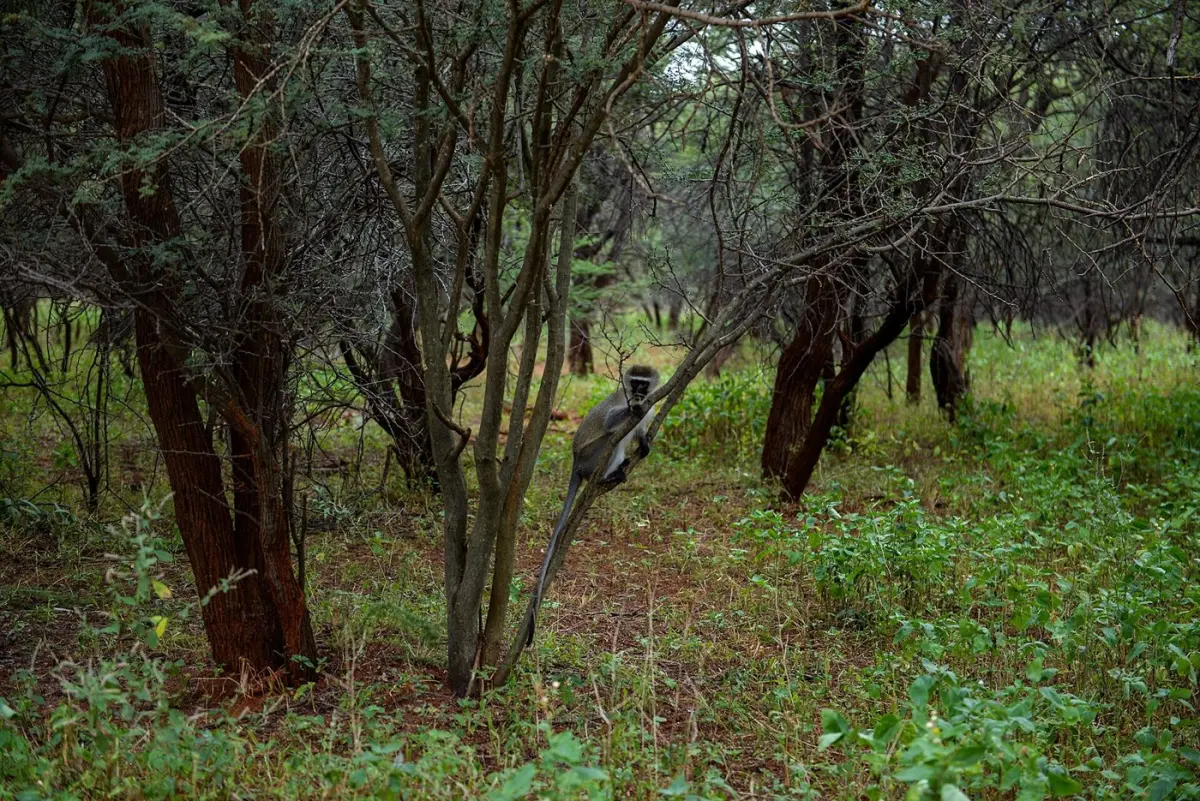
Vervet monkeys
Move through the trees.
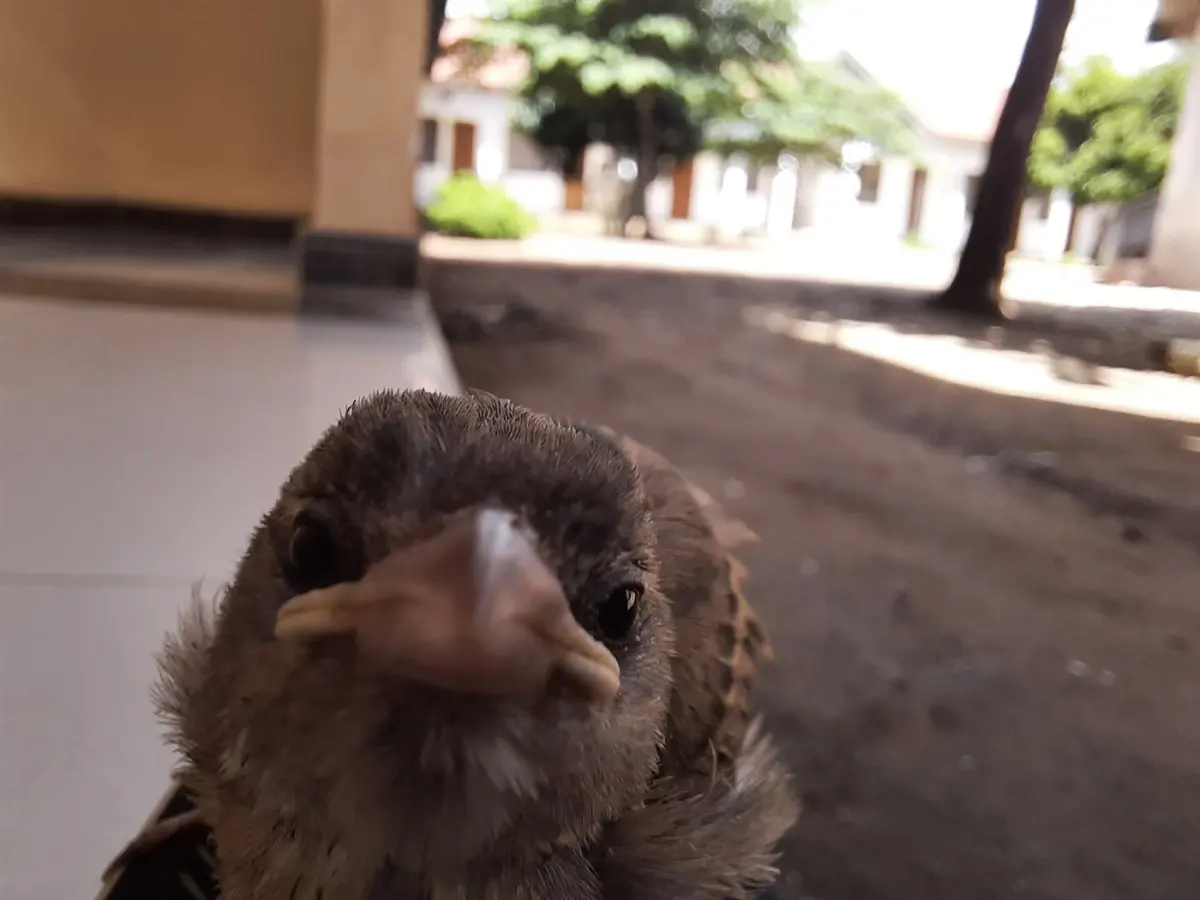
Birds of prey
Kites and buzzards overhead.
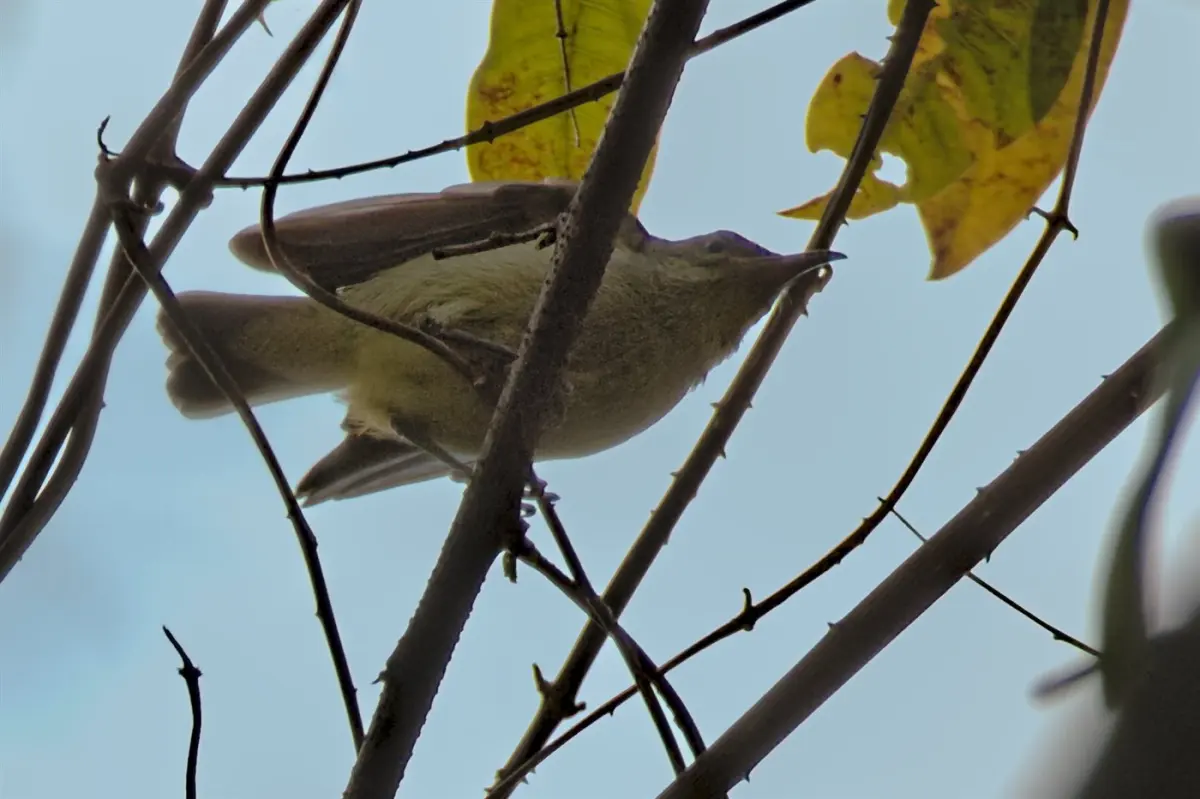
Sunbirds
Colorful residents of the bush.
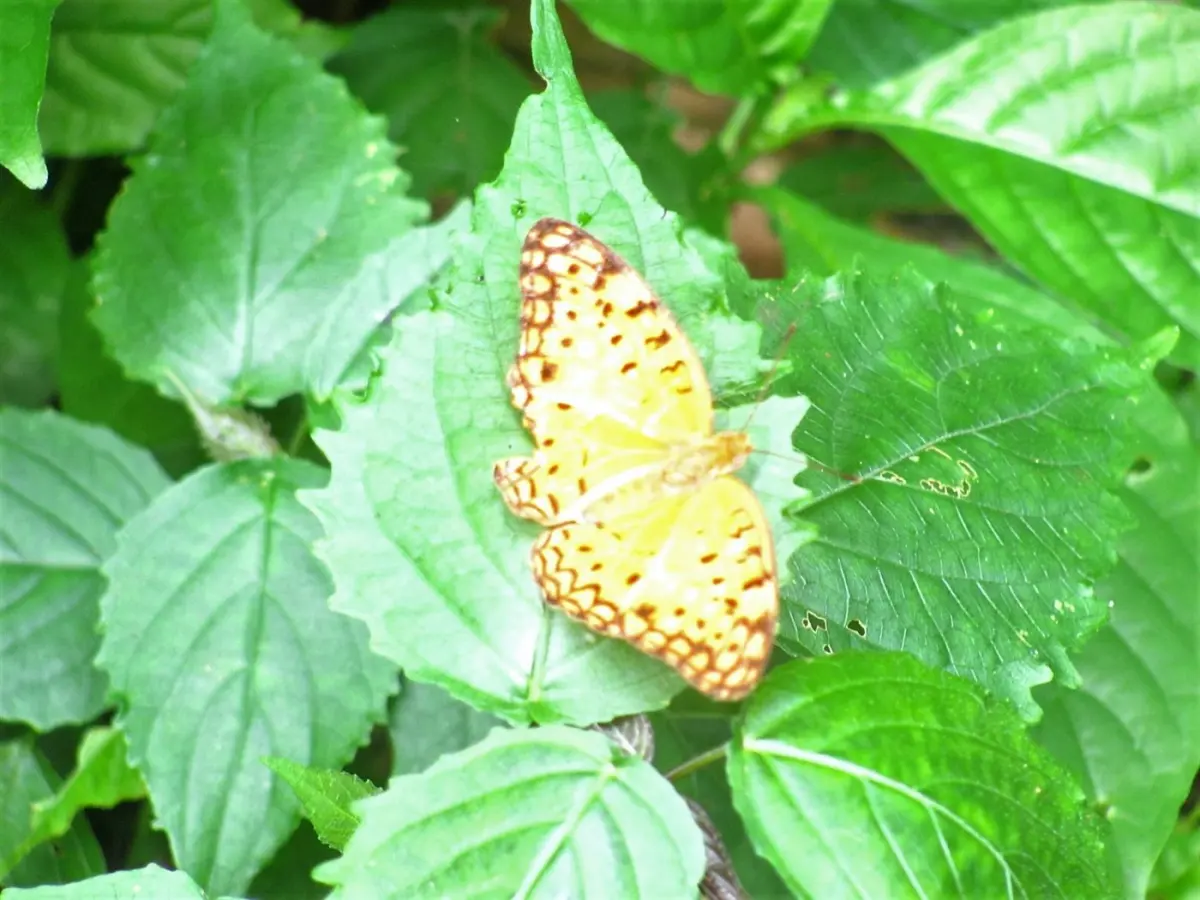
Butterflies
Abundant in the wet season.
Kondoa Rock Art Sites in pictures
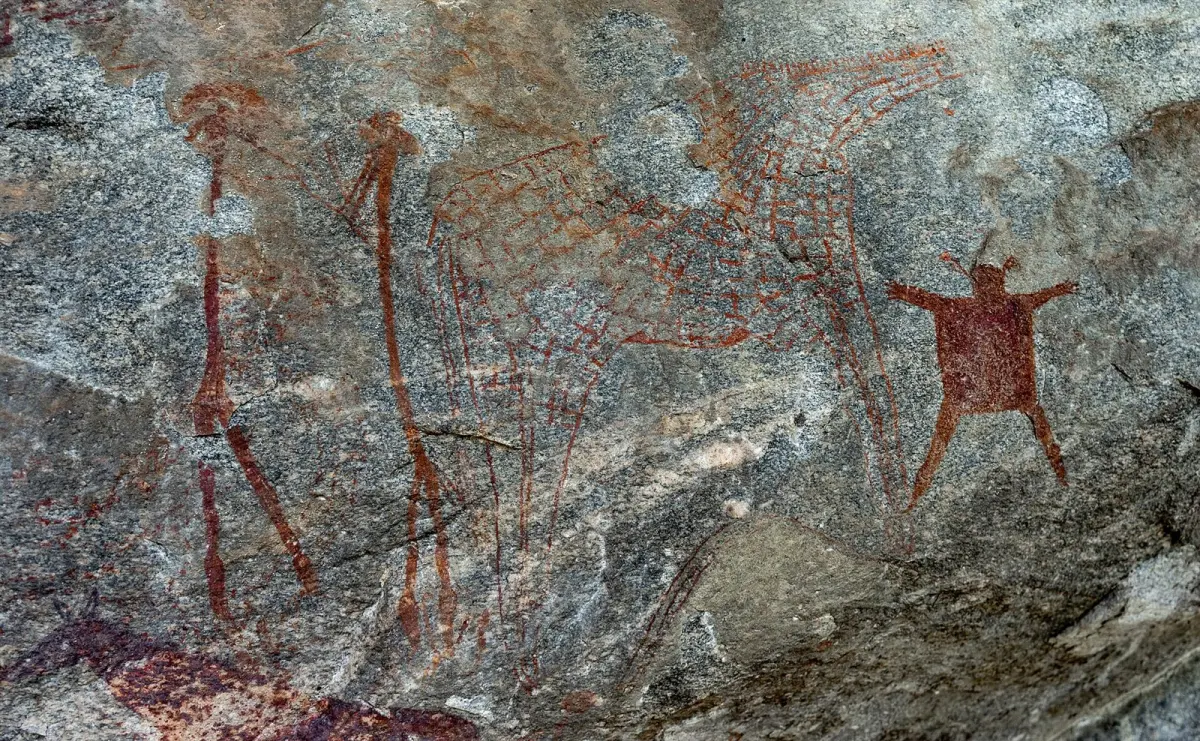
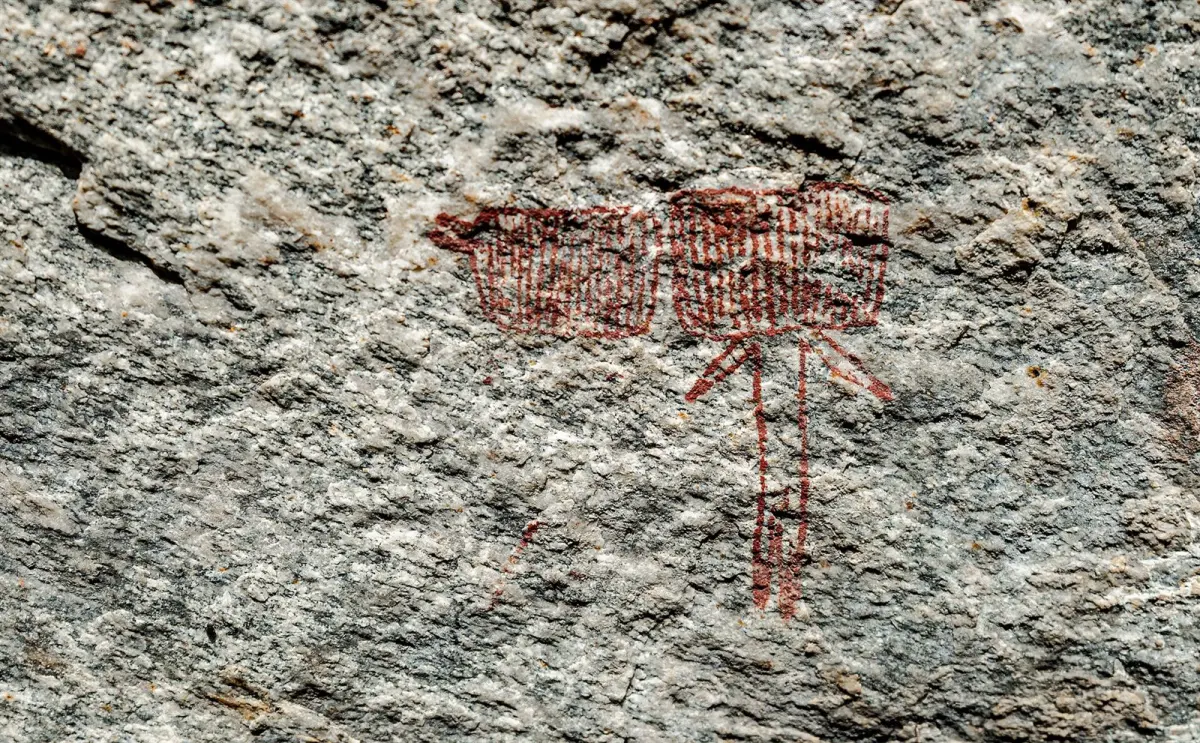
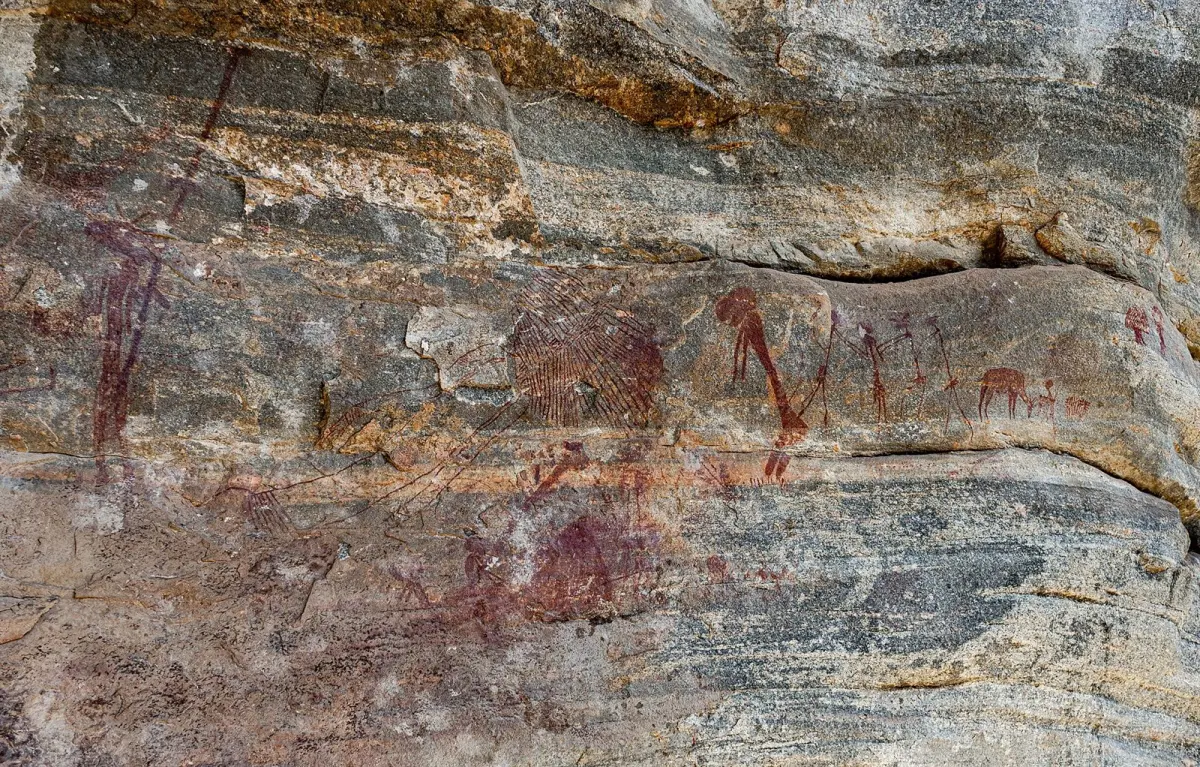
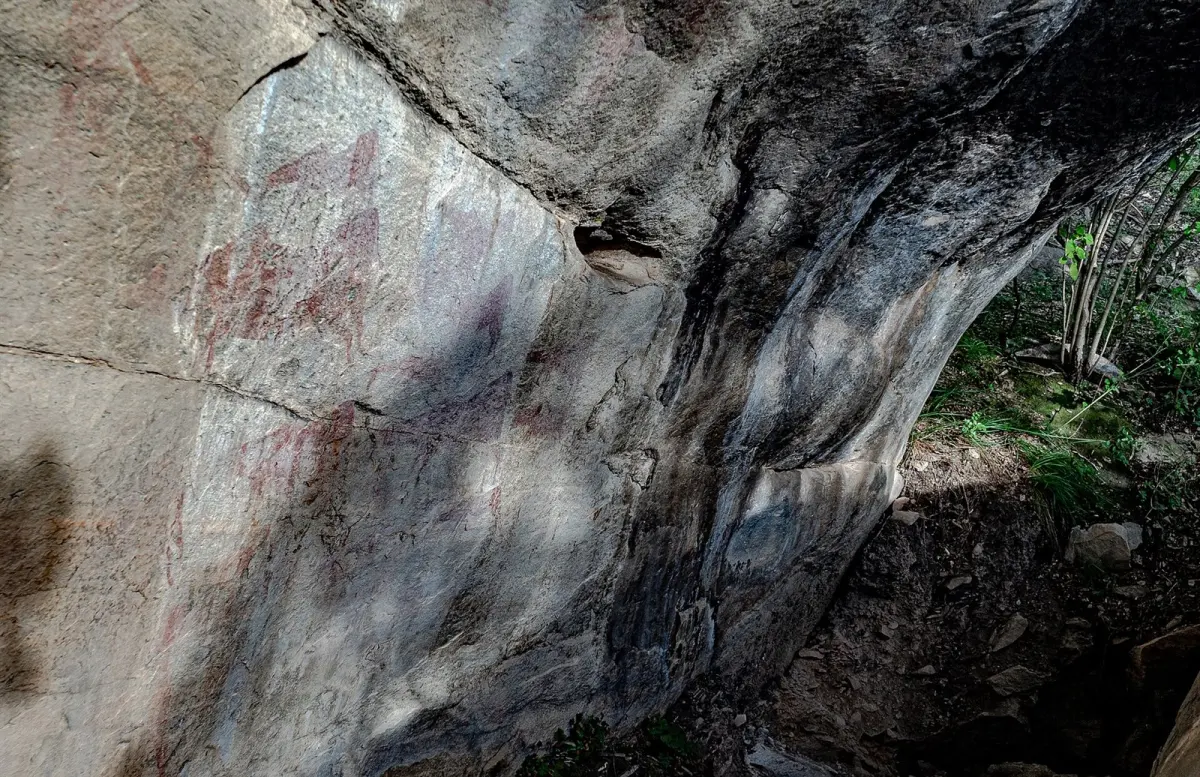
Best time to visit
The dry season is best for hiking to the shelters and viewing the paintings clearly.
| Season | Weather | Crowds | What to expect |
|---|---|---|---|
| Jan–Mar | Warm and partly dry | Moderate | Green scenery, some showers possible |
| Apr–May | Long rains | Low | Lush but trails can be slippery |
| Jun–Oct | Cool and dry | High | Ideal for hiking and photography |
| Nov–Dec | Short rains | Moderate | Quiet with fresh vegetation |
Things to do
Rock art hikes
Guided walks to multiple shelters with expert interpretation.
Cultural tours
Learn about the history and meaning of the paintings.
Photography
Capture ancient art in its natural setting.
Village visits
Engage with local communities and traditions.
Hill walks
Enjoy panoramic views over the Irangi Hills.
Heritage learning
Deepen your understanding of Tanzania’s prehistory.
Where to stay
Kondoa lodges
Comfortable lodges with easy access to the sites. <!-- TODO: lodge names -->
Guesthouses
Friendly, affordable mid-range options in Kondoa town. <!-- TODO: lodge names -->
Budget stays
Simple accommodation ideal for cultural travellers. <!-- TODO: lodge names -->
Getting there & around
Kondoa Rock Art Sites are located in Kondoa District, about 160 km north of Dodoma and 270 km south of Arusha. The drive takes 3–4 hours from Dodoma by road, mostly on tarmac and then gravel to the sites.
A local guide is required to visit the rock shelters. The visitor centre provides information and arranges guides. It’s easy to combine with Tarangire, Lake Manyara or a central Tanzania overland route.
- From Dodoma 3–4 hrs
- From Arusha 4–5 hrs
- From Tarangire 2–3 hrs
- Typical visit 2–3 hours
Frequently asked questions
Is Kondoa Rock Art a UNESCO site?
Yes, it was inscribed on the UNESCO World Heritage List in 2006 for its outstanding cultural value.
How old are the paintings?
The rock art spans thousands of years, with some of the earliest images attributed to hunter-gatherer communities of the Later Stone Age.
Do I need a guide?
Yes. Local guides are required and provide valuable interpretation of the paintings and their context.
When is the best time to visit?
May to October (dry season) is best for hiking, clear views and comfortable temperatures.
Can I take photos?
Photography is usually allowed without flash, but always check with your guide as rules can vary to protect sensitive areas.
What should I wear?
Sturdy walking shoes, long trousers and a hat are recommended. Bring water and sun protection for the hikes.
Nearby destinations



Ready to plan your Kondoa Rock Art Sites trip?
Tell us your dates and travel style. Our local team in Moshi will build a tailor-made itinerary around Kondoa Rock Art Sites — free, with no obligation.