
Discover Mahale Mountains National Park
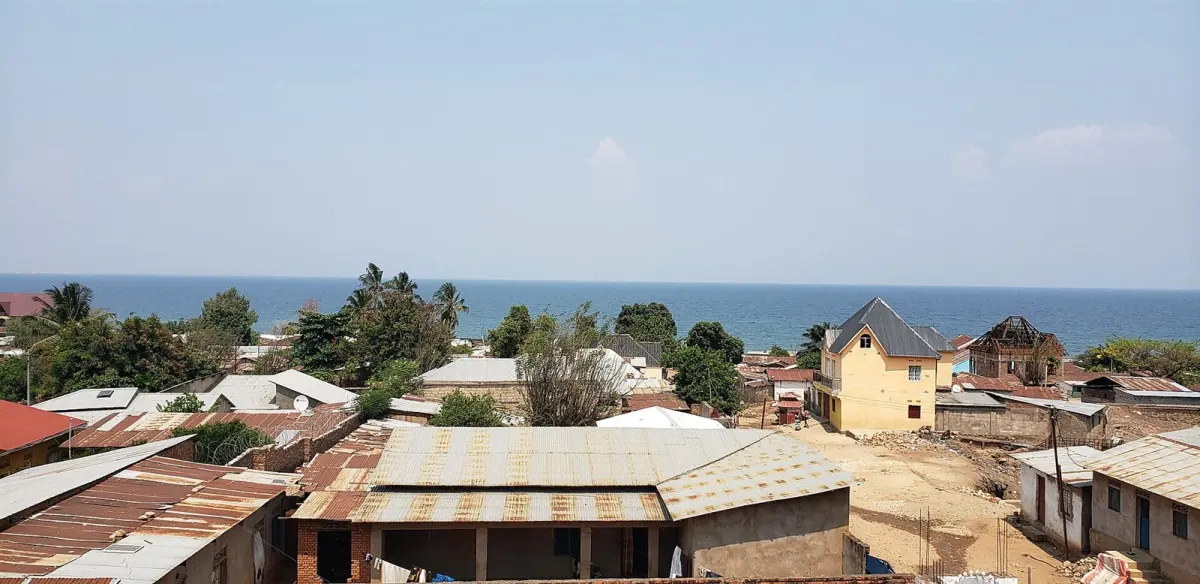
Mahale Mountains National Park is one of Africa’s most extraordinary wilderness destinations. Tucked into the remote western reaches of Tanzania, the park protects a chain of forest-clad mountains that plunge almost directly into the shimmering waters of Lake Tanganyika — the world’s longest freshwater lake and the second deepest.
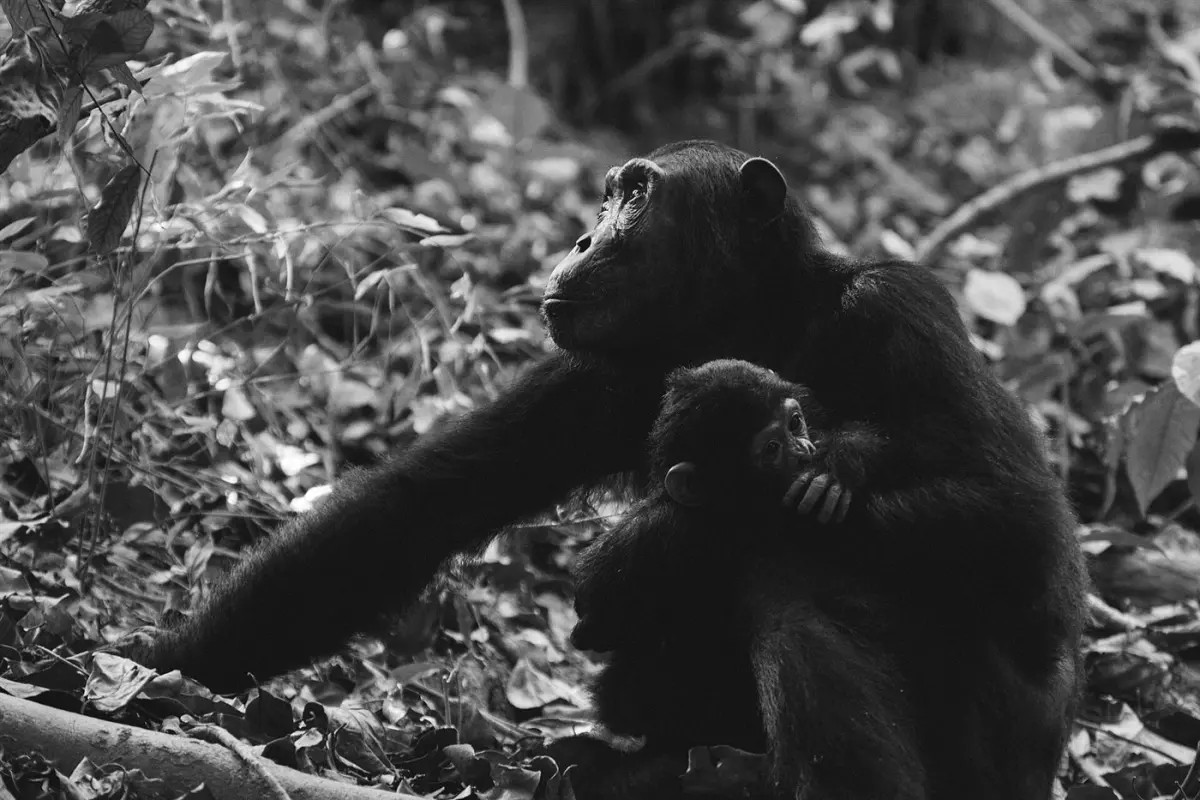
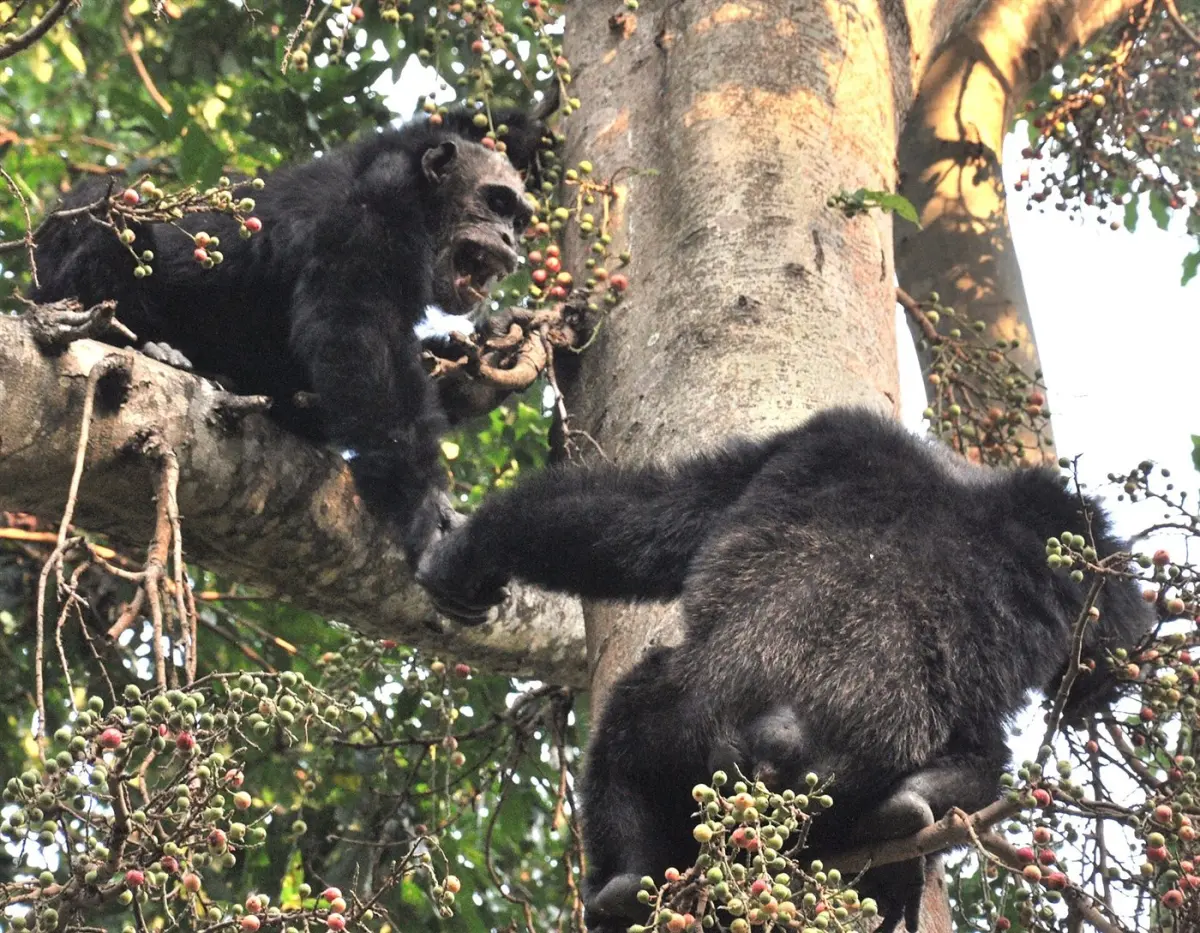
Mahale is best known for its chimpanzees. The park is home to several habituated communities, making it one of the very few places where you can trek through pristine rainforest to observe wild chimpanzees at close quarters in their natural habitat.
Beyond the chimps, Mahale offers a rare blend: forest trekking, sun-dappled shores, dhow sailing on the lake, and the chance to swim in crystal-clear waters after a morning in the mountains. With minimal roads and very limited visitor numbers, it feels wonderfully remote.
For travellers seeking something beyond the classic savannah safari, Mahale delivers a unique, immersive experience where mountains truly meet the beach.
Why visit Mahale Mountains National Park
-
Chimpanzee trekking
Track habituated chimp communities through ancient montane forest with expert guides.
-
Lake Tanganyika shores
Sandy, palm-fringed beaches where the forest tumbles straight into turquoise water.
-
Mahale Mountains
Dramatic peaks rising from the lake, cloaked in some of Tanzania’s finest rainforest.
-
Dhow sailing & swimming
Sail the lake, snorkel, or take a refreshing swim in its clear, fresh waters.
-
Pristine forest
Rich biodiversity with colobus monkeys, butterflies, birds and rare plants.
-
Off-the-beaten-track
Remote, low-impact and deeply rewarding for adventurous travellers.
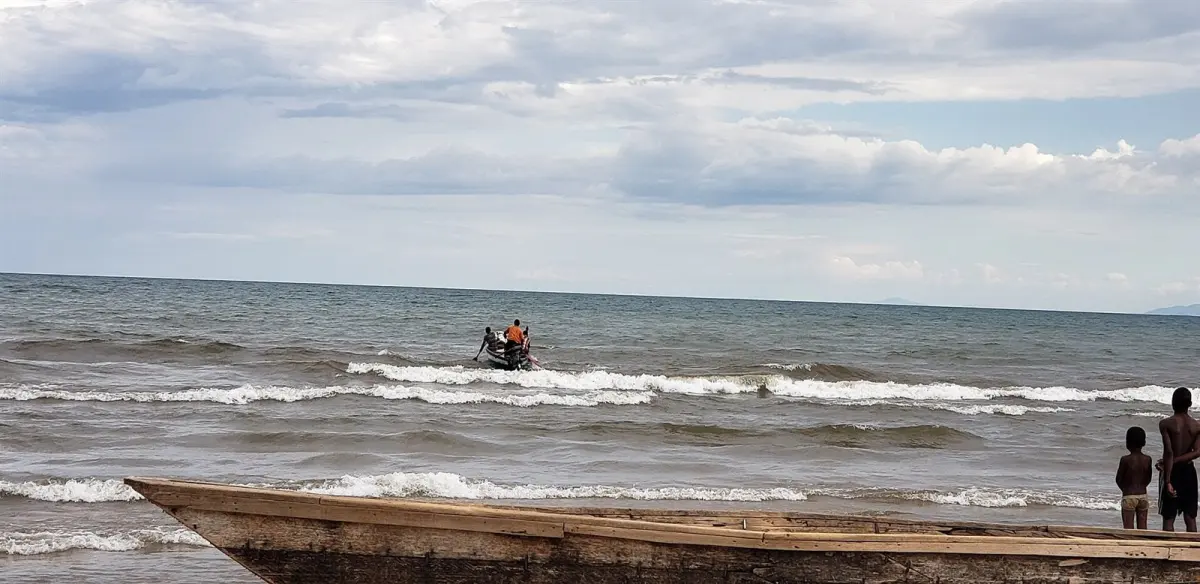
Mountains meeting the lake
The Mahale Mountains rise steeply from the eastern shore of Lake Tanganyika, reaching heights of around 2,462 m at Mount Nkungwe — the highest peak in the range. Unlike most Tanzanian parks, the boundary here runs along the lakeshore, so forest gives way directly to sand and water.
This unique topography creates a range of habitats in a small area: lowland forest along the lake, mid-altitude woodland, and montane forest higher up. The interplay of altitude, rainfall and lake influence supports remarkable biodiversity.
The result is spectacular scenery — green ridges, cascading streams, and sweeping views across Lake Tanganyika to the distant hills of the Democratic Republic of Congo.
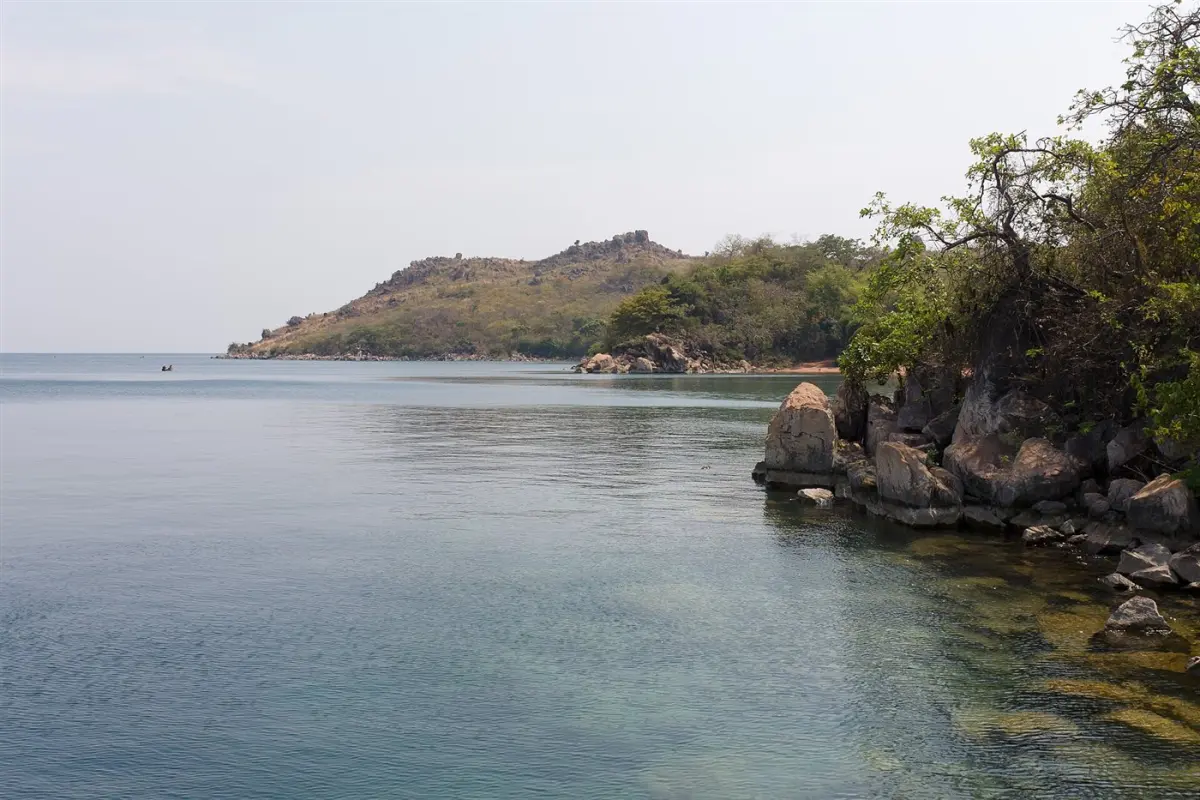
Chimpanzee trekking in Mahale
Mahale is renowned for its long-term chimpanzee research and habituation. Several communities are well habituated to human presence, allowing for carefully managed visits that minimise disturbance while offering extraordinary encounters.
Trekking can take anywhere from 30 minutes to several hours depending on where the chimps are that day. Once found, you’ll spend a regulated time observing them — feeding, grooming, playing and moving through the forest. It’s an intense, moving experience.
Permits are limited and advance booking is essential. Our team will secure permits and pair you with experienced guides who know the forest and the individual chimps well.
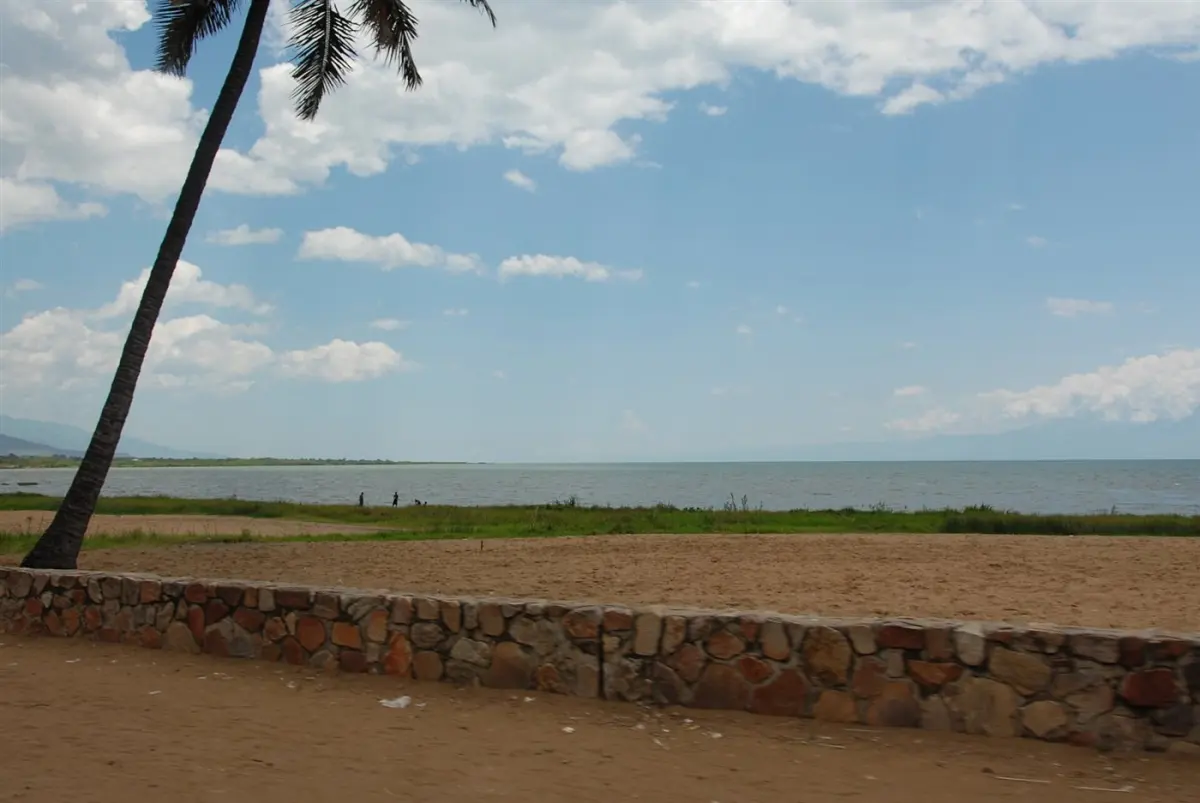
Beyond the chimpanzees
While chimps are the star attraction, Mahale also protects other primates including red colobus, blue monkeys, vervet monkeys and olive baboons. Nocturnal galagos and pottos are also present.
Larger mammals are less conspicuous in the dense forest, but bushbuck, duiker and occasionally leopard pass through. The lakeshore adds a different dimension — hippos and crocodiles are found in Lake Tanganyika, though sightings from the park’s beach areas are less common.
Birdlife is excellent, with forest specialists, colourful turacos, kingfishers and sunbirds. Butterflies are also abundant, adding flashes of colour along forest trails.
Africa’s inland sea
Lake Tanganyika is a natural wonder in its own right — holding about 17% of the world’s surface freshwater, it’s home to hundreds of endemic cichlid fish species. Its clear, warm waters are perfect for a post-trek swim.
Traditional wooden dhow boats ply the shoreline, and many camps offer dhow excursions — ideal for sunset cruises, fishing, or simply gliding along the forested coast with the mountains as a backdrop.
The lake also forms part of the park’s appeal: you can trek in the morning and be swimming in the lake by lunchtime — a rare combination in any African safari destination.
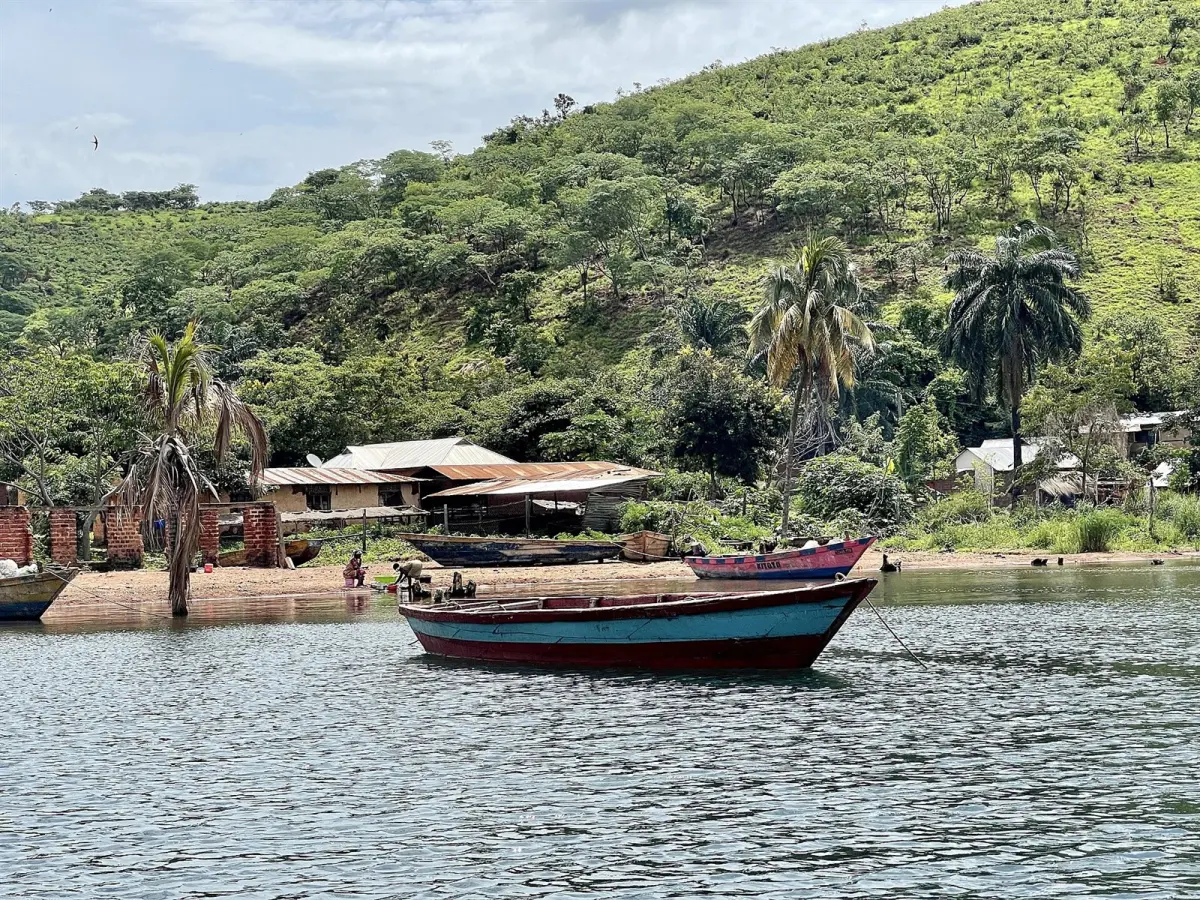
Things to do in Mahale
Mahale is best enjoyed at an unhurried pace. The focus is on primates and the lake, with a few other low-impact activities on offer.
- Chimpanzee trekking — the park’s signature experience.
- Forest walks — guided walks to explore flora, birds and other primates.
- Dhow sailing — scenic trips along the lakeshore at sunrise or sunset.
- Swimming & snorkelling — in the clear waters of Lake Tanganyika.
- Kayaking — available at some camps for a closer look at the shoreline.
- Fishing — traditional or sport fishing, subject to camp arrangements.
What you might see
Mahale’s star is the chimpanzee, but the forest and Lake Tanganyika together create a rich, varied habitat worth exploring.
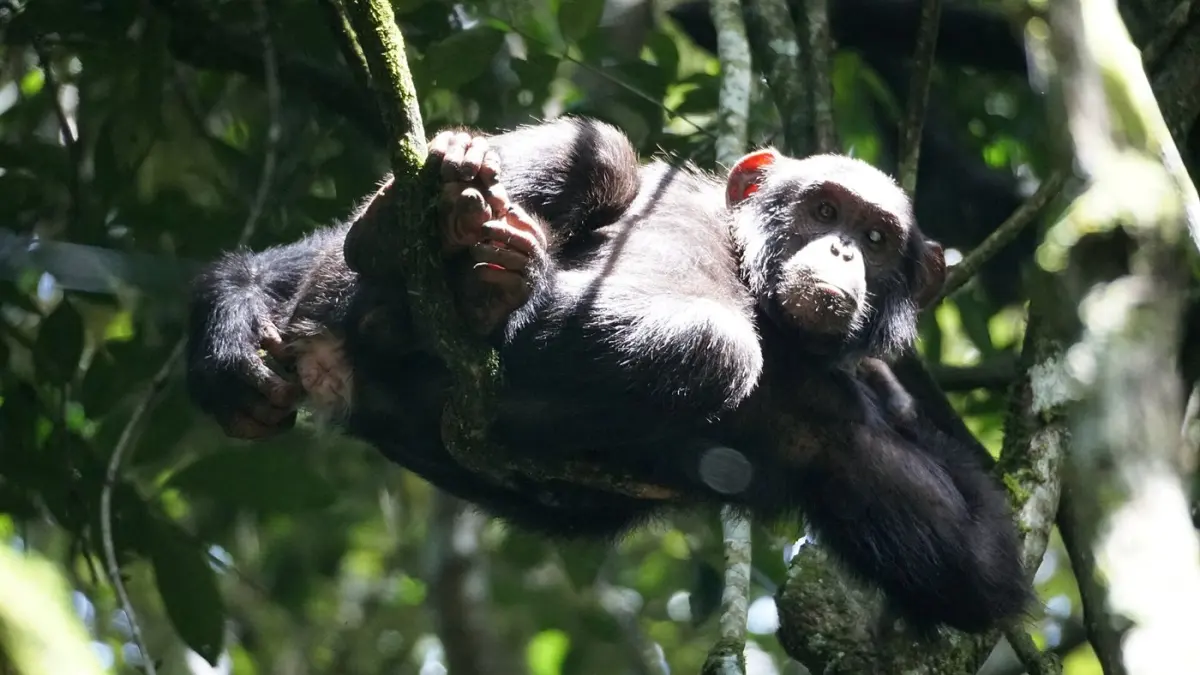
Chimpanzee
Habituated communities offer some of the world’s finest wild chimp encounters.
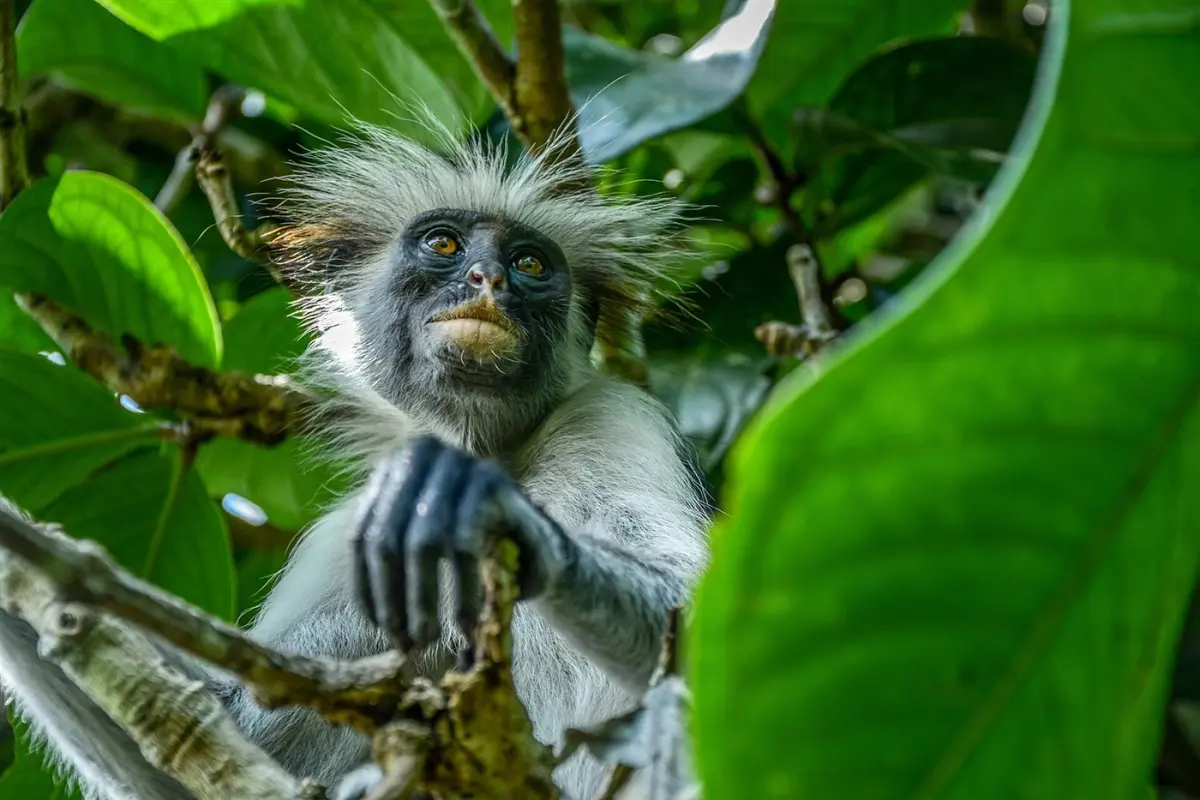
Red colobus monkey
Shy forest dwellers often seen on guided walks.
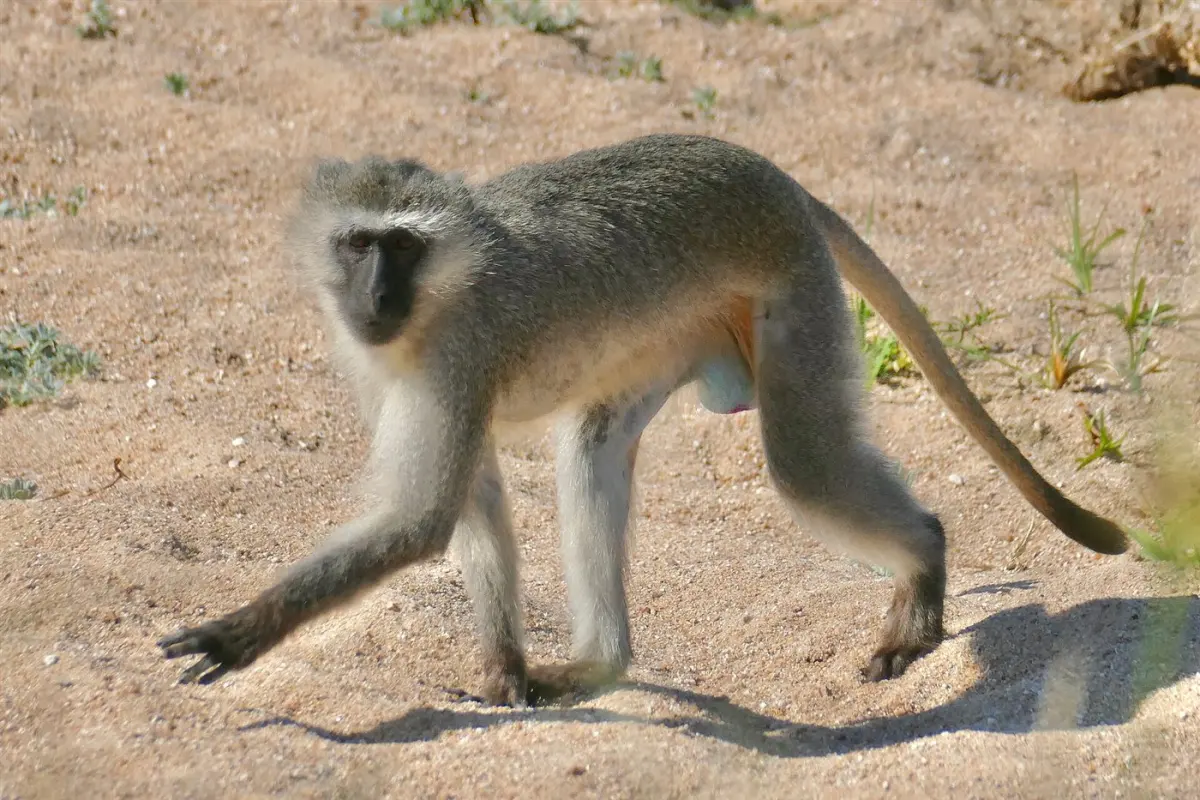
Blue monkey
Active and vocal in the mid-altitude forest.
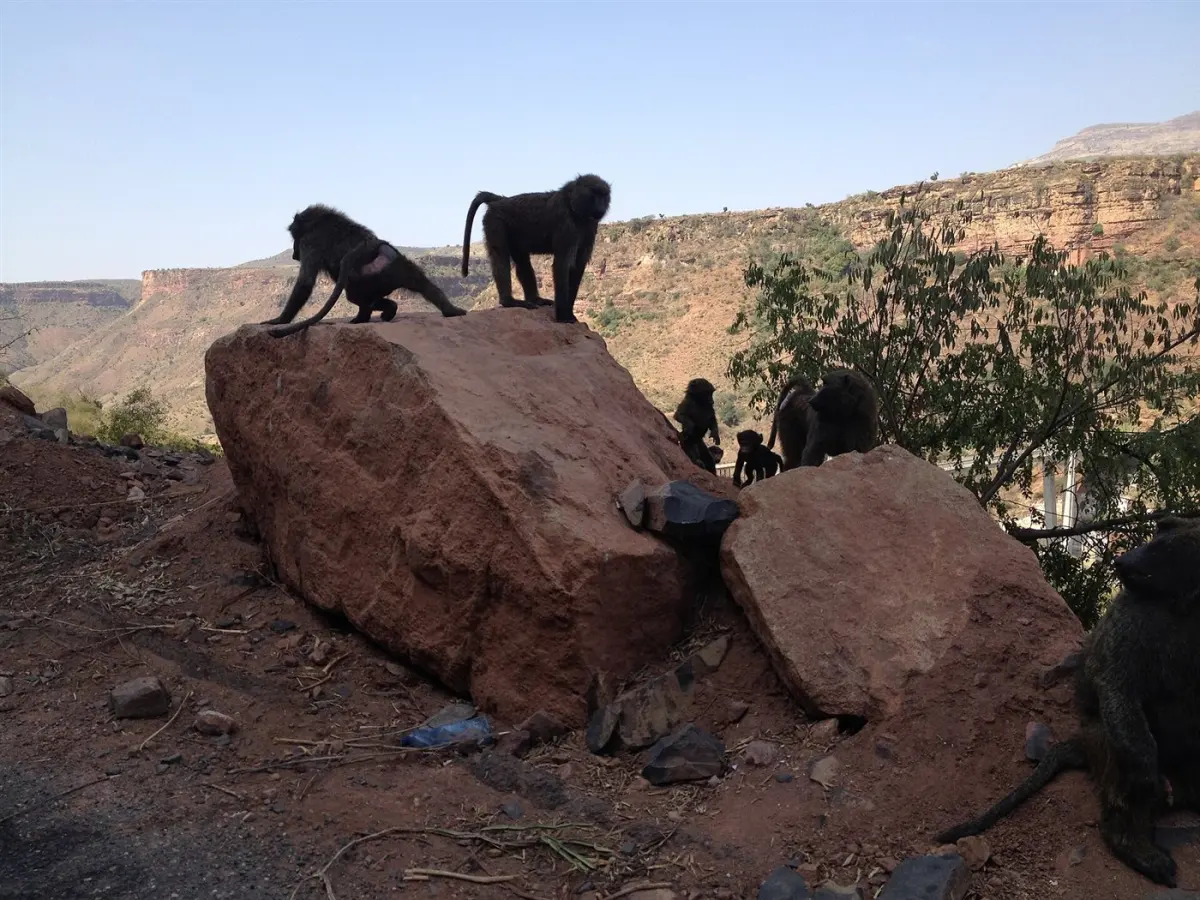
Olive baboon
Common along the lakeshore and lower forest edges.
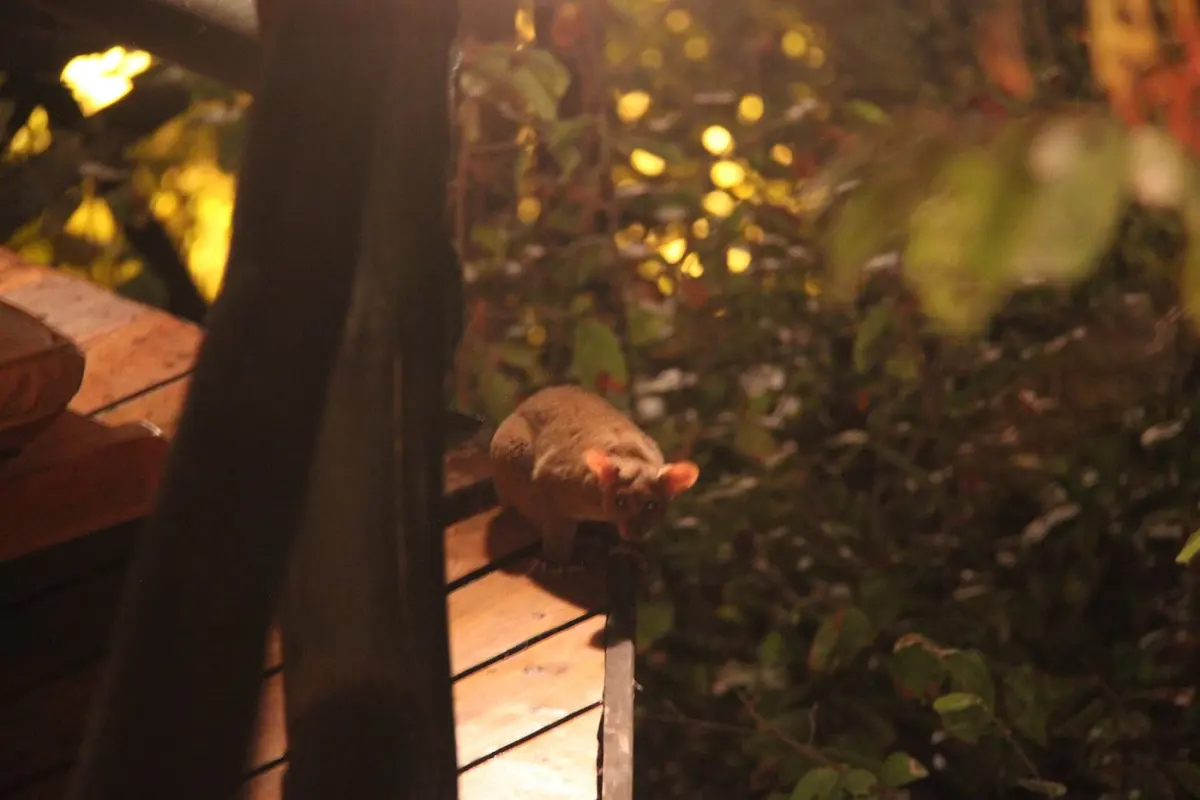
Lesser galago
Nocturnal, sometimes spotted on night walks around camp.
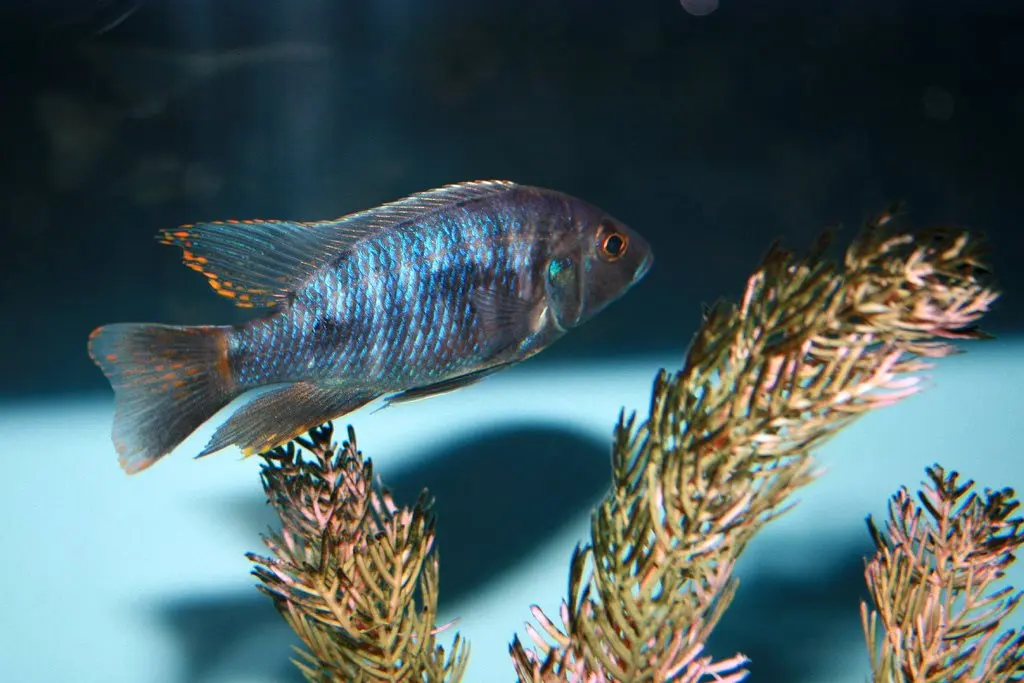
Cichlid fish
Hundreds of endemic species in Lake Tanganyika’s clear waters.
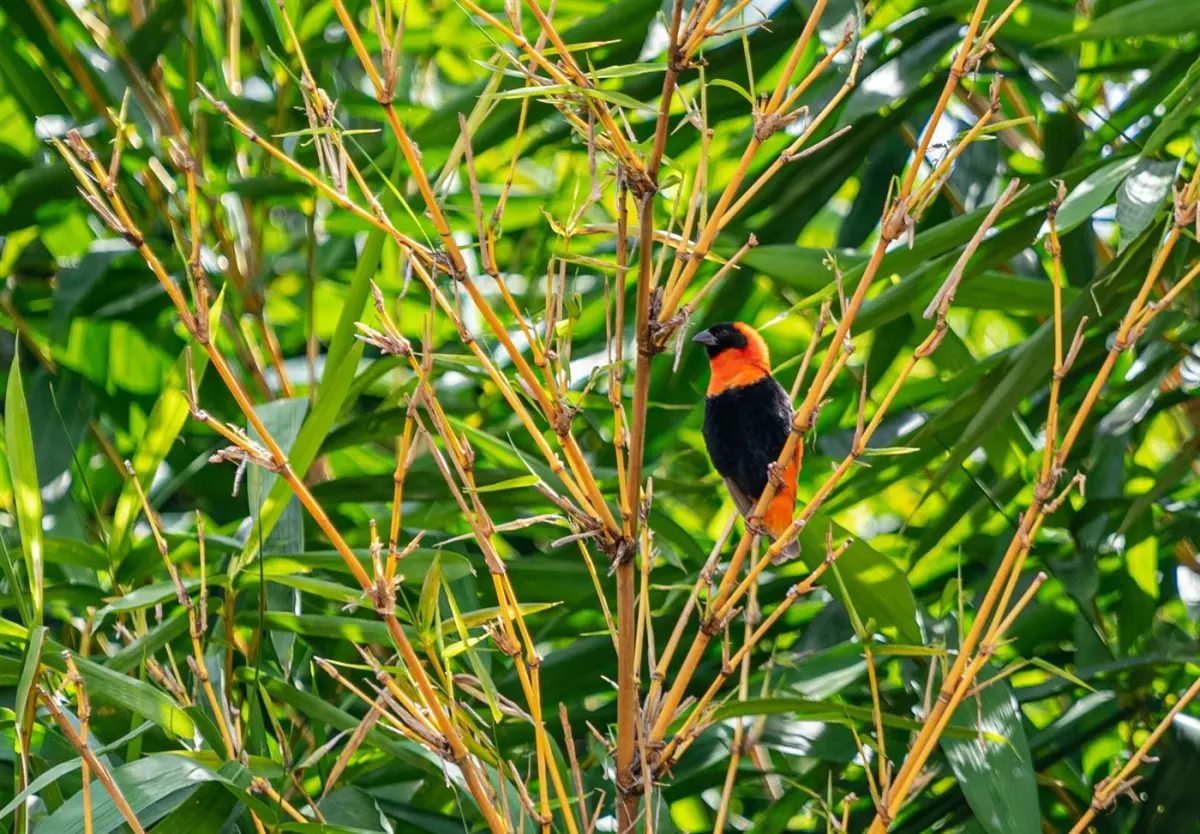
Forest birds
Turacos, kingfishers, sunbirds and many forest specialists.
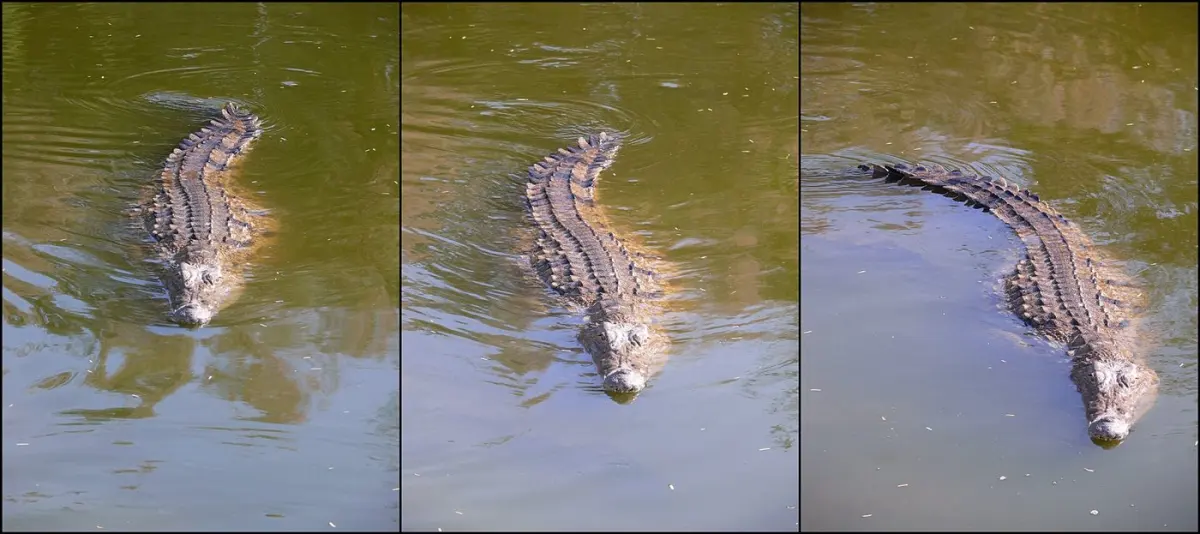
Nile crocodile & hippo
Present in the lake, mainly in deeper or more remote stretches.
Mahale Mountains National Park in pictures
Best time to visit
Mahale is accessible year-round, but chimp trekking is often best in the drier months. The green season is lush and quieter.
| Season | Weather | Crowds | What to expect |
|---|---|---|---|
| Jan–Feb | Warm, mostly dry | Moderate | Good trekking, clear views |
| Mar–May | Wet (long rains) | Low | Lush forest, some trails slippery, fewer visitors |
| Jun–Oct | Cool, dry | High | Peak trekking conditions, busy |
| Nov–Dec | Short rains | Moderate | Greening up, good conditions |
Things to do
Chimpanzee trekking
Guided treks to observe habituated chimp communities.
Forest walks
Explore the diverse forest with naturalist guides.
Dhow excursions
Sail along the scenic Lake Tanganyika shoreline.
Swimming & snorkelling
Cool off in the lake’s crystal-clear waters.
Photography
Stunning mountain-lake vistas and primate encounters.
Birdwatching
Excellent for forest and lakeshore species.
Where to stay
Luxury fly-in camps
Exclusive lakeshore camps with elegant tents and direct forest access. <!-- TODO: lodge names -->
Comfortable tented camps
Well-run camps with beach frontage and easy access to trekking. <!-- TODO: lodge names -->
Rustic camps
Simple, atmospheric options for adventurous travellers. <!-- TODO: lodge names -->
Getting there & around
Mahale is remote — access is almost entirely by air or boat. Most visitors fly from Kigoma to one of the park’s airstrips (Sibwesa or nearby), followed by a short transfer to camp, often by boat along the lake.
Some itineraries combine Mahale with Gombe via boat or light aircraft. Road access is extremely limited. Chimpanzee permits must be booked well in advance, especially in peak season.
- Fly from Kigoma Approx. 45–90 min to Mahale
- By boat from Kigoma Long (several hours) — weather dependent
- Best time Jul–Oct & Dec–Feb
- Recommended stay 3–4 days
Frequently asked questions
Is chimpanzee trekking in Mahale worth it?
Yes. Mahale offers some of the most intimate wild chimp encounters in Africa, in a stunning setting where forest meets Lake Tanganyika.
When is the best time for chimp trekking?
The dry months (June–October) offer easier trekking conditions. December–February is also excellent with good visibility.
How do I get to Mahale Mountains National Park?
Fly from Kigoma to a Mahale airstrip, often with a boat transfer to camp. Some travellers arrive by boat, but flights are most reliable.
How fit do I need to be for chimp trekking?
Moderate fitness is helpful as treks can involve steep, slippery slopes and humid conditions. Guides set a pace suitable for the group.
Are chimpanzee permits required?
Yes, and they are limited. We strongly recommend booking permits at least 6–12 months in advance for peak season.
Can I swim in Lake Tanganyika at Mahale?
Yes, most lakeshore camps have safe swimming areas. Crocodiles are present in the lake but rarely near well-used swim spots — follow camp guidance.
Nearby destinations


Ready to plan your Mahale Mountains National Park trip?
Tell us your dates and travel style. Our local team in Moshi will build a tailor-made itinerary around Mahale Mountains National Park — free, with no obligation.