
A great wildlife photograph takes patience, the right light and a vehicle positioned at the right angle. Our photographic safaris in Tanzania are built around those priorities, giving you the time and flexibility to work each sighting properly.
We plan your schedule around golden hours — early mornings and late afternoons — when the light is soft and animals are most active. Midday can be used for downtime, editing, or exploring different habitats. This rhythm makes a huge difference to the quality of your images.
The Serengeti offers endless opportunities, from wide-angle plains shots to tight portraits of big cats. The Ngorongoro Crater provides a unique amphitheatre with excellent visibility and often close encounters. Tarangire’s baobabs add strong compositional elements, especially at sunrise and sunset.
Private guiding is essential for photography. Your guide will understand your needs — whether you want low angles, clean backgrounds, or time to wait for behaviour. We can also arrange photography-focused vehicles where possible, with extra space for gear and flexibility for positioning.
Whether you are a serious enthusiast or a professional looking for specific shots, we tailor every detail — parks, timing, accommodation and pace — to match your photographic goals. The aim is simple: come home with images you’re proud of.
What makes this safari special
-
Golden hour focus
Itineraries structured around sunrise and sunset for the best light.
-
Private vehicle
Full control of positioning, angles and time spent at each sighting.
-
Flexible pace
No rushing — wait for behaviour and work a sighting until you’re happy.
-
Diverse backdrops
From open plains and kopjes to baobabs, craters and riverine forests.
-
Prime subjects
Big cats, elephants, rhino, birds and the Great Migration all feature strongly.
-
Guide who understands photography
Experienced guides who know how to anticipate action and work with photographers.
Safaris built for photographers
Private itineraries timed for light and flexibility, with space to work each sighting properly.
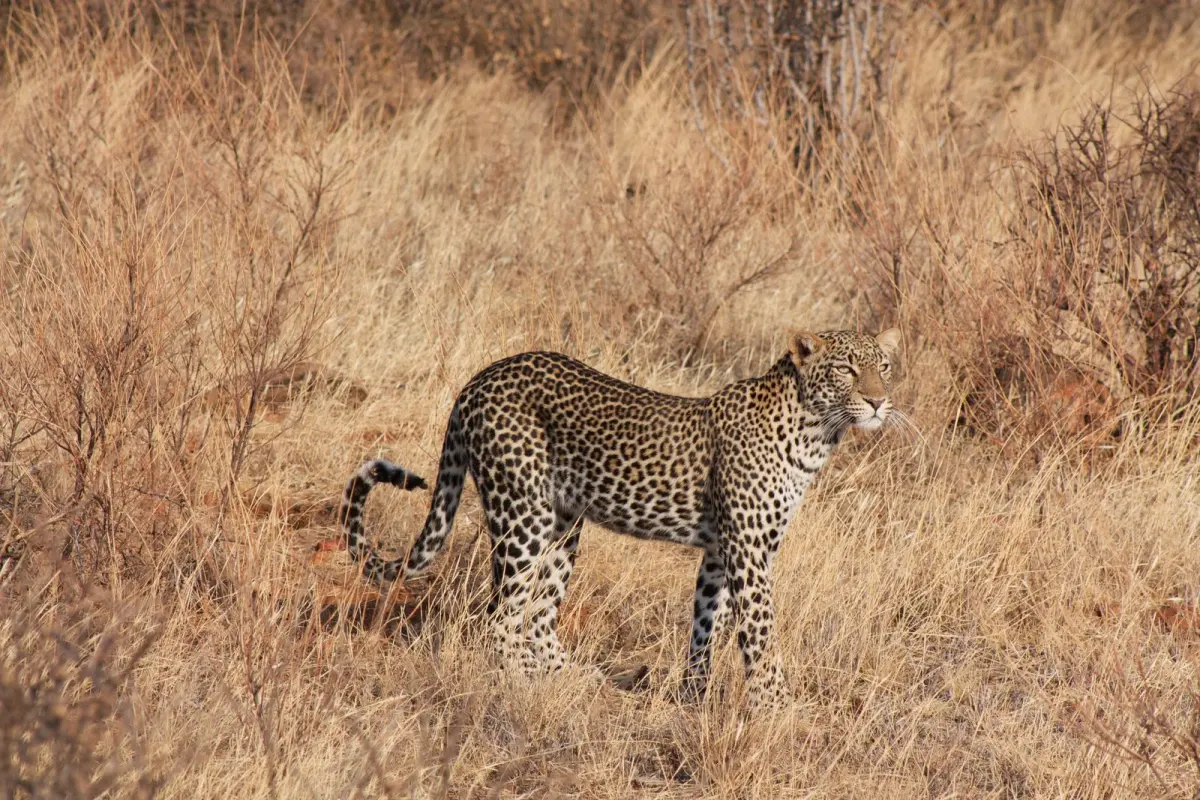
8-Day Luxury Tanzania Safari
Eight indulgent days across Tanzania’s greatest parks, with extra Serengeti time, private guiding and the country’s most beautiful lodges and camps.

6-Day Luxury Lodge Safari
Six indulgent days through Tarangire, the Serengeti and the Ngorongoro Crater, with private guiding and Tanzania’s most beautiful lodges.
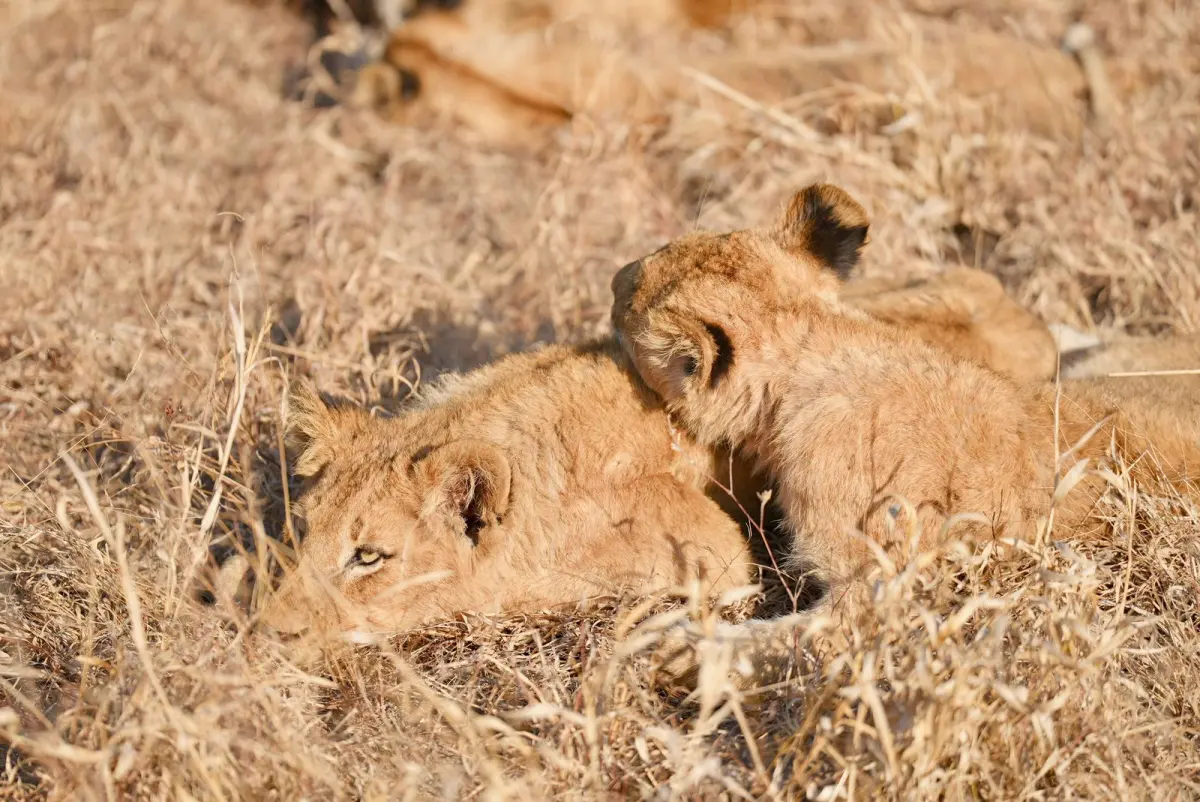
7-Day Great Migration Safari
Follow the wildebeest on their endless journey — three full Serengeti days tracking the Great Migration, bookended by Tarangire and Ngorongoro.

10-Day Great Migration Safari
Ten days built around the Great Migration — tracking the wildebeest herds and river crossings across the Serengeti, bookended by Tanzania’s other great parks.
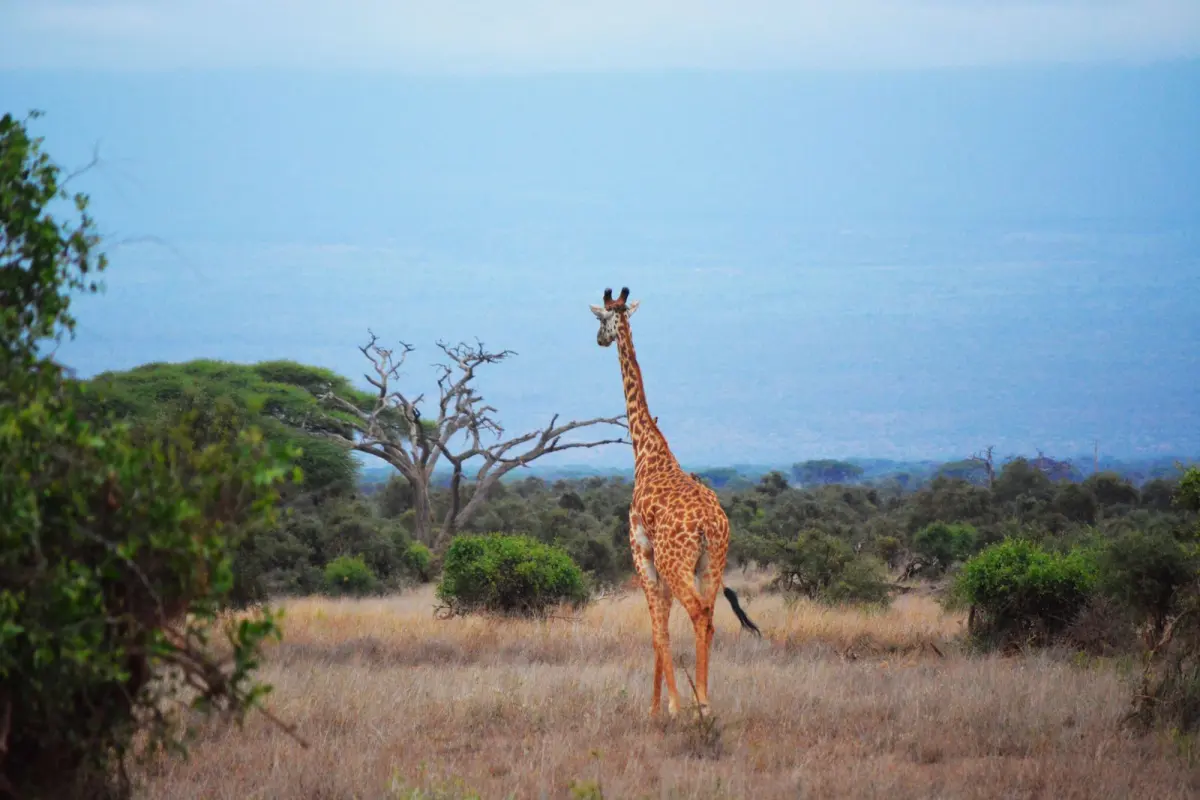
11-Day Tanzania Wildlife Expedition
A thorough eleven-day expedition through Tanzania’s Northern Circuit — more time, deeper game drives and richer wildlife encounters in every park.
Frequently asked questions
What makes a photographic safari different?
Photographic safaris prioritise light, positioning and time. We build in early starts and late finishes to make the most of the golden hours, and we deliberately avoid cramming too many parks into each day. The pace is slower, and the day is structured around getting the images you want rather than ticking off a checklist. Your guide will position the vehicle for cleaner backgrounds and better angles, then wait while you work the shot. Meals often shift to suit the light, and midday is left free for rest, downloading cards or reviewing images. In short, everything is organised around your photography, not around a fixed timetable — and that single change transforms the results you bring home.
Which parks are best for wildlife photography in Tanzania?
The Serengeti is best for action and big cats, with wide open plains that suit everything from wide-angle landscapes to tight portraits. Ngorongoro Crater offers close encounters in a compact area with great visibility and a backdrop unlike anywhere else, though light can be hazy on the floor. Tarangire is brilliant for elephant portraits and baobab scenes, especially early and late in the day when the trees cast long shadows. For migration action, the northern and southern Serengeti are unbeatable at the right time of year, with river crossings and vast herds. Lake Manyara adds forest and escarpment variety. We match the parks to the season and the subjects you most want to shoot.
When is the best time for photographic safaris?
June to October is the dry season — clear air, golden light, less vegetation and wildlife concentrated around waterholes, which makes subjects easier to find and frame. Dust in the air adds atmosphere to backlit scenes, and the short grass reveals animals that would otherwise be hidden. The calving season (January–March) also delivers incredible predator action and soft green backdrops, with newborn animals and dramatic hunting sequences. April and May bring lush colour and dramatic skies but heavier rain, which can limit access. Many photographers prefer the green season precisely for its mood and texture. Tell us what you want to capture and we will suggest the months that give you the best chance of it.
Do you provide specialised photography vehicles?
Where possible, we can arrange modified safari vehicles with more space, lower sides or pop-up roofs optimised for photography, so you can shoot over the bonnet or from a low angle without obstruction. Some vehicles also offer beanbag rests, extra battery charging and dedicated camera storage, which makes long days behind the lens far more comfortable. Availability depends on the region and season, and these vehicles are in high demand, so it is best to request one at the time of booking and we will confirm what we can secure. Even a standard private vehicle already gives you full control of positioning and pace, which is often the most important factor of all.
How flexible is the schedule?
Completely flexible. If a sighting is developing, you stay; if the light is perfect at sunset, we do not rush back to camp to meet a dinner time. There is no fixed departure each morning and no group to consult, so your guide can follow the action or the weather wherever it leads. Midday breaks are built in for rest, downloading cards or editing, and we can start earlier or finish later whenever the conditions are worth it. The only limits are park rules, such as gate opening and closing times, which we plan carefully around. Beyond that, it is your safari, tailored to your workflow and to the images you hope to take home.
What should I bring?
A telephoto lens (400–600mm is ideal for wildlife), a wide-angle for landscapes, and a versatile mid-range zoom cover most situations. Bring plenty of memory cards and spare batteries, since charging opportunities can be limited, plus a beanbag or monopod for stability inside the vehicle. A lens cleaning kit, a rocket blower and a dust cover are essential in the dry season, when fine dust gets everywhere. Binoculars are useful too, and a headlamp for early starts. We will send a detailed packing list once your itinerary is confirmed, along with advice tailored to the season, the parks and the subjects you plan to photograph, so nothing important is left behind.
Is this suitable for beginners?
Yes. We welcome photographers of all levels, from complete beginners to seasoned professionals. Your guide will help with positioning, timing and anticipating animal behaviour, which is often where beginners gain the most, and we pace the trip to match your experience. There is no pressure to shoot constantly — some of the best learning happens simply by watching and asking questions. If you would like, we can pair you with a guide who particularly enjoys teaching, and we can build in longer stops so you have time to practise and review. The focus is on learning, improving and enjoying the process in a relaxed, unhurried setting.
Can I combine photography with other interests?
Absolutely. Many guests want a mix of serious photography and relaxed time with family, and we can build a trip that keeps everyone happy without anyone feeling they are missing out. We might set aside certain golden-hour drives for shooting, then plan gentler afternoons around the pool, a cultural visit or a birding walk for the rest of the group. Birders often find that a photographic safari suits them perfectly, since the same patience and light matter to both. If some of your party are not photographers, tell us, and we will design a rhythm that shares the best moments while leaving room for your own priorities. The right balance is something we plan together in advance.
Related safaris & guides


Ready to start planning?
Tell us your dates, group size and travel style. We will design a private Tanzania safari around you and send a full quote — free, with no obligation.