
Tanzania pours more than 30% of its land into conservation, and the result is a country-sized collection of national parks, game reserves and conservation areas that few nations can match. Whether you chase safari classics or quiet wilderness, this guide maps the main parks - and how the famous northern and southern circuits fit together.
The Northern Circuit Parks
The northern circuit is Tanzania's front row: the Serengeti with its great migration, the Ngorongoro Crater's natural stone bowl, elephant-rich Tarangire, bird-laden Lake Manyara and the easy wildlife of Arusha. Roads between them are good, and most travellers spend 5 to 10 days looping between parks by vehicle or light aircraft.
- Serengeti National Park: 14,750 km2 of plains, the great migration and big cats.
- Ngorongoro Conservation Area: the crater, Olduvai Gorge and Maasai lands.
- Tarangire National Park: huge elephant herds and baobab landscapes.
- Lake Manyara National Park: tree-climbing lions and flamingo-lined lakes.
- Arusha National Park: rainforest, Momela Lakes and the Mount Meru trek.

The Southern Circuit Wilderness
South of the central corridor lie the wild, vast and far less visited parks: Ruaha and Nyerere (formerly Selous). These are Botswana-party-size wildernesses where walking safaris, river safaris and long silent drives replace the game-drive queues of the north. Game is dense, just spread across enormous areas.
- Ruaha National Park: Tanzania's largest park, superb predators, remote.
- Nyerere National Park: the Great Ruaha and Rufiji rivers, boat safaris.
- Mikumi National Park: easy access from Dar es Salaam, elephants and lions.
- Udzungwa Mountains: forest birding and the Sanje waterfall trek.
North for icons, south for wilderness
First-timers almost always love the northern circuit. Repeat visitors and adventurers - walkers, canoeists, photographers - increasingly choose the southern parks for space, silence and exclusivity. Many travellers see one circuit and add the other as a future trip.
Other Protected Areas Worth Knowing
Beyond the classic parks, Tanzania protects coral-fringed marine parks around Zanzibar and Mafia Island, the Ngorongoro Highlands' crater forests, and reserves such as Selous' old hunting blocks now transitioning into tourism zones. Taken together they make Tanzania both the adrenal choice and the thoughtful one.
| Park | Adult fee | Vehicle |
|---|---|---|
| Serengeti | USD 70 | USD 40-60 |
| Ngorongoro (car + crater) | USD 70 + crater fee | USD 90 |
| Tarangire | USD 55 | USD 40 |
| Lake Manyara | USD 60 | USD 40 |
| Ruaha / Nyerere | USD 35-50 | USD 40 |
How to Choose Your Circuit
Your choice should follow your length of stay and your travel style. With five days or fewer, build one strong park - the Serengeti with a crater day. With eight to twelve days, combine the northern circuit with climbing Kilimanjaro or add a Zanzibar beach finish. Two-plus weeks allows the southern circuit without compromise.
UNESCO status
Both the Ngorongoro Conservation Area and the Serengeti National Park carry UNESCO World Heritage status, in addition to Kilimanjaro National Park at the country's northern edge.
Tanzania built its economy around protecting wildlife - which is why the animals always come back every season.
— Our Tanzania country manager
Frequently Asked Questions
How many national parks does Tanzania have?
Tanzania counts 22 national parks, and behind them sits a much wider web of protection: game reserves, the Ngorongoro Conservation Area, forest reserves and marine parks that together bring roughly 30% of the country under conservation management.
The national park network itself is run by TANAPA, while the Ngorongoro Conservation Area is managed separately by its own authority, which is why the crater carries its own daily fee on top of normal park entry. Add the Selous-era reserves and the coral parks around Zanzibar and Mafia, and the true figure of protected land grows well beyond the 22-park headline.
For planning purposes most visitors only ever need a handful of the parks - the big northern trio plus one or two southern options. The remaining entries range from small forest blocks to remote marine sanctuaries that rarely feature in a standard itinerary, so the long list matters far less than choosing the right circuit.
Which parks should a first-time traveller choose?
For a first trip, the classic northern circuit - Serengeti, Ngorongoro and Tarangire - is the reliable headline. Serengeti delivers the great migration at the right season, Ngorongoro packs outstanding wildlife into a single crater floor, and Tarangire adds enormous elephant herds among its baobab woodlands.
The three parks flow naturally in 5 to 7 driving days with short transfer distances and good all-weather roads, which keeps both costs and time in the vehicle sensible. Lake Manyara or Arusha National Park make pleasant additions if you have spare days, but they complement rather than complete a first safari.
Remember that entering the crater carries a separate daily fee on top of the Serengeti park fees, so build both into your budget from the start. First-timers who stick to this trio still see the Big Five, the migration and the famous landscapes without burning a day on any single transfer.
Are the southern parks worth the travel time?
Yes, for repeat visitors, hikers and photographers the southern parks repay the extra travel many times over. Ruaha is the largest national park by area and a vast bush wilderness with strong predator numbers, while Nyerere - the former Selous - offers boat safaris on the Rufiji River and long silent drives through enormous concession land.
You reach them via short internal flights from Dar es Salaam or Arusha rather than by road, and because game spreads across huge landscapes, sightings ask for a little more patience and a skilled guide than the north demands.
In exchange you get exclusivity: it is common to spend full game drives without seeing another vehicle, walking safaris are permitted on a scale the north rarely allows, and camp prices often sit below their equivalent northern luxury. If you are weighing a second northern trip against a first southern one, the southern wilderness is where the memories get noticeably sharper.
Prefer to leave the planning to us?
Tell us your dates and interests — our local team will craft a free, tailor-made itinerary around this guide.
Plan My SafariKeep Reading

Serengeti National Park Guide
Where the great migration roars across endless plains - the best areas, seasons and ways to explore the Serengeti.
Read guide
Ngorongoro Crater Travel Guide
A wildlife-filled world inside a volcanic caldera - why the Ngorongoro Crater is Africa in miniature.
Read guide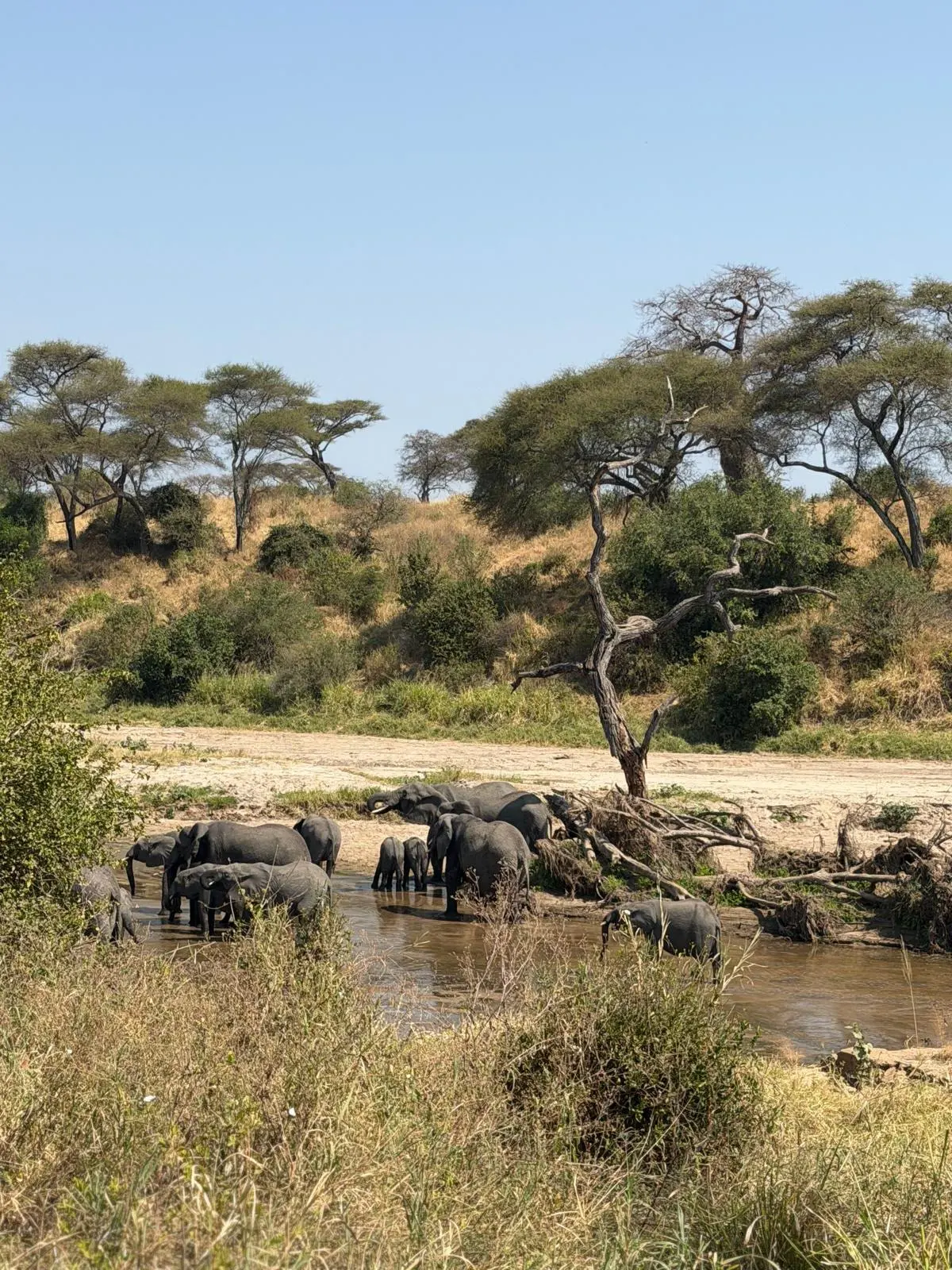
Tarangire National Park Guide
Ancient baobabs, big elephant herds and few crowds - Tanzania's hidden gem of the northern circuit.
Read guide