
Most first-time safaris treat Tarangire as the warm-up act before the Serengeti - a mistake, because Tarangire is one of Tanzania's great parks in its own right. Ancient baobabs, the largest elephant herds in the country and almost no crowds make it the place where you savour safari without the rush.
The Elephant Kingdom of Tarangire
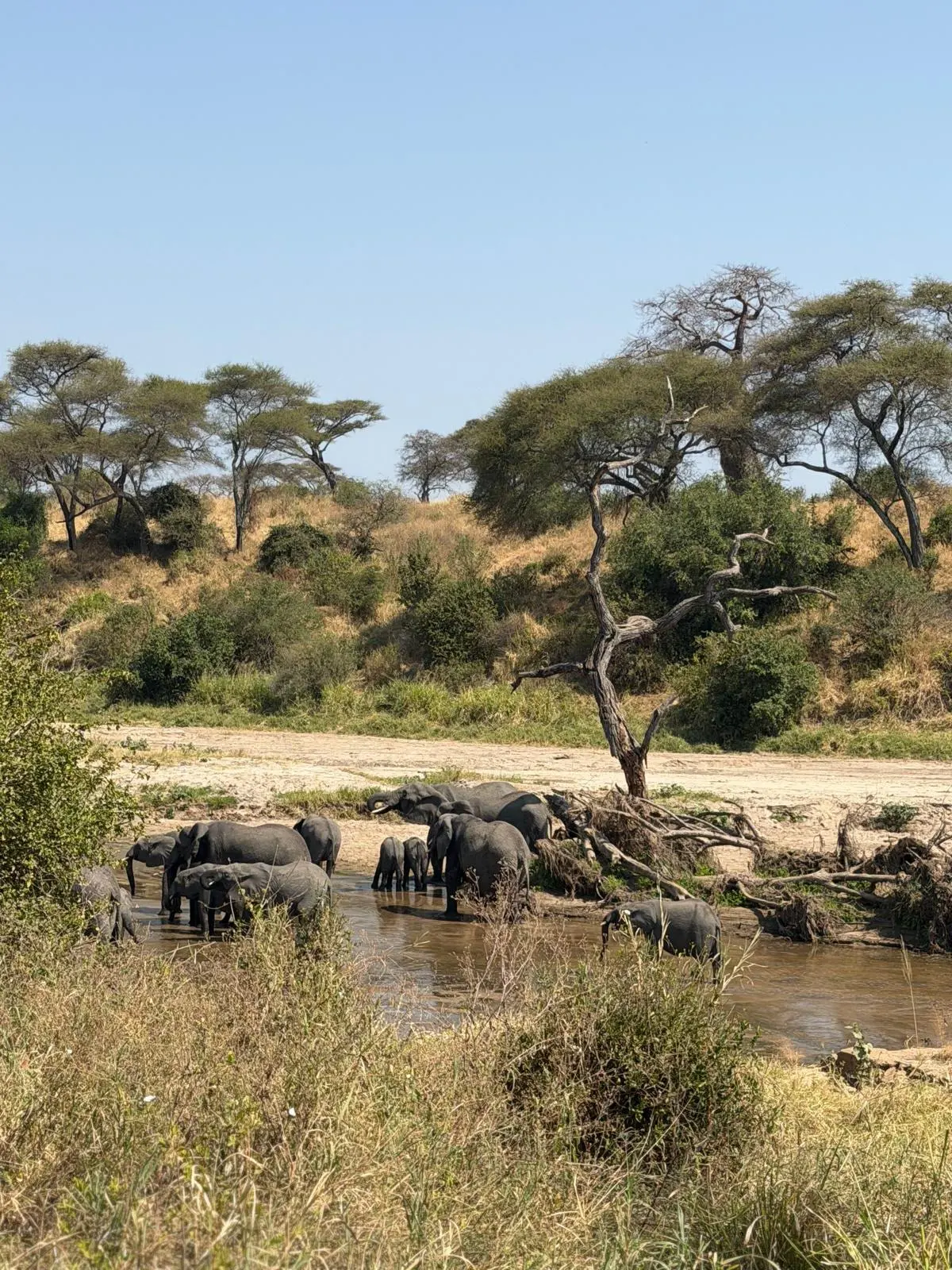
Tarangire National Park protects about 2,850 square kilometres along the Tarangire River, and it is famous for two things: elephants and baobabs. In the dry season, the river is virtually the only permanent water source, so families of elephants - some gatherings numbering in the hundreds - come here from all directions in the greatest concentration found anywhere in Tanzania.
Those enormous elephants among silhouetted baobabs have become the definitive Tarangire photograph. Because the park sees far fewer vehicles than the Serengeti or Ngorongoro, encounters feel calm and intimate, with time to stop, switch off the engine, and simply watch.
Big elephant herds
During the dry season Tarangire hosts concentrations of 300+ elephants at a time around the river. Research groups have counted the park's total population at more than 3,000 individuals.
What Else Lives in the Park
Tarangire holds the full northern circuit cast: lion prides, leopards draped in sausage trees, and seasonally one of Tanzania's strongest populations of buffalo and zebra. The park is also a birding treasure, with more than 550 recorded species, including the striking yellow-collared lovebird and the ground hornbill.
- Lions: resident prides, often resting on the exposed kopjes.
- Leopards: superb sightings in the ancient baobab and sausage trees.
- Greater kudu & eland: gentle giants you rarely see elsewhere.
- Birdlife: 550+ species including vultures, storks, hornbills and lovebirds.
Best Time to Visit Tarangire
Tarangire is easiest to love from June to October, when the elephants and herds concentrate around the river and the grass is low. From November to May the park turns lush green and wildlife scatters, but the swamp areas retain residents and the scenery becomes dramatic - plus you share it with almost nobody.
Combine with a night camp
The park's authentic tented camps along the river allow night drives and walking safaris within fenced zones. Guests who stay overnight get quiet mornings and the famous dawn elephant processions down to the water.
Practical Information
Tarangire lies about 120 kilometres south-west of Arusha, around a 2.5-hour drive, which makes it an ideal first or last stop on the northern circuit. The park has good tarmac access, several airstrips, and a network of well-maintained game loops that can deliver a fantastic half-day or a full two days of exploration.
| Detail | Info |
|---|---|
| Size | About 2,850 km2 |
| Distance from Arusha | ~120 km / 2.5hr drive |
| Park entry fee (2026) | USD 55-60 per person per day |
| Recommended stay | 1-2 nights |
| Best months | June - October (dry season) |
By the end of a Tarangire afternoon you stop photographing elephants, because the viewfinder cannot hold them all.
— A photographic-safari guest
Frequently Asked Questions
Is Tarangire National Park worth visiting?
Absolutely - particularly in the dry season, when its elephant herds are arguably the finest in Tanzania and the baobab landscape is unforgettable. Off-season the park still delivers excellent antelope, large prides, abundant birdlife and some of the calmest drives on the northern circuit. Entry fees are lower than the Serengeti and vehicle numbers are small, so you get a more personal safari experience at a gentler cost. Combining Tarangire with the Serengeti and Ngorongoro always improves a trip - it is the perfect warm-up that deserves at least a full day of its own.
How long should I spend in Tarangire?
One night and one full day is the sweet spot for most visitors, giving you a river-morning, a slow picnic and a sunset loop through the baobab woodland. Two nights suit photographers chasing the famous dawn elephant processions and travellers who want a relaxed start or end to the circuit. Half-day visits work as a scenic afternoon sampler, but you will miss the park quiet hours when the light is at its best. Because Tarangire sits about 120 km (2.5 hours) from Arusha, even a single overnight is easy to slot into a larger itinerary.
Can I see the big five in Tarangire?
Tarangire reliably delivers four of the five: elephant, lion, leopard and buffalo, alongside masses of plains game like giraffe, zebra and kudu. Black rhino do roam the park but stay deep in dense bush and are genuinely hard to find, with most sightings being brief and distant. The dependable place for rhino is the Ngorongoro Crater, where a morning descent frequently produces one or two close encounters on the open floor. On a route that pairs Tarangire with Ngorongoro you have a realistic chance of completing the full big five across two parks.
Prefer to leave the planning to us?
Tell us your dates and interests — our local team will craft a free, tailor-made itinerary around this guide.
Plan My SafariKeep Reading

Serengeti National Park Guide
Where the great migration roars across endless plains - the best areas, seasons and ways to explore the Serengeti.
Read guide
Ngorongoro Crater Travel Guide
A wildlife-filled world inside a volcanic caldera - why the Ngorongoro Crater is Africa in miniature.
Read guide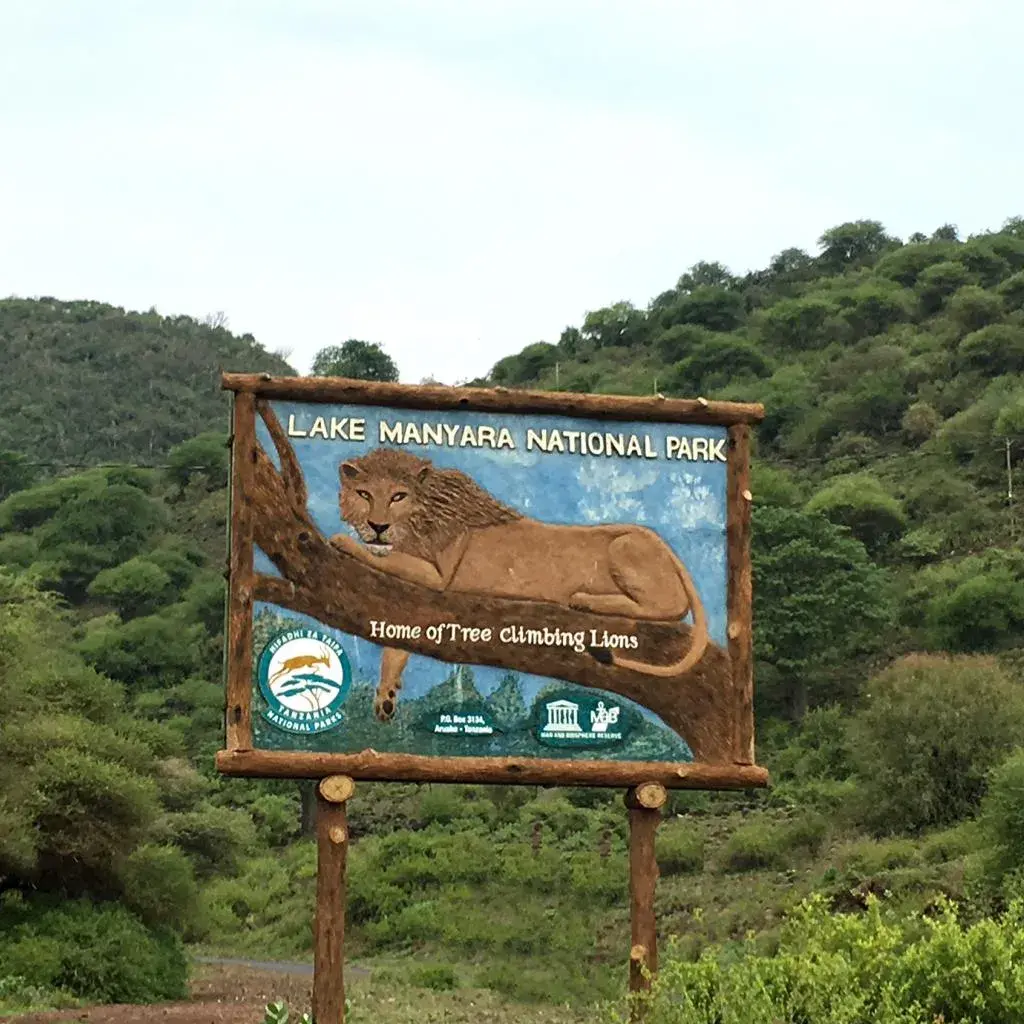
Lake Manyara National Park Guide
Tree-climbing lions, pink flamingos and lush groundwater forest at the foot of the Rift Valley wall.
Read guide