
The Serengeti is the birthplace of the modern safari and still its beating heart. More than 14,000 square kilometres of golden savannah, home to the great wildebeest migration and Africa's densest big-cat populations, this is the one park first-time visitors to Tanzania consistently rank as their highlight. Here is everything you need to plan it.
Where Exactly Is the Serengeti?
The Serengeti National Park covers the north-western corner of Tanzania, bordering Kenya's Maasai Mara to the north. It is the vast, rolling heart of the greater Serengeti ecosystem, roughly twice the size of the Kenyan Maasai Mara, and sits about a 5-6 hour drive from Arusha or Moshi, or a short flight into one of its seven airstrips.
The park is divided into three distinct zones: the southern plains around Ndutu, the central Seronera valley, and the northern corridor near the Mara River. Understanding which part of the Serengeti the herds are in is the single biggest factor in a successful trip.
Size of the Serengeti
At around 14,750 square kilometres, the Serengeti is larger than the country of Montenegro. Most visitors drive inside it for several days and still only scratch the surface.
The Great Migration, Explained
Roughly 1.5 million wildebeest, joined by 200,000 zebra and gazelles, orbit the Serengeti ecosystem in a clockwise circle that matches the rains. In December to March the herds graze and calve on the southern short-grass plains; from May they push west and then north, crossing the Grumeti and Mara rivers between June and October.
The famous river crossings of the Mara River are a highlight of the dry season in the northern Serengeti, but they are not guaranteed on any given day. The migration is a movement, not an event, and a good guide will reposition your game drives to stay with the herds wherever they are.

Serengeti Safari Areas
- Southern Plains (Ndutu) - calving grounds from December to March, incredible predator action.
- Seronera Valley (centre) - reliable cats all year; the classic central Serengeti experience.
- Western Corridor (Grumeti) - dry-season herds and dramatic river crossings from June.
- Northern Serengeti (Kogatende) - the Mara River crossings, best July to October.
Best Time to Visit the Serengeti
The Serengeti has no truly closed season, so timing comes down to what you want to see. December to March favours the calving spectacular on the southern plains; June to October delivers river crossings further north. The green months of April and May are quieter and cheaper, with lush scenery and many newborn animals.
| Season | Where the herds are | Must-see |
|---|---|---|
| Jan - Mar | Southern plains (Ndutu) | Calving, lion and cheetah hunts |
| Apr - May | Western corridor | Quiet parks, lush green landscape, low season prices |
| Jun - Jul | Western & far north | Grumeti river crossings begin |
| Aug - Oct | Northern Serengeti | Mara River crossings - the iconic images |
| Nov - Dec | Returning south | Young predators, short rains, good value |
Give it three nights minimum
Drive time inside the Serengeti is large and animals move daily. Three full days - roughly three nights - in the park is our minimum for a meaningful migration sighting instead of a lucky glimpse.
Practical Safari Notes
Accommodation ranges from seasonal mobile tented camps that literally follow the herds, to permanent stone lodges on the kopjes and premium camps near the rivers. Most safaris fly into one of the airstrips and meet a private vehicle, or drive the 5-6 hours from the northern circuit parks.
- Entry fee (2026): USD 70 per person per day at peak times.
- Typical game drives run at dawn and late afternoon; midday is for rest.
- No off-road driving in the grass season - big daylight drives are timed.
- Pack binoculars - the single most useful safari item in the Serengeti.
You do not visit the Serengeti once. You spend the rest of your life trying to find your way back.
— A returning guest, London
Frequently Asked Questions
How many days do I need in the Serengeti?
At least three days and three nights, and we say that without hedging: the park covers roughly 14,750 square kilometres - about twice the size of the Maasai Mara - and the animals move every day, so extra time is the only reliable way to build a strong sighting instead of a lucky glimpse.
Three full days lets a good guide reposition your drives to stay with the herds, chase a leopard sighting at dawn and wait out a river crossing without panic. If your budget stretches to four nights, take it - that extra day almost always pays for itself in the quality and variety of encounters.
Can I see the Serengeti great migration all year?
Yes - the wildebeest never leave the greater Serengeti ecosystem, so there is no month without herds to follow. What changes is where they are: calving on the southern plains from December to March, drifting through the western corridor from April to June, gathering at the Mara River in the north from July to October, and swinging south again by November.
That rhythm is why the Serengeti has no real closed season and why your operator positions your camp and your drives around your specific travel dates rather than a fixed plan. If river crossings are the prize, aim for late June to September and base yourself in the northern sector near the Mara.
Is it better to fly or drive into the Serengeti?
Flying saves a long, dusty day: light aircraft reach the Serengeti airstrips from Arusha in about an hour, which buys you extra hours on the savannah and is ideal for short breaks. Driving from the northern circuit takes five to six hours over sometimes bumpy roads but turns the transfer itself into a rolling game drive.
Most first-time guests choose to drive because it lets them stitch Tarangire and the Ngorongoro Crater into the same itinerary - the classic loop - rather than fly over them. A hybrid works just as well: drive the loop in and fly out at the end to save the return leg.
Prefer to leave the planning to us?
Tell us your dates and interests — our local team will craft a free, tailor-made itinerary around this guide.
Plan My SafariKeep Reading

Ngorongoro Crater Travel Guide
A wildlife-filled world inside a volcanic caldera - why the Ngorongoro Crater is Africa in miniature.
Read guide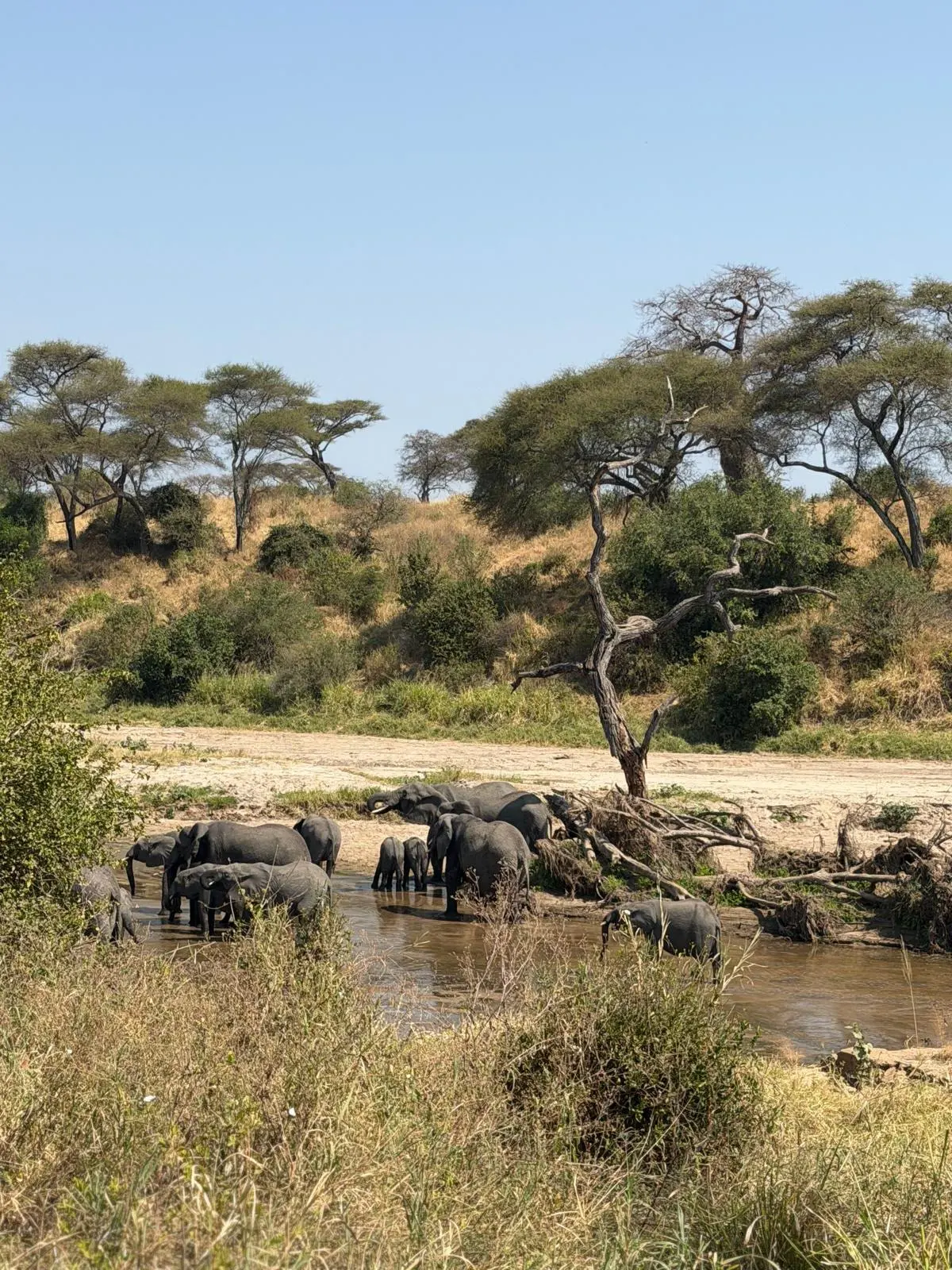
Tarangire National Park Guide
Ancient baobabs, big elephant herds and few crowds - Tanzania's hidden gem of the northern circuit.
Read guide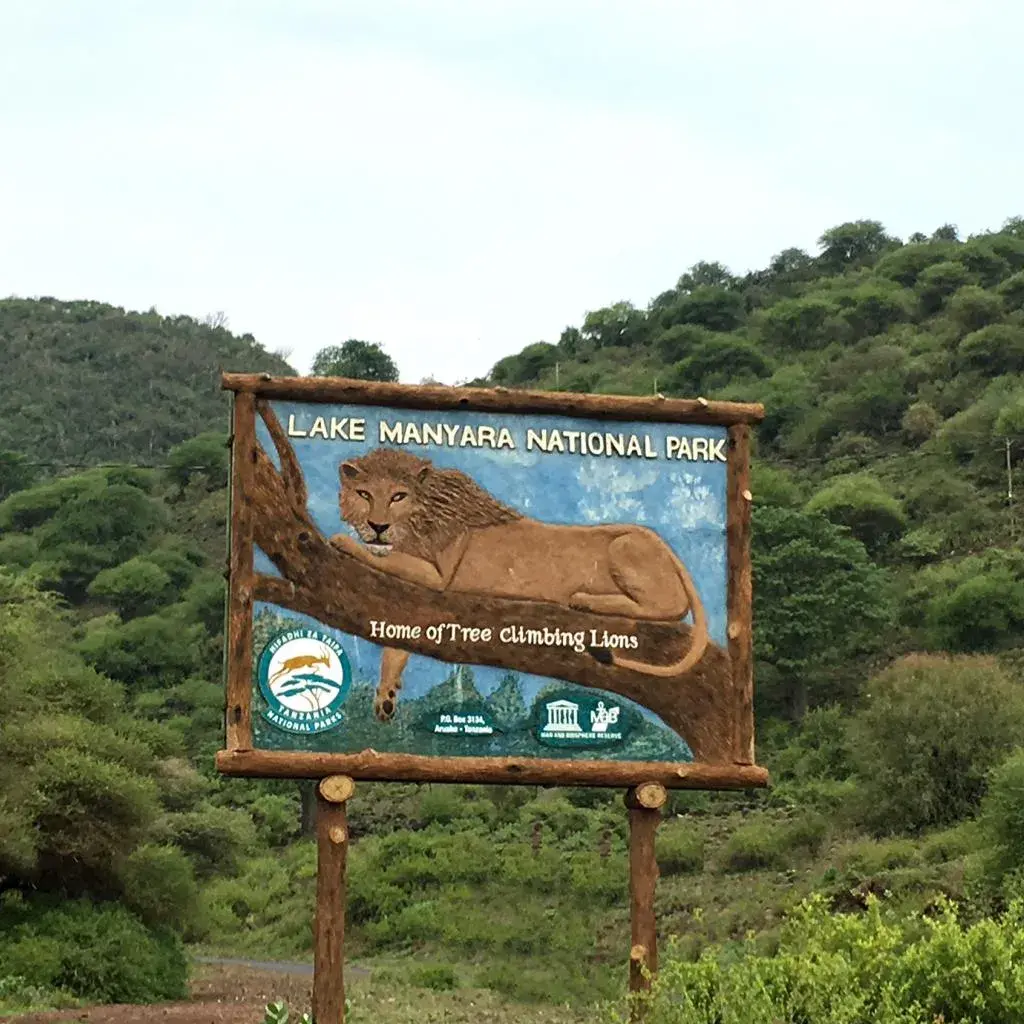
Lake Manyara National Park Guide
Tree-climbing lions, pink flamingos and lush groundwater forest at the foot of the Rift Valley wall.
Read guide