
Few places concentrate wildlife like the Ngorongoro Crater. A collapsed volcano that forms a container the size of a small city, complete with its own river, lakes, forest and a permanent population of lions, elephants, rhinos and flamingos - it is often called Africa's Garden of Eden, and it earns the name every single day.
What Makes the Crater Special
The Ngorongoro Crater is the world's largest intact volcanic caldera, roughly 20 kilometres across with walls more than 600 metres high. Animals that live inside rarely leave, which gives you one of the most reliable wildlife viewings in Africa: if a leopard sits on the Crater rim, it has probably been there for a year.
The crater floor is a miniature ecosystem - short grass plains, two salt lakes, the Gorigor swamps and the Lerai forest - that keeps a full food chain alive through both seasons. That is why, in a single morning drive, visitors regularly see lions hunting in the grass, elephants crossing the plains, and black rhinos sheltering near the walls.
Rhino stronghold
The Ngorongoro Crater is one of the easiest places in East Africa to see the endangered black rhino. About 30 individuals live in the caldera, and rangers track their location daily.
Game Viewing in the Crater
Dawn on the crater floor is the golden time. The descent starts at the rim gates, and within an hour you are among the densest big-mammal populations in the world. Large prides of lions patrol the short grass, while hippos and elephants gather around the lake edges, and almost 400 species of birds - crowned cranes, secretary birds, flamingos - fill the wetlands.
- Lions: several resident prides, easy to encounter hunting buffalo on the plains.
- Black rhinos: the famous Lerai Forest group and scattered individuals.
- Elephants: healthy bulls and herds among the acacia trees near the walls.
- Mbega and wildlife: plus zebra, wildebeest, hippos, and flamingos by the lakes.

Best Time to Visit Ngorongoro
Because the crater is self-contained, wildlife viewing is excellent in every season. The dry months (June to October) keep water sources concentrated and make animals easiest to find, while the green months bring more spectacular scenery, newborn young and far fewer vehicles on the crater floor.
Morning is non-negotiable
Vehicle traffic increases dramatically through the day, so book the earliest rim gate entry you can. You get the soft morning light, the active predators, and the still-soft atmosphere of the crater before the crowds arrive.
How Much Time Does It Take
A classic visit spends one day inside the crater, descending by 8 am and driving the loops until mid- or late afternoon. Travellers who want a slower rhythm often add a full second day, staying at a lodge on the rim and starting a second descent before breakfast.
| Style | Time inside | Best for |
|---|---|---|
| Highlights loop | 1 full day | First-time safari, efficient schedules |
| Leisurely/resident | 2 days | Photographers, luxury travellers |
| With Olduvai Gorge | Add 1/2 day | History & early-human museums |
The crater sits inside the wider Ngorongoro Conservation Area, a UNESCO World Heritage site. Most northern circuit itineraries combine a crater day with the Serengeti and Tarangire, because the roads between them are good and the park fees are structured for multi-day visits.
The Ngorongoro Crater is Africa in a teacup - everything you came for, served before lunch.
— Our lead safari guide
Frequently Asked Questions
How long should I spend at Ngorongoro Crater?
One full day on the crater floor is the classic choice and works well for first-time visitors: descend through the rim gates by 8 am, drive the loops until mid- or late afternoon, and you can cover the short-grass plains, the Lerai forest and both lakes. The caldera is roughly 20 kilometres across, so a single day comfortably reaches the main wildlife zones.
Serious photographers and slow-paced travellers usually add a second day, staying in a rim lodge so they can descend again before first light, when predators are most active and the crater is still quiet. Because it sits on the same plateau, you can also bolt on a half-day at Olduvai Gorge and its early-human museum on the way out.
Can I see the black rhino in the crater?
Yes - the Ngorongoro Crater is consistently one of the most reliable places in East Africa to see the endangered black rhino. Around 30 individuals live inside the caldera, rangers track their daily positions, and most visitors see at least one grazing on the open short grass near the crater walls.
The recipe is a dawn descent and a guide who watches for the ranger vehicles that mark the rhino locations. Expect a distant but unobstructed view in soft morning light rather than a close encounter, so bring binoculars - this is the one sight on the trip where they pay for themselves.
Is the crater included in the Serengeti safari?
Not automatically - the Ngorongoro Crater sits inside the wider Ngorongoro Conservation Area and is billed separately from Serengeti National Park. You book the crater as a dedicated day with its own entrance and vehicle fees, charged per visit rather than per day, which keeps a one-day descent very workable.
Standard northern circuit itineraries almost always include that crater day, because it lies directly between Tarangire and the Serengeti on the main route and the roads between all three are good. Most operators build it in as the centre of the classic Tarangire - Crater - Serengeti loop, so just confirm your quoted tour lists it explicitly.
Prefer to leave the planning to us?
Tell us your dates and interests — our local team will craft a free, tailor-made itinerary around this guide.
Plan My SafariKeep Reading

Serengeti National Park Guide
Where the great migration roars across endless plains - the best areas, seasons and ways to explore the Serengeti.
Read guide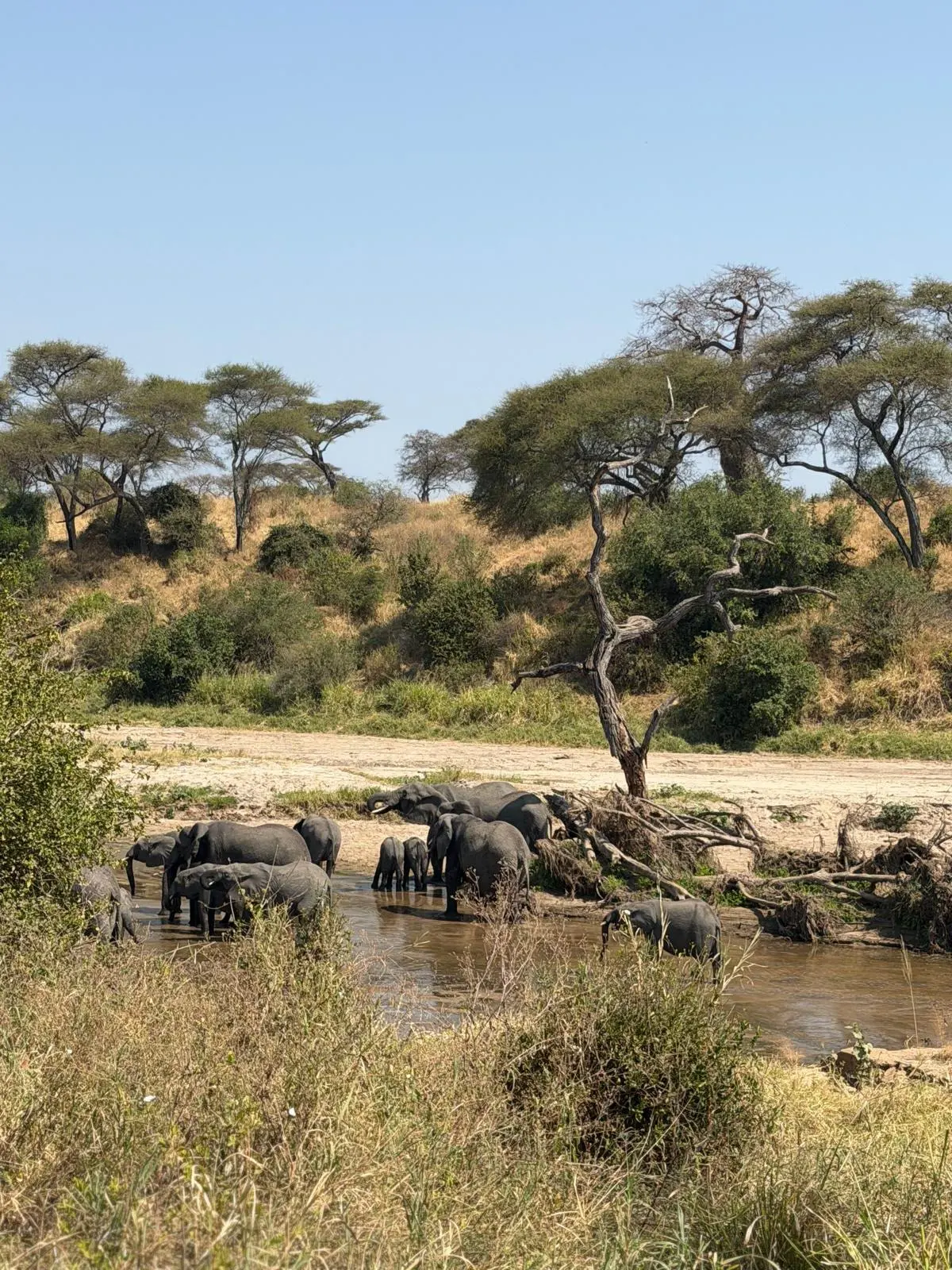
Tarangire National Park Guide
Ancient baobabs, big elephant herds and few crowds - Tanzania's hidden gem of the northern circuit.
Read guide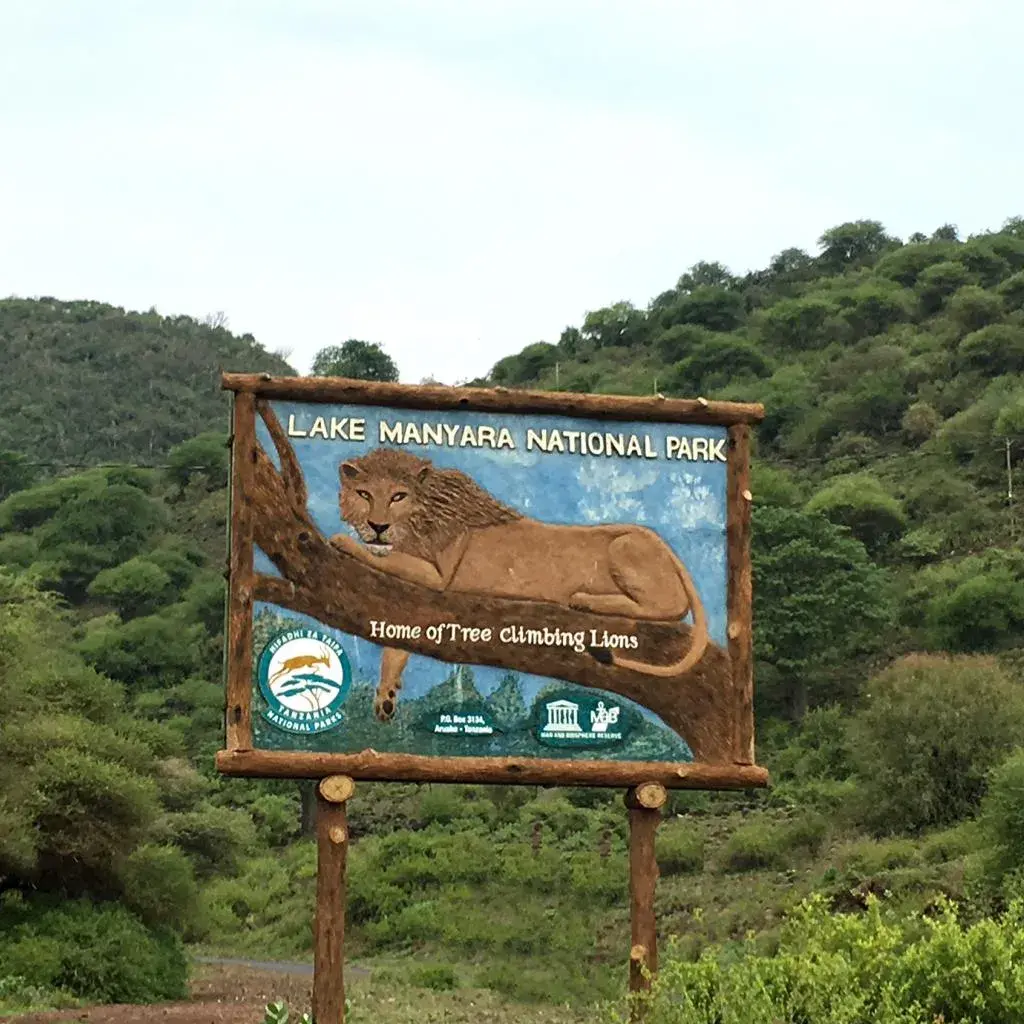
Lake Manyara National Park Guide
Tree-climbing lions, pink flamingos and lush groundwater forest at the foot of the Rift Valley wall.
Read guide