
Mount Kilimanjaro is Africa's rooftop - a freestanding snow-cap on the equator that draws around 35,000 trekkers a year to its 5,895-metre summit. This complete guide covers the essentials that matter most: choosing a route, timing your climb, what it costs, and the simple truth about what makes summits succeed.
Kilimanjaro at a Glance
Kilimanjaro National Park protects the mountain and its five vegetation zones, from lush rainforest at 1,800 metres to the lunar landscapes and glacier ice above 5,000 metres. The main summit, Uhuru Peak on Kibo, sits at 5,895 metres - the highest point in Africa and one of the Seven Summits.
Because the mountain is a walk-up volcano rather than a technical alpine peak, almost anyone with reasonable fitness and the right plan can attempt it. The challenge is altitude, not climbing skill: success is decided by time on the mountain, not strength in the legs.
Atsu mountain by the numbers
Summit height: 5,895 m (Uhuru Peak). Climb duration: 5-10 days. Altitude gained at summit night: roughly 1,200 m from the final camp. Success rate: 85-95% on the longer, slower routes.
Choosing Your Route
Kilimanjaro has seven official routes, and route length is the single biggest factor in summit success. The longer routes - Lemosho, Northern Circuit and (on Lemosho paths) Umbwe - climb slowly and enjoy success rates well above 85%; the shorter Machame and Marangu routes are faster but harder on your body.
- Lemosho (7-8 days): best balance of scenery, low traffic and success rate.
- Northern Circuit (8-9 days): the longest and most remote, highest success rate.
- Machame (6-7 days): scenic and popular, the classic "whiskey" route.
- Rongai (6-7 days): gentle, dry, and the only route starting from the north.
- Marangu (5-6 days): the "coca-cola" route with hut accommodation.

Best Time to Climb
Climbing is possible all year, but the two dry seasons - January to early March and late June to October - offer the clearest skies and calmest summit nights. The so-called green season (March to May and November) brings rain, cloud and snow on the summit, but cheaper prices and few crowds for prepared trekkers.
| Season | Weather | Crowd |
|---|---|---|
| Jan - Mar | Clear, warm, drier | Moderate |
| Jun - Oct | Dry, cold summit nights | Peak season, busy |
| Apr - May | Wet, misty, snowy summit | Very quiet |
| Nov - Dec | Short rains, green scenery | Quiet |
What a Climb Costs
Kilimanjaro climbs are priced per person and include park fees, crew (guides, porters, cooks), meals, camping or hut costs and support staff wages. Realistic budgets run from about USD 2,200 for an efficient 6-day group climb to USD 4,500-6,000 for a premium longer route with full service.
- Budget (6 days, Marangu/Machame): USD 2,200-2,800 on a join-in group.
- Mid-range (7-8 days, Lemosho): USD 2,800-4,000 with quality crew.
- Premium (8-9 days, all-inclusive): USD 4,500-6,000, boutique service.
- Always ask what gear, sleeping, meals and tipping policy are included.
The Recipe for Success
- Pick a 7+ day route - more acclimatisation days than gear days.
- Train for 10-12 weeks on steeps, not just distance.
- Climb slowly, hydrate, and eat even when you lack appetite.
- Sleep well before summit night and follow your guide's pacing.
- Know the rules of altitude sickness and never hide symptoms.
Kilimanjaro does not care how fit you are. It cares how slowly you climb.
— A veteran Kili mountain guide
Frequently Asked Questions
How hard is climbing Kilimanjaro?
Kilimanjaro is a trek, not a technical climb - no ropes, crampons, rock pitches or specialist skills are involved, and the whole route is simply walking uphill day after day. The real challenge is altitude, not athleticism: at 5,895 metres the air holds roughly half the oxygen available at sea level, so your body needs time to adapt far more than it needs raw strength. That is why success mostly comes down to three things - enough days on the mountain, a slow and steady pace, and managing hydration and food even when your appetite disappears. Altitude sickness can hit the fittest and the least fit alike, so the safest plan is a longer route, honest communication with your guide, and never hiding symptoms. A healthy, well-prepared trekker on a sensible itinerary has every chance of reaching Uhuru Peak.
Which route has the highest success rate?
The longer routes win, and the reason is simple arithmetic: more nights spent sleeping at altitude is exactly what prompts the body to acclimatise. The Northern Circuit (8-9 days) and Lemosho (7-8 days) consistently post success rates above 90%, because they climb gently through the rainforest and add a rest day around the Shira plateau before the summit push. The fast 5-6 day Marangu route holds the lowest success rate because it races the altitude curve, and the quick Machame version sits in the same camp. That is why a 7+ day Lemosho climb is our default recommendation for almost everyone - the one or two extra days on the mountain are the cheapest insurance policy you can buy for a successful summit, and they happen to be the most scenic days on the mountain too.
Can beginners climb Mount Kilimanjaro?
Yes - roughly half of everyone who attempts Kilimanjaro is doing a first high-altitude trek, so beginners are far from unusual on the trail. First-timers succeed when they respect three things: a route of at least 7 days for proper acclimatisation, an honest 10-12 week training plan built around hills and long weekend walks, and a guide they trust to control pacing, hydration and the call on when to descend. You do not need technical experience, expensive gear or extreme fitness - walking poles, warm layering for summit nights that can fall to -20°C, and mental stamina count for far more. If you can comfortably walk several hours with a light pack and are willing to take altitude symptoms seriously, Uhuru Peak is genuinely within reach.
Prefer to leave the planning to us?
Tell us your dates and interests — our local team will craft a free, tailor-made itinerary around this guide.
Plan My SafariKeep Reading

Kilimanjaro Climbing Guide
Your step-by-step planning guide to a successful summit - fitness, routes, gear and what each day feels like.
Read guide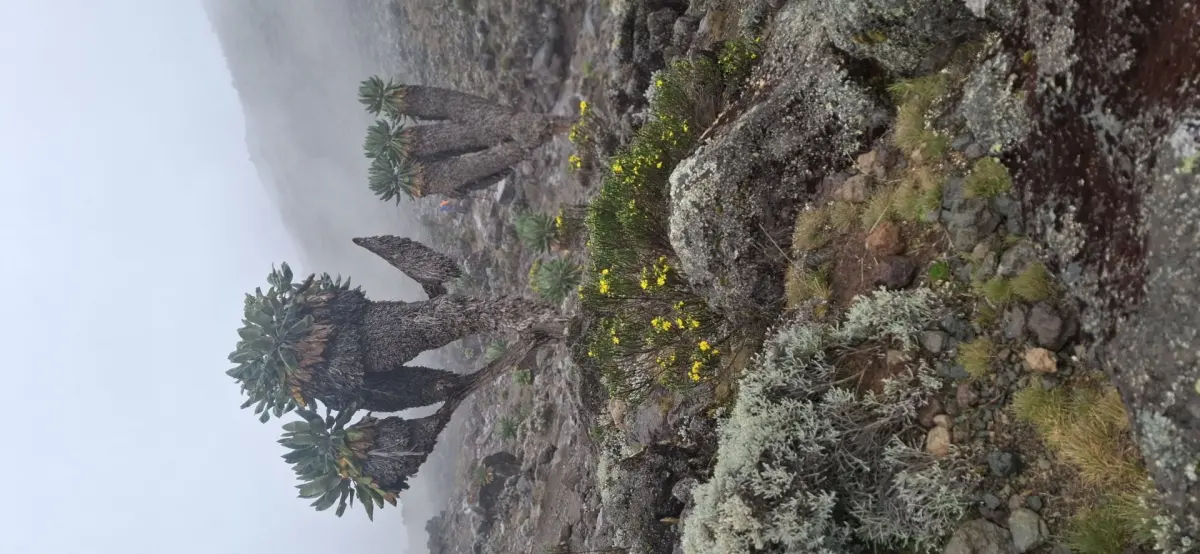
Best Time to Climb Kilimanjaro
Month-by-month weather on the mountain - pick the season with the clearest views and highest summit chances.
Read guide
Kilimanjaro Routes Compared
Machame, Lemosho, Marangu or Rongai? We compare scenery, difficulty, success rates and days on each route.
Read guide