
These are the questions we are asked most often, by email and in person, and they are grouped below by topic so you can jump straight to what you need. If your question is not here, send it to us and we will answer it properly rather than guess.
A good safari is not complicated, but it does reward a little preparation. This page is intentionally practical: what things cost, how the days run, what to bring, how to stay well, and how to travel with children or as a couple. The eight most-asked questions are collected at the bottom, and the full topic groups below cover the rest in more depth.
Start here
If you are new to safari, read the full Tanzania safari guide first — it explains how a safari works from the ground up and will answer most of the broad questions before they arise. Then use our cost guide and best-time guide to fix your budget and your dates. Everything else is on this page.
Still deciding?
Tell us your dates, how many of you are travelling and roughly what you would like to spend. We will suggest a route and send a full itinerary free, with no obligation to book.
Planning and logistics
How far in advance should I book? For peak-season travel between June and October, and for the Great Migration or the Ngorongoro Crater, book three to six months ahead. For the most sought-after lodges, or a festive-season trip, a year is not too early. In the shoulder and green seasons we can often arrange excellent trips at short notice through our local network, so it is always worth asking.
How many days do I need? Three days is the bare minimum for a taste of the northern circuit, but we recommend five to seven so you can visit several parks without spending your holiday in transit. A comfortable week covers Tarangire, Lake Manyara, two full days in the Serengeti and a descent into the Ngorongoro Crater.
Where do safaris start and finish? Most northern-circuit trips begin and end in Arusha or Moshi, reached via Kilimanjaro International Airport. The southern and western circuits typically start with a domestic flight from Dar es Salaam or Arusha to a bush airstrip.
Do I need a 4x4 or can I self-drive? Self-drive safaris exist in Tanzania but are not recommended for most visitors. Park navigation, wildlife knowledge, road conditions and vehicle maintenance all favour travelling with a professional guide, and a guided trip is usually better value once you count the costs honestly.
Can the itinerary be changed after I book? Yes. Our trips are tailor-made, and minor adjustments are normal. Anything that affects cost, such as adding a park or upgrading accommodation, is simply requoted for your approval before it is confirmed.
- Book three to six months ahead for peak-season travel.
- Allow five to seven days for a comfortable first safari.
- Start and finish in Arusha or Moshi for the northern parks.
- Expect a guided trip to be both easier and better value than self-drive.
- Small changes to an itinerary are normal and free until you confirm.
When to go and what the weather does
When is the best time to go? The dry season from June to October offers the most reliable wildlife viewing and pleasant, rain-free weather. January and February bring the wildebeest calving on the southern Serengeti plains and superb predator action. The green season from November to May is quieter, cheaper and beautifully lush.
How hot does it get? The parks sit at altitude, so daytime temperatures are usually comfortable rather than punishing, typically in the mid-twenties Celsius, with cooler mornings. The coast and Zanzibar are hotter and more humid. The equatorial sun is strong regardless of the temperature, so hats and sunscreen matter.
What about the rains? The long rains fall mainly from March to May and the short rains in November and December, usually as afternoon or night showers rather than all-day rain. The green season offers the best prices of the year, though some tracks and camps close at the height of the long rains.
Will the Great Migration be there when I travel? The herds move constantly with the rains, so the honest answer is that timing and location matter more than any single date. Our best-time guide and Great Migration guide set out where the herds are month by month.
There is no wrong season
Every month of the year offers something at its best — calving, predators, green scenery or sheer space. If your dates are fixed, tell us and we will build the trip around what is happening then.
Wildlife and game viewing
Will I see the Big Five? Lion, elephant and buffalo are regularly seen on the northern circuit, and leopard is a strong possibility with a good guide and enough time in the Serengeti. Black rhino is genuinely rare and effectively confined to the Ngorongoro Crater, where your chances are good. No honest operator promises all five, but most guests on a well-paced northern trip do very well.
How close will I get to the animals? Usually surprisingly close, because a vehicle is treated as a harmless object by most wildlife. Your guide will always keep a respectful and safe distance, and will never put an animal under stress for the sake of a photograph.
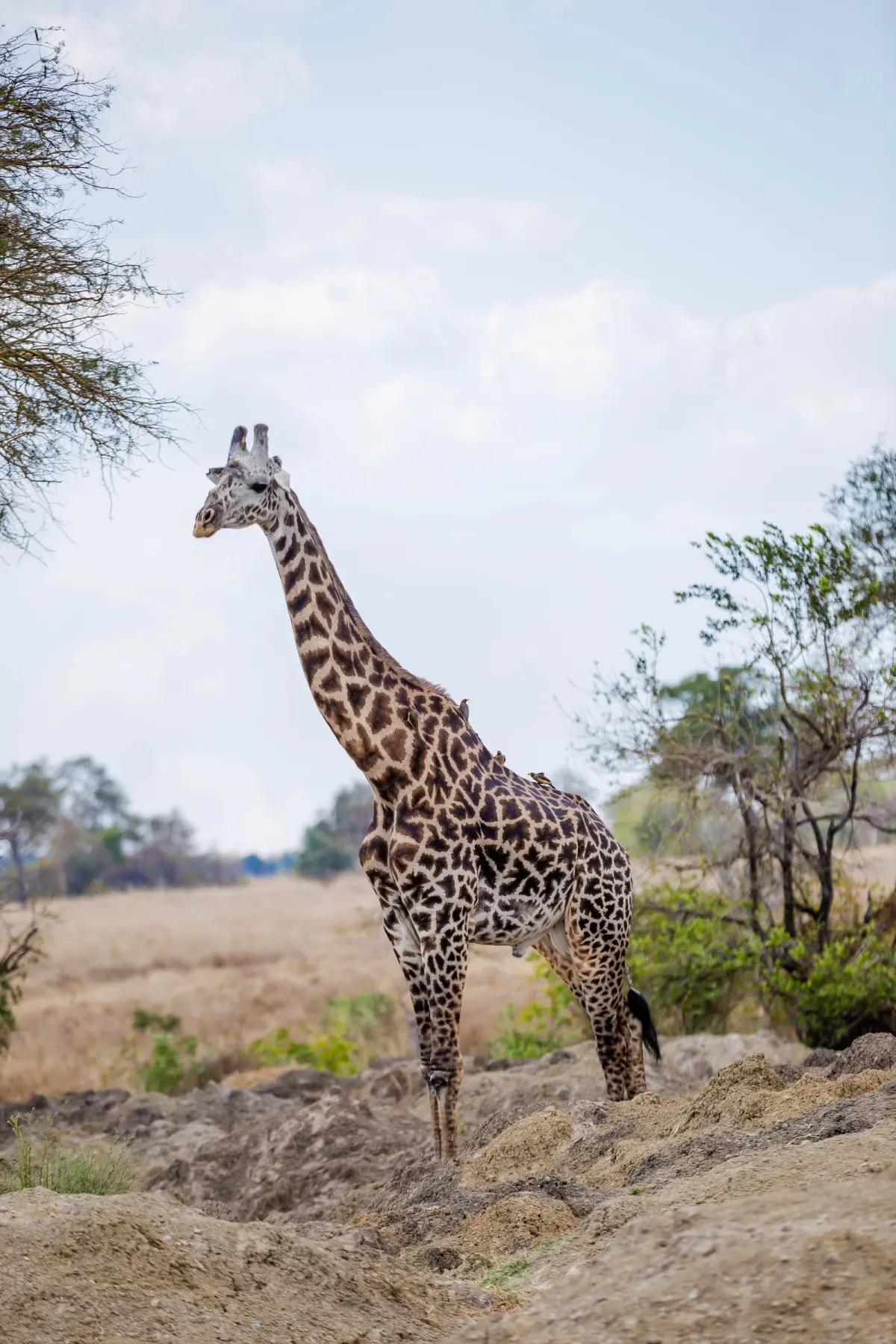
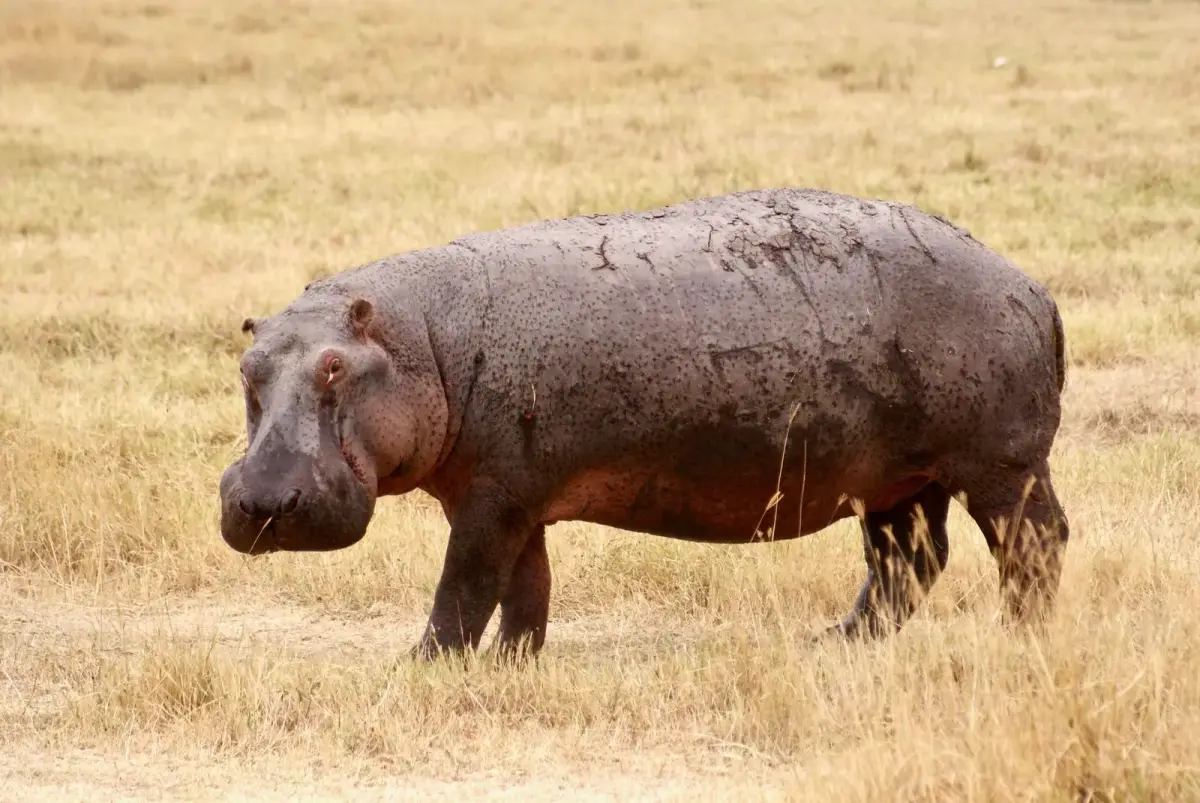
What else will I see? Giraffe, zebra, hippo, wildebeest, cheetah, hyena and dozens of antelope species, from the tiny dik-dik to the great eland. Tanzania also has over a thousand bird species, including the lilac-breasted roller and, at Lake Manyara, huge flocks of flamingos.
Are sightings guaranteed? No. Wildlife is wild, and no guide can promise a leopard on a given morning. What a good guide does promise is time, patience and the knowledge of where to look — which is why two full days in a park beat four rushed half-days.

Safari vehicles
What kind of vehicle will I be in? A purpose-built 4x4, usually a Toyota Land Cruiser, with a pop-up roof for standing and viewing. It is configured for game drives, with cool boxes for drinks, charging points for cameras and plenty of window space for everyone.
How many people fit in a vehicle? A safari 4x4 seats up to seven guests, but we prefer to travel with fewer so everyone has a window seat. On a private trip, the vehicle is yours entirely. On a group-joining safari, we cap the group so nobody is cramped.
Is it comfortable? Yes, on the whole. The roads between parks vary from smooth tarmac to rutted gravel, and some sections are genuinely bumpy, but the vehicles are built for exactly this and the discomfort is part of the adventure. Long transfer days are the ones to watch if you have a bad back.
Will I be able to charge my devices? Most safari vehicles have charging points, and lodges and camps usually offer power, though it can be limited or generator-based in remote areas. Bring a power bank and a spare battery as backup.
Guides and who you travel with
Do I get my own guide? On a private safari, yes — your own vehicle and guide for the whole trip, meaning you set the pace and the itinerary bends around you. On a group-joining safari, you share a vehicle and guide with other travellers on a fixed departure.
How much can a guide add? A great deal. A good guide is a naturalist, a tracker and a storyteller, and will find and explain things you would otherwise drive straight past. They are also your driver, your translator and often the highlight of the trip.
Do guides speak English? All our guides speak fluent English, and many speak additional languages. Tell us your preference when you enquire and we will match you with the right guide.
Can I choose a private or shared trip? Both are available. Private suits families, photographers, honeymooners and anyone who values flexibility. Group-joining trips are great value for solo travellers and couples happy to share the adventure.
Food and drink
What is the food like? Generally very good. Lodges and camps serve generous, freshly cooked meals, often blending international dishes with Tanzanian favourites. Vegetarian, vegan, gluten-free and other dietary needs are catered for well if you tell us in advance.
Can I drink the tap water? No. Drink bottled or properly treated water, which is provided on game drives. Avoid ice in remote areas, eat freshly cooked food, and peel your own fruit. This alone prevents most travel upsets.
Are drinks included? House water and often tea and coffee are included on game drives and at meals. Alcoholic and soft drinks are usually extra, though some luxury packages include them. The inclusions list on your quote will confirm exactly what applies.
What if I have allergies or dietary requirements? Let us know at the time of booking and we will pass the details to every lodge and camp on your route. Chefs are used to working around dietary needs and will prepare separate dishes where required.
Health and safety
Is a Tanzania safari safe? Yes — a safari is a very safe and comfortable holiday, and the parks and lodges are well managed. The main risks are ordinary travel ones: sun, dehydration, upset stomachs and the wildlife itself, all of which are easily managed with sensible precautions and by following your guide.
Do I need vaccinations or malaria tablets? Most travellers should confirm their routine immunisations and discuss hepatitis A, typhoid and yellow fever with a travel clinic. Antimalarials are commonly recommended for safari travel, alongside repellent and mosquito nets. This page is not medical advice — speak to a professional six to eight weeks before you fly.
Do I need travel insurance? Yes, always. Choose comprehensive travel and medical insurance that explicitly covers safari activities and medical evacuation. Check the wording rather than assuming; not every policy covers adventure travel.
How do I stay safe around wildlife? Stay with your guide at all times, never walk alone at night, keep a respectful distance from animals and follow every instruction you are given. The wilderness is not a zoo, and respect is what keeps both visitors and wildlife safe.
Never leave the vehicle unaccompanied
Except at designated safe points, always remain in the vehicle unless your guide says otherwise. This is not overly cautious — it is simply how a safari works.
Families and children
Can I take my children on safari? Absolutely, provided the trip is built for them. Shorter drives, a private vehicle, lodges with pools and space to run, and guides who are good with young travellers make all the difference. We generally suggest a minimum age of about five.
Is a private safari better for families? Almost always. A private vehicle means you can stop when the children need to, cut a drive short, or linger at something that fascinates them. It also removes the risk of your family disturbing other guests.
Do children get a discount? Many parks and lodges offer reduced rates for younger visitors, which can bring the family total down. Tell us the ages of your children and we will apply child rates wherever they apply.
What about teenagers? Older children often find safari genuinely transformative, and the photography, wildlife tracking and camping elements appeal especially. We can build in more active options such as short walks and village visits.
Couples and honeymoons
Is Tanzania a good honeymoon destination? It is one of the best in the world. Combine a private safari with a few days on the Zanzibar coast and you have privacy, romance, extraordinary wildlife and turquoise water in a single trip.
Can you arrange something special? Yes. We can arrange private dinners, sundowners in the bush, champagne in your room on arrival and upgrades where the lodges allow. Just tell us the occasion.
Will we be with other people? On a private safari, no — it is just the two of you, your guide and the wilderness. Many honeymooners also choose a private conservancy or an exclusive-use camp for the ultimate in privacy.
Should we safari before or after the beach? There is no wrong order, but many couples safari first and relax on the coast afterwards, ending the trip on a slow, restful note before flying home.
Money, tipping and connectivity
What currency should I bring? US dollars are widely accepted for tips, park extras and souvenirs, and Tanzanian shillings are useful for everyday purchases. Bring small, post-2006 US notes, as larger and older bills can be harder to change.
Do ATMs and cards work? Cards are accepted at larger hotels and lodges but unreliable in smaller places, and ATMs are scarce and sometimes empty in remote areas. Carry enough cash for tips and personal spending, and change money in small batches in towns rather than at the roadside.
How much should I tip? A common guideline is around US$15 to US$25 per day for your driver-guide, shared across the group, plus roughly US$5 to US$10 per person per day for lodge and camp staff. Tipping is discretionary and always appreciated.
Will I have phone signal and Wi-Fi? There is mobile coverage in and around most towns and many lodges, but it is patchy deep inside the parks. Wi-Fi is common at lodges but slow, and often absent at remote camps. Many guests buy a local SIM for data. Treat the unreliable connection as a welcome chance to switch off.
Can I charge my devices? Yes, most vehicles and lodges offer power, though remote camps may rely on generators with set hours. Bring a power bank, spare batteries and the right plug adaptor (the UK three-pin type is common).
Photography and packing
What camera gear should I bring? A camera with a good zoom is the most useful single item — a 100–400 mm range covers most wildlife. Bring spare batteries and plenty of memory, a dust-proof bag, and a bean bag or support for long lenses in the vehicle. Smartphones do well for landscapes and video.
What should I pack? Neutral-coloured, comfortable clothing, warm layers for cool early mornings, a hat, sunscreen, insect repellent, binoculars and good walking shoes. Avoid bright colours and camouflage-pattern clothing. A full packing list is sent with every booking.
What kind of luggage should I bring? Soft-sided bags are strongly preferred, both for the safari vehicles and for any light-aircraft flights, which have strict weight and size limits. Hard suitcases can be difficult to fit and may be refused on small planes.
Do I need binoculars? They transform the experience and are worth bringing even though guides usually have a pair in the vehicle. A compact, decent set lets everyone in the group watch at once.
A plug adaptor and a power bank
Two small items that make a real difference: the UK-style three-pin adaptor, and a power bank to keep cameras and phones alive on long game-drive days away from a socket.
Frequently asked questions
What is the best time to go on safari in Tanzania?
The dry season from June to October offers the most reliable wildlife viewing and pleasant weather, with wildlife concentrated around water and clear, rain-free skies. January and February are excellent for the wildebeest calving and predators on the southern Serengeti plains, while June to July is prime for the migration moving north. The green season from November to May is quieter and more affordable, with lush scenery, newborn animals and superb birding. Tanzania is a year-round destination, and the best month often depends on what you most want to see. If your dates are fixed, tell us and we will build the trip around whatever is at its best then — there really is no wrong month.
How much does a Tanzania safari cost?
A comfortable mid-range private safari typically starts from around US$350 to US$550 per person per day, with budget camping safaris from about US$250 and luxury trips from US$700 upwards. Those daily rates include park fees, a private 4x4 with guide, accommodation, meals and transfers. Your final price depends on the season, the number of travellers, the accommodation tier and how you travel between parks. Because park fees and the vehicle are charged per trip rather than per person, a group of four or six pays far less per head than a solo traveller. Multiply the daily rate by your nights to get an indicative total, and ask us for a written, itemised quote.
Which circuit should I choose?
The northern circuit — the Serengeti, Ngorongoro, Tarangire and Lake Manyara — is the classic first safari and the best all-round choice. It has the densest wildlife, the smoothest logistics and the widest range of accommodation, which makes it busy but reliable. The southern circuit, with Ruaha and Nyerere, is wilder, quieter and more remote, adding walking and boat safaris, while the far west offers chimpanzee tracking in Mahale and Gombe. Both reward repeat visitors who value solitude over variety. If you have one safari in you, start in the north; if you have already done the classics and want somewhere other vehicles rarely reach, head south or west.
Is a Tanzania safari safe?
Yes. A safari is a very safe and comfortable holiday, and the parks and lodges are well managed. The main risks are ordinary travel ones such as sun, dehydration and the wildlife itself, all easily managed by following your guide and taking sensible precautions — drinking plenty of water, wearing a hat and high-factor sunscreen, and never wandering off alone. Stay in the vehicle except where your guide says otherwise, keep a respectful distance from animals, and never walk unaccompanied at night between your room and the main lodge area. Comprehensive travel and medical insurance that explicitly covers safari activities and medical evacuation is always recommended, so check the wording before you fly.
Do I need a visa or vaccinations for Tanzania?
Most international visitors need a visa, which can be arranged online in advance or on arrival where eligible, and your passport should have at least six months of validity and several blank pages. A yellow fever certificate is required if you are arriving from a country with risk of transmission. Speak to a travel clinic six to eight weeks before you fly about routine immunisations, hepatitis A, typhoid and malaria prevention; antimalarials are commonly recommended for safari travel, along with repellent and mosquito nets. This is general information rather than medical advice, so confirm the details for your own nationality and health with a professional before you travel.
Can I go on safari with young children?
Yes, provided the trip is built for them. We generally suggest a minimum age of about five, and we plan family itineraries with shorter drives, a private vehicle and lodges that welcome children and have pools and space to run. A private vehicle means you can stop when the children need to, cut a drive short, or linger at something that fascinates them, without disturbing other guests. Many parks and lodges offer reduced child rates, which can bring the family total down — just tell us their ages. Teenagers often find safari genuinely transformative, and we can add active options such as short nature walks and village visits to keep them engaged.
What should I pack for a safari?
Neutral-coloured, comfortable clothing, warm layers for cool early mornings, a hat, sunscreen, insect repellent, binoculars and good walking shoes, avoiding bright colours and camouflage prints. Bring a power bank and a UK-style plug adaptor, since remote camps may rely on generators with limited hours, and pack soft-sided luggage because bush flights have strict weight and size limits and hard cases can be refused. A camera with a decent zoom is the most useful single extra, along with spare batteries and memory, a dust-proof bag and a bean bag for support. A full, season-specific packing list is sent with every booking, so you can pack with confidence.
Should I book private or group-joining, and how much should I tip?
Private gives you your own vehicle, guide and flexible itinerary, and suits families, photographers and honeymooners who value privacy and the freedom to change plans as the day unfolds. Group-joining shares a vehicle on a fixed departure and is great value for solo travellers and couples happy to share the adventure. On tipping, a common guideline is around US$15 to US$25 per day for your guide, shared across the group, plus about US$5 to US$10 per person per day for lodge and camp staff, handed to a manager to distribute fairly. Tipping is discretionary, and small US dollar notes are the most useful to carry.
Related safaris & guides

Ready to start planning?
Tell us your dates, group size and travel style. We will design a private Tanzania safari around you and send a full quote — free, with no obligation.