Tanzania hosts some of Africa's most spectacular wildlife viewing, from the big cats and elephants of the northern parks to the wilderness specialists of Ruaha in the south. This guide profiles the mammals you will actually meet on safari, where each is easiest to find, and the parks that deliver every one of them.
The Lions of Tanzania
Lions roam almost every major park, but the Serengeti's open plains and the Ngorongoro Crater floor offer the most reliable sightings of large prides hunting in daylight. Tree-climbing lions make Lake Manyara and parts of Tarangire famous; the crater's resident prides, fed by year-round resident prey, are among the most contented cats on Earth.
- Serengeti: the densest lion population in Africa, prides of 20+ animals.
- Ngorongoro: permanent crater prides, spectacular hunting on short grass.
- Tarangire / Manyara: tree-climbing specialists in the mature trees.
Leopards: The Quiet Professionals
Leopards are harder than lions but Tanzania's parks are leopard country. The Seronera valley in the Serengeti, the riverine woodland of the Ngorongoro Crater rim and Tarangire's handsome acacias and sausage trees all produce memorable sightings - often of a leopard draped across a limb, tail swinging like a metronome.
Elephants, Rhinos and the Big Herds
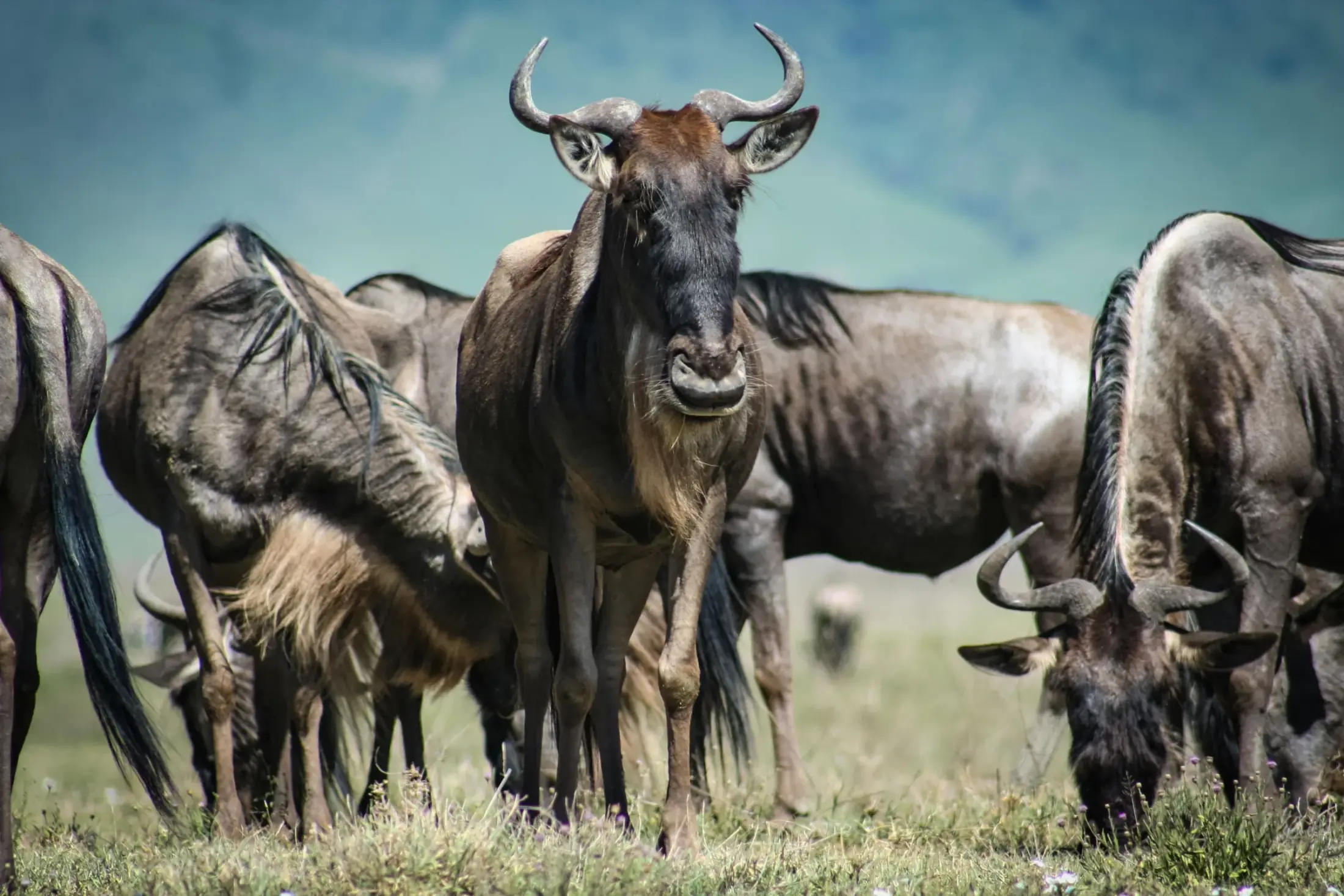
The elephant kingdom of Africa lives in Tanzania. Tarangire's dry-season concentration is the country's best, while the Ngorongoro Crater hosts one of the most reliable black-rhino viewings anywhere. On the open plains, wildebeest, zebra and eland build the immense herds that make the Serengeti famous.
| Species | Best park | Notes |
|---|---|---|
| Lion | Serengeti / Ngorongoro | Open plains, daily sightings |
| Leopard | Tarangire / Seronera | Trees and riverine woodland |
| Elephant | Tarangire | Herd numbers swell in dry season |
| Black rhino | Ngorongoro | Crater floor, reliable |
| Buffalo | Manyara / Tarangire | Often in noisy large herds |
Specialists, Giants and the Rare Cast
Beyond the headline cats, Tanzania rewards patient watchers with wild dogs on the southern circuit, cheetahs on the open Serengeti plains, and the blazing giant of the park world - the greater kudu - in Tarangire. The southern parks of Ruaha and Nyerere add lions that also climb trees, and the country's best wild-dog count.
Wild dogs call Tanzania home
Tanzania holds some of Africa's finest painted wolf (wild dog) populations, and the southern wilderness of Ruaha and Nyerere is the best place in the country to find them - packed into a safari few travellers see.
When Wildlife Is Easiest to See
The dry season (June to October) concentrates animals around water with thin cover, which makes game viewing easiest and most predictable. The green months trade some density for newborn young, lush scenery and nearly empty parks - which photographers and return visitors increasingly prefer.
Your safari plan, distilled
First timer in Tanzania? Let the Serengeti + Ngorongoro anchor your week, add Tarangire for elephants, and spend your remaining days exactly where the seasons point. A good operator keeps this simple.
In Tanzania the animals are not a sideshow - they are the reason most of the country remains wild.
— Our ecotourism coordinator
Frequently Asked Questions
What wildlife will I definitely see on a Tanzania safari?
On a classic dry-season visit to the northern circuit you should reliably meet lions, elephants, buffalo, zebra, wildebeest, giraffe and hippos - most within the first two game drives. Leopards prefer the riverine woodland of Tarangire and the Seronera valley in the Serengeti, where patient mornings draw excellent sightings, and black rhino are a regular feature on the Ngorongoro Crater floor. Cheetahs favour the open Serengeti plains and typically need a little more driving time, while wild dogs are best sought on the southern circuit in Ruaha and Nyerere. Sightings depend on season, park choice and how many full days you commit, not on luck alone. A well-designed itinerary built around the dry months makes near-certain what casual visitors call lucky.
Which is the best park for big cats?
The Serengeti is the strongest all-round choice, holding the densest lion population in Africa and superb leopard territories in the Seronera woodlands. The Ngorongoro Crater delivers the most theatrical lion sightings, with resident prides hunting on short grass beneath a dramatic volcanic rim. Tree-climbing lion specialists are the star turn around Lake Manyara and parts of Tarangire, while southern-circuit visitors find excellent lions and the best wild-dog viewing in Ruaha and Nyerere National Parks. For a single week, a Serengeti and Ngorongoro combination covers the greatest variety of big-cat encounters available in one trip. Each park simply does something different, so match your route to your favourite cat.
Are animals visible year-round in Tanzania?
Yes - the parks never close and wildlife is present in every month, but how easy it is to find changes with the season. The long dry season from June to October thins the bush and concentrates animals around permanent water, which is why the classic safari months bring the densest and most predictable viewing. The short dry window of January and February delivers calving on the southern Serengeti plains, with fewer crowds and lower prices. Through the green months of November to May you trade some density for newborn young, lush scenery and dramatically quieter parks. For photographers and return guests that calm isolation is often the better game.
Prefer to leave the planning to us?
Tell us your dates and interests — our local team will craft a free, tailor-made itinerary around this guide.
Plan My SafariKeep Reading
The Great Wildebeest Migration Guide
Follow the migration through the Serengeti and the Maasai Mara - where the herds are, month by month.
Read guide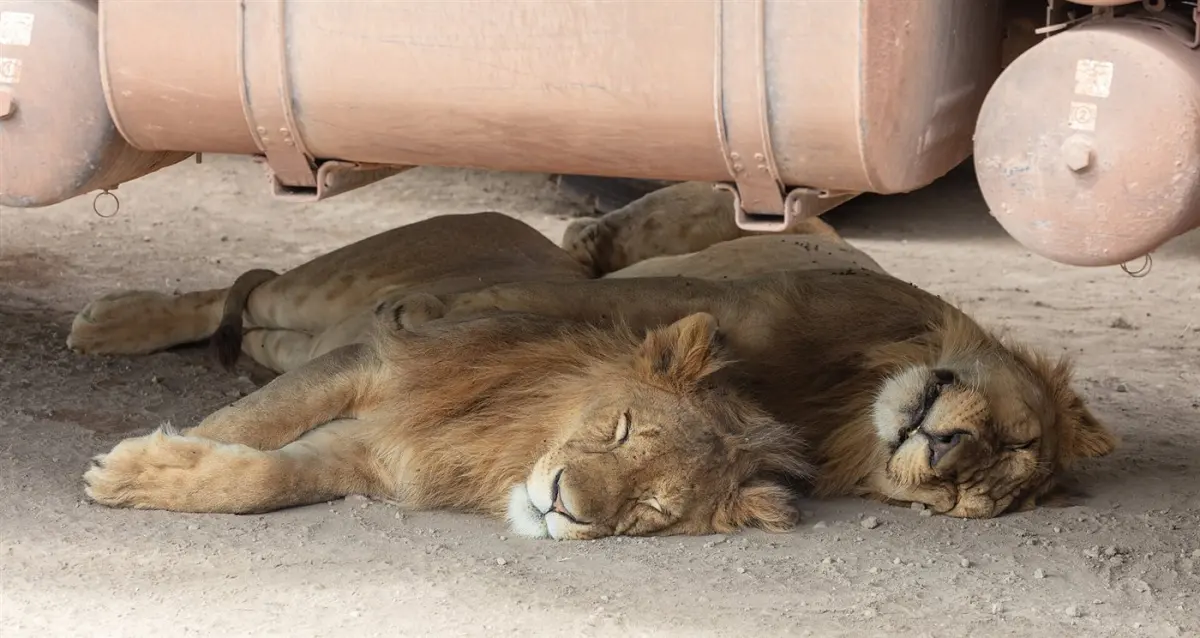
Tanzania's Big Five Guide
Where and when to find the Big Five - lion, leopard, elephant, buffalo and rhino - across Tanzania's parks.
Read guide
The Ultimate Tanzania Safari Guide
Everything you need to plan the trip of a lifetime - routes, seasons, budgets, packing and what to expect on the ground.
Read guide