
The Big Five - lion, leopard, elephant, buffalo and rhino - were so named by trophy hunters because they were the hardest animals to bring down on foot. Today they are the safari collector's set, and Tanzania is one of the few places on Earth where you can realistically tick all five in a single week. This guide tells you exactly where and when.
Ticking the Big Five in One Trip
The trick to a "clean sweep" is combining the right parks: lions and elephants come easy across the northern circuit, leopards are an early-morning woodland prize, and buffalo are guaranteed in Tarangire. The final piece - black rhino - is why the Ngorongoro Crater is on nearly every itinerary.
One crater, one rhino, often
Around 30 black rhinos live on the Ngorongoro Crater floor, tracked daily by rangers. A dawn descent with a driver who watches for the ranger vehicles gives most visitors the elusive fifth member of the set before lunch.
Where to Find Each of the Big Five
| Species | Surest park | When |
|---|---|---|
| Lion | Serengeti plains | Any season, early & late light |
| Leopard | Tarangire / Seronera | Early morning, river woodland |
| Elephant | Tarangire | Dry season (Jun - Oct) |
| Buffalo | Anywhere on the circuit | Year-round, grass-season herds |
| Black rhino | Ngorongoro Crater | Morning descent |
The Northern Circuit Recipe
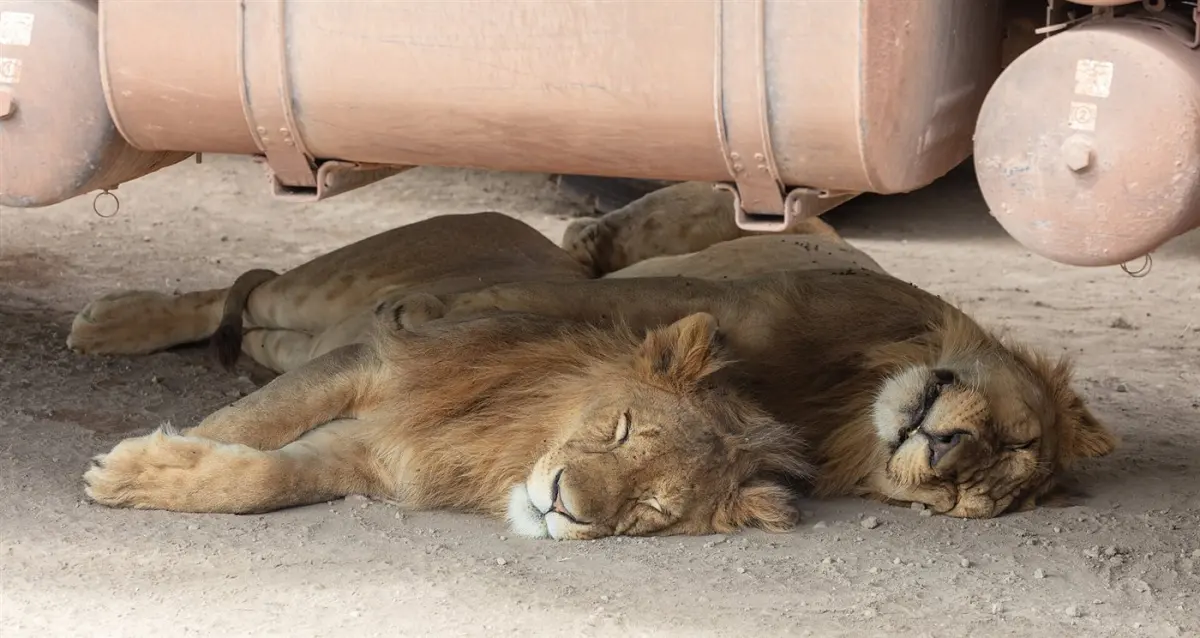
The classic five-in-one-week formula: start in Tarangire (elephant, buffalo, leopard at dawn), move on to the Ngorongoro Crater floor (lion, rhino, more buffalo), then let the central Serengeti finish the set with plains lion, cheetah and all the leopard sightings luck allows.
- Day 1-2 Tarangire: elephants, buffalo, early leopards in the river woodland.
- Day 3 Ngorongoro: the crater-floor Big Five double - lion and rhino.
- Day 4-6 Serengeti (Seronera): plains cats, drifts of zebra and wildebeest.
- Add Lake Manyara or Arusha if time remains - confidence and variety.
The Southern Circuit Alternative
If you prefer wilderness over checking boxes, Ruaha and Nyerere deliver the same five with a fraction of the traffic - plus lion prides that climb trees, secretive leopards, and some of the best wild-dog territory in Africa. The rhino may skip your southern week, however; for that one, the crater is simply the standard.
Patience beats mileage
Leopards and rhinos reward stillness, not extra hours. The best five-in-one safaris are paced with dawn drives and proper rests - a tired, rushing vehicle misses far more animals than a happy, rested one finds.
The Big Five are not difficult to see in Tanzania - only to stop looking at and still keep the car pointing home.
— One of our senior guides
Frequently Asked Questions
Can I see all of the Big Five in Tanzania on one trip?
Yes - a well-planned northern circuit of six to seven days normally ticks all five in a proven order. Tarangire covers elephant, buffalo and a realistic dawn leopard, the Ngorongoro crater floor delivers lion and the black rhino, and the central Serengeti finishes the set with plains lions, cheetah and whatever extra leopard sightings luck allows.
The two cards that need planning are leopard and rhino, but both are very beatable: a dawn drive through the Tarangire river woodland hunts leopards, and a first-light crater descent with a guide who follows the ranger vehicles finds rhinos. Add Lake Manyara or Arusha National Park only if time is left over - the clean sweep usually takes just the classic three-stop loop.
Which of the Big Five is hardest to find?
The black rhino is easily the rarest and most reserved, with only around 30 individuals living in the Ngorongoro crater and scattered handfuls elsewhere in the country. The crater is where almost all Tanzania sightings concentrate, usually as a distant shape on the open short grass in early morning, so that dawn descent is the sight to plan around.
Leopards are shyer than lions but far less scarce: the riverine woodland of Tarangire and the Seronera valley of the Serengeti produce regular first-light sightings for drivers who work the trees. Buffalo and elephant sit at the easy end of the set - in Tarangire during the dry season you will lose count of both.
What is the best time of year for the Big Five?
The dry season from June to October is best for each count and visibility: water sources shrink, animals concentrate around the rivers and pans, and the crater and Tarangire front their most reliable catalogues. Those months also line up with the Serengeti dry-season migration, which pulls predators straight into the central areas.
The green season can still complete the whole set, particularly in the crater and the central Serengeti where the big mammals are resident year-round, and it rewards you with lower prices and quieter roads. Either way, mornings are the golden hours - you will see more on a two-hour dawn drive than across the whole afternoon, every month of the year.
Prefer to leave the planning to us?
Tell us your dates and interests — our local team will craft a free, tailor-made itinerary around this guide.
Plan My SafariKeep Reading
The Great Wildebeest Migration Guide
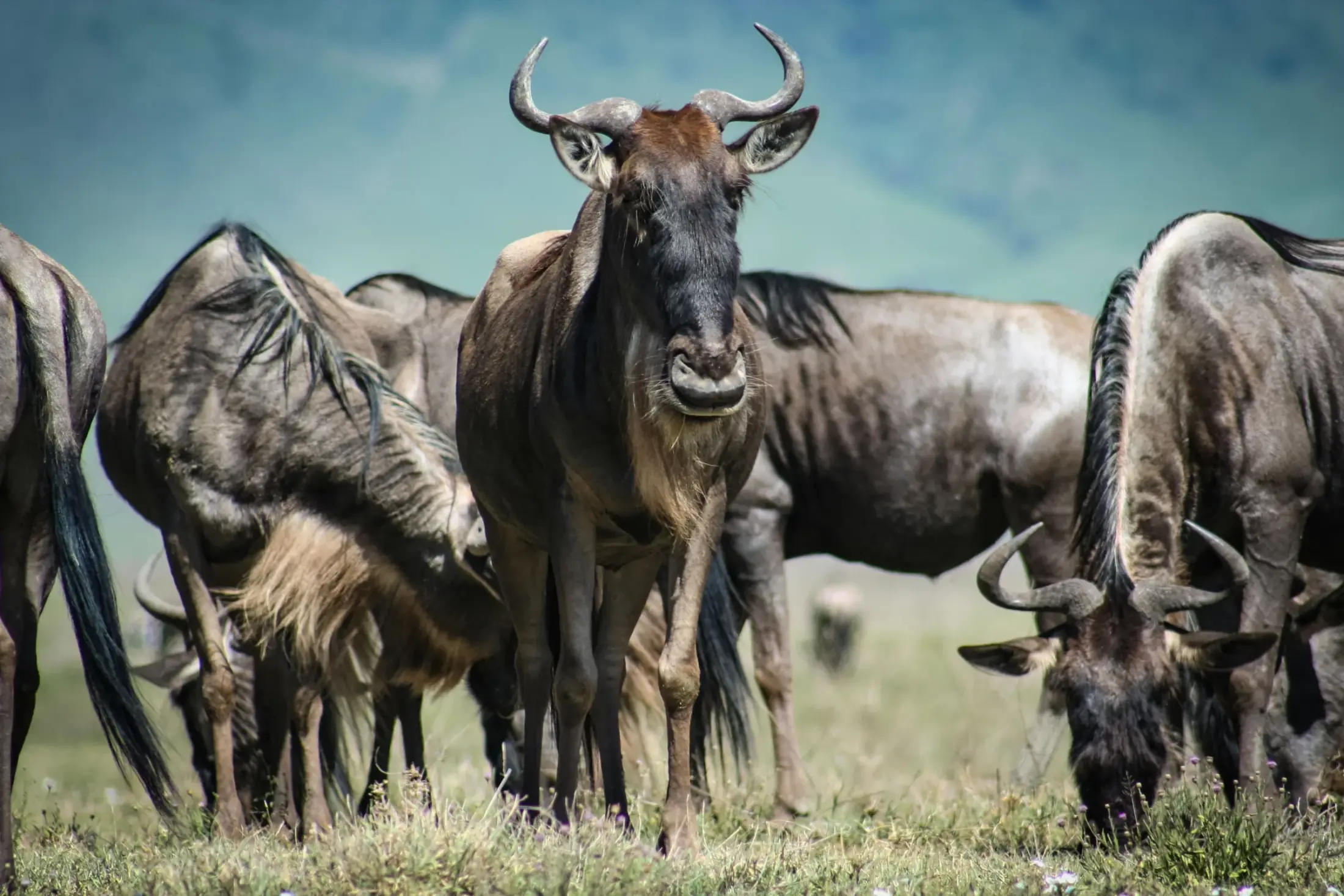
Follow the migration through the Serengeti and the Maasai Mara - where the herds are, month by month.
Read guide
Tanzania Wildlife Guide
Lions, leopards, elephants and more - Tanzania's incredible mammals and the best parks for spotting each one.
Read guide
The Ultimate Tanzania Safari Guide
Everything you need to plan the trip of a lifetime - routes, seasons, budgets, packing and what to expect on the ground.
Read guide