
Tanzania is the closest place on Earth to the Africa you have imagined: herds of wildebeest rolling across golden plains, elephants wandering under red sunsets, and snow-capped Kilimanjaro watching over it all. This guide pulls every essential we share with first-time visitors into one place, so you can plan your 2026 safari with confidence.
Why Tanzania Is the Ultimate Safari Destination
Tanzania protects around a third of its land for wildlife, which means the animals are everywhere, not squeezed into small reserves. The northern circuit alone - Serengeti, Ngorongoro, Tarangire, Lake Manyara and Arusha - offers more density and variety of safaris than almost any other country on the continent, all within easy driving distance of each other.
You also get two of the world's great natural spectacles: the yearly great wildebeest migration and the Ngorongoro Crater, a self-contained wildlife amphitheatre. For many travellers it is the perfect balance - extraordinary game viewing, dependable infrastructure, and Kilimanjaro climbing or Zanzibar beach time for dessert.
One third of Tanzania is protected
Tanzania devotes roughly 30% of its total area to national parks, game reserves, and conservation areas - one of the highest percentages of any country, and why wildlife seems so abundant on safari.
The Northern Circuit Safari Parks
Most first trips follow the northern circuit, a loop of parks that delivers dependable wildlife all year. Each park has a personality - the Serengeti for open plains and the migration, Ngorongoro for a crater full of lions and big herds, Tarangire for elephants among baobabs, and Manyara for flamingos and tree-climbing lions.
- Serengeti National Park - endless plains, the great migration, and Africa's best big-cat viewing.
- Ngorongoro Crater - a collapsed volcano with a permanent concentration of wildlife.
- Tarangire National Park - giant herds of elephants, baobab trees and far fewer crowds.
- Lake Manyara National Park - flamingos, ancient forests and the famous tree-climbing lions.
- Arusha National Park - a quick, scenic introduction with canoe safaris on Momela Lakes.
Best Time to Go on Safari
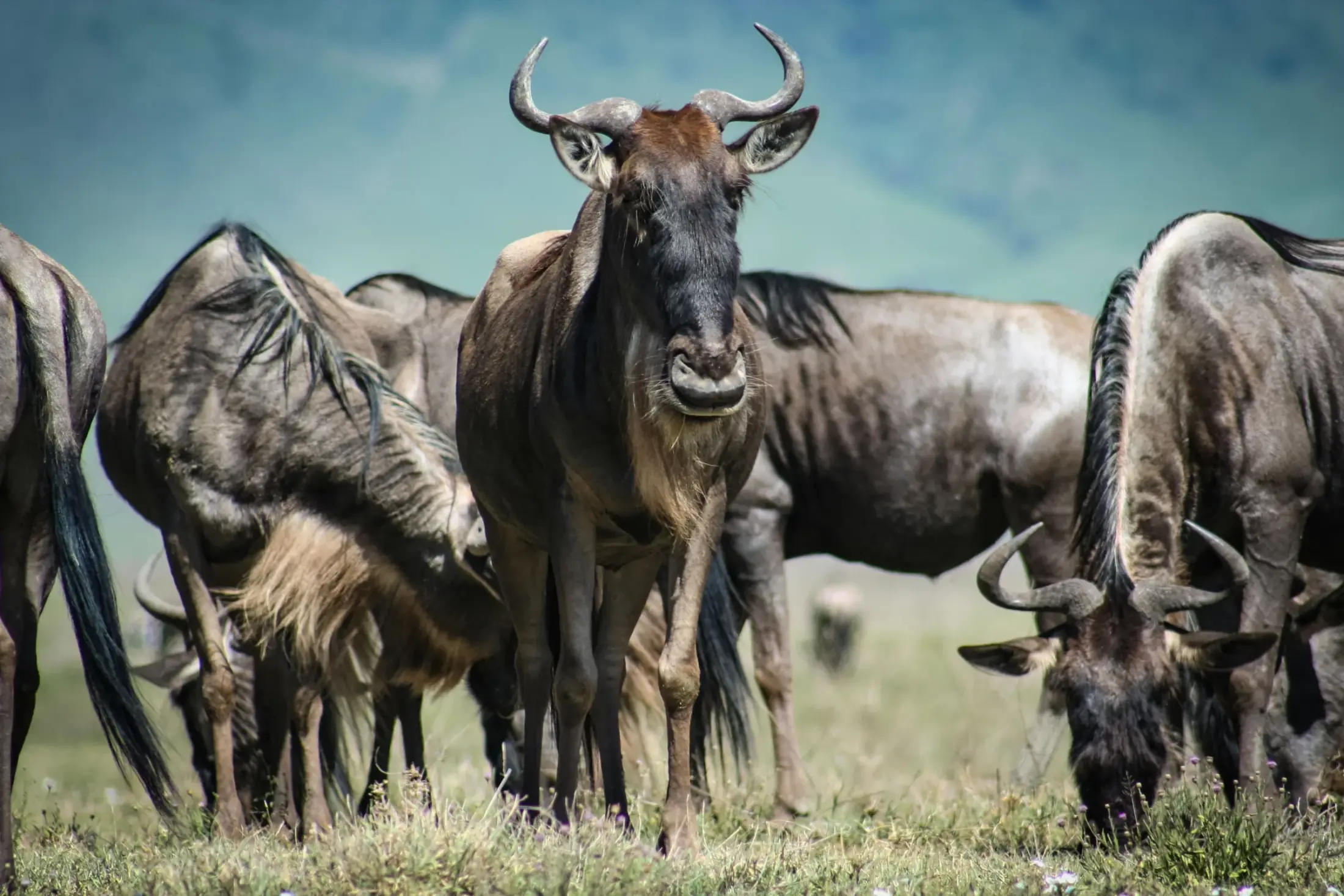
Tanzania has two dry seasons and two rainy ones, and each has real advantages. The long dry season from late June to October offers the thinnest bush, animals gathering at water, and the migration river crossings in the northern Serengeti. The short dry season in January and February is when calving happens on the southern plains and crowds are smaller.
| Season | Months | What it means for safaris |
|---|---|---|
| High / dry season | Late Jun - Oct | Best game viewing, river crossings, busiest and most expensive |
| Calving season | Jan - Feb | Herds on the southern plains with newborn calves, fewer crowds |
| Green season | Nov - Dec, Mar - May | Lush scenery, lower prices, young wildlife; some rain |
The value window
The green months of November, March and early May are dramatically cheaper, and the scenery is stunning. Safaris still run daily - only a few unpaved roads turn muddy when rains are heavy.
What a Safari Costs in 2026
Park fees dominate the bill and rise each year, so final prices depend on your parks, style of lodge or camp, and how many days you drive. As a planning guide, mid-range safaris run roughly USD 250-400 per person per day, luxury lodges from USD 500 up, and budget or camping trips from about USD 160-220.
- Mid-range (per person per day): USD 250-400, lodge or tented camp.
- Luxury (per person per day): USD 500-1,200, premium lodges and services.
- Budget / camping (per person per day): USD 160-220 with shared vehicles.
- Private vehicles cost more than group join-ins but add enormous flexibility.
Planning Your Itinerary
- Choose your dates, then lock your season to the parks you most want to see.
- Pick a minimum of 3 days in the Serengeti when the migration is a priority.
- Decide between joining a group safari or booking a private vehicle.
- Add a buffer day or two if you also want Kilimanjaro or Zanzibar.
- Book through a local operator a few months ahead for high season.
The best safaris are built slowly - more time in fewer parks always beats rushing between many.
— Our guiding team, Moshi
Frequently Asked Questions
What is the best time to visit Tanzania for a safari?
For classic game viewing the long dry season from late June to October is the sweet spot, when low grass and shrinking water concentrate wildlife and the migration herds mass in the northern Serengeti. January and February offer the calving season on the southern plains, with newborn wildebeest and zebra, far thinner crowds and noticeably lower prices. The green months of November, March and April bring lush scenery, young animals and the best lodge rates of the year, though some unpaved roads turn muddy after heavy rain. Weather patterns shift slightly every year, so let your park priorities and budget pick the season rather than chasing a single headline event.
How many days should a Tanzania safari last?
Five to seven days is the classic northern circuit length, typically three nights in the Serengeti plus a crater day and a night at Tarangire. Three full days in the Serengeti is the practical minimum if the migration and big cats are priorities, because the plains are enormous and game moves daily. Adding a seventh or eighth day lets you slow down, swap transfers for full game drives and absorb rest before Kilimanjaro or Zanzibar. Fast four-day trips work for busy schedules but cut the Serengeti deep, sacrificing the very reason most travellers come. A local operator will tell you the honest truth: more time in fewer parks always beats rushing between many.
Is Tanzania or Kenya better for a safari?
Both are world-class, but the two experiences are genuinely different. Tanzania protects roughly a third of its land, and its open parks - especially the Serengeti and the Ngorongoro Crater with dense elephant and lion populations - feel wilder, less fenced and often less commercial. The great wildlife migration spends most of the annual cycle on Tanzanian soil, with the famous river crossings visible in the Serengeti rather than mostly on the Kenyan side. Kenya offers shorter drive times, quicker access from Nairobi and the well-known Masai Mara crossings in high season. For vast space, dependable big-cat density and a border-to-border wilderness feel, Tanzania is the stronger bet for most first-timers.
Prefer to leave the planning to us?
Tell us your dates and interests — our local team will craft a free, tailor-made itinerary around this guide.
Plan My SafariKeep Reading

Best Time to Visit Tanzania
Green season or dry season? When to visit for the best wildlife viewing, climbing weather and beach days.
Read guide
Tanzania Travel Planning Guide
Your pre-trip checklist - flights, insurance, health and everything to sort before you land in Tanzania.
Read guide
Tanzania Visa Requirements
E-visa, visa on arrival and what you need at immigration - sorted, so landing is stress-free.
Read guide