
Zanzibar's beaches divide neatly into two personalities: the lively north and the quiet white-sand east. Choosing between them is the single biggest holiday decision on the island, so here is the honest guide to Nungwi, Kendwa, Paje, Jambiani and beyond - with the tide charts you will actually need.
The North Coast: Nungwi and Kendwa
Nungwi anchos the island's north tip with the widest, longest beach in Zanzibar, boutique sunset bars and a proper diving village where local boatbuilders still shape dhows by hand. Next-door Kendwa offers the same powder but with a tighter community and no high-season tide drama - water stays deep enough to swim at low tide.
- Nungwi: longest beach, diving schools, lively beachfront at sunset.
- Kendwa: calm shallows, quieter lanes, full moon parties in season.
- Best for: sunset dhow sails, snorkel trips, everything within walking distance.
The East Coast: Paje, Jambiani and Bwejuu
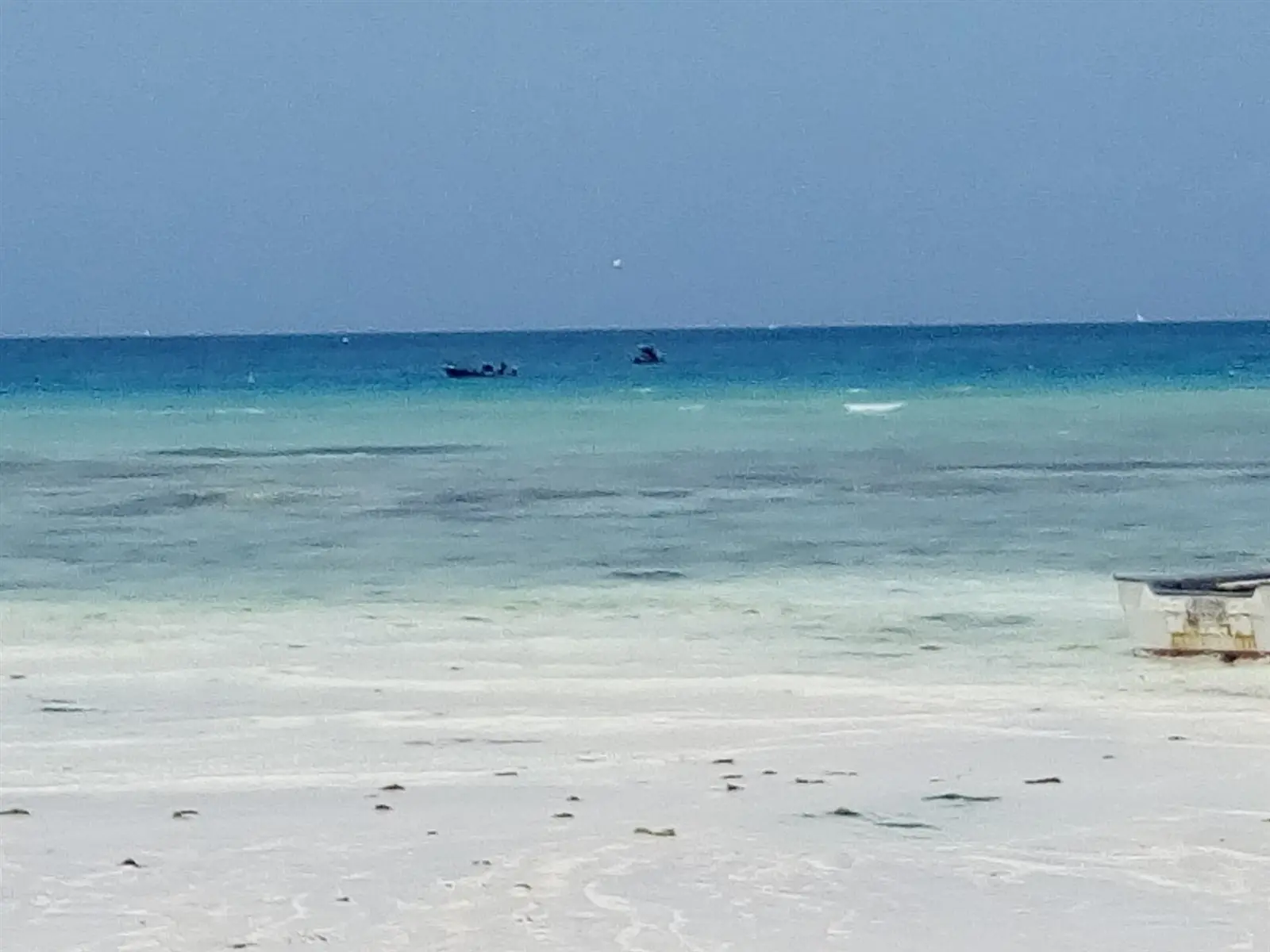
The east coast faces the open Indian Ocean and delivers the island's purest postcard whites - flat, glowing expanses of sand that turn silver at dawn. Paje anchors the kite season with year-round trade winds and a string of chilled beach cafés; Jambiani and Bwejuu south of it get quieter still.
| Beach | Vibe | Swimming | Best for |
|---|---|---|---|
| Nungwi | Lively | All tides (deep) | Divers, families, evenings |
| Kendwa | Relaxed | All tides | Kitesurf, honeymooners |
| Paje | Bohemian | Low tide sandbanks | Kitesurfing, digital nomads |
| Jambiani | Traditional | Tidal, quiet | Slow mornings, culture |
| Bwejuu | Private | Tidal, calm | Romantic stays |
The tide rhythm
Zanzibar's tides empty and fill the east coast by hundreds of metres twice a day. Morning swimming often becomes an afternoon sandbank game - a local boat trip out to a deeper sandbar handles the timing beautifully.
Which Beach Fits Your Trip
Divers and first-timers should favour the north coast, where deep water and activity density make everything effortless. Quiet honeymooners and kitesurfers gravitate to Paje and Bwejuu. Many travellers split nights: two in the north, two on the east - an easy 90-minute, scenic transfer between them.
- Families: Nungwi - the safest, easiest all-tide swimming.
- Couples: Kendwa or Bwejuu - privacy with service nearby.
- Kitesurfers: Paje, November to March and June to August.
- Culture & sunsets: Stone Town for two nights, then a coast.
Book your beach stand and boat wisely
Boat trips, snorkel gear and sunset dhows work best booked through your hotel or a trusted guide - beach touts mark up half-heartedly. Paying a small premium through your stay usually buys safety, fair schedules and better kit.
The north gives you everything on a plate; the east gives you time to realise that is the whole point.
— A Zanzibar beach manager
Frequently Asked Questions
Which is the best beach in Zanzibar?
For most first-timers, Nungwi on the north coast is the answer, because it delivers the complete beach holiday in one walkable strip: the widest, longest sand on the island, deep clear water at every tide, and restaurants, diving schools, boatbuilders and sunset dhows all within a few minutes of each other. It is also the most practical base for families and weaker swimmers, since you never have to time your swim around the tide. If your priority is pure, uncrowded white sand and slow mornings rather than facilities, the east coast villages - Paje above all - win easily, with their flat glowing expanses and reliable year-round breezes. The honest verdict is that the best beach depends on your style: pick Nungwi for convenience and water sports, the east coast for tranquillity, or split your nights between both coasts.
Is Nungwi or Kendwa better?
Nungwi is the livelier, better-equipped half of the pair: more hotels and restaurants, the most established diving schools on the island, the hands-on dhow-boatbuilding yard, and the famous sunset-and-fire-twirling beach strip. Kendwa is the calmer, tighter-packed neighbour, with gentler shallows, quieter lanes and fewer hard-sell touts, and its slightly deeper near-shore water means swimming stays easy through low tide. The two are separated by a pleasant 20-minute beach walk, so the popular move is to base yourself at one and visit the other for dinner or a sunset sail. Choose Nungwi if you want everything on your doorstep, or Kendwa if you want the same powder sand with a quieter rhythm.
Does the tide really matter for the east coast?
Yes - the tide is the single biggest practical difference between east and north, and it will shape every day you spend on the eastern beaches. The Indian Ocean empties and refills these shores by hundreds of metres twice a day, so the postcard lagoon you see at breakfast can turn into a wide, damp sand flat by mid-afternoon. That is easily managed: mornings are the golden swimming window, and a local boat trip out to a deeper sandbank turns the low-tide hours into a highlight rather than a disappointment. On the north coast the impact is minimal, because Nungwi and Kendwa keep deep water at all tides - exactly why divers and families gravitate there. Before booking, ask your hotel for the daily tide chart for your visit dates so you can time snorkel trips and beach sessions around the water.
Prefer to leave the planning to us?
Tell us your dates and interests — our local team will craft a free, tailor-made itinerary around this guide.
Plan My SafariKeep Reading

Zanzibar Travel Guide
Spice-scented streets, sandbank beaches and warm turquoise water - how to plan the perfect Zanzibar escape.
Read guide
The Ultimate Tanzania Safari Guide
Everything you need to plan the trip of a lifetime - routes, seasons, budgets, packing and what to expect on the ground.
Read guide
Serengeti National Park Guide
Where the great migration roars across endless plains - the best areas, seasons and ways to explore the Serengeti.
Read guide