
Discover Rumanyika-Karagwe National Park
Rumanyika-Karagwe National Park is one of Tanzania’s newest and most remote protected areas, tucked into the far north-west of the country in Kagera Region, close to the border with Uganda. Covering just 247 km², it packs a remarkable variety of habitats into a small area — open grassland, tall-grass woodland, equatorial montane forest, marshes and open water.
The park takes its name from King Rumanyika I Orugundu, who ruled the historic Karagwe kingdom from 1855 to 1882. Long before it was protected, this was the country of the Karagwe chiefdom, and in 1861 the explorer John Hanning Speke passed through on his search for the source of the Nile. The area was later gazetted as a game reserve and finally upgraded to a national park in 2019.
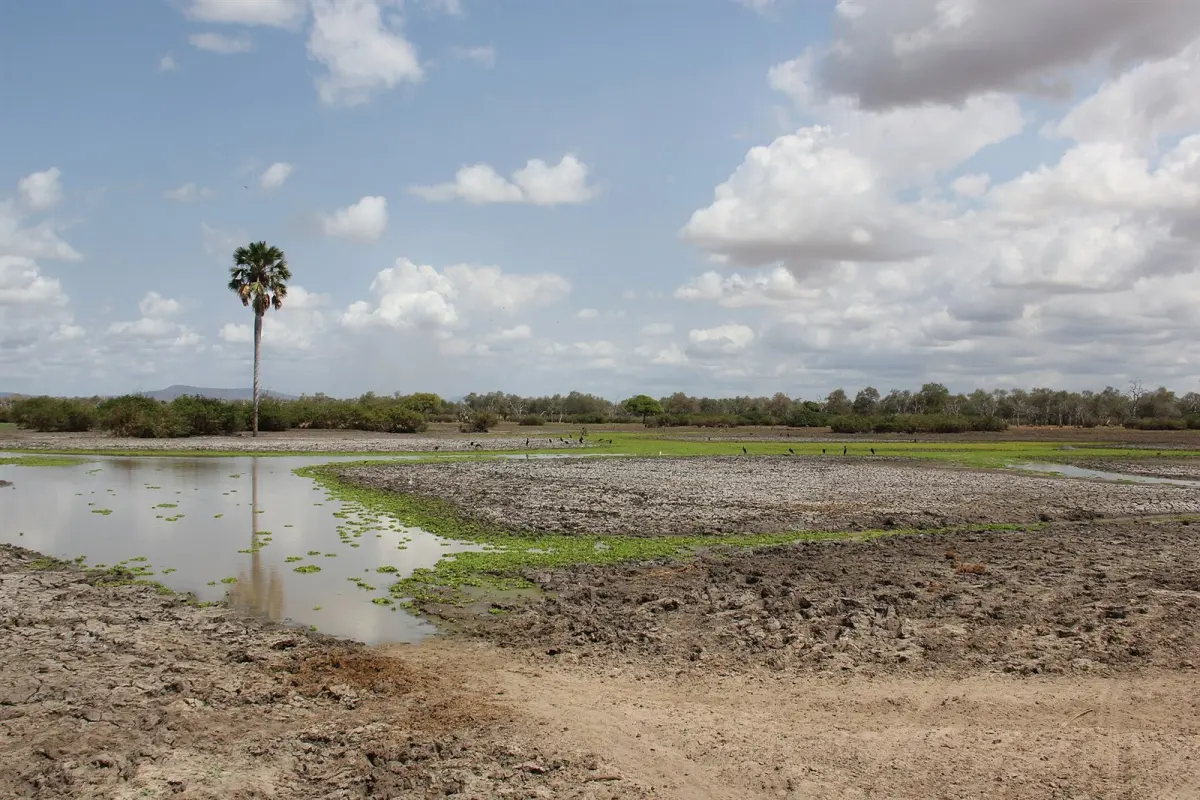
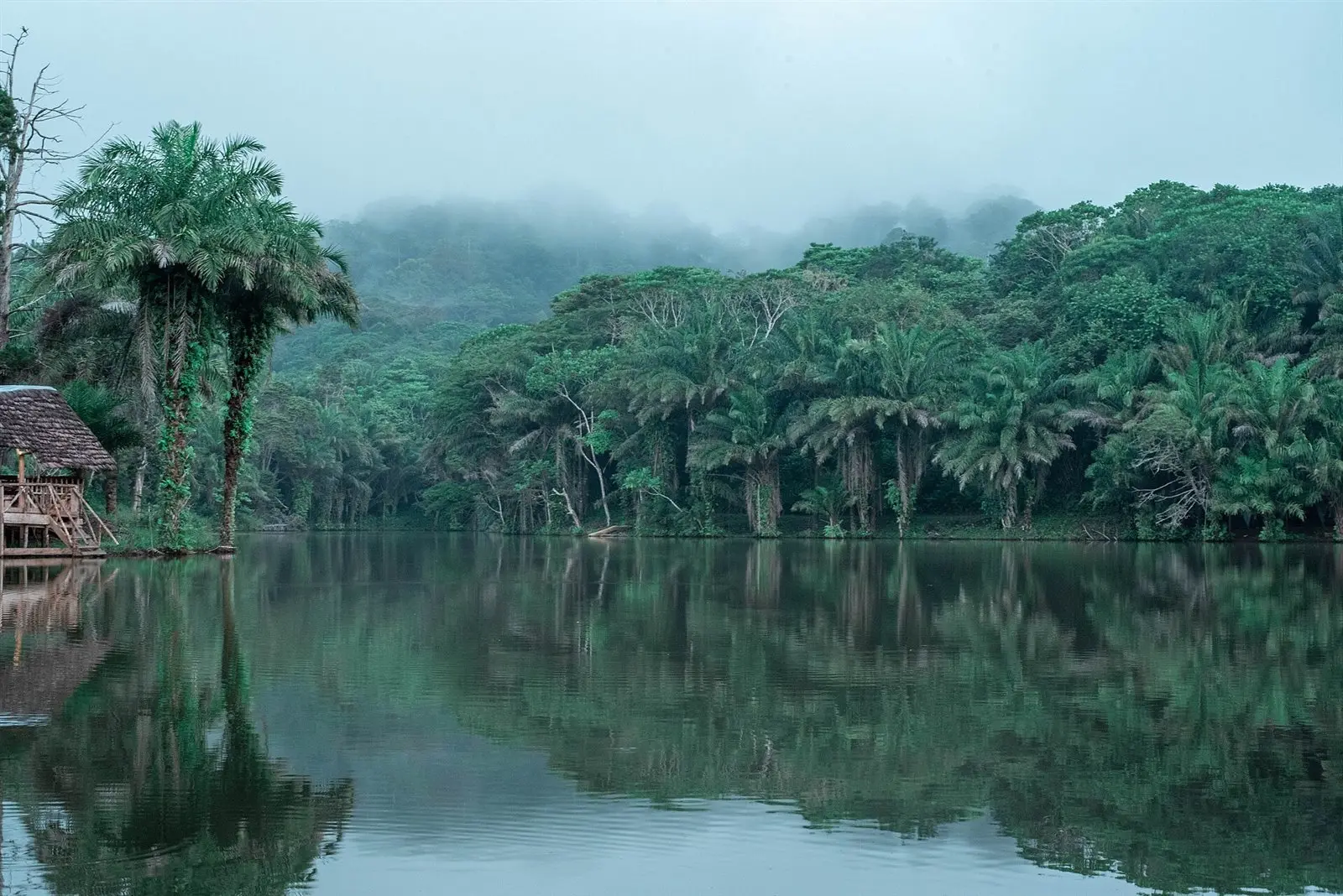
Its heart is a deep valley with a slow, winding river at the base, flowing into lakes and swamps that draw wildlife and waterbirds alike. Forest grows on the higher ground, where the altitude reaches around 1,700 metres and the nights are cool — a green, humid world very different from the dry plains of the north.
Rumanyika-Karagwe is a place for travellers who value solitude. There are no crowds, few vehicles and a genuine sense of discovery. It is one of three parks created together in Kagera, alongside Burigi-Chato and Ibanda-Kyerwa, and works best on a longer western Tanzania itinerary.
Why visit Rumanyika-Karagwe National Park
-
Equatorial montane forest
One of the few places in Tanzania where this lush, humid forest type survives, at over 1,700 m.
-
River, lakes & swamps
A deep valley with a slow river winding into lakes and wetlands that teem with life.
-
Over 300 bird species
Forest specialists, waterbirds and migrants make this a top destination for birders.
-
Wildlife in a small park
Buffalo, waterbuck, leopard, bushbuck and monkeys, with elephant and giraffe present.
-
A kingdom’s history
Named for King Rumanyika I Orugundu of the Karagwe kingdom, whose lands once stretched across the region.
-
Genuine remoteness
Few visitors, quiet tracks and a true off-the-beaten-path safari experience.
The Karagwe kingdom
Before it was a park, this landscape was the heartland of the Karagwe kingdom, a powerful chiefdom that flourished for centuries in what is now north-western Tanzania. It reached its peak in the nineteenth century under King Rumanyika I Orugundu, who ruled from 1855 to 1882 and gave the park its name.
Karagwe was a wealthy trading state with links across the region, and its capital welcomed visitors from far afield. In 1861 the British explorer John Hanning Speke and his companion James Augustus Grant were received by King Rumanyika while searching for the source of the Nile — one of the great journeys of African exploration.
The kingdom came to an end in 1962, when Tanzania abolished chiefdoms after independence. The land was set aside as a game controlled area in 1965, became a game reserve in 1974, and was finally upgraded to a national park in 2019 to protect its forest and wetlands.
A valley of forest, lakes and swamps
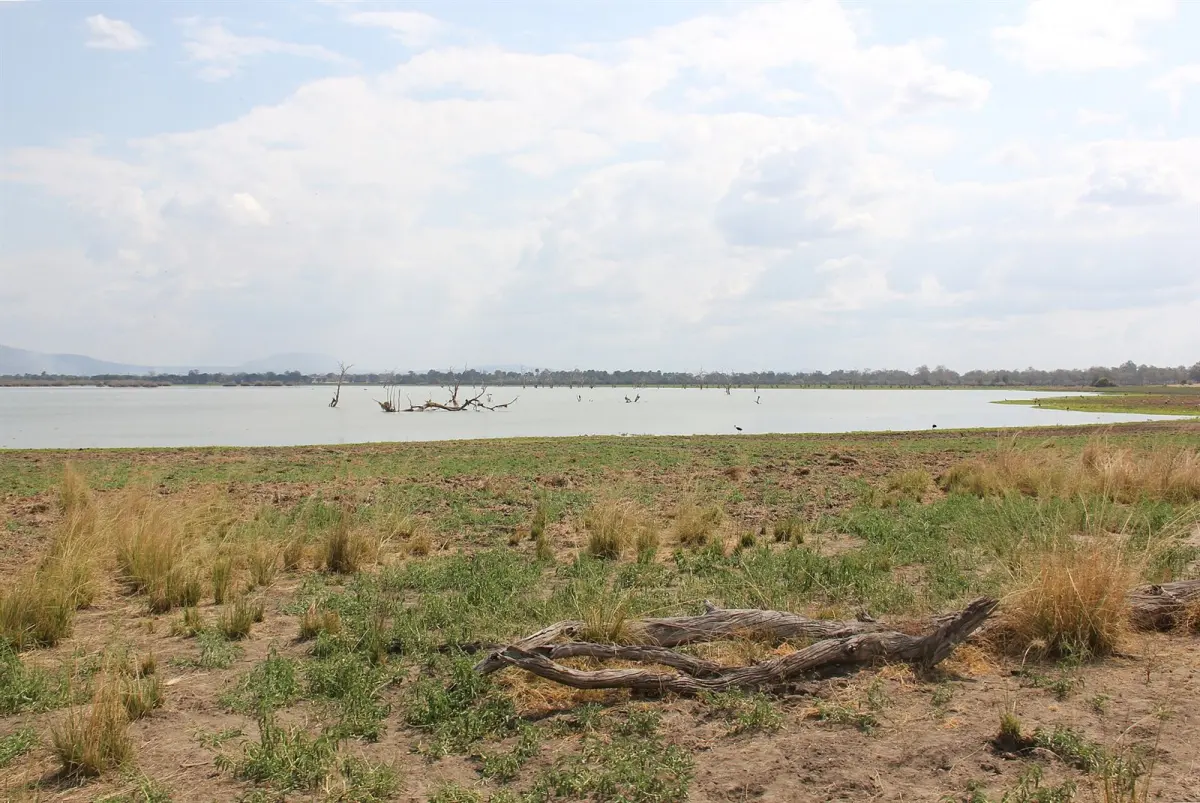
Rumanyika-Karagwe is built around a deep valley with a slow, meandering river running along its floor. The river feeds into a chain of lakes and swamps, creating a mosaic of open water, marsh and riverine forest that is unusually rich for such a small park.
The vegetation ranges from grassland and tall-grass acacia woodland on the lower slopes to medium-height equatorial forest on the higher, wetter ground above about 1,700 metres. This combination of habitats is rare in Tanzania and supports an exceptional diversity of plants and animals.
The Kagera River forms part of the park’s boundary, and a hot spring lies on the eastern edge — another hint at the region’s volcanic and tectonic history. The Omurushamboya dam sits at the centre of the park and attracts waterbirds year-round.
A haven for birders
For birdwatchers, Rumanyika-Karagwe is a quiet gem. More than 300 species have been recorded, a remarkable figure for a park of only 247 km², thanks to the mix of forest, woodland, marsh and open water.
The equatorial montane forest shelters specialist forest birds that are hard to find elsewhere in Tanzania, while the lakes and swamps draw herons, egrets, kingfishers, jacanas and many kinds of waterfowl. Woodland and grassland species round out the list along the park’s tracks.
Because visitor numbers are low, you can spend a morning watching a single wetland without another vehicle in sight — an increasingly rare pleasure in East Africa.
What you might see
The park protects a healthy community of savannah and forest-edge animals. Buffalo and waterbuck are regularly seen near the water, and the woodland shelters bushbuck, impala and the occasional leopard. Elephants and giraffes move through parts of the park, and troops of baboons and monkeys are common in the trees.
Game viewing here is gentle and exploratory rather than a big-five tick-list. The pleasure lies in tracking animals through thick habitat with a guide who knows the valley, and in the knowledge that you may be one of very few visitors that week.
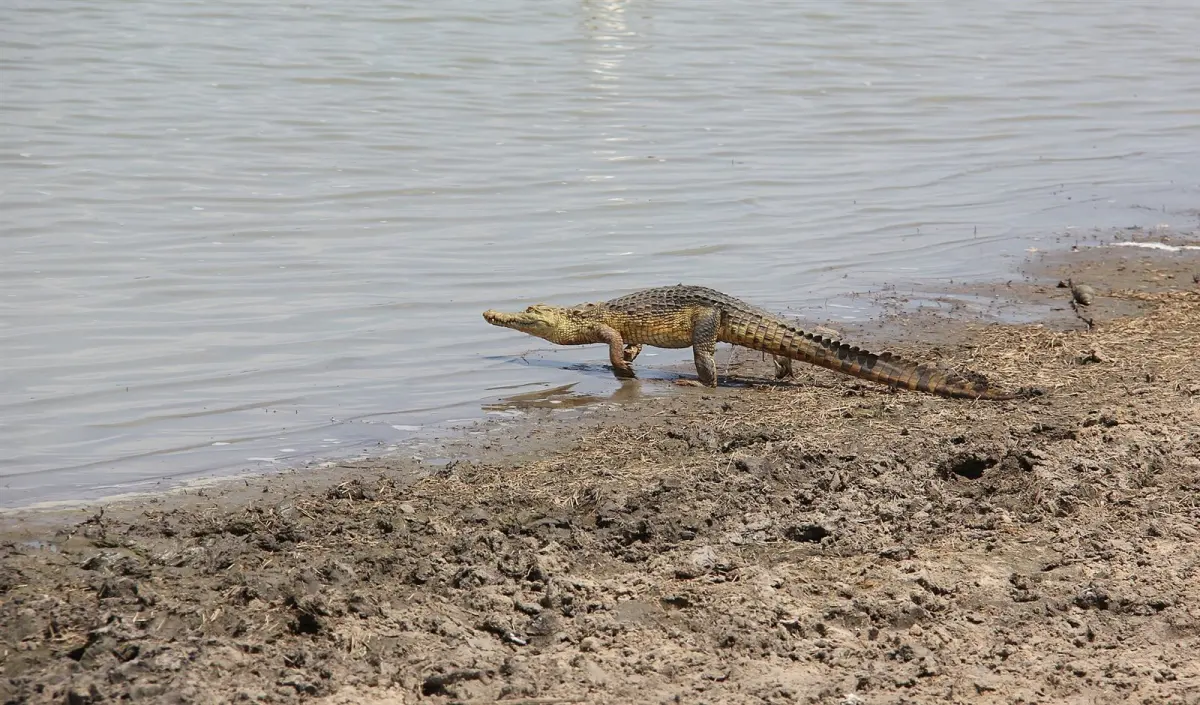
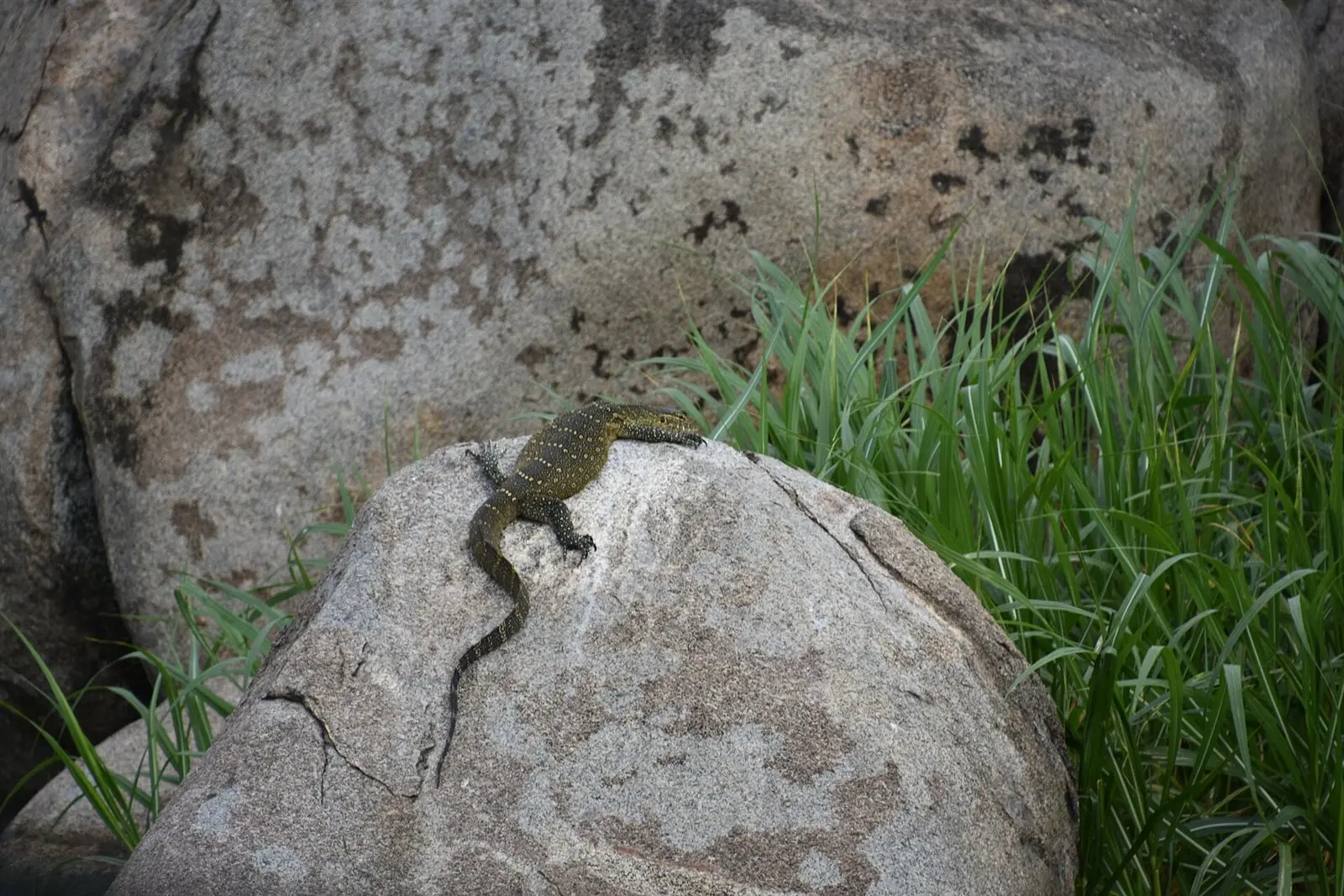
Smaller wildlife is abundant too — from monitor lizards and frogs around the wetlands to countless butterflies and dragonflies, all living off the rich mix of forest and water.
Visiting & getting there
Rumanyika-Karagwe is reached mainly from the regional capital Bukoba. By road it is about 185 km from Bukoba through Kyaka and Omurushaka to the Nyakatuntu gate in the south-east, or around 85 km from Kayanga through Kigorogoro. From Uganda, the Kikagati–Murongo border post lies about 8 km from the Rugasha gate in the north.
By air, you can fly to Bukoba or Chato and then take a light aircraft to the Ihanda airstrip in Karagwe District. A 4x4 with a driver-guide is essential, as roads can be rough, especially after rain. Facilities are basic, so plan your fuel, cash and supplies in advance.
The park has a visitor centre and public campsite near the Nyakatuntu gate and a permanent tented camp at Rugasha in the north. Combine it with Burigi-Chato and Ibanda-Kyerwa for a complete tour of the remote Kagera parks.
What you might see
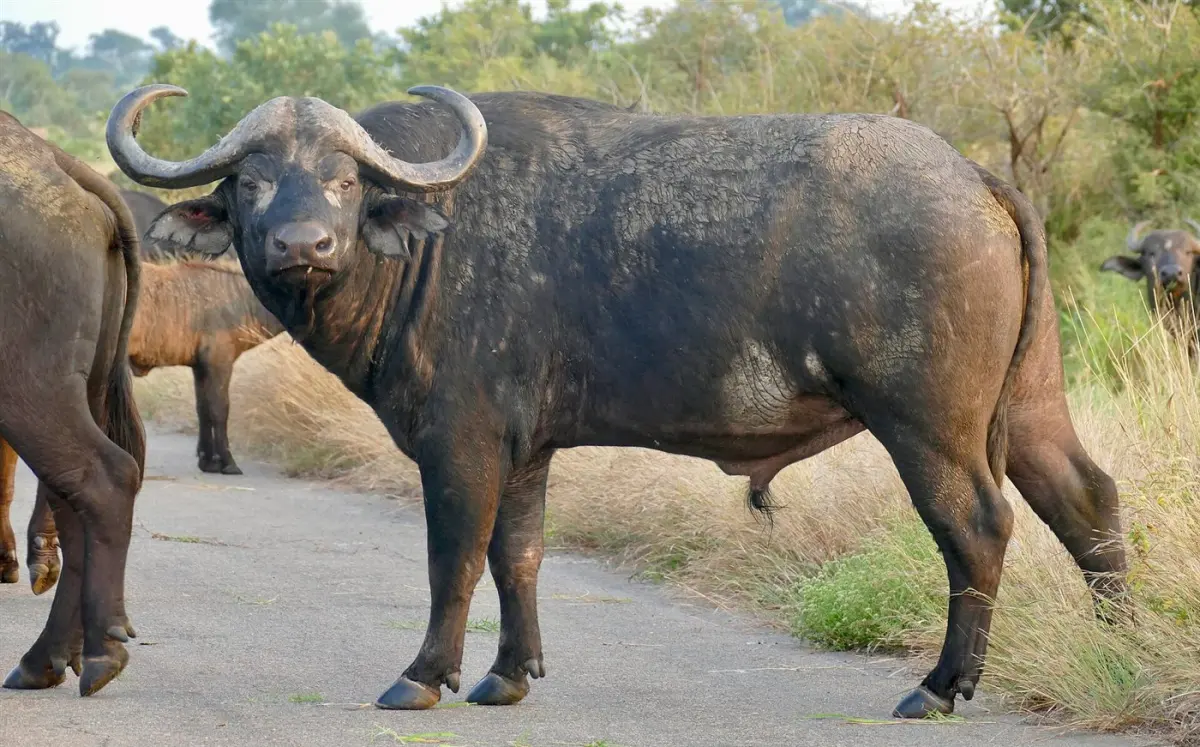
Buffalo
Large herds gather near the river, lakes and swamps, especially in the dry season.
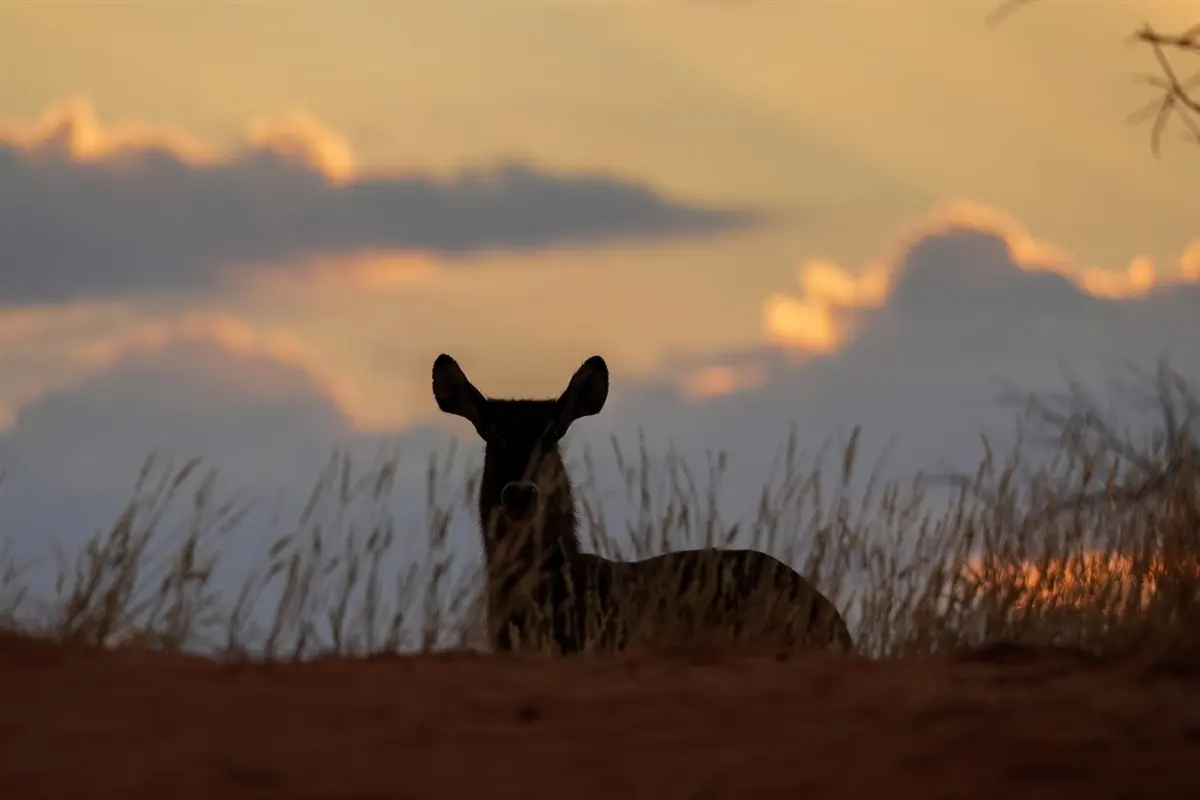
Waterbuck
These water-loving antelope are among the park’s most frequently seen animals.
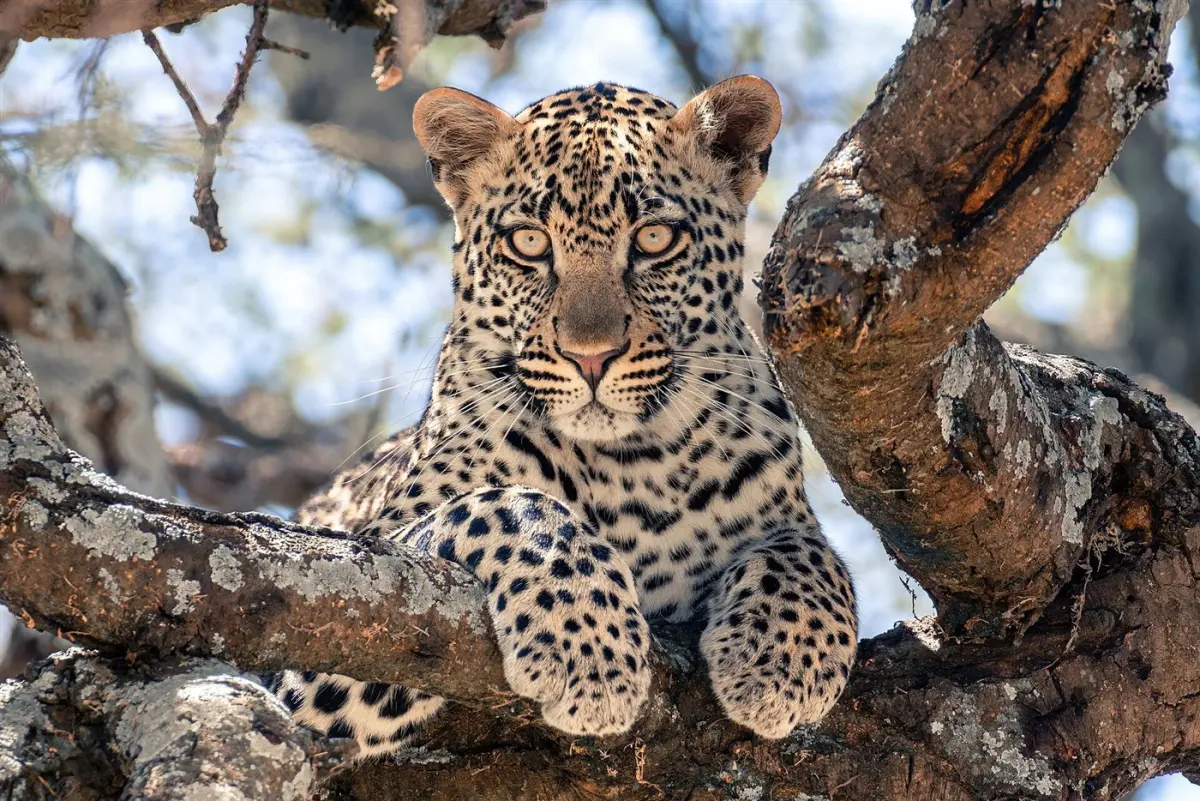
Leopard
Shy and elusive, leopards hunt in the wooded valleys and along the forest edge.
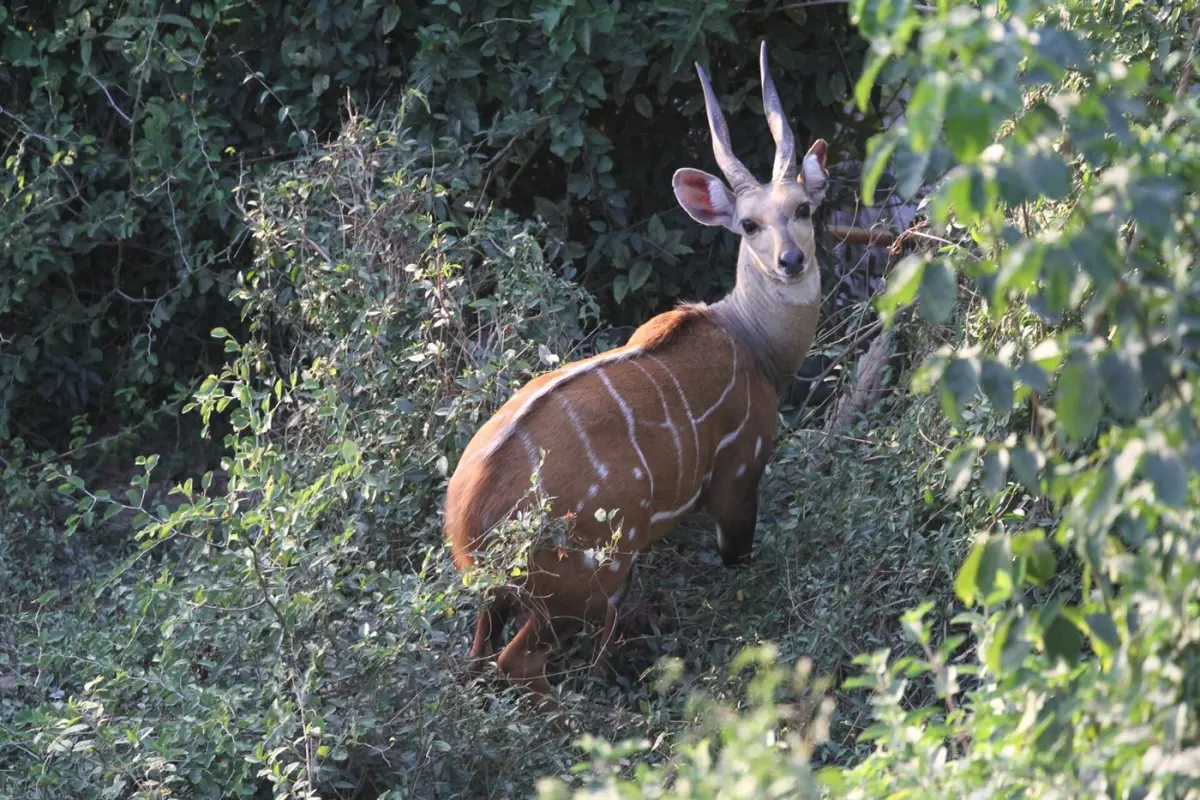
Bushbuck & impala
Antelope slip through the thickets and tall-grass woodland throughout the park.
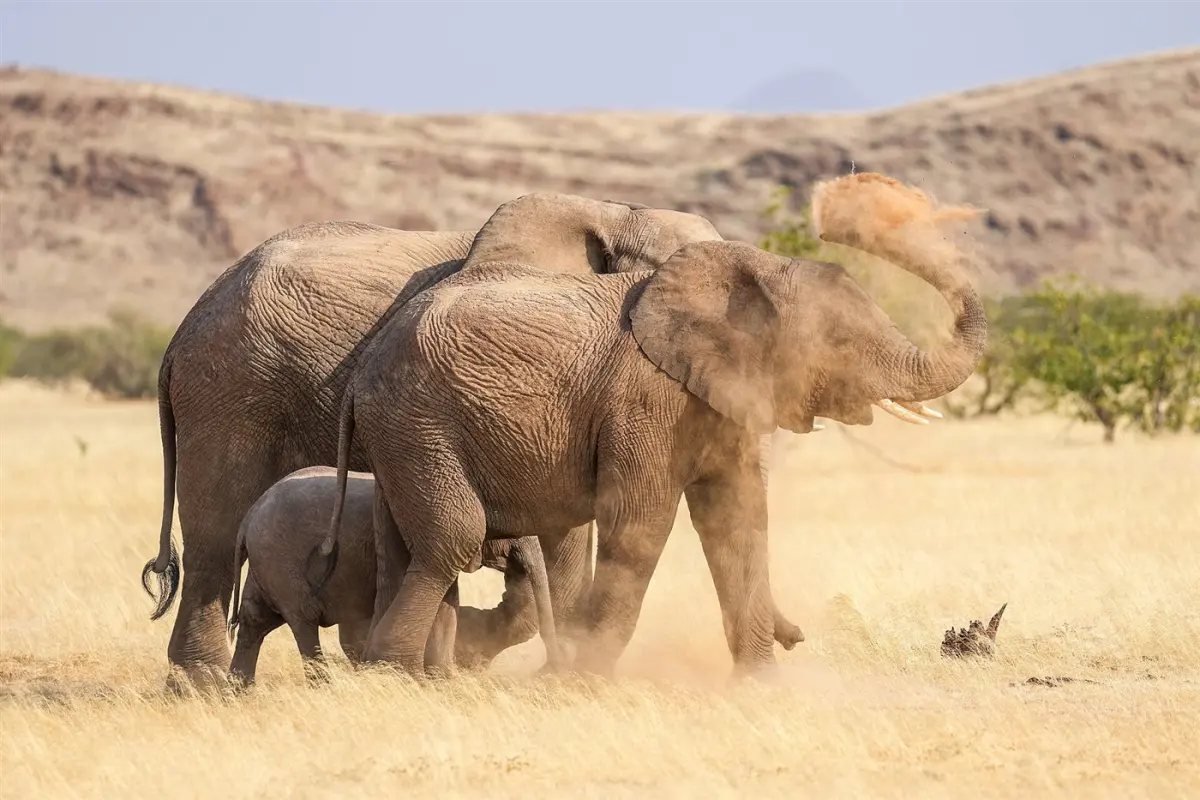
Elephant & giraffe
Both move through parts of the park, though sightings are less predictable here.
Baboons & monkeys
Troops forage in the trees and along the riverine forest, often in the early morning.
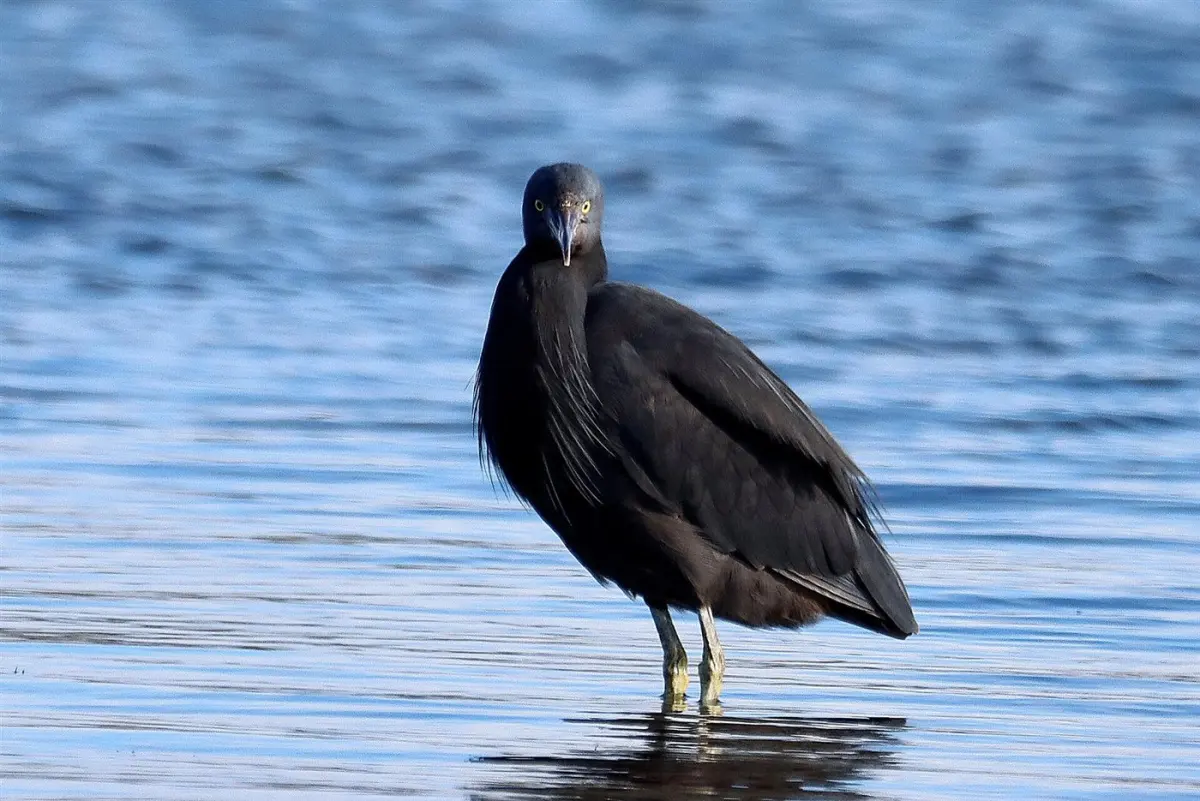
Waterbirds & forest birds
Over 300 recorded species, from kingfishers and herons to rare forest specialists.
Rumanyika-Karagwe National Park in pictures
Best time to visit
The dry season from June to October is the best time to visit, when tracks are firm and wildlife concentrates around water. The green season is lush and quiet but wetter.
| Season | Weather | Crowds | What to expect |
|---|---|---|---|
| Jan–Mar | Warm, some rain | Low | Green forest and good birding, softer tracks |
| Apr–May | Long rains | Low | Wettest months; access on dirt roads is difficult |
| Jun–Oct | Cool and dry | Low to moderate | Best game viewing and firmest road conditions |
| Nov–Dec | Short rains | Low | Lush forest, waterbirds and quiet tracks |
Things to do
Game drives
Explore the valley and woodland with a driver-guide who knows the park’s wildlife.
Birdwatching
Look for forest specialists, waterbirds and raptors among 300+ recorded species.
Guided walks
Walk the forest and wetland edges with a ranger to see the smaller details.
Wetland watching
Spend time at the Omurushamboya dam and the swamps where wildlife gathers.
Photography
Capture a green, uncrowded landscape that few travellers ever photograph.
Cultural visits
Learn about the Karagwe kingdom and its people, whose history shaped this land.
Where to stay
Tented camps
A permanent tented camp at Rugasha offers the most comfortable night in the park. <!-- TODO: lodge names -->
Kagera lodges & guesthouses
Lodges and guesthouses in Bukoba and the surrounding towns for exploring the region. <!-- TODO: lodge names -->
Public campsites
Basic public campsites near the Nyakatuntu gate for self-sufficient travellers. <!-- TODO: lodge names -->
Getting there & around
The park is reached from Bukoba, about 185 km away on the road through Kyaka and Omurushaka to the Nyakatuntu gate in the south-east, or about 85 km from Kayanga via Kigorogoro. From Uganda, the Kikagati–Murongo border post lies around 8 km from the Rugasha gate.
Light aircraft can fly you to Bukoba or Chato, and from there to the Ihanda airstrip in Karagwe District. A sturdy 4x4 with a driver-guide is strongly recommended, since the dirt roads can be rough and slippery after rain. Bring cash, fuel and supplies from town, as services inside the park are minimal.
- By road from Bukoba 185 km via Kyaka
- From Kayanga 85 km via Kigorogoro
- By air Bukoba / Chato → Ihanda airstrip
- Best explored 2–3 days
Frequently asked questions
Where is Rumanyika-Karagwe National Park?
It lies in Kyerwa District in Kagera Region, in the far north-west of Tanzania close to the Ugandan border. The nearest large town is Bukoba, on the shore of Lake Victoria.
How big is the park?
It covers about 247 km², making it one of Tanzania’s smaller national parks — but its mix of forest, woodland, lakes and swamps gives it unusually rich wildlife and birdlife.
What wildlife can I see?
Buffalo, waterbuck, bushbuck and impala are the most reliable sightings, with leopard, elephant and giraffe also present. Troops of baboons and monkeys are common, and more than 300 bird species have been recorded.
When is the best time to visit?
The dry season from June to October offers the firmest tracks, the best game viewing and the most comfortable conditions. The green season is lush and quiet but wetter and harder to access.
How do I get there?
Most visitors travel to Bukoba and then drive with a 4x4 guide, about 185 km to the Nyakatuntu gate. Light aircraft can also reach the region, landing at Bukoba, Chato or the Ihanda airstrip in Karagwe District.
Can I combine it with other parks?
Yes. Rumanyika-Karagwe was created alongside Burigi-Chato and Ibanda-Kyerwa in 2019, and the three can be visited on one remote western Tanzania itinerary. Rubondo Island on Lake Victoria is another good addition.
Nearby destinations
Ready to plan your Rumanyika-Karagwe National Park trip?
Tell us your dates and travel style. Our local team in Moshi will build a tailor-made itinerary around Rumanyika-Karagwe National Park — free, with no obligation.