
Discover Ibanda-Kyerwa National Park
Ibanda-Kyerwa National Park is a small but significant protected area in Tanzania’s far north-west, gazetted in 2019 from the former Ibanda and Kyerwa game reserves. Sitting in the Kagera region near the borders with Rwanda and Uganda, it forms part of the country’s newest generation of parks.
The park is a mosaic of open grassland, wooded savannah and riverine strips. Its modest size — roughly 200 km² — belies its importance as a refuge and corridor for wildlife moving through a landscape heavily used by people and livestock. Populations of elephant, buffalo and antelope are recovering here thanks to renewed protection.
Ibanda-Kyerwa is not a conventional Big Five destination. Instead it appeals to travellers who value quiet, unvisited places, birdlife and the chance to witness conservation in progress. Sightings feel earned, and the sense of solitude is complete.
For those exploring north-western Tanzania, Ibanda-Kyerwa pairs naturally with Burigi-Chato and Rumanyika-Karagwe national parks, forming a rewarding off-the-beaten-track circuit.
Why visit Ibanda-Kyerwa National Park
-
Conservation in action
A young park where elephant and antelope numbers are steadily recovering under renewed protection.
-
Genuine solitude
Barely visited — most days you will have the whole park to yourself.
-
Roaming elephants
Elephants move through the woodland and grassland, part of a wider cross-border landscape.
-
Wooded savannah
A patchwork of open grass and woodland that shelters a varied mix of species.
-
Rich birdlife
Grassland, woodland and wetland-edge birds make it rewarding for birders.
-
Wildlife corridor
The park helps link habitats across the Kagera region towards neighbouring countries.
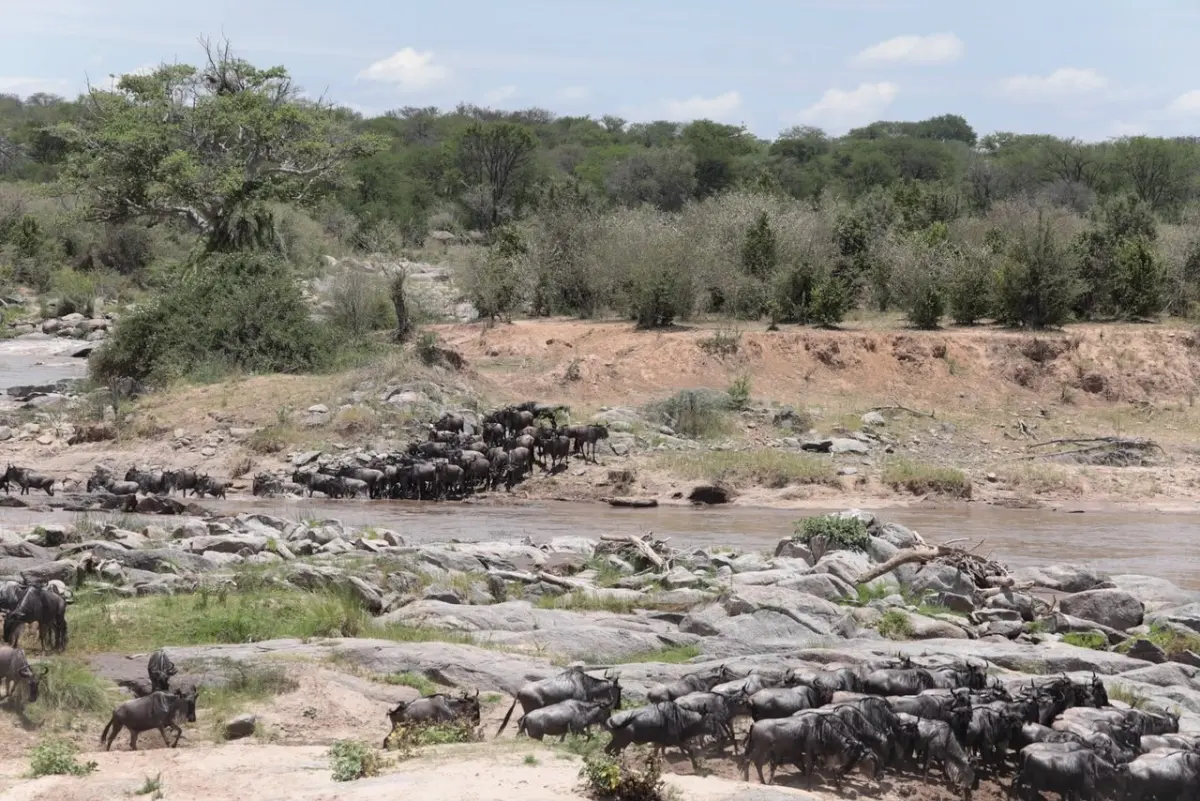
Grassland & woodland mosaic
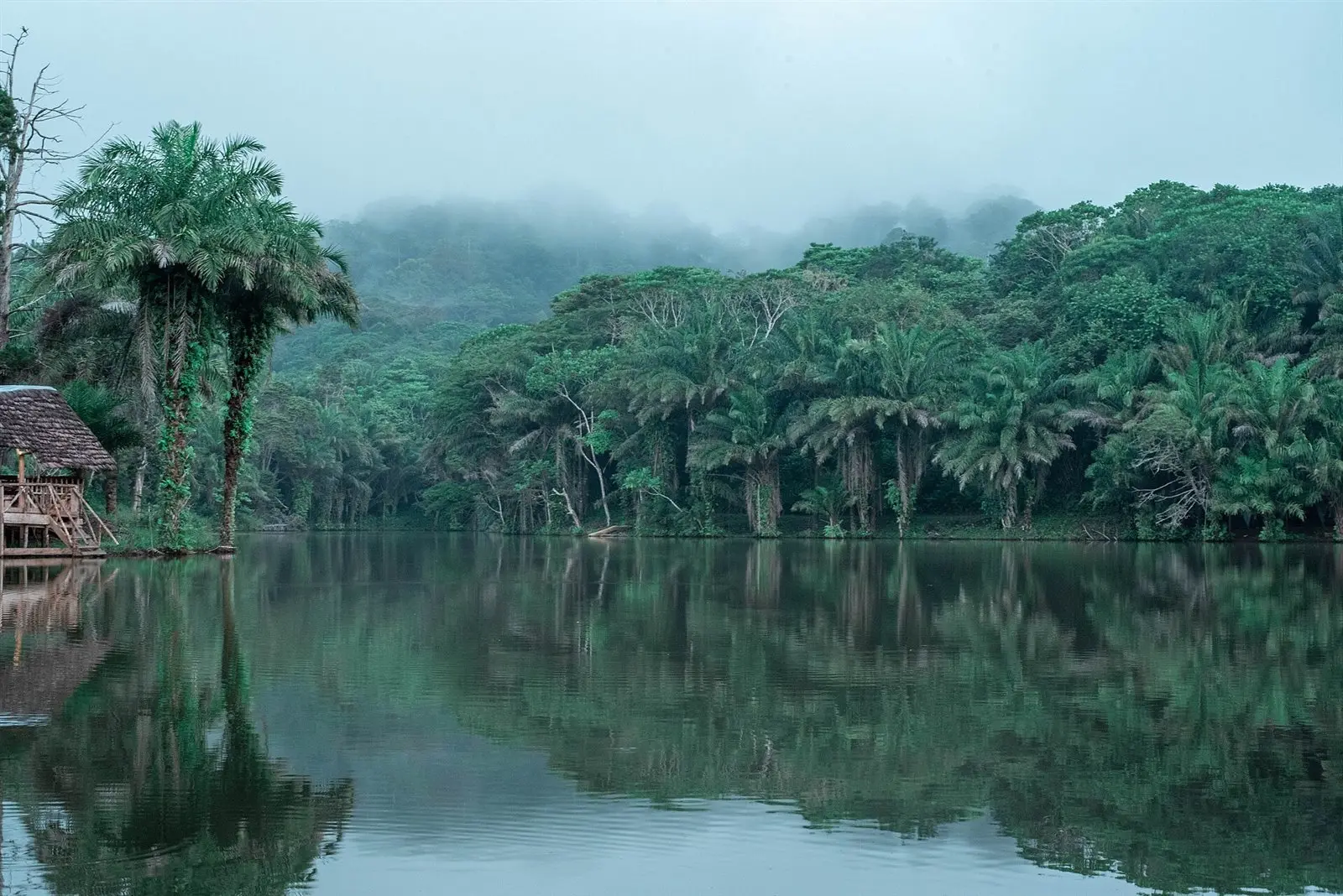
Ibanda-Kyerwa lies in Tanzania’s north-west highlands, in the Kagera region. The landscape is gently rolling, covered by a mix of open grassland, wooded savannah and thickets, with riverine vegetation following the drainage lines.
The soils and rainfall here support productive grazing, which is why the area historically teemed with wildlife before pressures from settlement and hunting reduced it. Today the park preserves a remnant of that ecosystem, and the habitat is steadily recovering.
Its position near the borders with Rwanda and Uganda gives it strategic value as part of a wider cross-border conservation landscape.
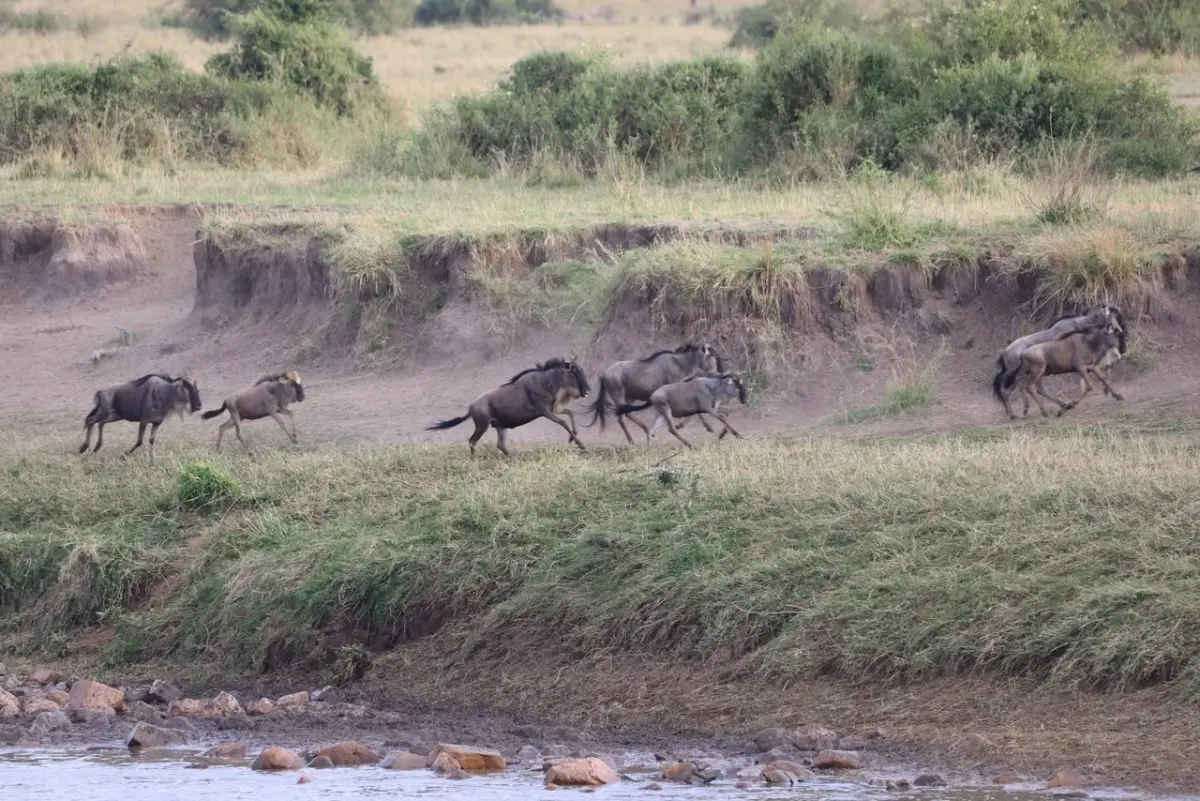
Recovering populations
Because the park is young and was previously a game reserve, wildlife is recovering rather than abundant. Patience and good guiding are rewarded with authentic, low-key sightings.
Species to look for include:
- Elephant — moving through the woodland and grassland, often in small groups.
- Buffalo — found around the thicker vegetation and water sources.
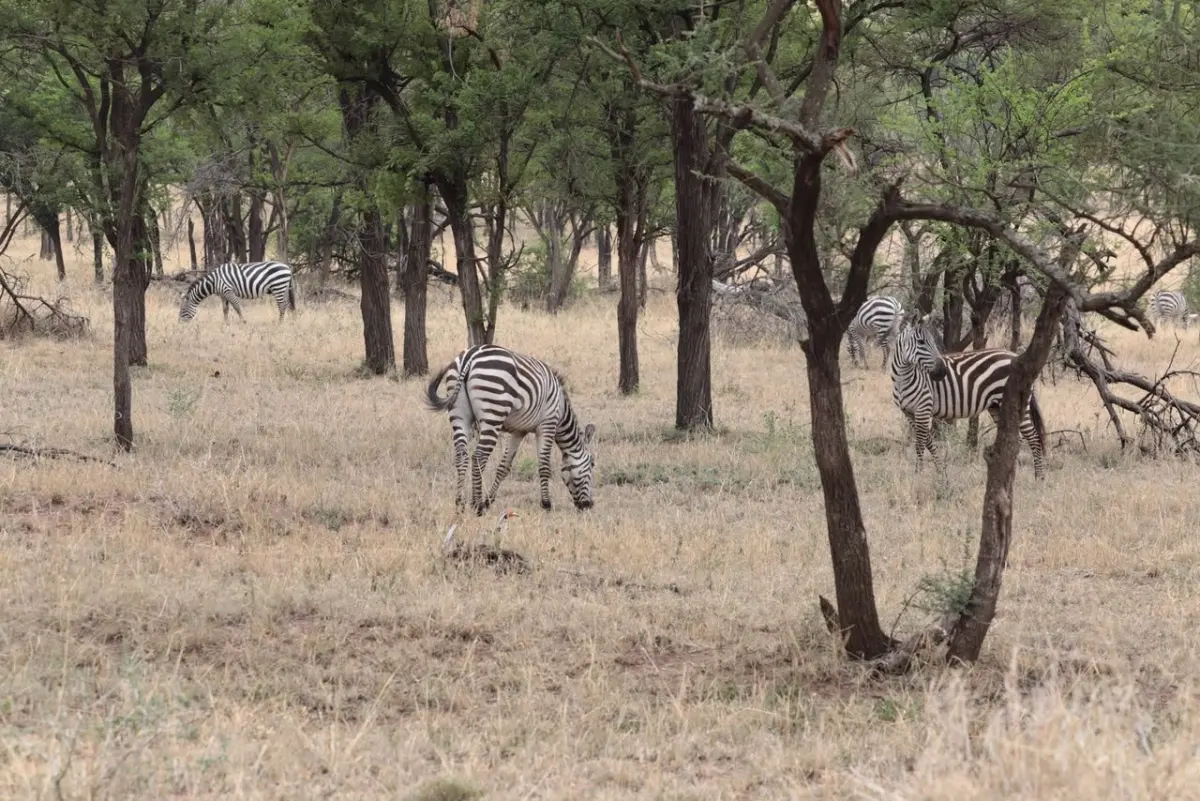
- Topi, zebra and impala — grazing the open plains.
- Sitatunga — a swamp specialist in the wetter areas.
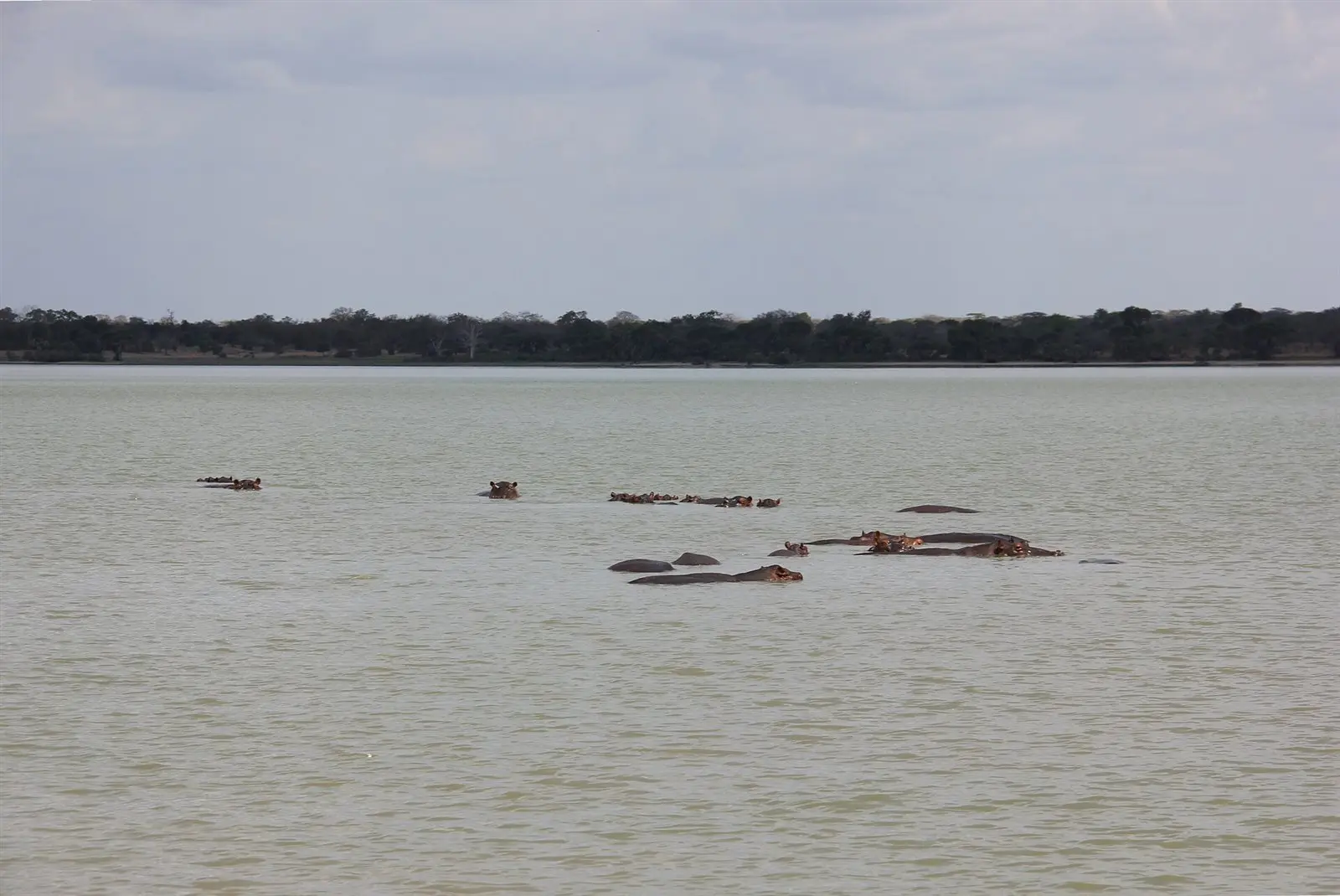
- Hippo and crocodile — in the rivers and seasonal pools.
- Leopard and smaller predators — elusive but present in the woodland.
A quiet birding gem
The mix of grassland, woodland and wetland edge makes Ibanda-Kyerwa attractive to a wide range of birds. Expect raptors, hornbills, rollers, bee-eaters, weavers and many songbirds, alongside waterbirds where the ground stays wet.
With so few visitors, birding here is peaceful and undisturbed — an excellent complement to the nearby lakes of Burigi-Chato.
Best time to visit
The dry season from June to October offers the easiest travel conditions and the best chance of spotting wildlife as vegetation thins and animals gather near water.
The wetter months from November to May bring lush growth and strong bird activity, though some tracks may be difficult. As with all new parks, it is wise to travel with an experienced operator who knows current access conditions.
A park rebuilding its wildlife
Ibanda-Kyerwa’s greatest significance lies in its role as a recovery zone. Gazetting the former reserves as a national park in 2019 strengthened protection, allowing wildlife to rebound and re-establish territories.
Community engagement is central to its future, as the park is surrounded by farmland and villages. Responsible tourism provides an incentive to protect the area, helping balance conservation with local livelihoods.
What you might see
A young park where patience reveals recovering elephant, buffalo and antelope populations in a quiet, uncrowded setting.
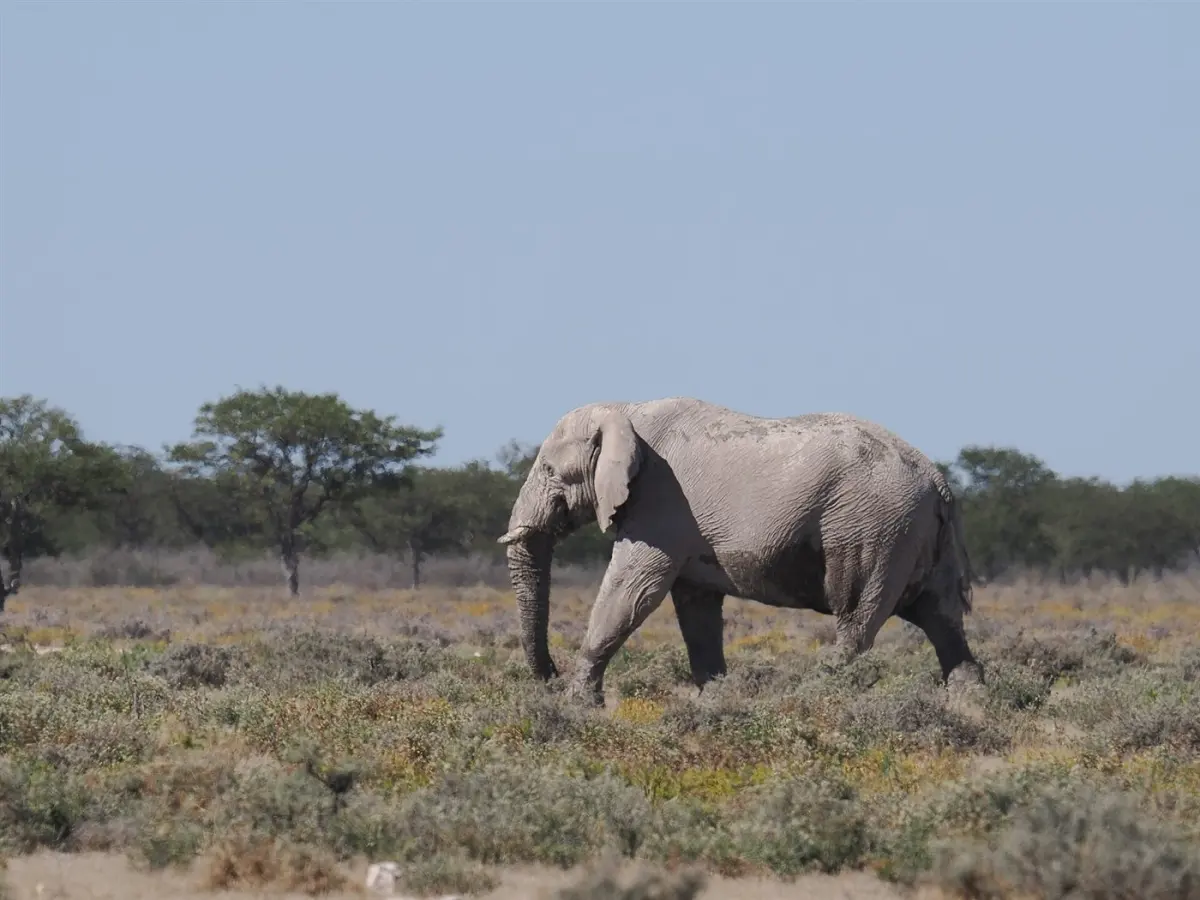
African elephant
Roaming woodland groups, part of a wider cross-border landscape.
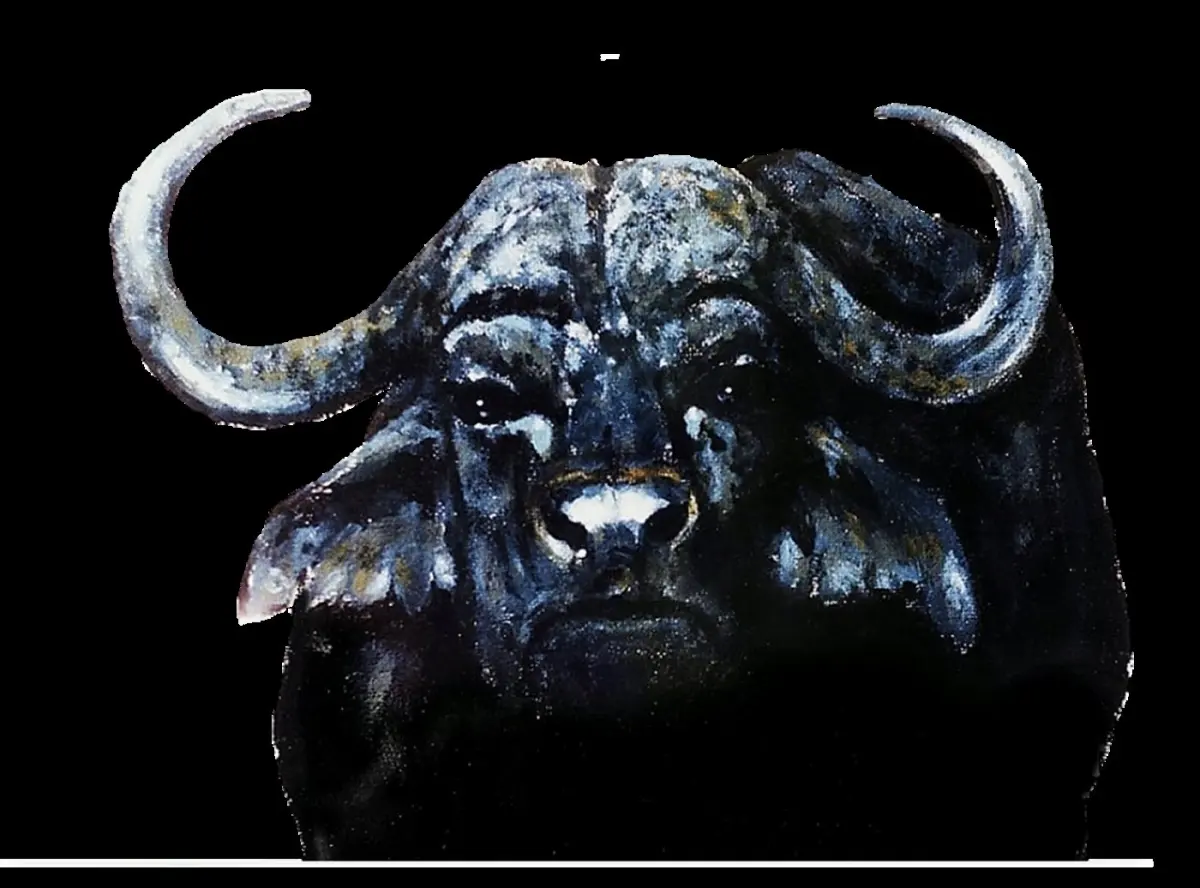
African buffalo
Found near thicker vegetation and reliable water sources.
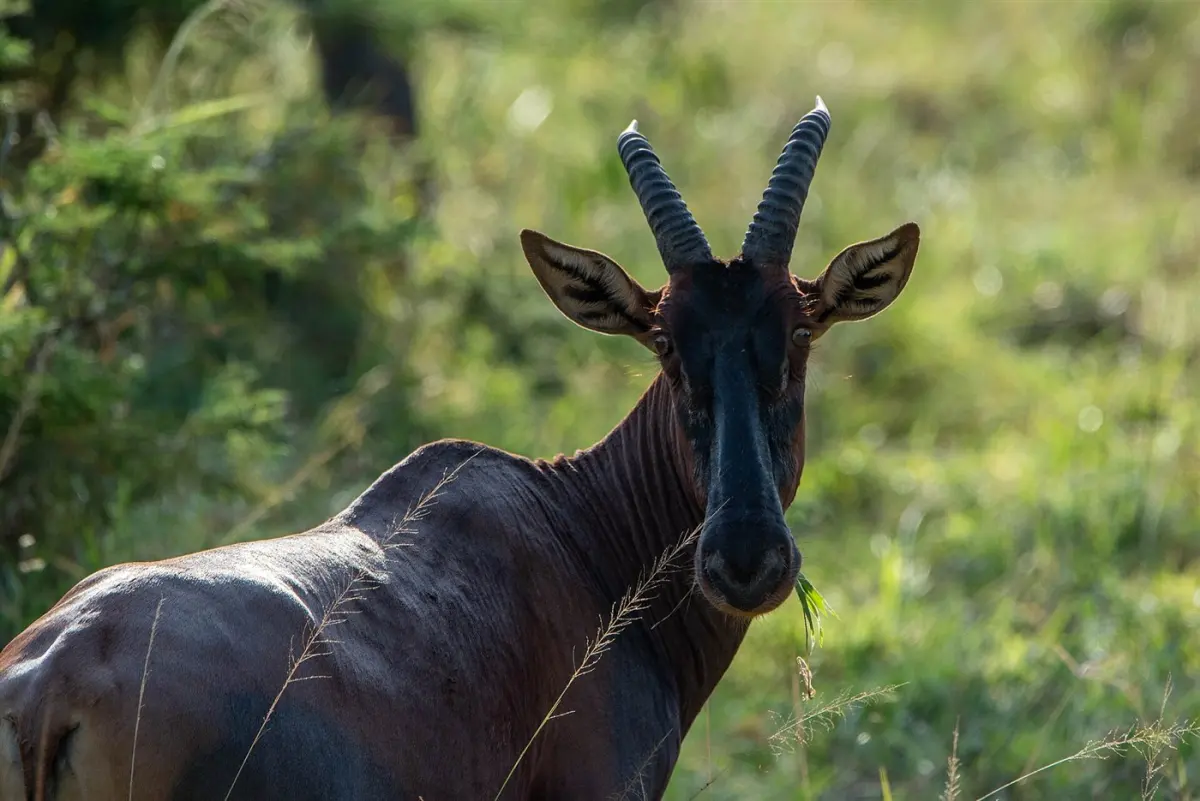
Topi
A grassland antelope that grazes the open plains in small herds.
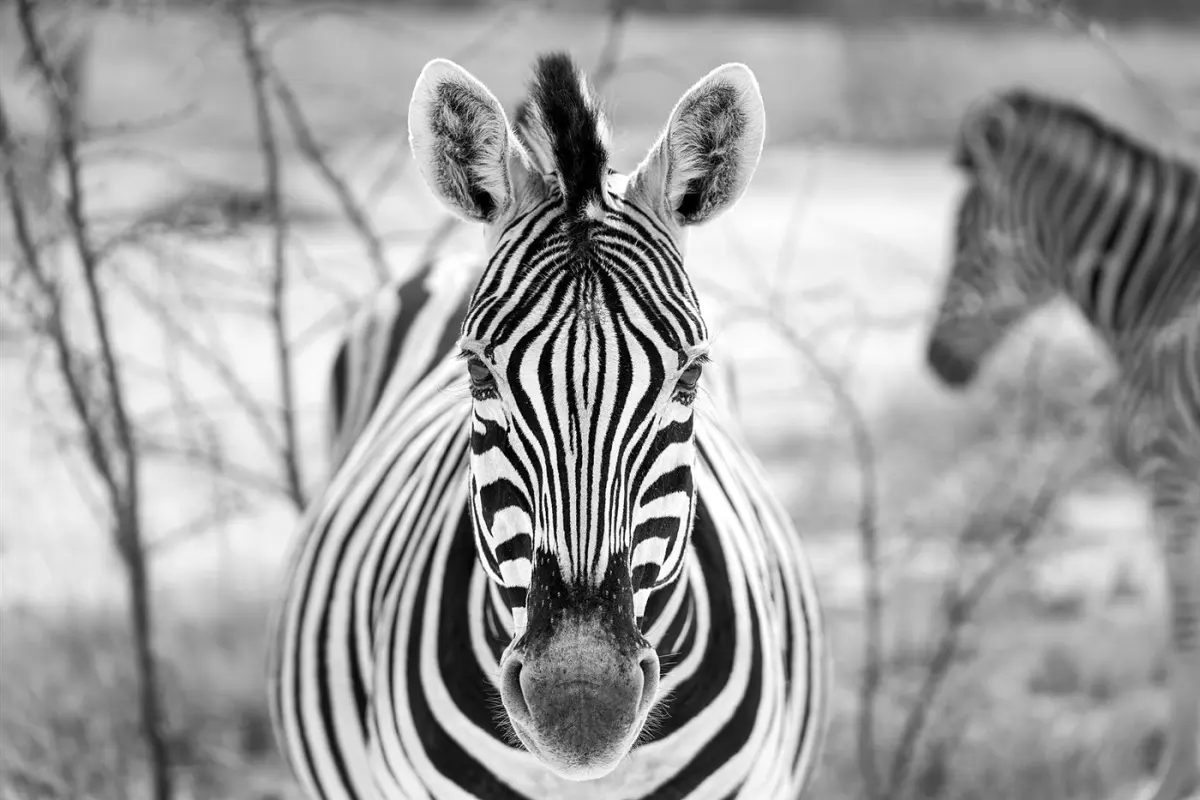
Zebra & impala
Common on the plains, often mixing with other grazers.
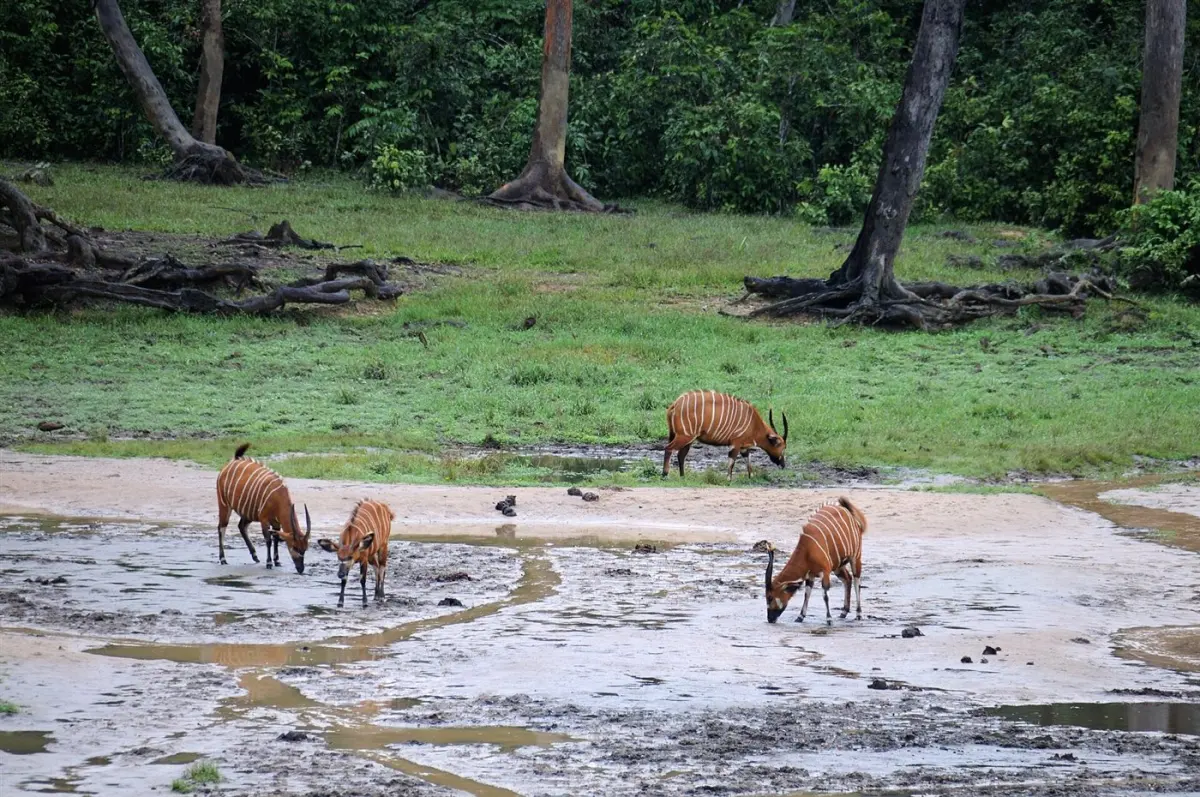
Sitatunga
A shy swamp antelope of the wetter, reedier parts of the park.
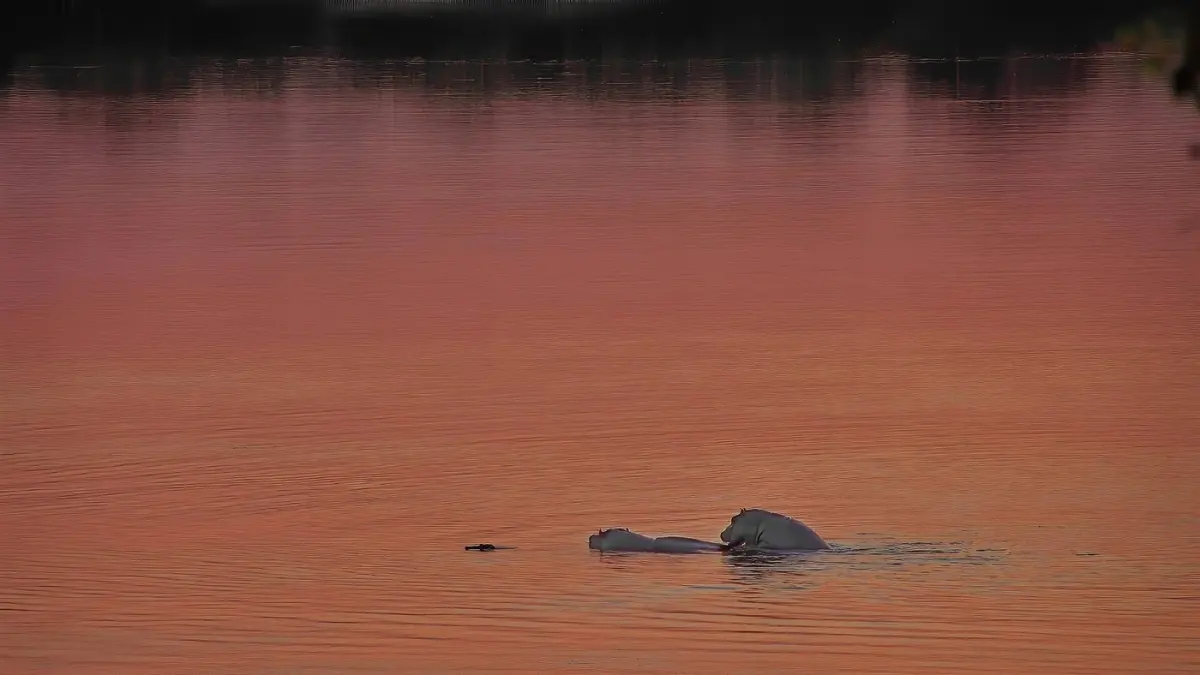
Hippopotamus
Present in rivers and seasonal pools, most active at dusk.
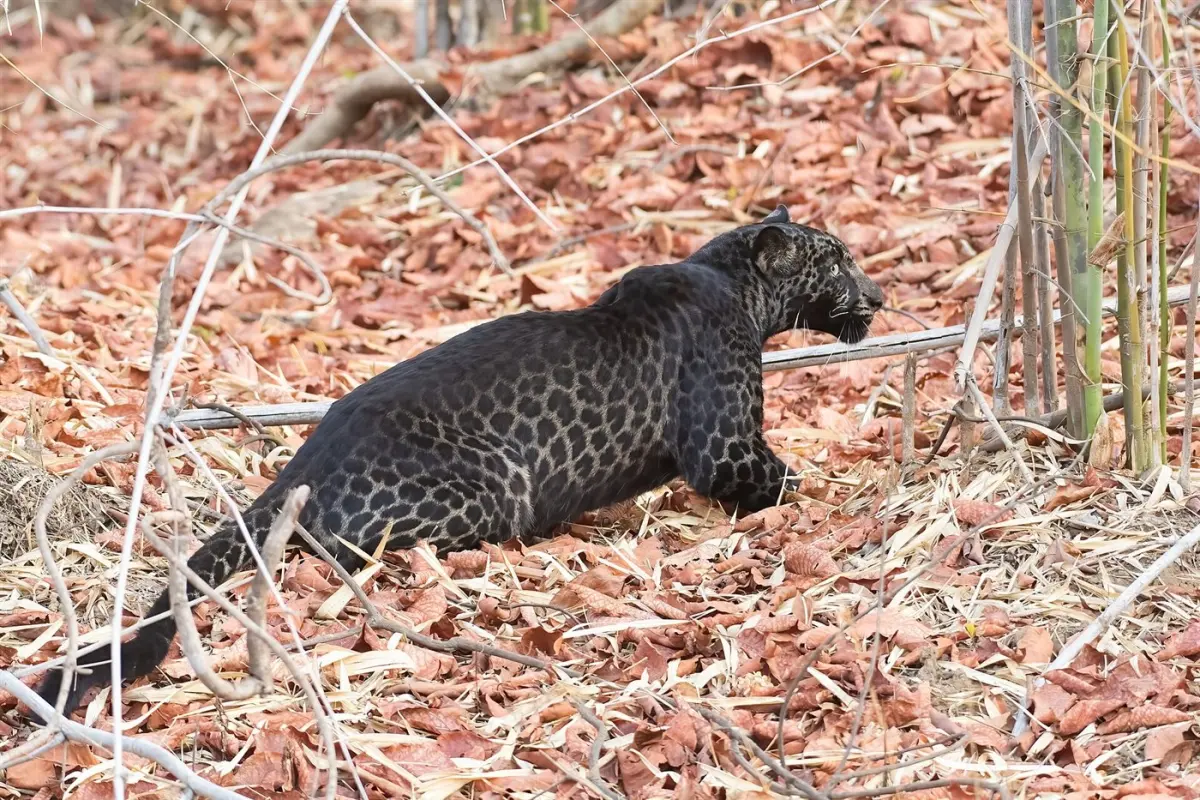
Leopard
Elusive but present in the denser woodland; sightings are special.
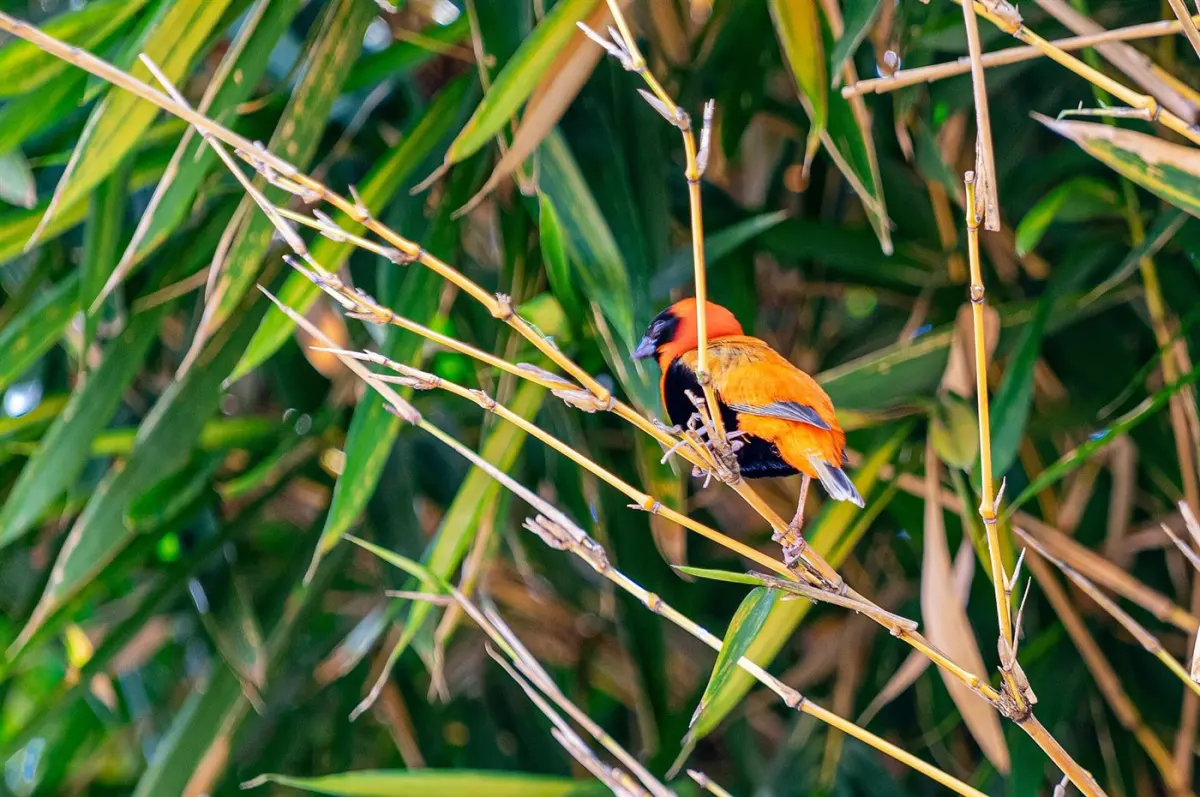
Raptors & hornbills
A sample of the rich birdlife that thrives in the open woodland.
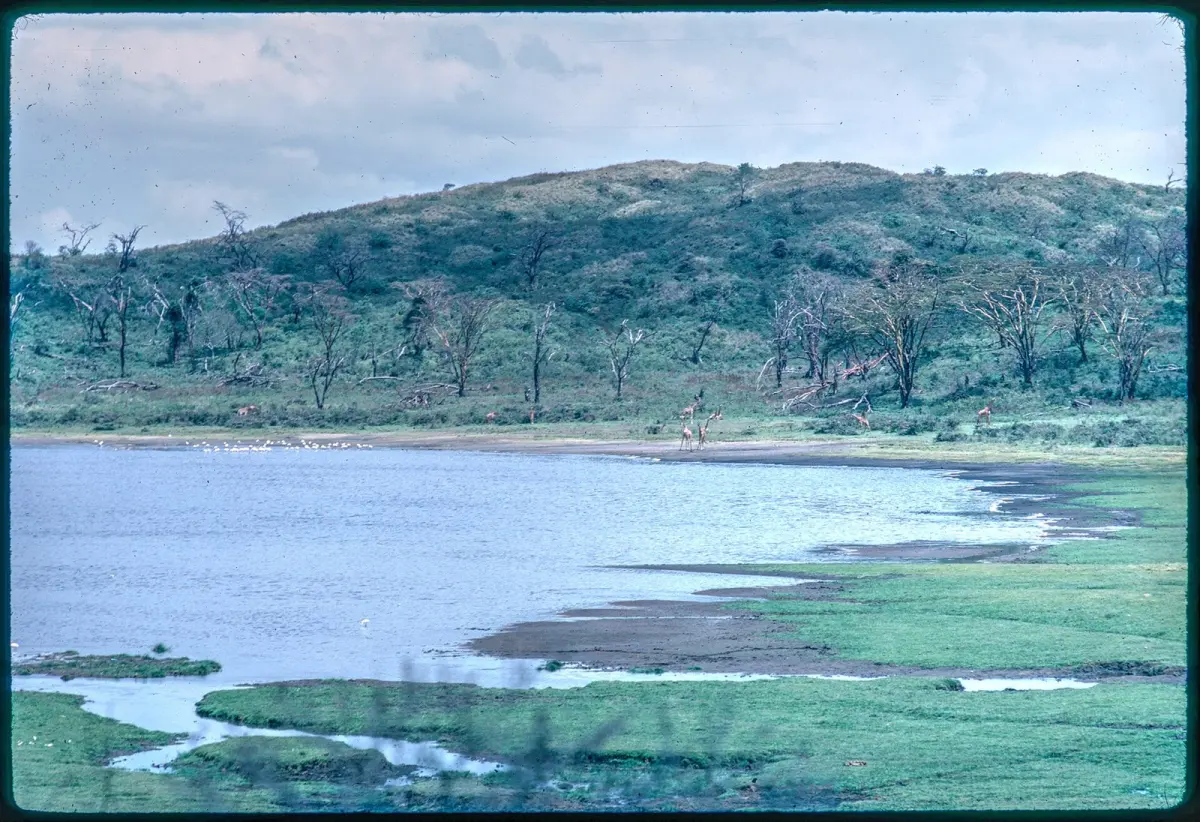
Ibanda-Kyerwa National Park in pictures
Best time to visit
The dry season brings the easiest access and best wildlife viewing. The green season is quiet, lush and alive with birds.
| Season | Weather | Crowds | What to expect |
|---|---|---|---|
| Jan–Mar | Warm, wet | Very low | Green and lush; good birding, some access limits |
| Apr–May | Heavy rains | Very low | Wettest months; travel conditions can be difficult |
| Jun–Oct | Warm, dry | Low | Best time for wildlife as animals gather near water |
| Nov–Dec | Short rains | Very low | Greening up, rising bird activity, very quiet |
Things to do
Game drives
Explore the grassland and woodland tracks in a 4x4 with a knowledgeable guide.
Birdwatching
Grassland, woodland and wetland-edge birds reward patient observation.
Guided walks
Walks in permitted areas reveal tracks, plants and smaller wildlife up close.
Photography
Soft light and unspoilt scenery suit landscape and wildlife photography.
Conservation visits
Learn about the park’s recovery and community conservation work.
Off-the-beaten-track
Combine with Burigi-Chato and Rumanyika-Karagwe for a true western frontier trip.
Where to stay
Private seasonal camps
Occasional fly-in seasonal camps arranged for specialist itineraries. <!-- TODO: lodge names -->
Tented camps
Simple tented camps arranged as part of a north-western circuit itinerary. <!-- TODO: lodge names -->
Town lodges & campsites
Basic lodging in nearby towns and designated campsites suit overland travellers. <!-- TODO: lodge names -->
Getting there & around
Ibanda-Kyerwa lies in Tanzania’s north-western Kagera region, near the borders with Rwanda and Uganda. The usual access is to fly into Bukoba or Mwanza and continue by road in a 4x4 with a guide.
As a young park with limited tourist infrastructure, it is best visited on an organised itinerary with a fully equipped vehicle and supplies. Roads can be rough after rain, so allow flexibility in your schedule.
- Nearest town Bukoba (Kagera)
- By road from Bukoba Several hours — 4x4 recommended
- Best time to visit Jun–Oct (dry season)
- Recommended stay 2–3 days
Frequently asked questions
Where is Ibanda-Kyerwa National Park?
It is in Tanzania’s far north-west, in the Kagera region near the borders with Rwanda and Uganda. It was gazetted as a national park in 2019 from the former Ibanda and Kyerwa game reserves.
What makes Ibanda-Kyerwa special?
It is a young, quiet park where wildlife is recovering under renewed protection. It offers genuine solitude, a grassland and woodland landscape, and interesting birdlife.
What wildlife can I see?
Elephant, buffalo, topi, zebra, impala and sitatunga are present, along with hippo and crocodile in the wetter areas. Predators such as leopard are elusive but exist.
When is the best time to visit?
The dry season from June to October offers the easiest travel and best wildlife viewing. The greener months are quieter and good for birds.
How do I get to Ibanda-Kyerwa?
Fly to Bukoba or Mwanza, then travel by road in a 4x4 with a guide. An organised safari is strongly recommended given the limited infrastructure.
How many days do I need?
Two to three days are enough to explore the park, and it combines well with Burigi-Chato and Rumanyika-Karagwe on a north-western itinerary.
Nearby destinations
Ready to plan your Ibanda-Kyerwa National Park trip?
Tell us your dates and travel style. Our local team in Moshi will build a tailor-made itinerary around Ibanda-Kyerwa National Park — free, with no obligation.