
A Tanzania safari is straightforward to plan when you work through the right checklist in the right order. This guide lays out every practical step - from flights and visas to insurance, vaccinations and what to bring - so your attention stays on the holiday, not the administration.
Step 1: Book Flights Well
International visitors fly into Kilimanjaro International Airport (near Arusha and Moshi) for the northern circuit, or Julius Nyerere Airport in Dar es Salaam. Direct flights connect from Europe and the Gulf; routes from North America usually touch Frankfurt, Doha, Nairobi or Addis Ababa. Booking 6+ months ahead locks better seats and prices.
- Northern circuit: fly JRO (Kilimanjaro) - 30-45 min from Arusha/Moshi.
- Zanzibar: fly ZNZ, or use the fast ferry from Dar es Salaam.
- Internal hops: light aircraft cut drive days on multi-park safaris.
Step 2: Visas and Passport
You need a passport valid for at least six months beyond travel and a Tanzania e-visa, lodged online before departure. The single-entry tourist visa covers safari stays; the transit or multiple-entry options suit travellers looping in and out of neighbouring Kenya.
Do it before flying
Stop at the e-visa portal two to three weeks out - processing is usually fast, and a pre-approved visa spares you the arrival desk queue and any holiday-strain. Confirm the requirements for your nationality, as they evolve.
Step 3: Health, Vaccinations and Insurance
Malaria is present, so travel with antimalarial tablets, repellent and mosquito nets your camp will provide anyway. Yellow fever vaccination is advised for entry from risk countries, and standard advice covers hepatitis A/B and typhoid. Travel insurance must explicitly cover trekking above 4,000 m if you climb Kilimanjaro.
| Item | Detail |
|---|---|
| Malaria prevention | Antimalarials + repellent + treated nets (lodges provide) |
| Vaccinations | Yellow fever (entry from risk countries), Hep A/B, typhoid |
| Travel insurance | Must cover high altitude trekking for Kili climbs |
| Medications | Pack your prescription meds plus basics in carry-on |
Step 4: Money and On-the-Ground Logistics
Cash US dollars are widely used for park fees and tips; card works at mid-range and luxury lodges but is patchy elsewhere. Bring crisp, current-denomination USD bills, cash for the first day, and a card as backup. Your operator handles park entries, drives, flights and permits - you arrive, relax and sort the smiles.
- Withdraw or bring small USD denominations for tips and markets.
- Trusted operator logistics: transfers, permits, internal flights and gates.
- Most lodges include meals and safaris in the per-day rate.
Step 5: What to Pack
Safaris ask for light neutral layers, a warm layer for dawn drives, sturdy shoes, sunglasses, sunscreen and a good camera with a long lens. Add swimwear for the pool or Zanzibar, and for Kilimanjaro follow the mountain packing list separately - the two lists mix rarely.
The classic packing phrase
If it is an unnecessary third pair of shoes, leave it home. If it is a camera lens or a proper sun hat, it will earn its place. Plan layers, not luggage.
The best-planned safaris feel seamless. You book the memories; we quietly handle everything else.
— Our guest services desk
Frequently Asked Questions
How far in advance should I plan a Tanzania safari?
For high-season travel - July to October and mid-December to mid-January - six to nine months ahead is the comfortable sweet spot. It locks your first-choice camps before peak dates fill, secures seats on the internal light-aircraft routes between parks, and usually gets better flight prices from most gateways.
If you are set on specific migration timing, planning matters even more: river crossings in the northern Serengeti run roughly June to September and calving season runs January to March, and both areas hold only a fraction of the country beds, so the good camps book out first.
Green-season trips are far more forgiving - three months ahead usually clears good availability at visibly lower rates, with the trade-off of afternoon rain and less predictable animal movement. Whatever your dates, booking once they are fixed wins on price, choice and aircraft logistics far more often than last-minute deals do.
Do I need a visa for Tanzania?
Nearly all visitors need a Tanzania visa, and the reliable route is the e-visa submitted online before you fly. The Tanzania immigration portal processes most applications in a few working days, though the official guidelines allow up to ten, so a moderate buffer is wise.
The standard single-entry tourist visa covers a routine safari stay, while transit and multiple-entry options suit travellers looping in and out of neighbouring Kenya or Rwanda. Check the fee for your specific nationality, because both prices and requirements evolve over time.
Apply two to three weeks before departure so any questions or corrections have room to resolve. With an approved e-visa printed in hand you skip the arrival visa queue completely, which shortens a long-haul landing at Kilimanjaro or Dar es Salaam by a meaningful margin.
Is it better to book through an operator or DIY?
For a first safari, a reputable operator earns its keep. Park gate logistics, crater fees, internal flights, transfers and permits are genuinely fiddly pieces, and they are exactly where a DIY itinerary most often leaks both time and money.
Local knowledge also decides the right park and camp for your specific dates - where the migration sits that week, which airstrip to fly into, whether a route is passable after rain - and established operators price these details transparently because repeat business depends on it.
DIY planning works for confident repeat travellers who already know Tanzania, hold comfortable budgets for flexibility, and enjoy running their own logistics. On a first trip the operator fee is not wasted; it simply buys the difference between planning a holiday and quietly running a small supply chain.
Prefer to leave the planning to us?
Tell us your dates and interests — our local team will craft a free, tailor-made itinerary around this guide.
Plan My SafariKeep Reading
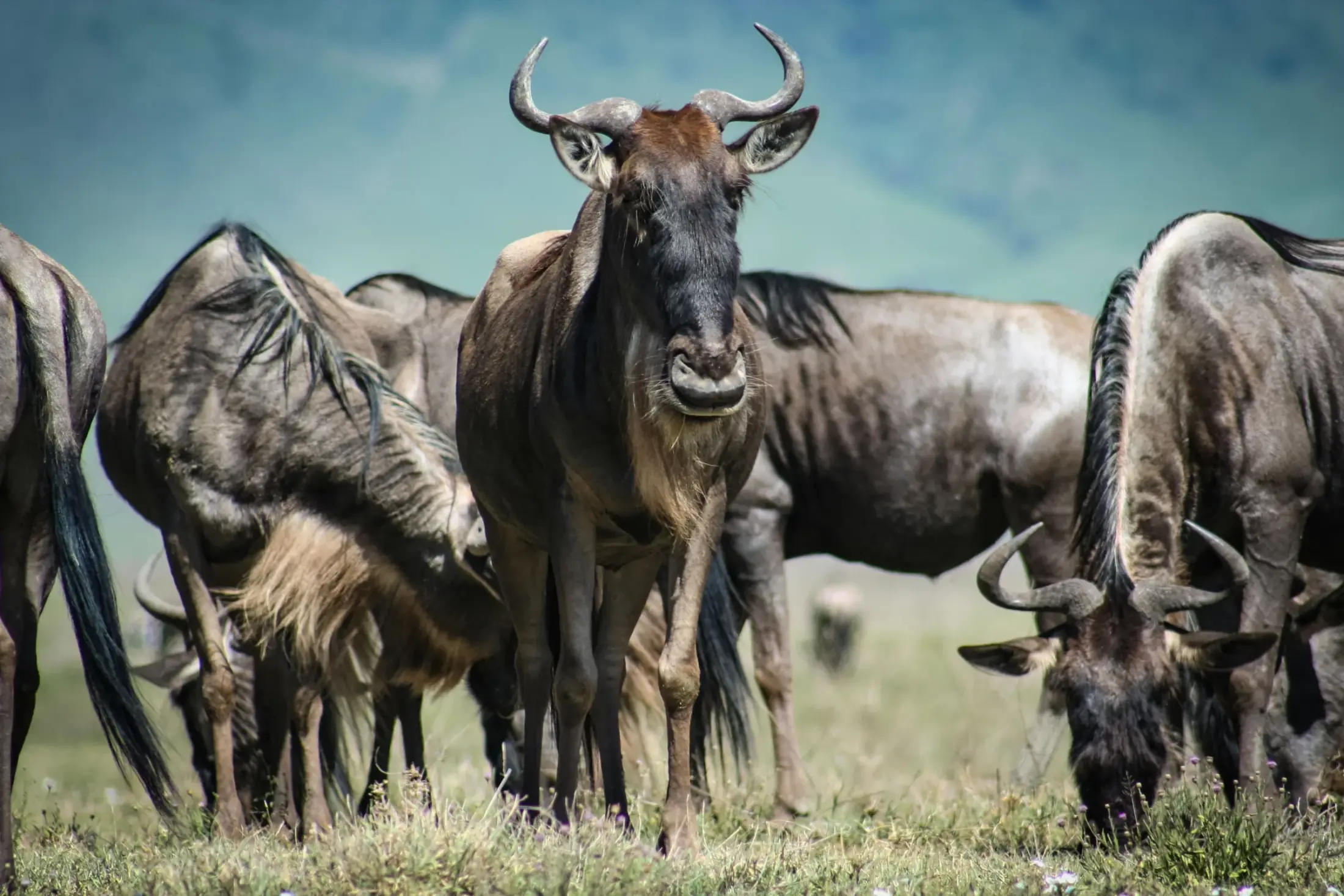
The Ultimate Tanzania Safari Guide
Everything you need to plan the trip of a lifetime - routes, seasons, budgets, packing and what to expect on the ground.
Read guide
Best Time to Visit Tanzania
Green season or dry season? When to visit for the best wildlife viewing, climbing weather and beach days.
Read guide
Tanzania Visa Requirements
E-visa, visa on arrival and what you need at immigration - sorted, so landing is stress-free.
Read guide