
Packing for a Tanzania safari is a lesson in restraint: light neutral layers, one good camera and the handful of things that genuinely change the trip. This checklist separates the essentials from the suitcase weight that goes straight to the hotel safe - and tells you exactly what to leave behind.
Clothing That Earns Its Place
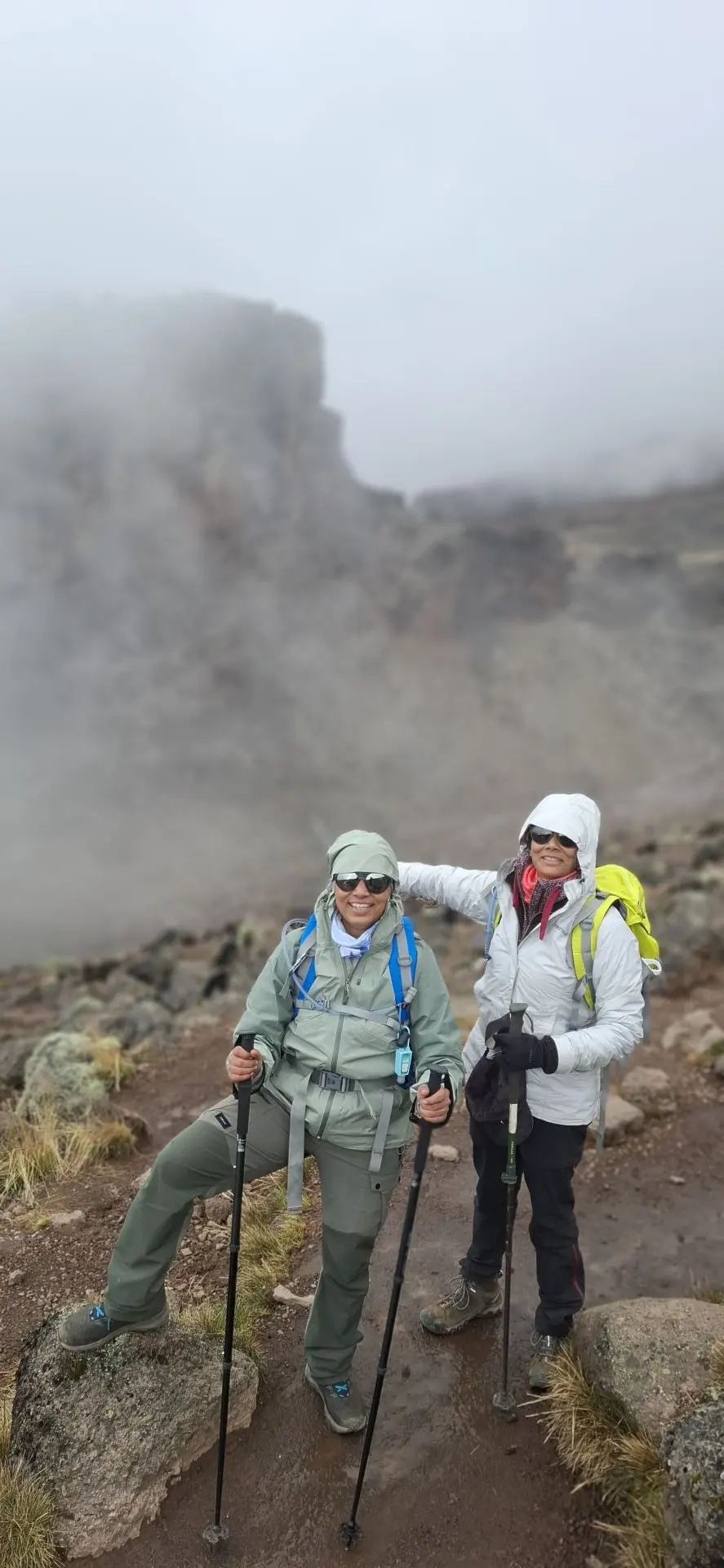
Safaris want four systems: lightweight layers for warm days, one warm layer for dawn drives, comfortable walking shoes and a swimsuit for the pool or beach. Choose fabrics that dry and neutral, dust-friendly colours - khaki, olive, sand - because bright whites and blue attract tsetse attention and show dust instantly.
- 4-5 days of light layers rather than one "outfit per day".
- One fleece or softshell for cold dawn open-vehicle drives.
- Sturdy, worn-in shoes (no new boots on safari - blisters wait there).
- Sun hat with a brim, and a good pair of sunglasses.
The Technology You Actually Need
Your phone plus one good camera covers the trip. The single best safari upgrade is a telephoto lens on your camera - a 70-200mm or longer reaching to 400mm - because the animals stay at respectful distances. A pair of binoculars truly belongs in every seat.
The binoculars truth
Guides will stop for any photo moment, but spotting happens first. A quality pair of binoculars you actually use doubles your sightings and halves the lens-hunting. It is the difference between "lion on the kopje" and "lion on the kopje, there, left of the acacia".
| Item | Why it matters |
|---|---|
| Camera + long lens | Animals stay at respectful distances |
| Binoculars | The spotting tool for guides and you |
| Power bank | Long days; lodges often solar-charge slowly |
| Dry bag / zip-lock | Dust and river stops will find your gear |
Health, Docs and the Small Print
- Passport (6 months validity) + visa confirmed online before travel.
- Copy of passport and itinerary separate from the originals.
- Antimalarials, insect repellent (DEET 30%+), sunscreen, hand gel.
- Small first-aid pouch: plasters, blister care, pain relief, stomach kit.
- Drinks bottle with filter or purification tablets.
What to Leave at Home
Leave the noise: drone (restricted or banned in most parks), bright evening wear, unnecessary shoes, and anything you would feel bad losing. Clothes can be washed overnight at most lodges, so a lean one-week bag works - your operator will have done this a thousand times.
The final checks
Charge your power bank, load the offline map, and keep your camera card near-empty for the first morning crossing. The first hour of any safari is where the golden-light shots happen.
A safari bag is a single lens, four layers and total trust in the person driving.
— Our vehicle team
Frequently Asked Questions
What should I wear on a safari?
Build your kit from light neutral layers in khaki, olive, sand and sage - four or five changes rather than an outfit for every day, because most lodges offer efficient overnight laundry. Add one fleece or softshell for the cold dawn drives in open vehicles, when temperatures often sit in the low teens before sunrise.
Comfortable, already-broken-in walking shoes matter more than any label: new boots are a blister factory, and game drives involve enough standing and short walks that worn-in footwear simply wins. A wide-brimmed sun hat and quality sunglasses protect against the equatorial sun when the roof of the vehicle is up.
Skip bright or neon colours - white and strong blue tend to attract tsetse attention and show dust within minutes - and keep evening wear lean. Evenings are rarely formal even at luxury camps, so one smart shirt is more than enough for the whole trip.
Do I need a big camera for a safari?
Your phone will produce passable memories and, with a good modern sensor, even shareable wildlife images, so nobody is locked out of safari photography. But to capture animals at the respectful distances vehicles must keep, a camera with a telephoto lens is the real upgrade.
A 70-200mm lens is a sensible minimum, and the strongest safari shots typically arrive at 300mm to 400mm on a crop or full-frame body - the animals do not come to you, and cropping from across a river costs visible resolution.
If a big camera does not fit the budget, spend the money on a strong pair of binoculars first. They turn spotting from guesswork into certainty, roughly double the sightings you notice, and are the cheapest portable upgrade a safari has. Round the kit out with a power bank and a couple of clean memory cards, since lodge charging is usually slow.
Can I bring a drone to Tanzania?
Drones are effectively restricted or banned inside most Tanzanian national parks, and carrying one without the right paperwork is one of the most common confiscation points at park gates and airports.
A permit path exists on paper for professional operators, but for leisure travellers the documentation is rarely worth the effort, and the risk of having the drone seized mid-trip is real. TANAPA regulations and the individual park rules leave little room for recreational flying.
The practical advice is to leave the drone at home: ground-level photography with a long lens covers the same memories without the airport and gate risk. Many private lodges and airstrips also hold their own restrictions, so even a technically legal flight can trip over local rules at the last moment.
Prefer to leave the planning to us?
Tell us your dates and interests — our local team will craft a free, tailor-made itinerary around this guide.
Plan My SafariKeep Reading
The Ultimate Tanzania Safari Guide
Everything you need to plan the trip of a lifetime - routes, seasons, budgets, packing and what to expect on the ground.
Read guide
Best Time to Visit Tanzania
Green season or dry season? When to visit for the best wildlife viewing, climbing weather and beach days.
Read guide
Tanzania Travel Planning Guide
Your pre-trip checklist - flights, insurance, health and everything to sort before you land in Tanzania.
Read guide