
What does a Tanzania safari actually cost in 2026? The honest answer is a range - from around USD 300 per person per day for mid-range group safaris to USD 1,200+ for exclusive private luxury. This guide breaks the bill into its real parts, so you know exactly what you are paying for and where savings bend without breaking the magic.
The Real Anatomy of a Safari Price
Nearly every safari price is built the same way: national park and conservation fees, accommodation, a private vehicle with driver-guide, meals, and operator overhead for permits, staff and vehicles. Park fees - set by TANAPA and the Ngorongoro Authority - are identical whoever you book with, which is precisely why very cheap quotes always pay for themselves another way.
| Park | Fee (USD) | Notes |
|---|---|---|
| Serengeti | ~70 | Peak season pricing |
| Ngorongoro | ~70 + crater fee | Plus vehicle entry |
| Tarangire | ~55-60 | Single entry |
| Lake Manyara | ~60 | Single entry |
| Arusha NP | ~50 | Small park, low fee |
Budget Tiers, Honestly Compared
- Budget / camping (USD 180-260 per person/day): shared vehicles, basic camps, superb wildlife with little luxury. Great for young travellers and friends.
- Mid-range (USD 280-450 per person/day): quality lodges and comfortable private tented designs, private vehicle, most common style by far.
- Luxury (USD 500-900 per person/day): premium lodges, bush breakfasts, bigger comforts and fewer others sharing the spectacle.
- Ultra-luxury / exclusive (USD 1,000+): private wings, chefs, guides with decades of craft and camps only you sleep in.
The per-day lens
Compare quotes by per-person-per-day total, not headline sums. A 7-day trip at USD 350/day versus another at USD 300/day sounds close - until the extra day, park or vehicle appears in the fine print. Ask for the fully-loaded number.
What Drives the Price Up (and Down)
The biggest levers are season, park choice, vehicle privacy and night count. High season costs more; fewer Serengeti days save most. A shared trip makes one vehicle work for six travellers; a private one multiplies the bill but never the wildlife. Your dates and priorities set the ceiling more than any lodge name.
| Lever | Effect |
|---|---|
| Season (high vs green) | Up to 25% cheaper in green months |
| Private vehicle | Biggest comfort multiplier on the bill |
| Serengeti days | Each adds park fee + accommodation |
| Inland flights | Cut drive days, add airline tickets |
Sample 2026 Safari Budgets
- 7-day northern circuit, mid-range shared: roughly USD 2,200-3,000 per person.
- 7-day northern circuit, private mid-range: roughly USD 2,600-3,900 per person.
- 8-day luxury Serengeti-Tarangire+crater: roughly USD 4,200-7,000 per person.
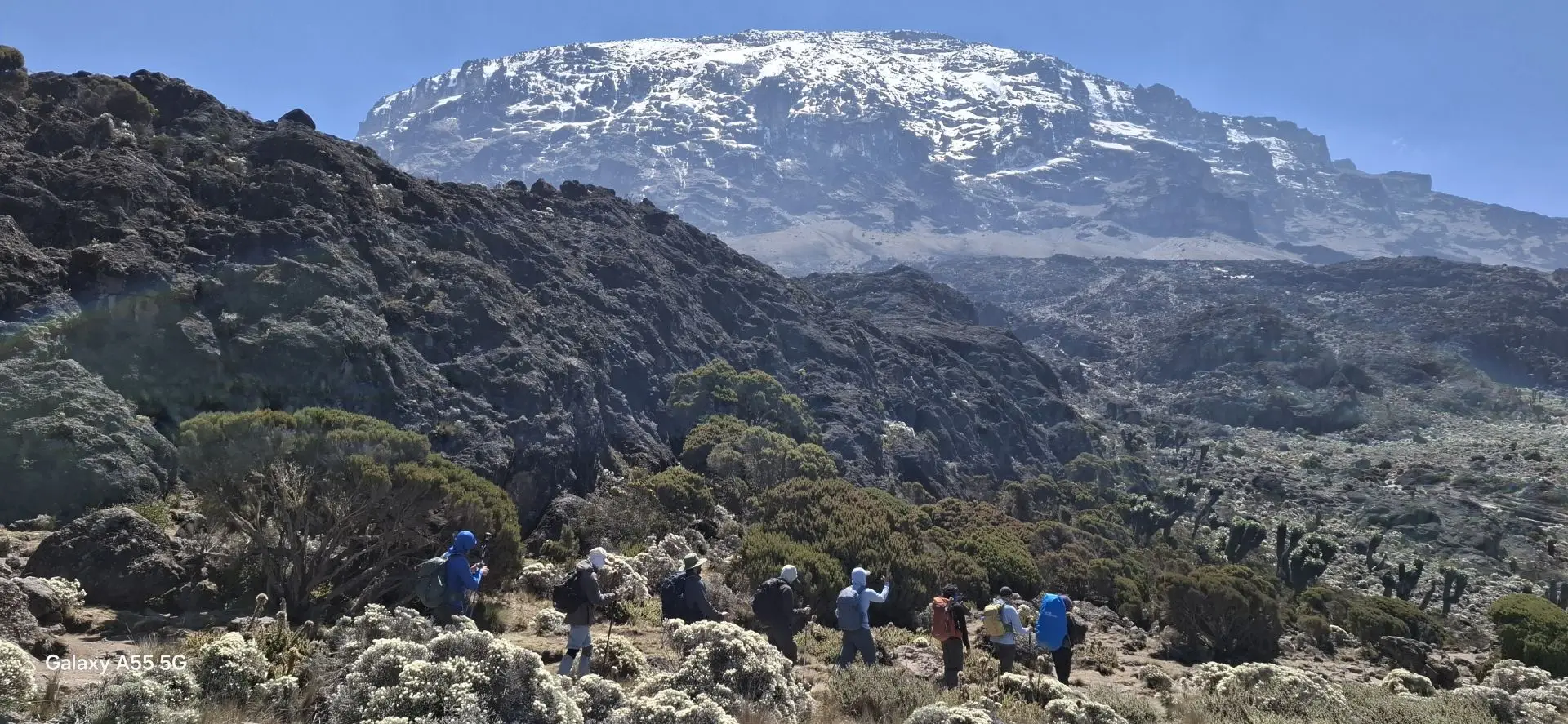
- Add Kilimanjaro climb or Zanzibar: about USD 2,200-6,000 per person each.
The one fee you cannot save on
Park and crater fees are fixed by law and rising slightly each year. Anyone quoting "ZERO park fees" or dressing them into mystery "extras" is quoting you a bill you will meet at the gate. Good operators list them openly.
A safari is priced in days and patience, and the best risk-to-reward currency in travel has not changed.
— Our pricing and reservations desk
Frequently Asked Questions
How much does a Tanzania safari cost per person?
Budget camping safaris typically run USD 180-260 per person per day, mid-range private tours USD 280-450, and luxury from about USD 500 upward, with fully exclusive camps passing USD 1,000 per person per day.
Worked out over a full holiday, a typical 7-day northern circuit mid-range package lands between USD 2,200 and 3,900 per person. The spread depends far more on season, vehicle privacy and lodge standard than on the wildlife itself, which is identical whichever tier you choose.
Park and crater fees are set by law and form a large fixed slice of any quote, so the honest way to compare operators is the fully-loaded per-person-per-day total - park fees, transfers, internal flights and airport pickups included. Green-season dates, roughly April to May and November, typically shave up to 25% off advertised lodge rates.
What is included in a safari price?
A standard safari quote bundles four core items: national park and crater fees, accommodation, meals while on safari, and a private 4x4 with a dedicated driver-guide, plus bottled water in the vehicle. Park vehicle entry fees are normally included in the figure as well.
What sits outside the bundle almost always includes international and internal flights, visas, travel insurance, tips for your guide and camp staff, extra drinks from the lodge bar, and optional premium activities such as balloon safaris over the Serengeti maasai plains or village visits.
Ask for a line-item breakdown before you book. Reputable operators list the fixed government fees openly and separately, so you can see exactly what pays for the parks and what pays for guiding, vehicles and the camp - and you know precisely where a quote is cheap or complete.
Why do some safari quotes vary so much?
The gap between quotes comes almost entirely from two bendable items: the standard of the camp or lodge and whether the vehicle and guide are private to your party. Government park fees are identical whoever you book with, so a 30% price difference is accommodation and privacy, not a different wildlife experience.
Season plays a role too - high-season dates from July to October and December to January carry peak lodge rates, while green months discount the same beds by up to a quarter. Aircraft transfers sealed inside the itinerary also move the total more than any single park day.
The practical fix is to compare the same number of days, the same season and the same private-versus-shared setup across operators. When those three line up, quotes converge closely; when they do not, the difference is almost always explained by the inclusions - so read the itinerary details before the sticker price.
Prefer to leave the planning to us?
Tell us your dates and interests — our local team will craft a free, tailor-made itinerary around this guide.
Plan My SafariKeep Reading
The Ultimate Tanzania Safari Guide
Everything you need to plan the trip of a lifetime - routes, seasons, budgets, packing and what to expect on the ground.
Read guide
Best Time to Visit Tanzania
Green season or dry season? When to visit for the best wildlife viewing, climbing weather and beach days.
Read guide
Tanzania Travel Planning Guide
Your pre-trip checklist - flights, insurance, health and everything to sort before you land in Tanzania.
Read guide