
Timing a Kilimanjaro climb is a quiet art: the mountain has no bad month, only the right month for your goals - clear summit skies, warm daytime walking, fewer crowds, or the best-value prices. This guide maps the weather on the mountain month by month so you can choose with confidence.
The Two Sweet-Spot Seasons
Kilimanjaro has two main dry windows, and both are excellent. The first runs from January to early March - generally the warmest, clearest months, perfect for photographers and first-timers. The second, larger dry season runs late June through October, with slightly colder summit nights but the most stable weather of the year.
Because the mountain rises through rainforest, the dry gear and dry trails improve everything - comfort, mud, and the morale of the team. Both windows also coincide with superb safari conditions, which is why they form the heart of the combined safari-and-climb season.
Summit weather vs trail weather
While the forest feels warm and humid, the summit is a polar desert: expect -20°C at night with wind chill, even on a perfect dry-season day. Pack for both extremes every month of the year.
Climbing During the Green Seasons
The long rains of March to May and the short rains of November bring cloud, rain and occasional snow on the upper slopes. Trails are quieter, prices drop by 10-20% on many climbs, and the rainforest sections bloom. Prepared climbers with good waterproofs still summit in the green season - just with more weather.
| Months | Season | Summit conditions | Crowds |
|---|---|---|---|
| Jan - Feb | Dry (short) | Clear, cold-nights, blue skies | Moderate |
| Mar | Transition | Drying trails, still clear | Lower |
| Apr - May | Long rains | Misty, snowy, wet | Quiet |
| Jun - Aug | Dry (main) | Stable, classic summit window | Peak |
| Sep - Oct | Dry (main) | Stable, slightly warmer | High |
| Nov | Short rains start | Cloud occasional, good value | Quiet |
| Dec | Short rains end | Green, settling, festive | Low-moderate |
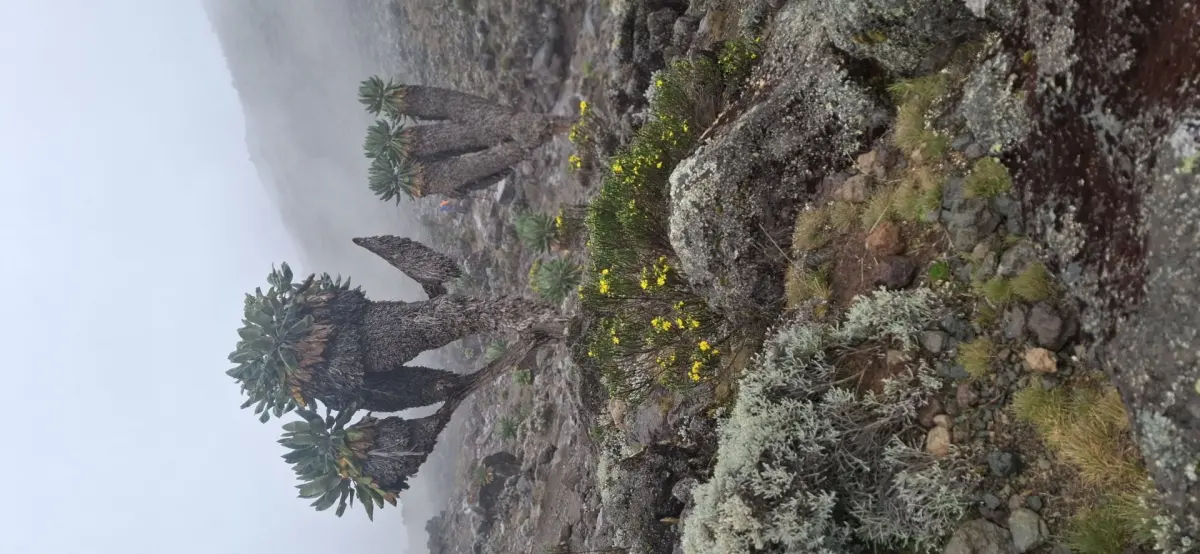
Crowds and Prices by Season
June to October and December bring the biggest trail traffic, higher prices and fuller camps - book four to six months ahead. January and February offer the same clear skies with noticeably fewer tents, and green-season climbers enjoy the emptiest mountain plus the best-value rates on group departures.
Our quiet-time secret
January and early February deliver January clarity with far fewer climbers than July. If your dates are flexible and you want premium conditions without the peak-season campground, this two-month window is the one we recommend most.
Pairing With Safari Seasons
Many travellers pair a Kilimanjaro climb with a safari, and the two calendars overlap beautifully. A June-July climb followed by northern circuit safaris catches both the dry mountain season and the migration building in the Serengeti. January-February gives the calving season in the south - a lesser-known and wonderful companion to a climb.
January is Tanzania's quiet secret: the mountain is clear, the trails are calm, and the wildebeest are calving on the plains below.
— Our senior operations manager
Frequently Asked Questions
What is the best month to climb Kilimanjaro?
There is no single best month for every climber, but January and February are the strongest all-round window: they combine warm, clear daytime walking with far lighter traffic than the July-to-October peak, and dawn summits still deliver those classic pink-and-white views above the clouds. If maximum weather stability is your top priority, the late June to October dry season is the safest booking, with the most predictable skies and calmest summit nights - though camps book out and trailheads get busy. Value-seekers should look at March or November, when clear days still occur and group-departure prices drop by 10-20%. The short answer: January-February for the best balance, June-October for rock-solid stability, and the rainy months for solitude and savings.
Can you climb Kilimanjaro in the rainy season?
Yes - climbing in the rains is entirely possible, and well-prepared trekkers summit throughout the season. You trade a few things for the privilege: muddier trails, more cloud that can hide the summit view on your final morning, and cold, snowy conditions on the upper slopes, so quality waterproofs and a proper layering system become non-negotiable. In return you get the emptiest trailheads of the year, the lowest prices on group climbs, and rainforest sections that bloom spectacularly green between showers. March and November are the gentlest windows within the rains, and choosing a 7+ day route gives your body extra acclimatisation time to offset the weather.
Is Kilimanjaro crowded in peak season?
Peak season - broadly July to September and around December - definitely fills the trails, and the short Marangu and Machame routes get genuinely busy, which is why booking four to six months ahead is essential for those dates. The longer routes absorb the pressure surprisingly well: Lemosho and the Northern Circuit keep a real sense of wilderness even in August because the extra climbing days spread out the daily volume of trekkers. If you want the brilliant dry-season weather without the crowds, January and February are the best-kept balance - the same clear skies with a fraction of the tents and a quieter, more personal climb.
Prefer to leave the planning to us?
Tell us your dates and interests — our local team will craft a free, tailor-made itinerary around this guide.
Plan My SafariKeep Reading

Complete Mount Kilimanjaro Guide
The full story of climbing Africa's roof - routes, days, costs, and reaching the snows of Uhuru Peak.
Read guide
Kilimanjaro Climbing Guide
Your step-by-step planning guide to a successful summit - fitness, routes, gear and what each day feels like.
Read guide
Kilimanjaro Routes Compared
Machame, Lemosho, Marangu or Rongai? We compare scenery, difficulty, success rates and days on each route.
Read guide