
Discover Materuni Waterfalls
Materuni is a lively Chagga village perched on the lower slopes of Mount Kilimanjaro, about 15 km from Moshi, and it is the gateway to one of the region’s most rewarding short hikes. From the village a trail winds through banana groves, coffee smallholdings and thick rainforest to the spectacular Materuni Waterfalls.
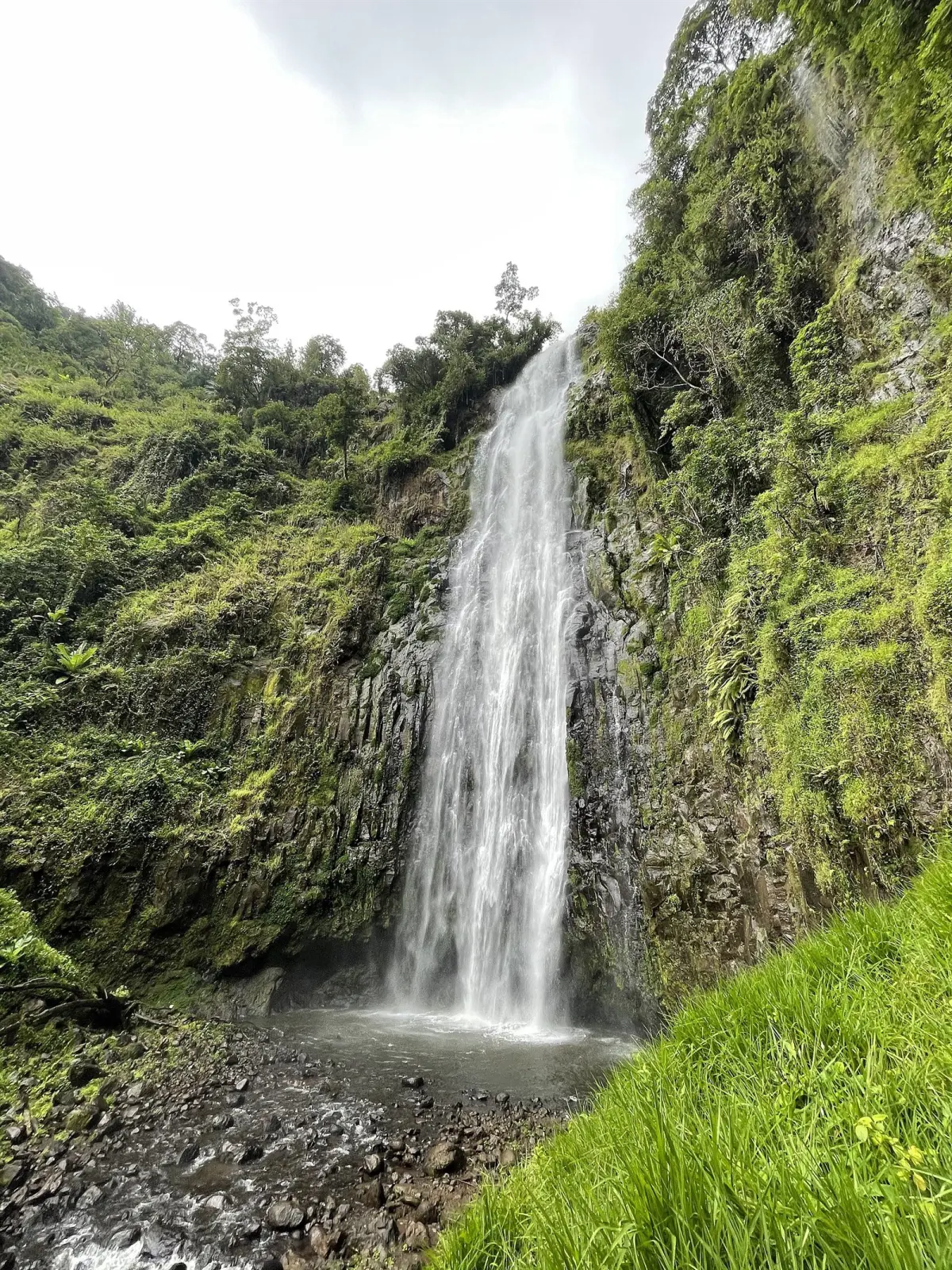
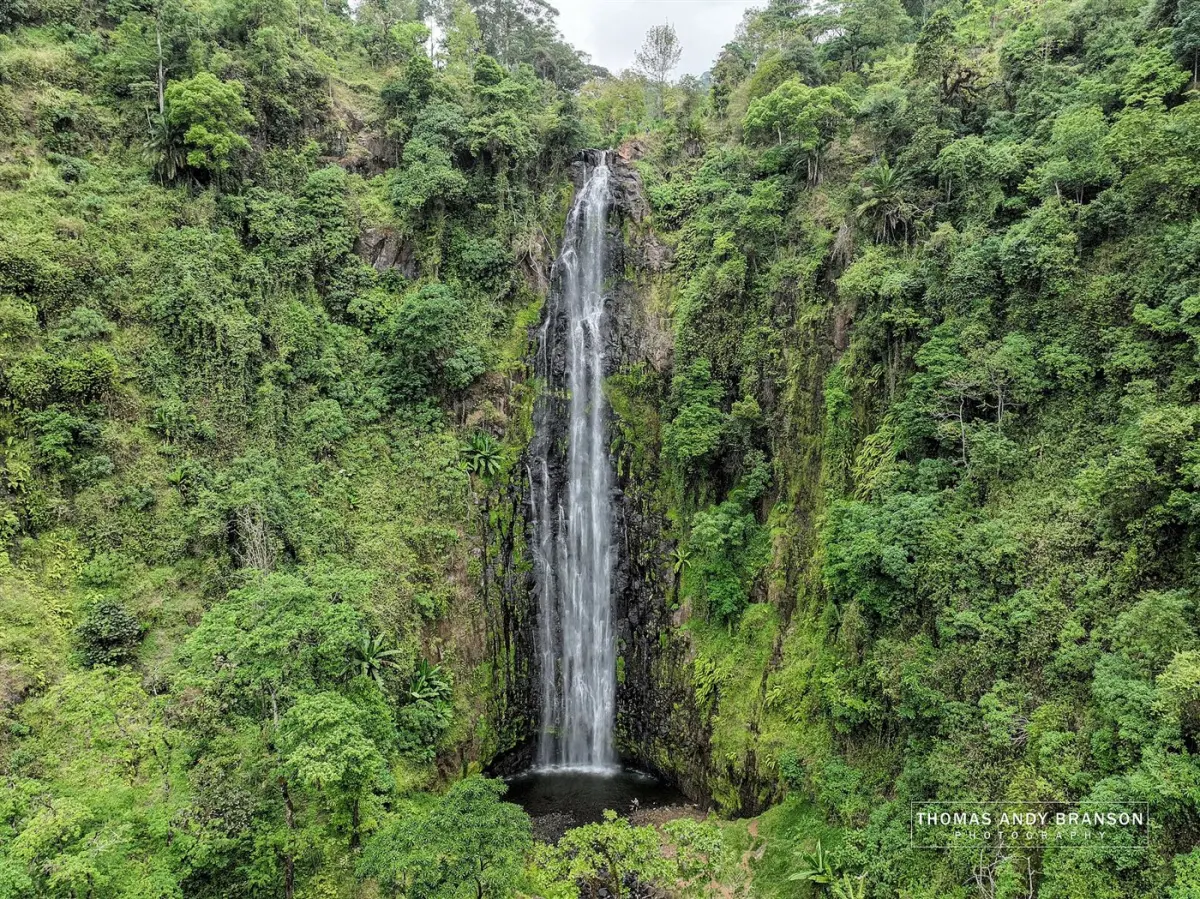
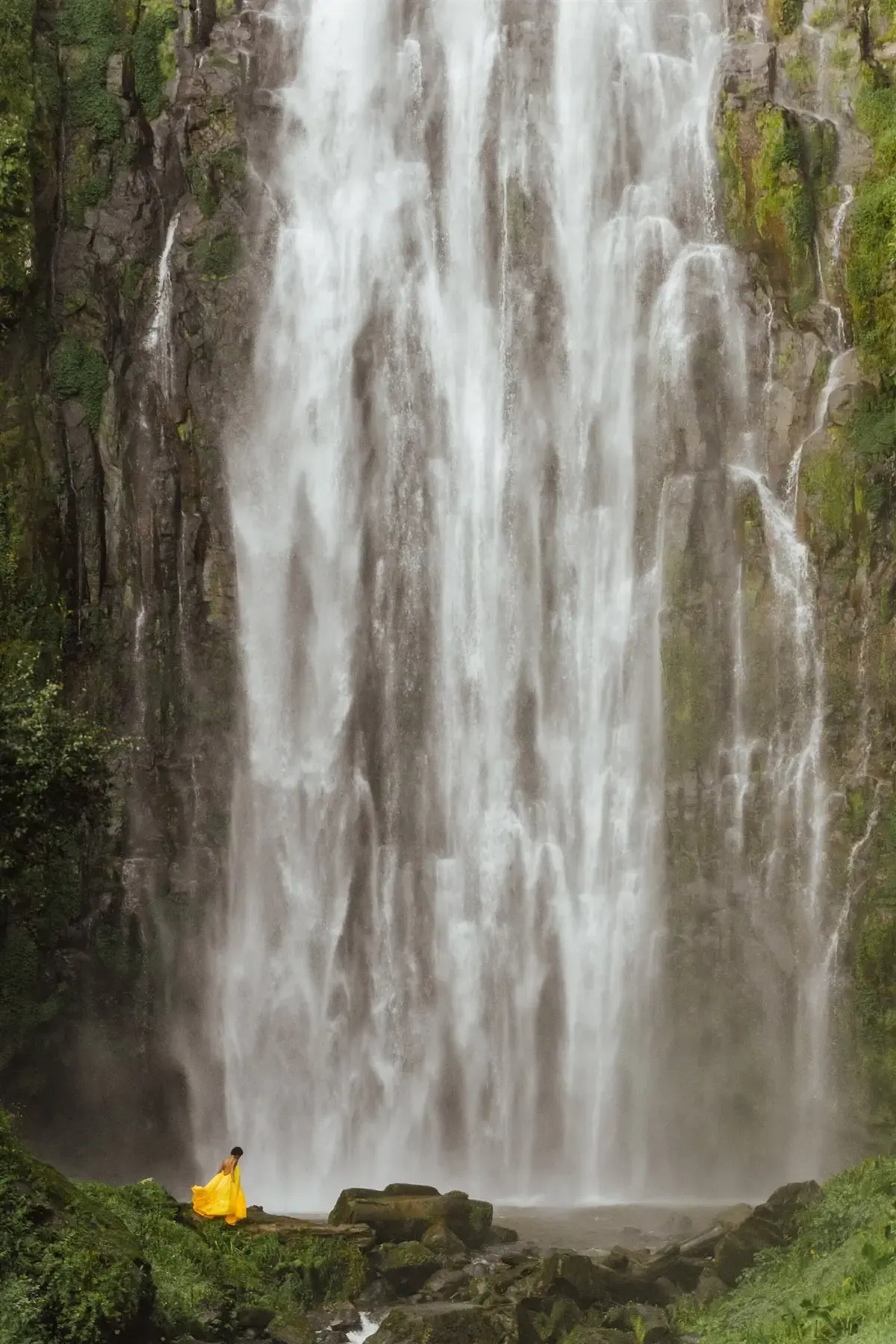
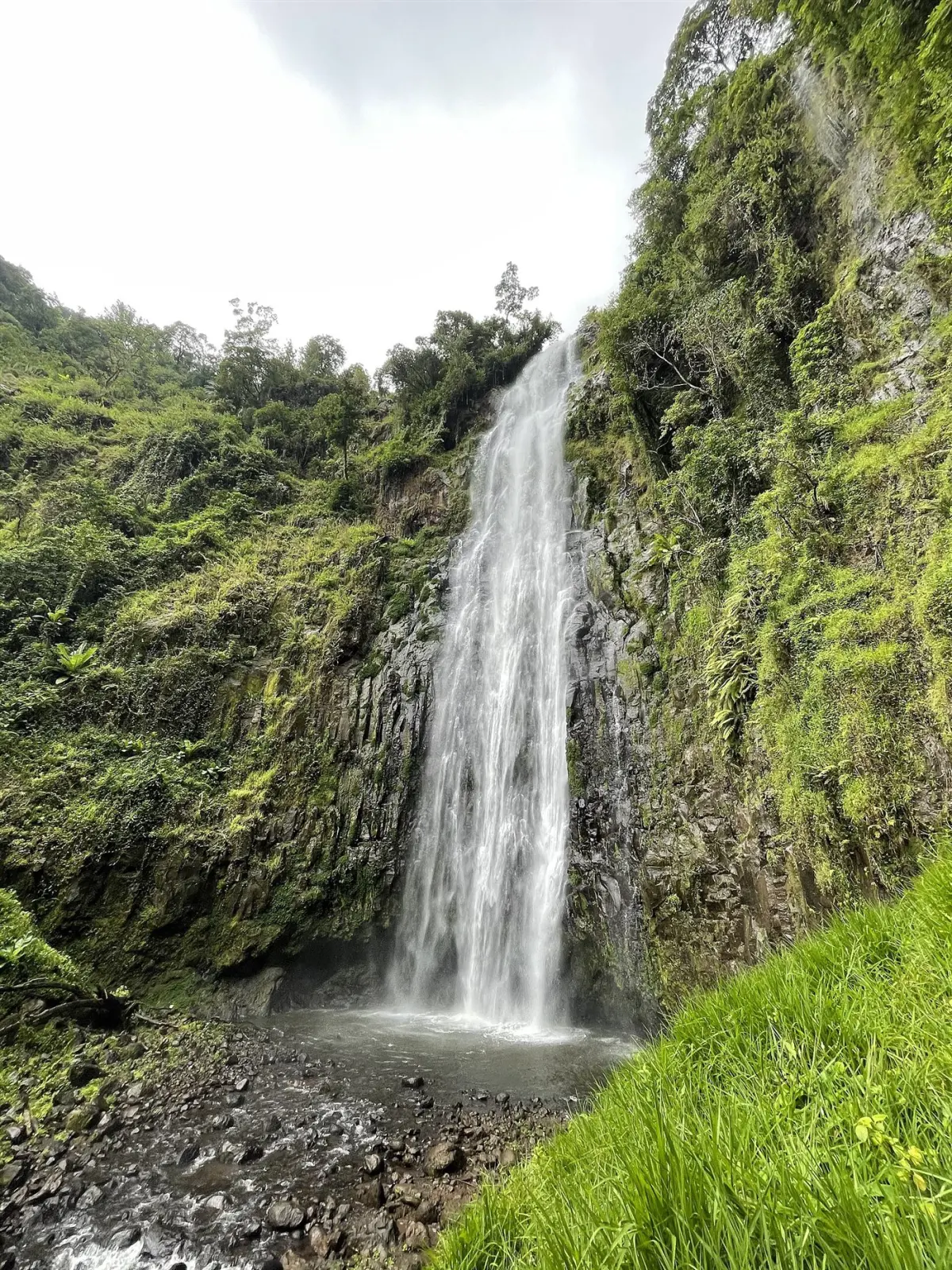
The falls plunge roughly 70 to 80 metres down a sheer rock face into a cold, clear pool, framed by vines and ferns. The walk to reach them takes about forty-five minutes each way, climbing gently through farmland before entering the shaded forest of the Kilimanjaro foothills — the perfect taste of the mountain without the multi-day trek.
Materuni is also the heart of Tanzania’s Arabica coffee country. Families here have grown coffee for generations, and a visit usually includes a tour of a small farm where you learn how the beans are grown, picked, roasted and brewed — often with singing, dancing and a cup of freshly made coffee at the end.
Close to Moshi and easily combined with Chemka Hot Springs, Materuni makes an ideal cultural and nature day trip for anyone staying in the Kilimanjaro region, whether before or after a climb or a safari.
Why visit Materuni Waterfalls
-
The Materuni Waterfalls
A thundering 70 to 80 metre cascade pouring into a cold, clear plunge pool.
-
A scenic forest hike
Walk through banana groves, coffee farms and rainforest on the slopes of Kilimanjaro.
-
Chagga coffee tour
Follow the bean from tree to cup on a family farm and taste freshly roasted coffee.
-
Chagga culture
Meet the people of Materuni and learn about life on Africa’s highest mountain.
-
Kilimanjaro views
On clear days the village and trails look out across the plains towards the summit.
-
A refreshing dip
Brave the cold water of the plunge pool at the base of the falls.
Materuni Waterfalls
Fed by streams and rainfall from the rainforest above, Materuni Waterfalls drop around 70 to 80 metres in a single powerful sheet, throwing up a fine spray that keeps the surrounding rocks and plants cool and dripping. The pool at the base is crystal clear and bracingly cold — a fantastic contrast to the warm plains below.
The viewpoint at the foot of the falls is the highlight of the hike, and many visitors swim or at least paddle in the shallows. The rock can be slippery, so take care, and keep a respectful distance from the base if the water is high after rain.
Because the falls sit in a pocket of rainforest, the air here is noticeably cooler and greener than in Moshi. The spray, the sound of the water and the dense vegetation make it feel like a completely different world only a short drive from town.
The Chagga coffee experience
Coffee has shaped life in Materuni for a century. The village sits in the Kilimanjaro coffee belt, where rich volcanic soil and high altitude produce some of Tanzania’s best Arabica beans. On a farm tour you will see the chagga smallholdings and learn the whole process by hand.
Guests typically pick and pulp the cherries, dry and roast the beans over a fire, then grind them with a mortar and brew a fresh cup — all accompanied by the songs and traditional dance for which the Chagga are known. It is an authentic, hands-on experience rather than a staged show.
Buying a bag of locally grown coffee is a simple way to support the families who open their farms to visitors, and the money stays in the village.
What the hike involves
The walk to the falls is moderate and suitable for most reasonably active travellers, including families with older children. From the village it takes about forty-five minutes each way, with a gentle climb through cultivated land and then a steeper, shadier section through the forest.
A local guide accompanies every group, both for safety and to explain the plants, birds and farming methods along the way. The return climb back to the village is the more demanding part because of the incline, but it is short and manageable with a relaxed pace.
Paths can be muddy after rain, so good shoes with grip are important. Hikers should also carry water, a hat and sun protection for the open sections of the trail.
Best time to visit
Materuni can be visited year-round, and the falls are most powerful during and just after the rains. The dry season from June to October offers the best and driest walking conditions, with clear skies and firm trails.
The short dry spell around January and February is also excellent. The long rains of April and May bring lush scenery and dramatic water but can leave the path muddy and the rocks slippery, so expect to get a little wet.
Mornings are the best time to start: the light is softer for photography, the forest is alive with birds, and you will usually reach the falls before the main groups arrive.
Pairing Materuni with other trips
Materuni is close to Moshi, which makes it an easy half-day or full-day outing. The most popular pairing is a morning at the waterfall and coffee farm followed by an afternoon at Chemka Hot Springs, where you can relax in warm turquoise water after the hike.
It also works beautifully as a warm-up before or a recovery day after a Kilimanjaro trek, or as a cultural contrast on a Northern Circuit safari. Tell us your plans and we will slot Materuni in wherever it fits best.
What you might see
Blue monkeys
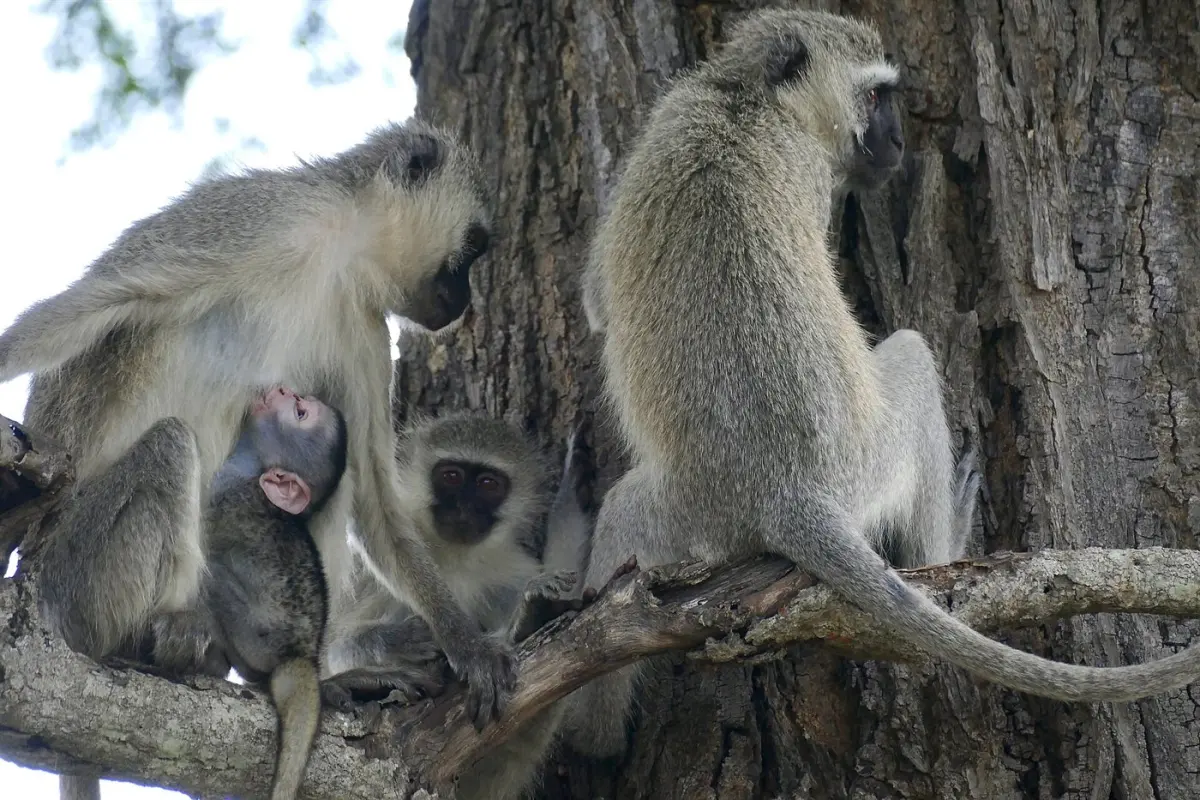
Agile monkeys move through the rainforest canopy above the trail.
Turacos & hornbills
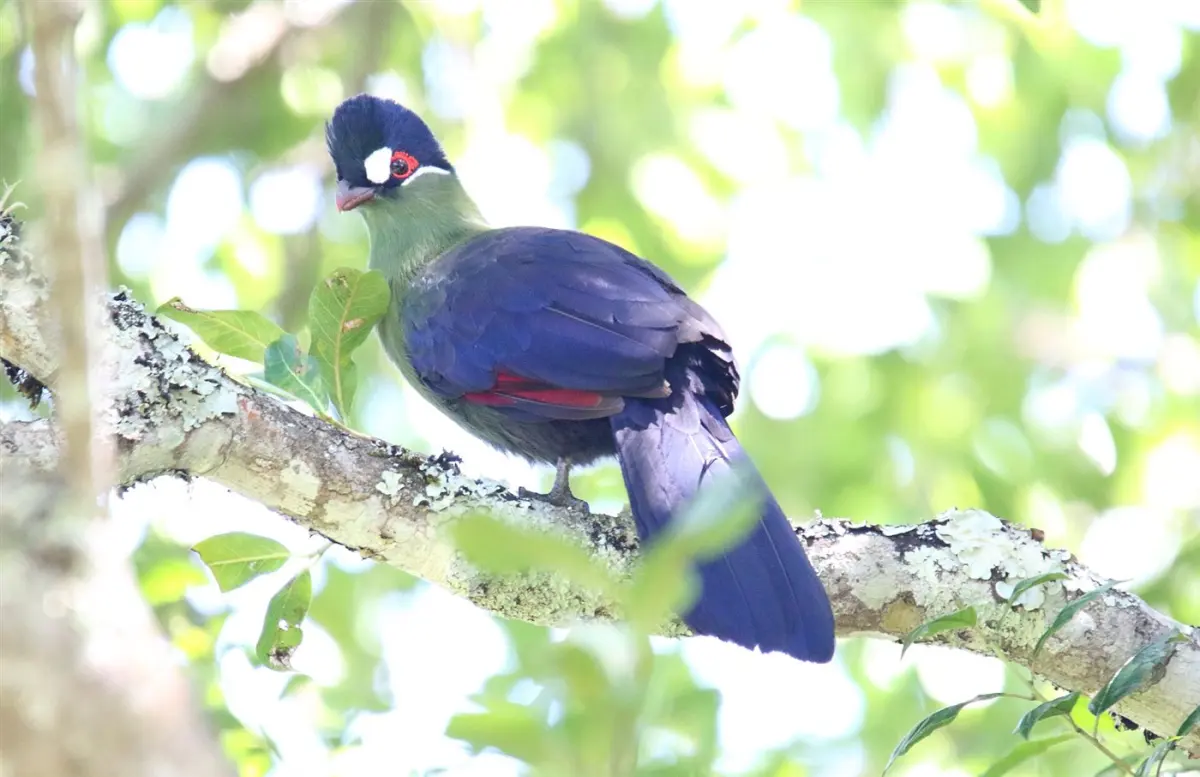
Brightly coloured forest birds call from the trees around the falls.
Chameleons
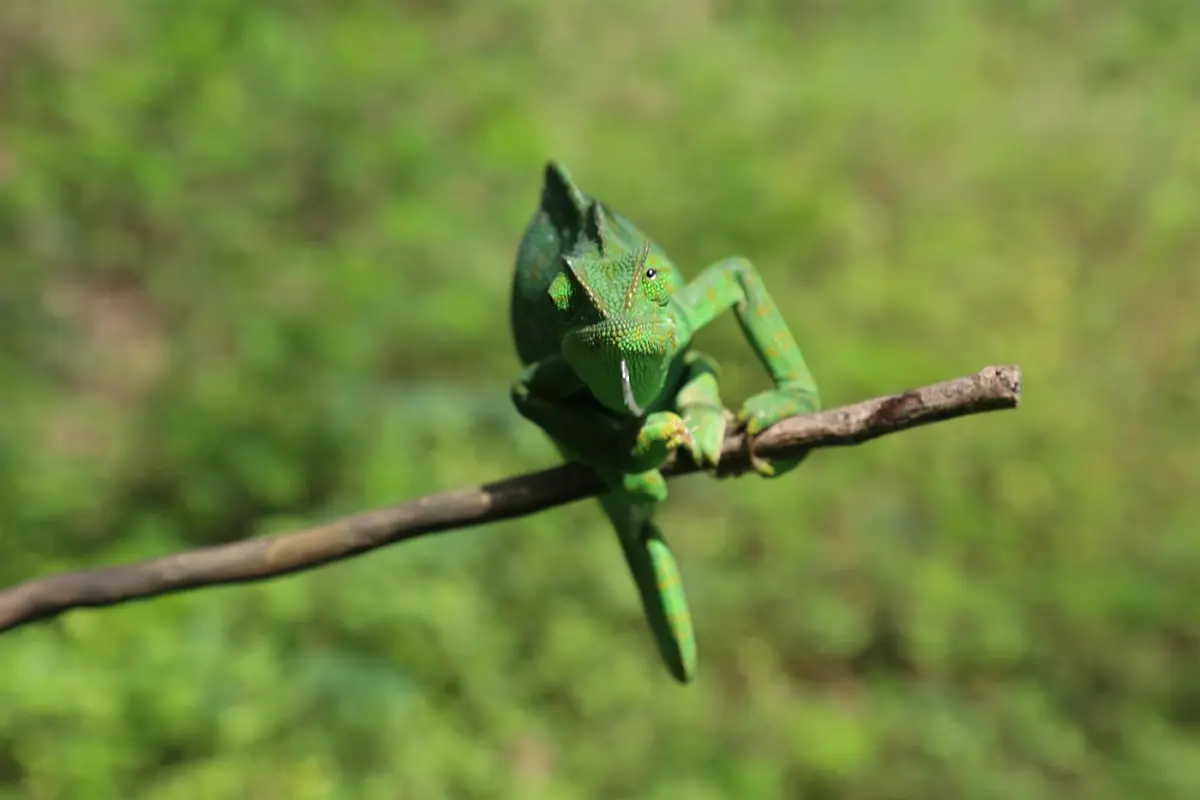
Kilimanjaro’s forests are home to well-camouflaged chameleons and lizards.
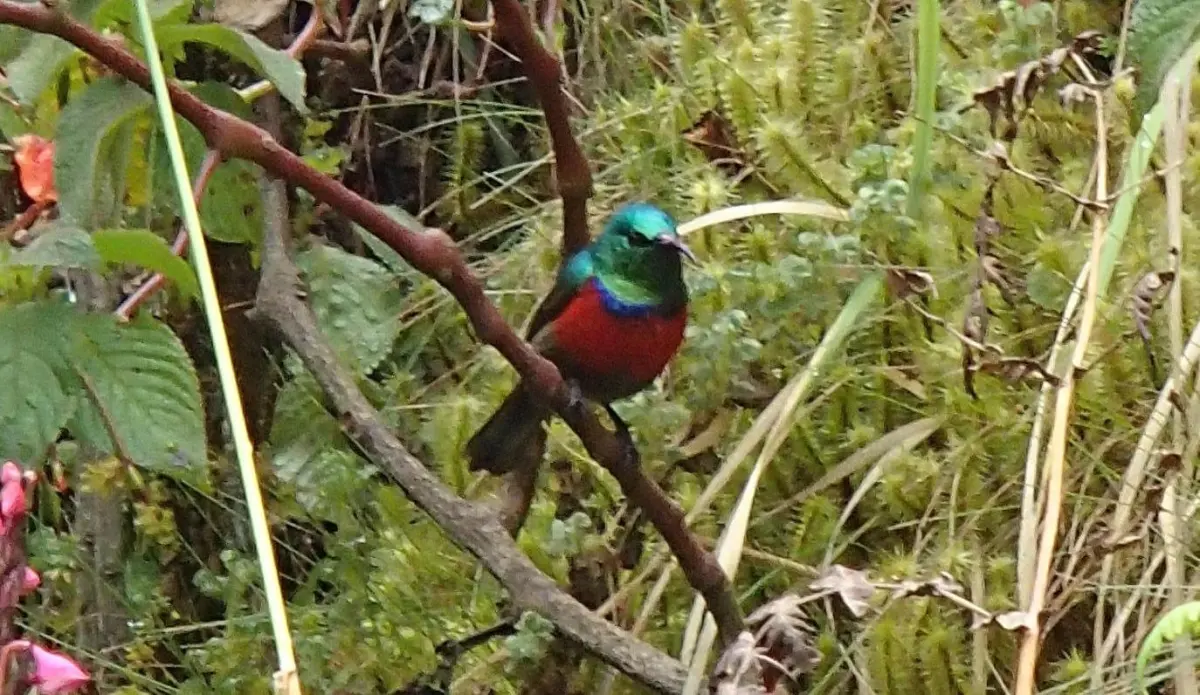
Sunbirds
These tiny, jewel-like birds feed on the flowers along the farmland edges.
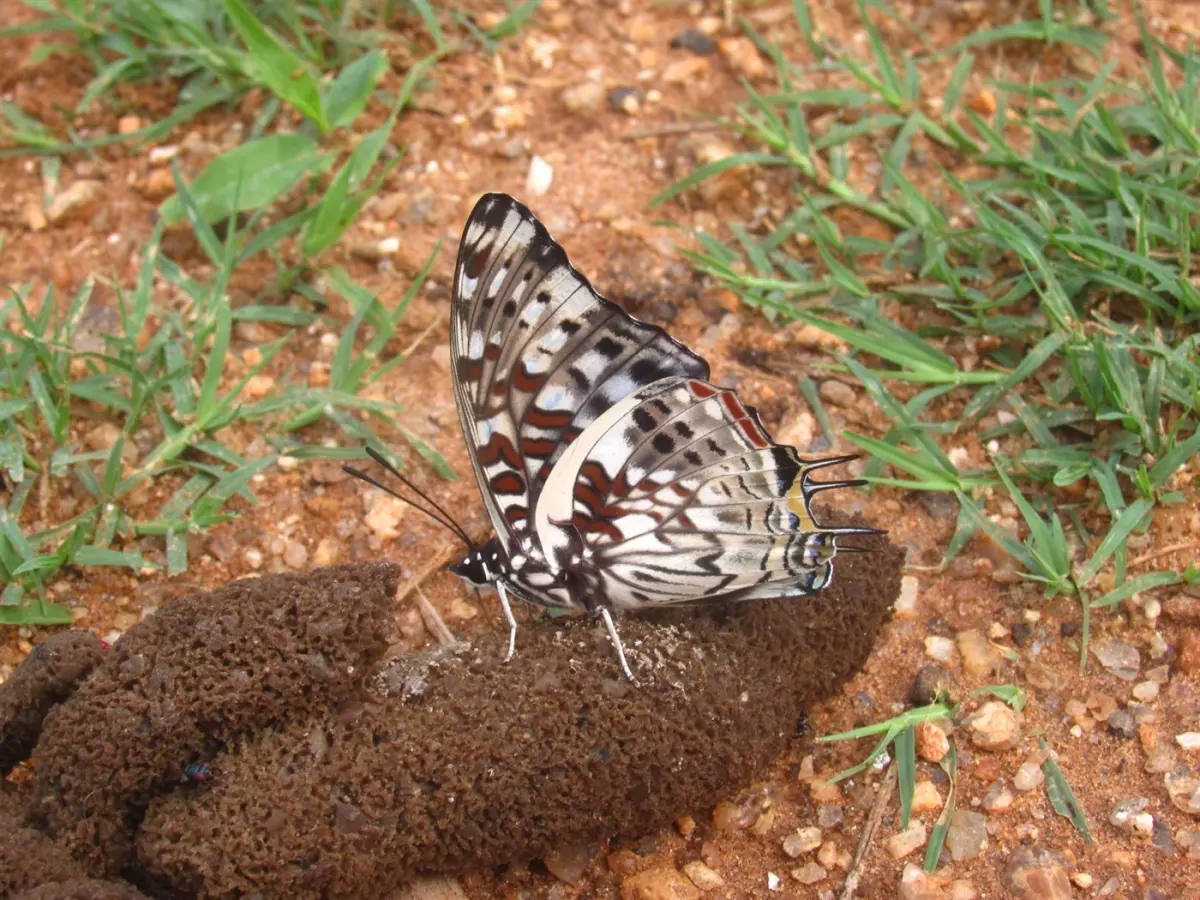
Butterflies
Colourful butterflies are abundant in the green season and around the spray.
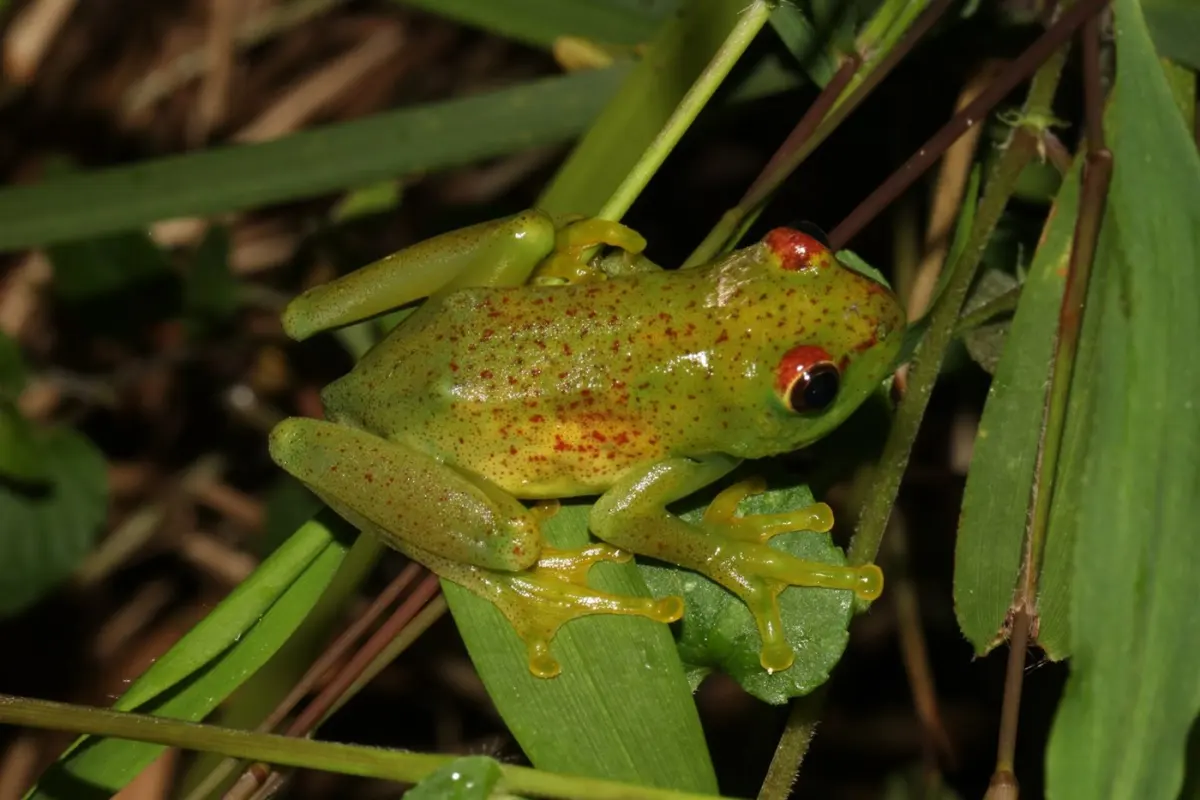
Frogs & streams
The cold forest streams and pool support frogs and freshwater life.
Materuni Waterfalls in pictures
Best time to visit
Materuni is a year-round walk. The dry season gives the firmest trails, while the rains make the falls more powerful and the forest greener.
| Season | Weather | Crowds | What to expect |
|---|---|---|---|
| Jan–Feb | Warm, short dry spell | Moderate | Good trails and lush green forest |
| Mar–May | Long rains | Low | Fullest falls, muddy and slippery paths |
| Jun–Oct | Dry, clear and cooler | High | Best walking conditions and clearest views |
| Nov–Dec | Short rains | Moderate | Green scenery with occasional afternoon showers |
Things to do
Waterfall hike
Walk through village farmland and rainforest to the base of the falls.
Coffee tour
Pick, roast and brew your own cup on a Chagga family coffee farm.
Village culture
Meet local families and enjoy traditional Chagga songs and dance.
Swim at the falls
Cool off in the cold plunge pool beneath the cascade.
Photography
Capture the falls, the farms and the green slopes of Kilimanjaro.
Birdwatching
Spot forest birds and sunbirds along the shady trail.
Where to stay
Country lodges near Moshi
Comfortable lodges and coffee-farm stays with Kilimanjaro views. <!-- TODO: lodge names -->
Boutique guesthouses
Charming guesthouses in and around Moshi town, close to the trailhead. <!-- TODO: lodge names -->
Budget hostels & homestays
Affordable hostels and village homestays for independent travellers. <!-- TODO: lodge names -->
Getting there & around
Materuni is about 15 km from Moshi, reached in roughly thirty to forty minutes on a mix of tarmac and rough dirt road, the last stretch climbing steeply into the village. Most visitors come on a guided day trip from Moshi or Arusha, which includes transport, a local guide, the coffee tour and the waterfall walk.
The trail itself begins in the village, so no special vehicle is needed once you arrive. A 4x4 is more comfortable for the final climb, and we can arrange private transfers and packed lunches so you can relax and enjoy the day.
- From Moshi 30–40 mins (~15 km)
- From Arusha 2–2.5 hrs
- Hike to falls About 45 mins each way
- Half day Hike & coffee tour
Frequently asked questions
How long is the hike to Materuni Waterfalls?
The walk takes about 45 minutes each way from the village. It is moderate, with a gentle climb through farmland and then a shadier forest section, and the return ascent is short but steeper.
Can you swim at Materuni Waterfalls?
Yes, many visitors swim or paddle in the plunge pool at the base of the falls. The water is cold and the rocks are slippery, so take care and follow your guide’s advice.
What is included in a Materuni coffee tour?
A typical tour shows the full process of growing and making Arabica coffee — picking, pulping, drying, roasting, grinding and brewing — with a fresh cup at the end, often accompanied by traditional Chagga songs and dance.
Is Materuni suitable for children?
Yes, for reasonably active children and families. The hike is not too long, but the trail can be muddy and uneven, so younger children may need help and a slower pace.
What should I wear and bring?
Sturdy shoes with grip, a hat, sunscreen, insect repellent and water. A towel and a change of clothes are handy if you plan to swim, and a light rain jacket is wise in the greener months.
Can I combine Materuni with Chemka Hot Springs?
Yes — it is one of the most popular day trips in the region. Hike to the falls and tour the coffee farm in the morning, then relax at Chemka Hot Springs in the afternoon.
Nearby destinations


Ready to plan your Materuni Waterfalls trip?
Tell us your dates and travel style. Our local team in Moshi will build a tailor-made itinerary around Materuni Waterfalls — free, with no obligation.