
Discover Mount Kilimanjaro
Mount Kilimanjaro is the highest mountain in Africa and the tallest free-standing mountain in the world, rising to 5,895 m (19,341 ft) above the plains of northern Tanzania. Crowned by equatorial glaciers and a dormant volcanic cone, it is one of the most iconic sights on the planet — and one of the great attainable adventures on any bucket list.
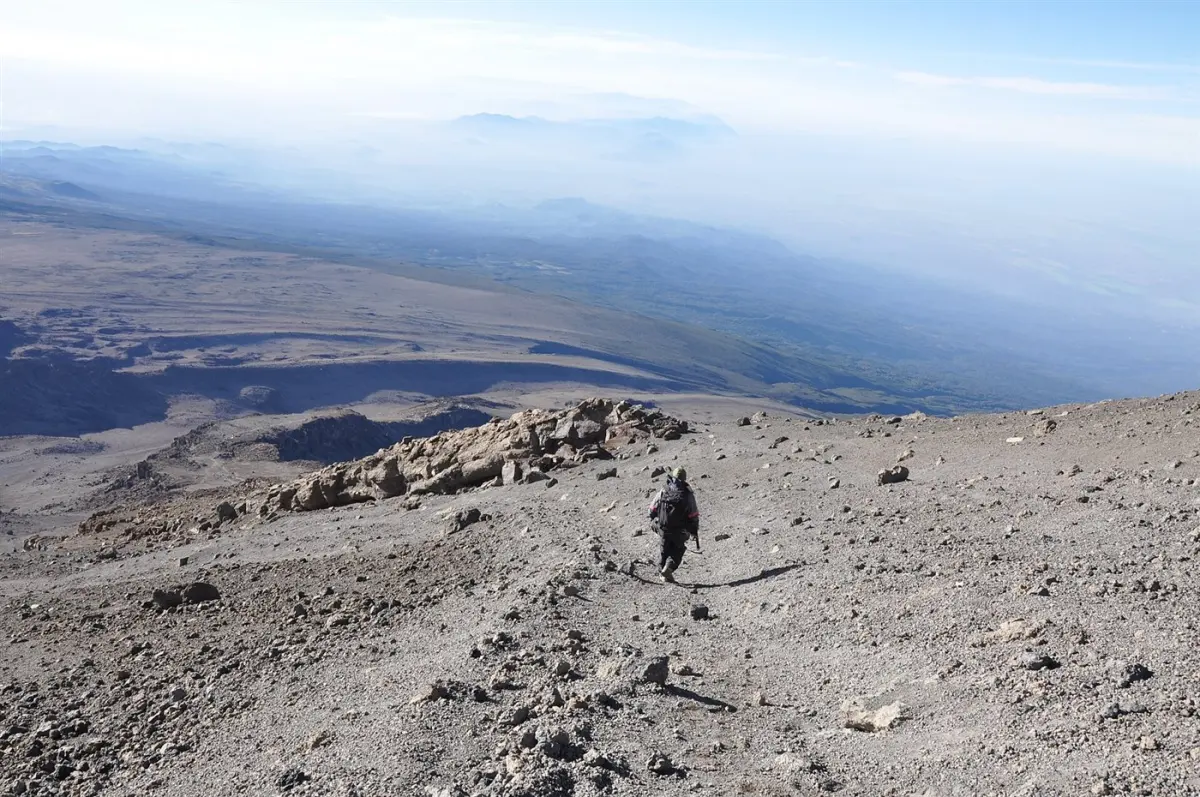
What makes Kilimanjaro so special is that it is a non-technical climb. There is no ice climbing, no ropes and no mountaineering skill required — just fitness, determination and a careful approach to altitude. As you ascend, you pass through five distinct climate zones, from cultivated lower slopes and dense rainforest to heath, moorland, alpine desert and finally the frozen, otherworldly summit.
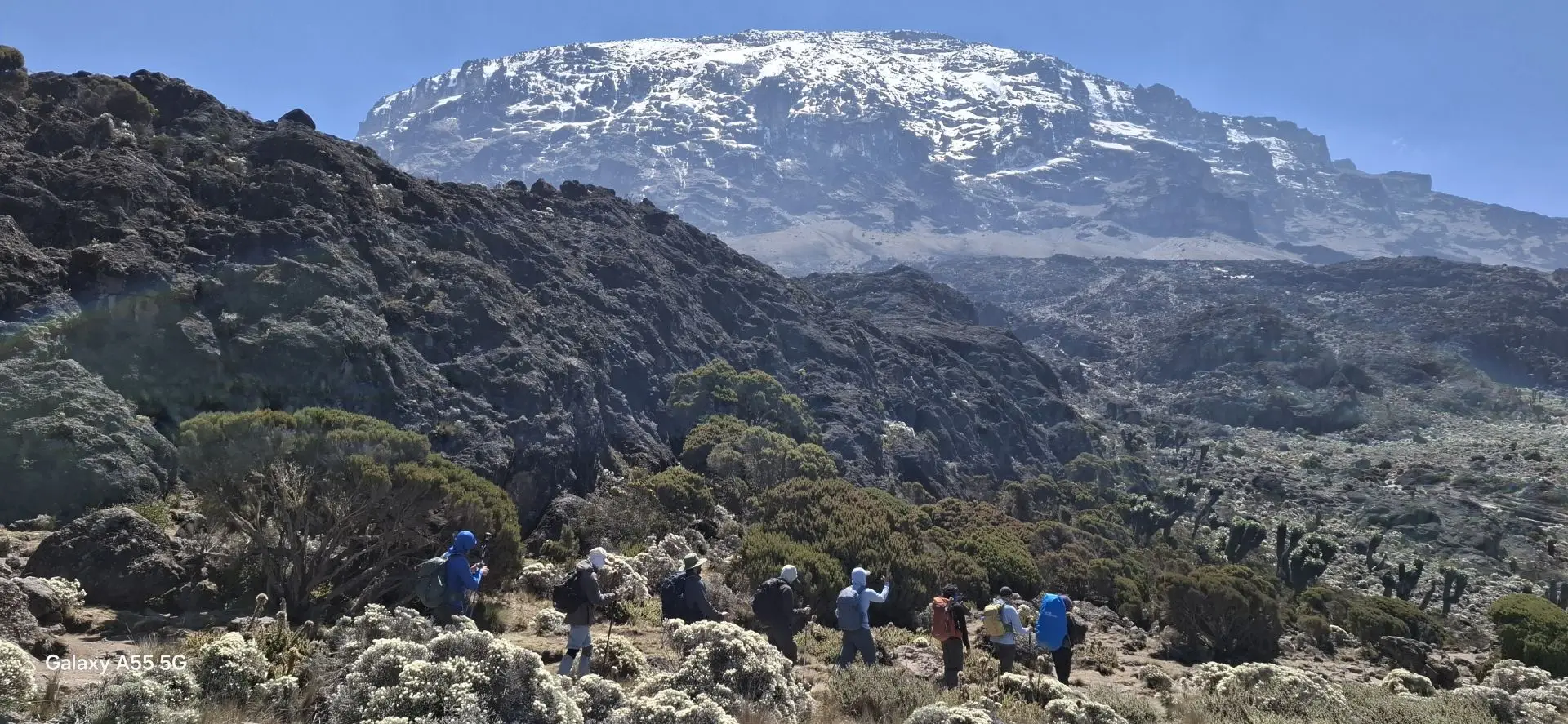
Kilimanjaro has three volcanic cones: Kibo, the highest, which holds Uhuru Peak; Mawenzi, a jagged, extinct peak; and Shira, an older, eroded cone to the west. The mountain sits within Kilimanjaro National Park, inscribed as a UNESCO World Heritage Site in 1987, and its shrinking glaciers are among the most visible signs of a changing climate.
Based in Moshi, right beneath the mountain, our team lives and breathes Kilimanjaro. We will help you choose the right route and number of days, prepare properly, and climb with a professional crew for the best possible chance of standing on Uhuru Peak.
Why visit Mount Kilimanjaro
-
Uhuru Peak, 5,895 m
Stand on the highest point in Africa, with the summit glacier and the plains far below.
-
Five climate zones
Trek through farmland, rainforest, moorland, alpine desert and arctic summit in a single climb.
-
A non-technical summit
No climbing experience is needed — Kilimanjaro is a demanding trek, not a technical mountaineering route.
-
A route for everyone
From the classic Marangu to the scenic Machame and the quiet Northern Circuit, there is a route to suit you.
-
A legendary crew
Guides, cooks and porters are the heart of every climb, carrying the loads and setting the pace.
-
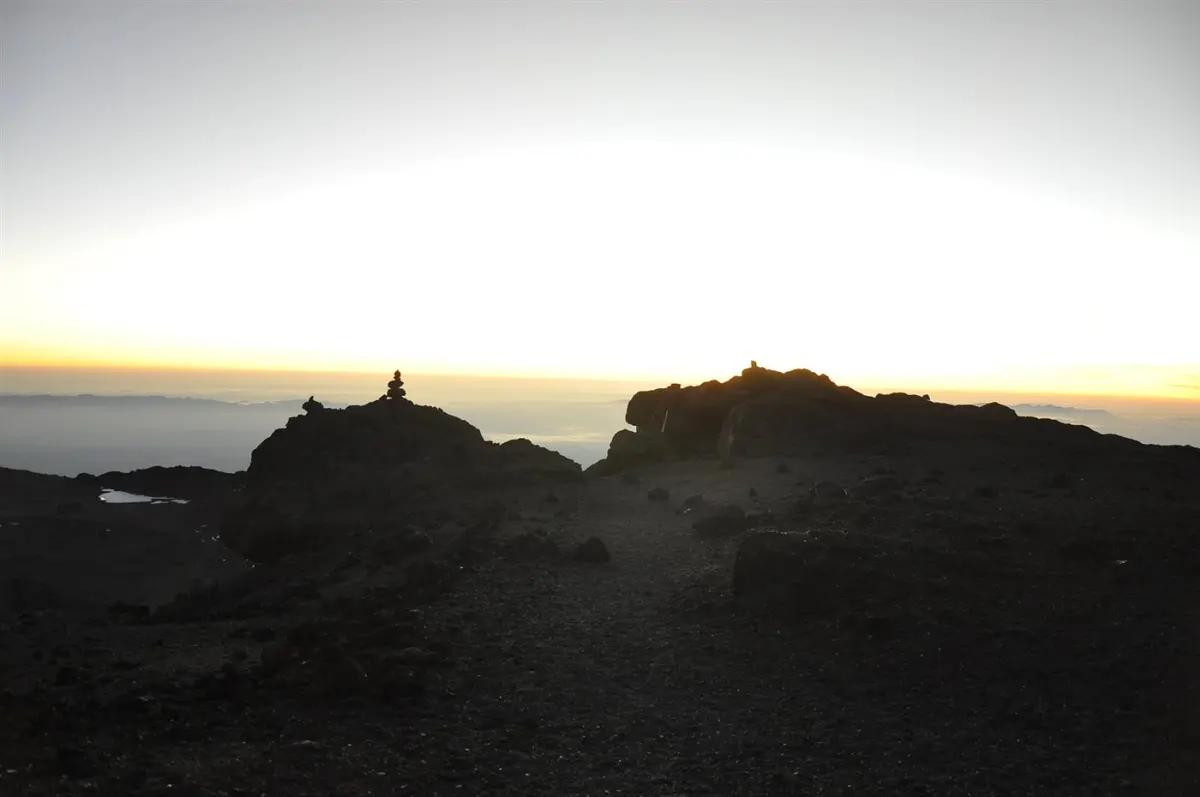
Sunrise above the clouds
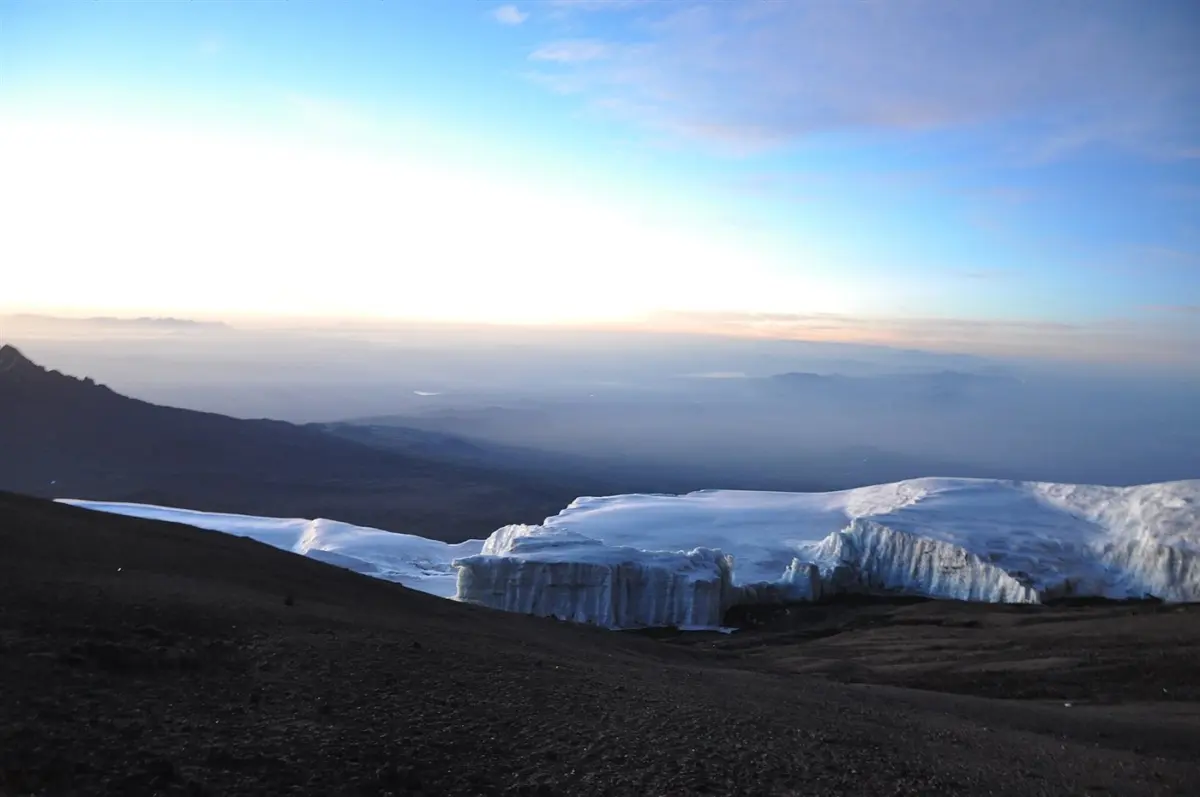
Reach the crater rim as dawn breaks over the Plains of Africa — the moment climbers never forget.

Africa’s roof & its three cones
Kilimanjaro is a dormant volcano that began forming roughly a million years ago and last erupted around 200 years ago. It has three cones: Kibo (5,895 m), the broad, snow-capped summit that holds Uhuru Peak; Mawenzi (5,149 m), a dramatic, deeply eroded and extinct cone to the east; and Shira (3,962 m), an older, flatter cone to the west.
Kibo still has a central ash pit and a collapsed crater called the Reusch Crater, a reminder that the mountain is only sleeping. Because Kilimanjaro stands alone rather than in a mountain range, it is called the world’s highest free-standing mountain, and its beautiful isolation is part of why it is so recognisable.
The mountain sits barely 3° south of the equator, yet its height creates a polar microclimate. Its glaciers, which have crowned Kibo for thousands of years, are retreating dramatically — a powerful and sobering reason to see them while you still can.
Choosing a Kilimanjaro route
The single best thing you can do to improve your chances of reaching the summit is to choose a longer route. More days means better acclimatisation, and acclimatisation is what gets people to the top. Here are the main routes we offer.
- Machame (“Whiskey”) — 6–7 days, scenically stunning through rainforest and the Barranco Wall, with good acclimatisation.
- Lemosho — 7–8 days, our favourite for beauty and acclimatisation, crossing the Shira Plateau before joining the western approach.
- Northern Circuit — 8–9 days, the longest and quietest route, with the highest success rates thanks to superb acclimatisation.
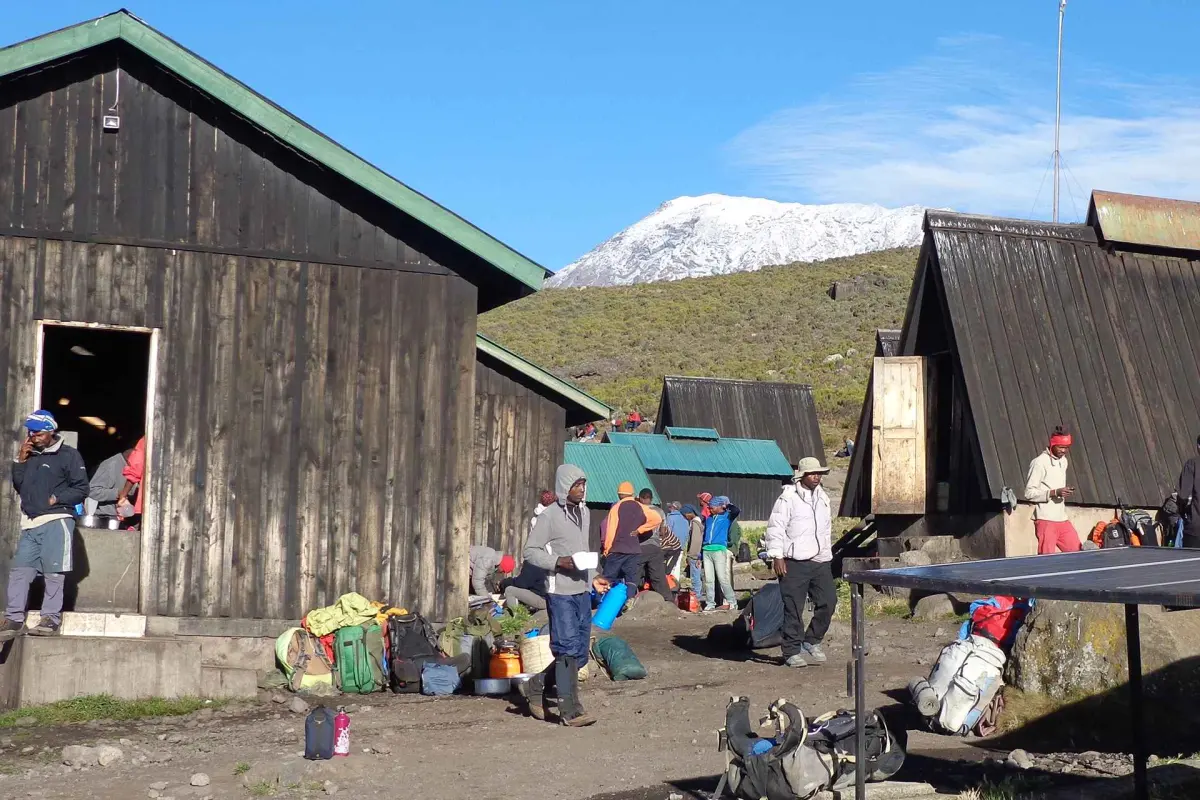
- Marangu (“Coca-Cola”) — 5–6 days, the only route with hut accommodation, but the fastest ascent and lowest success rate.
- Rongai — 6–7 days, approached from the quieter northern side and a good choice in the rainy months.
- Umbwe — 5–6 days, a steep, demanding and direct route recommended only for the very fit.
Staying healthy & reaching the top
Altitude, not fitness, is what stops most climbers. Kilimanjaro rises from roughly 1,800 m to 5,895 m in a matter of days, and the air thins dramatically as you go. The golden rule is pole pole — “slowly, slowly” — walking at a pace so gentle that you are barely out of breath.
Choosing a longer itinerary, drinking three to four litres of water a day, eating well even when your appetite fades, and communicating honestly with your guides are the keys to success. Recognising the symptoms of acute mountain sickness early — headache, nausea, dizziness, breathlessness — and reacting to them is essential.
Every reputable climb includes registered guides trained in wilderness first aid and carrying emergency oxygen and a pulse oximeter. We design every itinerary with an acclimatisation day, a sensible pace and, where relevant, the option of a descent-and-recovery approach, so safety always comes before the summit.

Packing & training
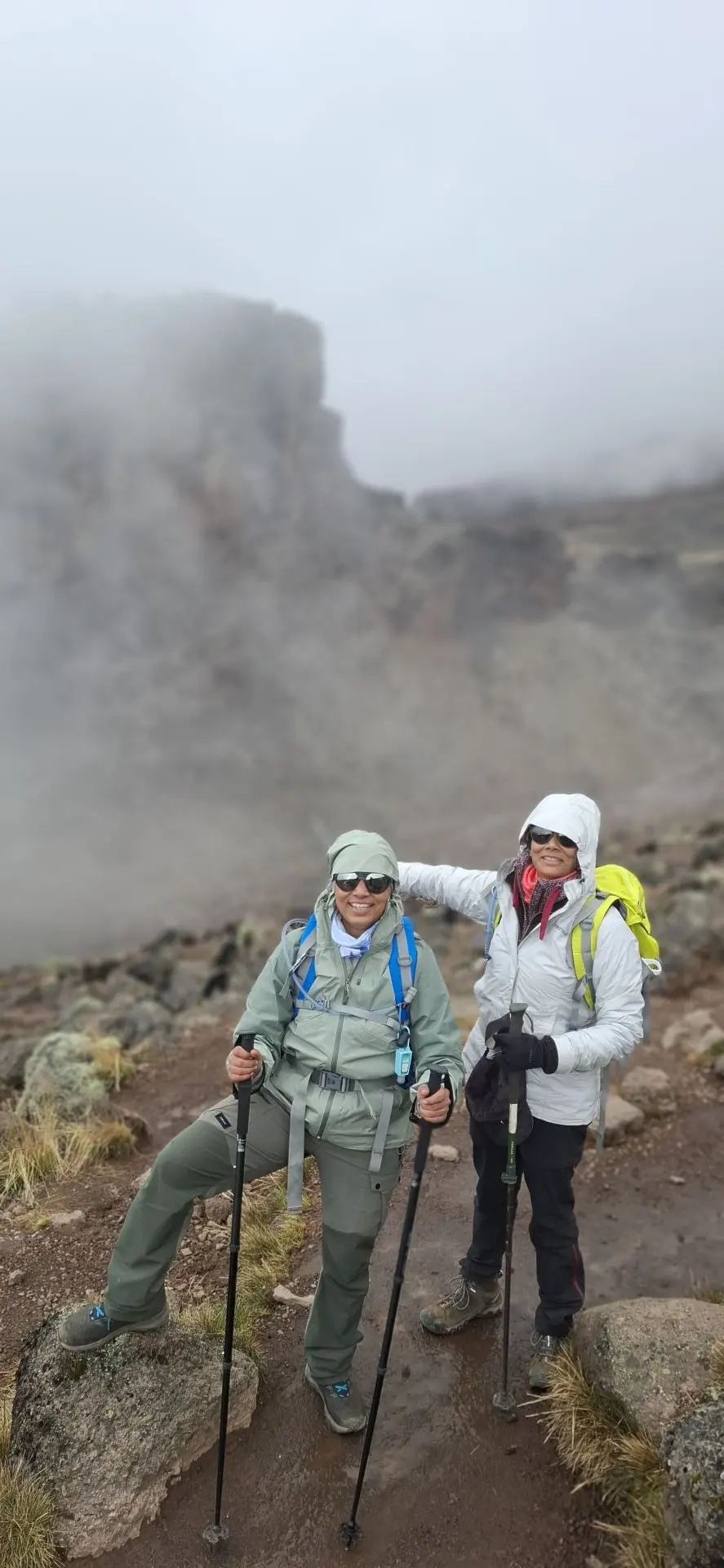
Kilimanjaro is a trek through extreme temperature change. You will start in tropical heat at the gate and finish in freezing, wind-blasted cold at dawn on the summit, so layering is everything. A good layering system plus a warm down jacket and proper waterproofs will keep you comfortable in every zone.
Training in the months before your climb makes the whole experience far more enjoyable. Long hill walks, stair climbs and cardio sessions build the endurance you need, while testing all your kit on a long day out means no surprises on the mountain.
- Broken-in waterproof hiking boots (not brand new) and thick walking socks.
- Base layers, fleece mid-layers and a warm down jacket plus a waterproof shell.
- A four-season sleeping bag rated to at least −10°C, a head torch and spare batteries.
- Sun hat, warm hat, gloves, sunglasses and high-factor sunscreen for the equator sun.
- A large water bottle or hydration system and a duffel bag for the porters to carry.
Park fees, costs & practical information
Climbing Kilimanjaro requires national park fees, hut or camping fees, rescue fees and a licensed operator with registered guides and porters. Rates are set by the government and reviewed periodically, so we always confirm current amounts when you book.
A few practical points to keep in mind when planning your climb:
- The park is open year-round, but the clearest weather falls in January–March and June–October.
- A minimum of 5 days is required by the park; we strongly recommend 7–8 days for acclimatisation.
- Tipping the mountain crew is expected and budgeted separately — we give clear guidance before you go.
- Travel insurance that covers trekking to 6,000 m (and helicopter evacuation) is essential.
- Drones need special authorisation and are not permitted for casual use.
What you might see
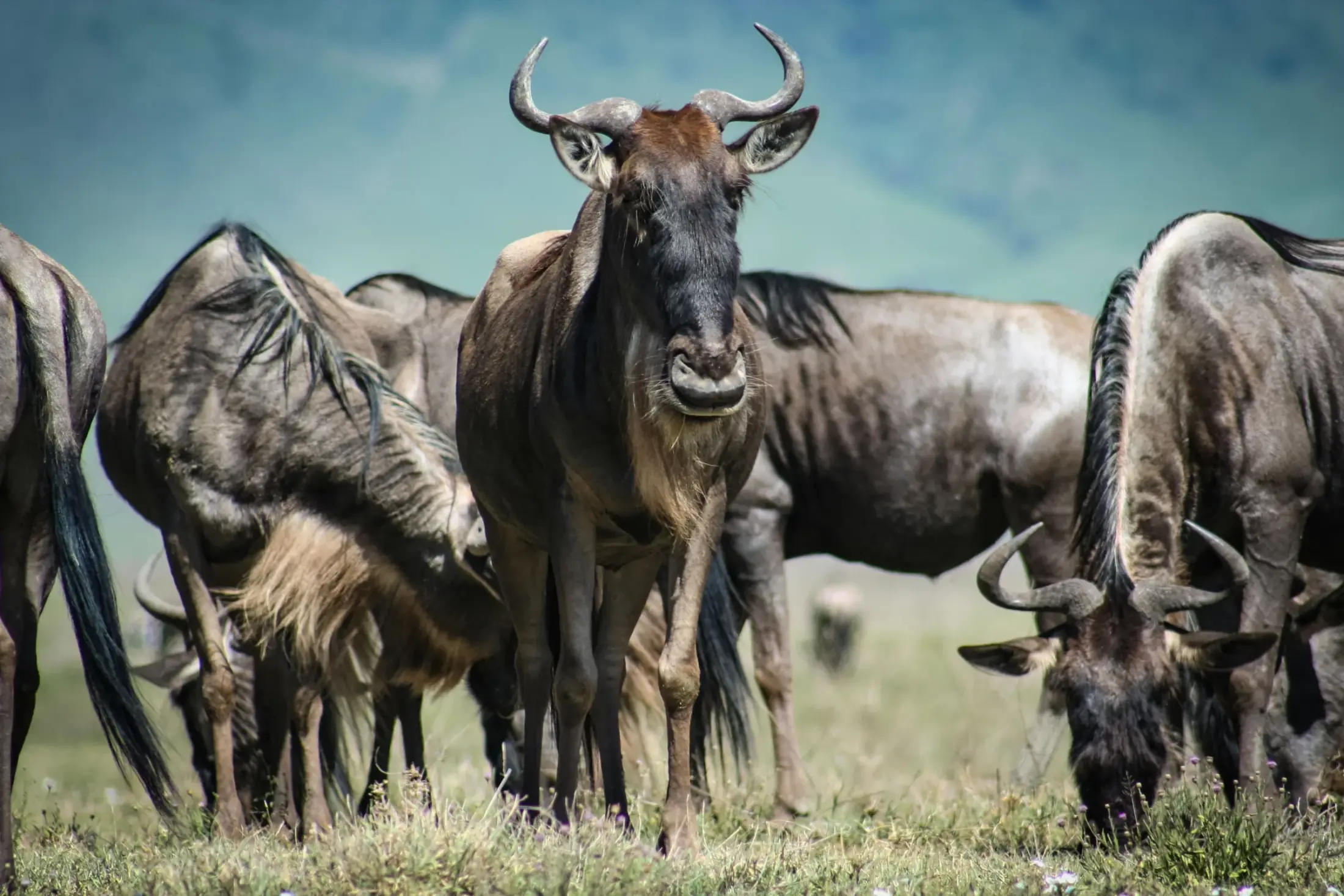
Kilimanjaro’s wildlife is concentrated in the lower forest and moorland zones — most climbers glimpse far more than they expect.
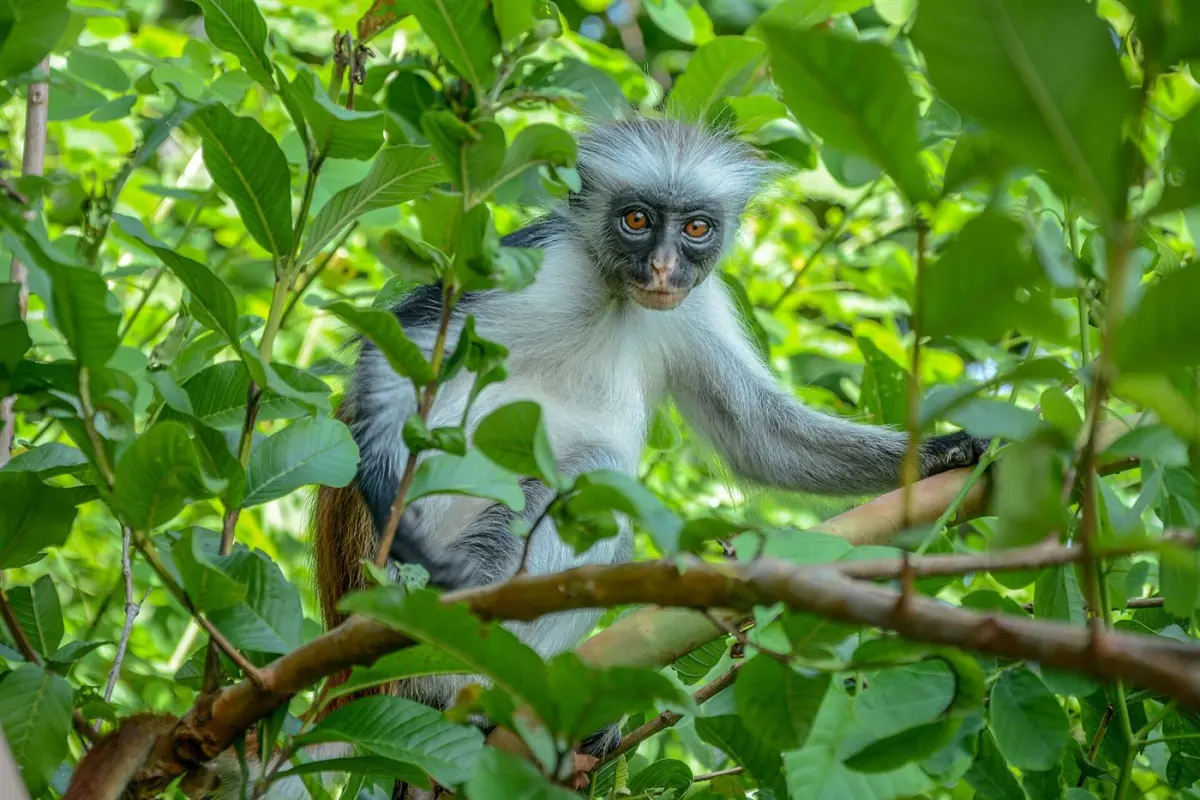
Black-and-white colobus
These acrobatic monkeys are common in the rainforest belt on the first day of the climb.
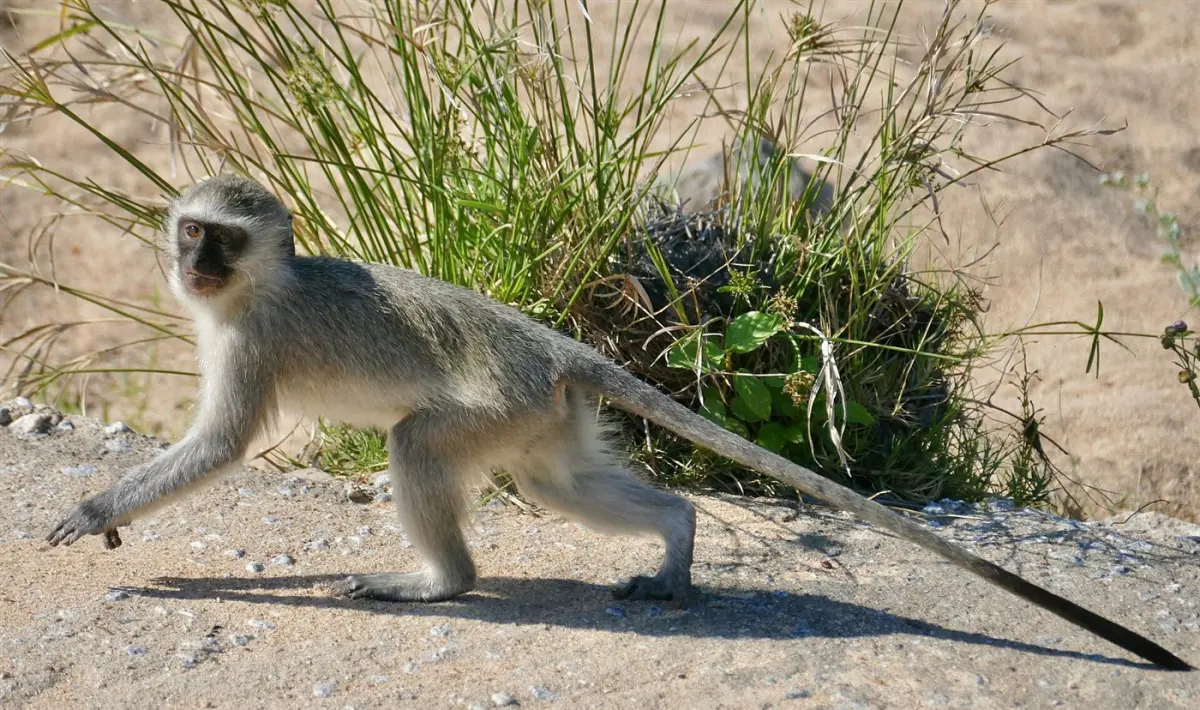
Blue monkey & bushbaby
Forest monkeys and the huge-eyed, nocturnal bushbaby inhabit the lower slopes.
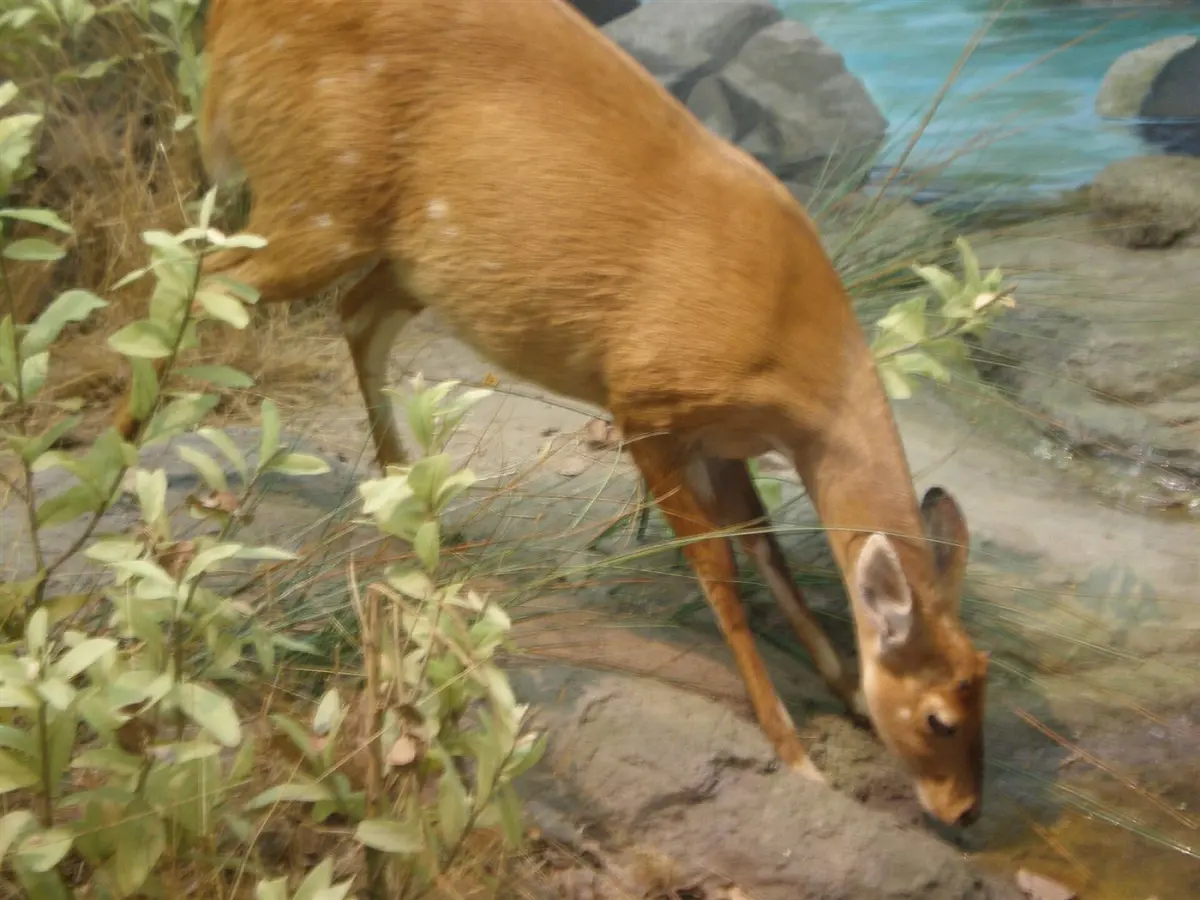
Bushbuck & eland
Shy antelope graze the forest edge and moorland, often heard rustling before they are seen.
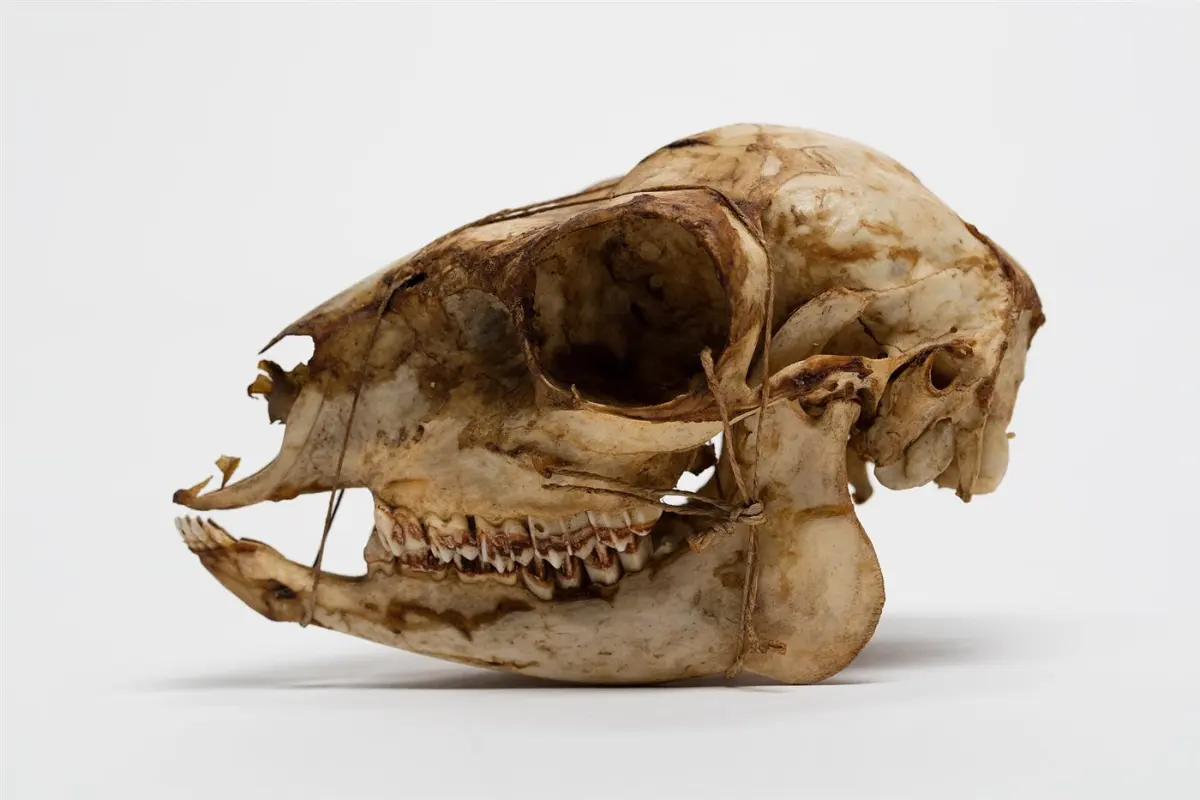
Klipspringer
A small, rock-hopping antelope of the rocky alpine desert near the summit.

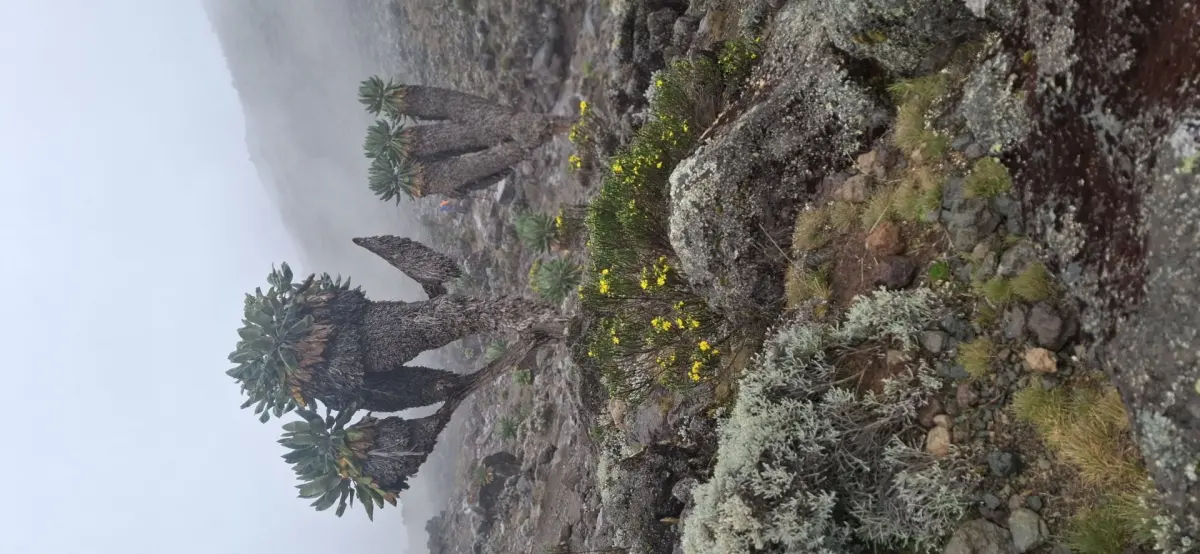
Giant groundsels
The strange, tree-like plants of the moorland and alpine desert are a highlight in themselves.

Lammergeyer & raptors
Bearded vultures, augur buzzards and white-necked ravens ride the thermals above the slopes.
Mount Kilimanjaro in pictures



Best time to visit
Kilimanjaro can be climbed year-round, but the two dry windows from January to mid-March and June to October give the best conditions.
| Season | Weather | Crowds | What to expect |
|---|---|---|---|
| Jan–mid-Mar | Cold and clear | High | Excellent summit conditions and clear views |
| Mid-Mar–May | Long rains | Low | Wet, cloudy and muddy; fewer climbers but tougher going |
| Jun–Oct | Dry and cold | Very high | The most popular window, with stable weather and clear skies |
| Nov–Dec | Short rains | Moderate | Quieter and warmer, with some afternoon showers |
Things to do
Summit trek
Climb to Uhuru Peak (5,895 m) over 5 to 9 days on the route that suits your experience.
Sunrise on the summit
Time your final push to greet the dawn from the crater rim above a sea of clouds.
Landscape photography
Five climate zones, glaciers and vast plains make Kilimanjaro a photographer’s dream.
Cultural visits
Meet the Chagga communities on the lower slopes and learn about life beneath the mountain.
Day hikes
Explore the forest and foothills on shorter walks if a full summit climb is not for you.
Combine with a safari
Pair your climb with Tarangire, Ngorongoro and the Serengeti for the complete Tanzania trip.
Where to stay
Pre-climb luxury hotels
High-end hotels and lodges in Moshi and Arusha to rest and prepare before you climb. <!-- TODO: lodge names -->
Comfortable hotels & camps
Reliable mid-range hotels and camps in Moshi, Arusha and around Kilimanjaro. <!-- TODO: lodge names -->
Huts & camps
Marangu huts or scenic mountain campsites, with full crew support along the route. <!-- TODO: lodge names -->
Getting there & around
Most climbs begin in Moshi, the lively town at the mountain’s southern foot, about 45 minutes from Kilimanjaro International Airport (JRO). Arusha, the safari capital, is a further hour or so away.
Kilimanjaro can be climbed by several routes with different trailheads, all accessed by road from Moshi. The park requires that every climb be organised through a registered operator with licensed guides and porters, and we handle all park fees, equipment, transfers and mountain logistics for you.
- Climb duration 5–9 days depending on route
- From JRO to Moshi About 45 min
- Summit altitude 5,895 m (Uhuru Peak)
- Park fees Fees, hut & rescue fees apply
Frequently asked questions
Do I need climbing experience to climb Kilimanjaro?
No. Kilimanjaro is a non-technical trek — there is no rope work or ice climbing. It is a strenuous high-altitude hike, so good fitness, a slow pace and proper acclimatisation are what matter most.
Which Kilimanjaro route is best?
For the best mix of scenery and summit success, we recommend Lemosho (7–8 days) or the Northern Circuit (8–9 days). Machame is a superb 7-day option, while Marangu is the most affordable and the only route with huts, though its shorter ascent lowers success rates.
What is the best time to climb Kilimanjaro?
The dry seasons from January to mid-March and June to October offer the clearest skies and the best climbing conditions. The wetter months (late March–May and November) are quieter and cheaper but bring more rain, cloud and mud.
How hard is it to reach the summit?
It is genuinely challenging — overall success rates are around 45 to 65 percent, and altitude is the main reason people turn back. Choosing a longer route, walking slowly (pole pole), drinking plenty of water and listening to your guides dramatically improves your chances.
How many days do I need to climb Kilimanjaro?
The park minimum is 5 days, but we strongly recommend 7 to 8 days. More days means better acclimatisation and a much higher chance of reaching Uhuru Peak comfortably.
What should I pack for Kilimanjaro?
Plan for extreme temperature change: a good layering system, a warm down jacket, waterproof shell, broken-in boots, a four-season sleeping bag, head torch, gloves and both sun and warm hats. See our packing list, and we will advise on any hire items you need.
Nearby destinations

Ready to plan your Mount Kilimanjaro trip?
Tell us your dates and travel style. Our local team in Moshi will build a tailor-made itinerary around Mount Kilimanjaro — free, with no obligation.