
Discover Lake Chala
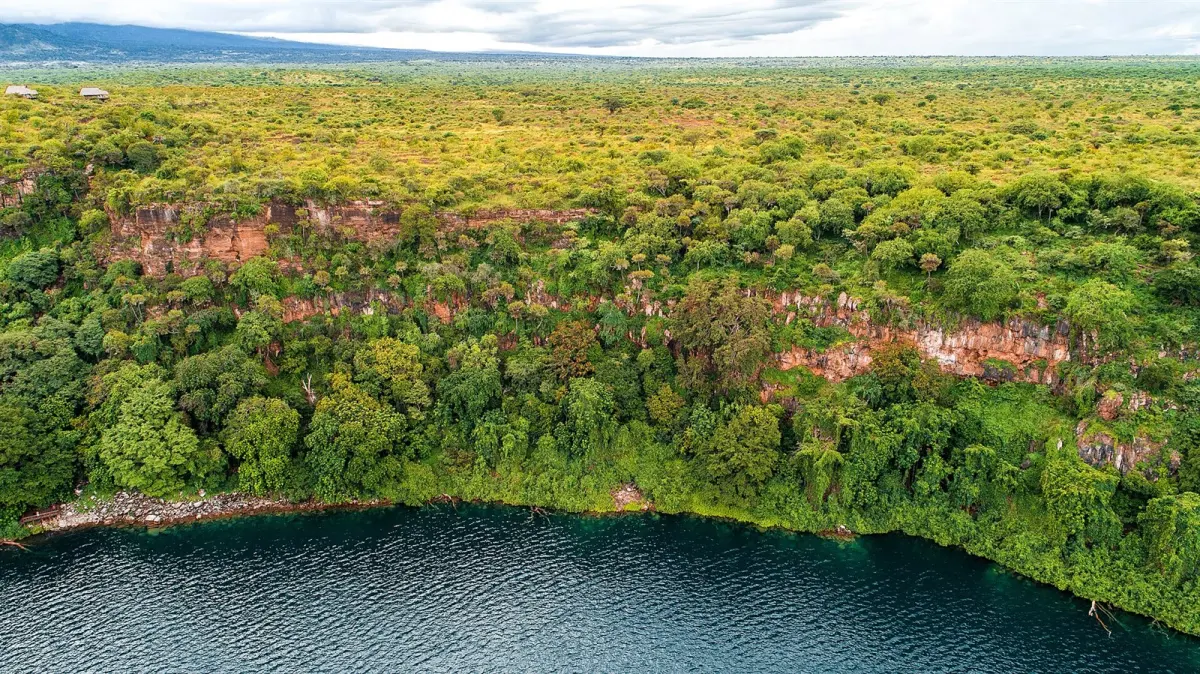
Lake Chala is a near-perfect circular crater lake sitting directly on the border between Tanzania and Kenya, in the hills east of Mount Kilimanjaro. Formed in a volcanic caldera roughly 250,000 years ago, it is one of the deepest inland lakes in Africa, plunging to between 94 and 98 metres.
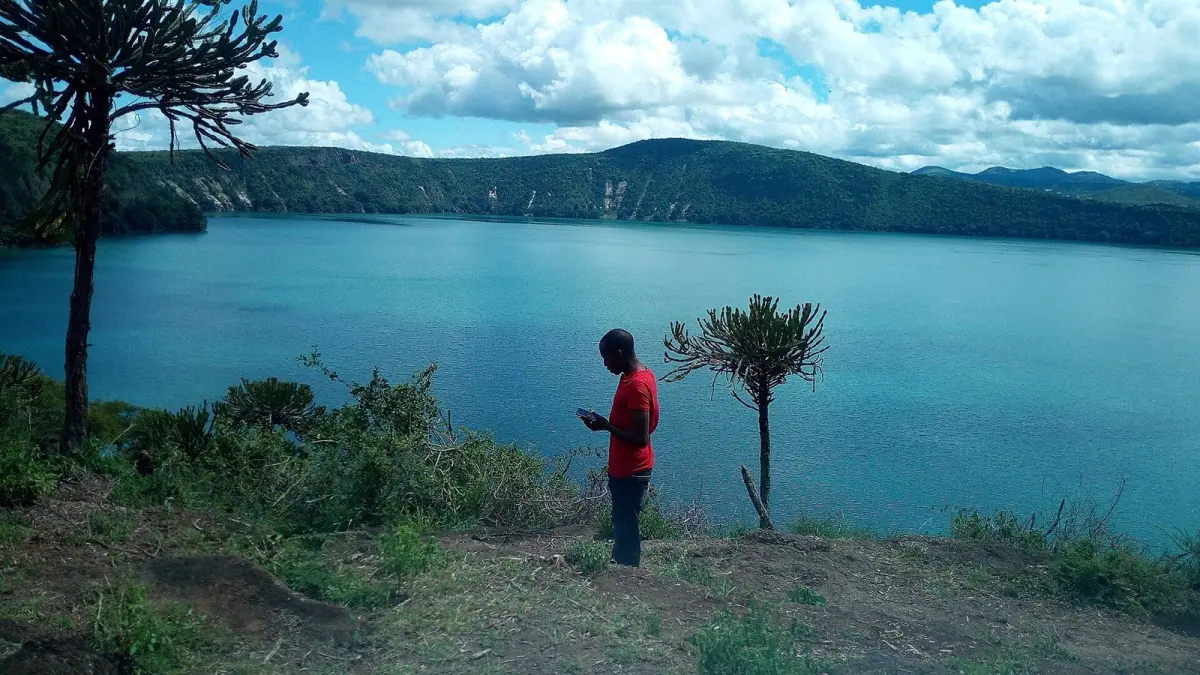
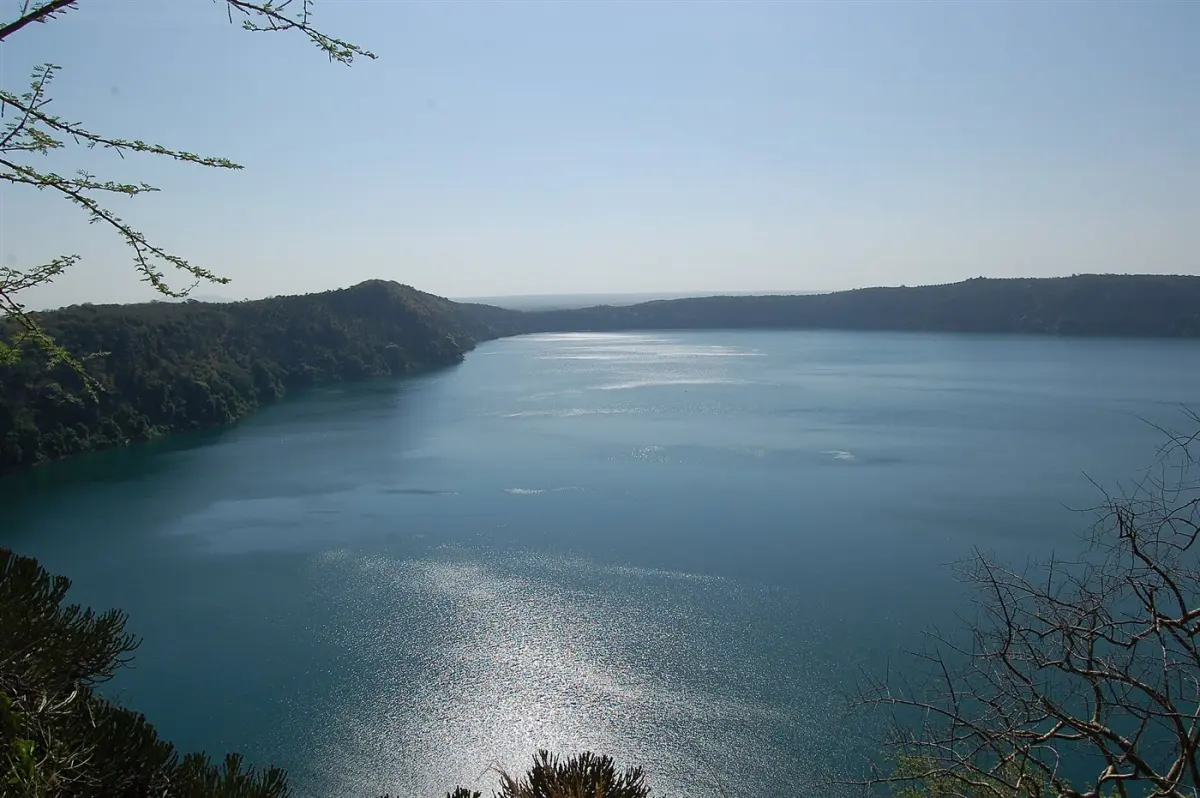
The lake has no surface river feeding it and no surface outlet. Instead it is filled and drained by underground springs that flow from the snowfields and forests of Kilimanjaro, which is why the water is such an extraordinary colour — shifting from deep sapphire to brilliant turquoise and emerald green as the light changes through the day.
Sheer forested cliffs rise up to around 170 metres above the water, and a walk along the crater rim rewards you with sweeping views into the lake and, on clear mornings, across to the snow-capped summit of Kilimanjaro itself. On the water below, guided kayakers glide across a surface so still it mirrors the sky.
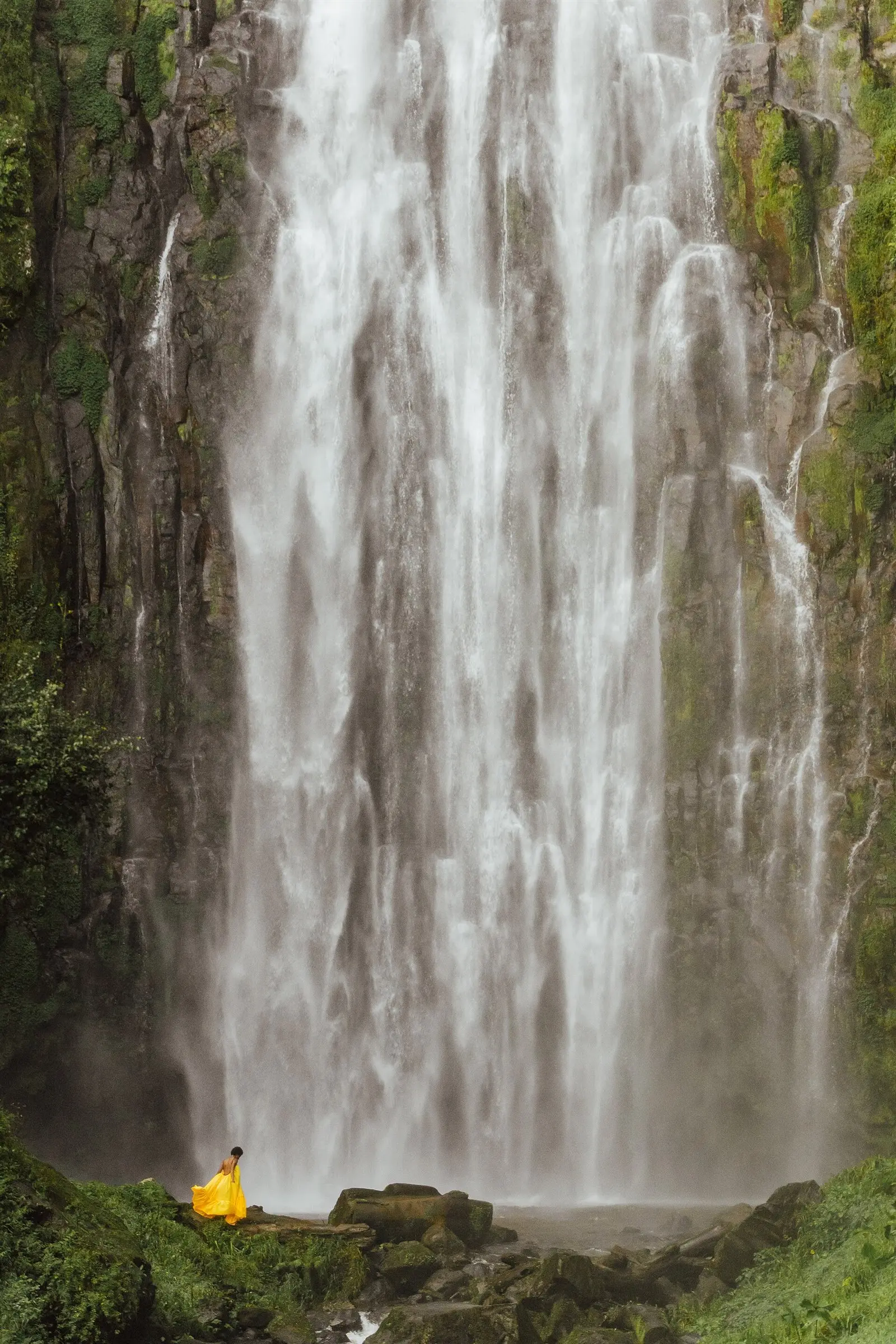
Only about an hour and a half from Moshi, Lake Chala is the perfect half-day escape for anyone staying in the Kilimanjaro region — a serene contrast to the dust and drama of the safari circuits. Topi Adventure can pair it with Materuni Waterfalls or Chemka Hot Springs for a full day of scenery, walking and culture.
Why visit Lake Chala
-
A dramatic crater setting
A near-circular caldera with cliffs dropping up to 170 m to a jewel-coloured lake.
-
Extraordinary colours
The water shifts between deep blue, turquoise and emerald as sunlight moves across it.
-
Kayaking on the crater
Paddle the glassy surface in a guided kayak and look up at the forested rim above you.
-
Crater-rim hike
A two to three hour circuit along the rim with the best viewpoints in the first light of day.
-
Rich birdlife
The forested rim and shores are alive with kingfishers, hornbills, weavers and raptors.
-
Kilimanjaro views
On clear mornings the snowy summit of Kilimanjaro rises to the west of the lake.
How the lake was formed
Lake Chala occupies a volcanic crater associated with the wider Kilimanjaro volcanic field, and is thought to have formed around 250,000 years ago. It is a true caldera lake, held in a steep basin rather than a shallow depression, which accounts for its surprising depth relative to its small surface area of roughly 4.2 km².
What makes the lake unusual is that it has no surface inflow or outflow. The water level is maintained entirely by groundwater, with an estimated ten million cubic metres flowing in and out underground each year — an invisible connection to the glaciers and cloud forests high on Kilimanjaro.
Because the lake is fed by groundwater, it stays remarkably stable and clear, and its colour varies with the season, the amount of algae and the angle of the sun. Geologists and palaeoclimate scientists have studied its sediments to understand thousands of years of East African climate history.
A lake on two countries
Lake Chala is split between Tanzania and Kenya — the international border runs straight across the surface of the water. The Tanzanian side, near the village of Chala in Rombo District, is the more developed for tourism, with a lodge, campsites and a walking trail down to the shore.
On the Kenyan side, the town of Taveta lies about eight kilometres to the south, and the crater is reached through quieter, less visited terrain. Standard day trips from Moshi stay entirely on the Tanzanian rim and involve no border crossing.
Finding yourself standing on the shore of an international lake, with Kilimanjaro behind you and Kenya across the water, is one of the small, memorable surprises of a visit here.
Kayaking, hiking & viewpoints
The signature activity at Lake Chala is kayaking. Guided kayaks launch from the shore, and the lake’s calm, circular surface makes for easy, peaceful paddling with no experience required. Paddling from the Tanzanian shore towards the middle of the lake — and the invisible border — is a quietly surreal experience.
For walkers, a rim circuit of about two to three hours follows the forested lip of the crater, offering constantly changing angles on the water below. The descent to the lakeshore is steep and best made with a guide and good shoes; the climb back up is a genuine workout in the heat.
Above all, Lake Chala is a place to slow down. Bring a picnic, find a viewpoint on the rim and watch the light shift across the emerald water, with the occasional fish eagle calling from the cliffs.
Birdlife & wildlife around the crater
Although Lake Chala is not a big-game destination, it has a rich and varied birdlife. The forested crater rim and the open water attract kingfishers, hornbills, sunbirds, weavers, herons and fish eagles, making it a rewarding spot for birdwatchers with binoculars.
On land you may glimpse baboons and vervet monkeys moving through the trees, along with monitor lizards and a variety of butterflies and dragonflies. The lake itself supports fish, and crocodiles are present, which is one reason swimming is not recommended.
Because the crater forms its own sheltered microclimate, the vegetation here is greener and more humid than the surrounding dry plains — a small pocket of forest that feels quite different from the savannah nearby.
Visiting & what to bring
Lake Chala sits at about 880 metres above sea level and is roughly 55 km, or one and a half to two hours, from Moshi on a mix of tarmac and dirt road. It can be visited as a day trip or combined with Materuni Waterfalls and the Chagga coffee farms, or with Chemka Hot Springs for a swim on the way home.
Entry fees are paid at the gate, kayaking and guided walks are charged separately, and it is wise to arrange your visit in advance through an operator who can guarantee a boat and guide. Facilities are basic, so bring cash for fees and refreshments.
- Wear sturdy shoes with grip — the shore path and rim are steep and uneven.
- Bring a hat, sunscreen, insect repellent and plenty of water.
- Pack a towel and a change of clothes if you plan to kayak.
- Carry binoculars for the birdlife and a camera for the views.
- Note that swimming is not recommended because of crocodiles.
What you might see

Fish eagle
Pairs patrol the crater, swooping to snatch fish from the emerald water.
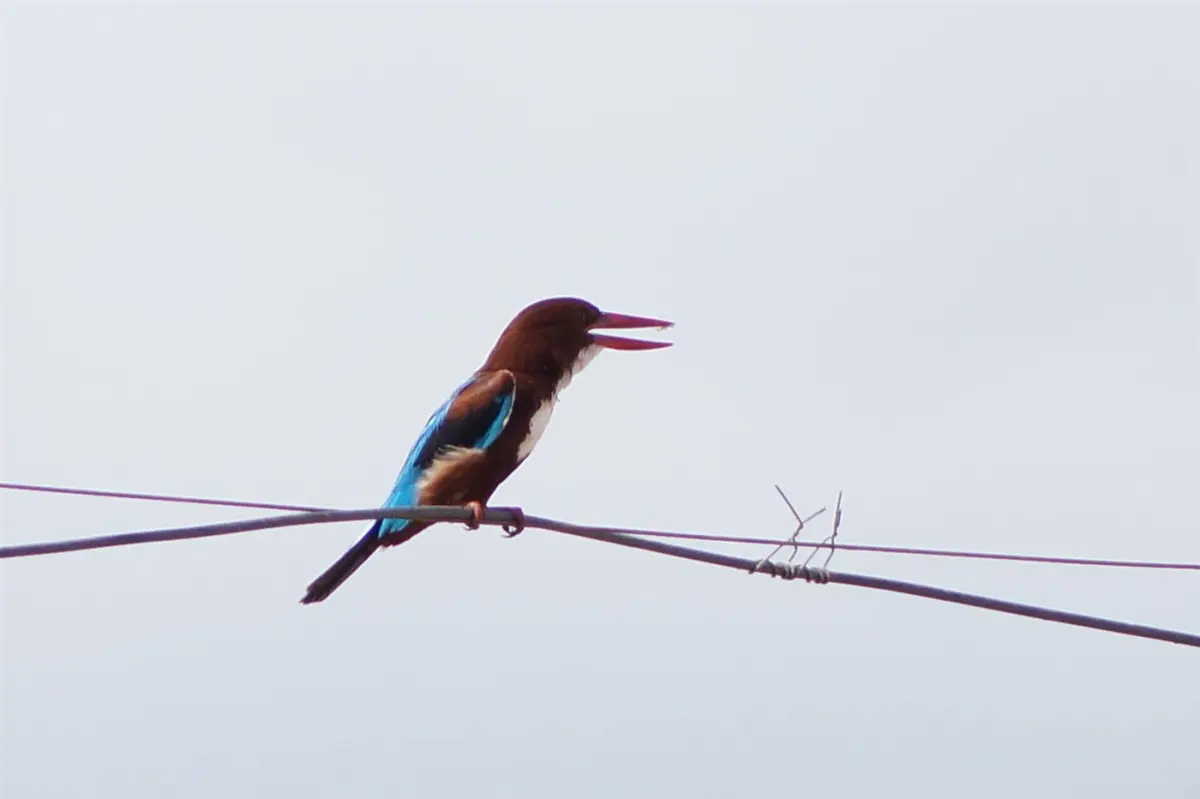
Kingfishers & herons
Several species hunt along the shoreline and forested rim.
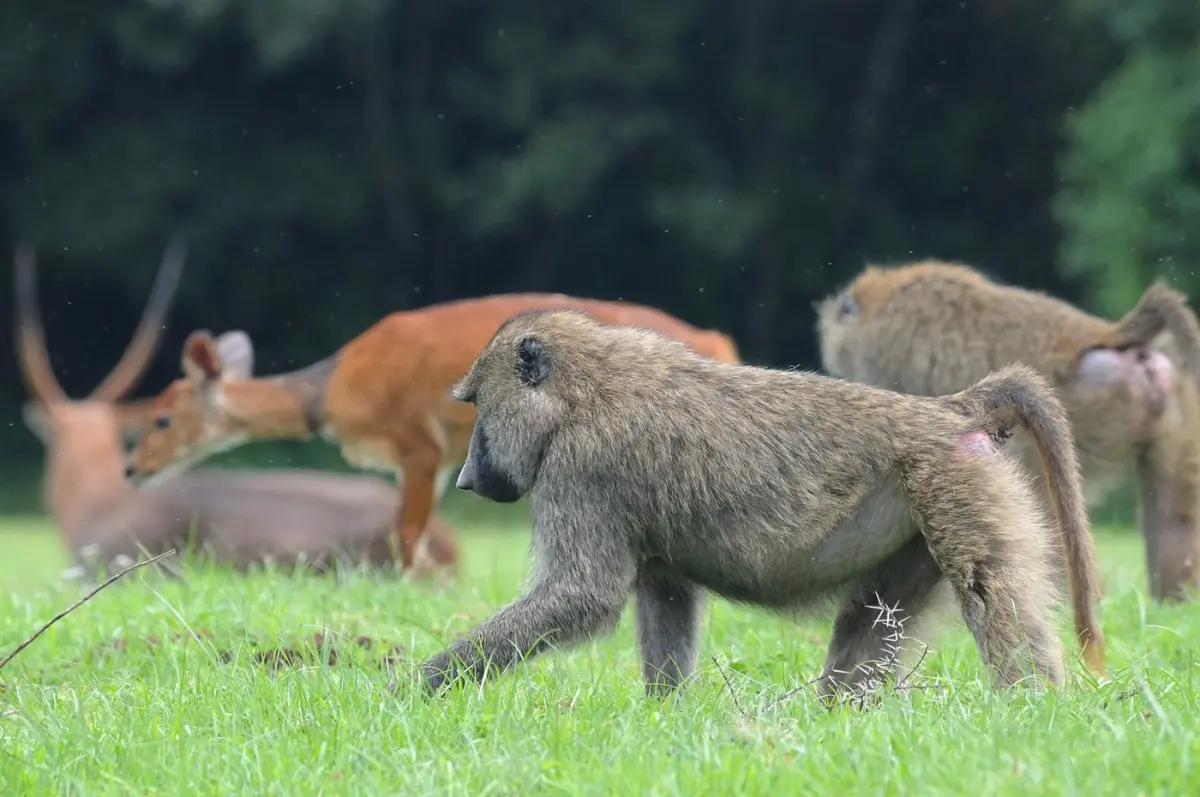
Baboons & monkeys
Troops move through the trees on the crater slopes, especially in the early morning.
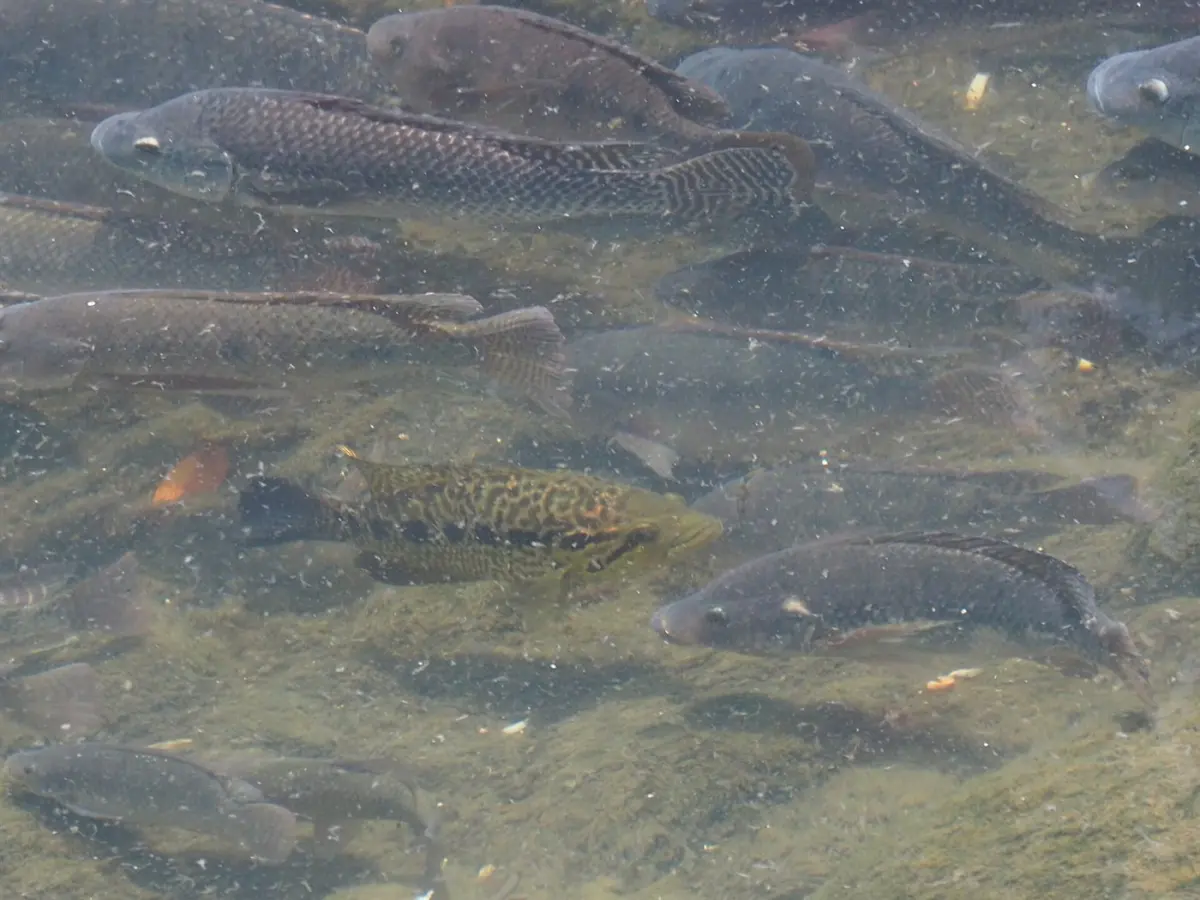
Cichlids & fish
The lake supports fish that feed in the clear, deep water.
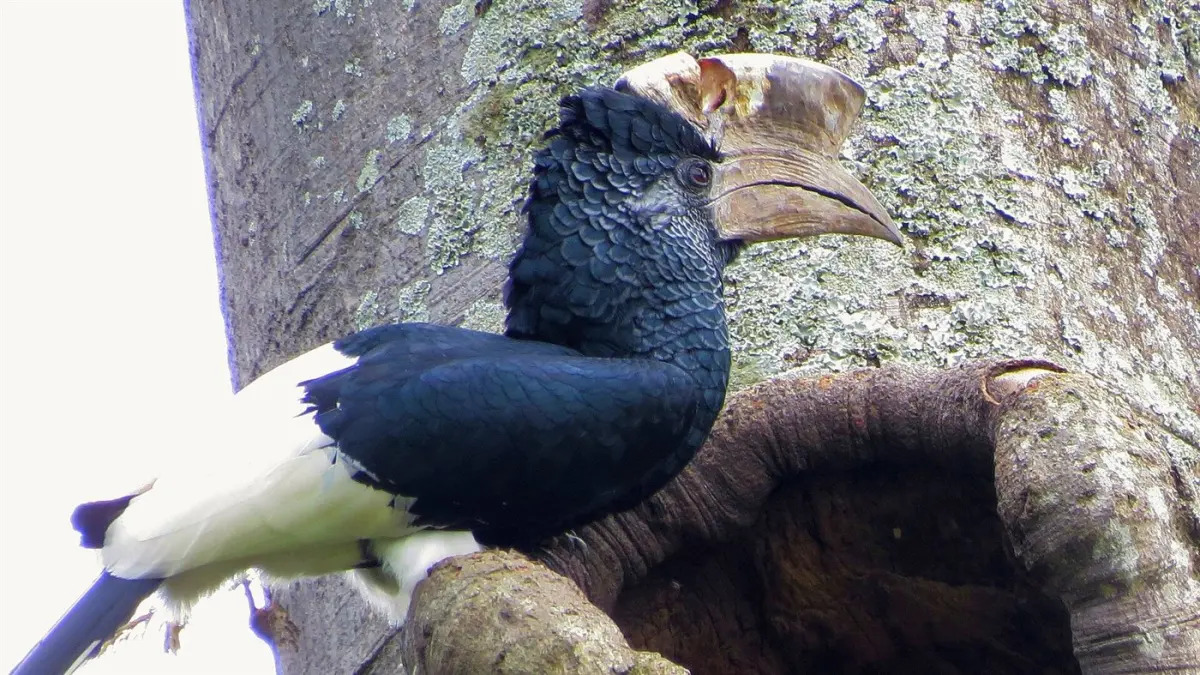
Hornbills & sunbirds
Colourful forest birds flit through the lush vegetation around the rim.

Monitor lizards
Often seen basking on warm rocks near the water’s edge and along the path.
Lake Chala in pictures


Best time to visit
Lake Chala is a year-round destination. The dry months offer the clearest skies and best walking, while the green season is lush, quiet and good value.
| Season | Weather | Crowds | What to expect |
|---|---|---|---|
| Jan–Mar | Warm, mostly dry | Moderate | Clear viewing and good conditions for rim walks |
| Apr–May | Long rains | Low | Lush green crater; paths can be slippery |
| Jun–Oct | Dry, clear and cooler | High | Best Kilimanjaro views and calmest paddling |
| Nov–Dec | Short rains | Moderate | Refreshing showers, quieter and lower rates |
Things to do
Kayaking
Paddle the calm, glassy crater in a guided kayak — no experience needed.
Rim hike
Follow the forested crater lip on a two to three hour circuit of viewpoints.
Kilimanjaro viewpoints
Catch the snowy summit across the water on a clear morning.
Birdwatching
Look for fish eagles, kingfishers, hornbills and sunbirds around the rim.
Photography
The colour and stillness of the water make this a photographer’s favourite.
Picnic & relax
Unwind on the rim with a packed lunch and unbeatable views.
Where to stay
Crater-rim lodges
Comfortable lodges and camps right on the crater rim with views over the lake. <!-- TODO: lodge names -->
Mosquito-netted camps
Tented camps and bandas on the rim offering a full immersion in the crater. <!-- TODO: lodge names -->
Campsites & Moshi stays
Camping spots by the lake, or a day trip from hotels in Moshi town. <!-- TODO: lodge names -->
Getting there & around
Lake Chala is about 55 km from Moshi, a drive of roughly one and a half to two hours on tarmac and then dirt road towards Holili on the Kenya border. From Arusha the journey takes around three to four hours, and from Kilimanjaro International Airport about ninety minutes.
Most travellers visit on a guided day trip, which is the simplest way to secure a kayak, a guide and site access. A 4x4 is comfortable for the final rough stretch, and the lodge on the rim can arrange kayaking and guided walks if you decide to stay overnight.
- From Moshi 1.5–2 hrs (55 km)
- From Arusha 3–4 hrs
- From JRO airport About 1.5 hrs
- Time at the lake 2–4 hours
Frequently asked questions
Can you swim in Lake Chala?
Swimming is not recommended. Crocodiles are present in the lake, and the shores and waters are best enjoyed from a kayak, from the rim or on a guided walk.
How deep is Lake Chala?
Measurements put its maximum depth at around 94 to 98 metres, making it one of the deepest inland lakes in East Africa relative to its small surface area of about 4.2 km².
Is Lake Chala worth visiting?
Absolutely. It is one of the most beautiful and unusual natural sights in the Kilimanjaro region — a dramatic crater lake on the Kenya border with kayaking, rim walks and Mount Kilimanjaro views.
How far is Lake Chala from Moshi?
About 55 km, roughly one and a half to two hours by road, making it an easy half-day or full-day trip from Moshi.
Can I combine Lake Chala with other day trips?
Yes. The most popular combination is Materuni Waterfalls and the Chagga coffee farms in the morning, followed by Lake Chala in the afternoon. It also pairs well with Chemka Hot Springs.
What should I bring to Lake Chala?
Sturdy walking shoes, a hat, sunscreen, insect repellent, water, binoculars and a camera. If you plan to kayak, bring a towel and a change of clothes.
Nearby destinations


Ready to plan your Lake Chala trip?
Tell us your dates and travel style. Our local team in Moshi will build a tailor-made itinerary around Lake Chala — free, with no obligation.