
Overview of the Shira route
Shira is the third of the western approaches, sharing its finish with Lemosho and Machame but taking a very different start. Instead of walking up from the rainforest, climbers are driven by 4x4 across the Shira Plateau to around 3,900 m and walk into camp from there – which puts you at altitude from hour one, with no acclimatisation ramp underneath you.
That single design choice is why you will rarely see the Shira route sold on its own. The high start is superb if your body tolerates it – the plateau is the most open, empty landscape on the mountain – and unforgiving if it does not. In practice almost every operator, including us, runs the plateau as part of the eight-day Lemosho itinerary, which walks the same ground from Londorossi Gate with three low days to prepare for it. That version is almost always the better climb.
Safety first: To maintain our strict safety standards, mountain expeditions are available only to participants aged 12–70 years.


Expert recommendation
Walk it as Lemosho. The eight-day Lemosho itinerary covers every metre of the plateau that the Shira route does, starts three days lower, costs about the same and summit rates far higher. We quote the standalone Shira for climbers who specifically ask for it – usually people returning to the mountain who want the plateau’s first-night views without the walk-in.
What we run in practice
Nearly every “Shira” climb on our books is the 8-day Lemosho, which starts at Londorossi Gate, walks through the rainforest and the plateau, and includes the Cathedral Peak acclimatisation hike. Same scenery, better odds, similar price.
Shira route on the Kilimanjaro map
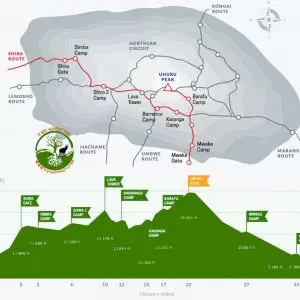
The Shira route begins at Londorossi Gate, where climbers are transferred by 4x4 vehicle across the plateau to a starting point near Shira Camp 1 at about 3,900 m. The walking line then crosses the plateau east to Shira Camp 2, climbs to Lava Tower at 4,640 m and drops into Barranco Camp – from where it shares the southern circuit with Lemosho, Machame and Umbwe over the Barranco Wall, Karanga and Barafu to the summit, descending by the Mweka route.
Join our Kilimanjaro Group Climbs
Because we run the Shira plateau as the eight-day Lemosho, joining is simple: our fixed group departures below run the Lemosho line monthly throughout the year, with six to ten climbers sharing the guide, the crew and the camp at the published per-person price shown on each card. Most of our solo travellers join one of those.
A genuinely standalone Shira departure is scheduled only on request, for groups who specifically want the high start. Pick a year and a month below to see the Lemosho departures you can join; a $100 deposit holds a place, and if your dates do not line up we will build the same itinerary privately.
Arrival 02 May 2027
Departure 10 May 2027
From $2,220 per person
Join group tourArrival 09 May 2027
Departure 17 May 2027
From $2,220 per person
Join group tourArrival 16 May 2027
Departure 24 May 2027
From $2,220 per person
Join group tourArrival 23 May 2027
Departure 31 May 2027
From $2,220 per person
Join group tourArrival 28 May 2027
Departure 05 Jun 2027
From $2,220 per person
Join group tourShira Route - Summit Success Rate
Standalone Shira figures are thin, because so few climbers walk it – and that itself is the answer. The high start removes the three low-altitude nights that make the longer routes work, so the climbers who do take it summit at rates closer to the short southern routes than to Lemosho.
Walked as the eight-day Lemosho – which is how we run it – the plateau is approached after three days of gradual climbing, and the climb posts the same 85–90% summit rates as the Lemosho itinerary in full. The scenery is identical; only the first morning differs.
What the number really means
A success rate counts climbers who reach Uhuru Peak. It never counts the wisdom of a guide who turns a group around at 4,700 m – and that decision is still a good climb. See how we measure summit success for the full picture.
Shira Route Detailed Itinerary
The standalone seven-day Shira itinerary, as we quote it on request. Compare it with the 8-day Lemosho itinerary: from day two onwards the two are the same walk – the only difference is how you reached the plateau.
A single itinerary – standalone Shira runs in seven days, quoted on request, and joins the Machame line from Shira Camp 2.
-
Moshi to Shira Camp 1 by 4x4 transfer
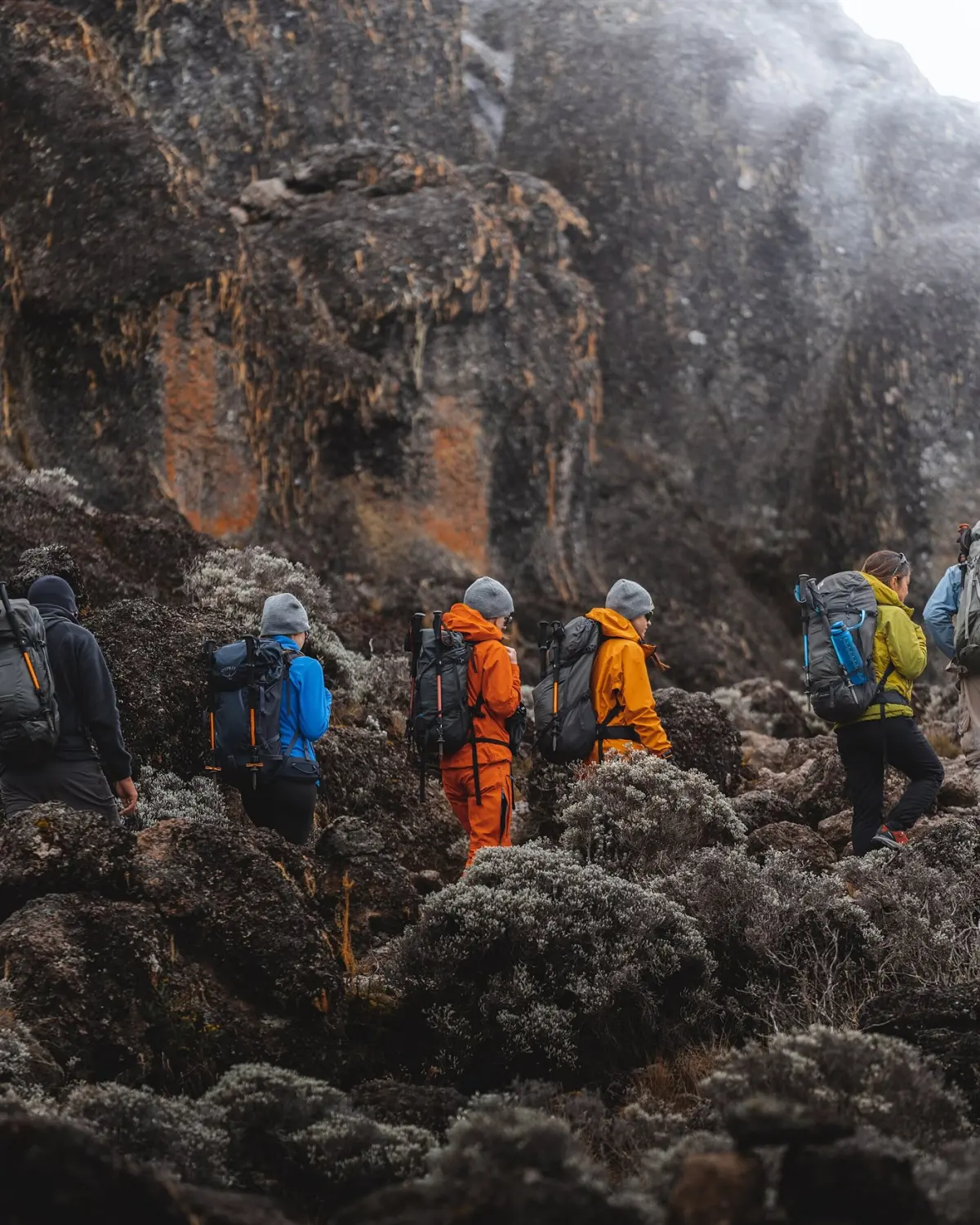
No forest, no gate and almost no walking: a 4x4 carries you high onto the Shira Plateau, and the first steps of the trek are a gentle two to three hours to Shira Camp 1 at 3,500 m. The shortest walking day you will find on any Kilimanjaro itinerary, and that is deliberate – the body arrives rested for the plateau crossing and the Lava Tower day that follow. It does not cancel out the altitude gain, though, and guides watch the group closely from the first evening.
Lunch offered: Hot lunch at Shira Camp 1
-
Shira Camp 1 to Shira Camp 2
Across the plateau in the thin air: five to six hours of steady walking over heath and volcanic gravel, with Kibo’s glaciers straight ahead and the ground climbing gently all the way. Shira Camp 2 sits at 3,900 m on open ground with views in every direction – a good afternoon to sit outside the tent and let the altitude do its work quietly.
Lunch offered: Hot lunch at Shira Camp 2

-
Shira Camp 2 to Barranco Camp via Lava Tower
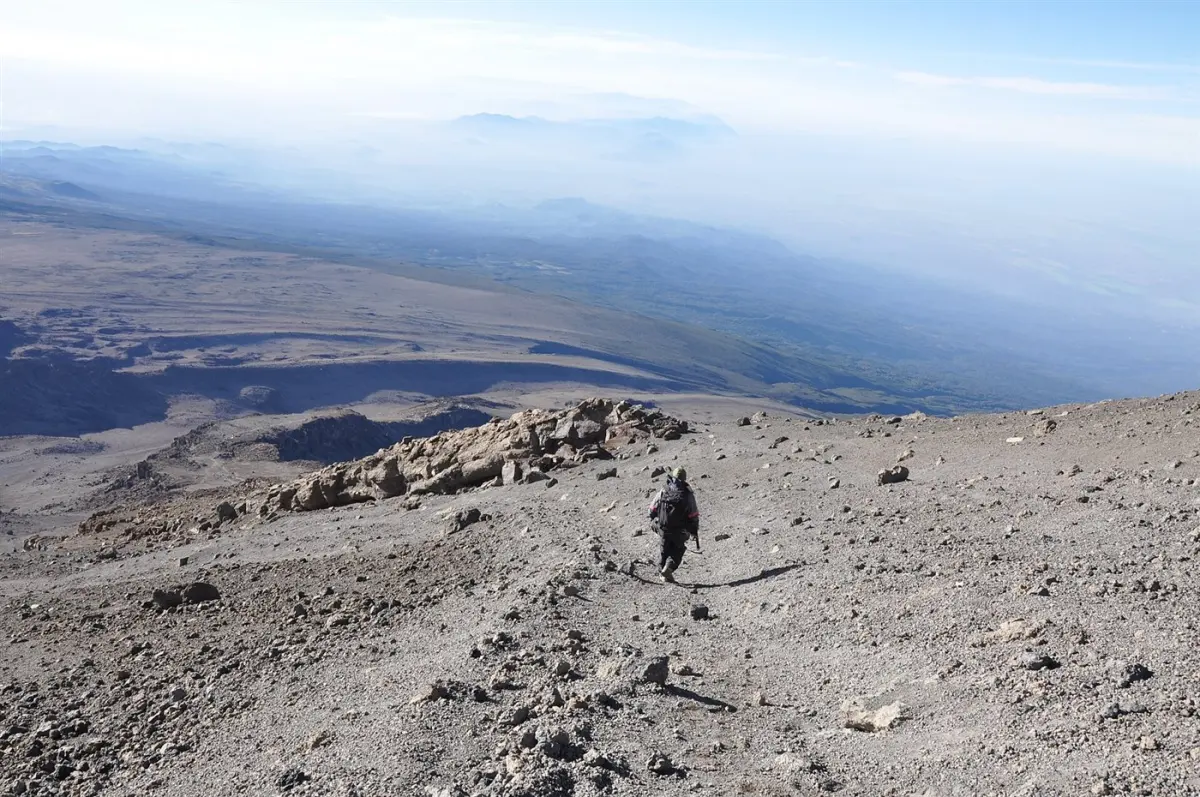
From here the itinerary is identical to the Lemosho second half. The trail climbs to Lava Tower at 4,640 m – the highest point before summit night – and lunch is eaten at altitude, then the path drops 700 m into Barranco Camp at 3,960 m. Up high for the afternoon, sleeping low for the night: that swing is the acclimatization move the whole itinerary is built around.
Lunch offered: Hot lunch at Lava Tower, 4,640 m
-
Barranco Wall to Karanga Camp
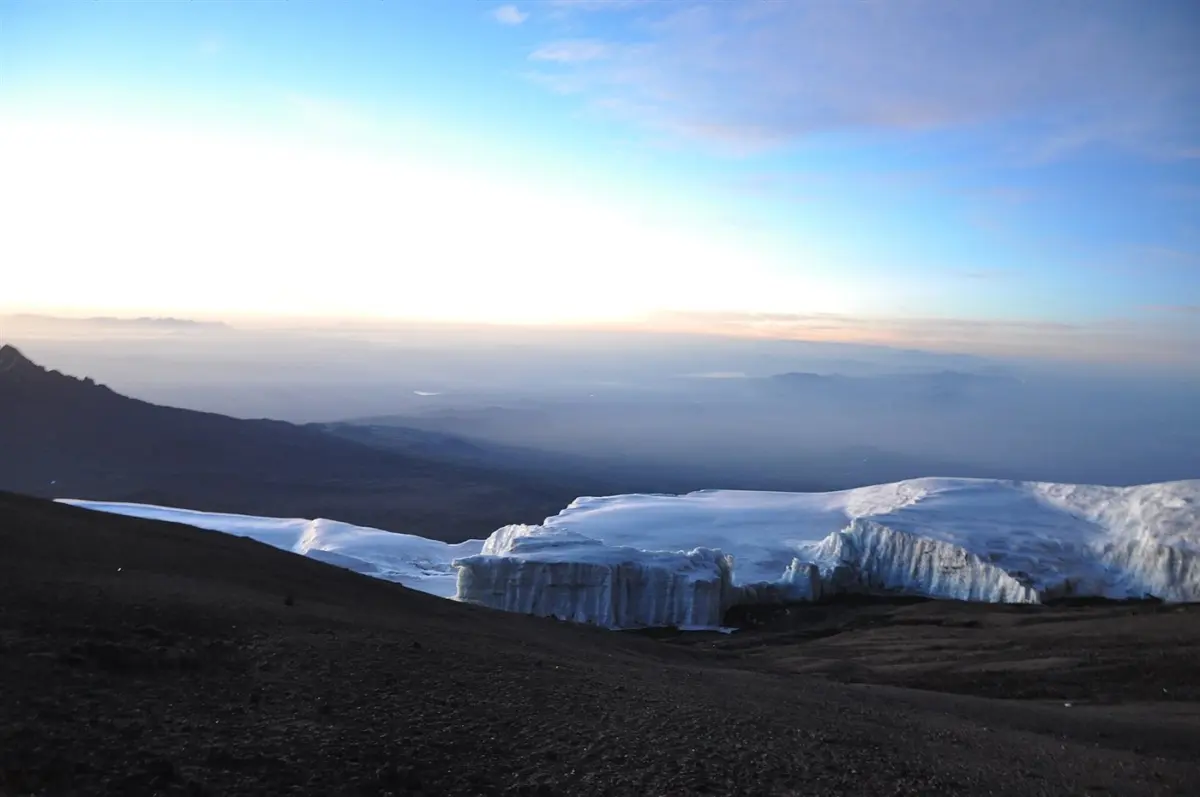
An early start on the Barranco Wall: a short, hands-on scramble of about an hour – more fun than frightening, and the most talked-about hour of the whole trek. From the top the trail traverses contour paths with the Reusch Glacier on your shoulder into Karanga Camp at 4,035 m, the smallest and quietest camp on the southern circuit. Four hours walking in all.
Lunch offered: Hot lunch at Karanga Camp
-
Karanga Camp to Barafu Camp
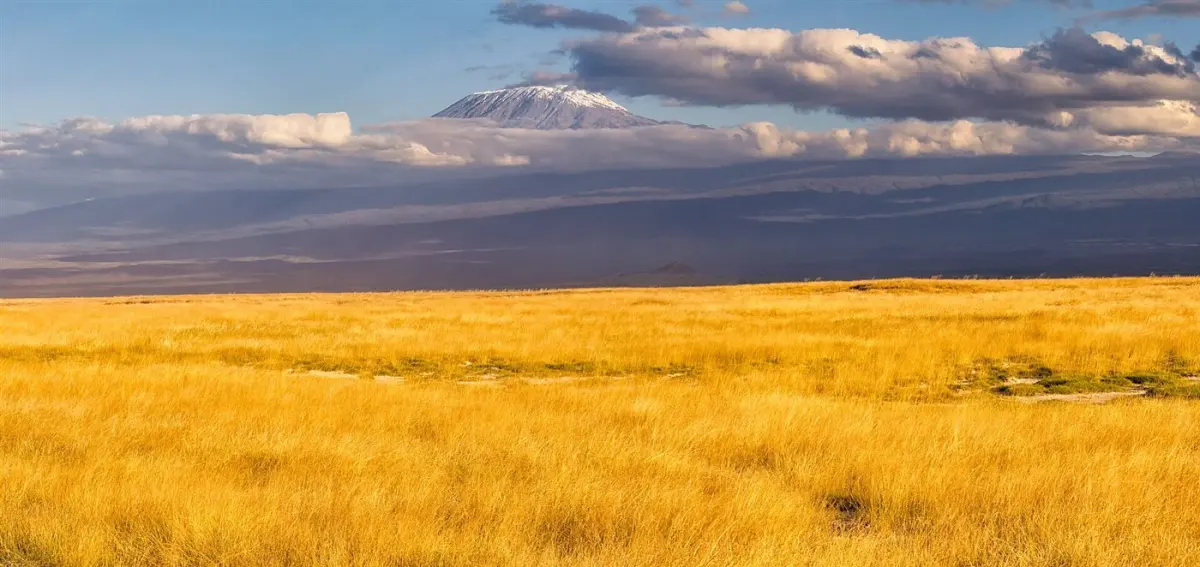
A short, sharp day up to Barafu Camp at 4,640 m, the launch pad for the summit. Barafu means “ice” in Swahili and the camp sits on bare rock with almost nothing growing; the afternoon is deliberately idle – lunch, a little reading, an early dinner and bed by six, because the guide will wake the camp shortly after midnight. From here on, drink more water than you feel like drinking.
Lunch offered: Hot lunch at Barafu Camp
-
Summit day: Barafu to Uhuru Peak to Mweka Camp
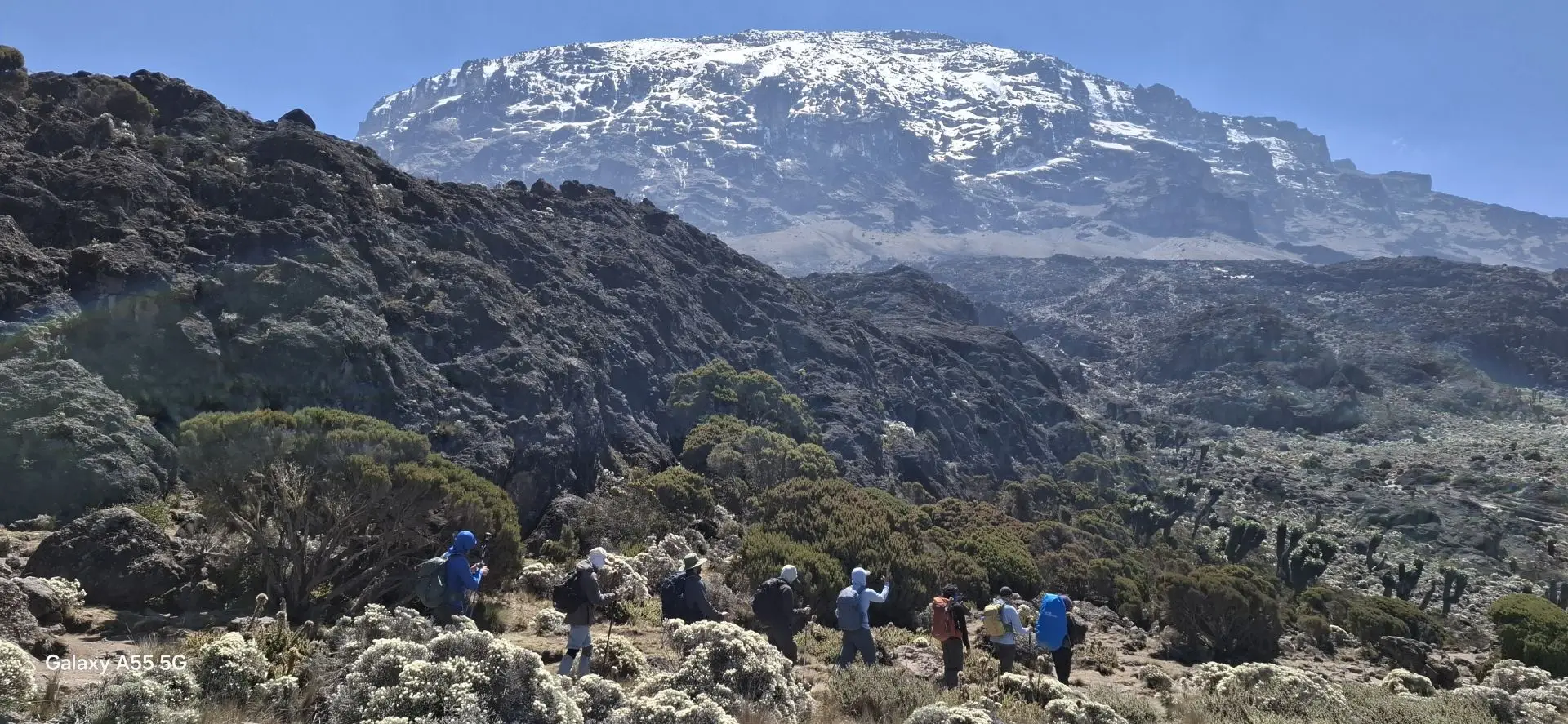
Shortly after midnight the camp stirs, and by one o’clock the line of headtorches is moving up the scree. Six to seven hours of slow climbing in the cold brings you to Stella Point on the crater rim as the sky lightens, then an hour on to Uhuru Peak at 5,895 m as the sun comes up over the plains. Photographs, a short rest and a drink at the sign, then the long descent to Mweka Camp at 3,100 m – around fifteen hours on your feet in total.
Lunch offered: Hot lunch at Mweka Camp after the descent
-
Mweka Camp to Mweka Gate
A relaxed three-hour walk down through the rainforest to Mweka Gate, where the mountain authority signs off your summit certificate and the crew sings. From here it is back to the hotel in Moshi for showers, a cold drink and the celebration dinner. The end of the trek – the start of the stories.
Lunch offered: Farewell lunch at Mweka Gate
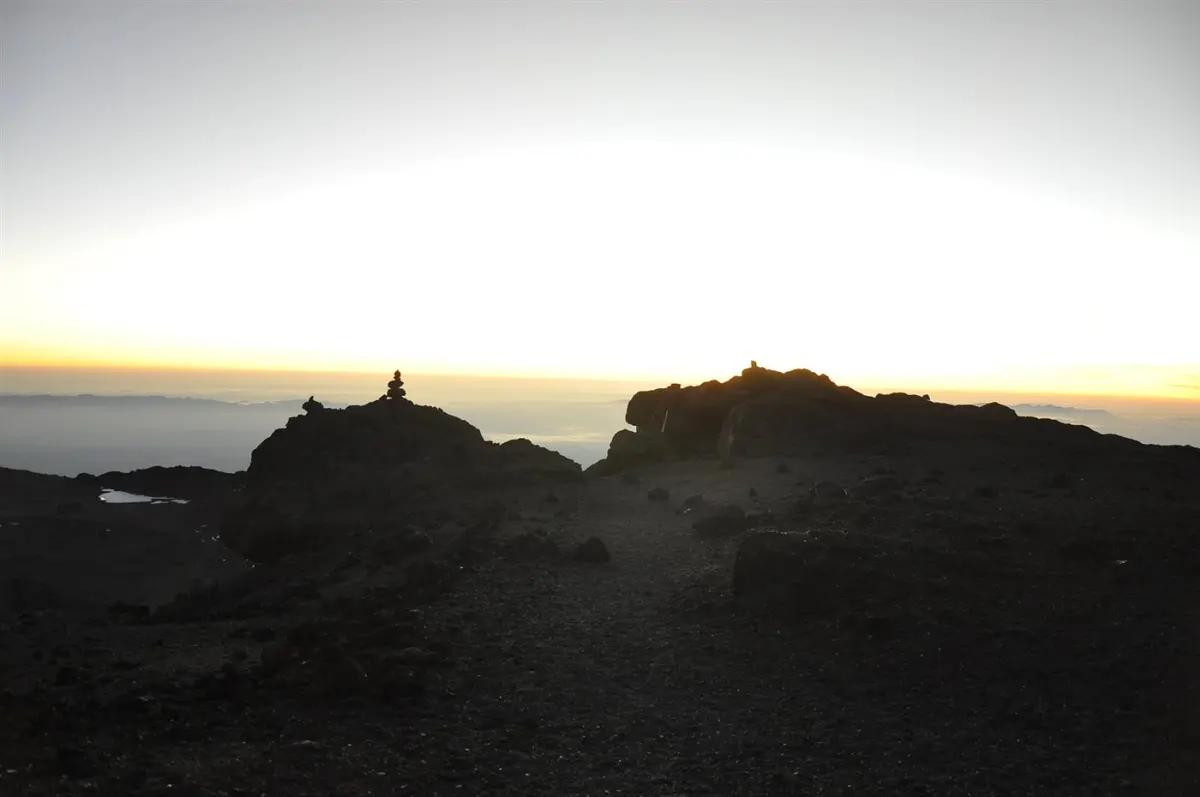
Summit night is the real test
Expect -10°C to -15°C, six to seven hours in the dark and very little sleep beforehand. With correct layers, steady pacing and your guide watching your oxygen levels, it is well within reach of any prepared hill walker. See our Kilimanjaro packing list before you fly.
Prices for Shira route
We quote the standalone Shira individually rather than publishing a fixed matrix: it is run as a private or semi-private departure for groups who specifically want the high start, and the price depends on group size and dates. Almost all climbers who consider it end up on the eight-day Lemosho instead – see the Lemosho route page for its published prices, or ask us and we will quote the standalone Shira the same day.
What is included in a Shira or Lemosho climb
- All Kilimanjaro National Park entry, camping and rescue fees
- Licensed English-speaking guide, assistant guides, cook and porters
- All meals, drinking water, tea and coffee on the mountain
- Sleeping tents, dining tent, mattress and camp furniture
- Two hotel nights in Moshi before and after the climb
- Airport and trailhead transfers from Moshi or Arusha
- Emergency oxygen, pulse oximeter and a comprehensive first-aid kit
- Daily health and altitude monitoring by your guide
- Summit certificate and applicable government taxes
What is not included
- International and domestic flights
- Tanzania visa fees
- Travel and high-altitude trekking insurance
- Personal gear rental (sleeping bag, poles, boots, jackets)
- Tips and gratuities for guides, porters and cook
- Alcoholic and soft drinks, and snacks
- Additional hotel nights and personal expenses
See every route and group size side by side – or save the full Kilimanjaro price sheet as a PDF.
What to Expect on Shira
Start above the clouds
A 4x4 drops you at 3,900 m – no rainforest, just the Shira Plateau from hour one. It’s the widest, emptiest landscape on Kilimanjaro: an ancient collapsed caldera with Kibo’s glaciers on the horizon and Tanzania’s plains falling away below the clouds. Few groups use this start, so it feels wonderfully remote.
Exposure and big weather
The plateau is exposed – expect wind, sudden cloud and cold evenings even in the dry season. There’s no low-altitude buffer at the start, so honest preparation matters more here than on routes that walk in through the forest. The reward is constant glacier views and a genuine sense of space.
Joins Lemosho from Lava Tower
From Lava Tower onward you join the Lemosho line: Barranco Wall, Karanga, Barafu. Company increases in the second half, but you keep the western views and a solid acclimatisation profile. The Barranco Wall is a short, fun scramble – a highlight for most climbers on this itinerary.

Summit night and descent
Summit night: midnight from Barafu across freezing scree to Stella Point (5–6 hours), then Uhuru Peak (5,895 m) for sunrise. After photos, descend to Barafu, then down the Mweka route through moorland and rainforest to Mweka Gate with your summit certificate.
Preparation Tips
If you are walking the standalone Shira, preparation carries more weight than on any other itinerary – there are no low days to hide a slow acclimatisation in. Most of this list applies to the Lemosho version too.
- Train for endurance, not speed. Hill walks, stairs and back-to-back weekend hikes with a loaded pack, eight to twelve weeks out – see our Kilimanjaro training guide for a week-by-week plan.
- For the standalone Shira, sleep above 3,500 m beforehand if you can – a few nights in the Alps or a prior climb give your body a head start it will need.
- Break in your boots properly and train in the exact socks and daypack you will climb in.
- Pack from the Kilimanjaro packing list, with the windproof layers treated as essential – the plateau is the windiest camp on the mountain.
- Arrive a day early. The briefing, the equipment check and one night of altitude-free sleep in Moshi are worth more than an extra day at home.
- Take out insurance that explicitly covers trekking to 6,000 m and emergency helicopter evacuation.
Why Choose Topi Adventure
Based at the mountain
We are a Moshi operator. Your guides live at the foot of Kilimanjaro, walk these trails every month and know exactly when to push and when to hold.
Safety without shortcuts
Emergency oxygen, a pulse oximeter and a full first-aid kit on every climb, twice-daily health checks, and guides trained to turn around when the data says so.
Small groups, real pace
We cap our groups and keep the pole-pole pace even when it feels slow – the pace is what summits people.
Honest, all-in pricing
Park fees, crew, meals, tents, hotel nights and transfers in the first line of the quote, not buried in the last. Two hotel nights in Moshi included.
Other routes on Mt. Kilimanjaro
Shira is one of seven ways up Kilimanjaro, and for most climbers the Lemosho route is the same walk done better. These are the alternatives, each with its own full guide.
Lemosho Route
Rainforest, moorland and a high success rate on a quiet western approach. Our pick for most first-time climbers.

Machame Route
The classic “Whiskey” route: rainforest, moorland and the dramatic Barranco Wall.
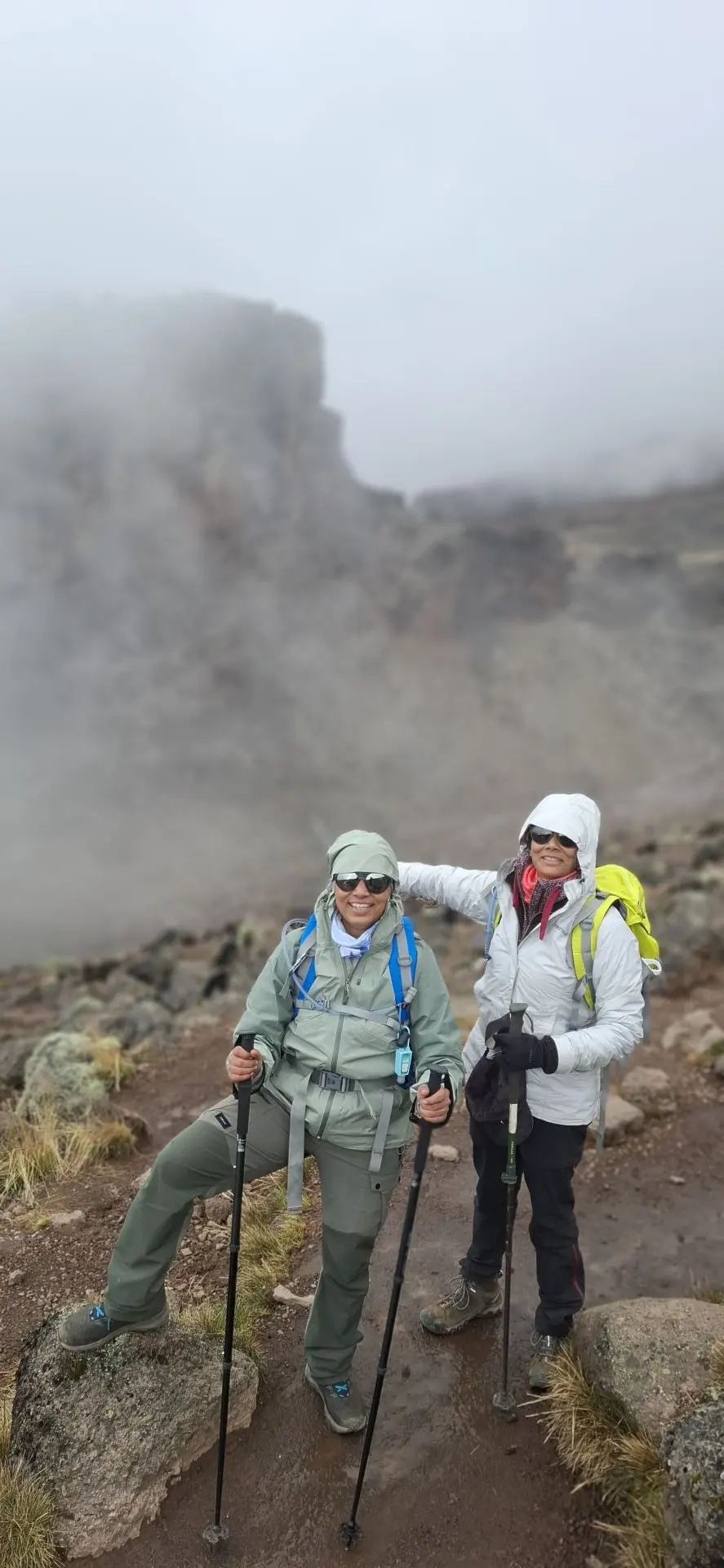
Marangu Route
The only route with huts all the way up: the shortest schedule, but the time it saves on the mountain costs success.
Rongai Route
The dry northern approach with gentle gradients – the strongest pick for the rainy season.
Umbwe Route
The steepest, most direct line up the mountain. Reserve it for experienced altitude trekkers.

Northern Circuit
The remote arc around the north face with an extra day of quiet, high walking. The mountain’s highest success rate.
Frequently asked questions
Is the Shira route worth walking on its own?
Almost never. The standalone Shira is driven onto the plateau at 3,900 m on day one, which removes the acclimatisation days that make the longer routes work and lowers the summit odds accordingly. The same plateau, camps and views are walked properly by the 8-day Lemosho route for a similar price – that is the climb we recommend in nearly every case.
What is the difference between Shira and Lemosho?
The second half is identical – Lava Tower, Barranco, Karanga, Barafu, summit night. The difference is the first two days: Lemosho walks up from Londorossi Gate through rainforest and across the plateau over three low nights; the standalone Shira drives straight onto the plateau and sleeps high from night one. Lemosho is more comfortable and summits more often.
How many days is the Shira route?
The standalone Shira runs 6 or 7 days on the mountain, depending on how the operator fits the plateau crossing. Walked as part of the eight-day Lemosho itinerary – which we guide – the plateau takes eight days including the Cathedral Peak acclimatisation hike.
How much does the Shira route cost?
The standalone Shira is quoted per departure rather than from a fixed matrix, because we run it privately on request. The eight-day Lemosho, which walks the same plateau, starts from $2,220 per person – park fees, crew, meals, tents, hotel nights and transfers included.
What is the success rate on the Shira route?
Standalone Shira figures are not widely published, because so few climbers walk it, and the high start produces lower rates than the long western itineraries. Walked as the eight-day Lemosho, the climb posts 85–90% – the itinerary is what sets the odds, not the plateau.
When is the best time to climb Shira?
The dry windows – June to October and mid-December to March – give the clearest plateau views and the most comfortable camps. The plateau is exposed and windy in any season, and after rain the western approach turns muddy, which is one reason the Lemosho walk-in exists.
Ready to talk it through with a local guide?
Tell us your dates, experience level and budget. We will recommend a route, build the day-by-day plan and send it back free, with no obligation.