
Discover Kilwa Kisiwani
Kilwa Kisiwani is one of the most important archaeological sites in East Africa — a small island off the southern coast of Tanzania that was once the heart of a wealthy Swahili trading empire. Between roughly the 10th and 16th centuries its merchants controlled the Indian Ocean trade in gold, ivory, iron and slaves, linking the African interior to Arabia, Persia, India and distant China.
The island’s coral-stone ruins are so significant that Kilwa Kisiwani was inscribed as a UNESCO World Heritage Site in 1981, together with the nearby island of Songo Mnara. Walking among the arcades of the Great Mosque, the crumbling walls of the Gereza fort and the great palace of Husuni Kubwa, you can almost hear the dhows that once crowded its harbour.
Unlike the busy safari circuits, Kilwa is a place of quiet discovery. Visitors reach it by a short boat ride from the mainland town of Kilwa Masoko, then explore the ruins with a local guide before swimming, snorkelling or simply watching the sun set over the Indian Ocean.
Topi Adventure can build Kilwa into a southern-coast itinerary that combines Swahili history with beaches, mangroves and the marine life of the Mafia Island channel.
Why visit Kilwa Kisiwani
-
A UNESCO World Heritage Site
Inscribed in 1981 for its outstanding testimony to the Swahili trading civilisation of the Indian Ocean.
-
The Great Mosque
The most important historic mosque in East Africa, with its distinctive rows of coral-stone pillars and vaulted domes.
-
The Gereza fort
A massive coastal fortress begun by the Portuguese and later rebuilt by the Omani sultans of Zanzibar.
-
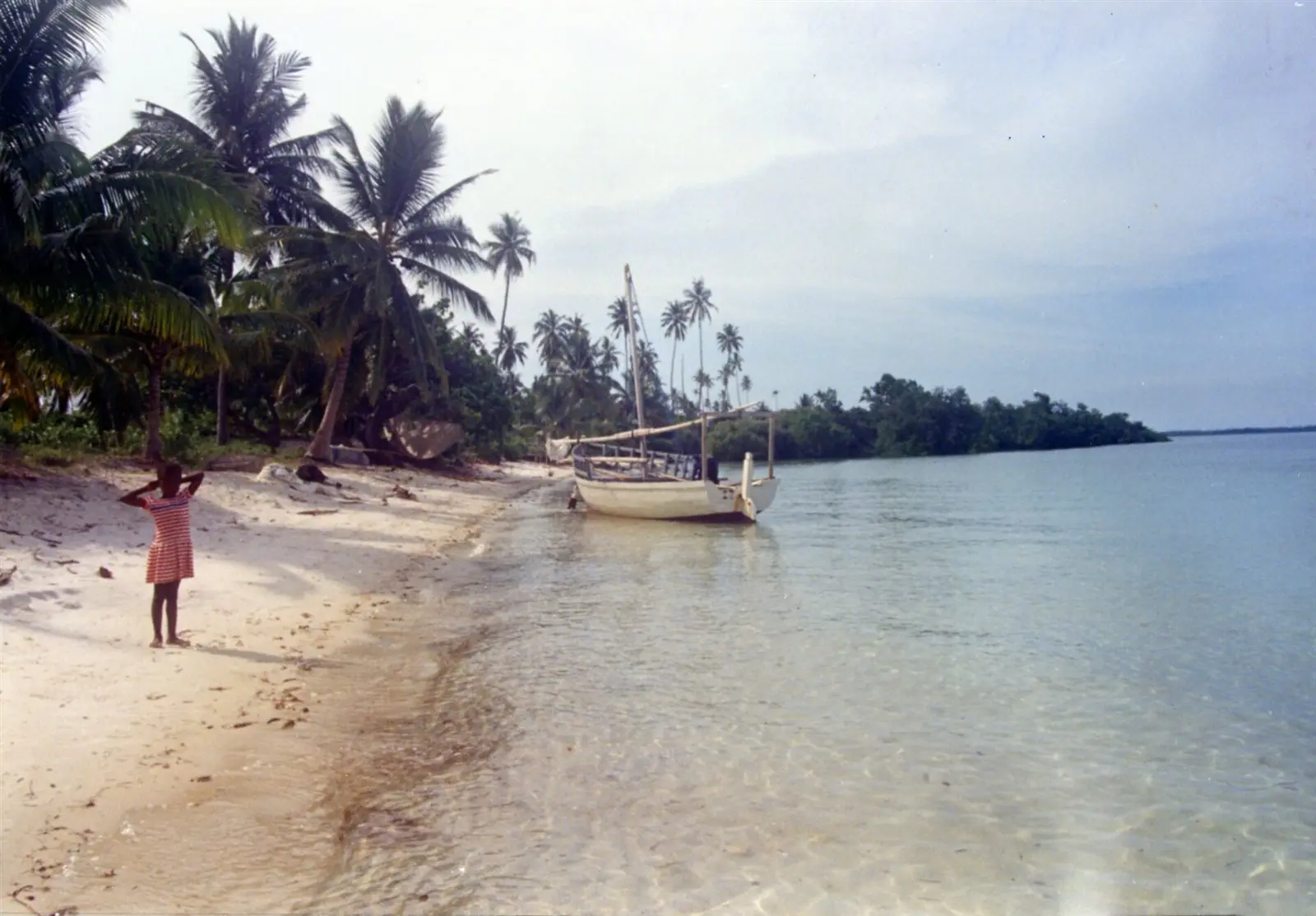
Indian Ocean setting
Warm turquoise water, white sand and palm-fringed shores all around the island.
-
A written history
Chronicles, coins and Chinese porcelain found here tell the story of a medieval trading capital.
-
The dhow harbour
Wooden dhows and traditional boats still cross to the island, keeping the sea lanes alive.
The rise of a Swahili trading empire
Kilwa’s story begins around the 9th and 10th centuries, when Bantu-speaking Swahili communities settled this stretch of coast and began trading with Arab and Persian merchants across the Indian Ocean. By the 13th century the Kilwa Sultanate had grown rich on the gold routes that ran inland from what is now Zimbabwe and Mozambique.
The island reached its golden age in the 14th and 15th centuries under rulers such as Sultan al-Hasan ibn Sulaiman, who expanded the Great Mosque and built the palace of Husuni Kubwa. The Moroccan traveller Ibn Battuta, who visited in 1331, described Kilwa as one of the finest and most beautiful towns in the world.
Portuguese ships arrived at the dawn of the 16th century, and after Vasco da Gama’s visit in 1502 the Portuguese seized the island in 1505 and fortified it. Control later passed to the Omani sultans of Zanzibar, and the great city slowly faded into the quiet ruins that survive today.
The ruins you will see
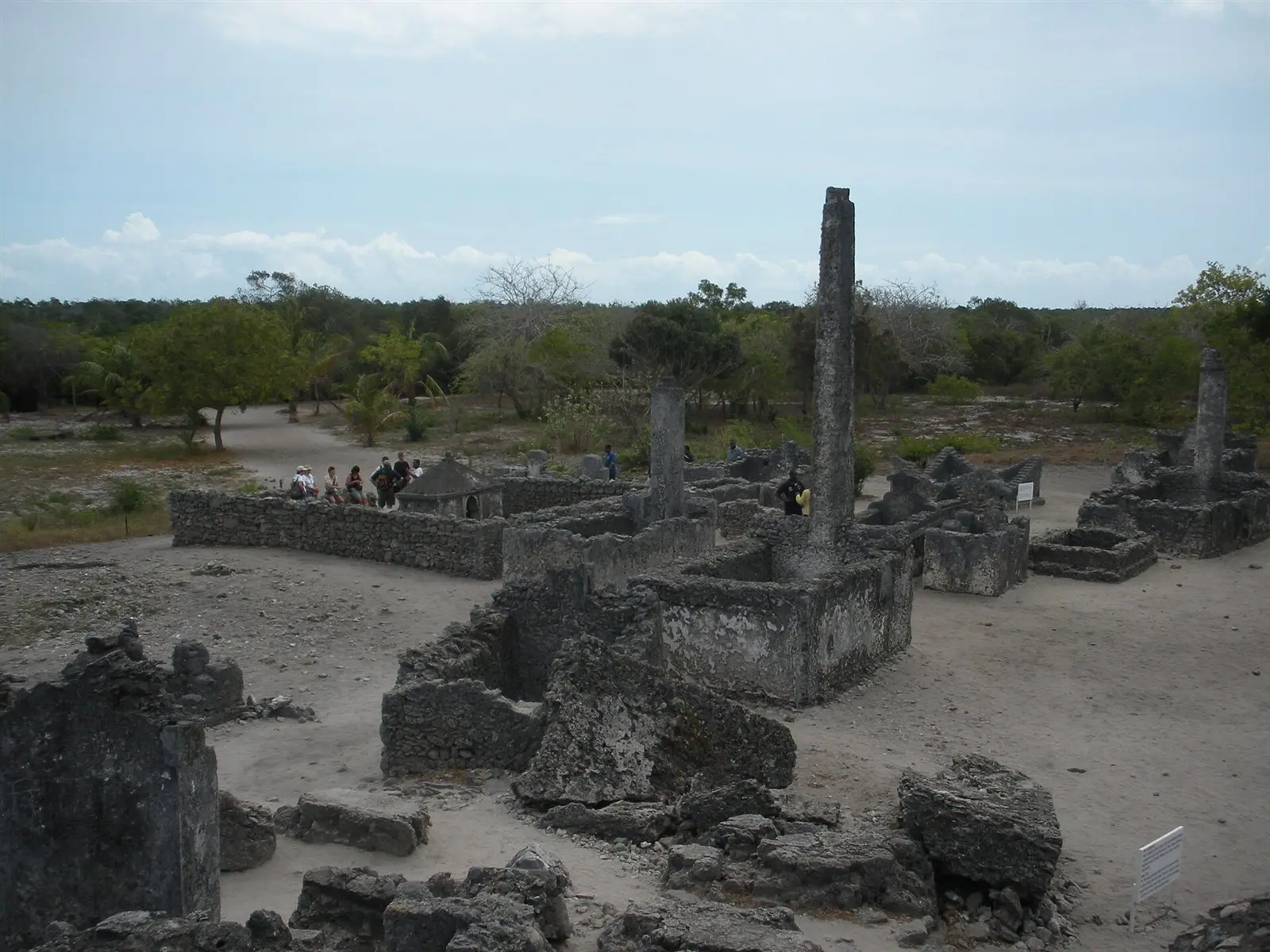
Kilwa Kisiwani is an outdoor museum spread across the island. A licensed guide brings each structure to life, explaining how the buildings were made from coral rag and lime, and what life was like in a medieval Swahili port.
- The Great Mosque — begun in the 12th century and enlarged over the following two centuries, once the largest mosque in East Africa.
- Husuni Kubwa — a vast clifftop palace complex with courtyards, baths and more than a hundred rooms, built for a 14th-century sultan.
- The Gereza — an imposing fort with metre-thick walls, later used by Omani rulers as a garrison and prison.
- The Small Domed Mosque — a beautifully preserved prayer hall with domes and vaults, and one of the oldest surviving Islamic buildings on the coast.
- Husuni Ndogo — the smaller stone enclosure standing close to the Great Mosque, dating from the 14th century.
Gold, ivory and the sea lanes
Kilwa’s wealth came from the sea. Its merchants handled gold from the Zimbabwean plateau, ivory, iron and mangrove timber, exchanging them for glass beads, textiles, glazed pottery and Chinese porcelain. Coins minted at Kilwa itself circulated along the coast — a sign of a sophisticated, literate and well-connected society.
Archaeologists have recovered thousands of objects from the island, from Persian faience to Ming dynasty porcelain, evidence of just how far Kilwa’s trade networks reached. This cosmopolitan world — African, Arab, Persian, Indian and Chinese — is the very definition of Swahili civilisation.
Understanding this history turns a walk through the ruins into a journey across oceans and centuries, and makes Kilwa one of the most rewarding cultural stops in Tanzania.
Songo Mnara, Kilwa Masoko & the coast
Across the water lies the smaller island of Songo Mnara, also part of the UNESCO listing. Its stone town, mosques and grand houses are even less visited than Kilwa Kisiwani, and can be added to the same trip by boat.
The mainland base, Kilwa Masoko, has a harbour, a colourful market and a small museum where finds from the islands are displayed. Further north, the calm channels around Mafia Island offer some of the best diving and whale-shark snorkelling in East Africa.
Combining the ruins with a few days on the coast makes for a genuinely varied southern Tanzania itinerary, well away from the crowds of the northern circuit.
Visiting Kilwa Kisiwani
Access to the island is by boat from Kilwa Masoko, a crossing of roughly 15 to 20 minutes depending on the craft and the tide. A local guide and a government site fee are required, and the revenue helps maintain the ruins.
The ruins are outdoors with little shade, so start early, carry water, wear a hat and use strong sun protection. Sturdy shoes are useful on uneven coral-stone ground. Respect the mosques and other sacred structures by dressing modestly and following your guide’s advice.
Kilwa is at its best in the dry season from June to October, when skies are clear and the sea is calm. The green season brings lush scenery and lower prices, but expect some rain and occasional rough crossings.
What you might see
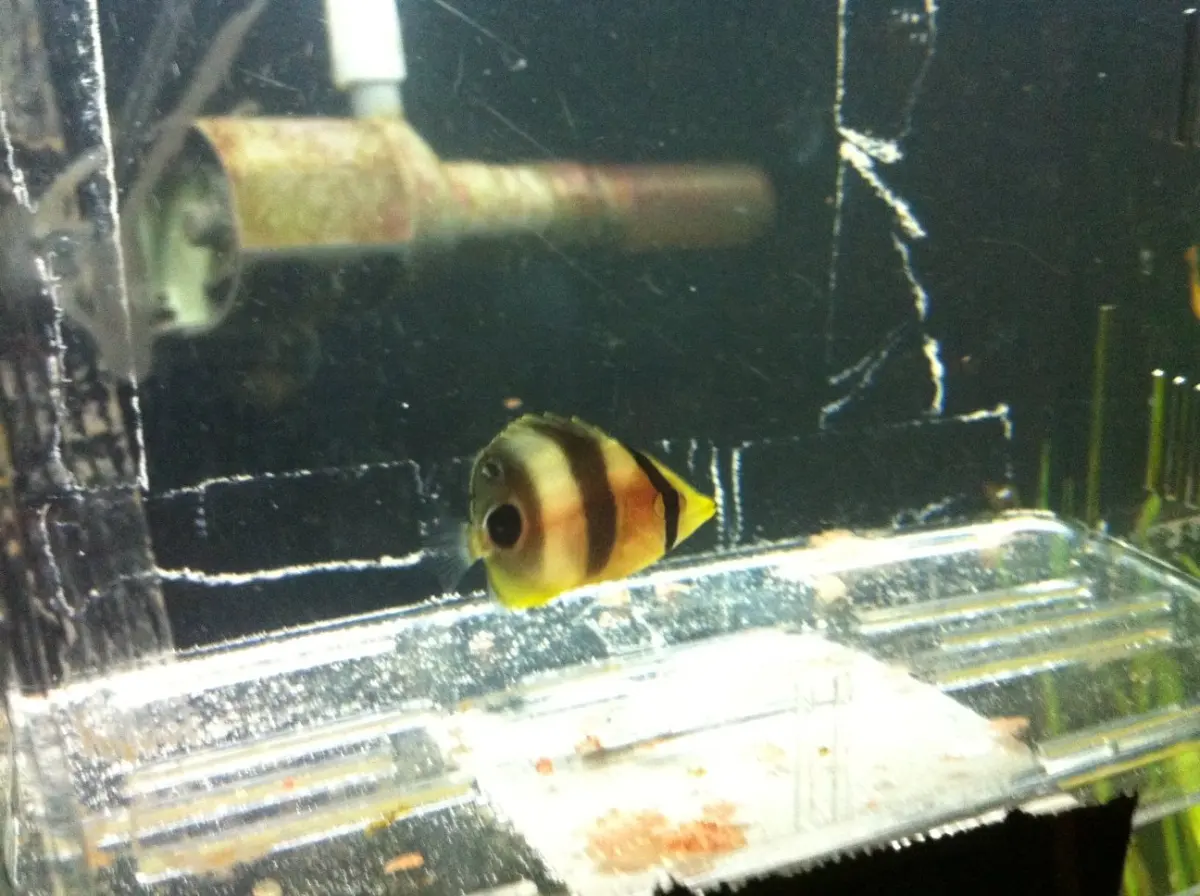
Reef fish
Colourful reef fish gather around the shallow coral gardens offshore.

Green turtles
Endangered green turtles graze the seagrass beds in the sheltered lagoons.
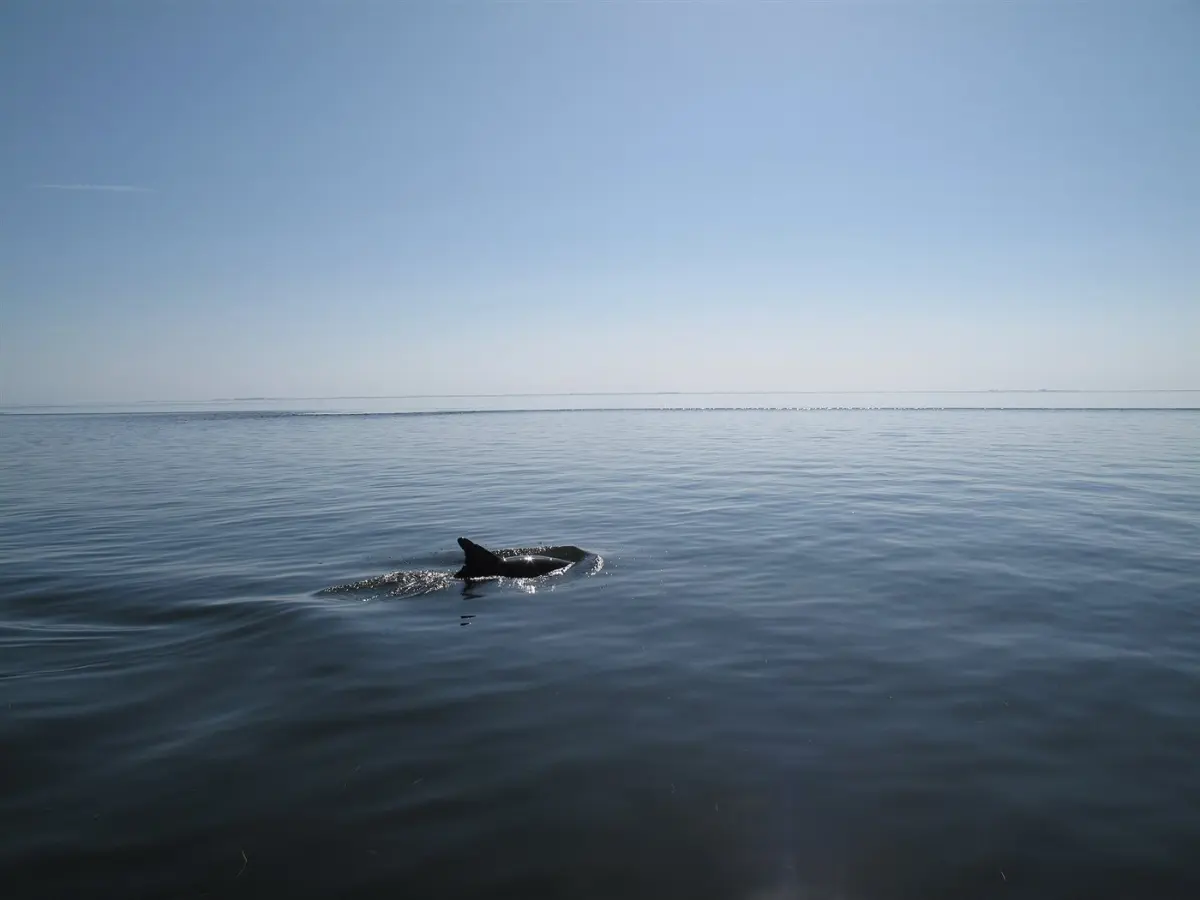
Dolphins
Bottlenose and humpback dolphins are often seen on the boat crossing.
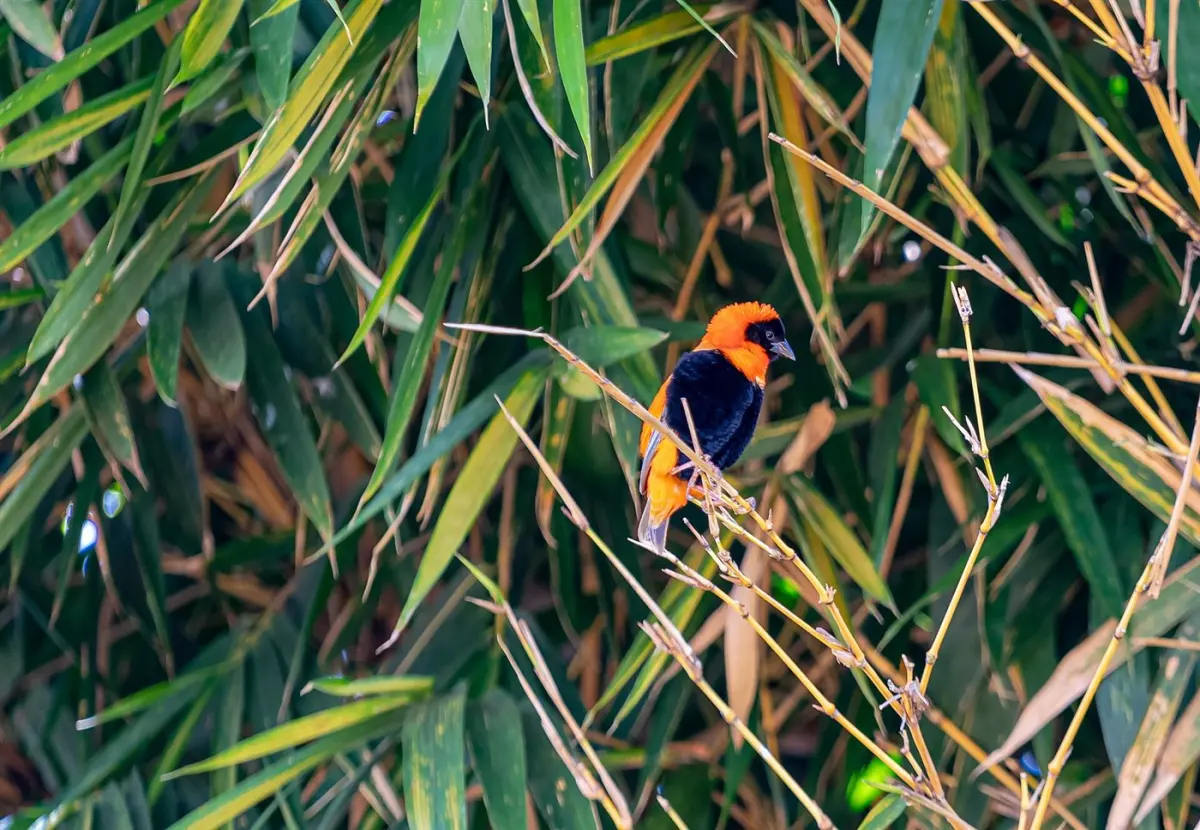
Coastal birds
Egrets, herons, terns and kingfishers patrol the shoreline and mudflats.
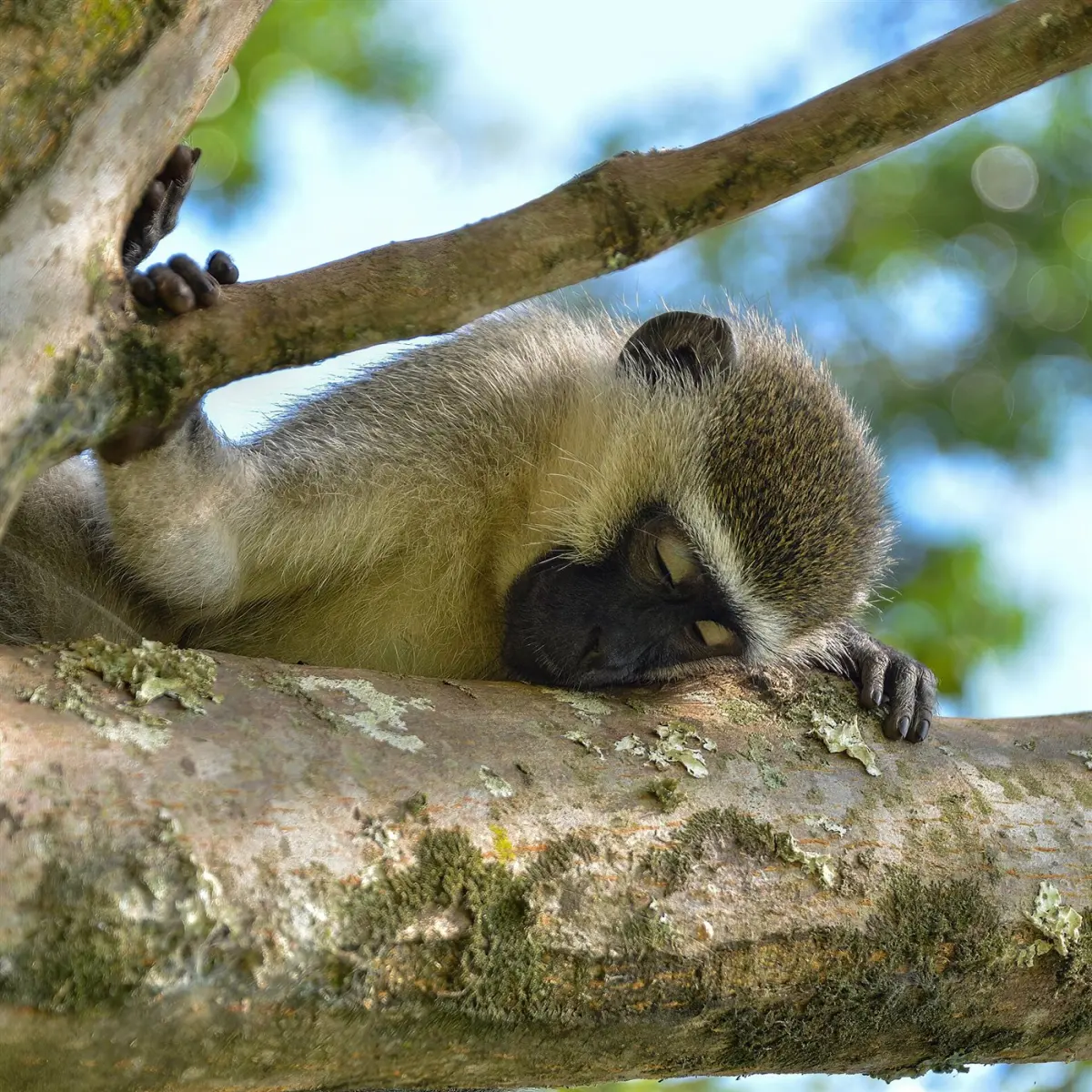
Sykes monkeys
Shy monkeys forage in the trees and around the overgrown ruins.

Land crabs
Brightly coloured crabs scuttle among the coral-stone walls and mangroves.
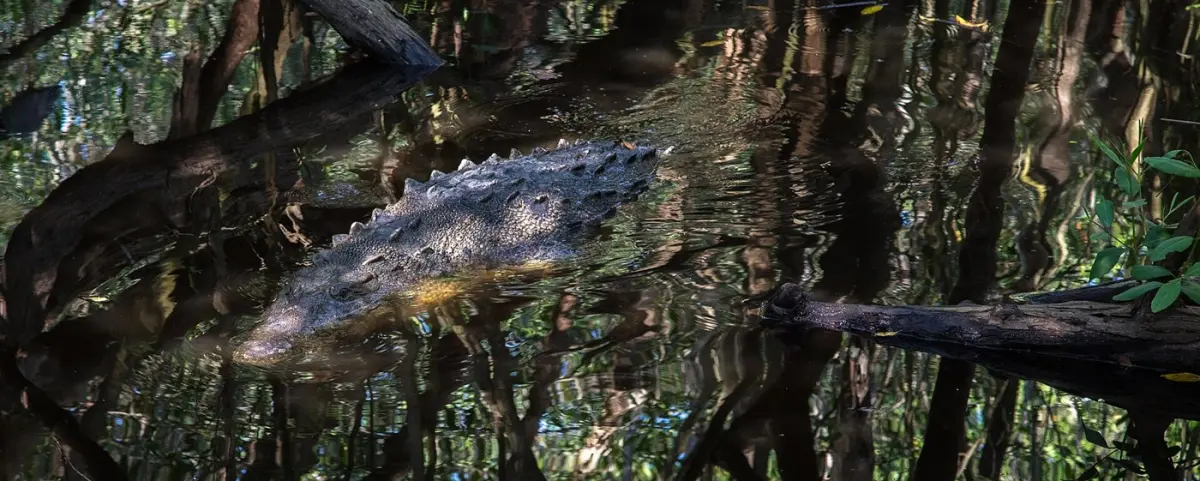
Mangrove birdlife
The mangrove channels shelter waders, herons and occasional flamingos.
Best time to visit
Kilwa is a tropical coastal destination. The dry season brings clear skies and calm seas, while the green season is lush, quiet and cheaper.
| Season | Weather | Crowds | What to expect |
|---|---|---|---|
| Jan–Mar | Hot and humid, some rain | Moderate | Lush coast and good underwater visibility |
| Apr–May | Long rains | Low | Wettest months; boat trips may be disrupted |
| Jun–Oct | Dry, sunny and breezy | High | Best time for ruins and calm crossings |
| Nov–Dec | Short rains | Moderate | Green season, quieter and good value |
Things to do
Boat crossing
Cross from Kilwa Masoko to the island in a traditional or motorised boat.
Guided ruins tour
Explore the Great Mosque, Husuni Kubwa and the island’s stone town with a local historian.
The Gereza fort
Walk the walls of the old fortress and look out over the Indian Ocean.
Snorkelling & swimming
Cool off in warm, clear water over coral and seagrass.
Photography
Golden-hour light on ancient stone makes the ruins unforgettable.
Dhow trips & fishing
Sail with local fishermen and, in season, look for dolphins and turtles.
Where to stay
Coastal resorts & lodges
Well-appointed lodges and beach resorts on the mainland or the nearby islands. <!-- TODO: lodge names -->
Comfortable guesthouses
Reliable hotels and guesthouses in Kilwa Masoko for exploring the ruins. <!-- TODO: lodge names -->
Budget stays & campsites
Simple guesthouses and campsites for independent and budget travellers. <!-- TODO: lodge names -->
Getting there & around
Kilwa Kisiwani lies off the coast road in southern Tanzania, about 330 km south of Dar es Salaam. Most visitors drive in a 4x4 — a journey of around five to six hours on tarmac — and stay overnight in the mainland town of Kilwa Masoko.
Light aircraft also serve the Kilwa Masoko airstrip from Dar es Salaam, which shortens the journey considerably. From Kilwa Masoko it is a short boat trip to the island; we arrange the crossing, the site fees and a licensed guide.
- By road from Dar 5–6 hrs (330 km)
- Boat from Kilwa Masoko 15–20 mins
- Best explored 1–2 days
- Add Songo Mnara Half-day boat trip
Frequently asked questions
What is Kilwa Kisiwani famous for?
Kilwa Kisiwani is famous as the heart of a medieval Swahili trading empire and for its UNESCO World Heritage ruins — above all the Great Mosque, the palace of Husuni Kubwa and the Gereza fort.
How do I get to Kilwa Kisiwani?
Travel to the mainland town of Kilwa Masoko, either by road from Dar es Salaam (about five to six hours) or by light aircraft, then take a short boat ride of 15 to 20 minutes to the island.
When is the best time to visit Kilwa?
The dry season from June to October offers clear skies, calm seas and the most comfortable conditions for walking the ruins. The green season is quieter and cheaper but wetter.
Do I need a guide to visit the ruins?
Yes. A local guide and a government site fee are required. Your guide explains the history and archaeology and helps you find the most important monuments across the island.
Can I visit Songo Mnara as well?
Yes. Songo Mnara, the neighbouring island, is part of the same UNESCO listing and can be reached by boat. It is even quieter than Kilwa Kisiwani and well worth a half day.
Is Kilwa suitable for families?
Yes, for older children who enjoy history and the outdoors. The boat crossing, ruins and swimming appeal to families, though the site has little shade and uneven ground, so young children need supervision.
Nearby destinations

Ready to plan your Kilwa Kisiwani trip?
Tell us your dates and travel style. Our local team in Moshi will build a tailor-made itinerary around Kilwa Kisiwani — free, with no obligation.